


Getting up in the middle of the night to use the bathroom is something most people never think twice about — until a fall, a surgery, or a mobility challenge makes that short walk feel genuinely risky. A bedside commode is one of the most practical, dignity-preserving tools available for seniors, people recovering from surgery, and anyone who needs a safer alternative to repeated bathroom trips. Yet with so many styles and configurations available, choosing the right one can feel overwhelming.
This guide breaks down everything you need to know about bedside commodes: what they are, who they're designed to help, the different types available, and the specific features that matter most for your situation. Whether you're researching for yourself or helping a parent or loved one stay comfortable and independent at home, you'll find clear, practical answers here — no clinical jargon required.
What Is a Bedside Commode?
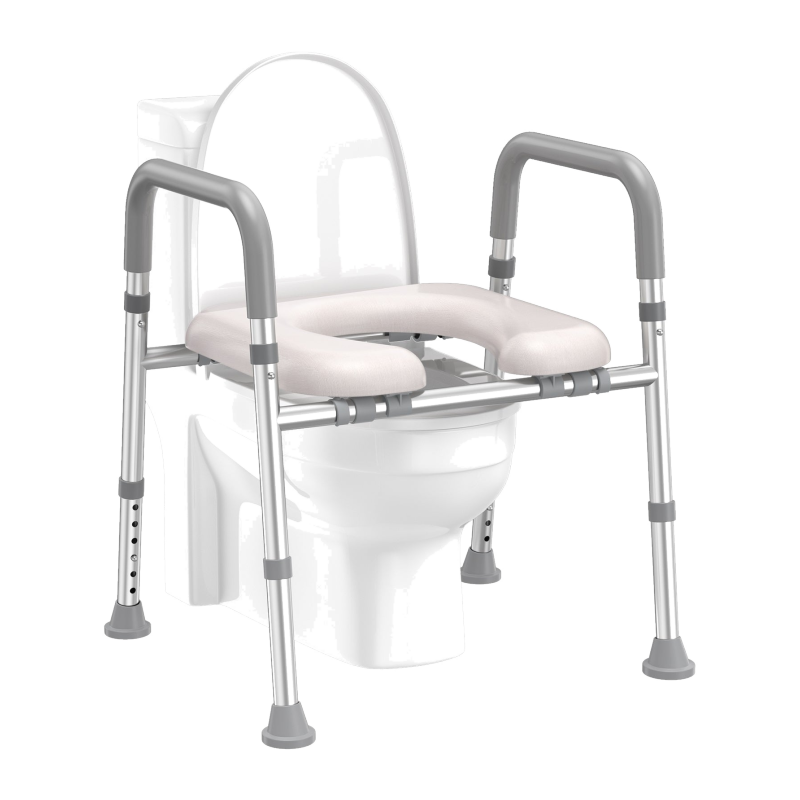
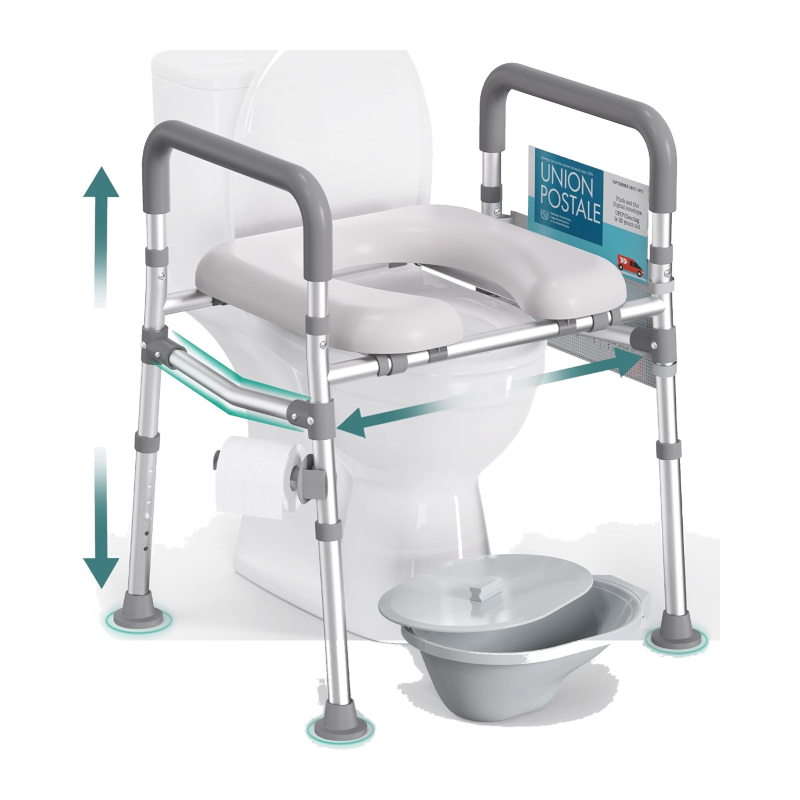
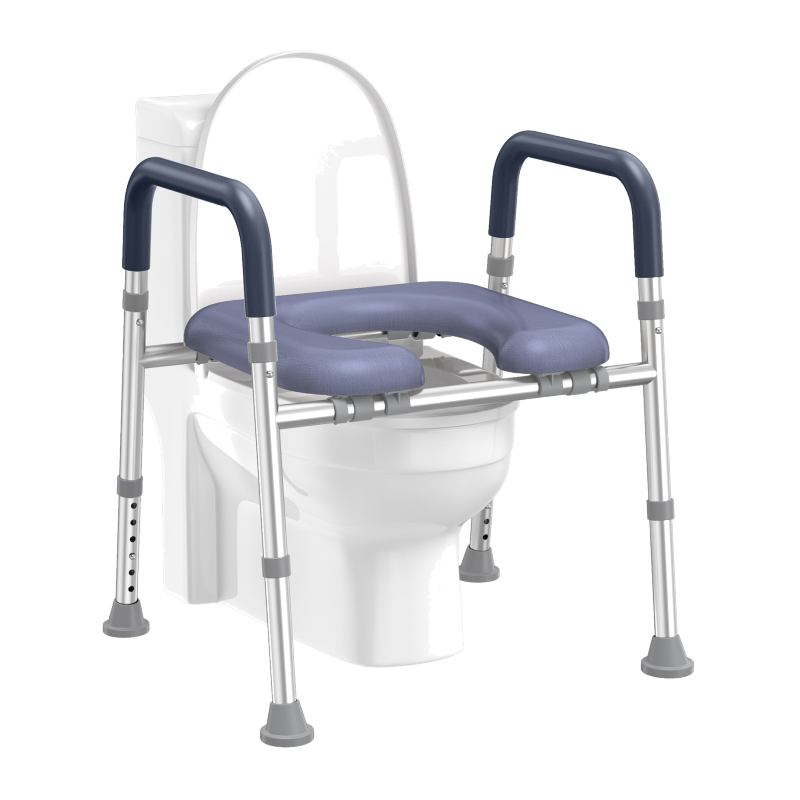
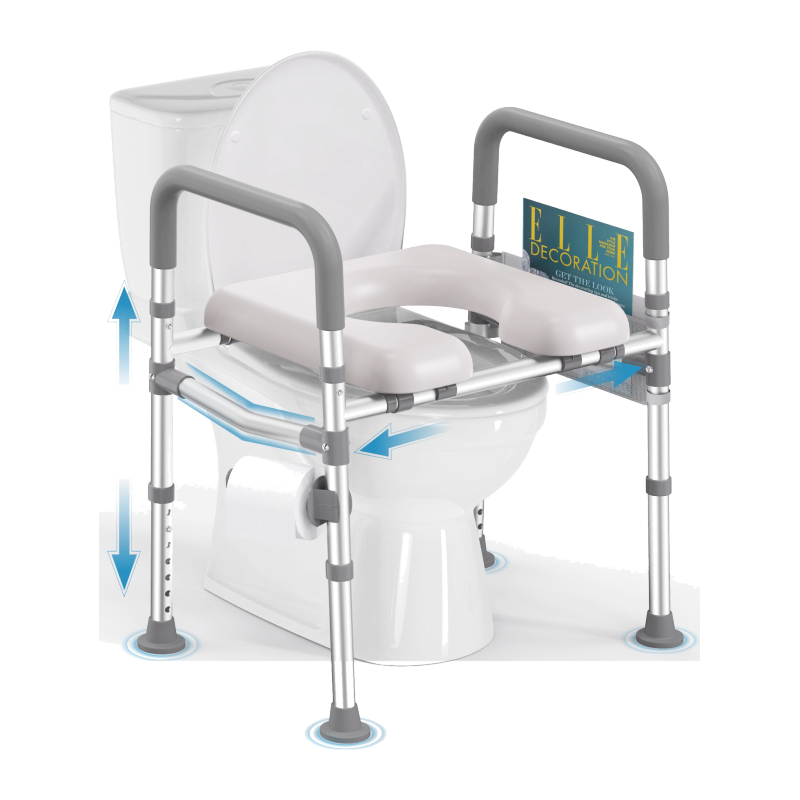
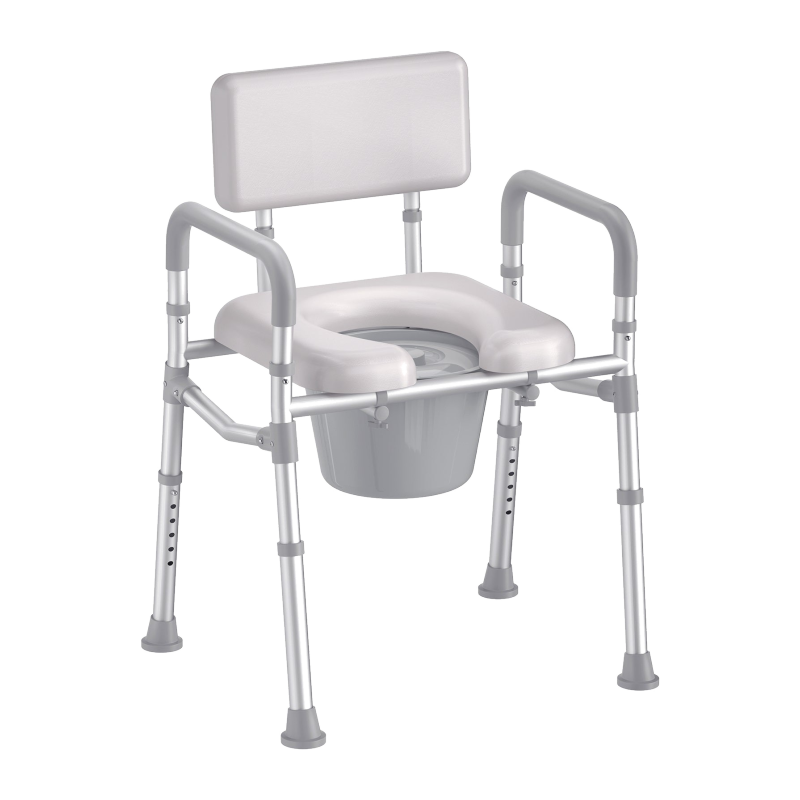
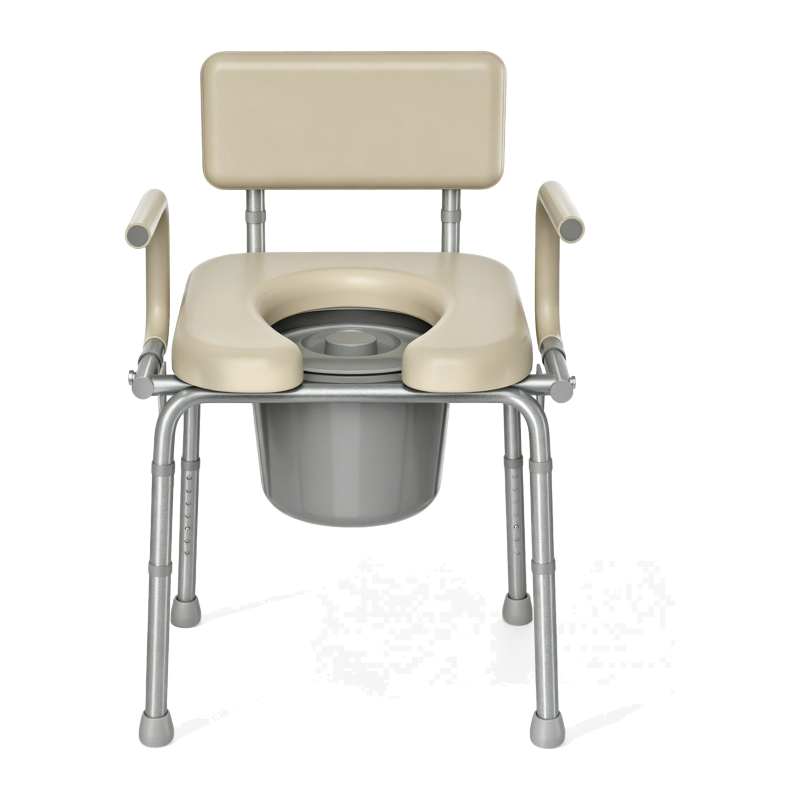
A bedside commode is a portable, chair-like toilet that can be placed anywhere in the home — most commonly next to a bed. It consists of a sturdy frame (usually steel or aluminum), armrests for support, and a removable bucket beneath a seat opening. Some models also work as a raised toilet seat or shower chair, giving users several functions in a single piece of equipment.
The concept is simple, but the impact is significant. For someone who has just had hip replacement surgery, navigating a hallway to the bathroom at 2 a.m. carries real risk. A bedside commode eliminates that journey entirely, keeping the person safe and preserving their ability to manage personal care without waking a partner or calling for help. Physical therapists often recommend commodes as part of a safe home setup during recovery — and for many people, they become a long-term fixture that supports independent living.
Who Benefits from a Bedside Commode?
Bedside commodes aren't just for one type of person. They serve a wide range of situations where bathroom access becomes challenging, even temporarily.
- Post-surgery recovery: Hip, knee, and abdominal surgeries often require limited walking and specific movement restrictions in the early weeks. A commode placed directly beside the bed removes unnecessary trips and reduces the risk of a fall during those critical healing days.
- Seniors with balance or mobility challenges: For older adults who feel unsteady on their feet — especially at night when fatigue affects coordination — a nearby commode can be a genuine safety net.
- Individuals with chronic conditions: People managing conditions like Parkinson's disease, multiple sclerosis, or severe arthritis may find that getting to the bathroom quickly is difficult. A bedside commode offers a dependable nearby option.
- Caregivers managing overnight care: When a family member is caring for someone who cannot safely walk to the bathroom unassisted at night, a commode reduces caregiver burden and protects both people's sleep.
- Those with incontinence concerns: When urgency makes a bathroom trip feel impossibly short, having a commode close at hand removes the anxiety of not making it in time.
If you're an adult child helping a parent navigate life after a hospitalization, a bedside commode is often one of the first things a discharge team will mention — and one of the most immediately useful additions to a home setup. HOMLAND's bedside commodes are FSA/HSA eligible, arrive quickly from a US local warehouse, and come backed by a 1-year manufacturer warranty plus a 1-year extended warranty, so you can get everything in place before your loved one comes home.
Types of Bedside Commodes
Not every commode is built the same way, and the right style depends on how it will be used, where it will be placed, and the specific needs of the person using it. Here's a clear look at the main types available.
Standard Bedside Commode
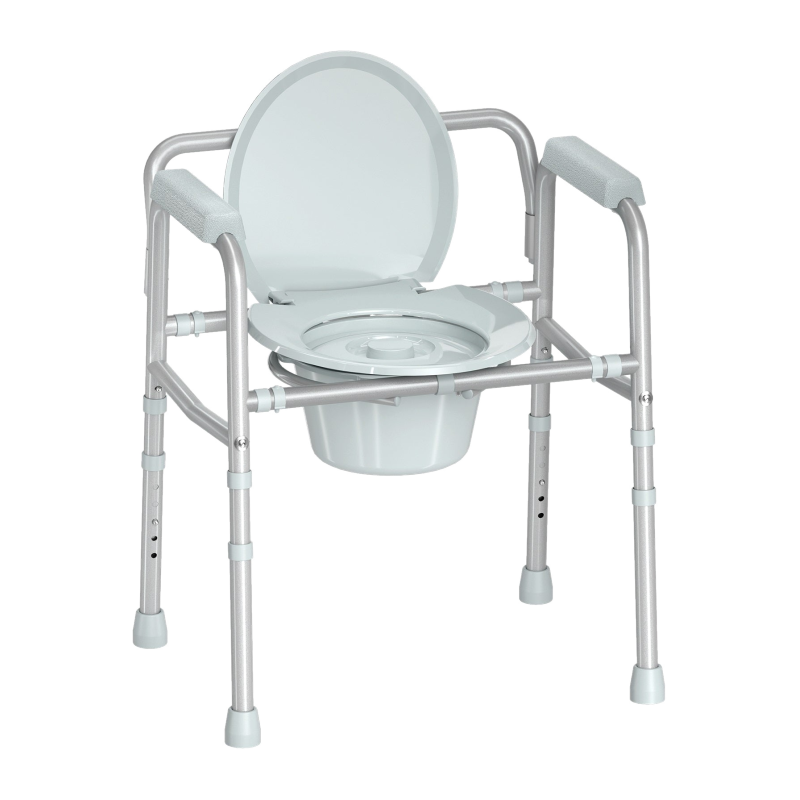
The standard bedside commode is the most common style. It features four legs, two armrests, a toilet seat with lid, and a removable bucket underneath. The frame height is usually adjustable so the seat can be set at the right level for the user — an important detail for anyone whose knees or hips have specific range-of-motion limitations. Standard commodes are lightweight, easy to position, and straightforward to clean. They're a strong choice for most home recovery or ongoing mobility support situations.
Folding Bedside Commode
A folding commode uses a collapsible frame that can be packed flat when not in use. This makes it particularly useful for travel, visits to family members' homes, or situations where space is limited and the commode needs to be stored discreetly during the day. The trade-off is that folding models tend to have slightly lower weight capacities than rigid-frame versions, so it's worth checking the specifications carefully before purchasing.
3-in-1 Commode
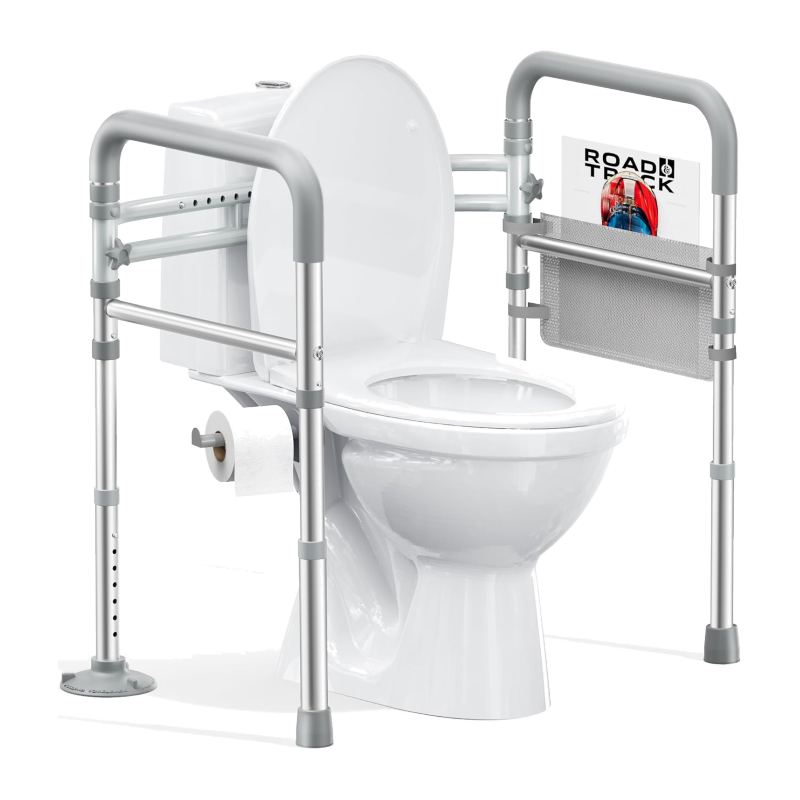
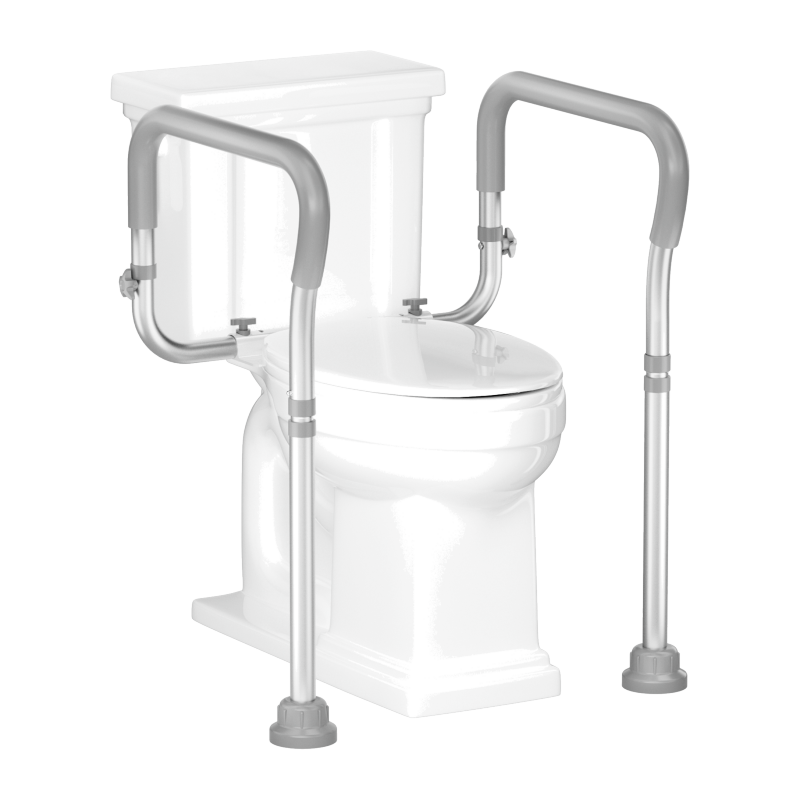
The 3-in-1 commode is one of the most versatile options available. It functions as a freestanding bedside commode, a raised toilet seat (when placed over an existing toilet), and — with the bucket and lid removed — a toilet safety frame that provides armrest support. For households where a person needs help in multiple parts of the bathroom routine, a 3-in-1 model can serve several purposes without requiring multiple pieces of equipment. Physical therapists frequently recommend this style because of its adaptability across different stages of recovery. You can also browse HOMLAND's toilet safety rail collection for additional support options around the toilet.
Drop-Arm Commode
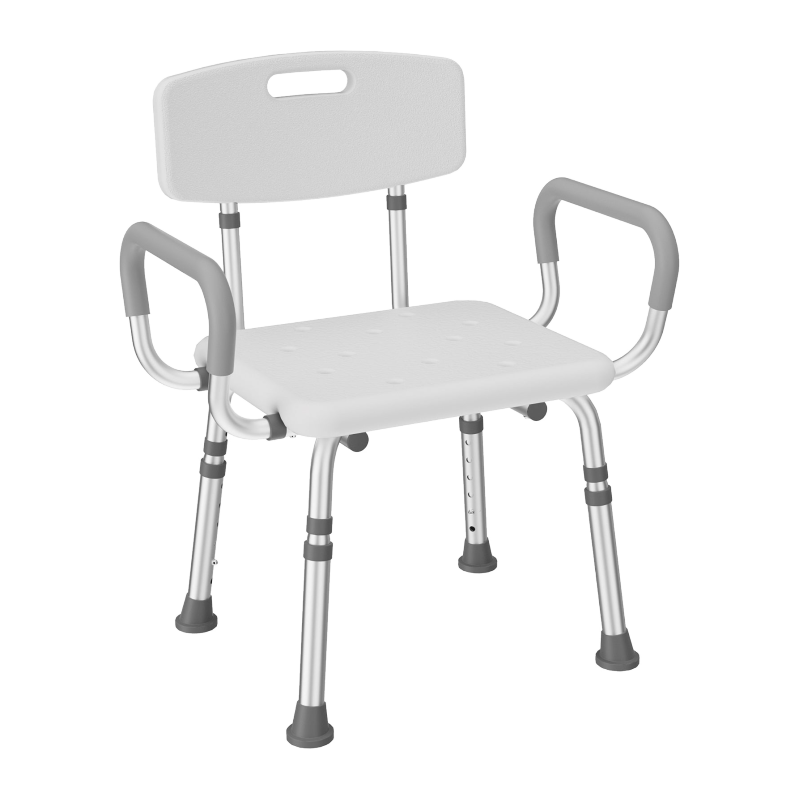
A drop-arm commode has one or both armrests that swing down or detach completely. This design is especially important for individuals who do lateral transfers — moving from a wheelchair or bed to the commode from the side rather than standing and sitting. When the arm lowers, it creates an unobstructed path for a smooth, safe transfer without requiring the user to lift or maneuver around a fixed armrest. If you or your loved one uses a wheelchair, this style is worth prioritizing.
Bariatric Commode
Bariatric commodes are built with reinforced frames and wider seats to safely support higher weight capacities — often 450 lbs or more. Beyond the structural strength, these models typically feature a wider seat opening and broader armrest spacing to ensure comfort for larger body frames. Using a commode that isn't rated for a user's weight creates a real safety risk, so capacity is one of the most important specifications to verify before purchase. HOMLAND engineers select models in this category to support up to 500 lbs on certain configurations, so users can sit and stand with full confidence in the equipment beneath them.
Rolling (Wheeled) Commode
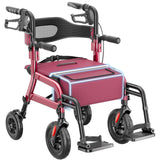
A rolling commode is mounted on lockable wheels, allowing it to be moved from room to room or positioned directly over a standard toilet — functioning as a raised seat and support frame without needing the bucket. This style is often used in combination with a shower setup, since some rolling commodes are designed to roll into a roll-in shower, allowing someone to shower while remaining seated. For caregivers who assist with repositioning, the wheels make the process significantly easier. Always confirm the wheels lock securely before use.
Key Features to Look For
Once you've identified the type that fits your situation, these are the specific features that separate a frustrating purchase from one that genuinely works well every day.
- Adjustable seat height: Seat height should align with the user's knee height when seated, allowing feet to rest flat on the floor. Most quality commodes offer a range of height settings without requiring tools.
- Weight capacity: Always match the commode's rated capacity to the user's actual weight, with some margin. Undersized equipment is unsafe.
- Armrest design: Fixed armrests provide stability; drop-arm designs enable lateral transfers. Consider which motion the user will need.
- Bucket and splash guard: A well-designed, easy-to-remove bucket with a secure lid and splash guard makes cleanup far more manageable. Look for smooth interiors without corners that trap residue.
- Non-slip feet: Rubber-tipped legs prevent the commode from sliding on hard floors — a critical safety detail, especially on tile or hardwood.
- Tool-free assembly: The ability to set up and adjust the commode without tools matters most when someone is coming home from the hospital and needs everything ready quickly.
- Padded seat: A contoured, padded seat dramatically improves comfort for longer periods of use, which matters for people who need more time to complete their routine.
How to Choose the Right Bedside Commode
Choosing the right bedside commode comes down to matching the equipment to the person using it — not just buying the first option you see. Here's a practical way to think through the decision.
Start with the user's mobility and transfer method. Can they stand and pivot to sit? If so, a standard or 3-in-1 commode works well. Do they transfer laterally from a wheelchair? A drop-arm model is the safer choice. Is moving the commode between rooms or to a shower needed? A rolling commode makes that practical.
Consider where it will live. If the commode will stay next to the bed permanently, a sturdy standard or bariatric model is ideal. If space is tight or it needs to be stored away during the day, a folding commode preserves room without sacrificing function.
Match the weight capacity with a buffer. Physical therapists recommend choosing a commode rated at least 50 lbs above the user's actual weight. This isn't about doubt — it's about ensuring the frame remains stable under real-world use, including leaning or shifting weight while sitting or standing.
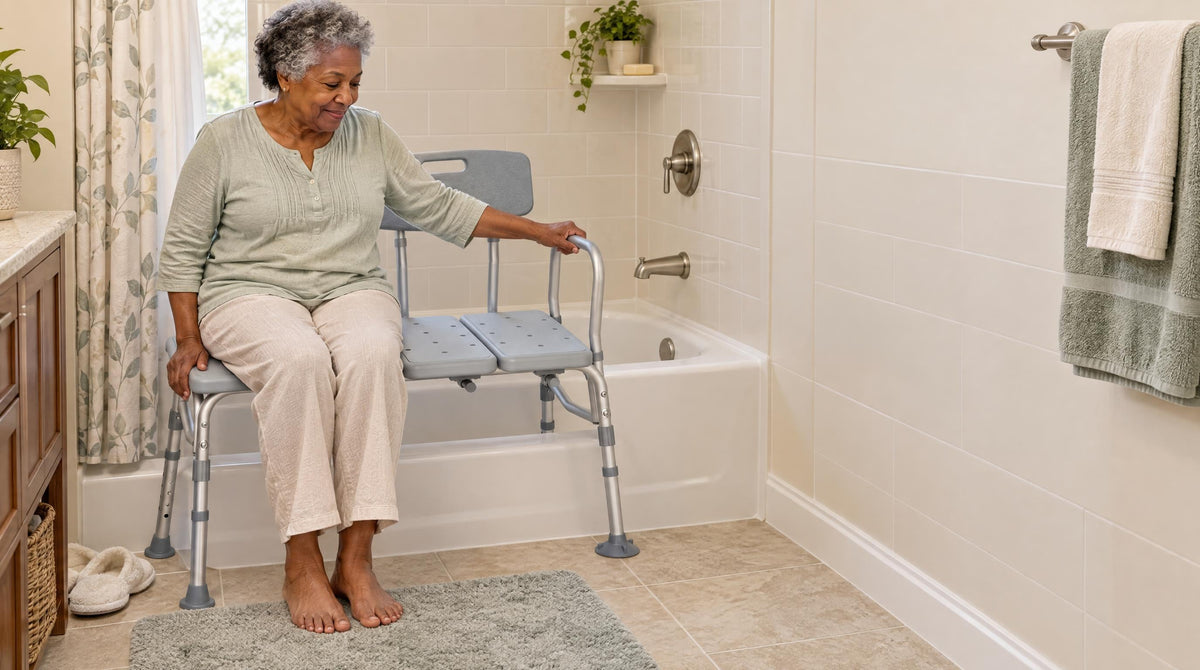
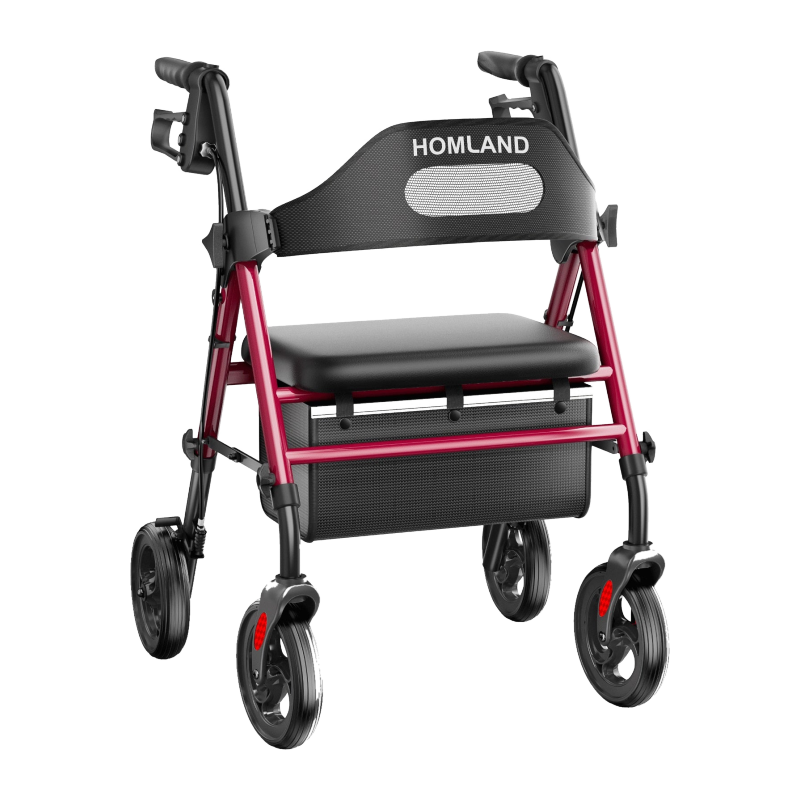
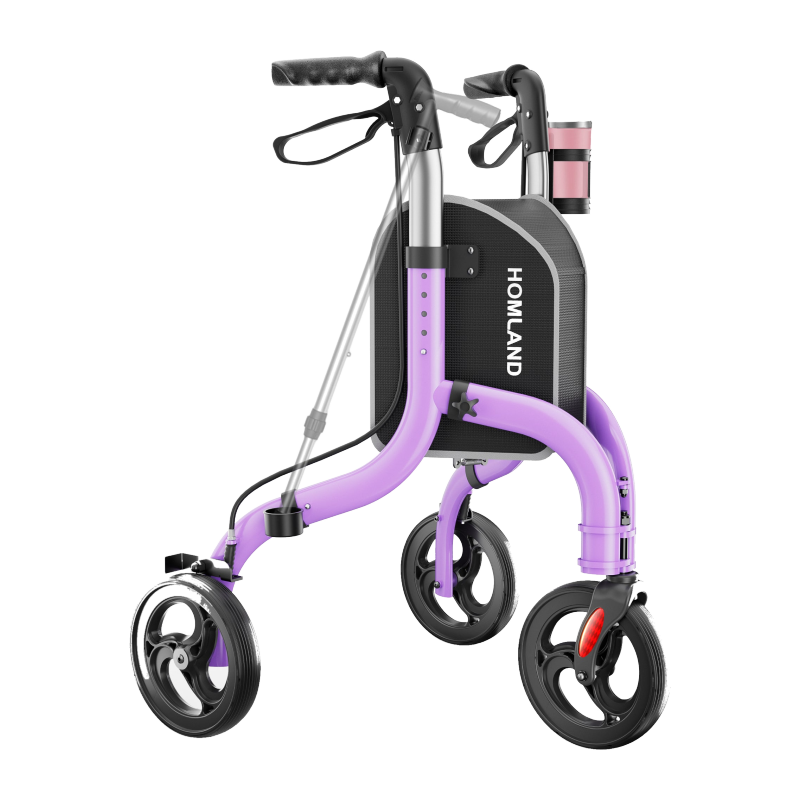
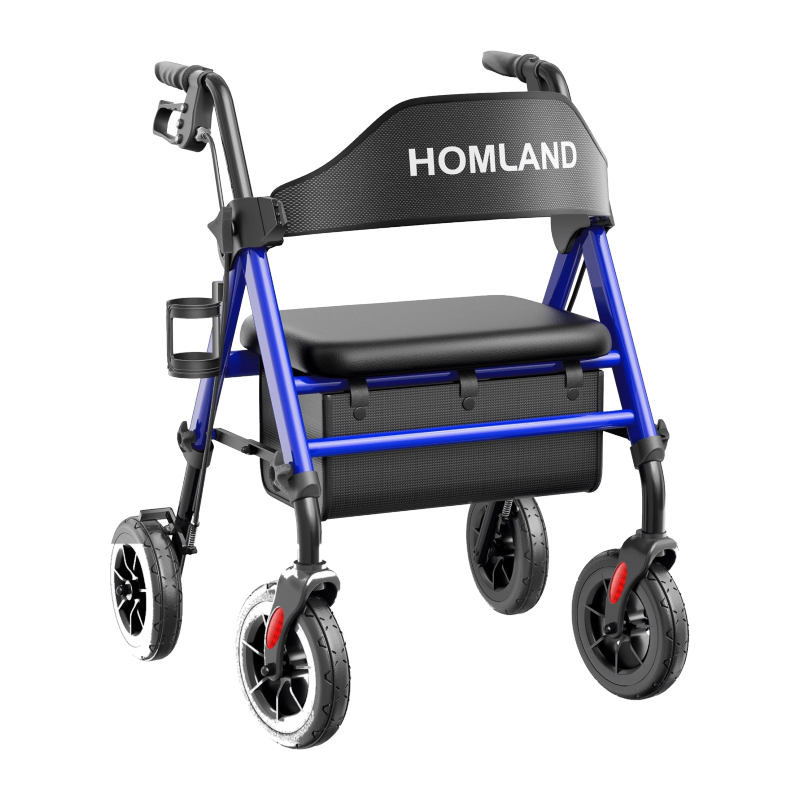
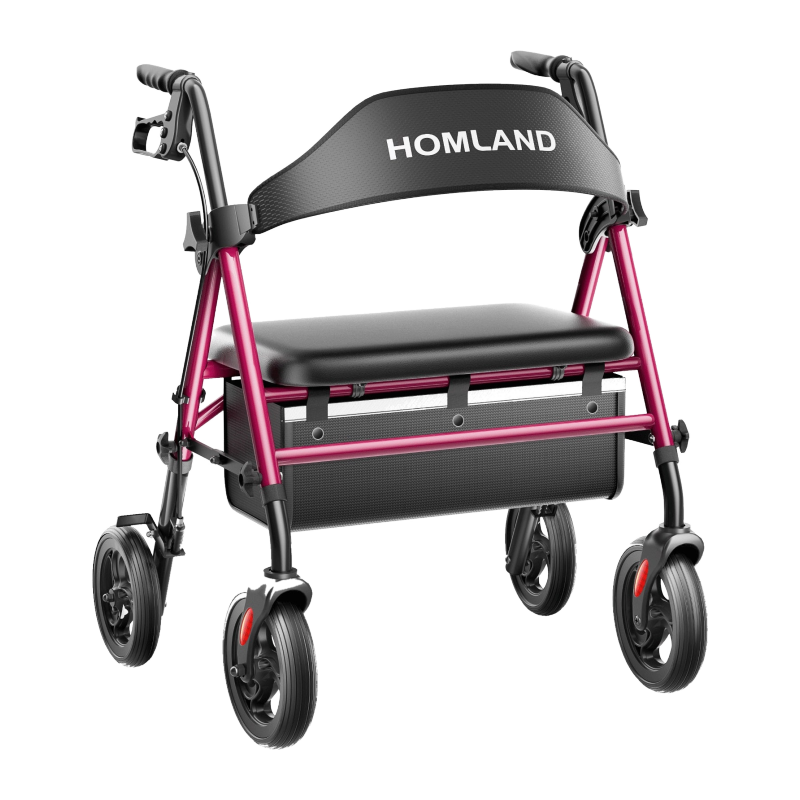
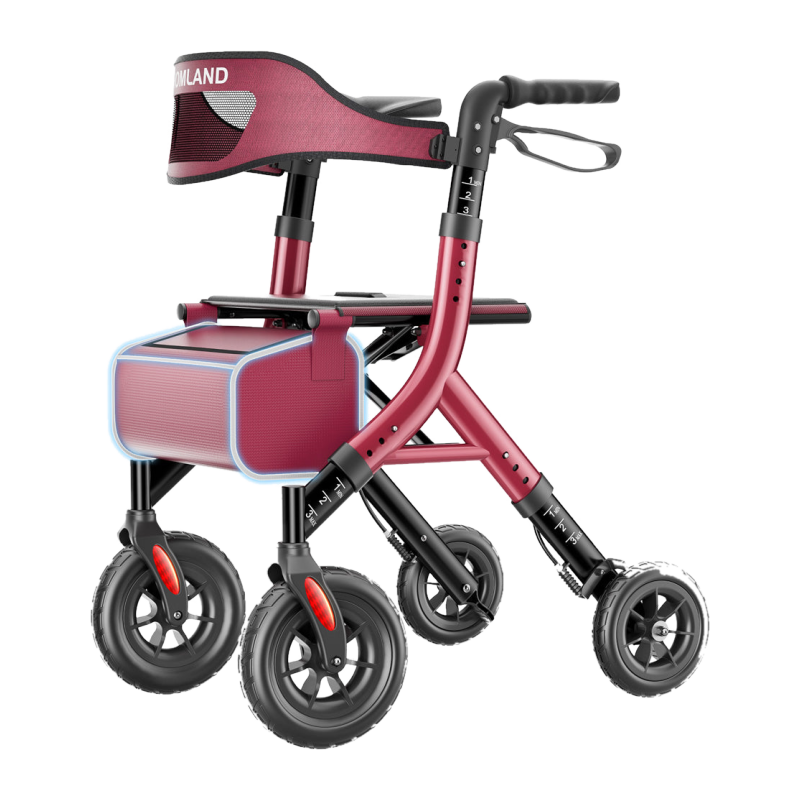
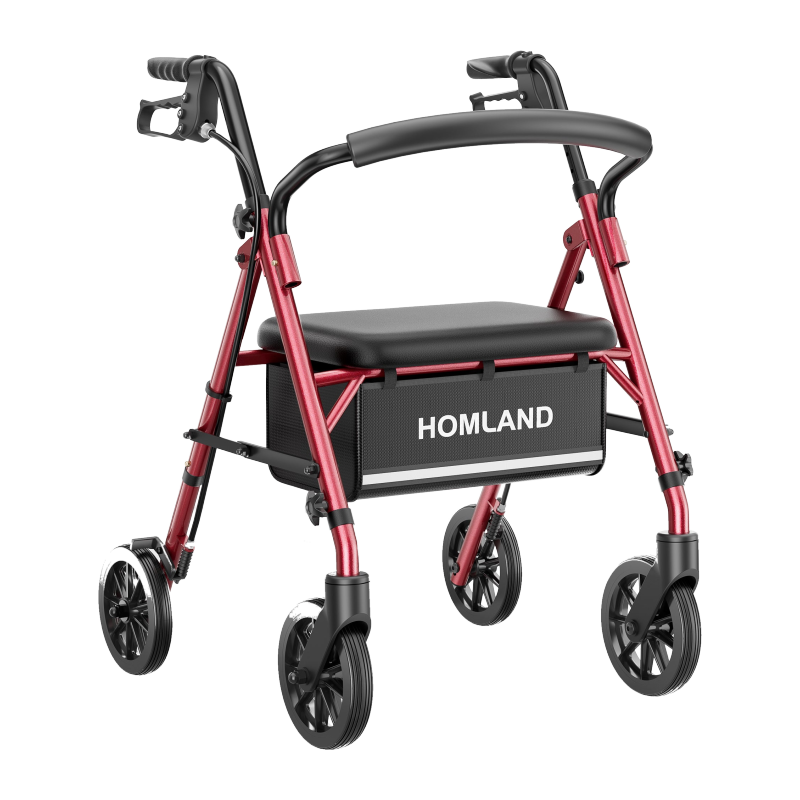
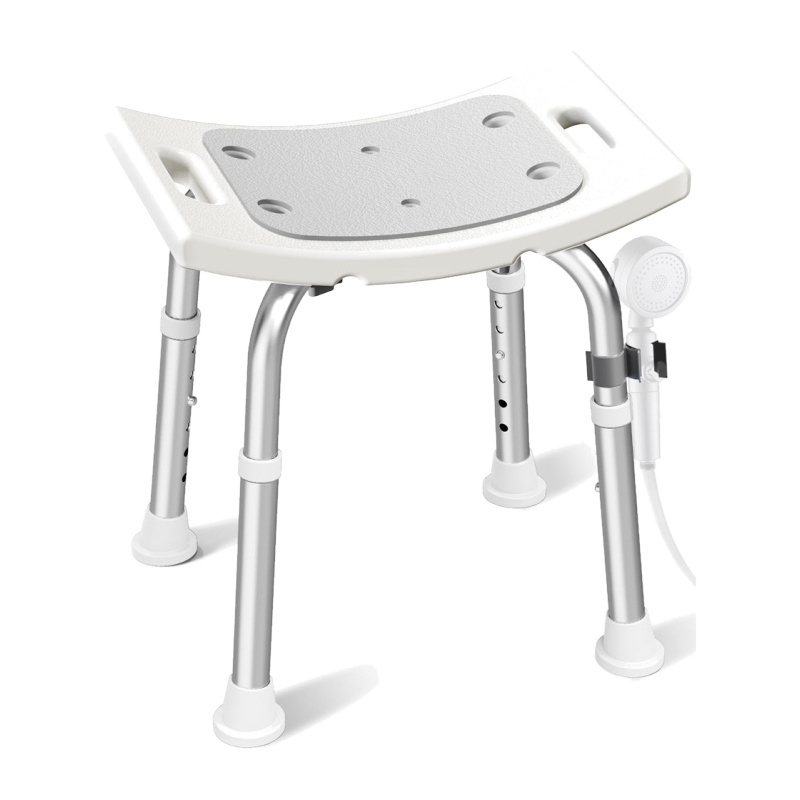
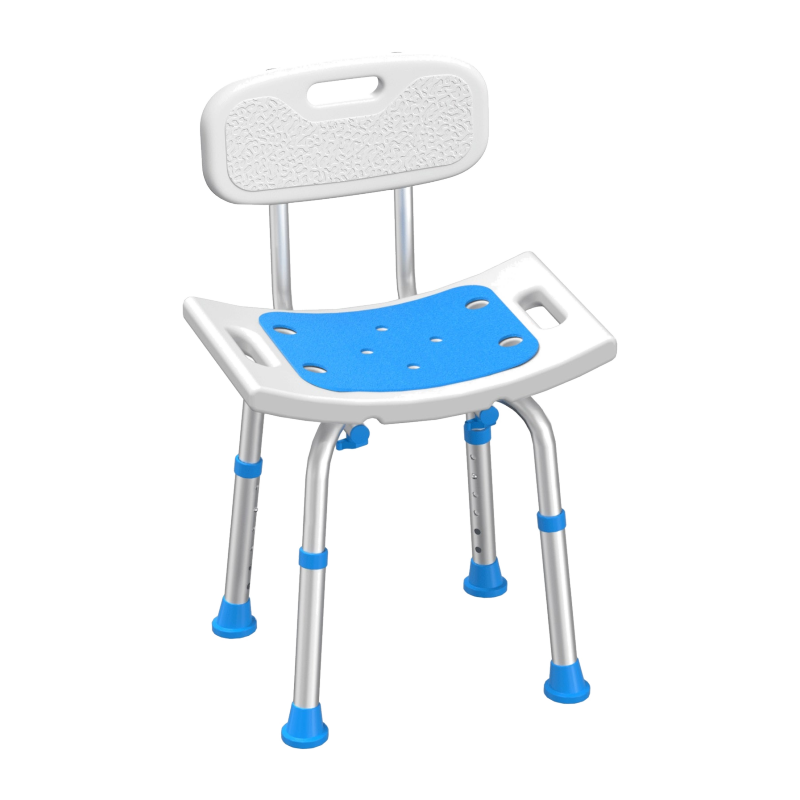
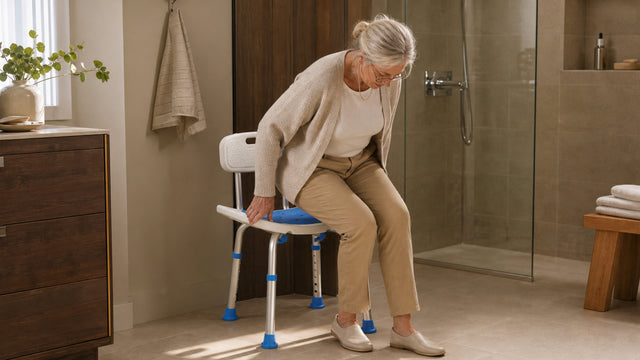
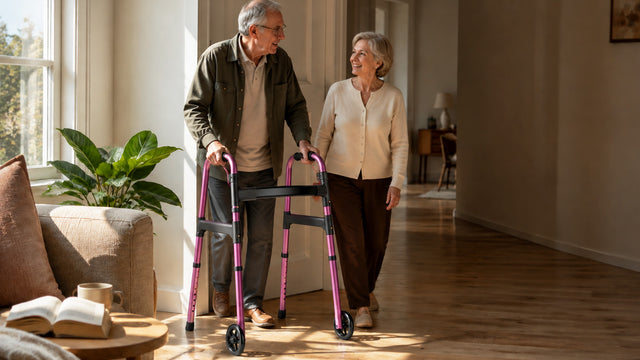
Think about the bathroom setup too. If the user also needs support around the toilet itself, pairing a commode with a toilet safety rail creates a more complete, safe environment throughout the bathroom. For shower safety, a shower chair works alongside a commode to address the full personal care routine. And if walking support between rooms is needed, HOMLAND's rolling walkers and standard walkers complete the picture for whole-home independence.
Verify FSA/HSA eligibility. Bedside commodes typically qualify as FSA/HSA eligible medical expenses, which can offset the cost meaningfully. HOMLAND products are FSA/HSA eligible — worth confirming with your plan administrator before purchase.
Tips for Using a Bedside Commode Safely
Even the best-designed commode needs to be set up and used correctly. These practical tips help ensure every use is as safe and comfortable as possible.
- Place the commode on a flat, hard surface — never on a rug or carpet that can shift underfoot during transfers.
- Position it close enough to the bed that the user can reach both armrests before sitting, rather than leaning forward to find them mid-transfer.
- Adjust the height so the user's feet are flat on the floor and their knees are at roughly a 90-degree angle when seated. This makes standing back up significantly easier.
- Always lock the wheels (on rolling models) before sitting or standing.
- Empty and clean the bucket daily. Use a mild disinfectant and rinse thoroughly to prevent odor and maintain hygiene.
- Check the frame and leg tips regularly for any signs of wear, and replace rubber tips if they become smooth or cracked.
Final Thoughts
A bedside commode isn't a symbol of limitation — it's a practical tool that gives people the freedom to manage their own personal care safely, on their own schedule, without depending on someone else for every bathroom trip. That kind of independence matters deeply, whether you're recovering from surgery for a few weeks or managing a long-term mobility challenge.
The right commode is one that fits the user's body, their transfer method, and the layout of their home. It should be easy to assemble, easy to clean, and built to hold up reliably over time. When those things come together, it quietly disappears into the routine — doing its job without calling attention to itself.
HOMLAND's bedside commodes are designed with exactly that goal in mind: safe, comfortable, dignified daily living at home. Authorized by licensed Doctors of Physical Therapy, FSA/HSA eligible, and backed by a 1-year manufacturer warranty plus a 1-year extended warranty — with fast delivery from a US local warehouse — they're built to be there when you need them, and to keep working long after. Explore the full range of HOMLAND home-care products to build a home setup that supports independence every step of the way.
Have questions about finding the right bedside commode for your situation?
Our team is here to help you choose with confidence — no guesswork, no pressure.
Contact Us