

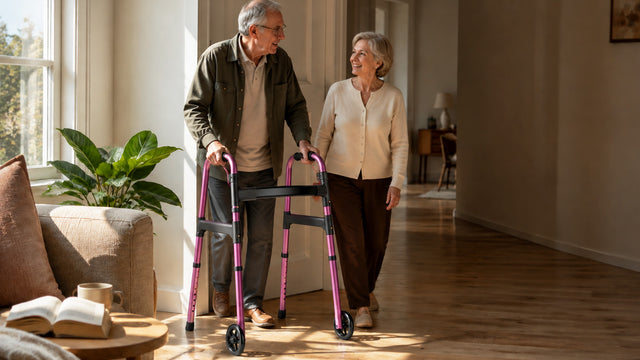

Bathing should feel refreshing — not risky. But for millions of people recovering from surgery, managing a chronic condition, or navigating the natural changes that come with aging, stepping over a tub wall or standing in a wet shower can feel like the most daunting part of the day. That's exactly where a shower transfer bench makes all the difference.
Unlike a standard shower chair, a transfer bench spans both inside and outside the bathtub, giving you a stable, seated way to slide into the shower without ever having to step over the ledge. Physical therapists often recommend them as one of the most practical tools for maintaining safe, independent bathing at home — and once you understand how they work, it's easy to see why.
In this guide, we'll walk through what a shower transfer bench is, how it works step by step, who benefits most from using one, and what to look for when choosing the right model for your bathroom. Whether you're looking for yourself or helping a family member stay safe and comfortable at home, this is everything you need to know.
What Is a Shower Transfer Bench?
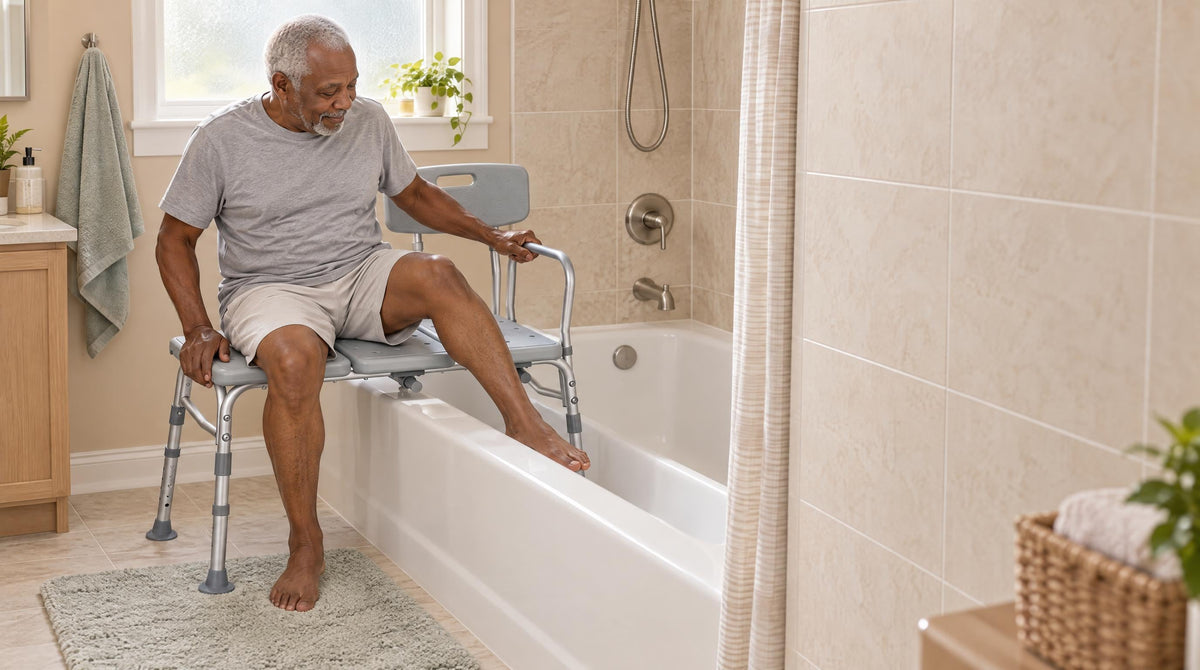
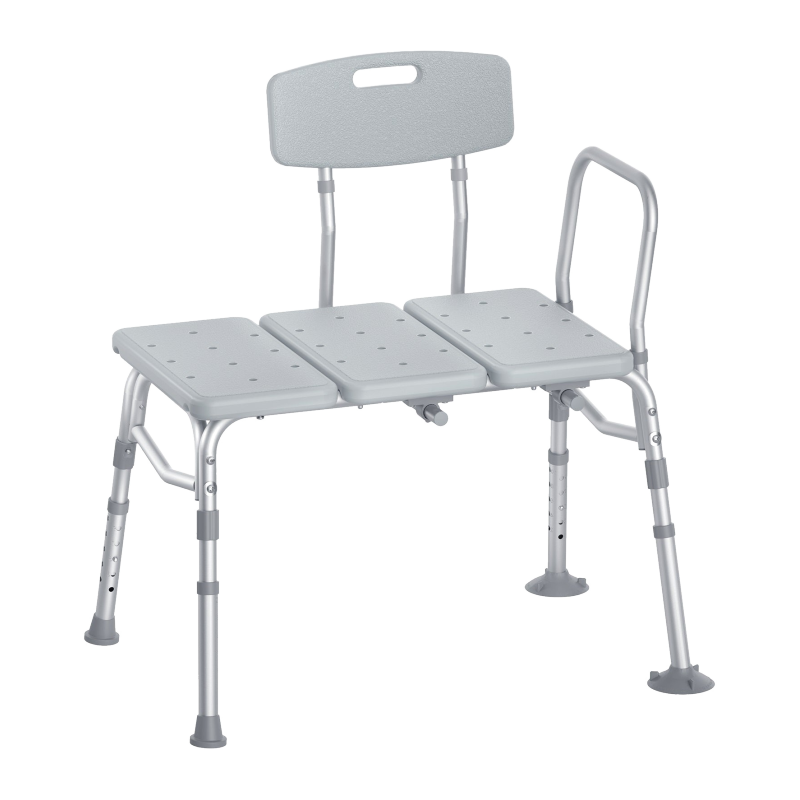
A shower transfer bench is a wide, four-legged seat designed to bridge the gap between the outside of your bathtub and the inside of your shower area. Two legs rest on the bathroom floor outside the tub, and two legs sit inside the tub — creating a stable, continuous seat that lets you slide from one side to the other without standing up or stepping over the tub wall.
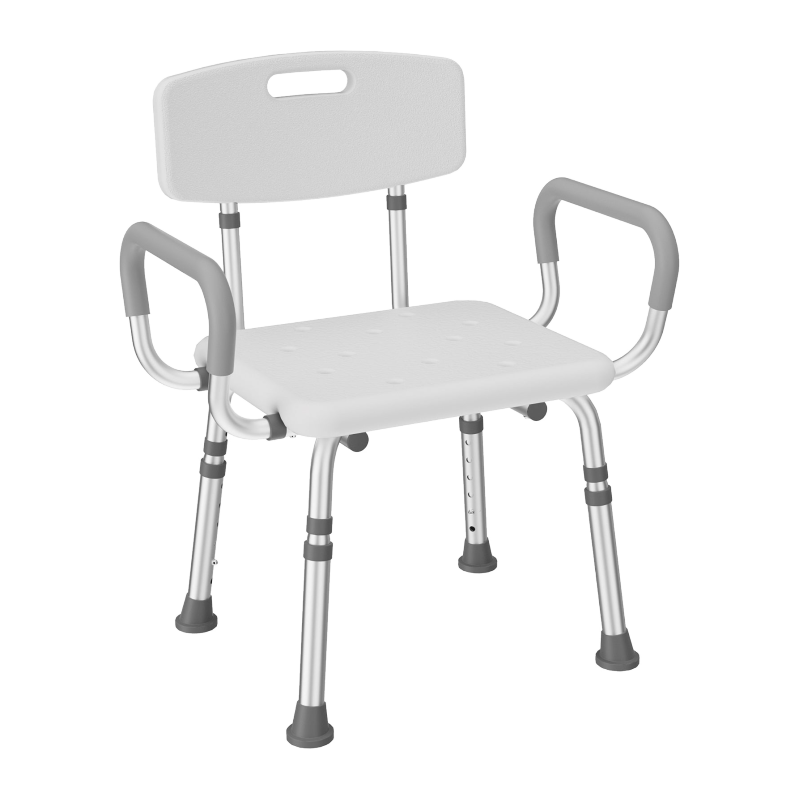
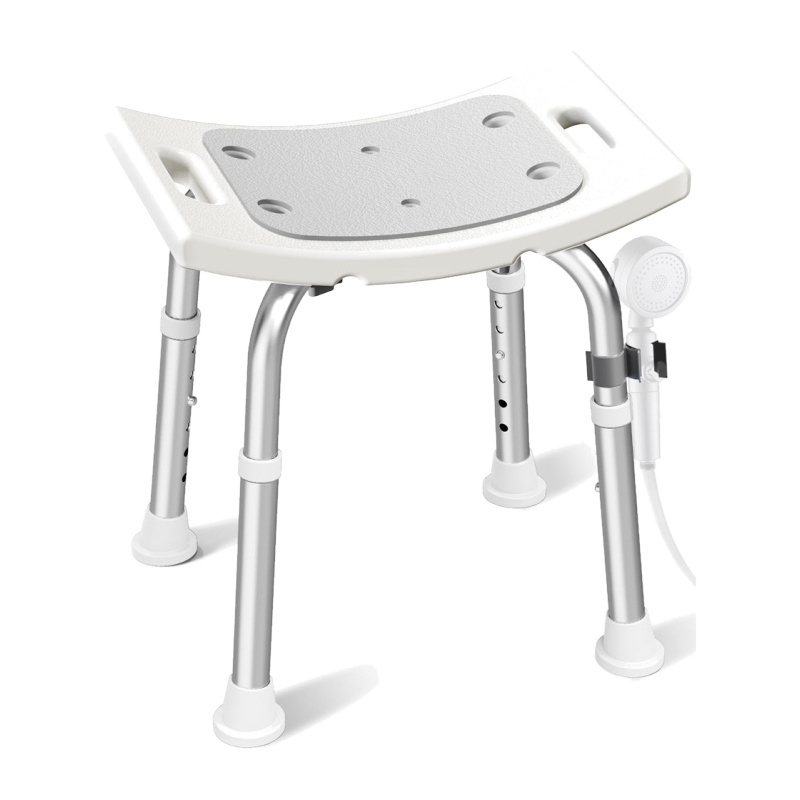
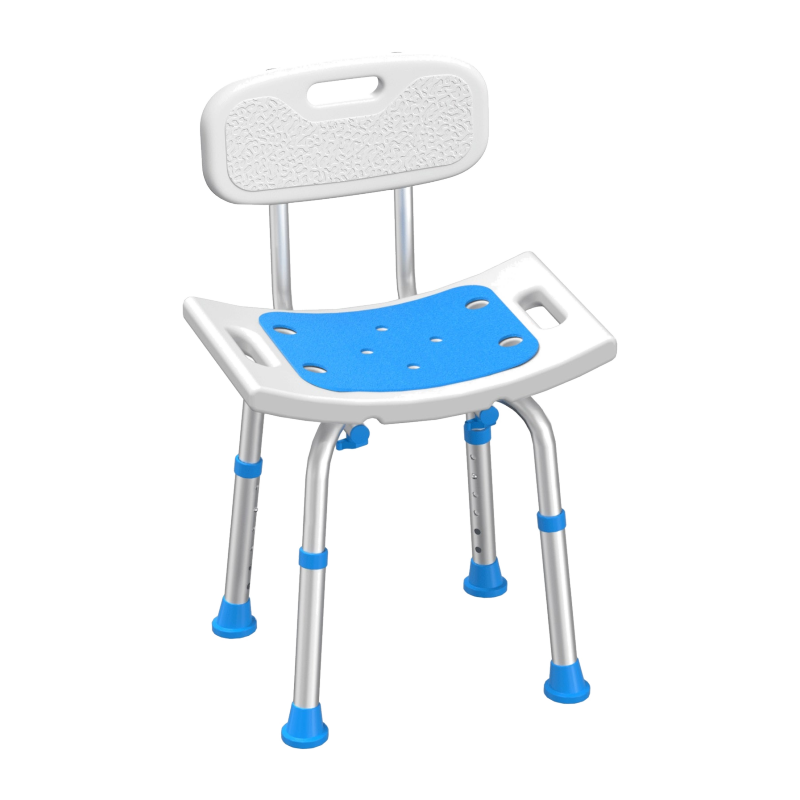
Most models are made from lightweight yet sturdy aluminum frames with a plastic or padded seat. They're built to support significant body weight (many quality benches support up to 300–500 lbs), and they come with height-adjustable legs so the bench can be leveled on uneven bathroom floors. Many also include a backrest, a hand cutout for easy gripping during transfer, and tool-free assembly so there's nothing intimidating about the setup process.
At its core, a transfer bench replaces the most hazardous moment of the bathing routine — that single step over the tub ledge — with a smooth, seated slide. It's a small change with an enormous impact on everyday confidence and safety at home.
How a Shower Transfer Bench Works
The mechanics are simple, which is part of what makes a transfer bench so effective. Here's how a typical transfer works from start to finish:
- Position the bench across the tub wall. The bench is placed so that half the seat extends outside the tub and half sits inside. The legs are adjusted to keep the seat level and stable on both surfaces.
- Sit down on the outside portion. The user sits on the dry, outside portion of the seat — just as they would sit in a regular chair — without needing to step over anything.
- Swing legs over the tub wall. While seated and supported, the user lifts their legs over the tub wall one at a time. This is far safer than stepping over while standing, especially for anyone with hip, knee, or balance concerns.
- Slide to the inside position. With legs now inside the tub, the user slides along the seat until they're fully inside the shower area, positioned under the water flow.
- Bathe comfortably in a seated position. A handheld showerhead (sold separately) makes rinsing easy from a seated position. The backrest provides support throughout.
- Reverse the process to exit. After bathing, the user slides back to the outside position before standing — so there's never a need to stand up inside a wet tub.
This sequence eliminates the two highest-risk moments of bathing: stepping into and out of the tub. Physical therapists often cite these specific transitions as the most common points where bathroom falls occur, which is why transfer benches rank among the most recommended bathroom safety tools for at-home recovery and daily use.
Who Needs a Shower Transfer Bench?
A shower transfer bench isn't just for one type of person. It serves a wide range of people at different life stages and in different circumstances — and in many cases, using one is simply the smart, proactive choice rather than a reactive one.
Seniors Living Independently at Home
For older adults who want to keep living in their own homes, the bathroom is statistically one of the most hazardous rooms in the house. The CDC reports that falls are the leading cause of injury among adults 65 and older, and a significant number of those falls happen in the bathroom. A transfer bench removes the need to step over the tub wall at all, dramatically reducing fall risk while keeping bathing fully independent. There's no need for assistance, no need to modify the tub, and no disruption to a daily routine that matters.
People Recovering from Surgery
After a hip replacement, knee surgery, or a lower-body procedure, bending, twisting, and weight-bearing on a wet surface can be off-limits for weeks or months. A transfer bench makes it possible to shower at home throughout recovery without putting stress on the surgical site. Rather than sponge baths or relying on a caregiver for every shower, many post-surgery patients can bathe independently with a transfer bench — which does a lot for both comfort and morale during what can be a long recovery process.
People with Balance, Mobility, or Strength Limitations
Conditions like multiple sclerosis, Parkinson's disease, arthritis, or general weakness can make standing in a shower feel unstable or exhausting. A transfer bench provides a seated, secure bathing option that doesn't demand balance or sustained standing. Users can take their time, bathe comfortably, and finish feeling refreshed rather than worn out.
Individuals Using a Walker or Wheelchair
For anyone who relies on a rolling walker or standard walker for mobility, stepping into a tub without support is simply not a safe option. A transfer bench creates a direct pathway from seated mobility aid to shower seat — a smooth, logical transition that doesn't require standing unsupported for more than a moment.
Key Features to Look For
Not every transfer bench is built the same. Here are the features worth paying attention to when you're comparing options:
- Weight capacity: Choose a bench rated to support more than the user's weight, with a meaningful safety margin. Quality benches support 300–500 lbs so users can lean and shift their weight with full confidence.
- Adjustable leg height: Legs should adjust easily to accommodate different tub heights and keep the seat level — look for tool-free adjustment so there's no fuss during setup.
- Non-slip rubber feet: Feet should grip the tub floor and bathroom floor securely, even when wet.
- Backrest: A sturdy, ergonomic backrest makes it much easier to maintain an upright seated position throughout the transfer and while bathing.
- Cutout seat handle: Many benches include a hand cutout near the seat edge, which gives the user something to grip during the sideways sliding motion — a small but meaningful safety detail.
- Easy assembly: Tool-free, snap-together construction means no frustration getting started. This matters especially if the bench needs to be set up or taken down frequently.
- FSA/HSA eligibility: A quality transfer bench should be FSA/HSA eligible, making it a tax-advantaged purchase for anyone with a flexible spending or health savings account.
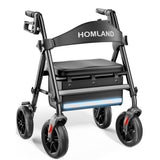
HOMLAND's shower chair and transfer bench collection is designed with all of these features in mind — built from the same manufacturing expertise that has earned top positions on Amazon US, and authorized by licensed Doctors of Physical Therapy. Every bench ships from a US local warehouse for fast delivery and comes with a 1-year manufacturer warranty plus a 1-year extended warranty, so you're covered well beyond the initial purchase.
Transfer Bench vs. Shower Chair: What's the Difference?
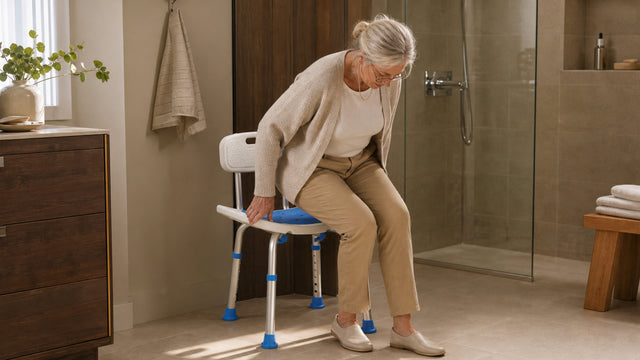
It's a common question, and the answer comes down to one key distinction: where the entry challenge is. A shower chair sits entirely inside the shower or tub and is best suited for walk-in showers or situations where the user can step into the tub without difficulty. It provides a stable, seated place to bathe but doesn't help with the step-over problem.
A transfer bench, on the other hand, solves the entry challenge directly. It's the right choice when the tub wall itself is the barrier — when stepping over the ledge is the risky or impossible part. If a person can enter a walk-in shower safely but needs to sit down while bathing, a shower chair may be sufficient. If they have a standard bathtub with a raised wall and need a safer way to get in and out, a transfer bench is the better tool.
Both options are available in HOMLAND's shower chair collection, so it's easy to compare and find the right fit for your specific bathroom setup.
How to Use a Shower Transfer Bench Safely
Using a transfer bench correctly makes the biggest difference in how effective and safe it is. A few simple habits go a long way:
- Always confirm the bench is fully locked and level before use. Give it a gentle push before sitting to make sure no leg feels wobbly.
- Use a handheld showerhead so you can direct water without stretching or twisting. This keeps bathing comfortable and in control from a seated position.
- Keep a non-slip bath mat on the outside of the tub where you sit down initially, adding an extra layer of floor grip.
- Move slowly and deliberately during the slide transfer. There's no rush — the bench is there to make things easier, not faster.
- If assistance is available during early use, having a family member or caregiver nearby for the first few transfers builds familiarity and confidence before going solo.
Physical therapists often recommend practicing the transfer motion a few times dry (without water running) before the first real use, so the sequence feels natural and unhurried when it matters.
Choosing the Right Bench for Your Home
When you're selecting a transfer bench, start by measuring your tub wall height and the available floor space on both sides of the tub. The bench needs to extend comfortably on both the inside and outside — typically you need at least 10–12 inches of floor space outside the tub for the outer legs to rest securely.
Next, consider the user's weight and mobility level. For most adults, a bench rated to 300 lbs is sufficient, but for users who need more support or are larger in frame, choosing a heavy-duty model rated to 400 or 500 lbs provides that extra margin of confidence. It's always better to have more capacity than you need.
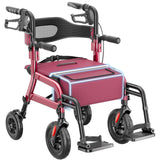
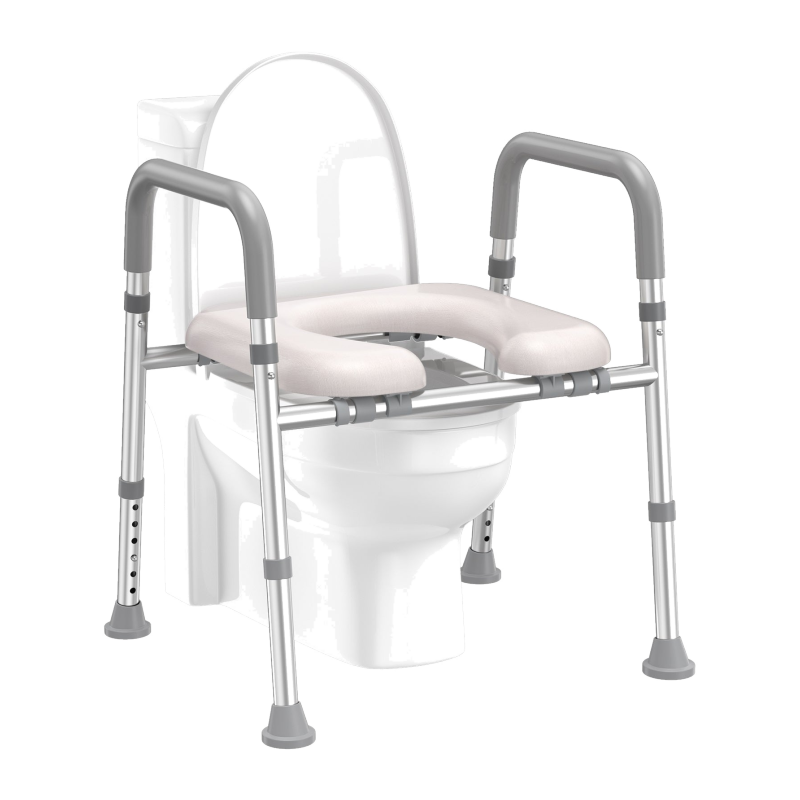
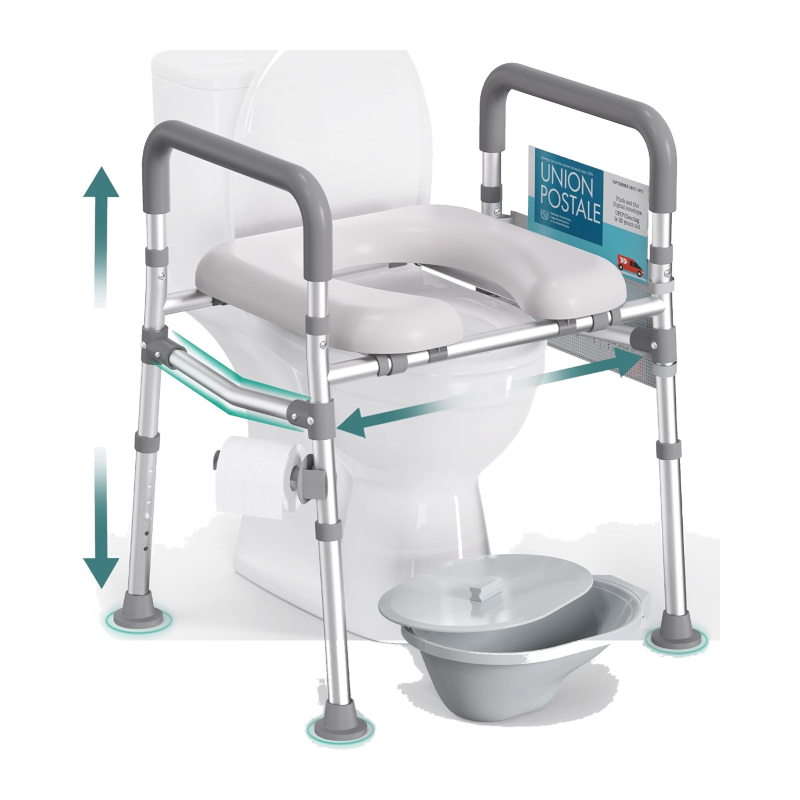
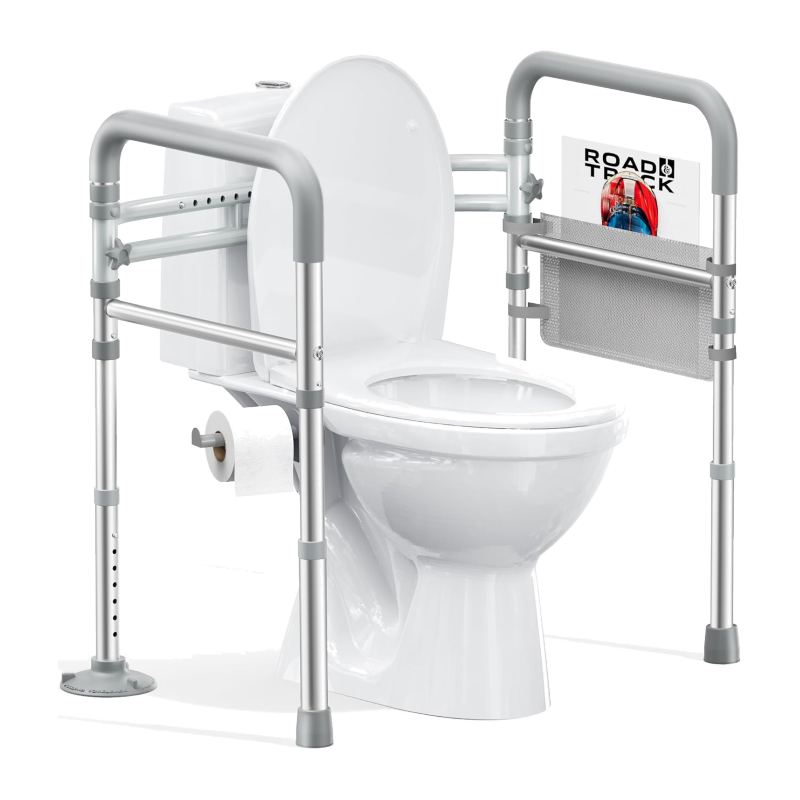
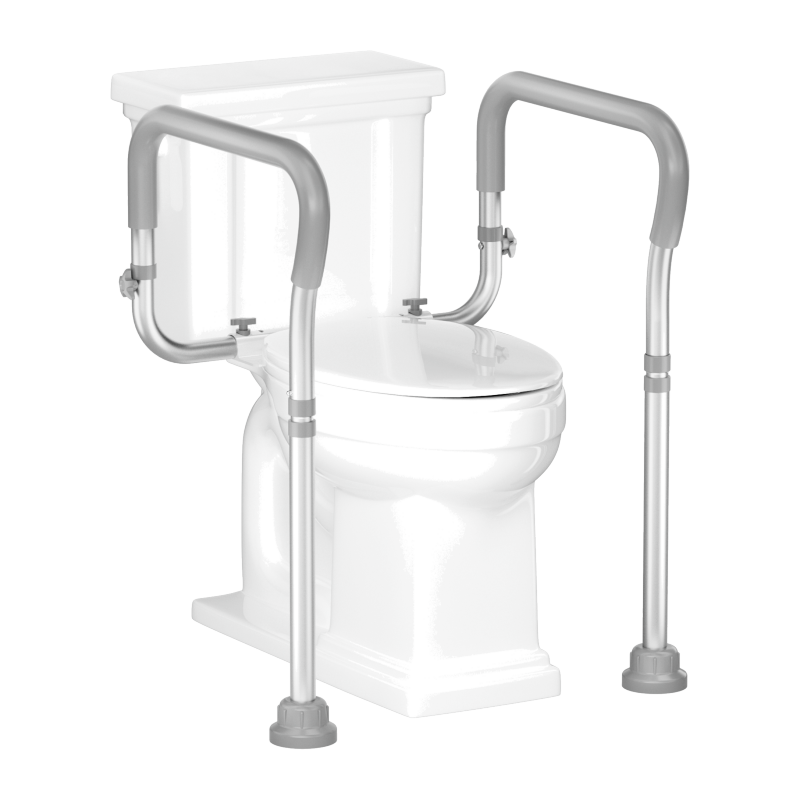
Finally, think about whether you need additional bathroom safety tools alongside the bench. Many people find that pairing a transfer bench with a toilet safety rail gives them full bathroom independence — safe entry and exit from both the shower and the toilet. If mobility support in other parts of the home is also a priority, exploring HOMLAND's full range of mobility and safety products is a good next step.
Transfer benches are FSA/HSA eligible, which means if you have a flexible spending account or health savings account, you can use pre-tax dollars toward the purchase. Combined with HOMLAND's fast US warehouse shipping and two-year total warranty coverage, there's genuine peace of mind from the moment you order to well after the bench is set up in your bathroom.
Final Thoughts
A shower transfer bench is one of the most practical, empowering tools a person can have in their bathroom. It doesn't change the way you live — it simply removes the part of the day that felt uncertain, so bathing goes back to feeling like exactly what it should be: a moment of comfort and routine, not something to dread or plan around.
Whether you're navigating a post-surgery recovery, supporting an aging parent who wants to stay in their own home, or simply being proactive about bathroom safety, a transfer bench gives you or your loved one the ability to bathe safely, independently, and on their own terms. That's the "Home, not hospital" difference — and it starts with one good decision about the right equipment.
Ready to find the right shower transfer bench for your home?
Browse HOMLAND's shower chair and transfer bench collection — designed for real comfort, built to support your independence, and authorized by licensed physical therapists. FSA/HSA eligible. Ships fast from our US warehouse. Backed by a full two-year warranty.
Questions about which model is right for you? Contact our team — we're here to help you find the safest, most comfortable fit for your bathroom and your life.