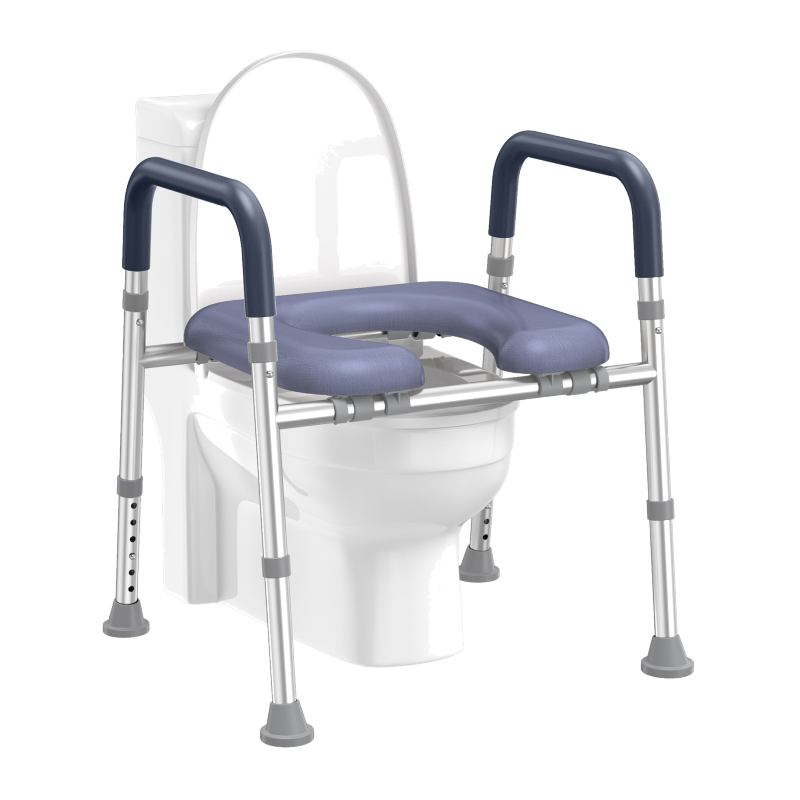
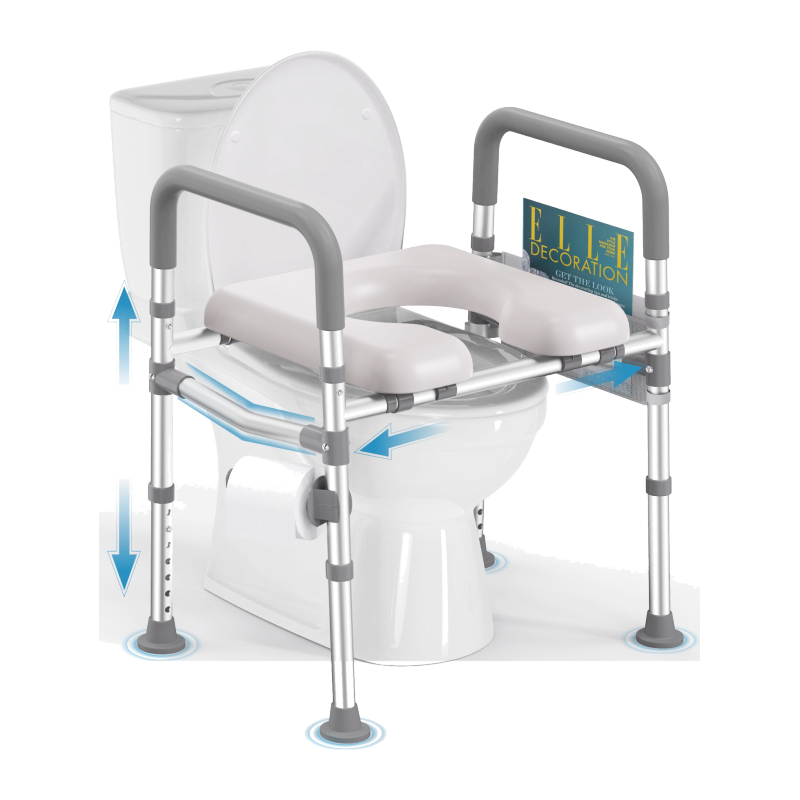
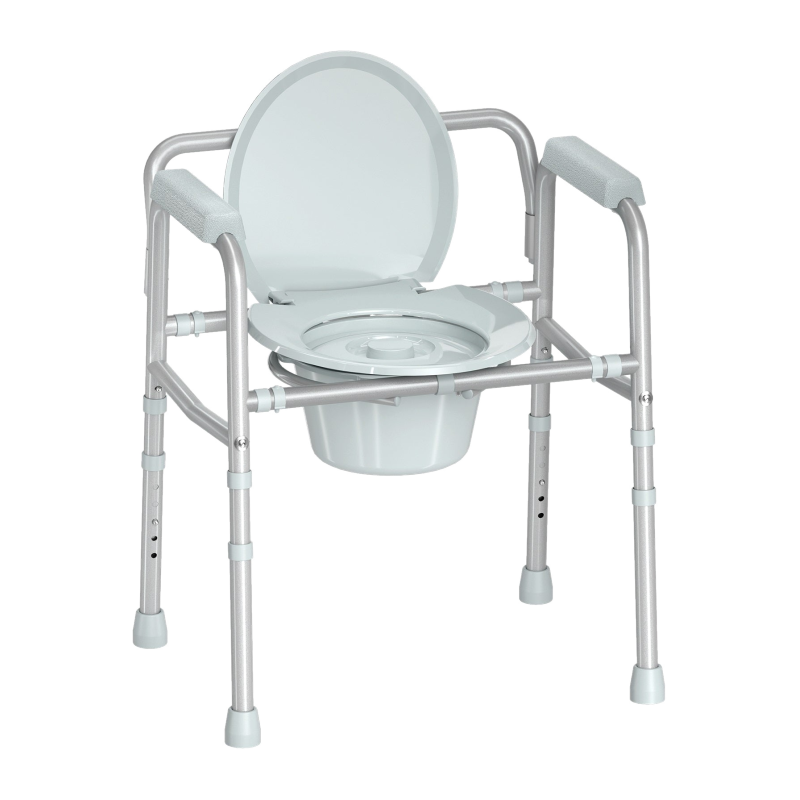
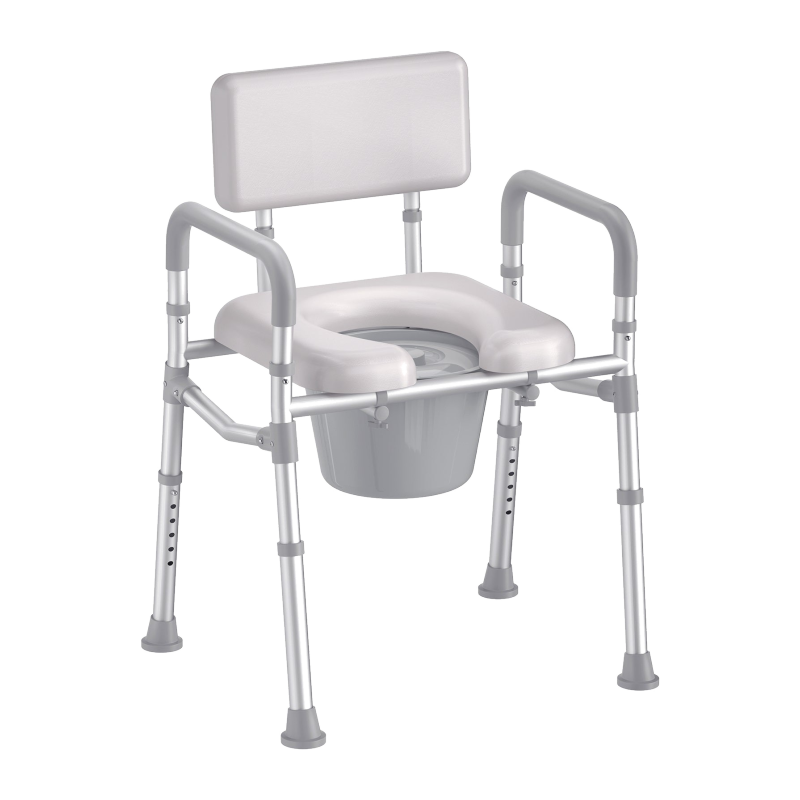


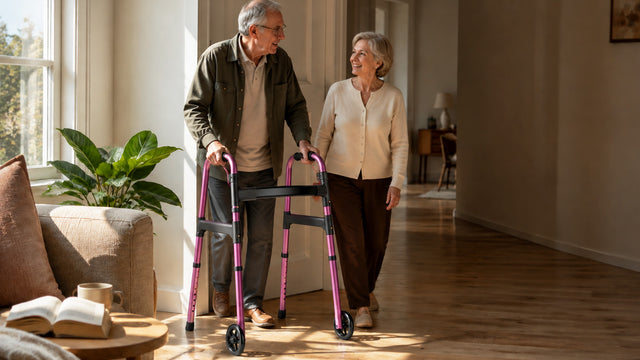

Picture this: it's the third week after a hip replacement. The surgeon says things are healing well, but the shower still feels like the most uncertain part of the day — one slippery step, one moment of imbalance, and everything changes. Or imagine a parent who never used to think twice about bathing, now quietly dreading the tub every morning. These are the moments a handicap shower chair is designed for.
The bathroom is, statistically, one of the most hazardous rooms in any home — especially for older adults and anyone recovering from surgery or managing limited mobility. The right shower chair can transform that daily risk into a calm, confident routine. This guide walks you through everything you need to know: the types available, the features that actually matter, how to read weight limits, and the buying tips that physical therapists most often recommend. Whether you're shopping for yourself or someone you love, you'll finish this article knowing exactly what to look for.
Good news before you dive in: HOMLAND shower chairs are FSA/HSA eligible, backed by a 1-year manufacturer warranty plus a 1-year extended warranty, and ship from a US local warehouse for fast delivery — so help is never far away.
Why Shower Safety Matters More Than You Think
Most people don't think about bathroom safety until something happens. But the data from the Centers for Disease Control and Prevention tells a sobering story: approximately 235,000 people are treated in U.S. emergency departments every year for bathroom-related injuries, and falls account for the vast majority of those incidents. For adults aged 65 and older, the risk is even more pronounced — bathroom injuries in this age group lead to fractures in nearly one in three cases, and hospitalization rates climb steeply after age 85.
What makes the shower so hazardous isn't carelessness — it's physics. Wet tile, enclosed spaces, and the need to shift weight while transitioning from standing to sitting (or vice versa) all combine to create a high-risk environment. Physical therapists often point out that the act of stepping in and out of a tub is one of the highest-risk movements for seniors and post-surgery individuals — far riskier than walking across a room. A well-chosen handicap shower chair doesn't just reduce that risk; it removes the underlying cause of most bathroom falls entirely by keeping the user safely seated throughout the bathing routine.
The emotional dimension matters too. Seniors who feel anxious about bathing may start avoiding it, which can quietly affect both physical health and personal confidence. A shower chair restores the sense of control — the freedom to bathe on your own schedule, at your own pace, without depending on someone else to stand by "just in case." That independence is worth a great deal.
Types of Handicap Shower Chairs
Not all shower chairs look the same, and that's a good thing. Each style is designed with specific mobility needs in mind. Understanding the differences helps you match the chair to the person and the bathroom — not the other way around.
Standard Shower Chair with Back and Arms
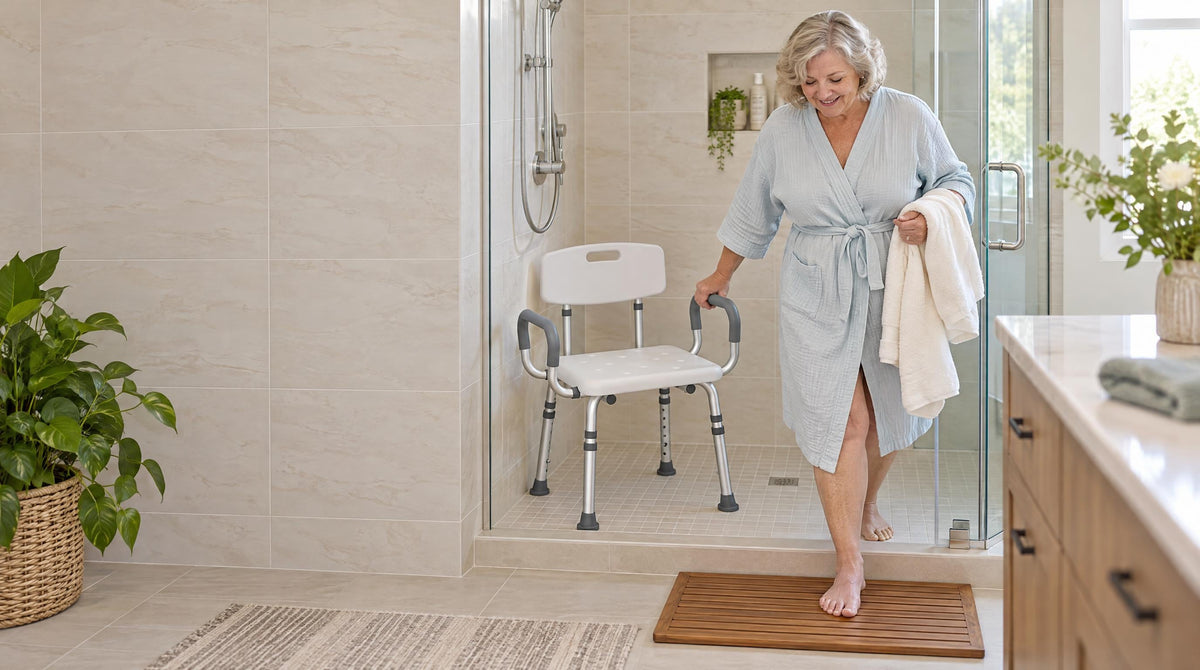
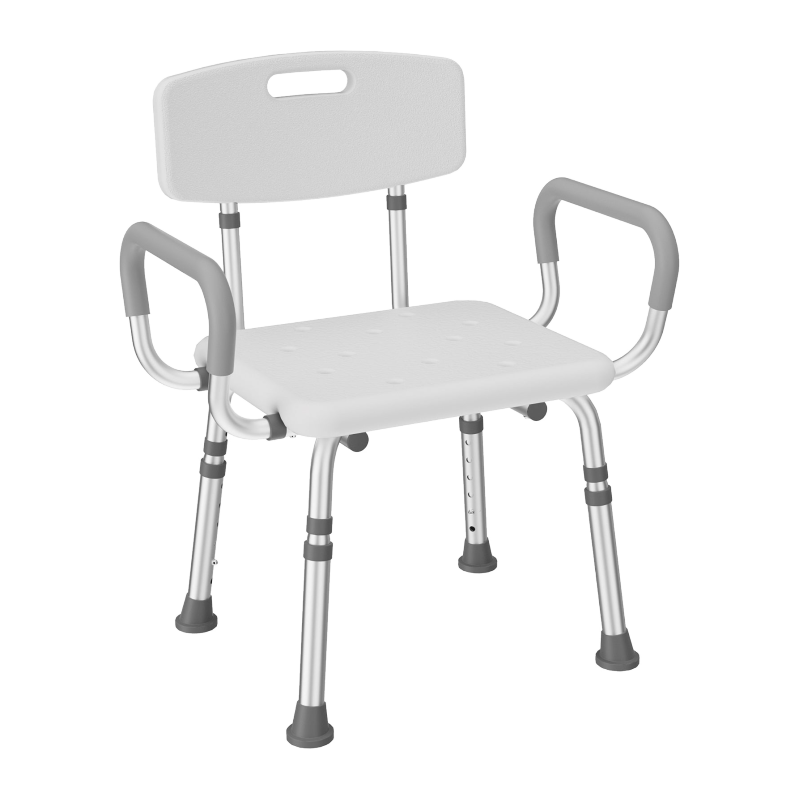
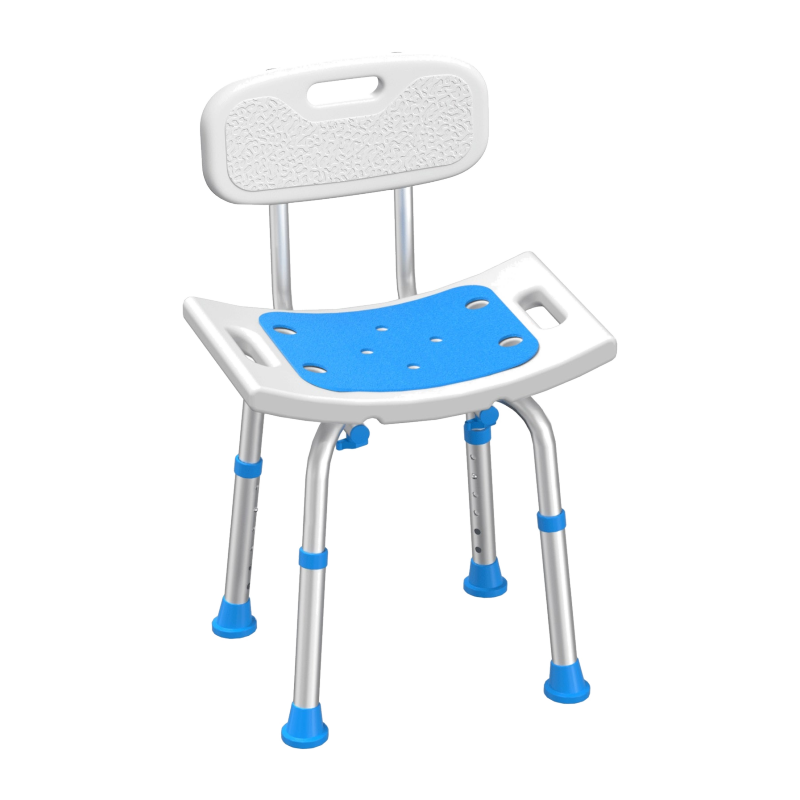
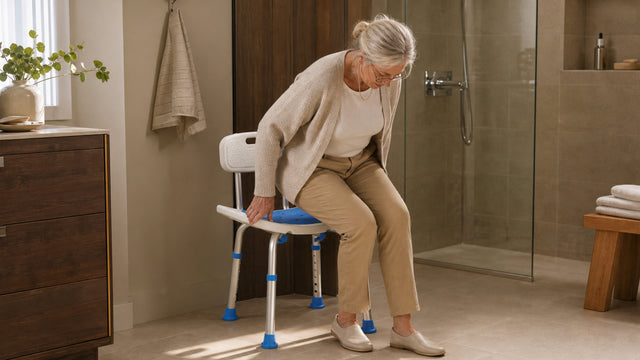
The most versatile and widely used option. A standard shower chair sits entirely inside the shower or tub and features a supportive backrest, armrests for lowering and rising, and four non-slip rubber-tipped legs. Height is adjustable, making it easy to dial in the right fit. Physical therapists often recommend this as a first choice for seniors managing balance concerns or mild leg weakness, as the combination of back support and arm grips allows the user to sit and stand with real confidence. It's also the most straightforward to assemble — most models require no tools at all.
Shower Stool (Backless)
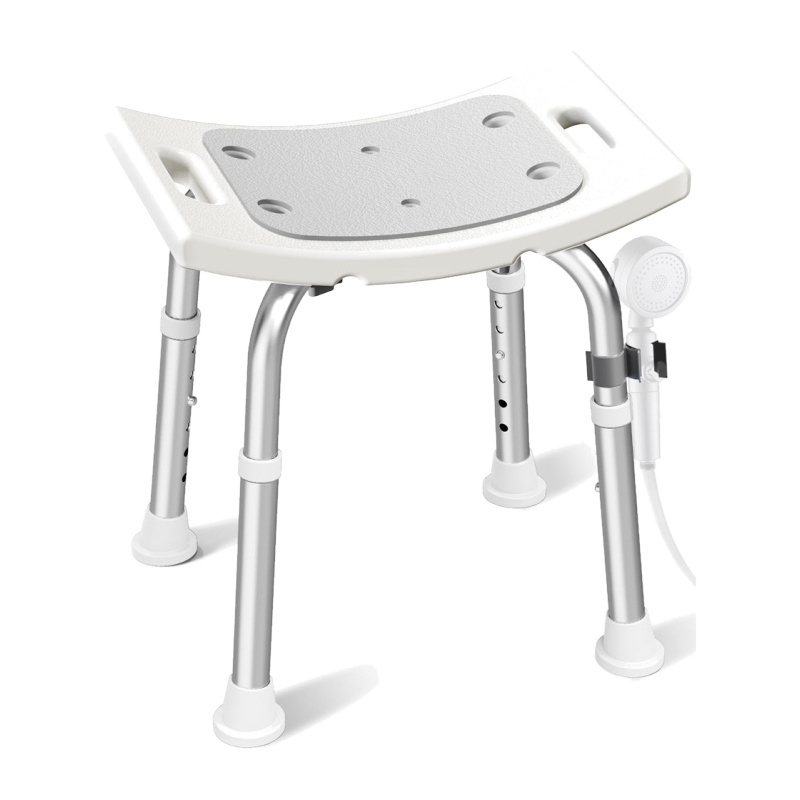
A shower stool trades the backrest for a lower profile and smaller footprint. This makes it ideal for walk-in showers with limited space, or for users who have enough core stability that a backrest isn't necessary but still want the option to sit while washing. Backless stools are lighter and easier to move, which can be helpful when multiple family members share a bathroom. They're not the best choice for someone who needs lateral support or experiences significant fatigue while bathing.
Transfer Bench
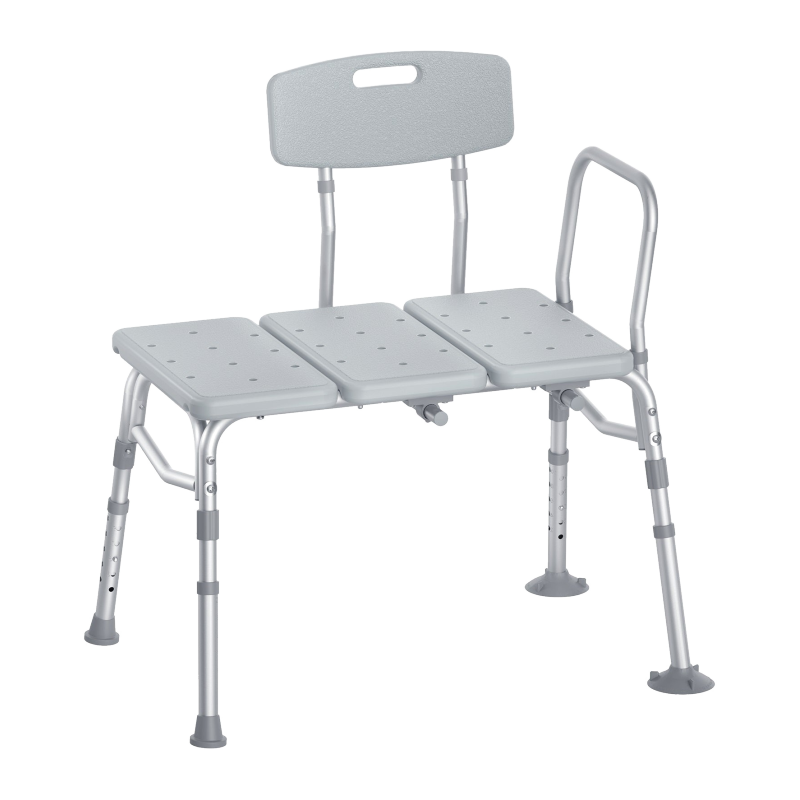
A transfer bench is a longer seat that straddles the edge of the bathtub — two legs inside the tub, two outside. The user sits down on the outside portion and slides across into the tub without ever needing to step over the ledge. This design is a game-changer for anyone recovering from hip or knee surgery, where stepping over a tub wall isn't just uncomfortable — it may be medically restricted. Transfer benches are especially helpful when a full walk-in shower isn't available and remodeling isn't on the table. Explore HOMLAND's shower chair collection for transfer-friendly options built with this exact use case in mind.
Folding or Wall-Mounted Shower Chair
Folding chairs collapse when not in use, which is ideal for smaller bathrooms shared by users with different needs. Wall-mounted versions fold up flush against the shower wall and are permanently installed — a great permanent solution if the home is being set up for long-term aging-in-place. Both options help keep the shower floor clear when the chair isn't being used, reducing tripping hazards for other household members.
Bariatric Shower Chair
Designed for users who need higher weight capacities — typically 400 lbs and above — bariatric shower chairs feature reinforced aluminum frames, wider seats, and additional crossbar supports. The added structural strength is paired with the same ease-of-use features found in standard models: tool-free assembly, adjustable height, and non-slip feet. For larger users, choosing the right weight-rated chair isn't optional — it's a foundational safety decision.
Key Features to Look For
The features that matter most on a shower chair aren't the ones that look impressive on a spec sheet — they're the ones you feel during everyday use. Here's what physical therapists and experienced caregivers consistently point to as the most important elements:
- Adjustable Height: Every person and every shower is a slightly different height. Push-button or pin-lock height adjustment lets you set the chair at exactly the right level, reducing strain on the knees and hips during sit-to-stand transitions. Look for a height range that comfortably covers the user's needs without requiring awkward reaching.
- Non-Slip Rubber Feet: Wet shower floors are inherently slippery, and a chair that shifts or slides during use creates more risk than it removes. Quality shower chairs use rubber-tipped legs or suction-cup feet that grip the floor firmly and hold steady even when the user shifts their weight.
- Rust-Resistant Frame: Constant exposure to moisture means the frame material matters. Anodized aluminum and medical-grade PVC are the go-to choices — both are lightweight, rust-proof, and strong enough for daily long-term use. Avoid frames that show any sign of corrosion under the coating, as rust weakens structural integrity over time.
- Supportive Backrest: A high-quality backrest does more than add comfort — it guides the user's posture into a stable, centered position. Ergonomic contouring naturally prevents slouching and reduces the risk of tipping sideways. For longer showers or users with back pain, this is a non-negotiable feature.
- Armrests: Padded armrests serve double duty as both a comfort feature and a safety aid. They give the user something to push off from when standing up — one of the highest-effort, highest-risk movements of the bathing routine — and they provide lateral stability while seated.
- Drainage Holes in the Seat: A seat that allows water to drain rather than pool prevents the surface from becoming slippery during use. Look for a lightly textured seat surface combined with drainage holes for the safest combination of grip and comfort.
- Tool-Free Assembly: If setting up the chair requires a trip to the toolbox, it creates a barrier to use — especially for seniors living alone. The best shower chairs snap or screw together by hand in just a few minutes, with no extra hardware needed.
When all these features work together, the result is a chair that becomes almost invisible in daily life — reliable, easy to use, and designed to stay out of the way so the user can simply get on with their day.
Understanding Weight Limits
Weight capacity is one of the most important specifications on any shower chair — and one of the most frequently overlooked during purchase. The consequences of ignoring it aren't minor. A chair used above its rated capacity can flex, crack, or fail suddenly, creating exactly the kind of injury risk it was meant to prevent.
Standard shower chairs typically support between 250 and 350 lbs. This range covers most users comfortably, and most entry-level to mid-range models fall here. The ADA recommends a minimum capacity of 250 lbs for accessible shower seating, making this the baseline for any chair worth considering.
Heavy-duty shower chairs extend the range to 400–500 lbs, with reinforced frames and wider, deeper seats to match. These aren't just stronger versions of standard chairs — they're designed from the ground up with additional crossbars and thicker structural tubing to maintain stability at higher loads without adding excessive weight to the chair itself.
Bariatric shower chairs cover the range above 500 lbs, up to 700 lbs and beyond for the most specialized models. These are purpose-built for users who need that level of support and deserve the same safety and dignity in the shower as anyone else.
A practical rule when selecting based on weight: always choose a chair rated above the user's current weight, not just at it. Providing a reasonable safety margin ensures the chair performs reliably over time and accounts for any additional pressure applied during movements like standing up. HOMLAND offers select models supporting up to 500 lbs — built to give larger users full confidence in the shower without compromise.
Buying Tips: How to Choose the Right Chair
With so many options available, the buying process can feel overwhelming. These four steps simplify the decision significantly:
- Measure your shower or tub first. This sounds obvious, but it's the single most common reason shower chairs get returned. Measure the interior width and depth of your shower stall or tub, and compare those numbers to the chair's footprint. For walk-in showers, make sure there's enough clearance around the chair to maneuver comfortably. For tubs, confirm whether you need a standard chair or a transfer bench.
- Match the chair type to the user's mobility level. A backless stool is fine for someone who needs minimal support. A full-back chair with armrests is better for someone managing balance challenges or recovering from surgery. A transfer bench is the right call when stepping over a tub wall is unsafe. Don't buy a basic stool for someone who actually needs lateral arm support — it's the wrong tool for the job.
- Choose the right weight capacity with a safety margin. Select a chair rated at least 25–50 lbs above the user's weight. This isn't about distrust — it's standard safety engineering practice. The extra capacity accounts for dynamic forces during movements like sitting down and standing up, which temporarily exceed static body weight.
- Look for purchase reassurance signals. A shower chair is a home safety tool — not an impulse buy. Look for FSA/HSA eligibility (which means the item is recognized as a legitimate health purchase by the IRS), a meaningful warranty, and a brand that ships from a US warehouse so you're not waiting weeks for delivery. HOMLAND shower chairs check all three boxes: FSA/HSA eligible, covered by a 1-year manufacturer warranty plus a 1-year extended warranty, and fulfilled from a US local warehouse.
If you're unsure about which type fits best, a quick conversation with a physical therapist can save you from buying the wrong product entirely. Physical therapists are trained to assess mobility needs and can recommend the specific features that will matter most for a given user's situation.
Common Mistakes to Avoid
Even well-intentioned buyers run into the same pitfalls. Here are the most frequent errors, and how to sidestep each one:
- Buying without measuring the bathroom: Always measure first. A chair that doesn't fit properly won't be used, and an unused chair doesn't help anyone.
- Ignoring weight capacity: Every chair has a rated maximum load. Exceeding it isn't just inefficient — it's dangerous. Always check the rating and build in a margin.
- Choosing a backless stool when back support is needed: A stool looks less clinical, but if the user needs a backrest to sit safely for several minutes, that aesthetic preference becomes a safety compromise.
- Forgetting about bathroom type: A chair designed for a flat, curb-free walk-in shower may not be the right fit for a curved bathtub. Match the chair to the actual space it will live in.
- Overlooking ease of assembly: If the chair requires tools and technical assembly, it becomes a barrier — especially for seniors who live alone and may need to set it up themselves.
- Skipping complementary safety items: A shower chair works best as part of a complete bathroom safety setup. Non-slip mats inside and outside the shower, and toilet safety rails for nearby toilet transitions, significantly extend the safety coverage beyond the shower itself.
Care and Maintenance
A shower chair is only as safe as its current condition. Regular upkeep is simple but important — especially in a high-moisture environment where buildup and wear can quietly degrade performance. The good news: maintaining a quality shower chair takes only a few minutes a week.
- Wipe down after each use with mild soap and water. This prevents soap scum, mineral deposits, and bacterial buildup on the seat and frame.
- Avoid harsh or abrasive cleaners. These can damage the surface coating, weaken plastic components, and cause skin irritation for sensitive users.
- Inspect the rubber feet regularly. Non-slip tips wear down over time. If they look compressed or smooth, it's time to replace them. Most brands offer replacement feet as accessories.
- Check all joints and connections weekly. A loose connection can cause unexpected shifting during use. Tighten any hardware that shows movement, and follow the manufacturer's guidance on acceptable tolerances.
- Dry periodically between uses to prevent mold or mildew buildup in joints and crevices, especially in bathrooms with limited ventilation.
Pair Your Shower Chair with Other Safety Essentials
A shower chair is a foundational piece of a safe bathroom, but it works even better as part of a thoughtfully assembled setup. Think of it as creating a safe path through the most hazardous room in the home — from getting out of bed, to reaching the bathroom, to showering, to using the toilet and back again.
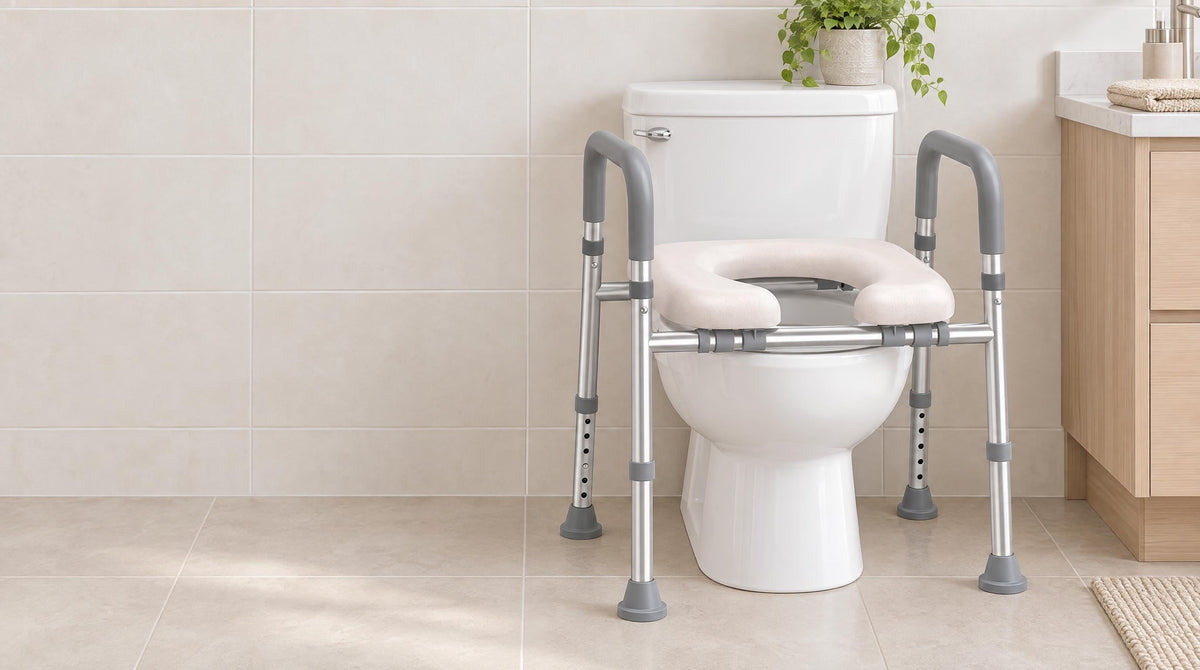
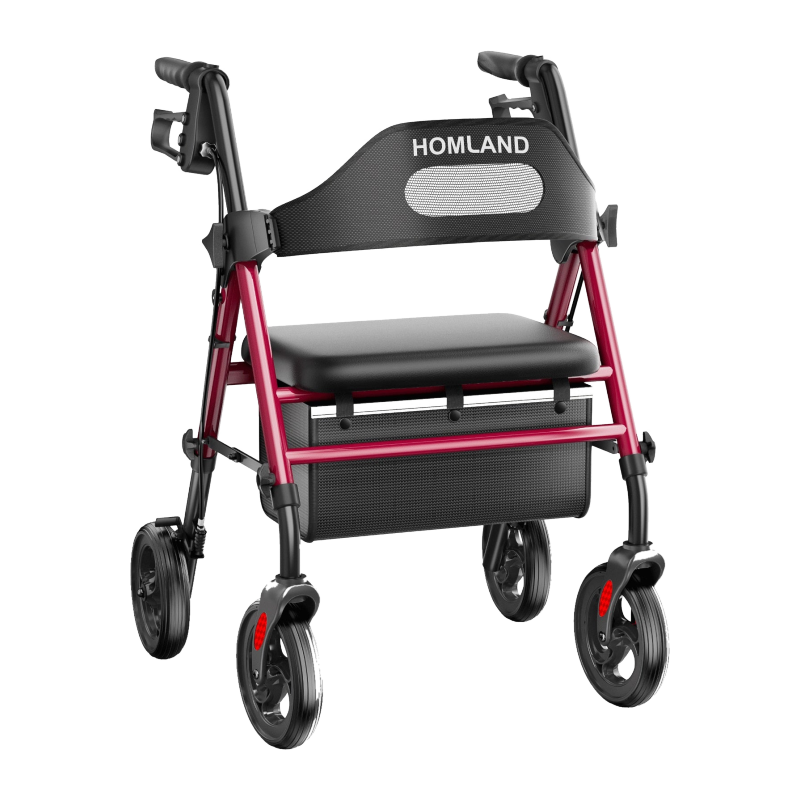
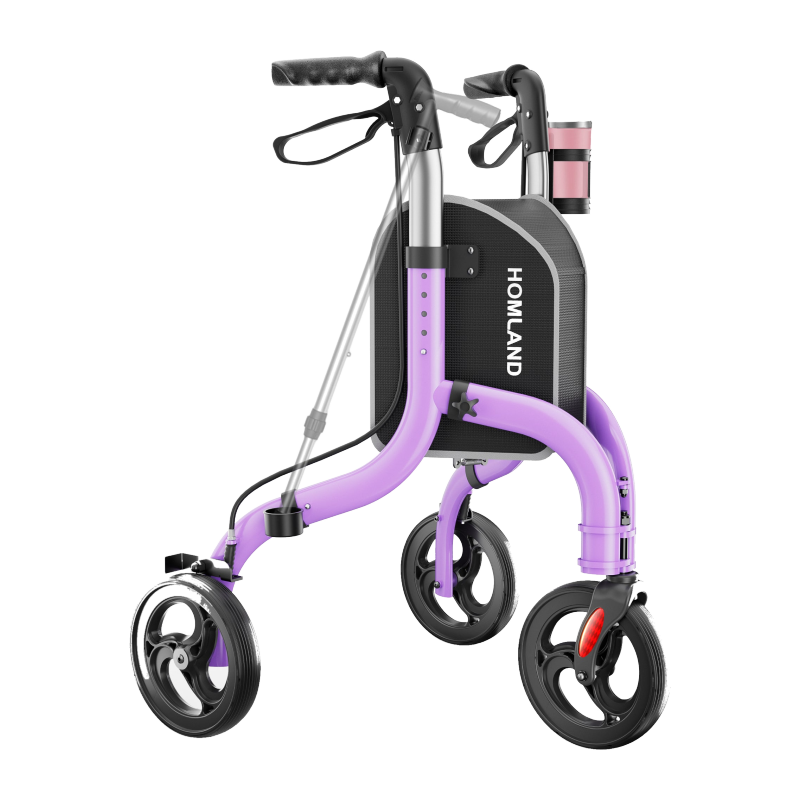
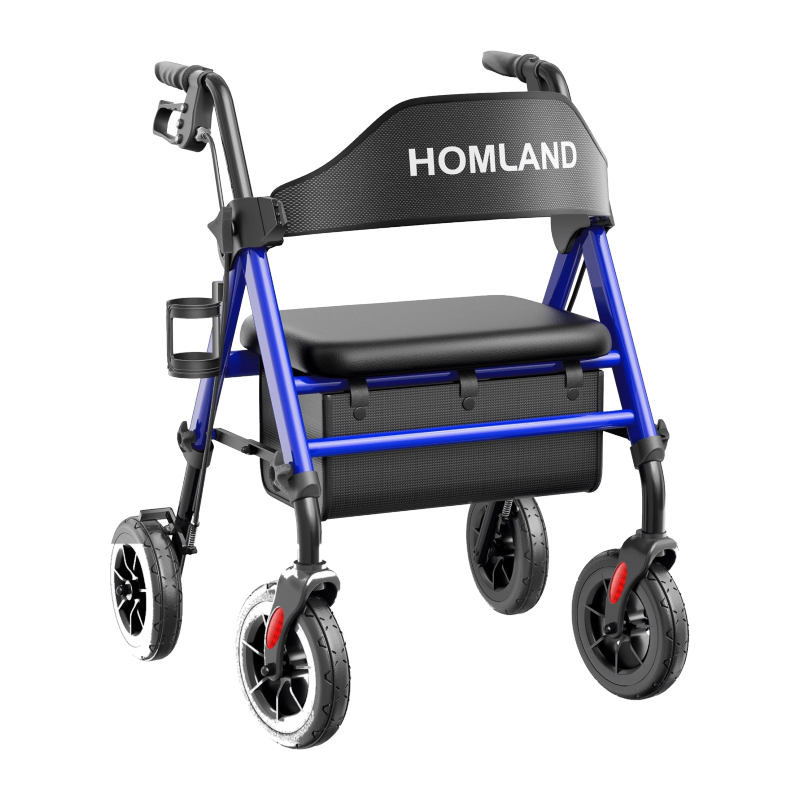
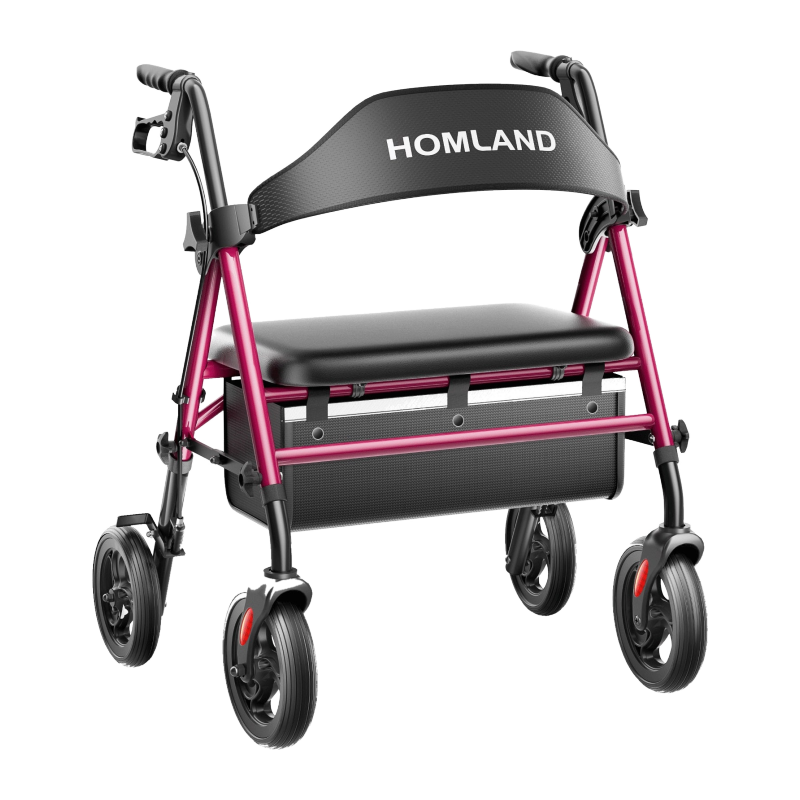
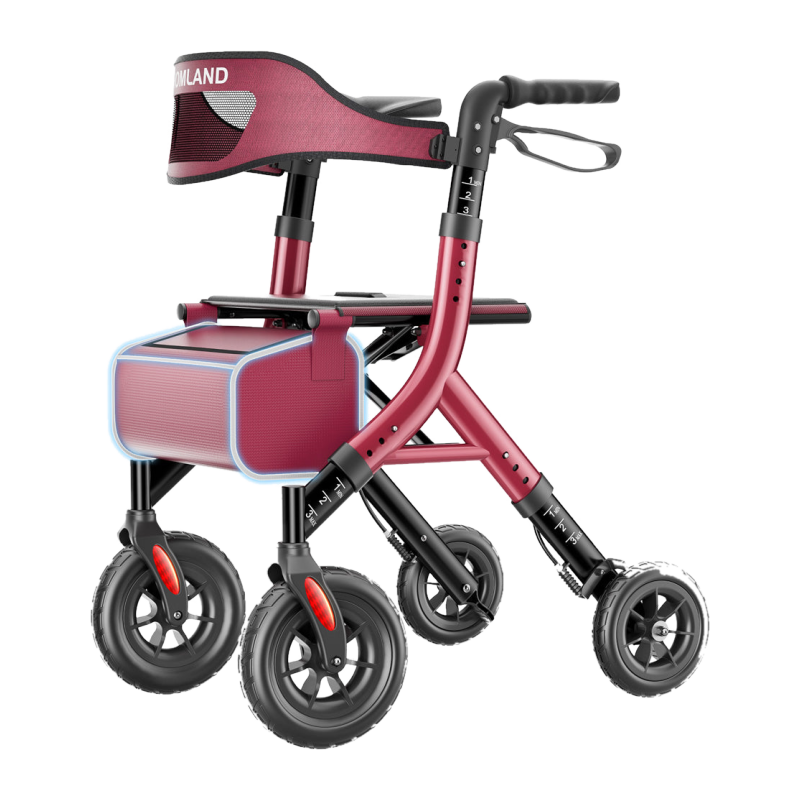
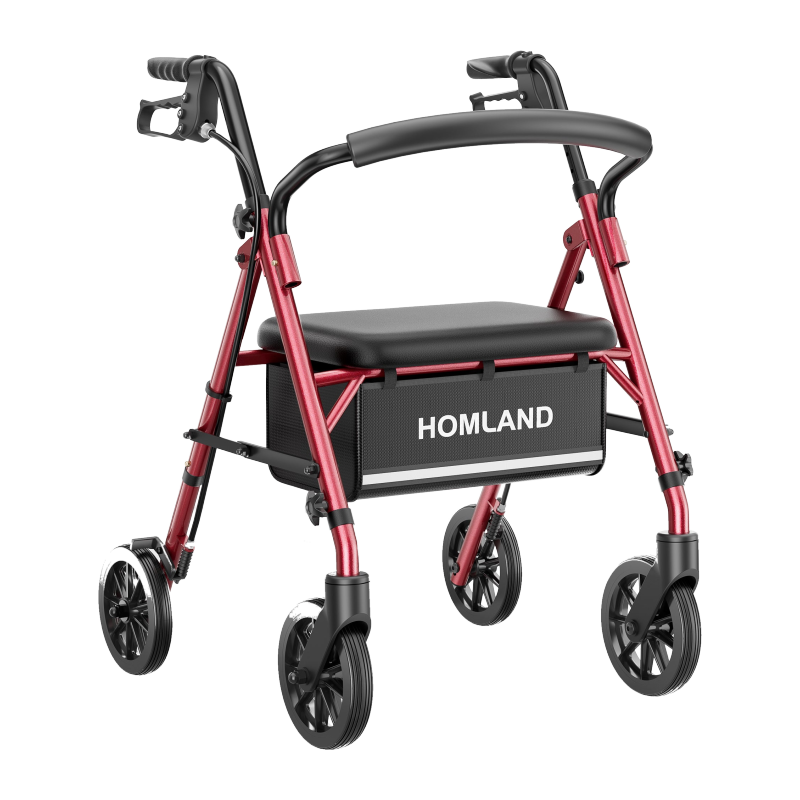
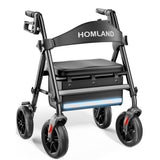
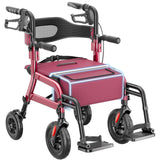
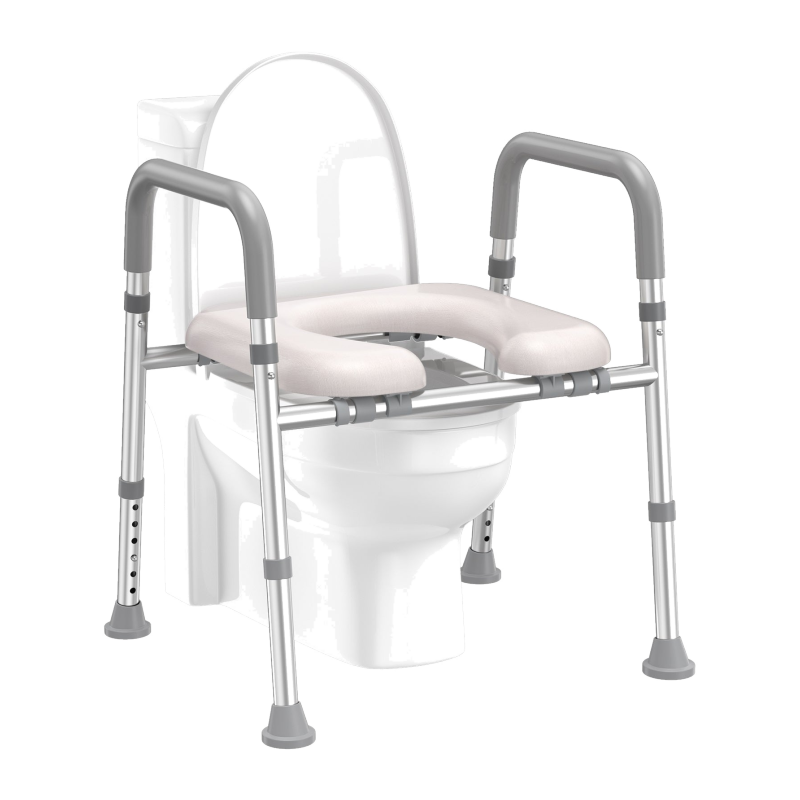
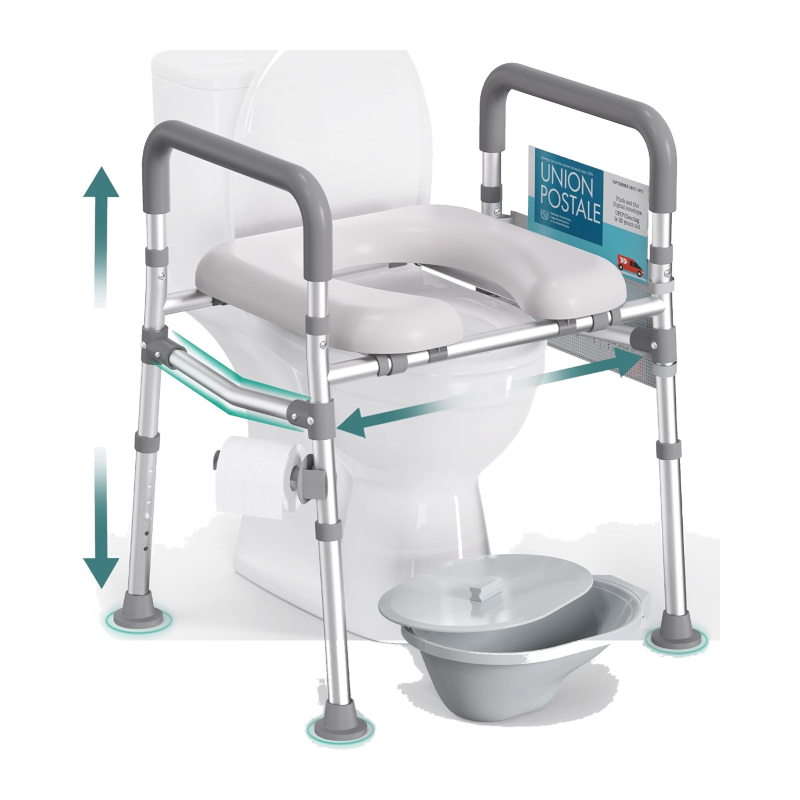
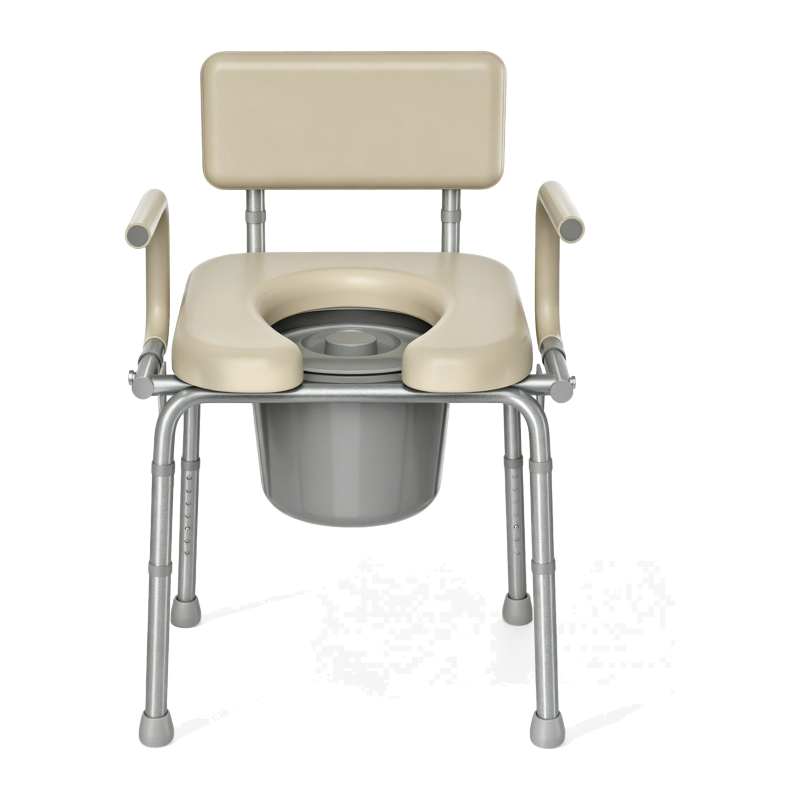
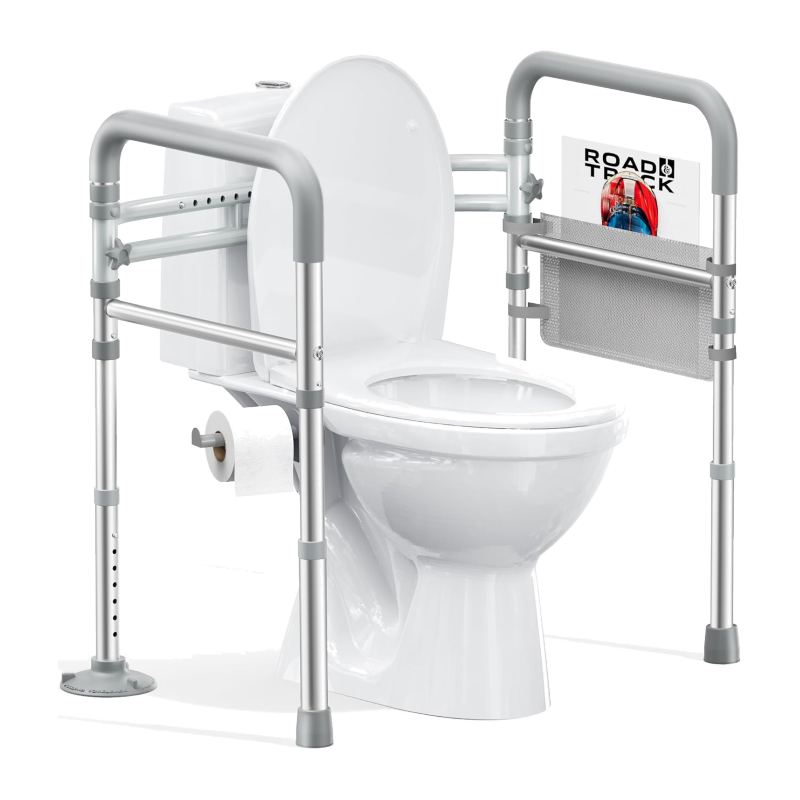
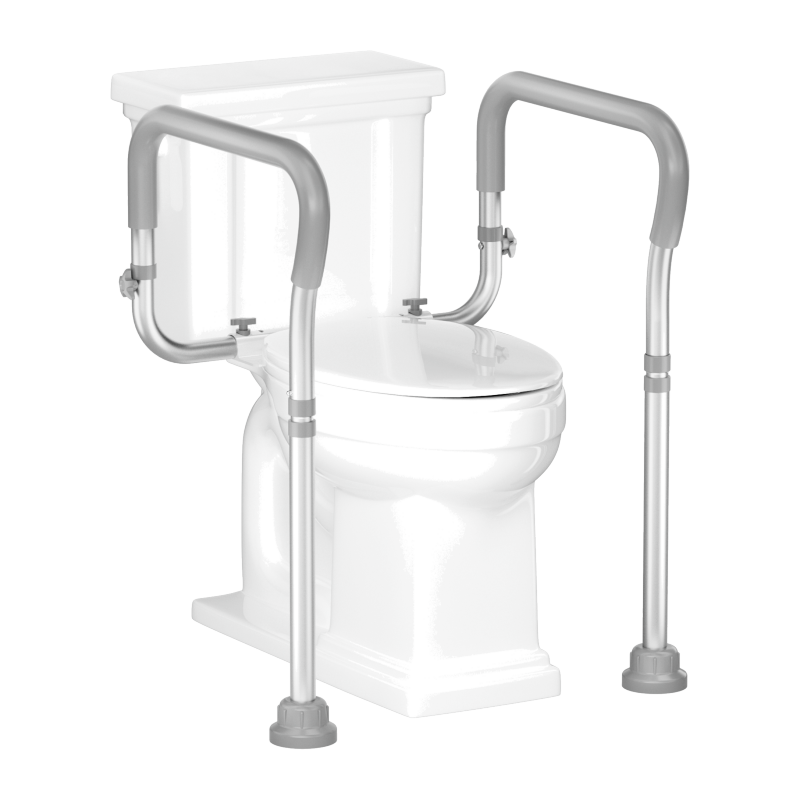
For many users, toilet safety rails address the other high-risk transition point in the bathroom: sitting and rising from the toilet. Pairing a shower chair with a toilet safety rail covers both key areas of bathroom risk in one coordinated setup. Similarly, bed rails can support safe transitions from bed to standing — important for anyone who gets up overnight and needs to navigate to the bathroom in low light. For users who need support beyond the bathroom, rolling walkers and standard walkers extend that same confidence to the rest of the home.
Explore the full HOMLAND product lineup to build a complete at-home safety setup — all designed under the same "Home, not hospital" philosophy, with the same commitment to tool-free assembly, adjustable fit, and trusted durability.
Frequently Asked Questions
What is the standard weight limit for a handicap shower chair?
Most standard shower chairs support between 250 and 350 lbs. Heavy-duty and bariatric options extend this range to 400–500 lbs and beyond. The ADA-recommended minimum for accessible shower seating is 250 lbs. Always choose a chair rated above the user's actual weight to maintain a reliable safety margin.
Are shower chairs FSA or HSA eligible?
Yes, shower chairs are generally FSA and HSA eligible as recognized health-related purchases. HOMLAND shower chairs are FSA/HSA eligible, making it easy to use pre-tax health funds to offset the cost.
What's the difference between a shower chair and a transfer bench?
A shower chair sits entirely inside the shower or tub. A transfer bench is longer — it straddles the tub edge with two legs inside and two outside, allowing the user to sit outside and slide into the tub without stepping over the ledge. Transfer benches are particularly helpful for post-surgery users or anyone with restricted hip mobility.
Do I need a shower chair with a backrest?
It depends on the user's balance and core strength. If there's any doubt, a backrest is the safer choice — it provides postural support, reduces fatigue during longer showers, and gives the user something to lean against comfortably. Physical therapists generally recommend backrest models for seniors managing balance challenges or anyone recovering from a lower-body procedure.
How do I know what size shower chair to buy?
Measure the interior of your shower or tub before purchasing. Note the width, depth, and any curves or ledges that might affect how the chair sits. Then compare those measurements to the chair's listed footprint. For tub use, consider whether a transfer bench might be more appropriate than a standard chair that sits entirely inside.
The Bottom Line
A handicap shower chair is one of the simplest, most impactful changes you can make to a home bathroom — for yourself or someone you love. The right chair matches the user's mobility level, fits the actual bathroom space, carries the appropriate weight rating, and comes with features that make daily use effortless rather than effortful. When those elements come together, the shower stops being a source of anxiety and becomes what it should always be: a quiet, private moment of self-care at home.
HOMLAND shower chairs are designed with exactly that goal in mind — engineered over 20+ years of manufacturing experience, authorized by licensed Doctors of Physical Therapy, FSA/HSA eligible, and backed by a 1-year manufacturer warranty plus 1-year extended warranty. Every model ships from a US local warehouse so you're not waiting long for something this important.
Browse the full HOMLAND shower chair collection to find the right fit — because safe bathing at home isn't a luxury. It's something everyone deserves.
Need Help Choosing the Right Shower Chair?
Our team is here to help you find the perfect fit — whether you're shopping for yourself, a parent, or a loved one. Reach out anytime.
Contact Us