

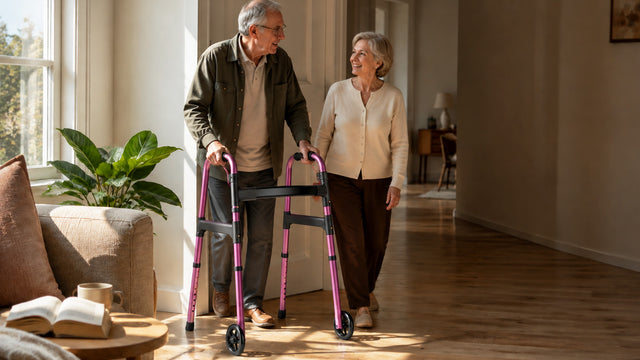

Getting up from the toilet might not be something most people think twice about — until it becomes a real challenge. After a hip replacement, a knee surgery, or simply as joints become less forgiving with age, that low seat can feel like an obstacle that chips away at everyday independence. A raised toilet seat is one of the simplest, most effective tools for restoring that independence — and physical therapists consistently recommend them as a first step toward making the bathroom safer at home.
But walk into any search results page and you'll quickly find a confusing mix of heights, attachment styles, weight capacities, and optional armrests. How do you know which one is right for you — or for a parent you're helping at home? This guide breaks it all down in plain language: the different types of raised toilet seats, how to think about height, what features actually matter, and how to make a confident choice that fits your body, your bathroom, and your life.
Raised Toilet Seats:
Types, Heights & How to Choose
A practical visual guide to finding the right raised toilet seat for safety, comfort, and everyday independence at home. 🏠 Who Benefits Most
📋 The 4 Main Types
Bolt-On
(Hinged)
Replaces your existing seat with hardware. Ultra-stable, permanent, and easy to clean.
Clamp-On
(Tool-Free)
Locks onto the rim in seconds. Perfect for shared bathrooms or travel use.
With Handles
or Armrests
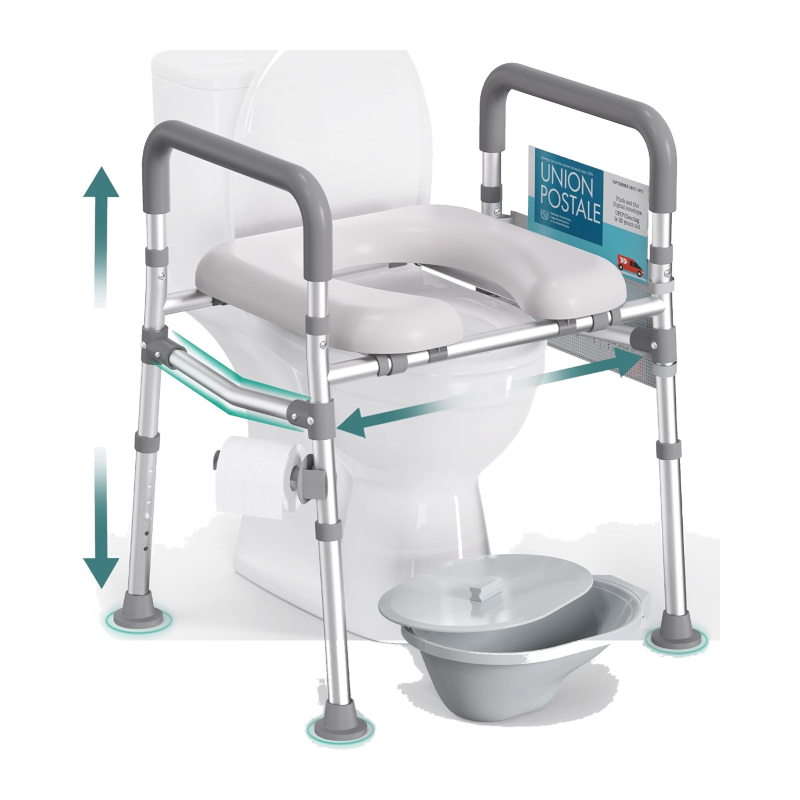
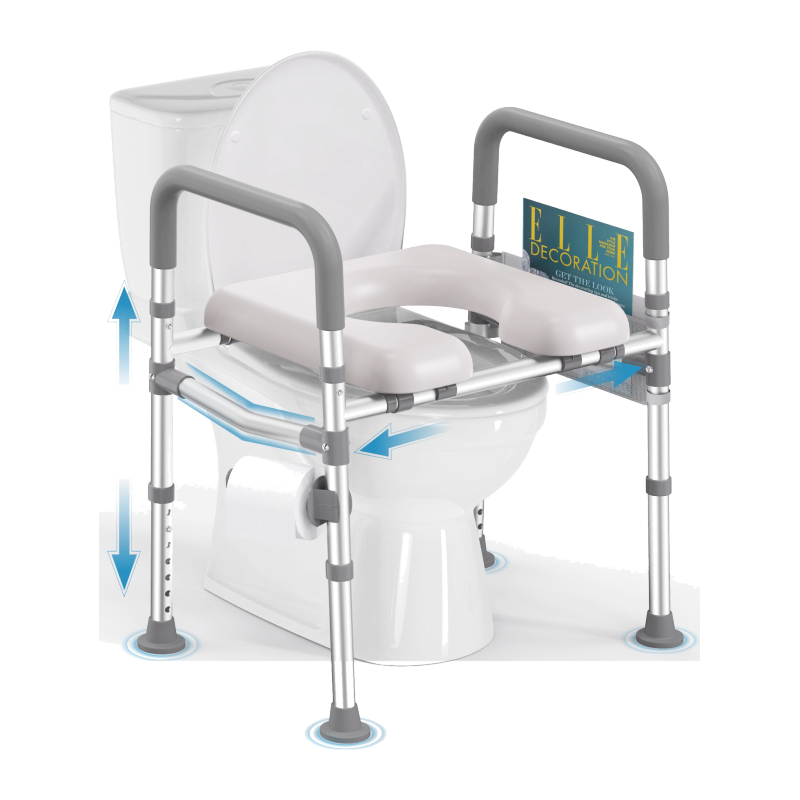
Built-in arms provide push-up support. Ideal for users needing upper-body assist.
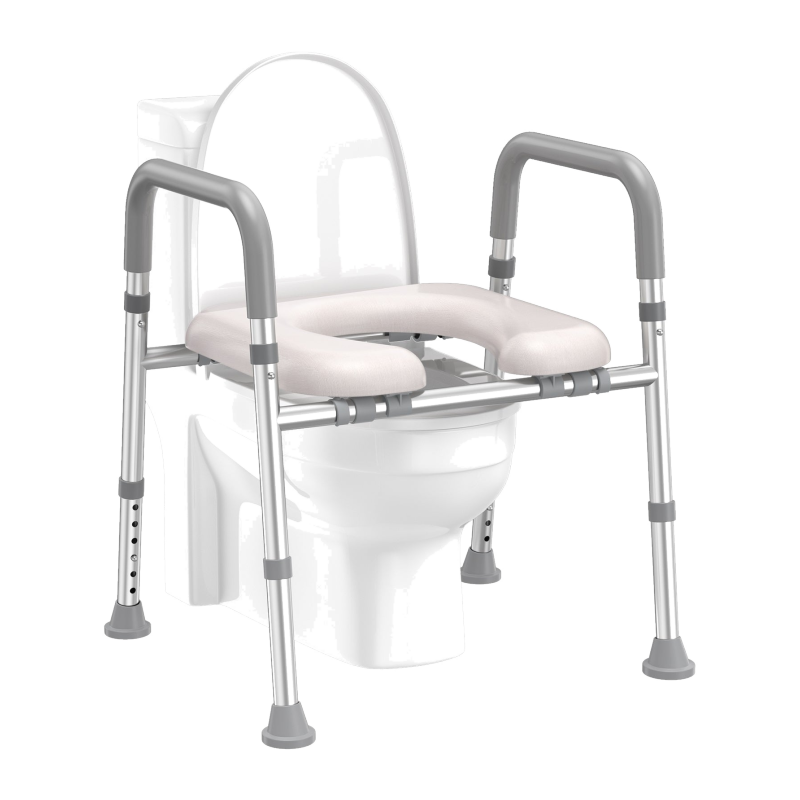
Elevated
(Commode-Style)
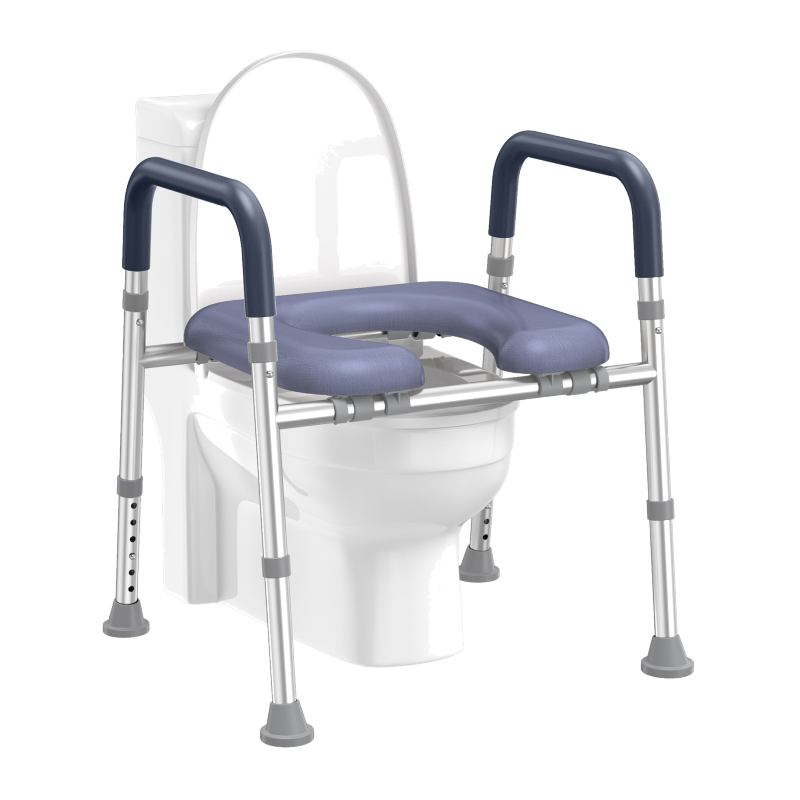
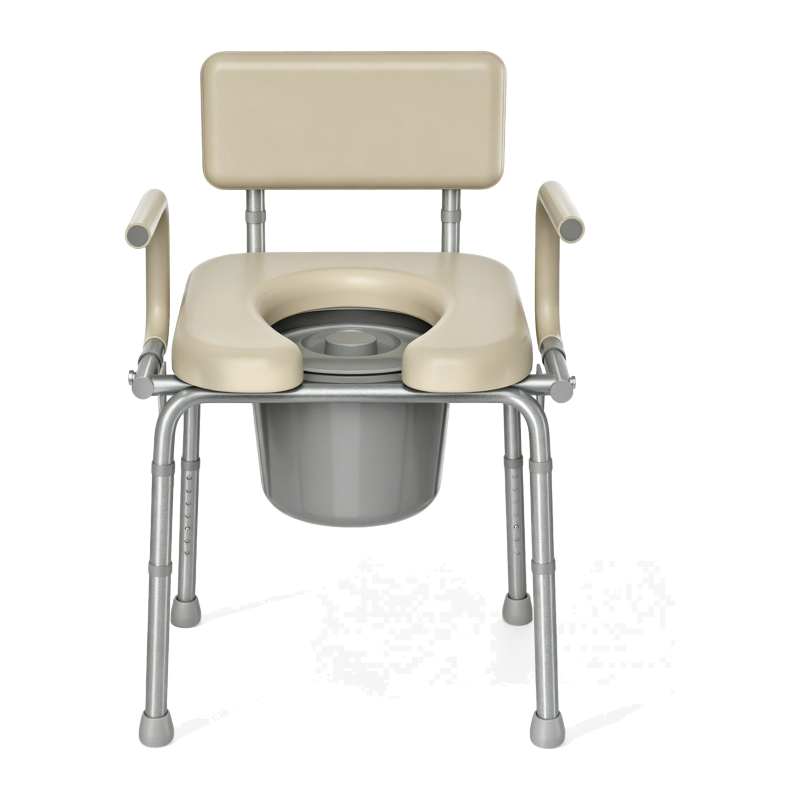
Freestanding frame for maximum height and support. Best for significant mobility needs.
↕️ Choosing the Right Lift Height
📏 Quick Measurement Tip
Measure floor to back of knee (standing, flat shoes) = your ideal seat height. Subtract your current toilet height = lift you need.
✅ Key Features to Check
Weight Capacity
Choose a seat rated well above the user's weight. Heavy-duty options exceed 300 lbs.
Non-Slip Surface
Textured or contoured surface prevents sliding during transfers.
Toilet Compatibility
Confirm round vs. elongated bowl fit before purchasing.
Easy Cleaning
Smooth surfaces and hinged-lid models simplify thorough cleaning.
FSA / HSA Eligible
Use pre-tax health funds to reduce your out-of-pocket cost.
Adjustable Armrests
Height-adjustable arms ensure ergonomic push-up motion for all body types.
🎯 5-Step Decision Framework
Assess the user's physical needs
Short-term recovery or long-term daily use? Is upper-body support needed? Does the user live alone?
Measure before you buy
Measure existing toilet height and floor-to-back-of-knee distance to determine the exact lift needed.
Check toilet bowl compatibility
Confirm round vs. elongated bowl shape. Most product listings clearly specify compatibility.
Decide on armrests early
When in doubt, choose a model with armrests — it's much harder to add support after the fact.
Think about the full bathroom picture
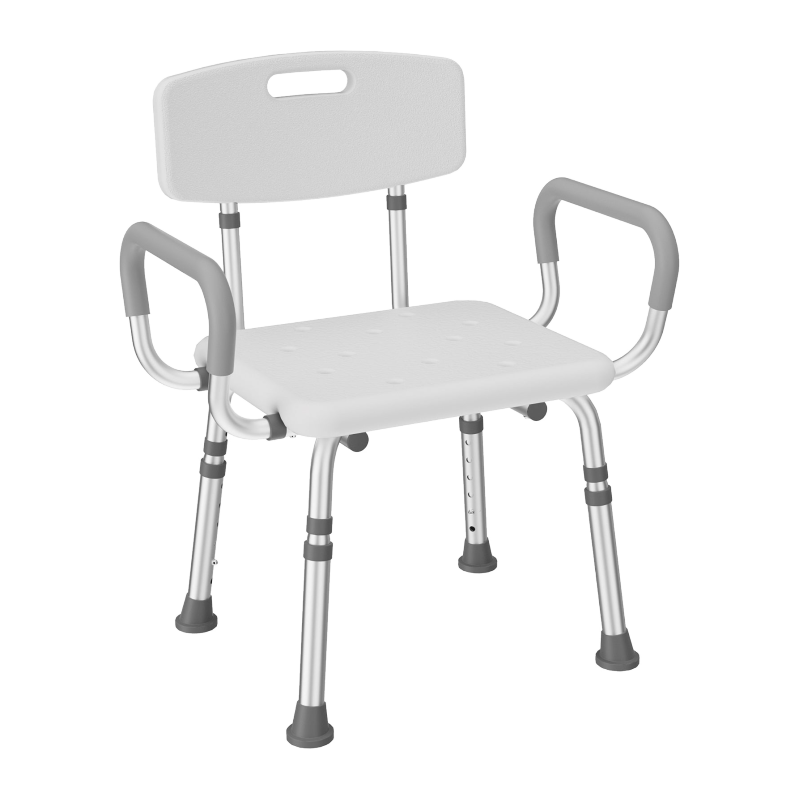
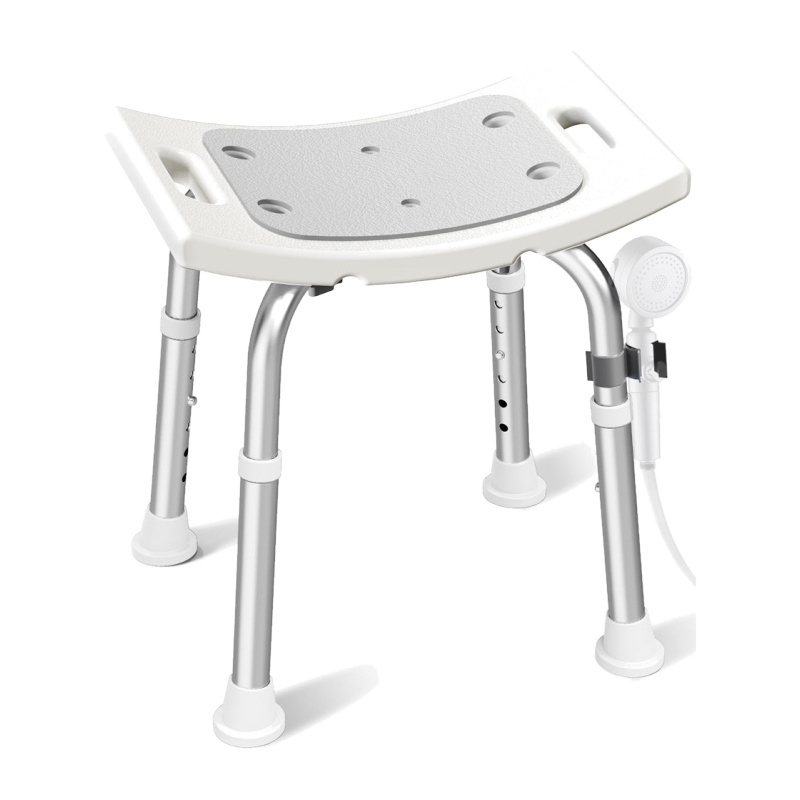
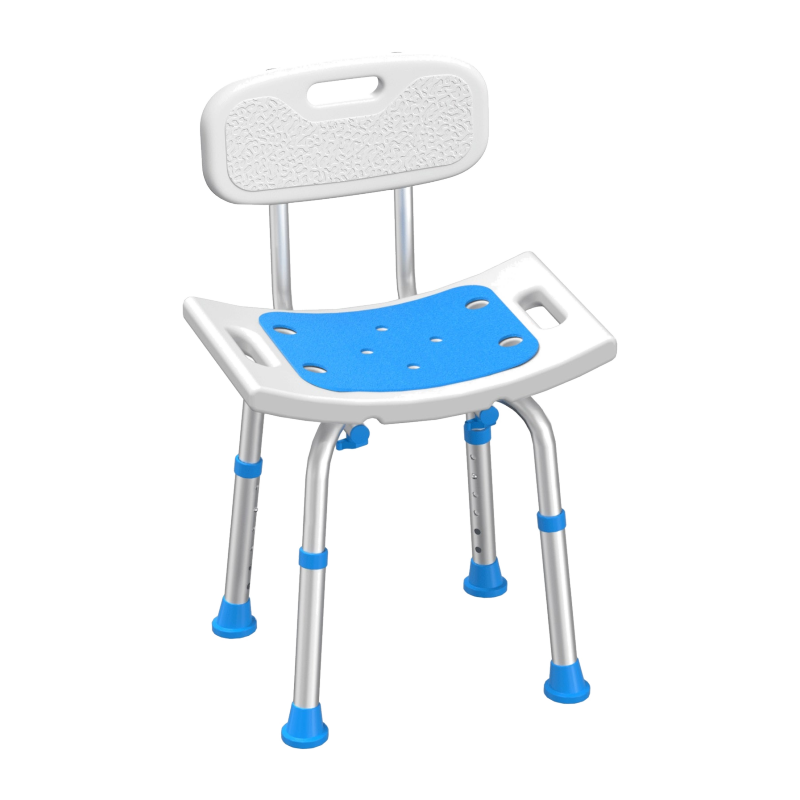
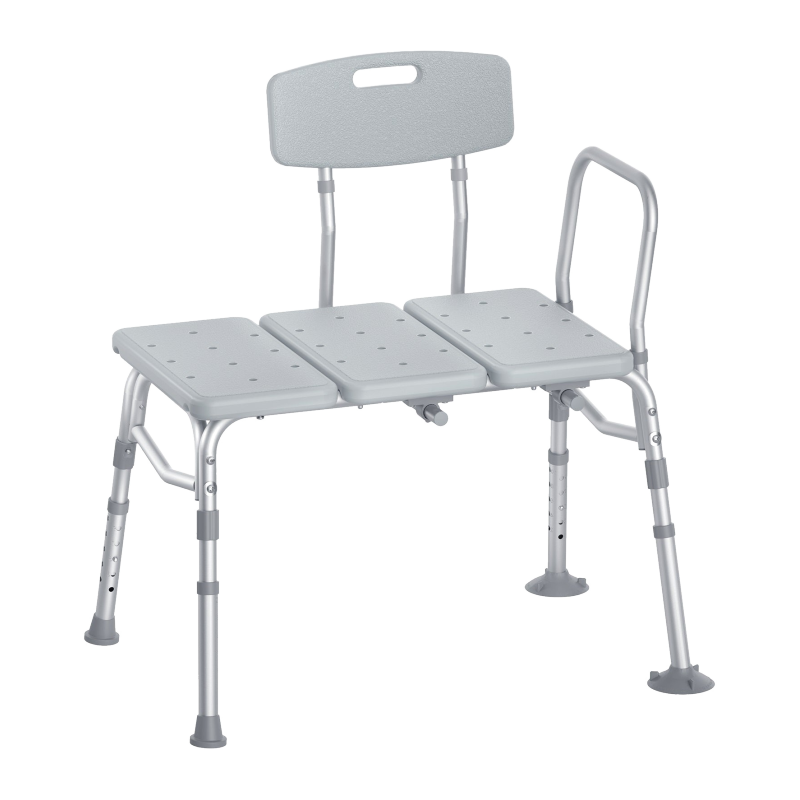
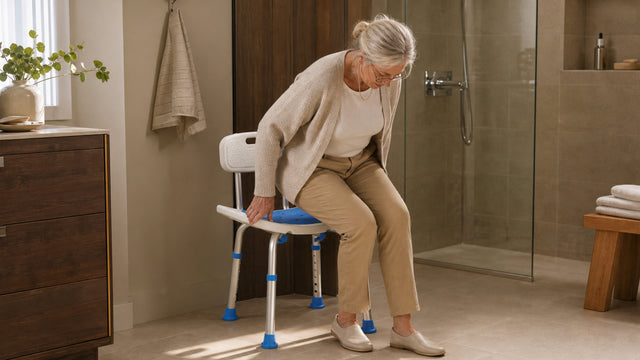
Pair with a shower chair, grab bars, or safety rails for a complete, safe bathroom routine.
⚠️ Daily Safety Reminders
What Is a Raised Toilet Seat — and Who Needs One?
A raised toilet seat is a device that sits on top of your existing toilet bowl to increase the overall seat height. Standard toilets sit between 15 and 17 inches from the floor, which can make lowering down and pushing back up genuinely difficult for people with limited hip or knee mobility, reduced lower-body strength, or balance concerns. Raising that height by even 2 to 4 inches can make a significant difference in how much effort — and how much risk — is involved in one of the most frequent daily activities.
Physical therapists often recommend raised toilet seats for people recovering from hip or knee replacement surgery, those managing arthritis or Parkinson's disease, older adults experiencing general strength or balance changes, and anyone who has been advised to avoid deep knee bending. They're also widely used by people with temporary injuries who need short-term support at home. If sitting down or standing up from a low surface is something you or a loved one braces for, a raised seat is likely worth considering.
The Main Types of Raised Toilet Seats
Not all raised toilet seats are built the same way, and the differences between them matter more than they might appear at first glance. Understanding the main categories will help you narrow down the right style for your specific bathroom and routine.
Bolt-On (Hinged) Raised Toilet Seats
Bolt-on seats attach directly to the toilet using the same hinges as a standard toilet seat, replacing it entirely. Because they're secured with hardware, they feel very stable and don't shift during use. Many models include a hinged lid, which makes cleaning easier and keeps the bathroom looking tidy. This style is a good long-term option for someone who wants a permanent, reliable setup without thinking about it daily.
Clamp-On (Tool-Free) Raised Toilet Seats
Clamp-on seats lock onto the rim of the toilet bowl using a tightening mechanism — no tools, no hardware, no installation headache. They're designed to go on and come off in seconds, which makes them ideal for households where multiple people use the same bathroom, or for anyone who travels and wants to bring their seat along. HOMLAND's raised toilet seats are built with exactly this kind of tool-free ease in mind, so setup never becomes its own obstacle.
Raised Toilet Seats with Handles or Armrests
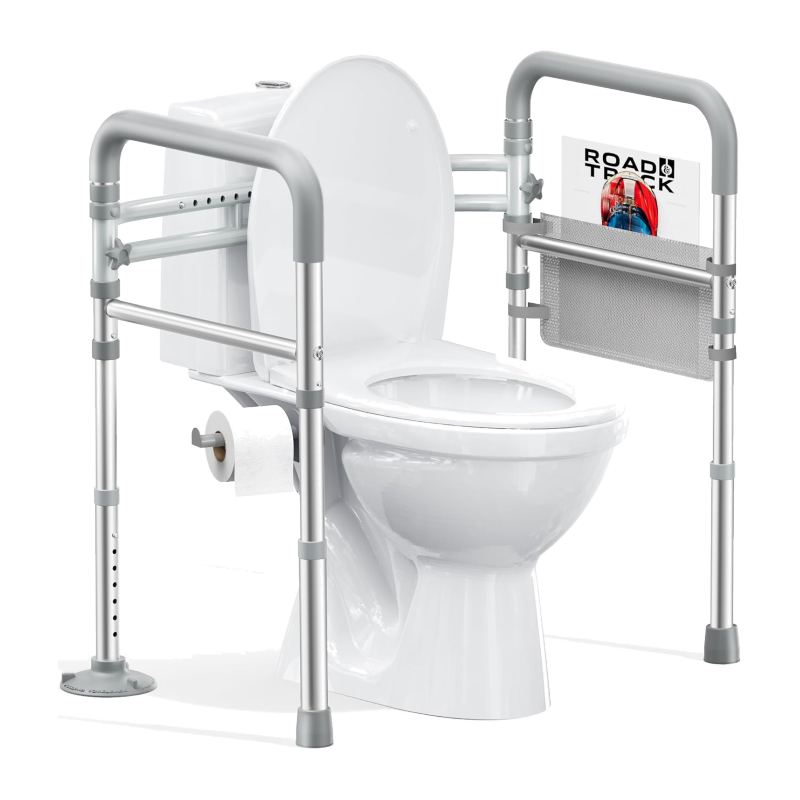
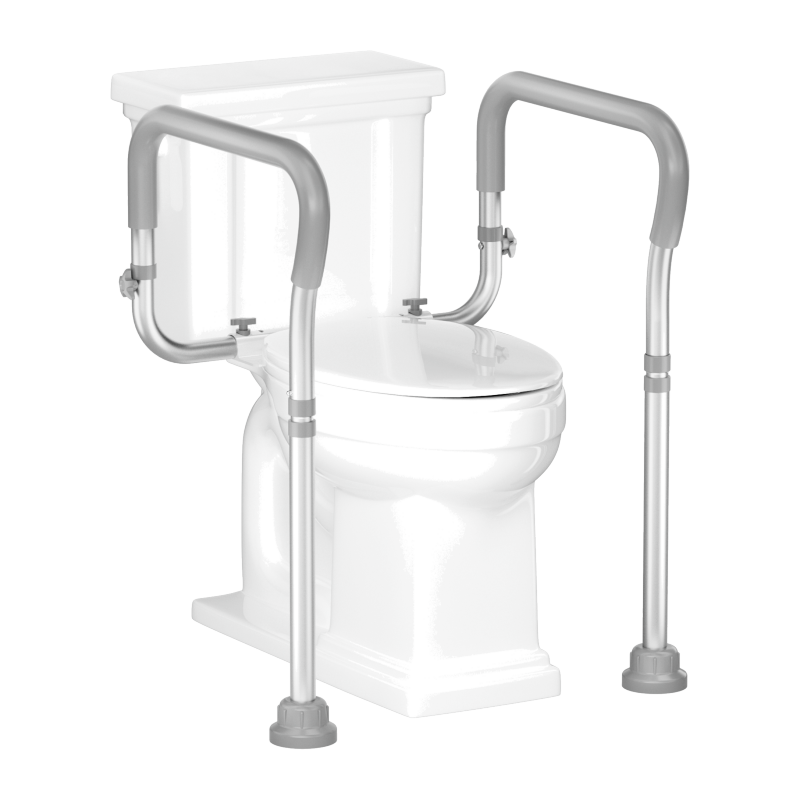
Some raised seats come with integrated handles or padded armrests on either side. These are especially valuable for people who need upper-body support to push up from a seated position — think of them as a built-in assist for the moment when standing up requires a little extra confidence. If the user tends to feel unsteady during transfers, armrests can significantly reduce that risk without requiring a separate safety rail purchase. For complementary bathroom support, you might also explore HOMLAND's Toilet Safety Rail collection, which can work alongside a raised seat for even more stability.
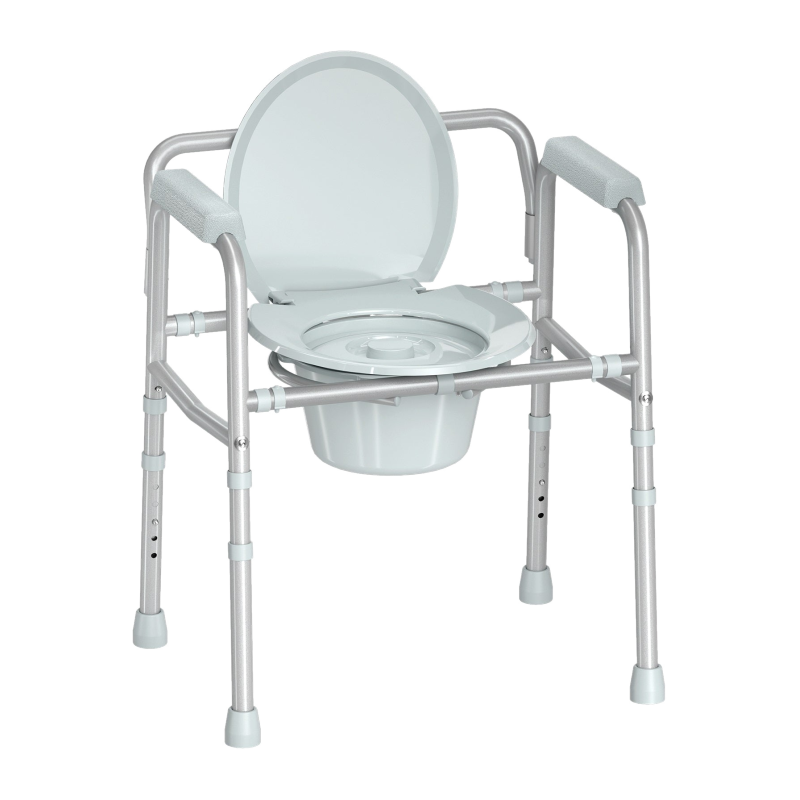
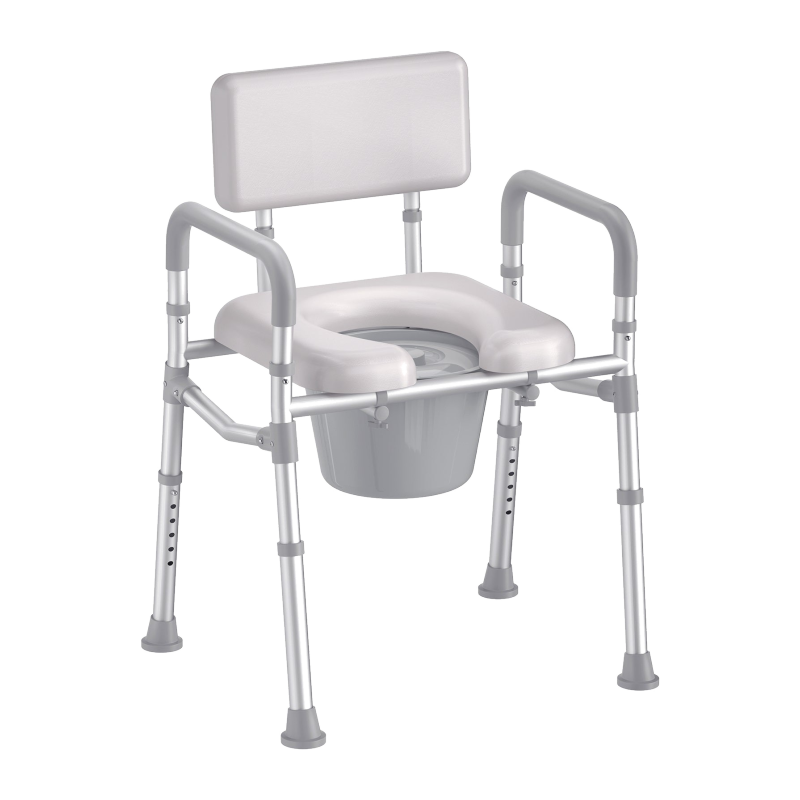
Elevated Toilet Seats (Commode-Style)
These are freestanding frames that surround the toilet and raise the sitting height significantly — sometimes by 5 inches or more. They're sturdier than standard raised seats and often support higher weight capacities. Some models are essentially a bedside commode placed over the toilet. They're a strong choice for individuals who need maximum support and a very high seat height, though they do take up more space around the toilet area.
Understanding Height Options: How Much Lift Do You Actually Need?
Raised toilet seats typically add between 2 and 6 inches to your existing toilet height. The right lift depends on two things: the height of the toilet you already have, and the ideal sitting height for your body. A general rule physical therapists use is that the seat should allow your hips to be at roughly a 90-degree angle or slightly above — meaning your hips are level with or just higher than your knees when seated. This position reduces strain on the joints and makes standing up much easier.
To figure out your target seat height, measure from the floor to the back of your knee while standing in flat shoes. That number is roughly your ideal seat height. Then subtract your existing toilet height from that number — the result is how much additional lift you need from a raised seat. For most adults, a 3- to 4-inch raised seat brings a standard toilet into a comfortable range. Taller individuals or those with significant hip restrictions may benefit from 5 or 6 inches of additional height.
Here's a quick reference for choosing lift height:
- 2-inch lift: Minor difficulty standing up; good for general aging-related stiffness or as a comfortable upgrade
- 3–4 inch lift: The most commonly recommended range for post-surgery recovery and moderate mobility limitations
- 5–6 inch lift: Significant mobility restrictions, very tall users, or anyone advised by their physical therapist to avoid deep hip flexion
Key Features Worth Paying Attention To
Once you've identified the type and height range you need, a few additional features can make a meaningful difference in day-to-day comfort and safety.
- Weight capacity: Always check that the seat supports the user's weight comfortably and with margin. Many standard models support up to 300 lbs; heavy-duty options go higher. Choosing a seat rated well above the user's weight adds a layer of confidence and durability.
- Non-slip surface: A seat with a textured or contoured surface helps prevent sliding during transfers — an important detail that's easy to overlook until it matters.
- Toilet compatibility: Most raised seats fit standard round and elongated toilets, but always confirm compatibility before purchasing. Some seats are designed specifically for elongated bowls.
- Armrest height and padding: If you're choosing a model with armrests, adjustable-height arms accommodate different body types and ensure the pushing motion is ergonomically natural rather than awkward.
- Ease of cleaning: Look for smooth surfaces without recessed grooves that are hard to reach. Hinged-lid models that lift off the toilet base make thorough cleaning straightforward.
- FSA/HSA eligibility: Raised toilet seats are typically eligible for purchase with Flexible Spending Account or Health Savings Account funds, which can reduce your out-of-pocket cost meaningfully. HOMLAND products are FSA/HSA eligible.
How to Choose the Right Raised Toilet Seat
The best raised toilet seat is the one that fits the actual person using it — their body, their bathroom, and their daily routine. Here's a practical framework for making the decision with confidence.
- Start with the user's physical needs. Is this for short-term post-surgery recovery, or longer-term daily use? Is upper-body strength an issue, suggesting armrests would help? Does the user live alone and need something ultra-stable, or is a caregiver present to assist? These answers point toward specific types and features.
- Measure before you buy. Measure the existing toilet height and the user's ideal seat height (floor to back of knee). This determines the lift you need and avoids the frustration of a seat that's too low — or surprisingly, too high.
- Check toilet compatibility. Confirm whether your toilet bowl is round or elongated, and match the seat to your bowl shape. Most product listings will specify compatibility clearly.
- Decide on armrests early. If there's any doubt about whether the user will want upper-body support, choose a model with armrests. It's much harder to add support after the fact than to have it available from day one. Alternatively, a dedicated toilet safety rail added to the toilet frame can provide similar support independently of the seat itself.
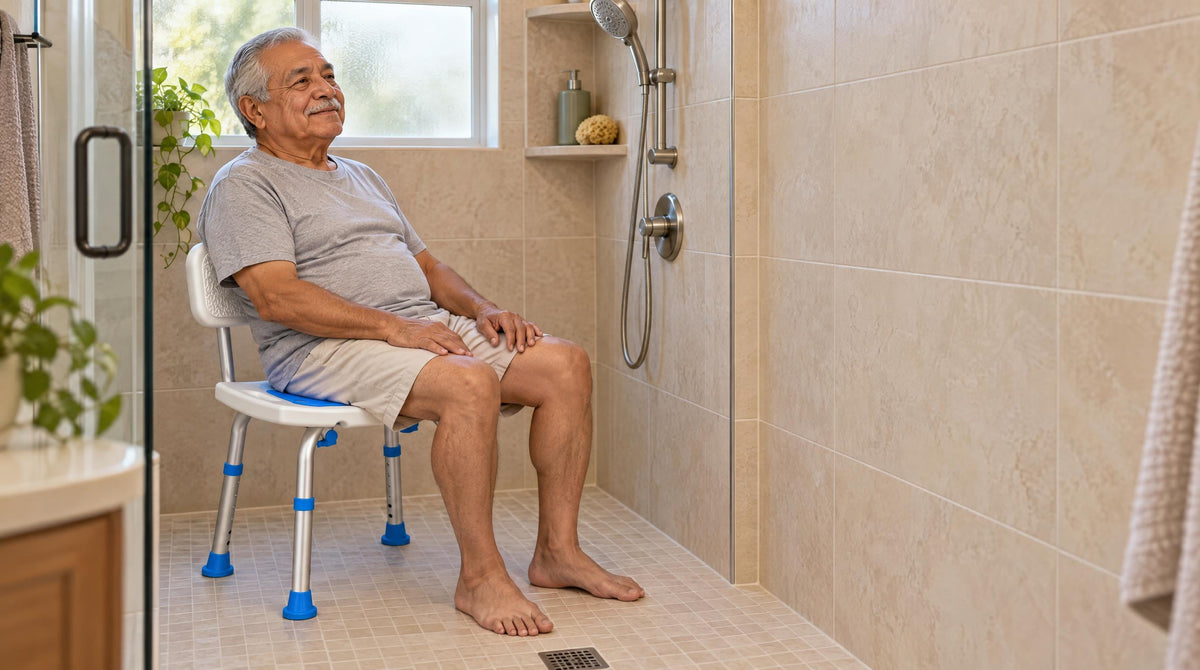
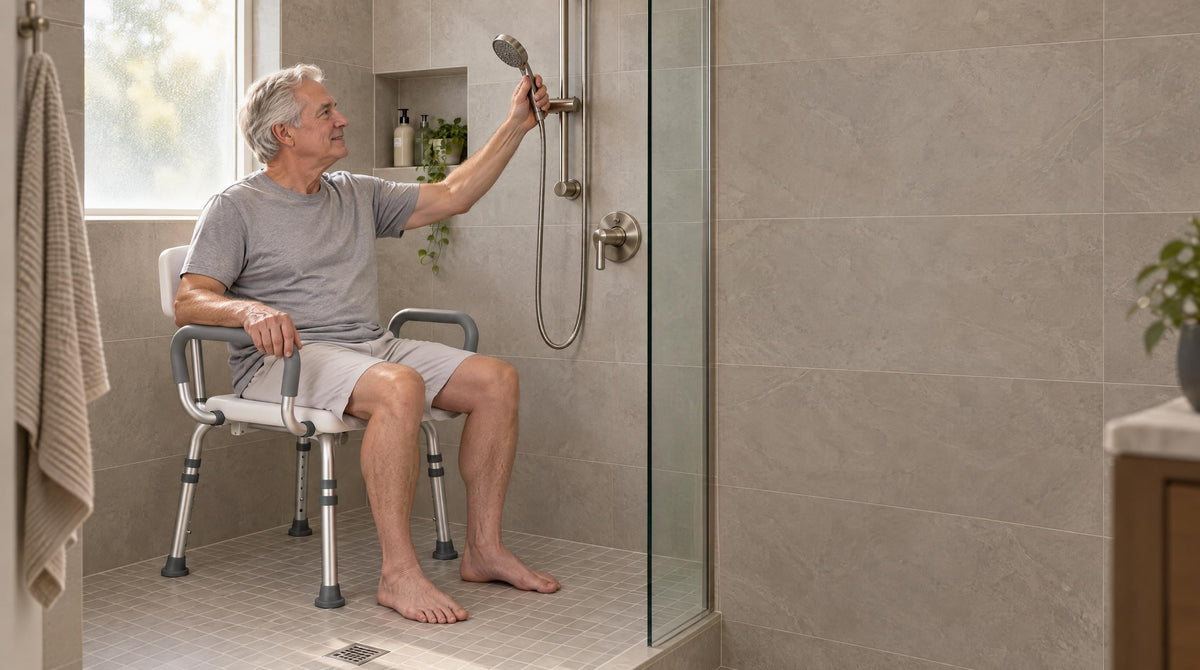
- Consider the full bathroom picture. A raised toilet seat works best as part of a broader bathroom safety setup. If the person also uses the shower or tub, a shower chair and grab bars make the entire routine safer, not just the toilet transfer.
For caregivers making this decision on behalf of a parent or family member: involve them in the process where possible. A raised toilet seat is deeply personal, and being part of choosing it — rather than having one simply appear in the bathroom — preserves dignity and encourages consistent use.
Simple Safety Tips for Everyday Use
Even the best-designed raised toilet seat works better when it's used thoughtfully. A few habits make a real difference in preventing slips and falls during toilet transfers.
- Always confirm the seat is locked onto the toilet before sitting. A clamp-on seat should feel completely firm with no lateral movement when you press on it.
- Use both armrests or safety rails when lowering down and pushing up — don't try to manage the transfer with just one side for support.
- Keep the path to the toilet clear of rugs, cords, or any tripping hazards, especially for nighttime trips.
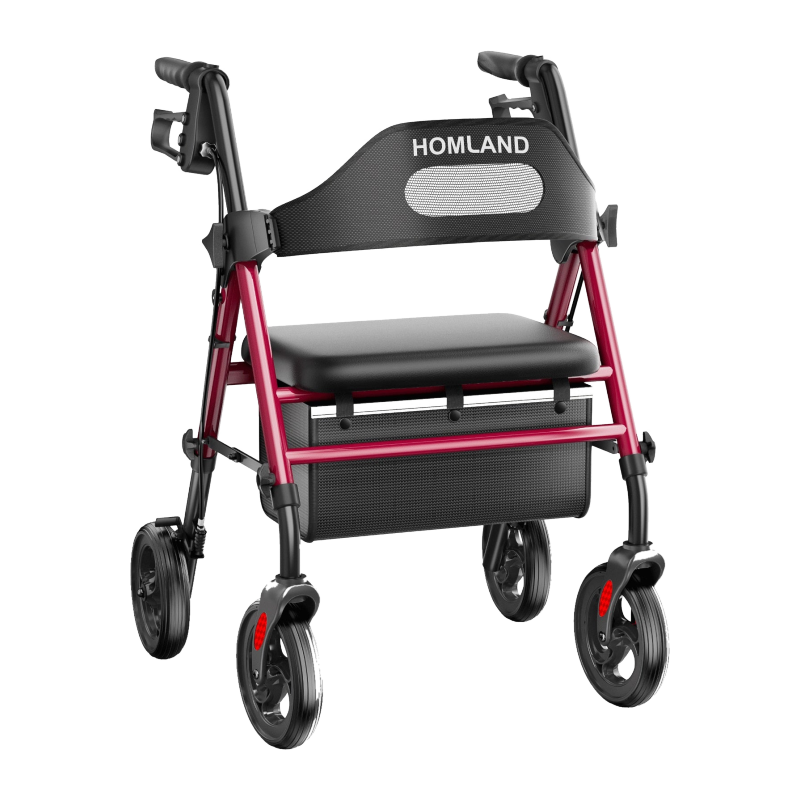
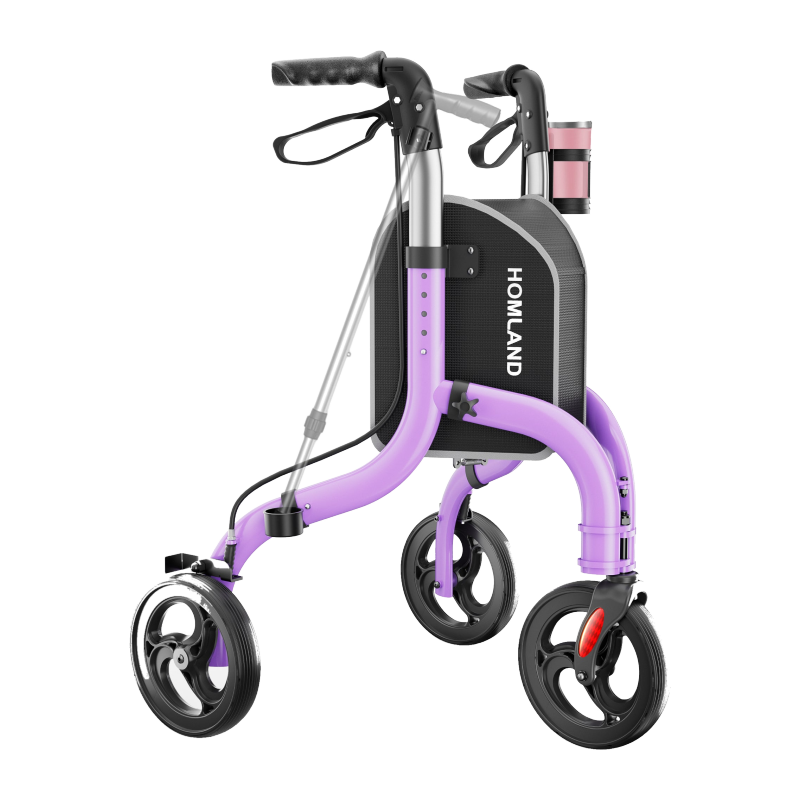
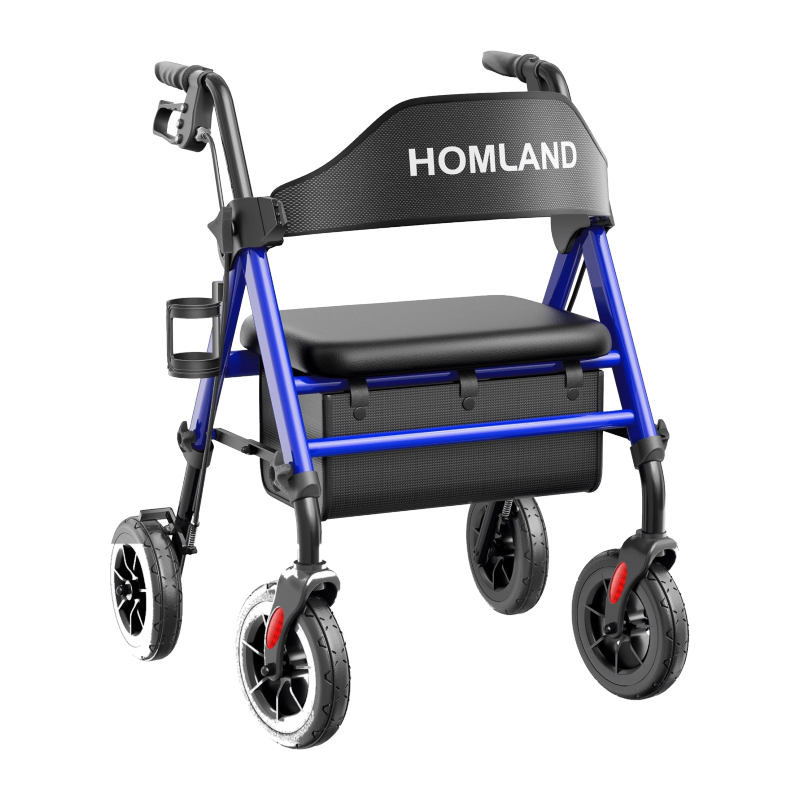
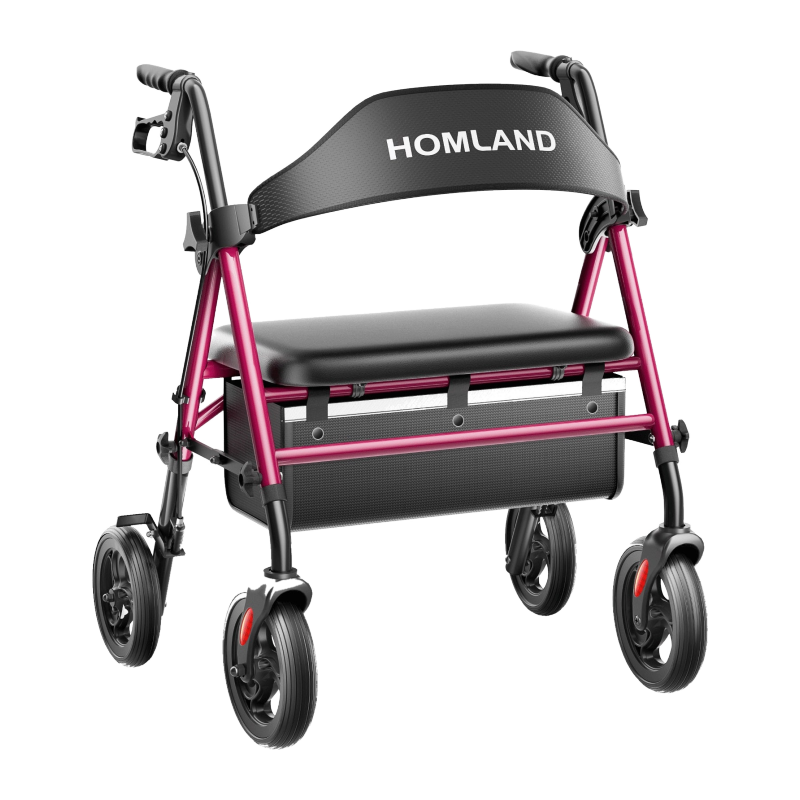
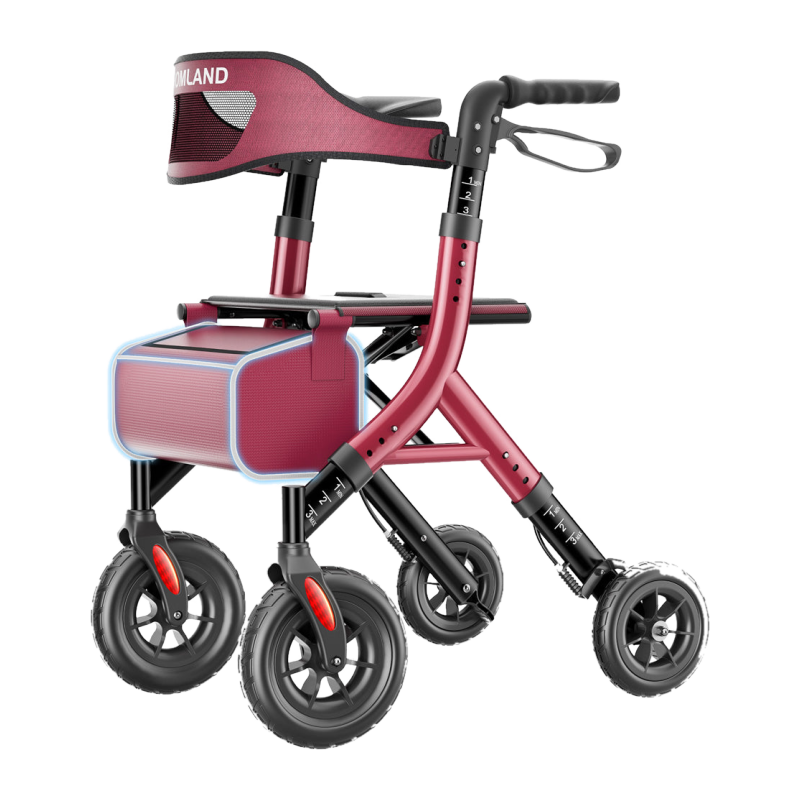
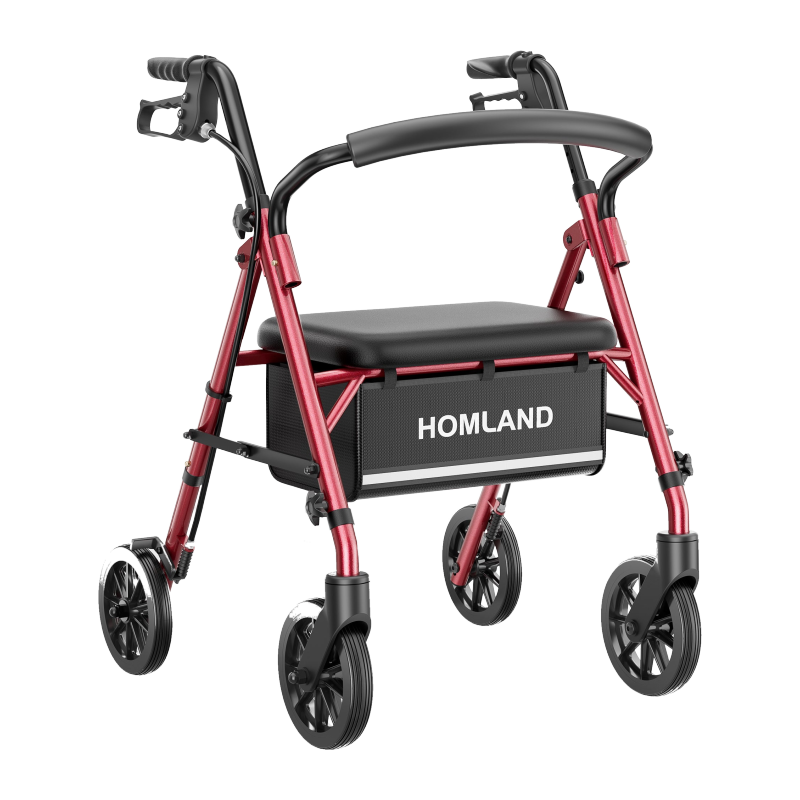
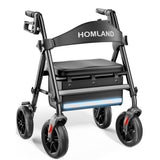
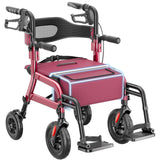
- If the user uses a walker or rollator, position it within easy reach before sitting so it's accessible when standing back up. HOMLAND's rolling walker collection includes models with seat locks that hold steady during a transfer.
- Clean the raised seat regularly with a mild disinfectant. A clean, well-maintained seat also provides better grip than one with product residue on the surface.
Why HOMLAND Raised Toilet Seats Are Built for Real Life at Home
HOMLAND designs its raised toilet seats from a straightforward premise: this product should feel at home, not clinical. That means tool-free assembly that takes minutes rather than half a morning, a sturdy build that inspires real confidence during transfers, and thoughtful details like non-slip surfaces and ergonomic contours that you notice in daily use rather than on a spec sheet.
Every HOMLAND raised toilet seat is authorized by licensed Doctors of Physical Therapy, which means the design decisions behind comfort, height range, and support features are grounded in how real people move and recover — not just what looks good in a product photo. They're also FSA/HSA eligible, backed by a 1-year manufacturer warranty plus an additional 1-year extended warranty, and shipped from a US local warehouse so delivery is fast and predictable. For caregivers buying for a parent or loved one, that combination of professional endorsement, financial flexibility, and strong after-purchase support makes the decision a lot easier to feel good about.
You can explore HOMLAND's full range of bathroom safety and mobility products — from raised toilet seats and toilet safety rails to shower chairs, bed rails, and walkers — at the HOMLAND all-products collection. Everything is designed around the same belief: that living safely and independently at home is not a luxury — it's exactly what everyone deserves.
A raised toilet seat is a small change that can make an outsized difference in everyday confidence and safety at home. Whether you're recovering from surgery, managing a long-term mobility challenge, or simply making your home smarter as the years go on, the right raised seat helps you move through your day on your own terms — without the worry of a risky transfer every time you use the bathroom.
Take the time to match the seat height to the person, consider whether armrests are needed, and think about the full bathroom routine rather than this one product in isolation. The right setup brings peace of mind to the person using it and to the family members who care about them. That's the whole idea.
Have questions about which raised toilet seat is right for you or a loved one?
HOMLAND's team is here to help you find the right fit — no pressure, just honest guidance. Contact us today and we'll point you in the right direction.