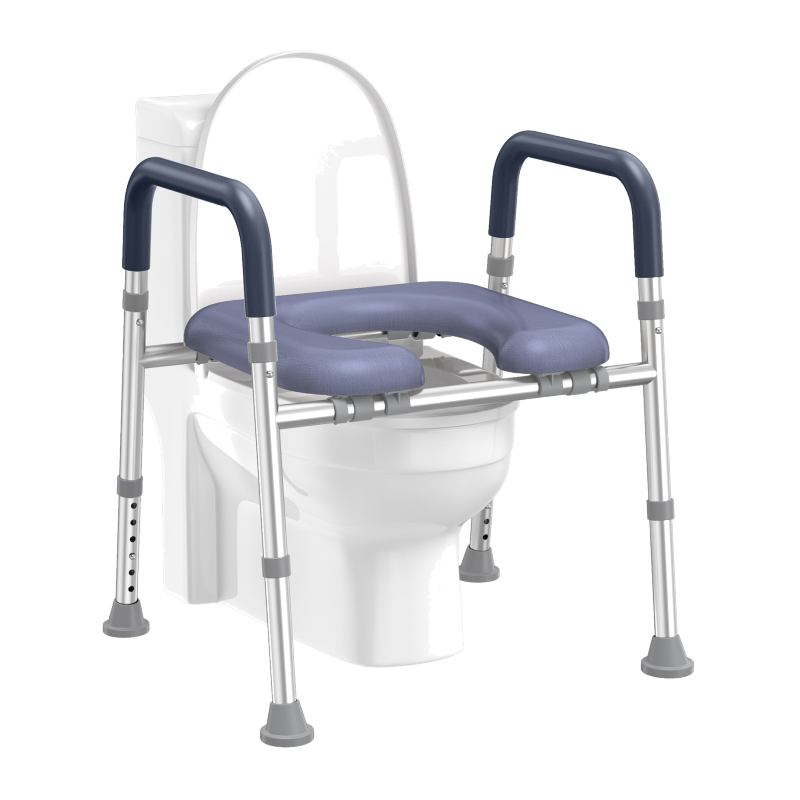
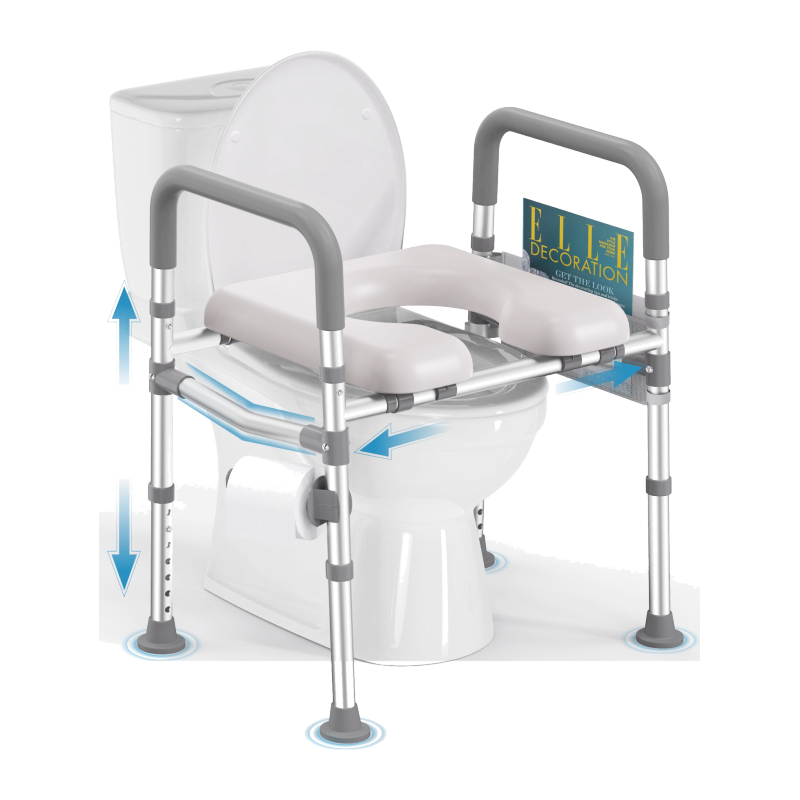
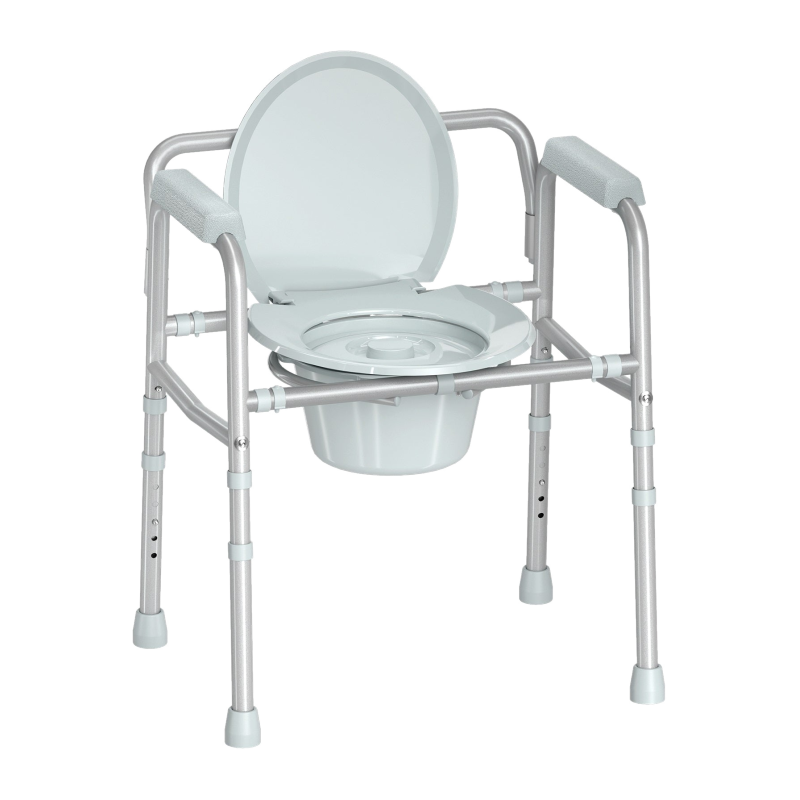
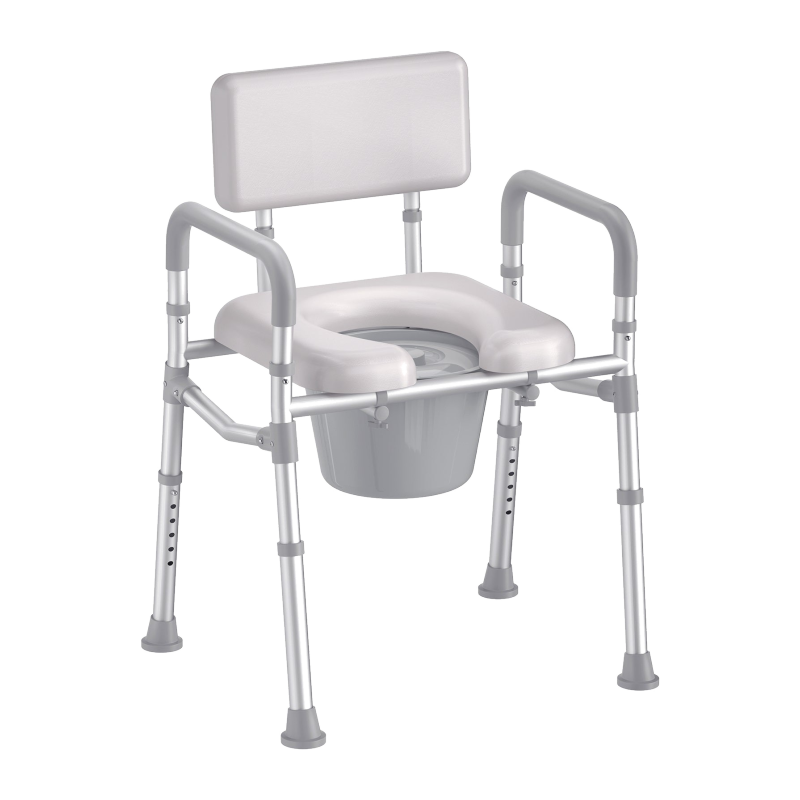
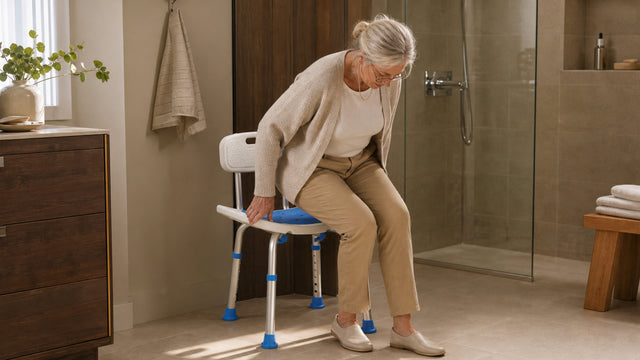


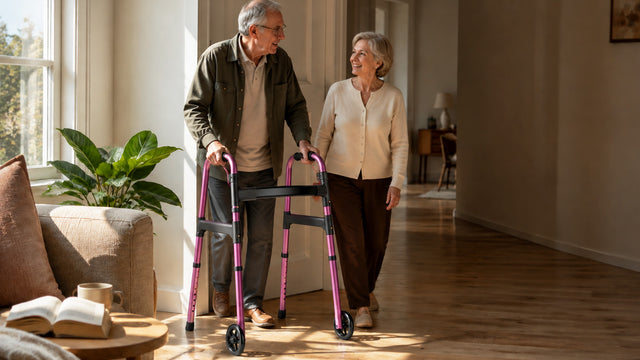

Standing in the shower used to be effortless. But after a surgery, a fall, a flare-up of joint pain, or simply the gradual changes that come with getting older, what was once routine can start to feel uncertain — even risky. A shower bench changes that. It gives you a place to sit, steady yourself, and move through your morning routine without gripping the walls and hoping for the best.
If you or someone you love has been wondering whether a shower bench is the right move, you're in good company. Physical therapists routinely recommend them not as a last resort, but as a smart, proactive step toward safer bathing and continued independence at home. This guide walks you through exactly who benefits from a shower bench, what types are available, which features actually matter, and how to find the right fit for your bathroom — so you can get back to starting your day with confidence instead of caution.
Who Actually Needs a Shower Bench?
The honest answer is: more people than you might think. A shower bench isn't only for someone who can no longer stand at all. It's for anyone whose shower routine involves more physical effort, risk, or mental stress than it should. If you've ever reached for the showerhead just to steady yourself, or felt your legs fatigue before you were done washing, a bench gives you the support to finish comfortably and safely.
Physical therapists often recommend shower benches immediately after procedures like hip replacements, knee surgeries, or back operations — situations where standing for extended periods puts unnecessary strain on healing tissue. But the everyday use cases go well beyond recovery. People living with arthritis, Parkinson's disease, multiple sclerosis, or chronic fatigue often find that sitting during their shower conserves energy and reduces fall risk without giving anything up.
For older adults, the numbers are sobering: the CDC identifies bathrooms as one of the highest-risk areas in the home for falls among adults 65 and older, with wet, slippery surfaces playing a central role. A shower bench eliminates the need to balance on one leg while reaching, turning, or rinsing — the exact moments when falls most often happen.
Caregivers and adult children looking out for a parent will find that a shower bench is one of the simplest, least invasive changes they can make to a loved one's home. It doesn't require permanent installation in most cases, it doesn't signal a loss of independence — it signals good planning.
Types of Shower Benches and Seats
Not all shower benches are built the same, and choosing the right style depends on your bathroom layout, your mobility needs, and how much flexibility you want. Here's a quick breakdown of the main options:
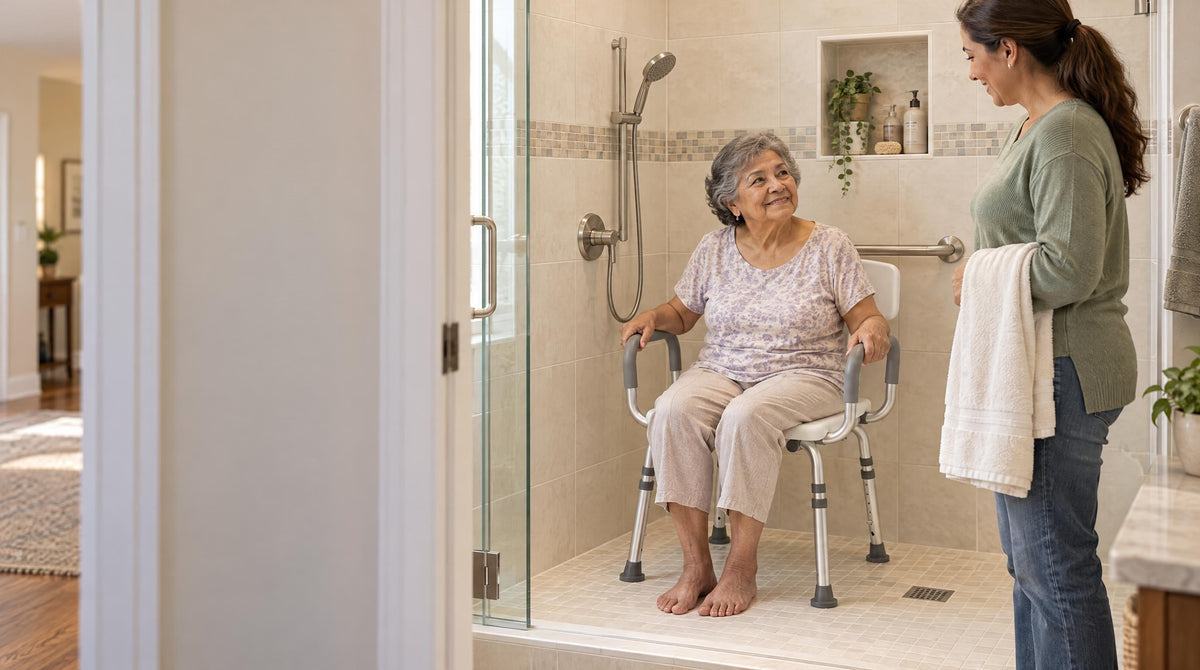
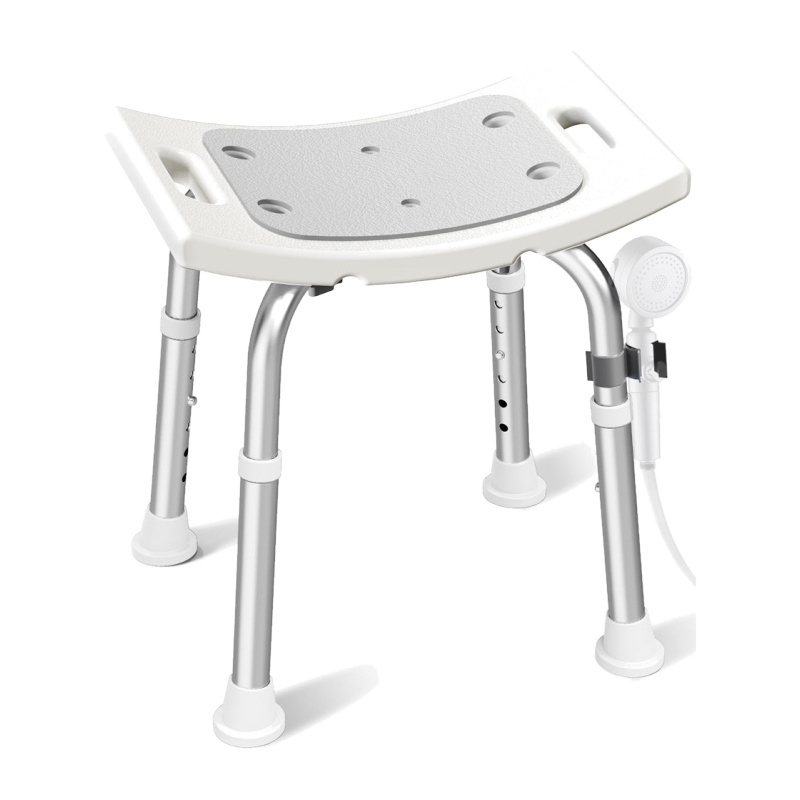
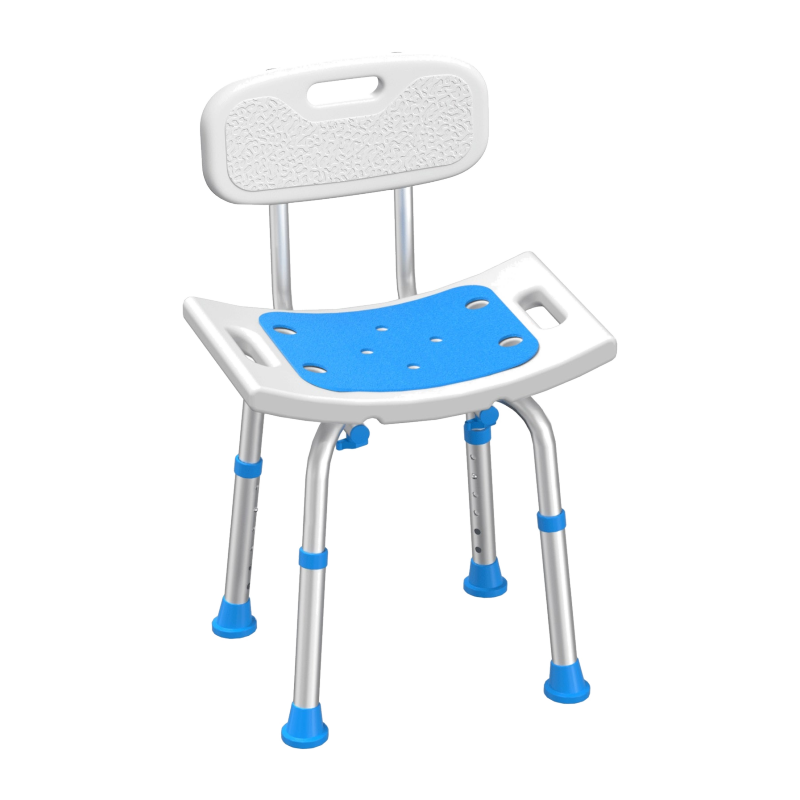
- Freestanding shower benches: These sit inside the shower without any wall attachment. They're portable, easy to reposition, and work in both walk-in showers and tub-shower combos. Most have adjustable legs and non-slip rubber feet to keep them stable on wet tile.
- Wall-mounted fold-down benches: Installed directly into the shower wall, these fold up when not in use — a great option if the shower is shared by people with different needs or if space is limited. They do require hardware installation and ideally a wall stud or reinforced backing.
- Corner shower seats: Designed to tuck into the corner of a larger shower, these are space-efficient and feel more like a built-in feature. They can be freestanding or mounted.
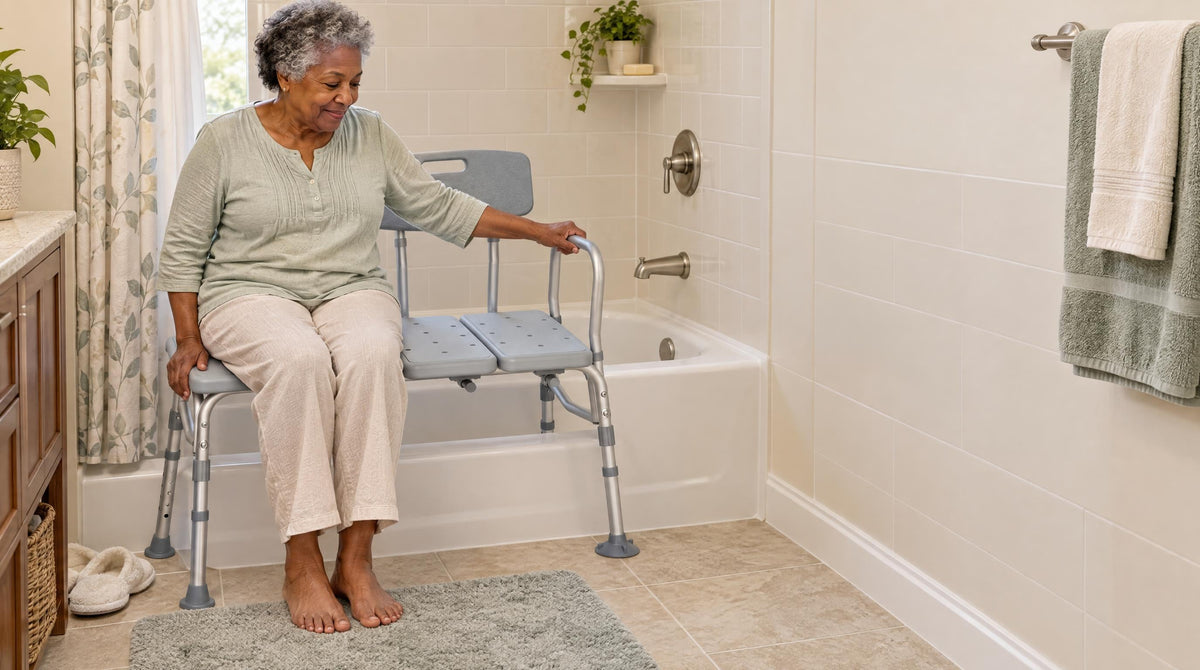
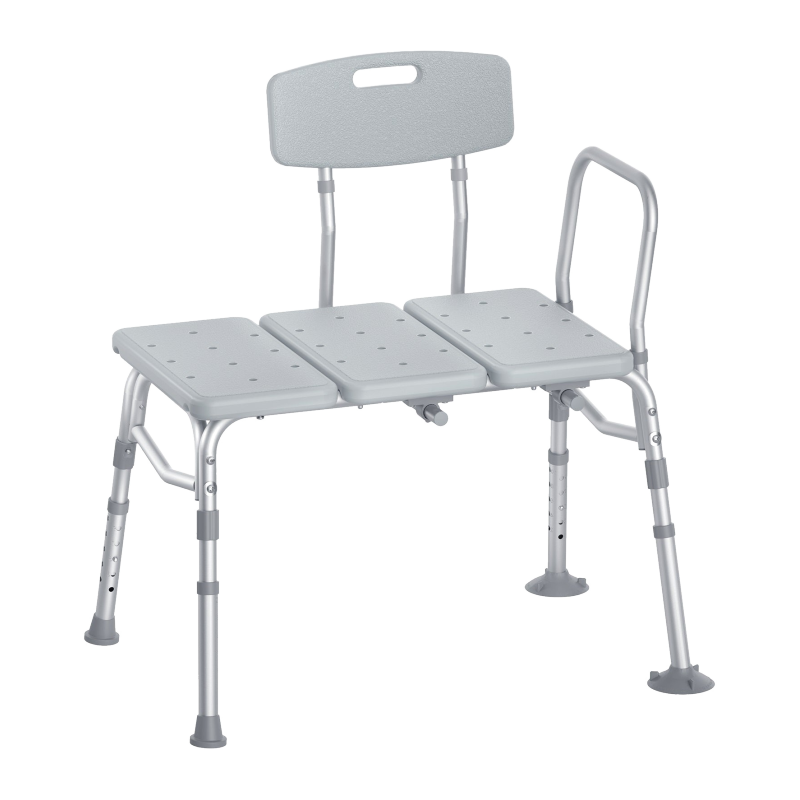
- Transfer benches: These extend across the tub wall, with one side outside the tub and one inside. They're specifically designed for people who have difficulty stepping over a tub edge — you sit on the outside, then slide across into the tub without lifting your leg over. HOMLAND's shower chair and transfer bench collection includes several options built for exactly this purpose.
- Teak or wood benches: Popular for their appearance, teak benches work well in larger walk-in showers. They naturally resist moisture but tend to be heavier and less adjustable than aluminum alternatives.
For most home users, a freestanding aluminum bench or a transfer bench covers the widest range of needs. They're lightweight, adjustable, and don't require a contractor to install.
Key Features to Look For
Once you've decided on a general style, the details start to matter. A shower bench that wobbles, sits too low, or has a slippery seat can actually increase risk rather than reduce it. Here's what to prioritize when comparing options:
- Weight capacity: Always check this first. Many standard benches support up to 300 lbs, but bariatric-rated models go significantly higher. Choose a bench rated well above the user's weight so there's a genuine safety margin, not a minimum one.
- Adjustable height: Legs that adjust in one-inch increments allow you to set the seat at exactly the right height — ideally level with the back of the knee when standing. A seat that's too low is hard to get up from; one that's too high puts pressure on the thighs and reduces stability.
- Non-slip feet: Rubber tips on all four legs are non-negotiable. Look for wide, suction-style feet or heavy-duty rubber caps that grip wet tile firmly. Some benches also include drainage holes in the seat to prevent water pooling.
- Seat surface: A textured or contoured seat surface reduces sliding. Avoid flat, smooth plastic on its own — it becomes slick when wet. Some benches pair a textured seat with a slight back angle for added comfort during longer showers.
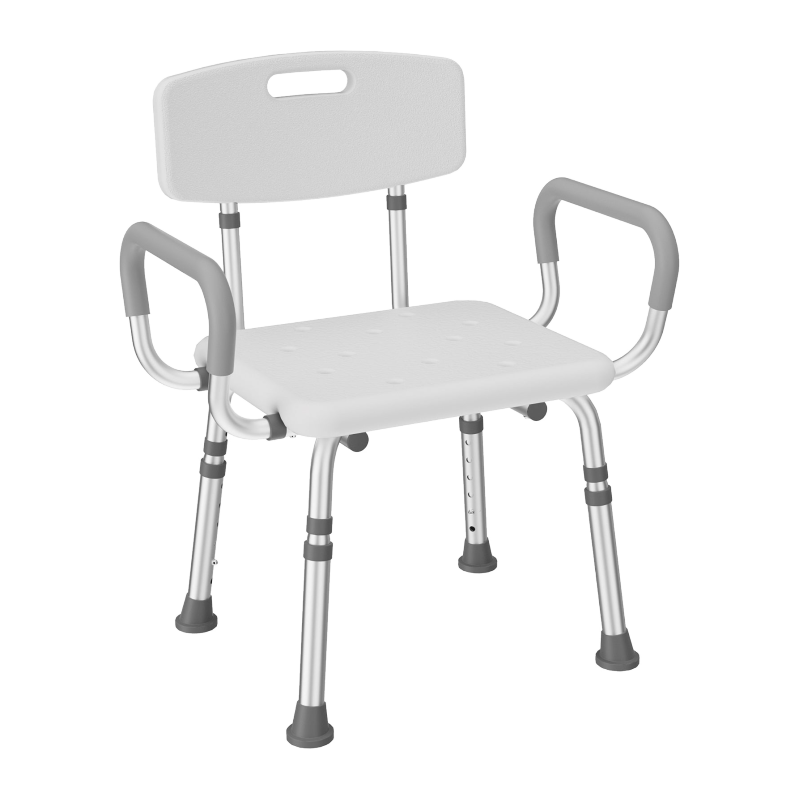
- Backrest and armrests: Not all benches include these, but for anyone with balance challenges or who needs help getting up and sitting down, they make a significant difference. A backrest provides something to lean against; armrests give you something to push from when standing.
- Corrosion-resistant frame: Since the bench will live in a wet environment, look for anodized aluminum or rust-resistant coated steel. Avoid raw steel frames without any protective coating.
- Tool-free assembly: A bench you can set up in minutes — without hunting for a screwdriver — is one that actually gets used. Look for simple push-button leg adjustments and snap-together frames.
HOMLAND designs its shower seating products with all of these principles in mind, combining tool-free assembly with heavy-duty frames so users can be up and bathing safely the same day the box arrives. Explore the full shower chair and bench collection to see current models and weight capacities.
Shower Bench vs. Shower Chair: What's the Difference?
You'll see these terms used interchangeably online, but there are some practical distinctions worth knowing. A shower bench typically refers to a wider, rectangular seat without a backrest — designed for sitting sideways, stretching out a leg, or giving a caregiver room to assist from the side. A shower chair usually has a backrest, sometimes armrests, and is designed more like a traditional chair — you sit facing forward.
Neither is universally better. If you're recovering from a hip or knee procedure and need to keep one leg extended, or if a caregiver needs access to assist with bathing, a bench's wider surface is more practical. If you simply want a stable seated position with back support for fatigue or balance issues, a chair may be more comfortable. Some products combine both — a wide seat with an optional backrest that can be used or removed depending on the day's needs.
A transfer bench is a separate category with a specific purpose: helping someone get in and out of a tub safely by sliding rather than stepping. If stepping over a tub edge is the primary concern, a transfer bench is worth a closer look.
How to Size a Shower Bench for Your Bathroom
Measuring before you buy saves a frustrating return trip. Here's a simple approach:
- Measure your shower floor space — Note the width and depth of the usable standing area inside the shower. Most standard showers are 36 inches wide, which comfortably fits a bench between 17 and 22 inches wide. Walk-in showers allow for larger models.
- Measure the user's knee height — Stand flat-footed and measure from the floor to just behind the knee. This is your target seat height. Look for a bench whose adjustable range includes this measurement.
- Consider tub clearance if applicable — For transfer benches that straddle a tub wall, measure the height of the tub edge and the width of the tub rim. You'll want a bench that reaches comfortably from outside the tub to the tub floor without creating a height mismatch.
- Check door clearance — If your shower has a hinged door, make sure the bench fits without blocking the swing. Freestanding benches can be repositioned easily if needed, but it's worth confirming before buying.
Most shower benches designed for home use fall into a seat height range of 14 to 20 inches, which covers the majority of adults. If the user is taller or shorter than average, prioritize models with the widest adjustment range.
Tips for Getting Started Safely
Bringing a shower bench home is just the first step. A few small habits make a meaningful difference in how safe and comfortable the experience actually feels:
- Place a non-slip bath mat on the shower floor in front of the bench, not just underneath it. This gives you a stable surface when stepping in and out.
- If the shower has a grab bar, position the bench so you can reach the bar with one hand when sitting down and standing up. If there's no grab bar, it may be worth adding one — physical therapists consistently rank grab bars as one of the highest-impact bathroom safety additions.
- Keep frequently used items (shampoo, soap, a washcloth) within arm's reach from the bench. Leaning or reaching while seated is one of the leading causes of bench-related tipping.
- For caregivers: position yourself outside the shower but within easy reach before the person sits down. Being present for the first few uses builds both physical confidence and peace of mind.
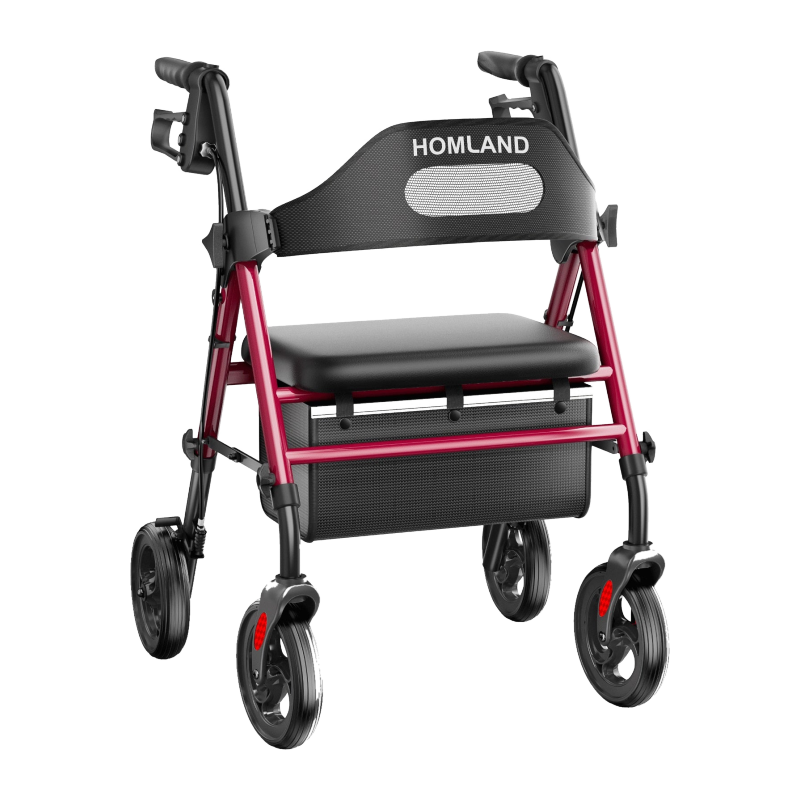
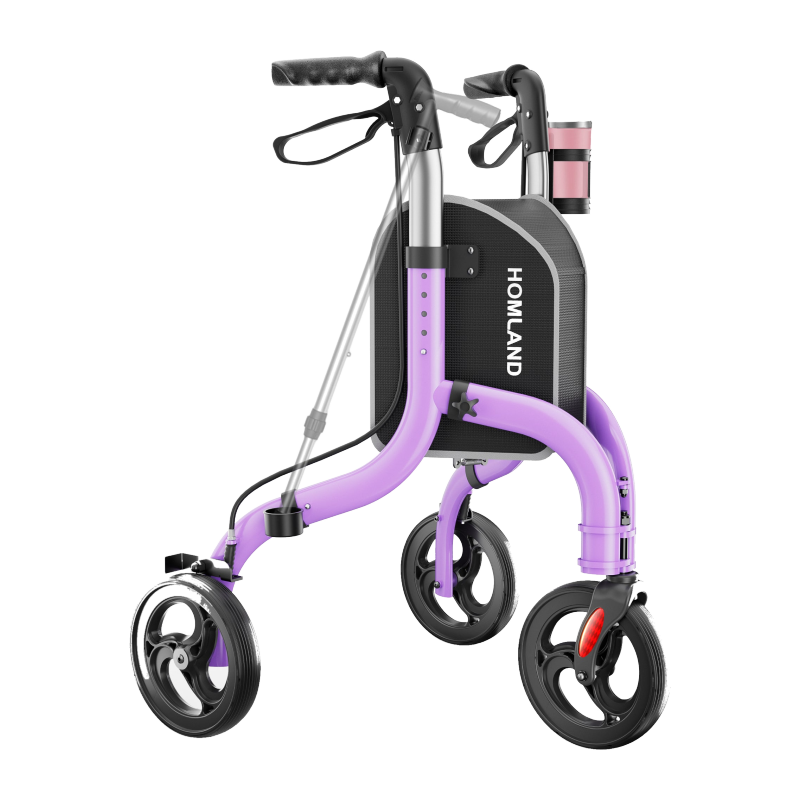
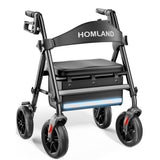
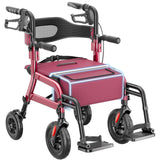
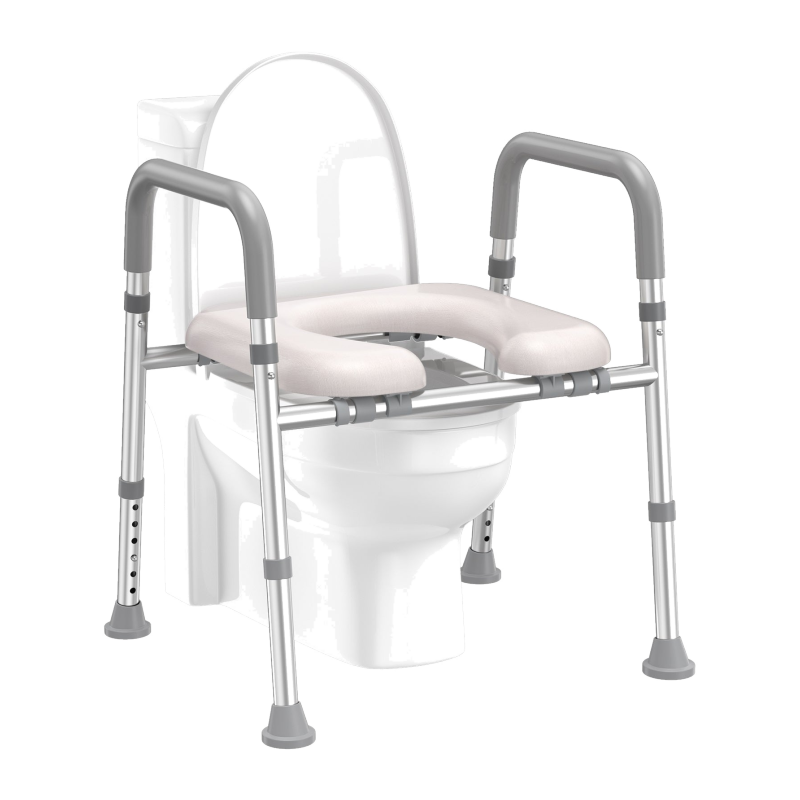
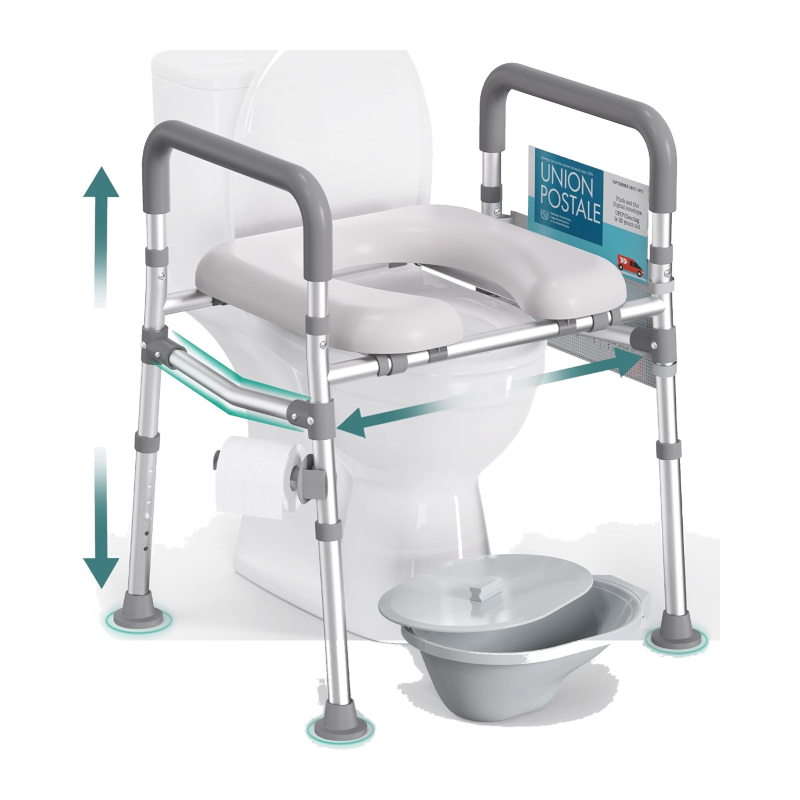
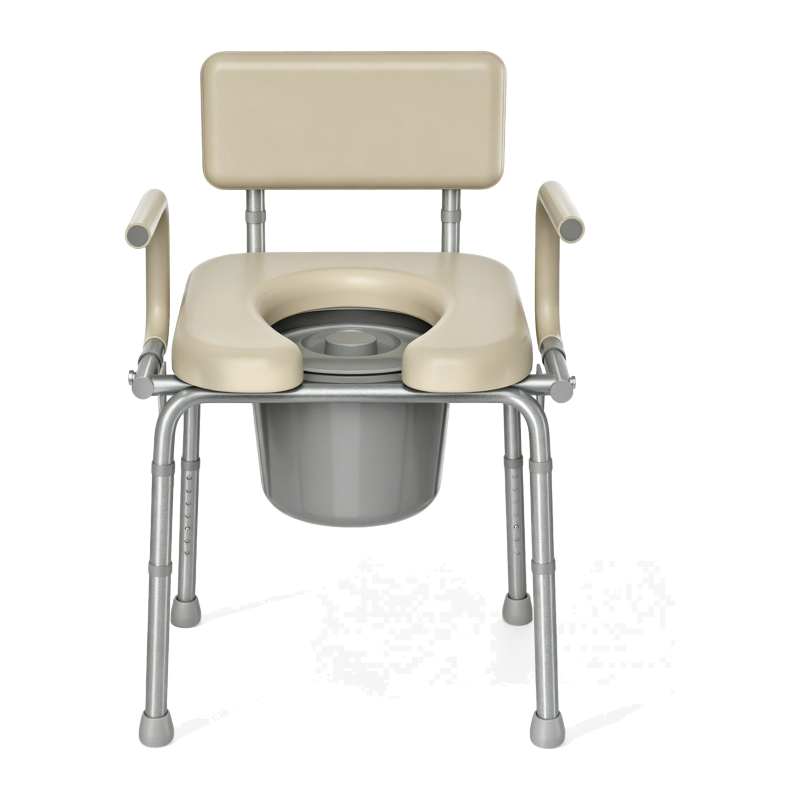
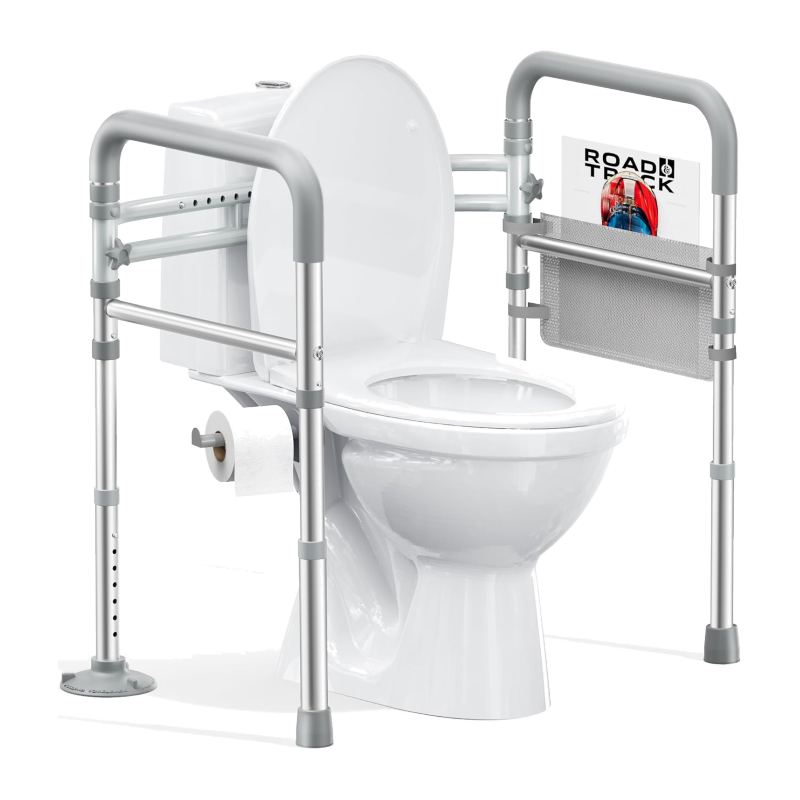
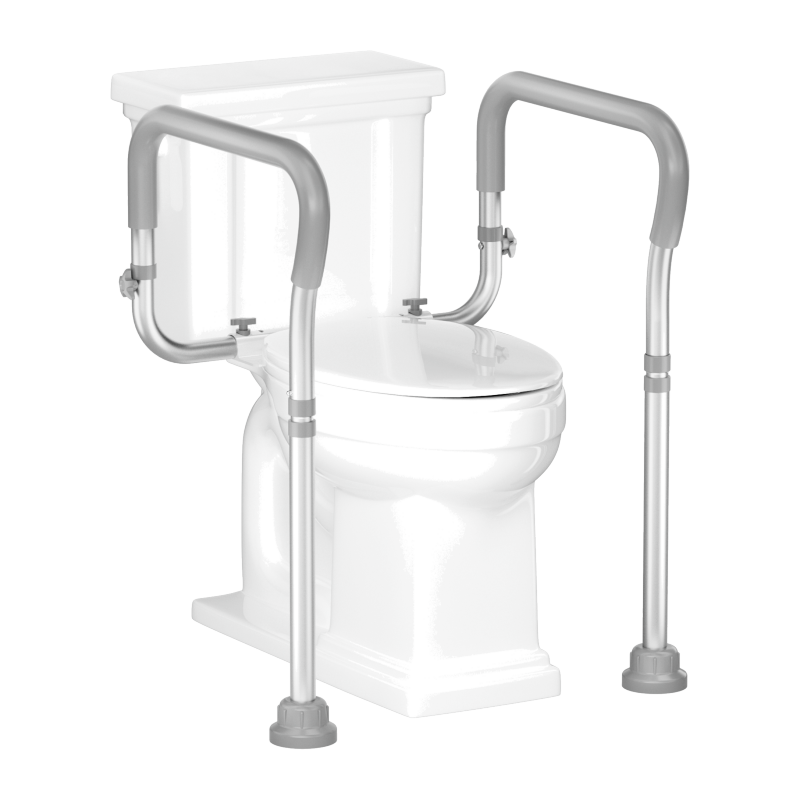
If you're also thinking about safety beyond the shower, HOMLAND's broader range of home mobility products covers more of your home. From toilet safety rails to bed rails and rolling walkers, each product is designed with the same principle: keeping you comfortable, confident, and at home.
FSA/HSA and Purchase Peace of Mind
For many families, the practical question isn't just which bench to buy — it's how to make the purchase feel like a sound investment. HOMLAND shower benches and shower chairs are FSA/HSA eligible, which means you may be able to use pre-tax funds from a Flexible Spending Account or Health Savings Account to cover the cost. That alone can reduce the out-of-pocket price meaningfully.
Every HOMLAND product also comes backed by a 1-year manufacturer warranty plus a 1-year extended warranty — two years of coverage in total. And because HOMLAND ships from a US local warehouse, most orders arrive quickly without the extended wait times that come with overseas shipping. For someone who's just had surgery or is returning home from a stay in a care facility, that speed matters.
If you're a caregiver comparing options for a parent or family member, these aren't just marketing details. They're the difference between a purchase you feel good about and one that leaves you wondering whether it'll hold up. HOMLAND's products are authorized by licensed Doctors of Physical Therapy (DPT) and engineered with the same standards the brand has applied to high-end medical device manufacturing for over 20 years.
The Bottom Line
A shower bench is one of the most practical, lowest-barrier changes you can make to improve safety and confidence in the bathroom. Whether you're recovering from surgery, managing a chronic condition, noticing that your balance has shifted with age, or simply planning ahead — sitting down to shower isn't giving something up. It's making your routine more sustainable, more comfortable, and more your own.
The right bench keeps you bathing independently, on your schedule, without gripping the wall or rushing through to avoid fatigue. And for the people who care about you, it's one less thing to worry about. That's what home safety is supposed to feel like.
Ready to Find the Right Shower Bench?
Browse HOMLAND's full collection of shower chairs and benches — designed for real home bathrooms, backed by physical therapy expertise, and built to support your independence every day.
Shop Shower Chairs & BenchesHave Questions? Contact Us