

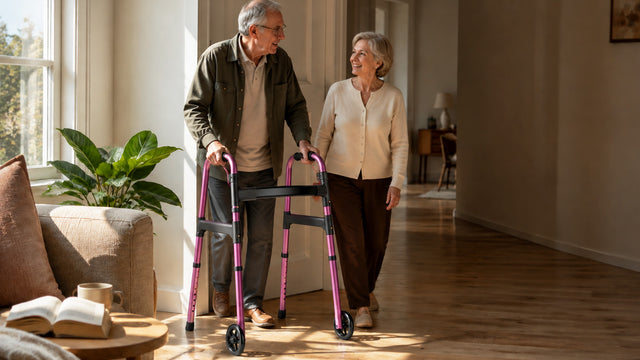

Picture this: you wake up in the bedroom you've slept in for thirty years, make coffee in your own kitchen, and spend the afternoon in the garden you've tended season after season. That's not just a morning routine — it's independence. It's dignity. And for millions of Americans, it's exactly what aging in place looks like.
According to a survey by U.S. News & World Report, 93% of adults aged 55 and older say aging in place is important to a happy, healthy life. Yet turning that goal into a safe, sustainable reality takes more than good intentions. It takes honest planning, the right home modifications, and sometimes a few well-chosen tools that make daily life easier without making your home feel like a clinic.
This guide covers everything you need to know: what aging in place actually means, why so many people choose it, what it costs, and — most importantly — how to get your home ready so that staying put feels confident, not risky. Whether you're planning ahead for yourself or helping a parent make the transition, you'll find practical, actionable guidance here.
What Is Aging in Place?
Aging in place means choosing to remain in your own home as you get older, rather than moving to an assisted living community or nursing facility. The term sounds simple, but the reality involves thoughtful preparation across several areas of life: your health, your home's layout, your finances, and your social connections.
It doesn't mean going it completely alone, either. Many people who age in place successfully do so with a combination of home modifications, mobility aids, periodic visits from family, and occasional professional support. The goal isn't to refuse all help — it's to stay in charge of your own life, in your own space, on your own terms.
Why Seniors Choose to Stay Home
The reasons people choose to age in place are deeply personal, but a few themes come up consistently among those who have made this decision.
Independence matters more than most people realize. Being able to decide when you eat, who visits, and how you spend your day is a profound part of well-being. Assisted living facilities offer safety and community, but they also come with schedules, shared spaces, and rules that can feel restrictive. Home offers freedom — and that freedom matters.
Home carries emotional weight that a new place simply cannot replicate. The kitchen where you raised your children, the backyard where grandkids played, the neighborhood you've walked for decades — these aren't just locations. They're identity. Leaving them creates real grief, and staying preserves something irreplaceable.
Community ties are a genuine health asset. Long-standing friendships, familiar neighbors, a beloved church or golf club — these social bonds are strongly linked to mental and physical health outcomes in older adults. Moving disrupts them in ways that can take years to rebuild, if they're rebuilt at all.
Cost is a real factor too. Assisted living facilities can run anywhere from $3,000 to $9,000 per month, and nursing homes can cost significantly more. For someone who has paid off their mortgage and built a comfortable routine at home, those numbers are hard to justify — especially when the right modifications and support services can make staying home both safe and affordable.
Is Aging in Place Right for You?
Aging in place isn't the right fit for every situation, and being honest about that upfront is important. It works best when a few key conditions are in place. Good or manageable physical health, a home that can be reasonably modified, access to some level of social or practical support, and financial stability all play a role. The stronger these foundations, the more sustainable staying home becomes.
If you or a loved one has a condition that requires around-the-clock skilled medical care, or if the home is a multi-story property with no realistic way to create a safe single-level living space, it's worth having an honest conversation with a doctor and perhaps a certified aging-in-place specialist. There's no shame in that conversation — it's exactly the kind of planning that leads to the best outcomes.
How Much Does Aging in Place Cost?
Costs vary widely depending on your situation, but it helps to think in categories. Most people who age in place spend money across three main areas:
- Home modifications: These range from inexpensive grab bars and raised toilet seats (often under $100 each) to larger projects like a roll-in shower installation or a stair lift. Many modifications are one-time costs that pay off for years.
- Mobility and safety equipment: Items like shower chairs, walkers, bed rails, and toilet safety rails fall into this category. Many of these are FSA/HSA eligible, which can significantly reduce out-of-pocket expense. HOMLAND's full lineup of home mobility products is FSA/HSA eligible and backed by a 1-year manufacturer warranty plus a 1-year extended warranty — so the investment is protected.
- Support services: Depending on your needs, this might mean a part-time home aide, grocery delivery, transportation services, or adult day programs. Costs here vary most by location and level of care needed.
The reassuring truth is that even with modifications and some support services factored in, staying home is often significantly less expensive than assisted living — especially for someone who owns their home outright or carries a low mortgage payment.
How to Prepare Your Home for Aging in Place
This is where planning becomes practical. Physical therapists consistently point out that most falls and injuries happen in predictable locations — the bathroom, the bedroom at night, and on stairs or uneven surfaces. Addressing those areas first gives you the highest return on your effort and investment.
Bathroom Safety
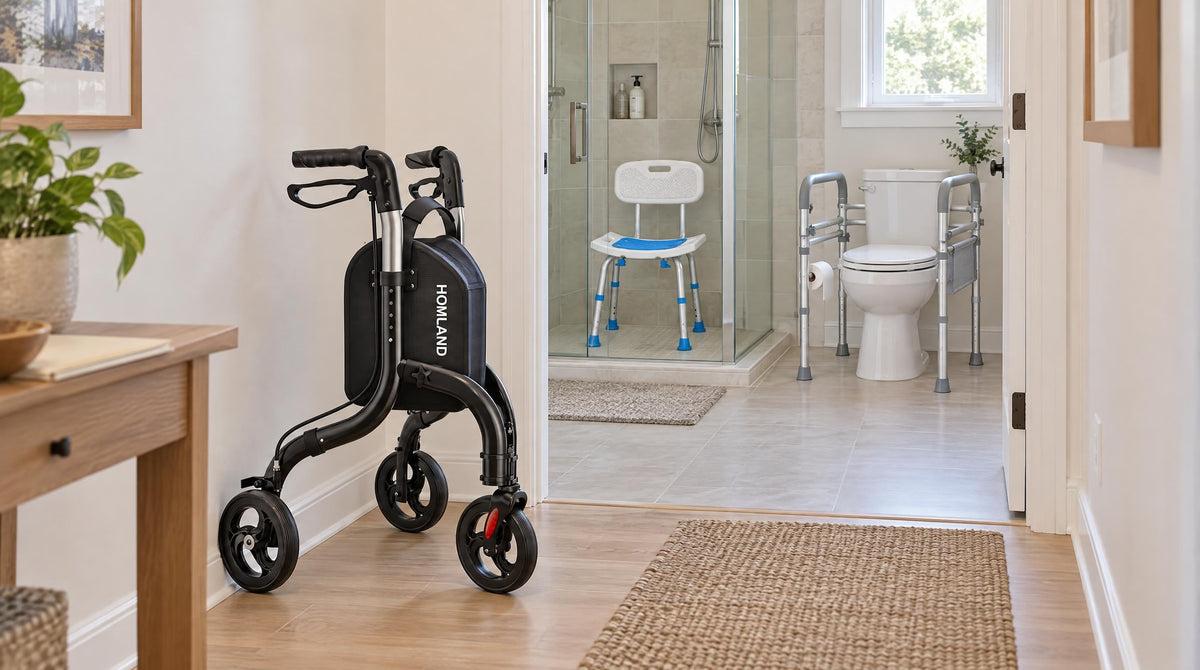
The bathroom is statistically the most hazardous room in the home for older adults. Wet surfaces, the need to step over tub ledges, and the demands of getting on and off the toilet all create real fall risk. The good news is that targeted modifications make an enormous difference.
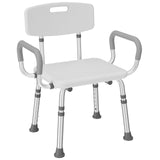
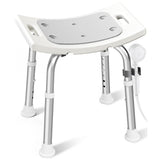
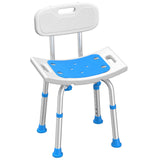
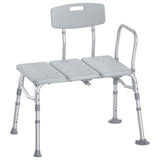
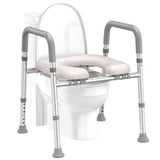
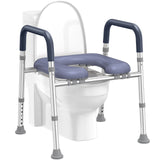
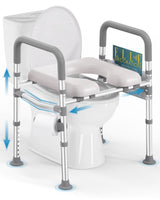
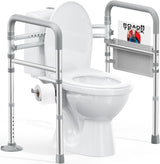
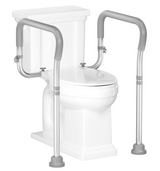
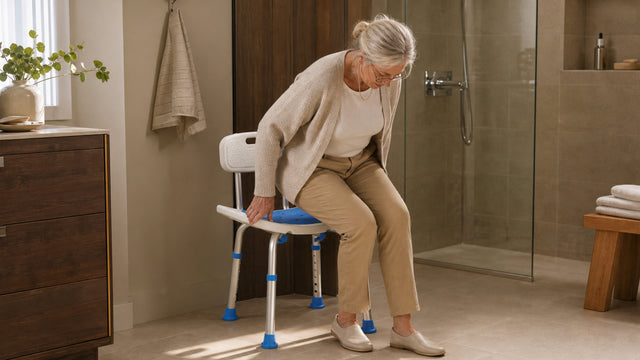
A shower chair or transfer bench allows someone to bathe seated rather than standing, which reduces fatigue and the risk of losing balance on a wet surface. This is especially valuable after surgery or during recovery. Grab bars mounted near the toilet and inside the shower give a reliable handhold when shifting from sitting to standing. A raised toilet seat or toilet safety rail reduces the distance you need to lower and lift yourself, which matters more than most people realize until they've had a knee or hip procedure.
Browse HOMLAND's shower chair collection and toilet safety rail collection — all designed with tool-free assembly so setup takes minutes, not a contractor visit.
Bedroom and Nighttime Safety
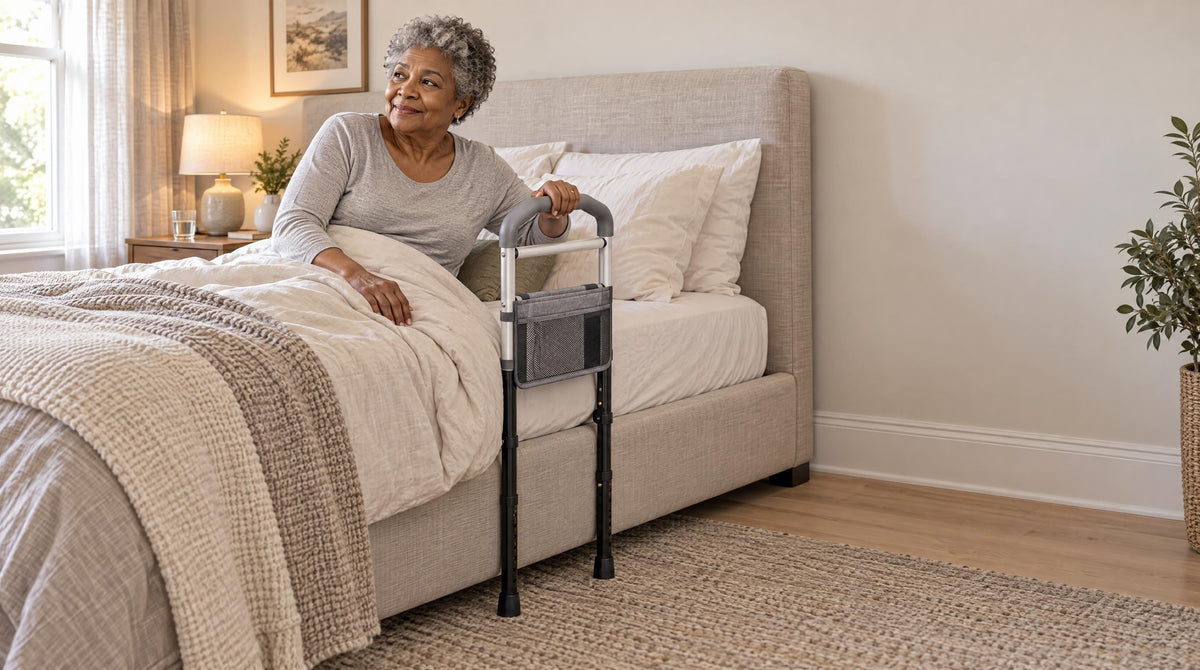
Getting up in the middle of the night is when many falls happen. The combination of grogginess, low light, and stiff joints from lying still creates a vulnerability that's easy to overlook during daylight planning. A bed rail provides a sturdy handhold to stabilize yourself as you sit up and swing your legs to the floor — without waking a partner or reaching for a wall that may not be close enough.
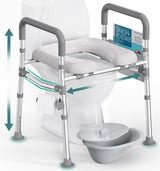
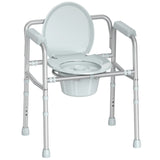
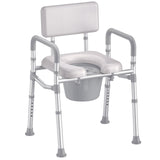
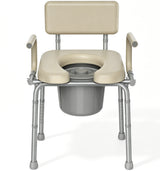
For those who need nighttime bathroom access without the full walk to a hallway bathroom, a bedside commode positioned near the bed can be a quiet, dignified solution. Physical therapists often recommend this during post-surgery recovery periods and for anyone with balance challenges at night. Check out HOMLAND's bed rails collection to find options sized for standard and adjustable bed heights.
Mobility Throughout the Home
Being able to move confidently through your own home is central to aging in place successfully. For many people, a walker or rollator becomes a trusted everyday companion — not a symbol of limitation, but a tool that extends the range of what's possible.
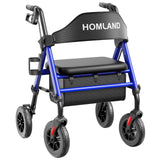
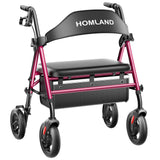
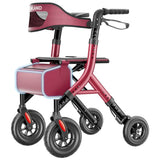
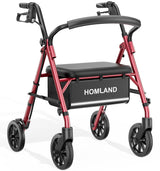
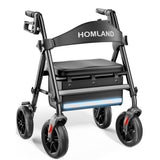
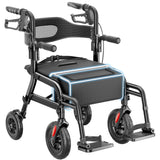
Rolling walkers (rollators) are particularly well-suited to home use because they allow a more natural walking pace and often include a seat for resting. HOMLAND's rolling walker collection includes 3-wheel, 4-wheel, upright, and bariatric models — all with adjustable heights and heavy-duty load capacities up to 500 lbs on select models. For those recovering from a foot or ankle injury, a knee scooter offers a hands-free way to keep weight off the affected leg while staying mobile at home.
If you prefer a more traditional option, standard walkers provide excellent stability and are often recommended by physical therapists for those who need more support than a cane but want something lightweight and easy to maneuver indoors.
General Home Modifications
Beyond the bathroom and bedroom, a whole-home walk-through is worth doing — ideally with a family member or a certified aging-in-place specialist who can spot hazards you might overlook. Common modifications include:
- Removing or securing loose rugs that can catch on walkers or feet
- Improving lighting in hallways, stairwells, and entry points
- Relocating frequently used items to accessible heights (no reaching above the shoulder or below the knee)
- Installing lever-style door handles, which are easier to operate with limited grip strength
- Adding a ramp or threshold ramp at entryways with a step
- Ensuring at least one bedroom and bathroom are on the ground floor
None of these changes need to happen all at once. A staged approach — starting with the highest-risk areas and working outward — is both practical and less overwhelming financially.
Building Your Support System
Home modifications and mobility equipment handle the physical side of aging in place. But staying home successfully also depends on having people and services you can rely on. This support system looks different for everyone, but building it intentionally makes a real difference.
Family and close friends are often the first and most valuable layer. Being specific about what you need — a weekly grocery run, a ride to appointments, a regular check-in call — makes it easier for people to help in practical ways rather than in vague, well-meaning gestures.
Home care services can fill gaps when family isn't available or needs aren't met. These range from a few hours of help per week with housekeeping or meal preparation to more involved personal care assistance. Many agencies offer flexible arrangements that can scale up or down as needs change.
Government and community resources are often underused. The Eldercare Locator (eldercare.acl.gov) connects you with local services including transportation, meals, and in-home support. Area Agencies on Aging operate in every state and serve as a starting point for finding what's available in your specific community. Programs like Meals on Wheels address nutrition needs practically and affordably.
Staying socially engaged matters just as much as physical safety. Isolation and loneliness have measurable negative effects on health outcomes in older adults. Regular participation in community activities, religious groups, clubs, or even online communities keeps the mind engaged and provides a sense of belonging that no home modification can replicate.
Start Planning Sooner Than You Think
One of the most consistent pieces of advice from physical therapists and aging-in-place specialists is this: don't wait until a fall or a health event forces the conversation. The best time to assess your home, make modifications, and put a plan in place is before you feel like you need to.
If you're in your 50s or early 60s and in good health, that's actually the ideal moment to take stock. What will your home need to look like in ten years? Which rooms would need to be modified if you had a hip replacement tomorrow? What support systems do you have, and where are the gaps? Answering these questions from a position of strength — rather than urgency — leads to better decisions and less stress for everyone involved.
For adult children helping a parent navigate this transition, approaching the conversation with curiosity rather than pressure tends to go further. Ask what matters most to them. Listen. Then work together to find solutions that honor both their preferences and their safety.
Frequently Asked Questions
What is the first step to aging in place?
The most practical first step is a thorough walk-through of your home to identify safety and accessibility issues — ideally done with a trusted family member or a certified aging-in-place specialist. From there, you can prioritize modifications by risk level, starting with the bathroom and nighttime movement areas.
Are aging in place products covered by insurance or FSA/HSA?
Many home safety and mobility products — including grab bars, raised toilet seats, shower chairs, walkers, and bed rails — are FSA/HSA eligible. HOMLAND's full product lineup qualifies, which can reduce out-of-pocket costs significantly. Check with your insurance provider about coverage for larger home modifications.
How do I know if my parent's home is safe for aging in place?
Look for common hazards: loose rugs, poor lighting, a bathroom without grab bars or a shower seat, a bed that's too low to rise from easily, and stairs without secure handrails. A certified aging-in-place specialist can provide a professional assessment if you want an expert opinion. Physical therapists are also excellent resources for identifying fall risks specific to a person's mobility level.
Can someone with limited mobility truly age in place safely?
Yes — with the right combination of home modifications, mobility aids, and support services, many people with significant mobility challenges live safely and comfortably at home. The key is matching the level of support to the actual needs, and revisiting that match regularly as needs change over time.
Your Home. Your Independence. Your Terms.
Aging in place isn't about pretending that nothing changes as we get older. It's about making thoughtful choices so that what matters most — your home, your routines, your independence — stays within reach. With the right modifications, the right tools, and a support system you've built intentionally, staying home isn't just possible. For most people, it's the best choice they'll make.
At HOMLAND, we believe in a simple idea: home, not hospital. Every product we make is designed to help you move through daily life with confidence — bathing safely, getting up at night without worry, walking through your own home without hesitation. Authorized by licensed Doctors of Physical Therapy, FSA/HSA eligible, and shipped fast from our US warehouse, HOMLAND products are built for real life at home. Browse our full collection and find the tools that help you live on your own terms.
Have Questions? We're Here to Help.
Whether you're choosing your first mobility aid or outfitting an entire home for aging in place, our team is ready to help you find the right solution. HOMLAND products are FSA/HSA eligible, backed by a 2-year total warranty, and delivered fast from our US warehouse.
Contact Us Today