



Picture this: it's 2 a.m. and you need to get up for a glass of water. The bedroom is dark, the mattress is soft, and swinging your legs to the floor takes more effort than it used to. For millions of older adults, that simple nighttime routine is when falls are most likely to happen. According to the CDC, falls are the leading cause of fatal and nonfatal injuries among adults aged 65 and older, with nearly 3 million emergency department visits recorded each year. A well-chosen bed rail can change that story entirely — turning a vulnerable moment into a confident, independent one.
This guide covers everything you need to know about bed rails for seniors: the different types available, the safety features that actually matter, how to choose the right fit for your home and bed, and a clear step-by-step installation walkthrough. Whether you're exploring options for yourself or helping a parent age comfortably at home, you'll find practical, straightforward answers here — no medical jargon required.
Bed Rails for Seniors
Safety Features · Types · Step-by-Step Installation
from Senior Falls
for 65+ Adults
Select Models
Coverage
5 Types of Bed Rails
Bed Assist Rails
Half-length grab handle for safe transfers — best for mobile seniors
Full-Length Rails
Full-side coverage for those at risk of rolling out during sleep
Swing-Away Rails
Folds out for easy caregiver-assisted bed exits
Freestanding Rails
Floor-mounted — ideal for platform or memory foam beds
Transfer Rails
Angled support for wheelchair-to-bed transitions
6 Must-Have Safety Features
Non-Slip Padded Grip
Foam or rubber wrapping ensures secure hold, especially for reduced hand strength
Adequate Weight Capacity
Always choose a rail rated well above the user's actual body weight
Entrapment Prevention
Look for ASTM F3186-17 certification and snug mattress-gap design
Secure Attachment System
Locking mechanism + retention strap prevents shifting under full body weight
Adjustable Height
Fine-tune handle position to match mattress thickness and user arm reach
Bed Compatibility
Confirm fit for memory foam, platform, or adjustable bed bases before buying
Installation in 7 Steps
Read Manufacturer Instructions
Take 5 minutes to review the full guide before beginning assembly
Assemble Rail Components
Connect handle, base plate, and legs — most use tool-free push-pin assembly
Adjust Leg Height
Set handle roughly at shoulder height when lying down for easy push-up motion
Slide Base Under Mattress
Insert flat base firmly between mattress and box spring — fully extended, no gaps
Position Rail at Pillow-Width from Head
Place near the headboard so the handle is reachable the moment you sit up
Attach Safety Strap
Thread strap around frame or box spring and buckle firmly to close any mattress gap
Stability Test Before First Use
Apply firm downward and lateral pressure — no wobble, no gap wider than 4.75 inches
⚠️ Important Caution
Bed Rails Are Not Right for Everyone
Seniors with dementia, restlessness, or uncontrolled movement may face entrapment risk. Consider low-profile beds, floor mats, or bed-exit alert systems as alternatives. Consult a physical therapist (DPT) for personalized guidance.
Key Takeaways
Bed rails restore independence and reduce nighttime fall risk at home
Match rail type to the user's specific mobility needs and bed setup
Inspect monthly — tighten connections and verify no dangerous gaps have formed
FSA & HSA eligible — use pre-tax dollars for home safety upgrades
Quick FAQ
How high should the rail sit above the mattress?
8–12 inches above the mattress surface — high enough to grip from a lying position with a natural push-up motion.
Do bed rails work with memory foam?
Standard under-mattress rails can work, but thick foam or platform bases often require a freestanding or frame-clamp model for a secure fit.
Can I use a bed rail on an adjustable bed?
Only with models specifically approved for adjustable bases — changing positions shifts the rail relationship and can create gaps or stress on attachments.
How often should I inspect the rail?
At minimum monthly — tighten all connections, test stability, and verify no gap exceeds 4.75 inches. Weekly checks recommended for daily high-use situations.
Find Your Perfect Bed Rail
FSA/HSA eligible · 2-Year Warranty · Fast US Warehouse Shipping
Why Bed Rails Matter at Home
Getting in and out of bed is one of the most physically demanding activities in a senior's daily routine — and one of the most frequently overlooked fall risks. Balance, core strength, and muscle coordination all work together during those transitional moments, and any dip in any of those factors increases the chance of an unsteady step or an awkward roll. A bed rail placed at exactly the right position gives you something solid to push against, pull yourself up with, or hold while you find your footing. That single point of contact can be the difference between a confident morning and a frightening fall.
For adult children or caregivers researching options for a loved one, it helps to understand that a good bed rail does more than prevent falls — it restores a sense of control. When someone can get in and out of bed without calling for help at 2 a.m., that independence has real emotional value. Physical therapists often recommend bed rails as a first-line home modification precisely because they address a high-risk moment (bed transfers) with minimal disruption to the bedroom environment or the user's sense of autonomy.
Types of Bed Rails for Seniors
Not every bed rail serves the same purpose, and choosing the wrong style can actually make getting in and out of bed harder. Understanding the main types helps you match the product to the person's actual mobility needs and living situation.
- Bed Assist Rails (Half-Length): The most popular choice for home use. These shorter rails — typically 12 to 26 inches long — slide between the mattress and box spring and stick up beside the bed to provide a grab handle. They're ideal for seniors who move well but need a stable handhold during transfers. They don't obstruct the sleeping area or make it harder to get comfortable.
- Full-Length Bed Rails: These run the full length of one or both sides of the mattress. They're best suited for seniors at high risk of rolling out of bed during sleep or those who need continuous support for repositioning throughout the night. They provide more coverage but also take up more space and can make independent exits harder without a fold-down or swing-away mechanism.
- Adjustable / Swing-Away Bed Rails: A versatile option that combines the support of a full-length rail with a folding section that swings down or out when the person needs to exit the bed. This design is especially helpful when a caregiver regularly assists with bed transitions, since the rail moves out of the way without needing to be removed entirely.
- Freestanding Bed Rails (Floor-Standing Assist Handles): These rest on the floor beside the bed rather than attaching under the mattress. They're ideal for platform beds, memory foam beds, or any setup that lacks a traditional box spring. Because they transfer weight directly to the floor, they're often considered highly stable and can support heavier users with confidence.
- Transfer Rails: Designed for people moving between a wheelchair and bed, these shorter, angled rails provide support at the critical pivot point. If your loved one uses a wheelchair, this type of rail — combined with a good transfer technique — can make the entire process safer and more independent.
If you're unsure which style fits best, browsing HOMLAND's full bed rail collection is a useful starting point — every model is designed for home environments, with clear weight capacity and bed compatibility details so you can compare at a glance.
Key Safety Features to Look For
A bed rail is only as good as the safety engineering behind it. When evaluating options, physical therapists and home safety specialists consistently point to the same set of features as non-negotiable. Here's what to check before buying:
- Non-Slip, Padded Grip: The handle or top bar should be wrapped in foam or rubber padding that provides a secure, comfortable grip — especially important for users with reduced hand strength. A slippery bar is almost as risky as no bar at all.
- Adequate Weight Capacity: Always check the manufacturer's rated weight capacity and choose a rail that comfortably exceeds the user's weight. A rail built to support users well beyond the rated minimum gives genuine peace of mind when leaning in with full body weight during a transfer.
- Entrapment Prevention: This is a critical, often underemphasized safety consideration. The FDA has identified zones around bed rails where a person can become trapped — most critically the gap between the rail and the mattress. Look for rails with entrapment-resistant designs, snug mattress contact, and safety straps that keep the gap consistently closed. ASTM F3186-17 certification is a positive indicator that a product has been tested against these entrapment zones.
- Secure Attachment System: Whether the rail slides under the mattress or clips to the bed frame, it should lock firmly in place so it doesn't shift when weight is applied. A strap that wraps around the box spring or frame adds an extra layer of stability and is strongly recommended.
- Adjustable Height: Different mattress heights and thicknesses require different rail positions. An adjustable rail lets you set the handle at exactly the right level — high enough to grip easily from a lying position, low enough to swing your legs over without effort.
- Compatibility with Your Bed Type: Not all rails work with all beds. Memory foam mattresses, platform beds, and adjustable bases each have different requirements. Confirm the rail's compatibility with your specific setup before purchasing.
HOMLAND's bed rails are FSA/HSA eligible, backed by a 1-year manufacturer warranty plus a 1-year extended warranty, and ship from a US local warehouse for fast delivery. For caregivers making a purchase decision, that combination of financial flexibility, long-term coverage, and quick arrival removes a lot of the friction from getting safety equipment set up quickly.
How to Choose the Right Bed Rail
The best bed rail is the one that fits the real person using it — not just the one with the longest feature list. Start with an honest assessment of current mobility. If getting up from bed in the morning requires a lot of pushing and repositioning, a sturdy half-length assist rail at the upper portion of the bed will likely be the most useful tool. If there's a tendency to roll during sleep or concerns about nighttime disorientation, a longer rail with a fold-down section provides protection without locking the person in.
Next, look at the bed itself. Measure mattress thickness, check whether there's a box spring or platform base, and note the overall bed height. Most standard assist rails work best with mattresses between 6 and 16 inches thick — if your mattress falls outside that range, you'll want a freestanding or frame-mounted model. Bed height matters too: if the mattress surface sits very low, a standard rail may not extend high enough above it to be useful as a grab handle.
Weight capacity is the final non-negotiable. Choose a rail rated well above the user's actual weight. This isn't a place to cut corners — when someone leans their full weight on a rail during an unsteady moment, that rail needs to hold without flexing or shifting. HOMLAND's lineup includes select models built to support up to 500 lbs, so there's a confident option for every body type. If you or a loved one also uses other mobility products around the home, it's worth exploring HOMLAND's full home-care product range for a coordinated approach to every high-risk zone — from the bed to the bathroom.
Step-by-Step Installation Guide
Most home bed rails are designed to install quickly without professional help — many require no tools at all. The key is following each step carefully so the rail stays securely in place when it's needed most. Here's how to install a standard under-mattress assist rail:
- Read the manufacturer's instructions first. Every rail model is slightly different. Take five minutes to read through the included guide before touching anything. This prevents skipping a step that might seem minor but matters for structural integrity.
- Assemble the rail components. Most home bed rails arrive in two or three pieces: the handle section, a flat base plate that slides under the mattress, and adjustable legs or feet. Clip or pin the sections together according to the instructions. Many HOMLAND-style rails use tool-free push-pin assembly — no wrench required.
- Adjust the legs to match your bed height. Before inserting anything under the mattress, set the leg length so the handle will sit at a comfortable gripping height above the mattress surface — roughly level with the user's shoulder when lying down, which makes it easy to push up or pull when transitioning.
- Slide the base plate under the mattress. Lift the corner of the mattress and slide the flat base firmly between the mattress and the box spring (or platform). The base should sit flat and fully extended, with no portion sticking out. Lower the mattress back down — the weight of the mattress creates the primary anchoring force.
- Position the rail correctly along the bed. Physical therapists often recommend placing the rail near the head of the bed, about a pillow-width from the top. This positioning makes the rail accessible the moment you start to sit up, rather than requiring you to reach down toward the foot of the bed.
- Attach the safety strap if included. If your rail comes with a retention strap, thread it across the bed frame or around the box spring and secure the buckle tightly. This strap keeps the base plate from shifting inward and ensures there's no dangerous gap opening up between the rail and the mattress edge.
- Perform a stability test before first use. Apply firm downward and lateral pressure to the handle. It should not wobble, pivot, or pull away from the mattress edge. Check for any visible gap between the rail and the mattress surface — a gap wider than roughly 4.75 inches is a potential entrapment risk and should be corrected by repositioning or tightening the strap.
If your bed uses a platform base without a box spring, look for a freestanding or frame-mounted rail design. These attach directly to the bed frame with clamps or hardware and don't rely on mattress weight for stability. The same final stability test applies — push firmly in multiple directions to confirm the rail won't move under pressure.
Maintenance and Regular Checks
Installing a bed rail is not a one-time task. Regular inspection keeps the product performing the way it was designed to and catches wear before it becomes a safety issue. A quick monthly check — tightening any loose connections, confirming the strap is still taut, and verifying no gap has opened between the rail and mattress — takes less than two minutes and significantly extends the useful life of the product. For seniors who use the rail multiple times every day, or anyone who has experienced recent weight changes or switched to a new mattress, checking more frequently makes sense.
Wipe down the rail regularly with a damp cloth and mild soap to keep the grip surface clean and free from buildup. Avoid abrasive cleaners that can degrade foam padding or scratch metal surfaces. If you notice any cracks in the frame, fraying of the strap, or signs that the base plate is bending, replace the rail rather than continuing to use it. A compromised rail that gives way during a transfer creates exactly the type of fall it was meant to prevent.
Who Should Use Caution with Bed Rails
Bed rails are an excellent tool for most seniors, but they aren't the right fit for every situation. The FDA notes that people with confusion, restlessness, uncontrolled body movement, or cognitive conditions such as dementia or Alzheimer's are at higher risk of entrapment or injury if a rail isn't appropriate for their specific needs. For someone who might push against or attempt to climb over a rail without understanding its purpose, the risk can outweigh the benefit. In those cases, alternatives like low-profile beds, floor mats beside the bed, or bed-exit alert systems may be safer approaches.
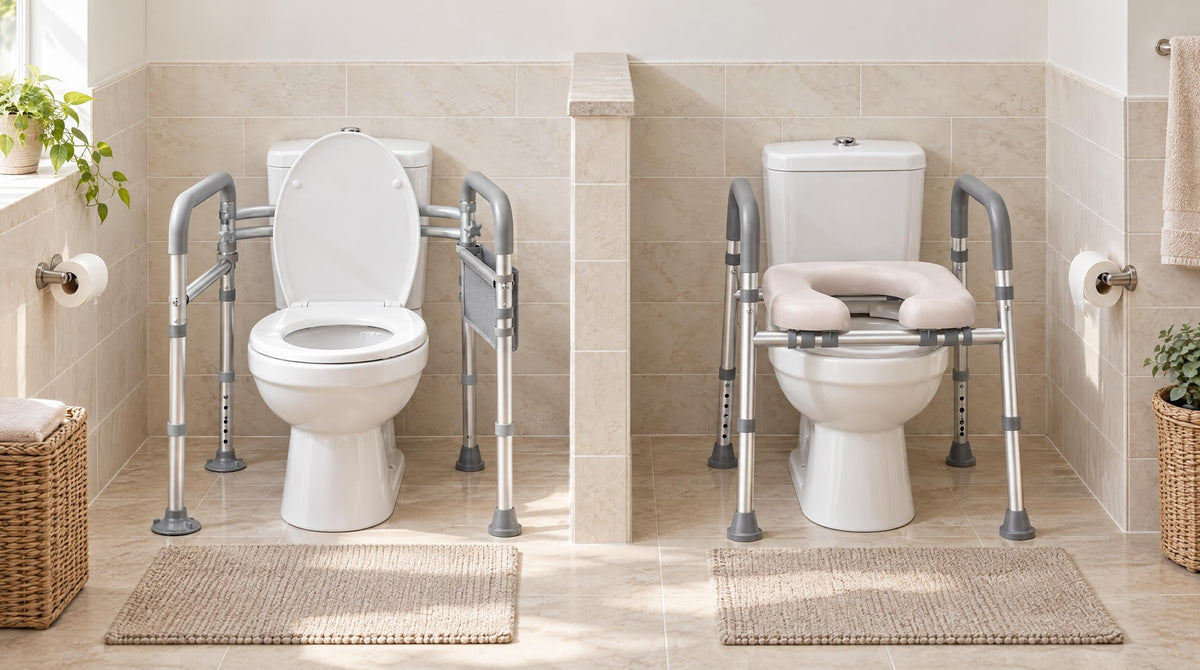
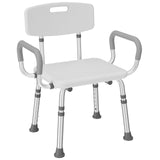
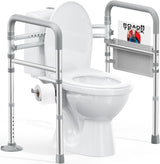
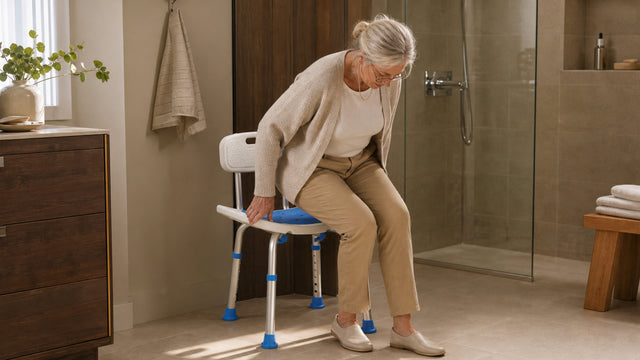
If there's any uncertainty about whether a bed rail is the right choice for a specific person's condition or living setup, a consultation with a physical therapist is a worthwhile step. A DPT can assess mobility patterns, bed transfer technique, and the overall sleeping environment to give personalized guidance — saving time, money, and the risk of choosing the wrong product. Once a bed rail is confirmed as the right solution, it pairs naturally with other home safety upgrades. Products like toilet safety rails and shower chairs extend the same philosophy — confident, supported movement throughout the home, not just at the bedside.
Frequently Asked Questions
Are bed rails FSA or HSA eligible?
Yes. Bed rails that qualify as mobility or safety aids for medical use are generally eligible for purchase with FSA (Flexible Spending Account) or HSA (Health Savings Account) funds. HOMLAND's bed rails are FSA/HSA eligible, making them accessible to seniors and families who prefer to use pre-tax health dollars for home safety equipment.
Do bed rails work with memory foam mattresses?
Standard under-mattress assist rails can work with memory foam, but the mattress thickness and the absence of a box spring can affect how securely the base plate sits. For thick memory foam mattresses or platform bed setups, a freestanding floor-mounted rail or a frame-clamp model typically provides a more reliable fit. Always confirm compatibility with the manufacturer's specifications before purchasing.
How high should a bed rail be above the mattress?
The handle should extend high enough above the mattress surface that someone lying down can reach and grip it comfortably — typically 8 to 12 inches above the mattress top. The right height allows a natural push-up motion when sitting up without requiring an awkward reach. Most adjustable models let you fine-tune this height to match the individual user's arm length and strength.
Can bed rails be used on adjustable beds?
Some bed rails are compatible with adjustable bases and others are not. Adjustable beds change the relationship between the mattress, frame, and rail as the position shifts, which can create gaps or stress on the attachment mechanism. Always check whether the specific rail model is approved for use with adjustable beds and follow the manufacturer's guidance carefully.
How often should a bed rail be inspected?
At minimum, check the rail once a month — tightening connections, testing stability, and verifying no gap has opened between the rail and mattress. For daily users or anyone with high activity at night, a weekly visual check is a practical habit that takes less than a minute and keeps the product performing safely over time.
The Right Rail Changes Everything
A bed rail is a small addition to a bedroom, but its impact on daily life can be significant. It's the difference between waking up at night and reaching for solid support versus gripping the air and hoping for the best. It's what lets someone get up for a glass of water, shift position in the middle of the night, or start the morning with full confidence — without waking a partner, calling for help, or worrying about what might happen next.
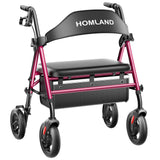
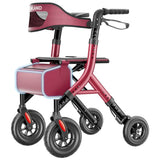
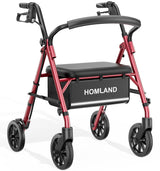
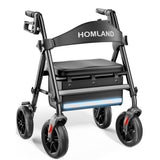
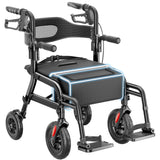
Choosing the right type, confirming the right safety features, and installing it correctly transforms a simple piece of hardware into a genuine enabler of independence. Pair a quality bed rail with thoughtful additions in other high-risk areas — a shower chair for the bathroom, a rolling walker for longer distances, or a standard walker for shorter trips around the house — and you create a home that truly supports living on your own terms.
Ready to Find the Right Bed Rail?
Explore HOMLAND's full range of home-safety bed rails — all FSA/HSA eligible, backed by a 1-year manufacturer warranty plus a 1-year extended warranty, and shipped fast from our US warehouse. Designed for real homes, not hospitals.
Have questions about which model fits your bed or your needs? Contact our team — we're happy to help you choose with confidence.