


Picture this: it's 2 AM, and you need to get to the bathroom. The room is dark, the mattress is soft, and your joints remind you this isn't as easy as it used to be. That moment — repeated night after night — is exactly why so many older adults and their families start looking into bed rails. When used for the right person, in the right way, a bed rail can be the steady hand that makes all the difference between a confident start to the day and a frightening fall.
But bed rails aren't one-size-fits-all. There are several types designed for different needs, genuine safety considerations that every buyer should understand, and situations where an alternative solution serves better. This guide covers all of it — written with both the person who will use the rail and the family member helping choose it in mind. Whether you're recovering from surgery, dealing with reduced balance, or simply want a reliable handhold when rising from bed, you'll find clear, practical guidance here backed by physical therapist expertise and current safety standards.
HOMLAND's bed rails collection is FSA/HSA eligible, ships from a US local warehouse, and carries a 1-year manufacturer warranty plus a 1-year extended warranty — so you can shop with confidence from the start.
What Are Bed Rails — and Who Are They Actually For?
A bed rail is a support device that attaches to or sits alongside a bed, giving users something firm and reliable to hold onto. Depending on the design, it can serve three distinct purposes: preventing a person from rolling out of bed during sleep, providing a stable handhold while repositioning in bed, and offering leverage when getting up or sitting down. These are three very different needs, and recognizing which one matters most for your situation is the first step to choosing the right product.
Bed rails are especially useful for adults who experience reduced leg strength, balance challenges, joint pain, or are recovering from surgery. Physical therapists often recommend them for people who find themselves pushing off the mattress with both hands just to sit up — a strain that a well-placed rail eliminates entirely. They're also helpful for people who wake disoriented during the night and benefit from a physical reference point to orient themselves safely before standing.
Types of Bed Rails for Elderly Adults
Understanding the different styles helps you match the right product to the right need. Bed rails for home use generally fall into four categories:
1. Bed Assist Rails (Half-Length Rails)
These shorter rails sit roughly halfway along the mattress, positioned near the head of the bed where users need the most support when sitting up and standing. Half-length assist rails are the most common choice for home use because they give a secure handhold for getting in and out of bed without creating a full barrier along the sleeping surface. They work by sliding a flat support board between the mattress and box spring, which means installation is typically tool-free. If your primary need is a stable grip to push off when rising in the morning or sitting down at night, this style is designed for exactly that.
2. Full-Length Bed Rails
Full-length rails run along most or all of the mattress length, creating a continuous barrier from head to toe. These provide broader protection for people who move significantly during sleep or who may roll toward the edge of the bed. While they offer maximum coverage, physical therapists note that full-length rails carry a higher entrapment risk than shorter assist rails, particularly for individuals with cognitive difficulties. They are best suited for users who have good cognitive awareness and whose primary concern is preventing sleep-time rolling rather than assisted transfers.
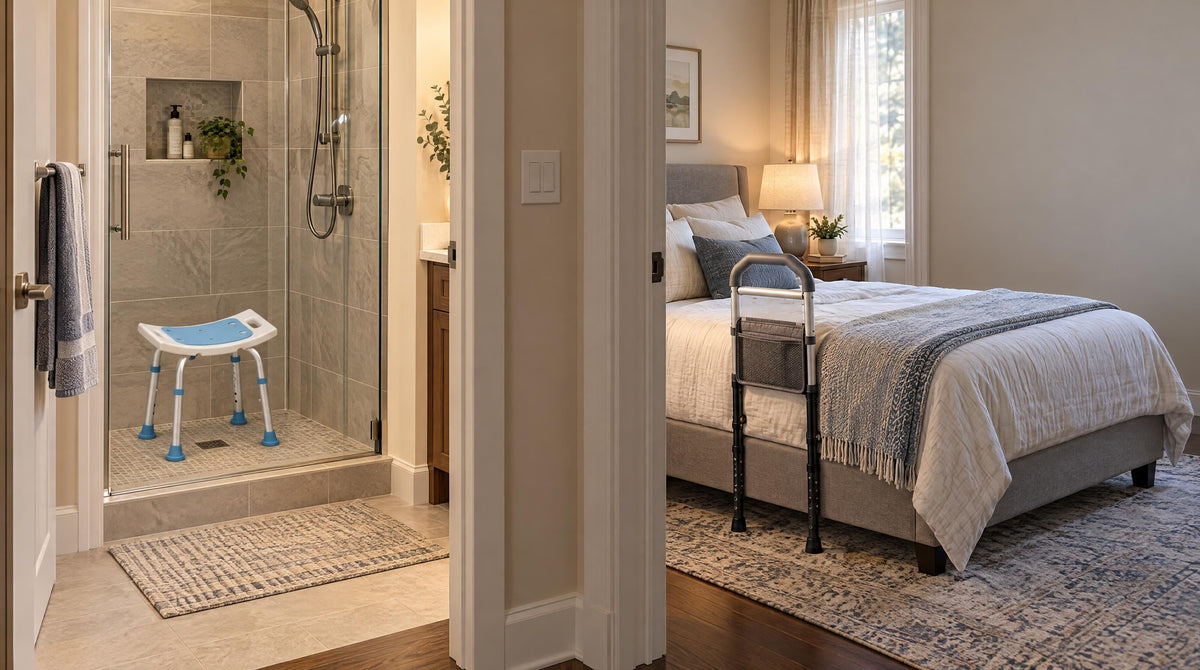
3. Bedside Grab Handles / Stand-Up Assist Rails
These are compact, floor-supported rails — sometimes called bed canes or stand-up assist handles — that transfer weight directly to the floor rather than relying entirely on mattress friction. Because the support legs rest on the floor, they tend to feel especially solid when someone leans into them for a standing transfer. They're a popular choice after hip or knee surgery, when a firm, reliable grip is needed during those early recovery weeks. Many models are height-adjustable, which means they can grow with the user's needs as recovery progresses.
4. Portable / Travel Bed Rails
Portable rails are lightweight, fold flat, and secure to most standard bed frames without tools. They're designed for people who split time between homes — a senior who visits adult children on weekends, or someone who travels frequently. While convenient, portability means a trade-off in stability, so portable rails are best for users who need modest positional support rather than heavy-duty transfer assistance. Always verify the weight capacity before purchasing, since requirements vary significantly between models.
Browse HOMLAND's full bed rails collection to see a range of styles suited to different home environments and mobility levels — all designed for tool-free assembly and adjustable fit.
Real Benefits of Using a Bed Rail at Home
The practical value of a good bed rail shows up most clearly in the small moments: being able to reach a sitting position without calling for help at 6 AM, repositioning to a more comfortable side without the effort of grabbing a headboard, or getting up at night for a glass of water without waking a partner. These quiet wins in daily independence add up to a meaningful improvement in quality of life.
There is also a psychological dimension that often goes unmentioned. Many older adults develop anxiety around falling from bed, which can cause them to avoid getting up at night even when they need to — trading one risk for others like dehydration, missed medication, or falls caused by rushing. A well-chosen bed rail restores confidence, giving users the assurance that support is exactly where they need it. Physical therapists frequently describe this as the difference between someone who hesitates and someone who moves. For people recovering from hip replacement, knee surgery, or stroke, that restored confidence is part of the healing process.
Safety Concerns You Should Know Before Buying
It's important to approach this topic honestly. Both the FDA and the U.S. Consumer Product Safety Commission (CPSC) have received reports of injuries and deaths related to adult portable bed rails, with the most commonly reported incidents involving entrapment, suffocation, and falls. The most dangerous scenario is entrapment — when a person becomes caught between the rail and the mattress in a position they cannot escape from on their own. This risk is real, and it's the reason choosing and installing the right rail thoughtfully matters so much.
Entrapment most commonly occurs when there is a gap between the rail and the mattress that is large enough for a head, neck, or torso to enter. The FDA has identified specific zones around a bed rail where this risk is highest — most critically, the space between the rail's lower edge and the top surface of the mattress. A gap can form when the mattress is too soft, too thin, or simply not a snug fit with the particular rail model. The fix is straightforward: always confirm compatibility between the rail, mattress thickness, and bed frame before purchase, and check the fit regularly.
Here are the most important safety principles physical therapists and safety authorities recommend:
- Never use a bed rail as a restraint. Bed rails are assistive devices — they should help someone move more freely, not prevent them from leaving the bed. Using one as a restraint increases agitation, fall risk from climbing over the rail, and the risk of entrapment.
- Confirm rail-mattress compatibility. Use the rail only with a mattress and bed frame combination it was designed for. Soft or oversized mattresses can create dangerous gaps.
- Follow installation instructions completely. Skipping a safety strap or strap-tightening step because it seems minor is one of the most common causes of rail instability and gap formation.
- Check the fit regularly. Mattresses compress over time, and this can introduce new gaps. A brief weekly check takes less than a minute and can prevent a serious incident.
- Look for ASTM F3186-17 certification. This is the current voluntary safety standard for adult portable bed rails. Certified products have been tested against gap and entrapment criteria.
Who Should Avoid Bed Rails
Bed rails are not appropriate for everyone, and it's worth understanding these exceptions clearly before making a purchase decision. The FDA specifically notes that bed rails can present a hazard to people with physical limitations or altered mental status — including those living with dementia, delirium, or conditions that cause uncontrolled movements such as Parkinson's disease, Multiple Sclerosis, or severe balance disorders.
For someone with moderate to advanced dementia, a bed rail may not be recognized as an assistive device. Instead, it can be perceived as a barrier, triggering attempts to climb over it — which dramatically increases fall risk and the potential severity of injury. For people with uncontrolled body movements, the risk of becoming entrapped in the rail during sleep is meaningfully higher than for someone with predictable, controlled movement. In these cases, physical therapists typically recommend exploring the alternatives covered in the section below before purchasing any rail product.
People who are also at elevated risk include those taking medications that cause sedation or confusion, those with low blood pressure (which can cause dizziness when standing), and those who require full assistance from a caregiver for all transfers. If any of these situations apply, consulting a physical therapist or healthcare provider before purchasing a bed rail is strongly recommended.
How to Choose the Right Bed Rail
The best bed rail for one person may be entirely wrong for another. The right choice depends on the user's mobility level, the type of bed and mattress they have, and what specific problem they're trying to solve. Here are the most important factors to work through:
- Define the primary need. Is the goal to help with getting up and sitting down (assist rail), to prevent nighttime rolling (full-length rail), or both? The answer shapes the entire decision.
- Match rail length to the need. Half-length rails are well-suited for people with moderate mobility who primarily need transfer support. Full-length rails better serve people who move significantly during sleep or who need a continuous barrier.
- Check bed and mattress compatibility. Measure your mattress thickness and confirm that the rail is rated for that depth. Verify whether the design works with your specific bed frame — platform beds, adjustable bases, and box-spring setups each have different compatibility requirements.
- Consider weight capacity with a safety margin. Most quality rails support between 300 and 400 pounds. Always choose a model rated above the user's actual weight to account for the pulling and leaning forces applied during use.
- Prioritize grip quality. Look for a non-slip, ergonomic handle that feels comfortable in hand. People with arthritis or limited grip strength do best with wider, foam-padded handles rather than bare metal bars.
- Choose tool-free installation for home use. A rail that requires complex assembly is less likely to be installed correctly and less likely to be checked regularly. Simple strap-based or slide-under designs are easier to install securely and easier to inspect.
Installation and Daily Safety Tips
Even the best-designed bed rail can create a hazard if it's installed carelessly. The FDA recommends following manufacturer instructions completely — including every strap, clip, or retention system included with the product. The safety strap that might seem like an optional extra is often the piece that keeps the rail pressed flush against the mattress, closing any gap that could otherwise form an entrapment zone.
Once installed, the rail should not shift, wobble, or pull away from the mattress when pressure is applied. Test it by pressing firmly in multiple directions before the first use. If it moves noticeably, recheck the installation before relying on it for support. After the initial setup, a quick weekly check — lifting the mattress corner briefly to confirm the straps are still secure and the rail is flush — takes under a minute and is the single most effective ongoing safety habit.
For nighttime safety, consider pairing the bed rail with a small motion-activated nightlight near the bed. The combination of a reliable handhold and good lighting reduces the hesitation that causes hurried, unsteady movements at 3 AM — one of the most common circumstances for nighttime falls. HOMLAND's broader range of home mobility products is designed with exactly these everyday moments in mind.
Alternatives to Bed Rails Worth Considering
When a bed rail isn't the right fit — whether because of a dementia diagnosis, uncontrolled movements, or personal preference — there are several effective alternatives that address the same core needs without the entrapment risk. Physical therapists often help families work through these options when a full assessment suggests rails aren't appropriate.
Foam Bed Bumpers and Bolsters
These are long, firm foam wedges placed along the edge of the mattress to create a soft barrier that gently discourages rolling. Unlike hard rails, there is no gap to become entrapped in. Bolsters work well for people whose main concern is rolling out of bed during sleep and who do not need a grab surface for standing transfers. Some designs tuck under the fitted sheet to stay in place through the night.
Floor-Level or Lowered Beds
Reducing the height of the sleeping surface significantly lowers the risk and severity of a fall if one does occur. Some adjustable bed frames can be lowered close to the floor, and for people at high fall risk, this approach focuses on minimizing harm from a fall rather than preventing the roll entirely. It pairs well with a soft floor mat placed alongside the bed for additional cushioning.
Vertical Floor-to-Ceiling Poles
Tension-mounted poles that run from floor to ceiling near the bed give users a firm vertical grip for standing transfers without attaching anything to the mattress or bed frame. Because there is no mattress gap, there is no entrapment risk. These work especially well for people who need transfer support but for whom a bed rail is contraindicated. They can also be repositioned elsewhere in the home — near a chair, in the bathroom — for broader mobility support.
Bed Trapeze Bars
A trapeze bar is a triangular handle suspended above the bed from an overhead frame. Grasping the handle allows a user to lift themselves, reposition, and adjust their position in bed using upper body strength. They are particularly useful for people with significant lower-body limitations who have relatively good arm and grip strength. Physical therapists commonly recommend them for people whose primary difficulty is repositioning in bed rather than standing transfers.
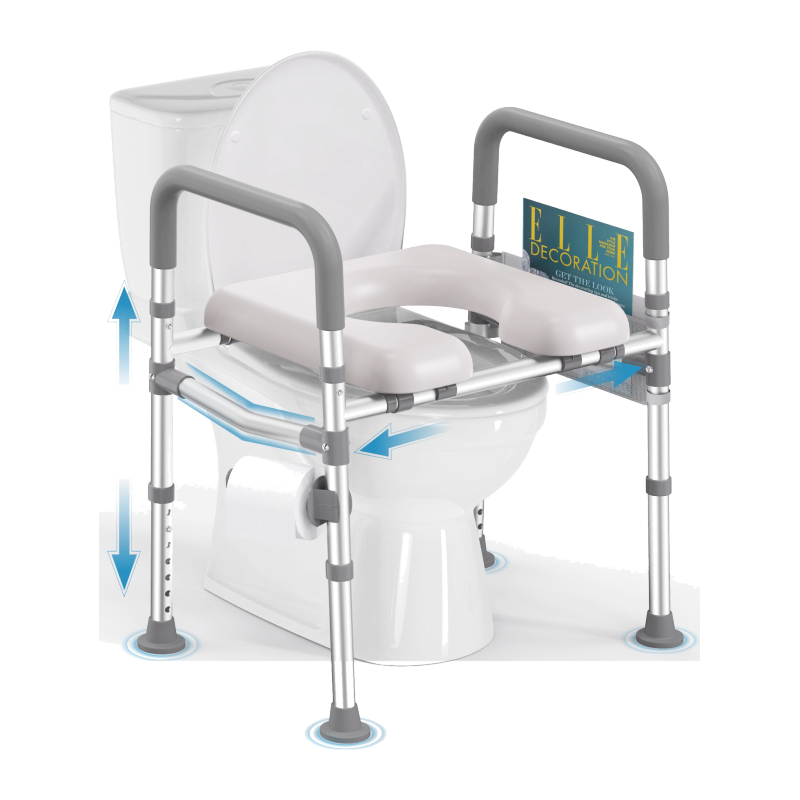
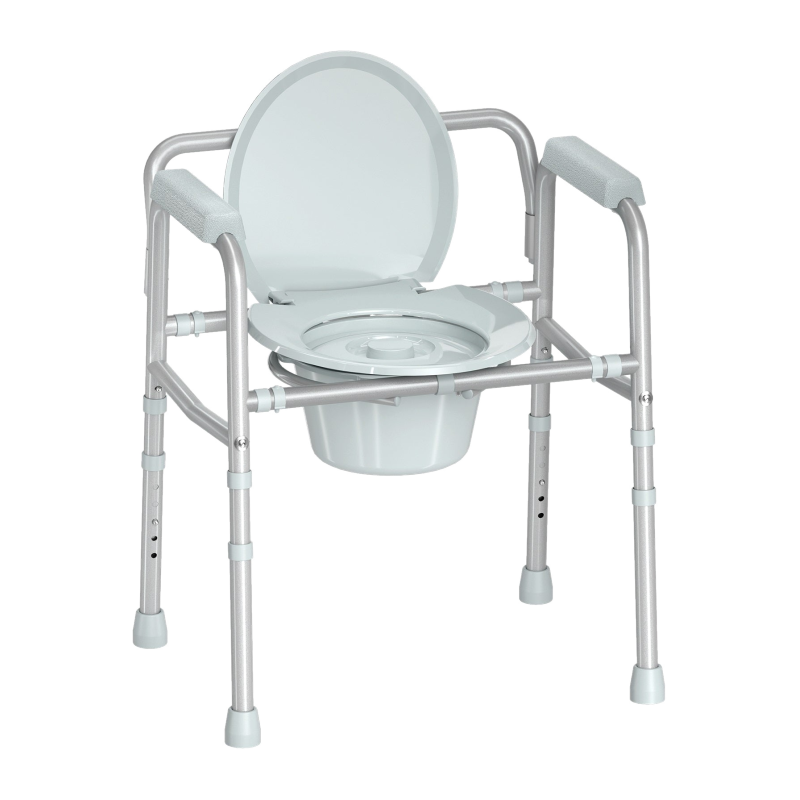
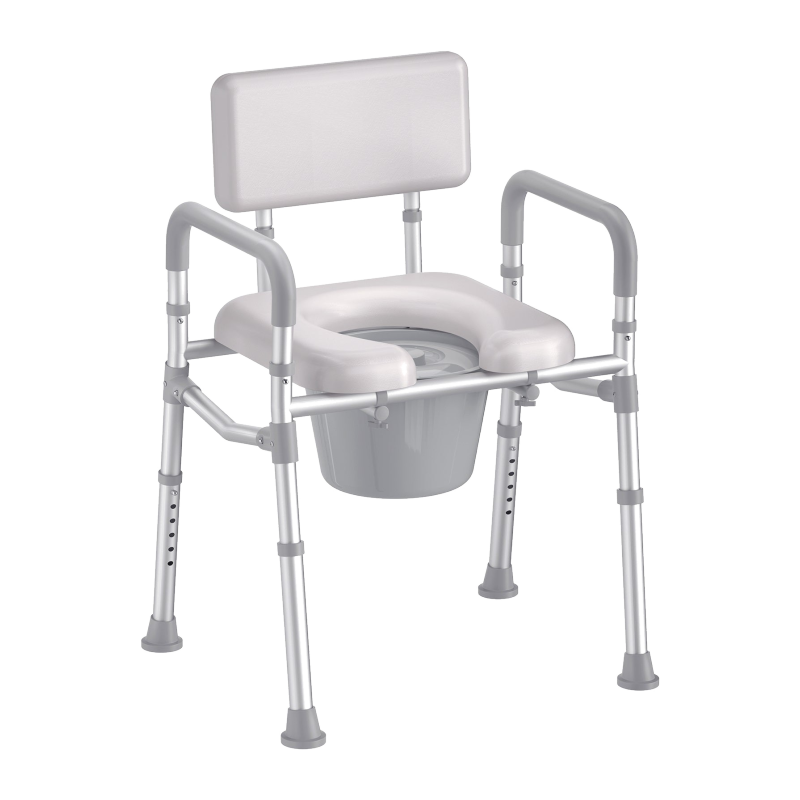
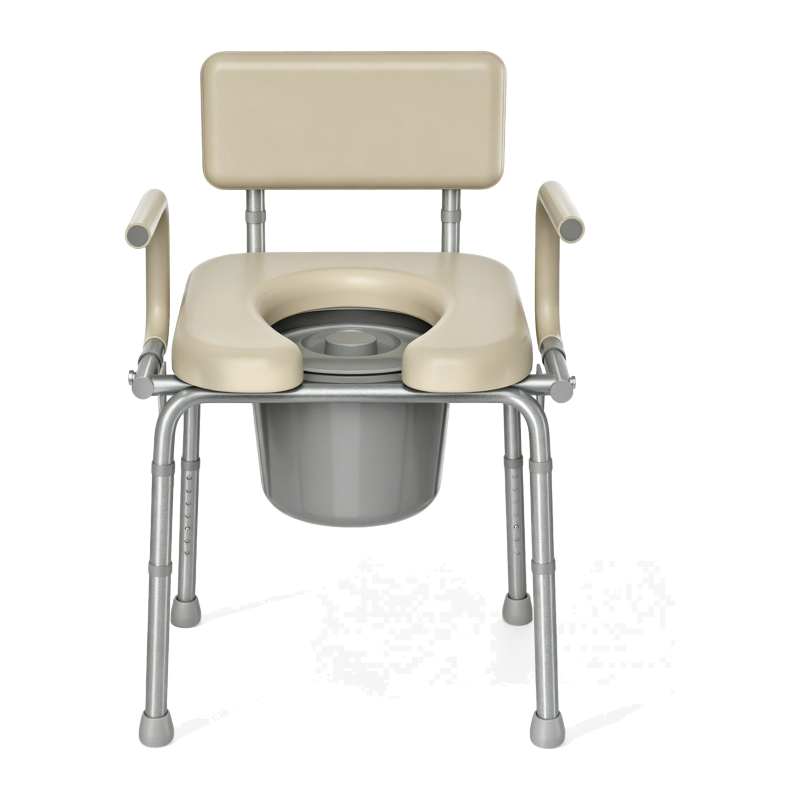
Bedside Commodes and Walkers
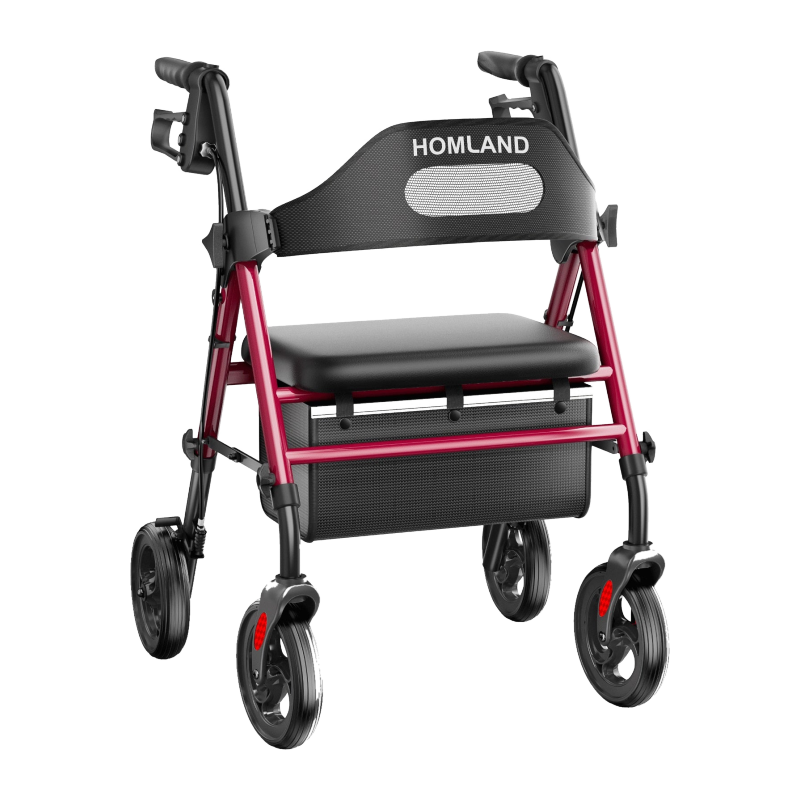
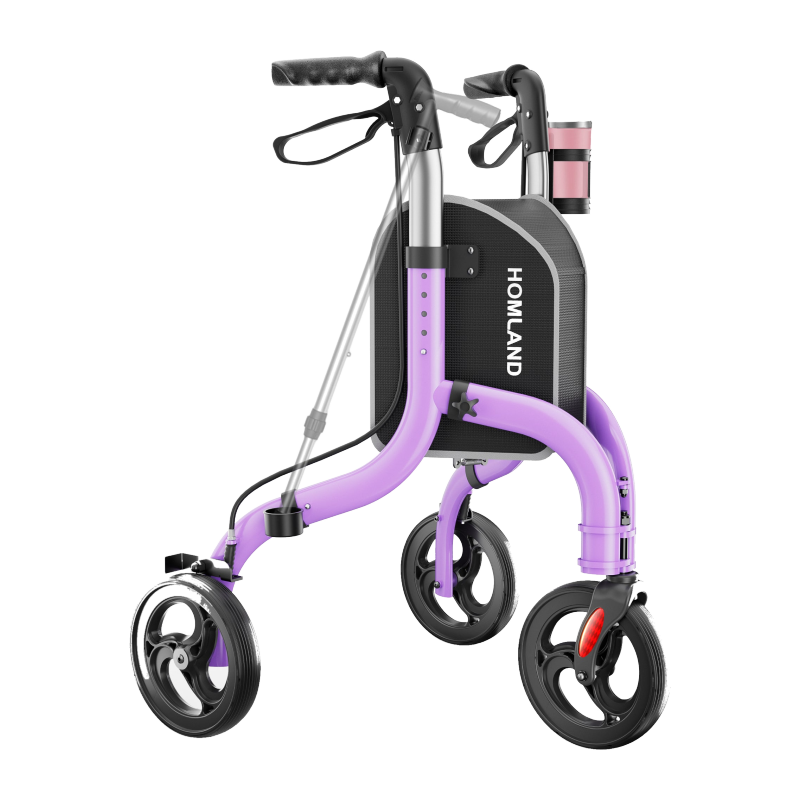
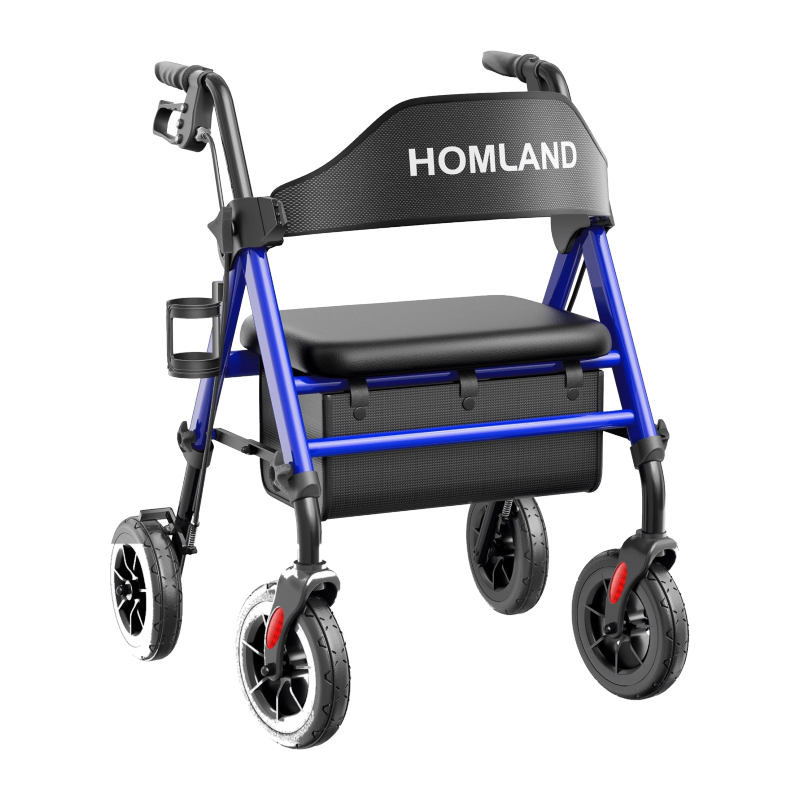
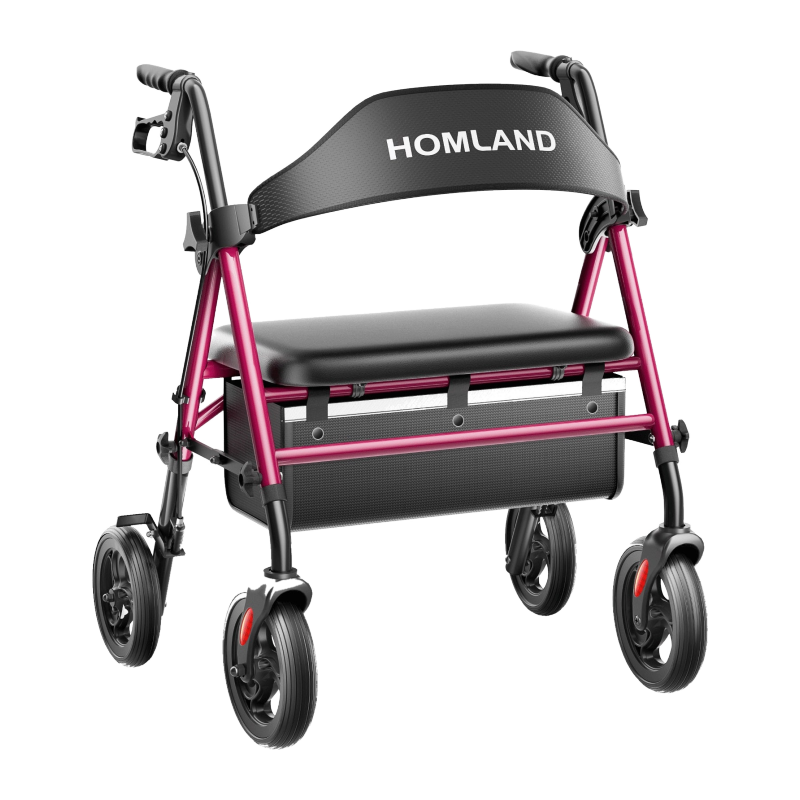
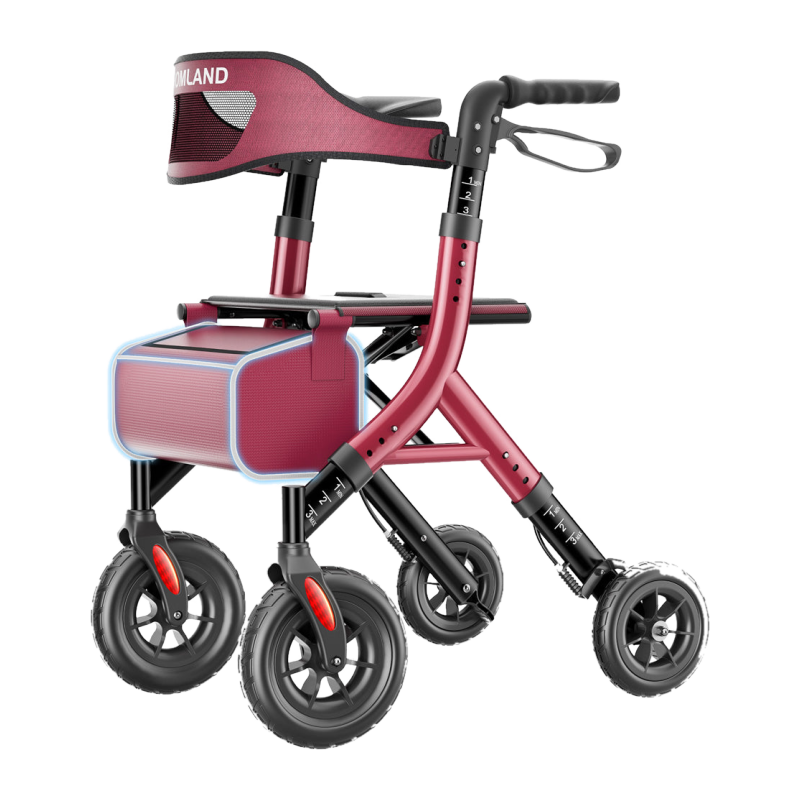
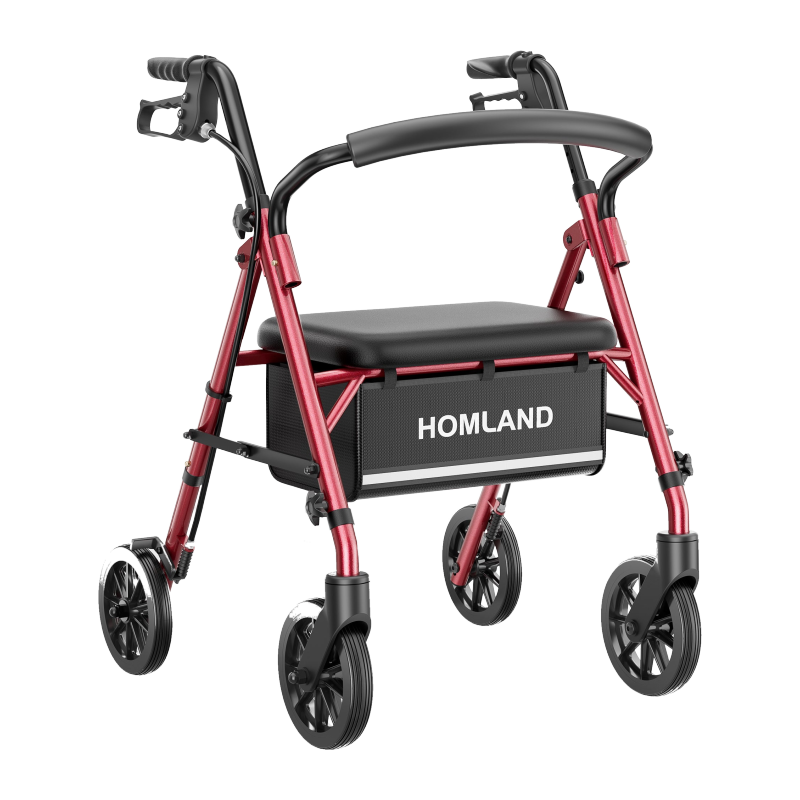
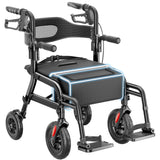
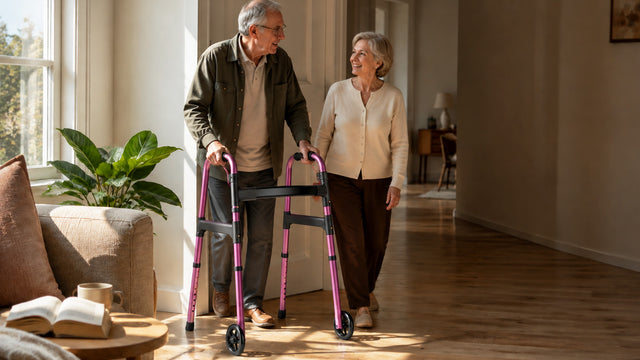
Sometimes the underlying concern isn't the bed itself — it's what happens between the bed and the bathroom at 2 AM. A bedside commode positioned close to the bed reduces the distance traveled during nighttime trips. A rolling walker parked beside the bed gives a stable standing support the moment both feet touch the floor. These solutions address the full journey from lying down to moving through the home, rather than just the bed edge.
Frequently Asked Questions
Are bed rails safe for elderly adults?
When chosen for the right person, correctly sized for the bed, and properly installed, bed rails can be a safe and genuinely helpful home tool. The key risks — primarily entrapment — are most common when there is a gap between the rail and the mattress, when installation is incomplete, or when the rail is used with someone who has a condition that makes them unable to recognize the device as assistive rather than a barrier. Physical therapists recommend assessing individual needs before purchasing and checking the fit regularly after installation.
Can a bed rail be used after hip replacement surgery?
Yes — in fact, post-surgery recovery is one of the most common reasons physical therapists recommend a bed assist rail. After a hip or knee replacement, rising from a lying position requires careful positioning and controlled weight transfer. A bedside assist rail gives the user a firm handhold at exactly the right height to push off from, reducing strain on the healing joint. It's important to confirm the rail is installed securely, since users will be applying meaningful force to it during recovery.
Do bed rails work on all bed types?
Not all rails are compatible with all beds. Platform beds, adjustable bases, and thick memory foam mattresses each have specific compatibility requirements. Always check the manufacturer's specifications for mattress thickness range and bed frame compatibility before purchasing. A rail that works perfectly on a traditional box spring and frame may not fit securely on a platform bed or an adjustable base.
Are bed rails FSA or HSA eligible?
Many bed rails qualify as FSA/HSA eligible purchases as assistive medical devices. HOMLAND's bed rails are FSA/HSA eligible, which means you may be able to use pre-tax health account funds to offset the purchase cost. Check with your FSA or HSA plan administrator for your specific plan's rules.
The Right Support Changes Everything
Getting in and out of bed safely every day isn't a small thing — it's the foundation of independent living at home. A well-chosen bed rail puts that confidence back within reach, whether someone is managing reduced balance, recovering from surgery, or simply needs a reliable handhold in the early morning dark. The goal, as physical therapists often frame it, is not to restrict movement but to enable it — safely and on the user's own terms.
Understanding the different types, knowing who benefits most, and recognizing the real safety considerations are all part of making a decision you can feel good about. And when a bed rail isn't the right fit, the alternatives covered here offer equally valid paths to a safer, more comfortable night's sleep — at home, not in a hospital.
HOMLAND's bed rails are authorized by licensed Doctors of Physical Therapy, FSA/HSA eligible, and backed by a 1-year manufacturer warranty plus a 1-year extended warranty. They ship from a US local warehouse for fast delivery. If you'd like personalized guidance on which product best fits your situation, the HOMLAND team is ready to help.
Need Help Finding the Right Fit?
HOMLAND's team is here to help you choose the right bed rail — or any other home mobility solution — for your specific needs. FSA/HSA eligible. US warehouse. 2-year total warranty coverage.
Contact UsOr explore our full range of home safety products at homland.com.