

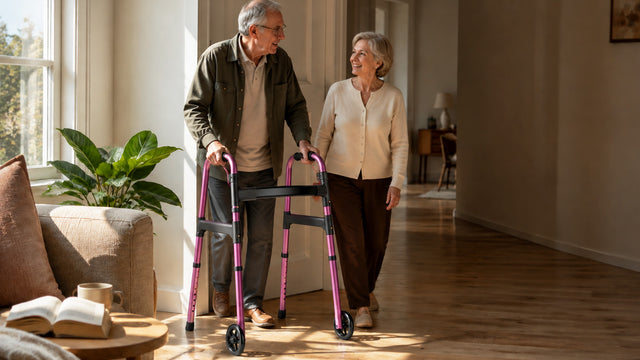

Picture a Sunday morning at home. The coffee is brewing, the newspaper is on the table, and the only thing standing between a comfortable routine and a frustrating one is whether getting out of bed, walking to the kitchen, and stepping into the shower feels safe and manageable. For millions of older adults across the United States, that question matters deeply — and the answer often comes down to having the right independent living aids in place.
According to a 2024 U.S. News survey, 95% of adults aged 55 and older consider aging in place an important goal. Yet only about 10% of American homes are currently set up to fully support that goal. The gap between where people want to live and how well their home actually supports them is exactly where the right equipment makes a life-changing difference. This guide walks through the essential categories of independent living aids — from walkers and shower chairs to bed rails and toilet safety rails — explaining what each does, who it helps, and how it fits into real daily life at home.
Why the Right Equipment Makes All the Difference
Staying at home as you get older isn't just a preference — it's deeply tied to quality of life, emotional wellbeing, and personal dignity. Familiar surroundings, community ties, and daily routines all contribute to a sense of independence that a care facility simply can't replicate. But the reality is that our bodies change, and a home that worked perfectly at 50 can feel like an obstacle course at 75. Muscle strength decreases, balance becomes less reliable, and everyday tasks like stepping into the tub or getting off the toilet become genuinely risky without the right support.
Falls are one of the most serious concerns. According to the CDC, falls are the leading cause of injury for Americans over 65, and research published in medical literature shows that nearly 80% of fall-related emergency department visits occur at home — with the bedroom, bathroom, and stairs as the most common locations. The good news is that most of these falls are preventable. Physical therapists consistently point to the right assistive equipment as one of the most effective tools for reducing fall risk while preserving the independence people value most.
The right independent living aids don't change who a person is — they simply remove the barriers that get in the way. They make the difference between needing help every morning and doing things on your own terms. That's the philosophy behind every product in the HOMLAND lineup: home, not hospital. Comfort, not compromise.
Staying on the Move: Walkers and Rolling Walkers
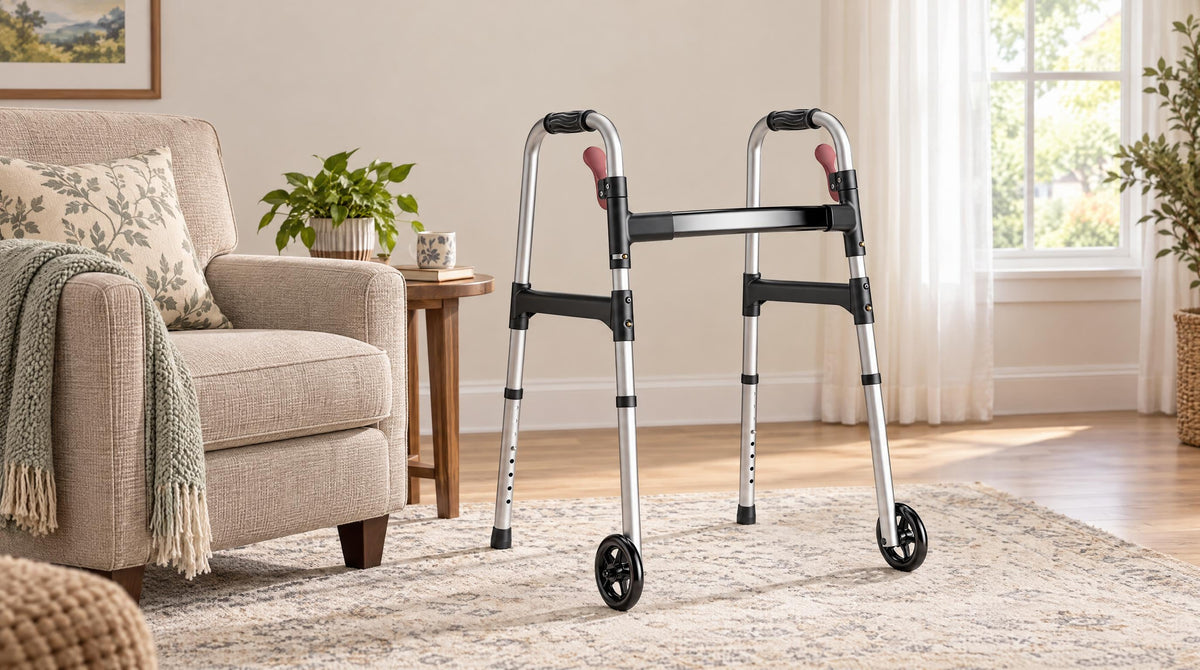
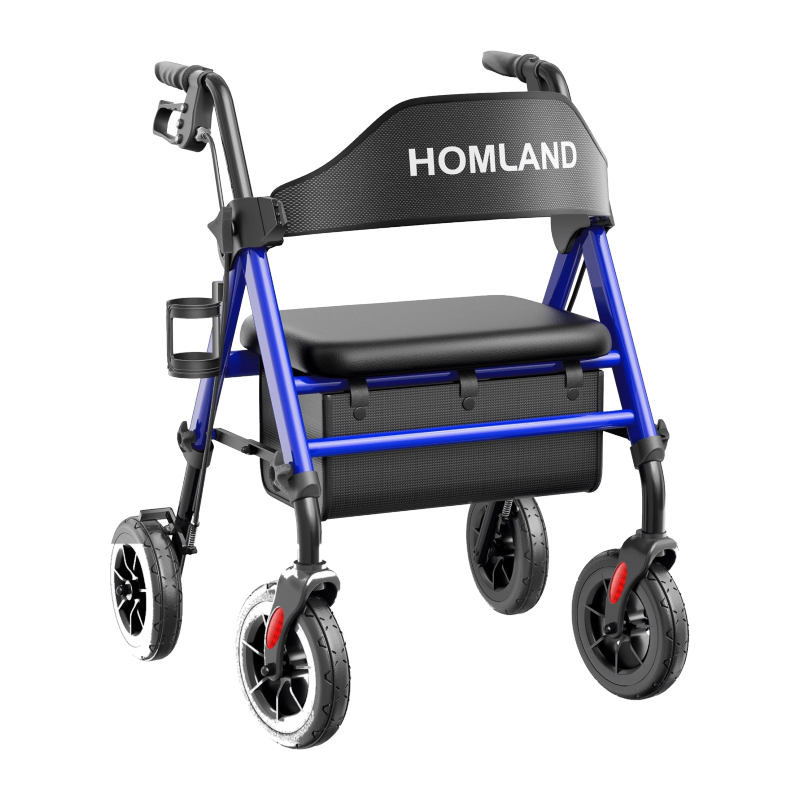
Mobility is the foundation of everything else. When moving through the house feels unsteady or tiring, every other daily activity becomes harder. Walking aids range from lightweight standard walkers ideal for navigating tight indoor spaces to feature-rich four-wheel rollators built for longer trips to the store or a walk around the neighborhood. Physical therapists often recommend choosing the device that matches both the user's current strength and their daily environment — a person who mainly moves between their bedroom, bathroom, and kitchen has different needs than someone who attends weekly farmer's markets or church services.
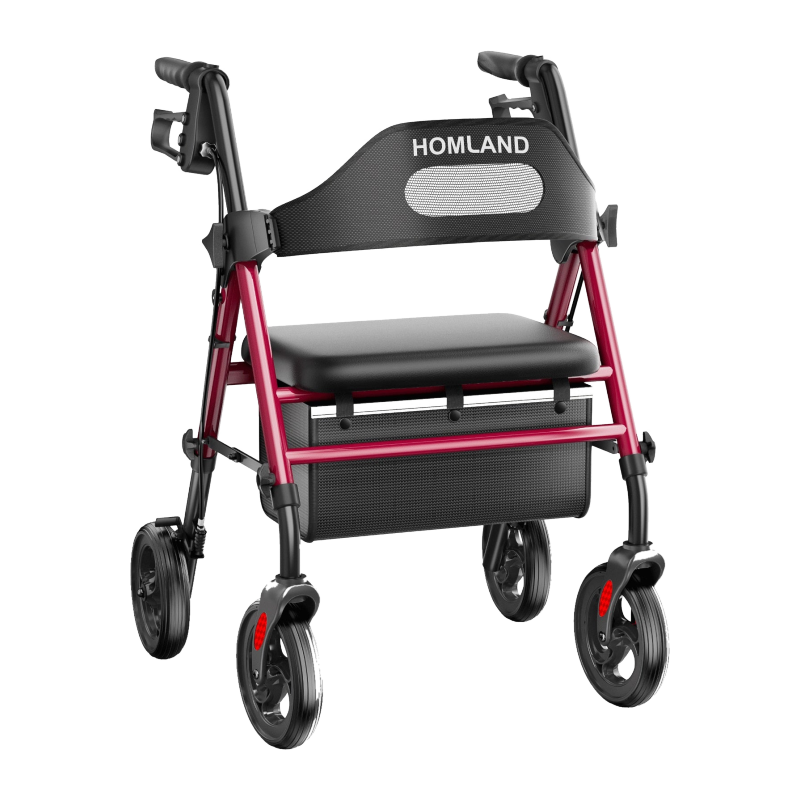
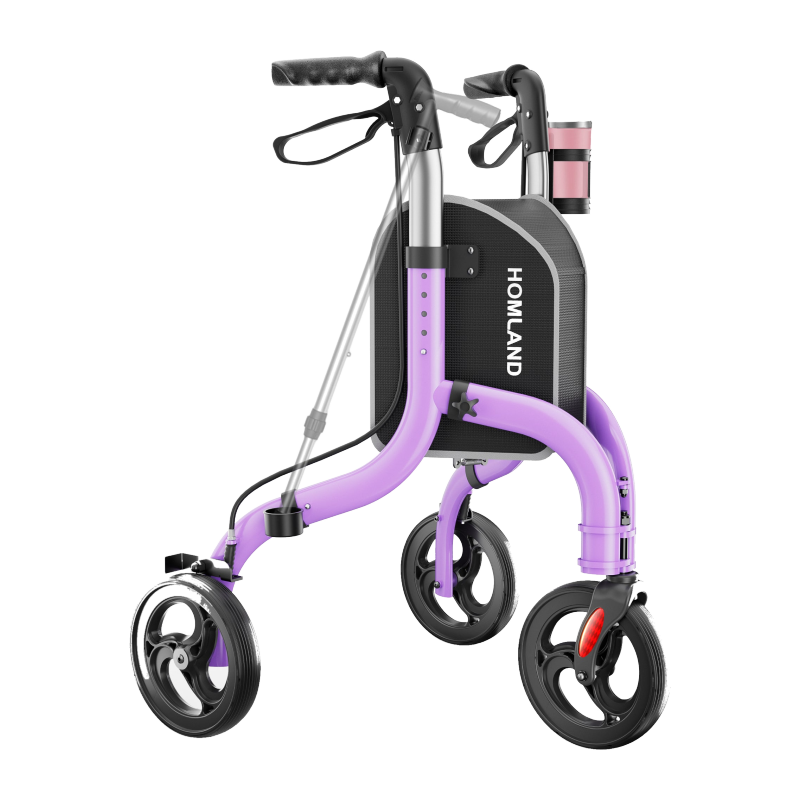
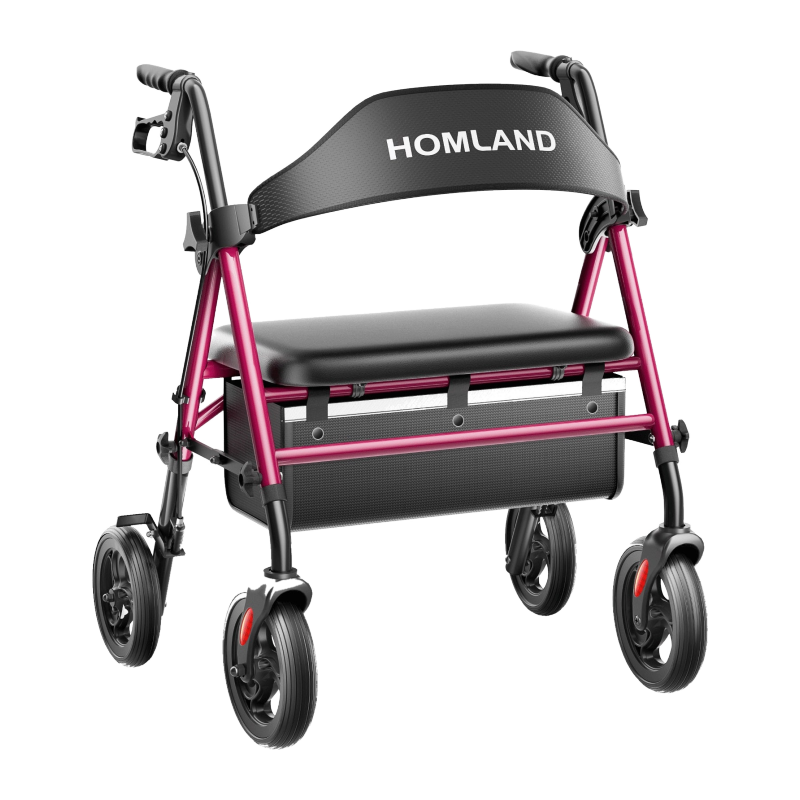
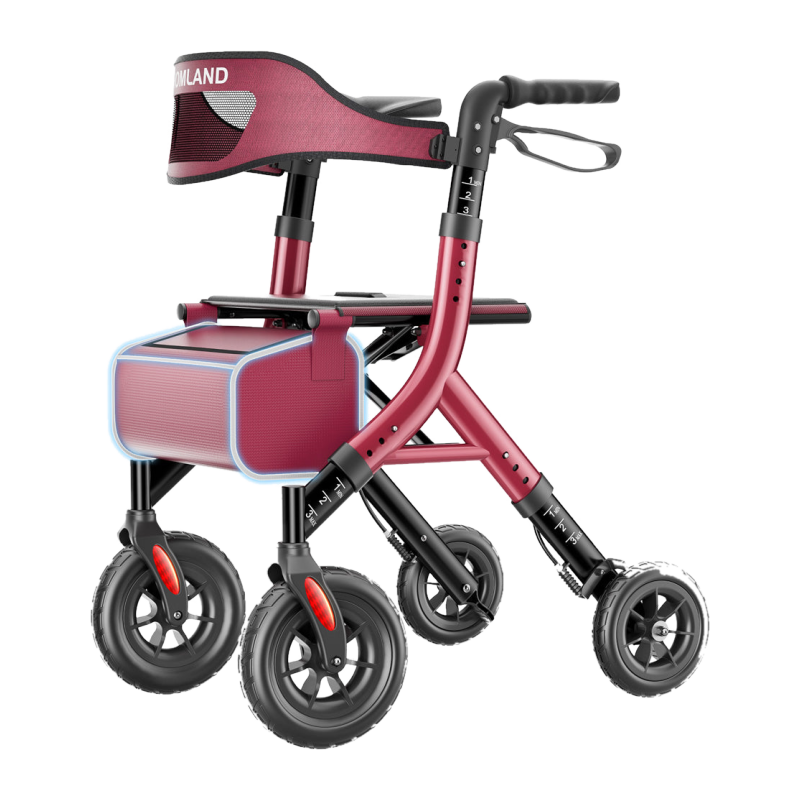
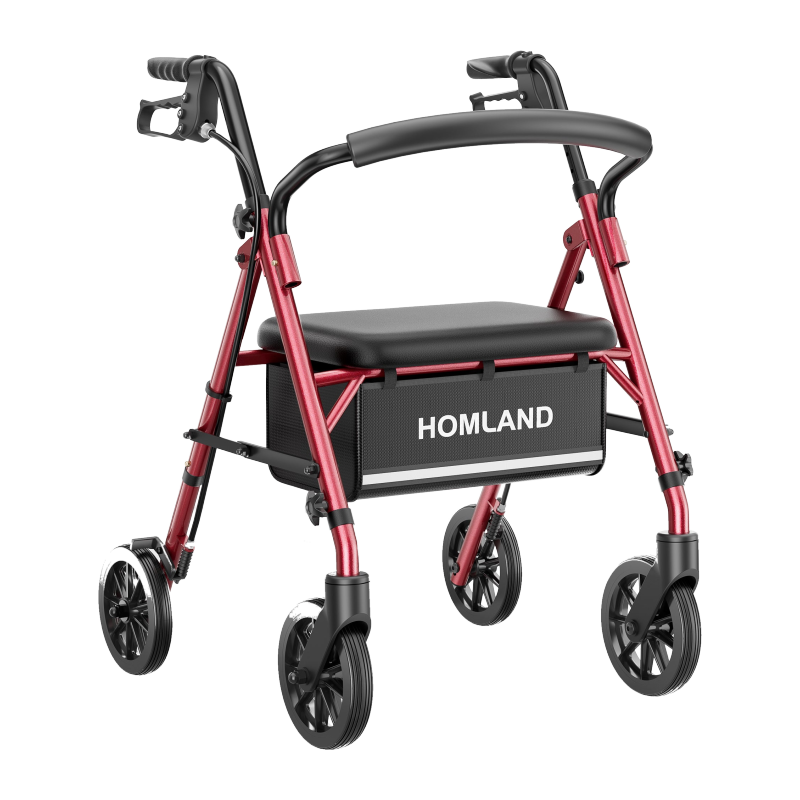
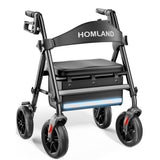
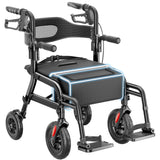
Standard walkers provide maximum stability because all four legs stay in contact with the floor. They're especially useful for people recovering from surgery or those who need to bear significant weight through the frame with each step. Rolling walkers (rollators) allow a more natural walking rhythm because the user doesn't need to lift the device — they simply push it forward. Four-wheel rollators with built-in seats are particularly popular because they give users a place to rest mid-walk, which is a genuine comfort for anyone managing low endurance or fatigue. Three-wheel rollators offer a more compact footprint, making tight corners and narrow hallways easier to navigate.
For users who need extra support due to higher body weight, bariatric models are engineered to accommodate higher load capacities without sacrificing stability or comfort. Upright walkers are another option gaining popularity — they encourage a more natural, upright posture compared to traditional hunched-forward walker use, which physical therapists often flag as a concern for long-term back and shoulder health.
- Standard walkers — best for maximum stability, post-surgery recovery, and short indoor distances
- 4-wheel rollators — best for active seniors who walk longer distances and want a built-in rest seat
- 3-wheel rollators — best for tight indoor spaces and lighter users who need rolling support
- Upright walkers — best for users prioritizing posture and a more natural walking stance
- Bariatric walkers — best for users who require higher weight capacity and heavy-duty frame construction
Explore HOMLAND's full range of rolling walkers and standard walkers, all designed with tool-free height adjustment and home-friendly profiles. Every model is authorized by licensed Doctors of Physical Therapy (DPT) — meaning the designs are informed by real clinical insight, not just aesthetics.
Bathroom Safety: The Room That Needs the Most Attention
Of all the rooms in the house, the bathroom is where fall risk is highest. Wet surfaces, hard fixtures, small spaces, and the physical demands of getting in and out of a tub or rising from a toilet create a perfect storm for accidents. Research consistently shows that falls in the bathroom are more likely to cause an injury than falls in any other room — and for adults over 65, those injuries frequently involve fractures. The good news is that targeted equipment can dramatically change that picture without the need for major home renovation.
For family members supporting an older parent, knowing that the bathroom is equipped with the right safety tools brings genuine peace of mind. For the senior themselves, the right setup means maintaining privacy and independence in one of the most personal parts of daily life. Nobody wants to call for help every time they need to use the shower — and with the right aids in place, they shouldn't have to.
Shower Chairs and Transfer Benches: Safer Bathing Every Day
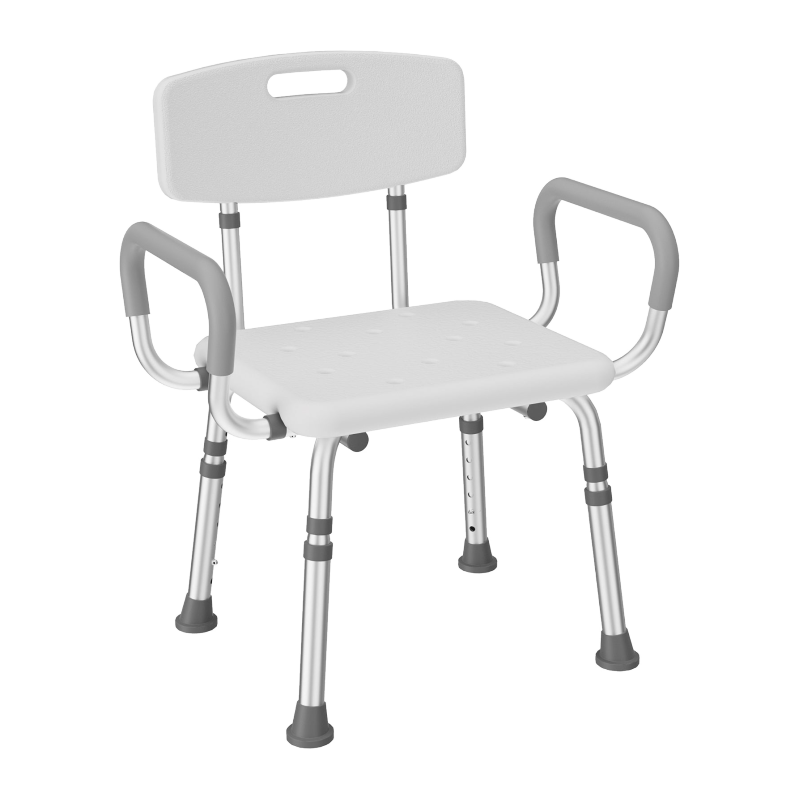
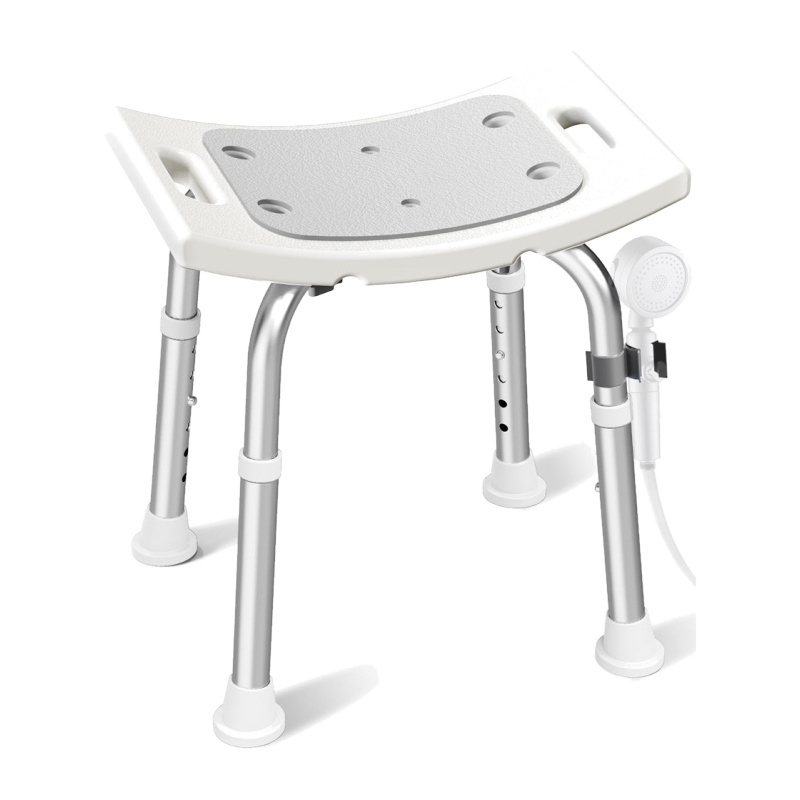
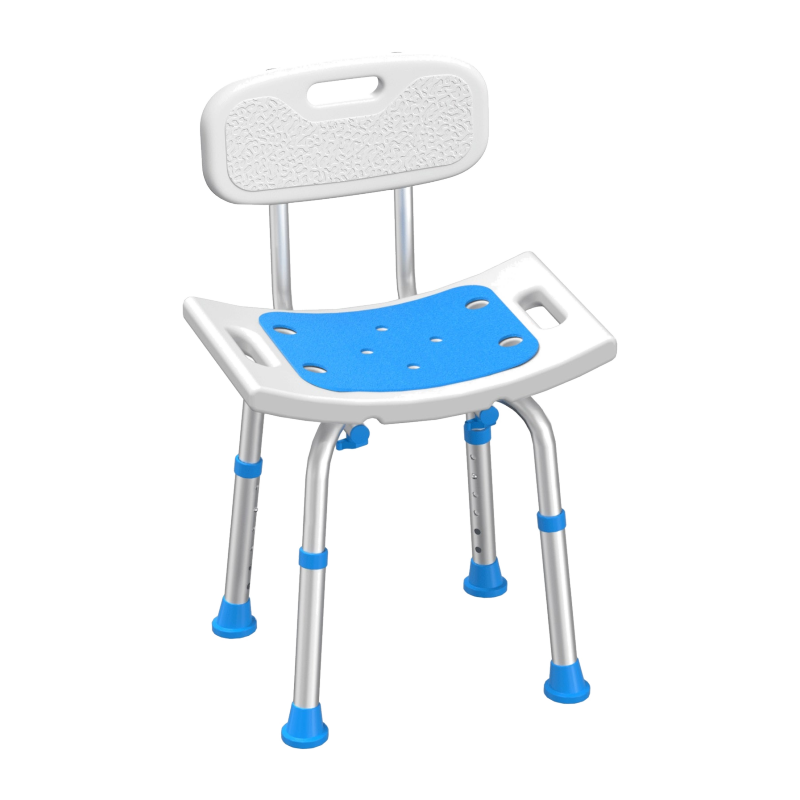
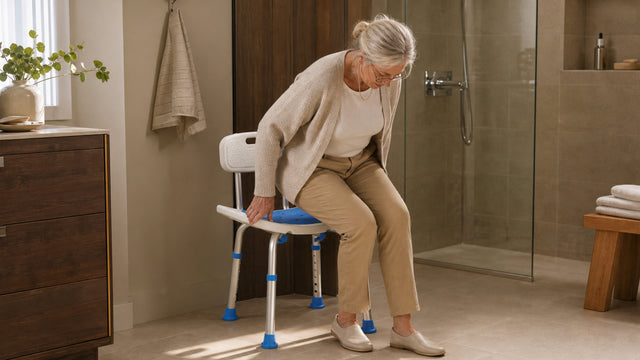
Bathing is one of the most physically demanding parts of a senior's day, and standing in a wet shower for several minutes requires both balance and leg strength that can diminish with age. A well-designed shower chair transforms that experience entirely. Instead of balancing on a wet surface and hoping for the best, a person can sit securely, bathe comfortably, and stand up from a stable position when finished. For someone recovering from a hip replacement or knee surgery, a shower chair isn't a luxury — it's what makes bathing at home possible rather than requiring a facility stay.
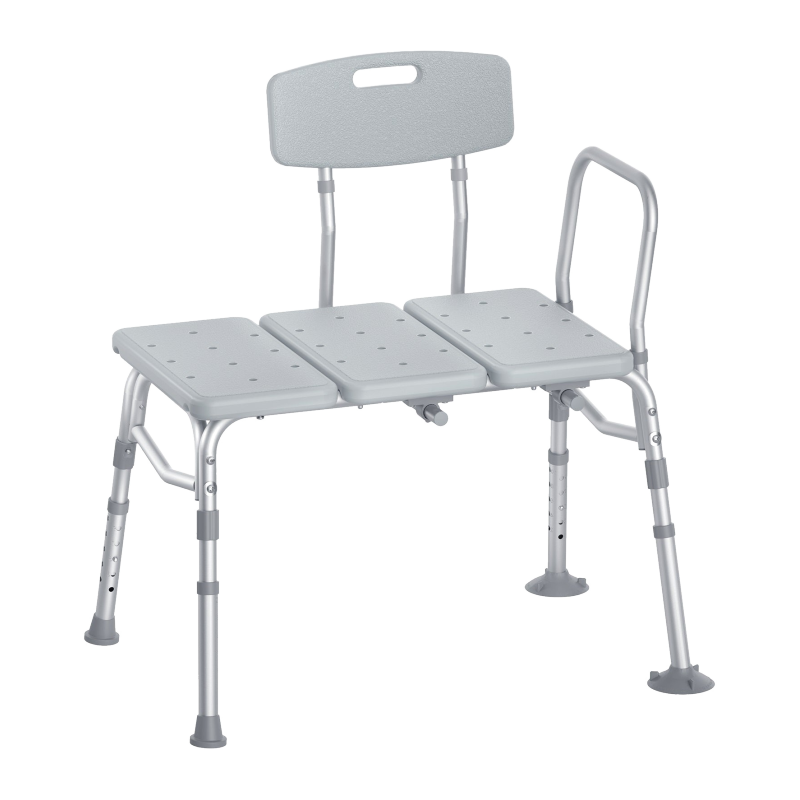
Transfer benches go a step further for users who have difficulty stepping over a tub wall. A transfer bench straddles the edge of the tub, allowing the user to sit on the outside, slide across, and swing their legs into the tub — all without the risky high step that causes so many bathroom injuries. Physical therapists frequently recommend transfer benches as one of the first bathroom modifications after major lower-limb surgery.
Look for shower chairs and transfer benches with these features:
- Tool-free assembly so setup takes minutes, not a whole afternoon
- Adjustable leg heights to fit any tub or shower floor height
- Non-slip rubber feet for stability on wet surfaces
- Weight capacity that allows the user to lean and rest with full confidence
- Comfortable, drainage-friendly seating that won't hold water
Browse the complete HOMLAND shower chair collection, designed for safe, dignified bathing at home — not an institutional experience.
Toilet Safety Aids: Standing Up with Confidence
Getting up from a low toilet seat is one of the most mechanically demanding movements many older adults face each day. It requires strong quadriceps, good balance, and healthy hip and knee joints — the exact areas most commonly affected by arthritis, hip replacement, or age-related muscle loss. The right toilet safety equipment turns what can be a stressful moment into a simple, dignified routine.
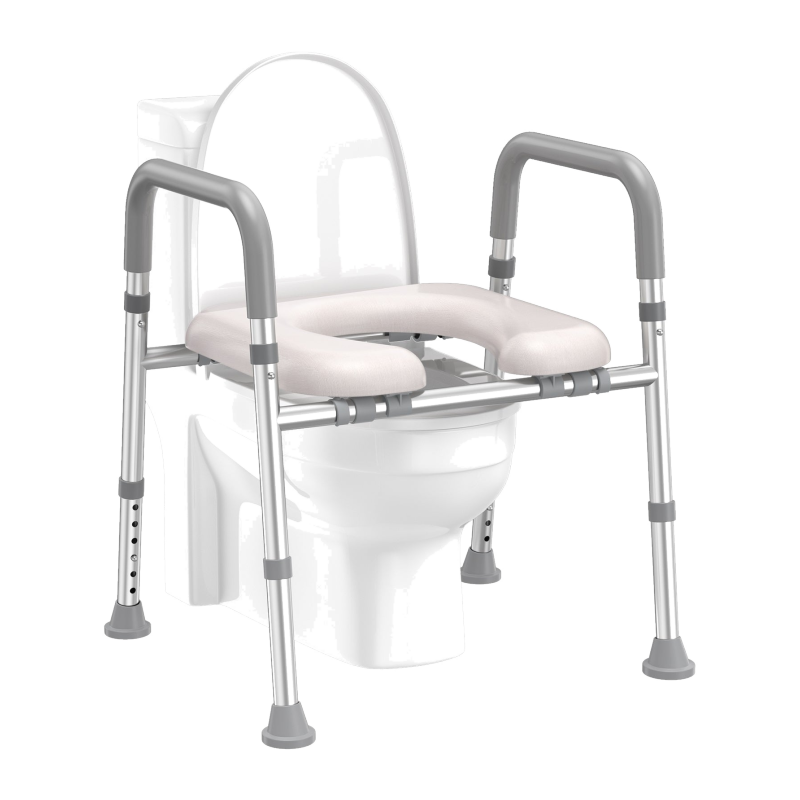
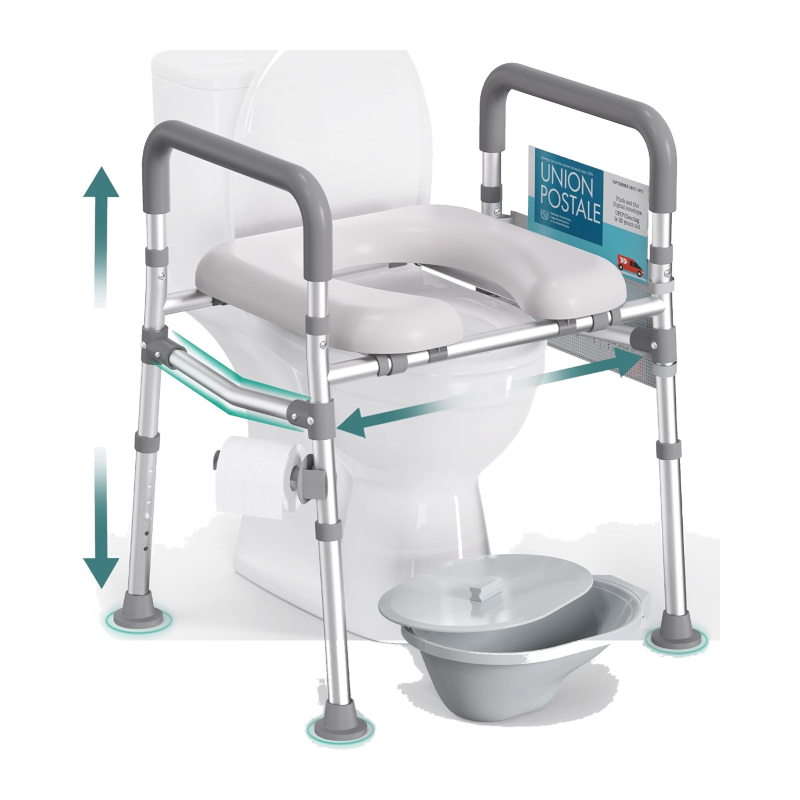
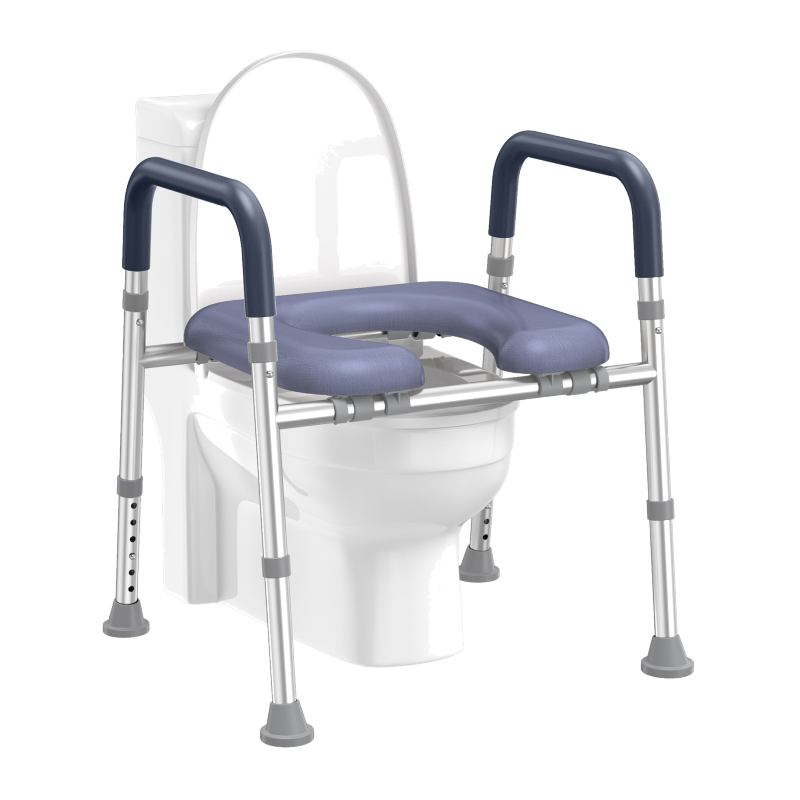
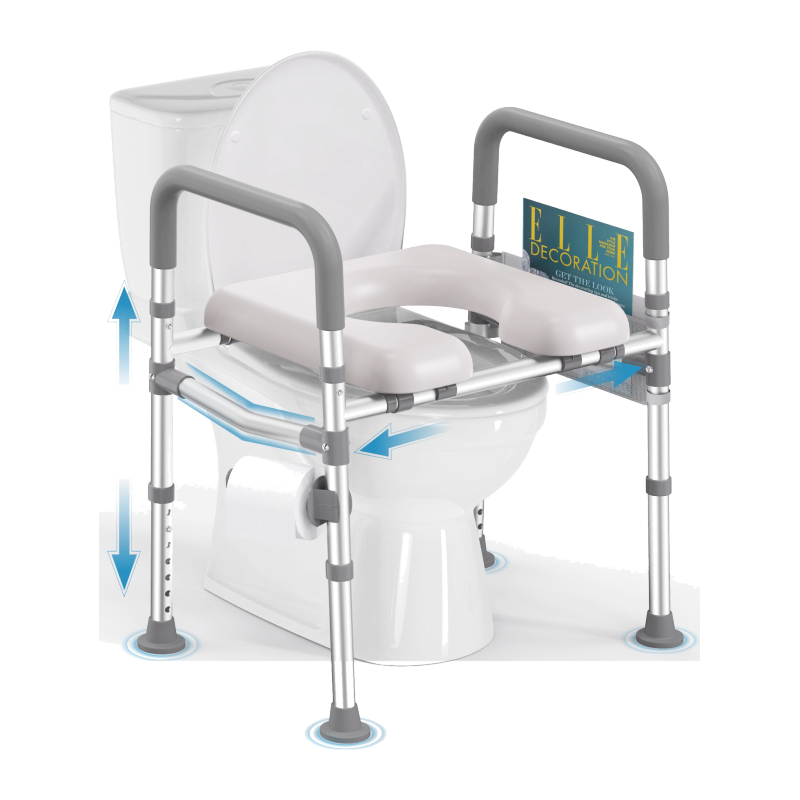
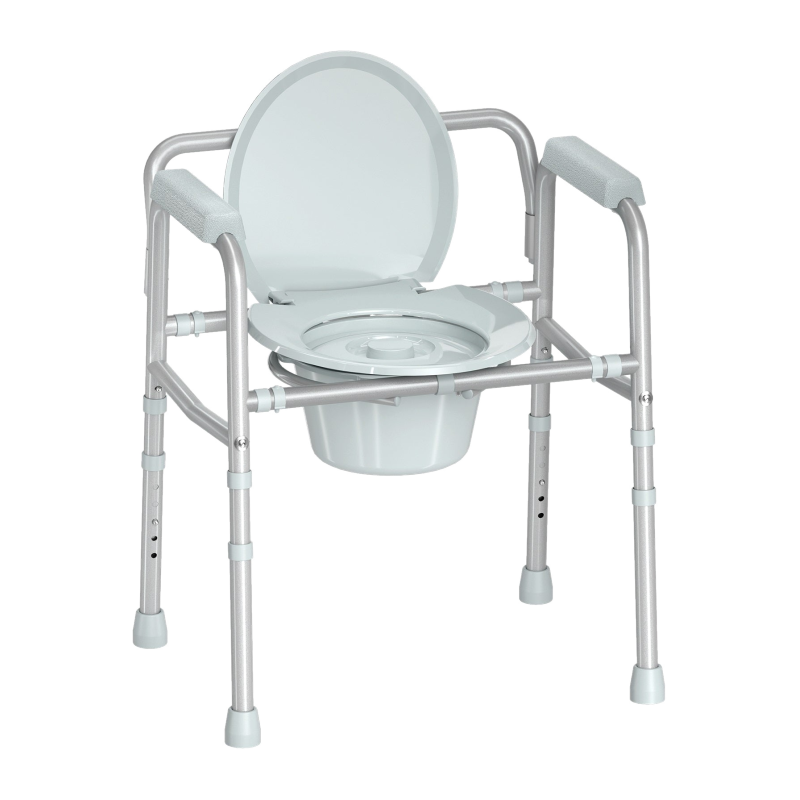
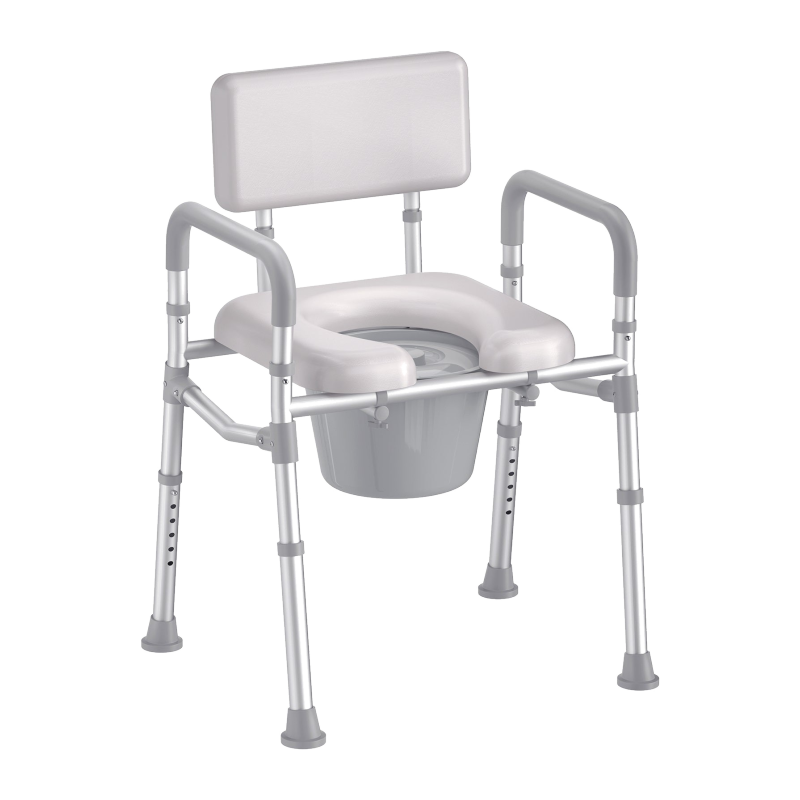
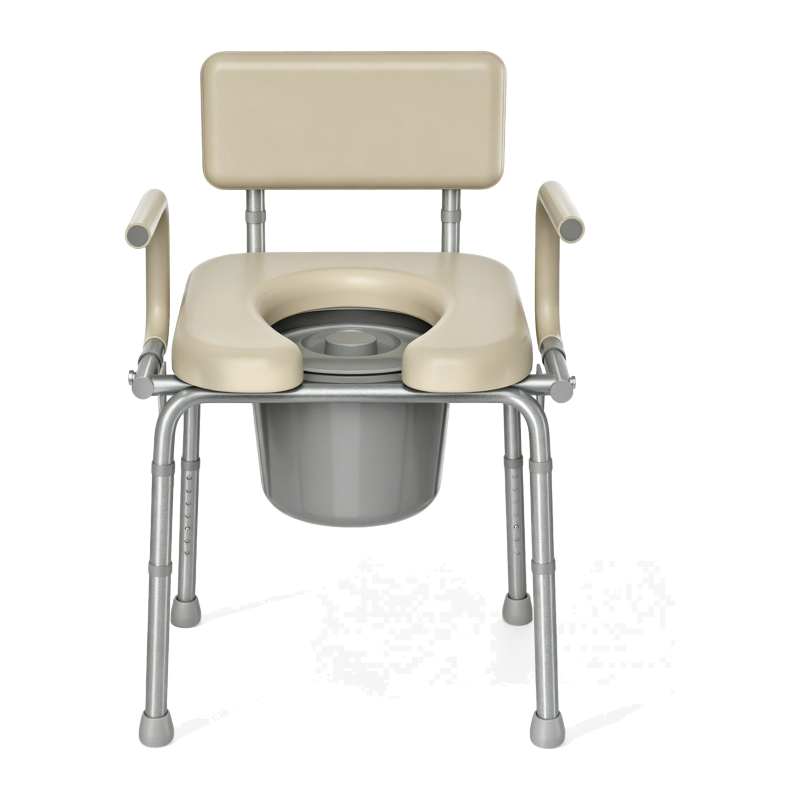
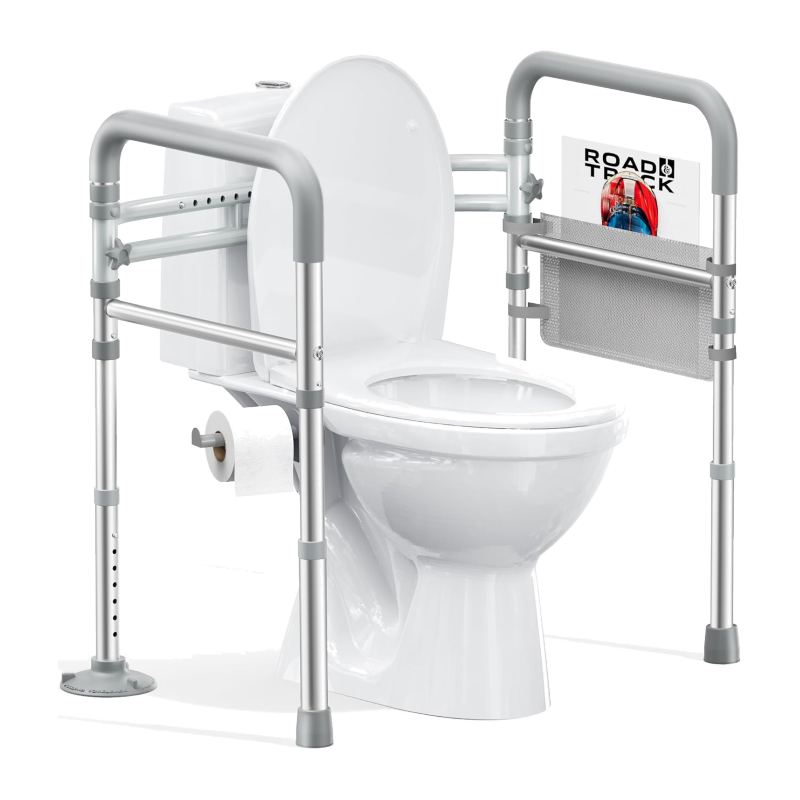
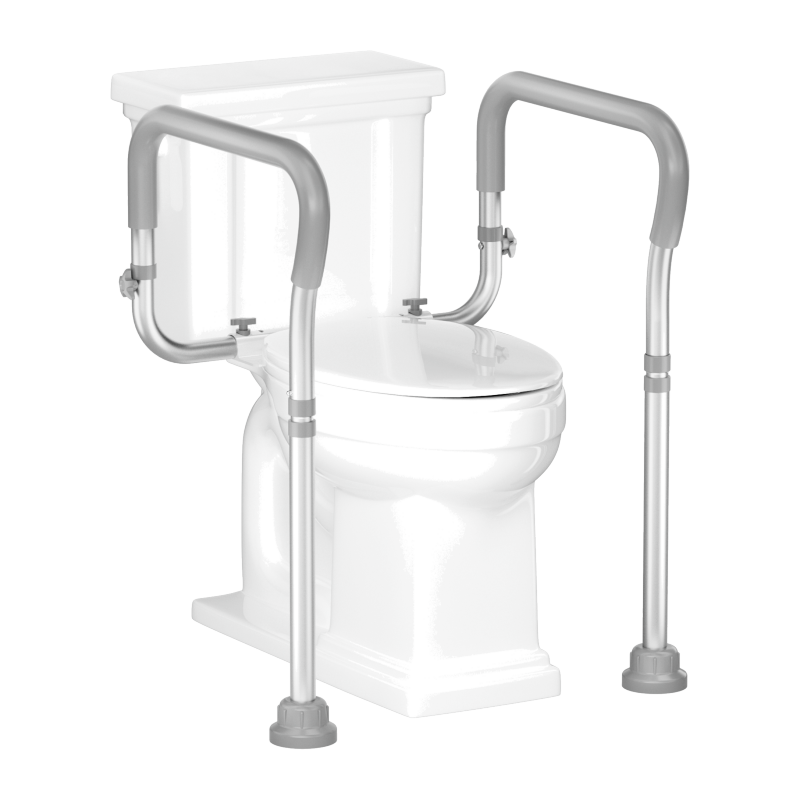
Raised toilet seats reduce the depth of the sit-to-stand movement, making it significantly easier on the legs and hips. They fit over most standard toilet bowls without tools and can be adjusted for height. Toilet safety rails provide the armrest support that allows a user to push up with their arms, taking pressure off the knees and hips while standing. For users who need a more complete toilet safety solution, bedside commodes serve double duty — as a bedside option during nighttime and as a raised, railed toilet frame when placed over an existing toilet.
HOMLAND holds the #1 position on Amazon US in Raised Toilet Seats and is among the top three in Transfer Benches — a testament to the quality and reliability that real users experience. Explore the toilet safety rail collection to find the right fit for your bathroom setup.
Bedroom Safety: From Bedside to Getting Up at Night
The bedroom might feel like the safest room in the house, but research tells a different story. Studies tracking fall locations among older adults show the bedroom is consistently among the top three most common fall sites — partly because falls there are less anticipated, and partly because nighttime trips to the bathroom happen in low light and half-asleep states. A fall in the dark at 2 a.m. is exactly the kind of event families worry about most.
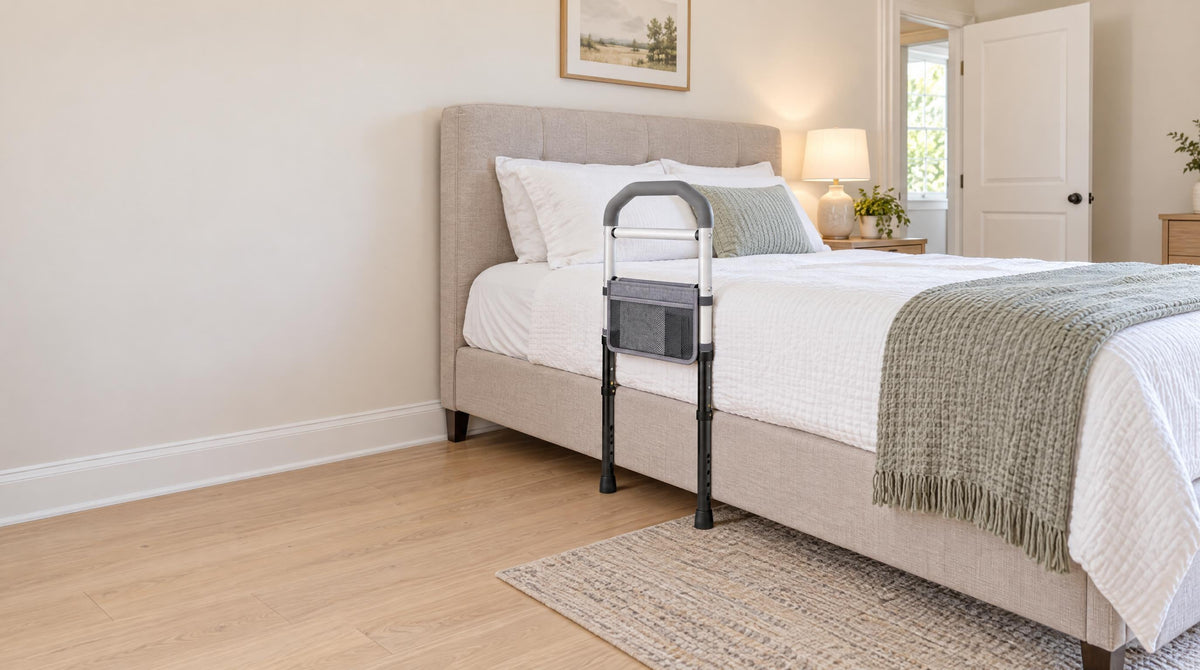
Bed rails provide the leverage point people need to reposition themselves in bed, sit up from lying down, and stand safely from the edge of the mattress. They attach securely to the bed frame without permanent modification and can be folded down when not needed. For a senior who wakes up several times a night, a bed rail eliminates the white-knuckle moment of trying to push up from a deep mattress in the dark. It also gives family caregivers confidence that their parent or spouse can manage nighttime movement independently without calling for help.
Key bedroom safety features to look for:
- Secure attachment that doesn't shift or wobble during use
- Padded or soft-grip handles for comfortable leverage
- Fold-down design for easy access when getting into bed
- Height adjustment to fit different mattress depths
Shop HOMLAND's bed rails collection — all engineered for home use, with no tools required for installation.
Recovering at Home: Knee Scooters and Post-Surgery Support
For people recovering from foot or ankle surgery, a stress fracture, or a lower-leg injury, crutches have traditionally been the only option — and they're notoriously uncomfortable, exhausting, and hard to use for more than short distances. Knee scooters have changed that entirely. A knee scooter lets the user rest their injured leg on a padded platform while rolling forward with their unaffected leg, keeping them mobile around the house (and even outdoors) without bearing weight through the injury site.
Physical therapists often favor knee scooters over crutches for patients with below-the-knee injuries because they reduce upper-body fatigue, improve stability, and allow a much more natural gait. They're also considerably easier to use in a home environment — navigating kitchen counters, bathroom doorways, and bedroom hallways is far less awkward on a knee scooter than on crutches. Most models fold compactly for transport in a car, which means recovery doesn't have to mean being housebound.
Browse HOMLAND's knee scooter collection, designed with adjustable knee pad height, reliable hand brakes, and a sturdy frame that handles both indoor and outdoor surfaces.
How to Choose the Right Independent Living Aids
With so many options available, the most important step is matching equipment to the specific challenges and daily routines of the person using it. A one-size-fits-all approach rarely works well. A few practical questions to start with:
- Where are the highest-risk moments? Identify the daily tasks that feel unsteady or strenuous — getting up from the toilet, stepping into the shower, walking to the kitchen at night.
- Is the primary need stability, fatigue management, or pain reduction? These often call for different equipment.
- What is the user's weight, height, and grip strength? Make sure any selected product accommodates height range, load capacity, and handle ergonomics appropriately.
- Is this a temporary recovery need or a long-term support tool? Post-surgery recovery equipment (like a knee scooter) has different requirements than daily mobility aids.
- What does the home environment look like? Narrow hallways, tight bathrooms, and high-threshold tubs all inform which specific products will work best in practice.
When in doubt, a licensed physical therapist can assess home layout and mobility level to make a personalized recommendation. HOMLAND products are authorized by licensed Doctors of Physical Therapy (DPT), so every design decision in the lineup reflects clinical insight — not guesswork.
FSA/HSA Eligible, Warranted, and Delivered Fast
Investing in the right independent living aids is also a practical financial decision, and HOMLAND is designed to make that as straightforward as possible. All HOMLAND products are FSA/HSA eligible, which means qualifying purchases can be paid for using pre-tax healthcare dollars from a Flexible Spending Account or Health Savings Account — a meaningful saving for many families.
Every product also comes backed by a 1-year manufacturer warranty plus a 1-year extended warranty, so there's genuine long-term confidence behind every purchase. Products ship from a US local warehouse for fast delivery — because when someone needs a shower chair or bed rail after coming home from surgery, waiting three weeks isn't an option. HOMLAND's 20+ years of OEM/ODM manufacturing experience means the engineering behind every product is the same standard used in high-end medical device production — now applied to home-friendly, everyday designs.
Frequently Asked Questions
What is the most important independent living aid for seniors at home?
The most impactful aid is the one that addresses the individual's highest-risk daily moment. For most seniors, bathroom safety equipment — including a shower chair and toilet safety rail — has the greatest effect on fall prevention and daily comfort. Mobility aids like walkers or rollators come a close second for anyone whose balance or walking endurance has declined.
When should a senior start using a walker?
Physical therapists generally recommend considering a walker when a person has experienced a fall, feels unsteady walking on varied surfaces, fatigues quickly during short walks, or has recently had surgery on the hips, knees, or lower limbs. Starting earlier rather than later reduces fall risk and helps build confidence rather than waiting for an incident to prompt the change.
Are independent living aids covered by FSA or HSA plans?
Yes — most mobility and bathroom safety aids, including walkers, shower chairs, raised toilet seats, bed rails, and toilet safety rails, are FSA/HSA eligible. All HOMLAND products qualify, which means families can use pre-tax healthcare savings dollars to cover the cost.
What's the difference between a standard walker and a rollator?
A standard walker has four non-wheeled legs and provides maximum stability because the frame stays completely stationary between steps. A rollator (rolling walker) has wheels and rolls continuously, allowing a more natural walking pace without the need to lift the frame. Rollators with seats also allow the user to rest mid-walk. Physical therapists choose between them based on balance level, upper-body strength, and whether the user needs to bear weight through the frame or simply use it for light balance support.
How do I know if a shower chair is the right size?
Look for a shower chair with adjustable leg height — this allows the seat to be set at a level that makes sitting and standing comfortable without requiring an awkward deep squat. Check the weight capacity to ensure it comfortably exceeds the user's weight, as this directly affects stability. Width matters too: the seat should allow comfortable, supported sitting without feeling cramped.
Staying at home as we age is one of the most meaningful goals a person can have — and it's one that the right equipment makes genuinely achievable. From a rolling walker that keeps afternoon walks confident and comfortable, to a shower chair that makes the morning routine safe and private, to a bed rail that handles 2 a.m. trips to the bathroom without waking anyone else — each of these tools is a small investment with an outsized return in daily life quality, independence, and peace of mind.
Whether you're setting up your own home, supporting a parent, or preparing for recovery after surgery, the goal is the same: home, not hospital. The right independent living aids make that possible — on your terms, in your space, every single day.
Ready to Find the Right Aid for Your Home?
Browse the full HOMLAND collection — authorized by licensed Doctors of Physical Therapy, FSA/HSA eligible, and backed by a 2-year warranty. Fast delivery from our US warehouse means you won't wait long to feel the difference.
Shop All ProductsContact Us