

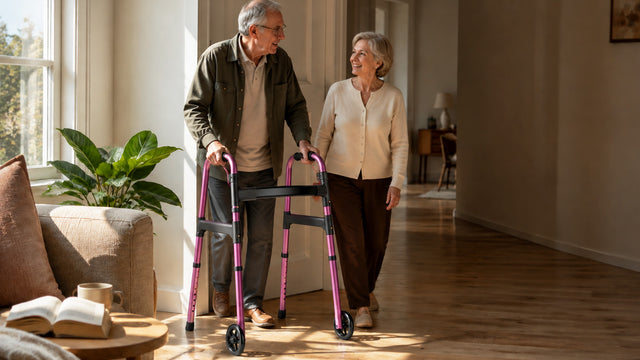

There's a moment many families recognize — a parent recovering from surgery, waking at 3 a.m., making the long, unsteady walk to the bathroom alone. That walk, which once felt routine, suddenly carries real risk. A bedside commode can quietly change that equation, turning a dangerous midnight trip into a safe, dignified routine handled just feet from the bed.
A bedside commode for the elderly is one of the most practical and underappreciated tools in home care. Whether someone is recovering from a hip replacement, managing a condition that affects balance, or simply finding nighttime bathroom trips harder than they used to be, a bedside commode offers a safer alternative without making the home feel like a medical facility. This guide walks through exactly when a commode makes sense, what types are available, and what to look for so you can make a confident, informed choice — whether you're shopping for yourself or someone you love.
What Is a Bedside Commode?
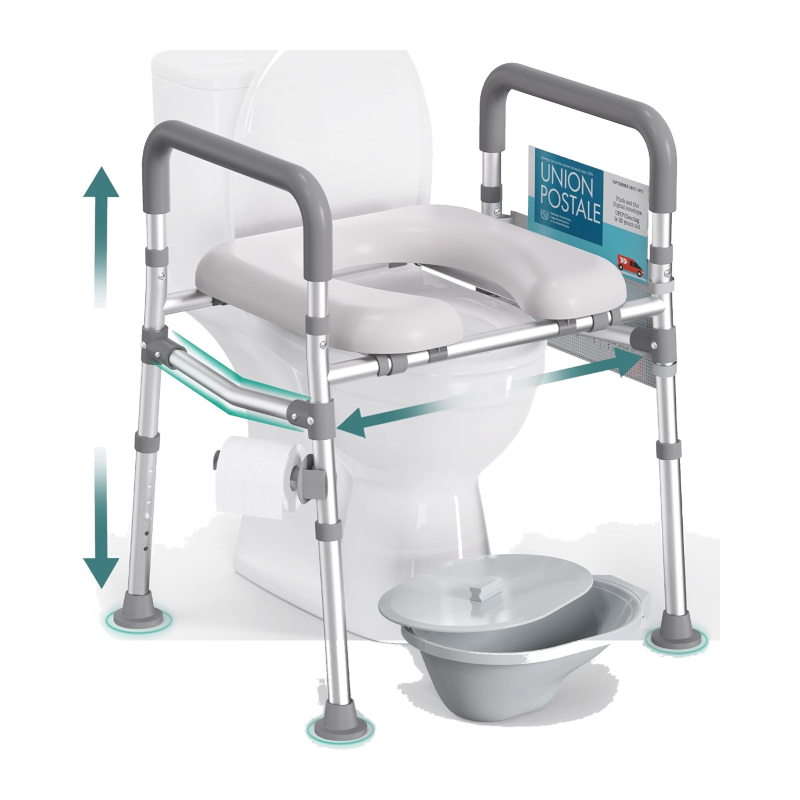
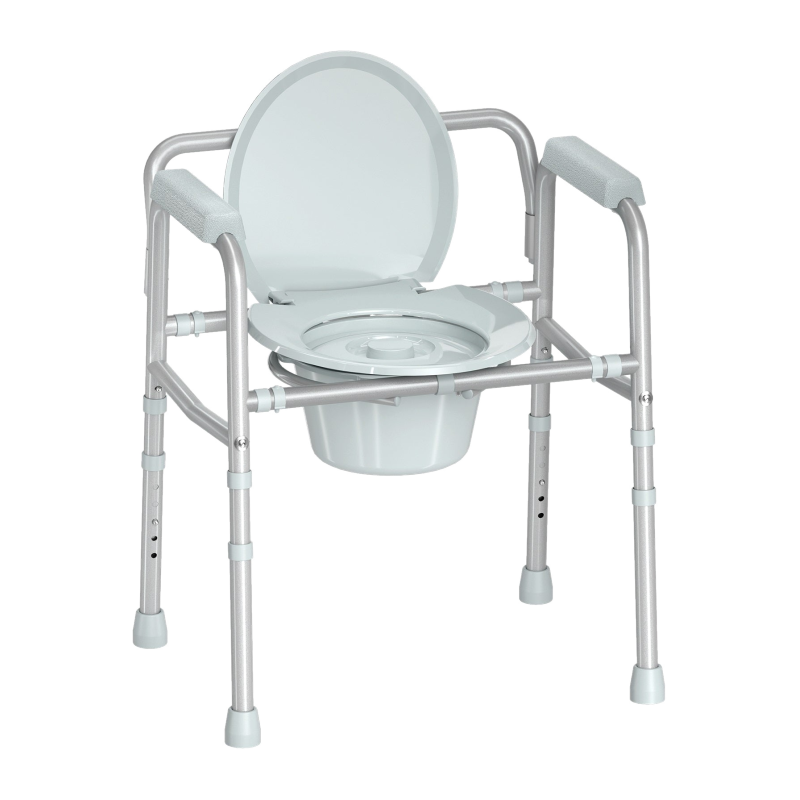
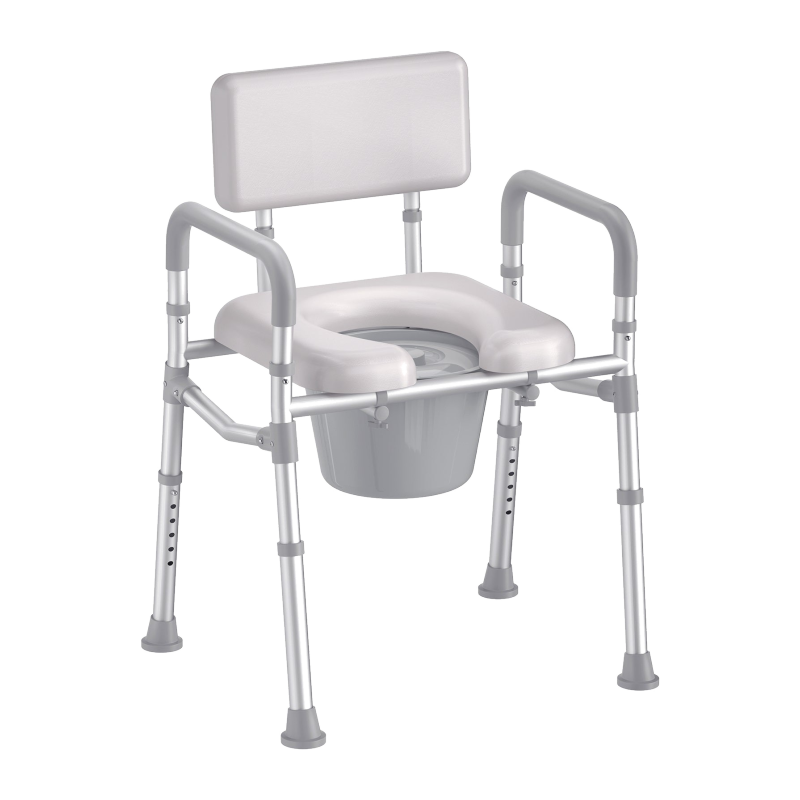
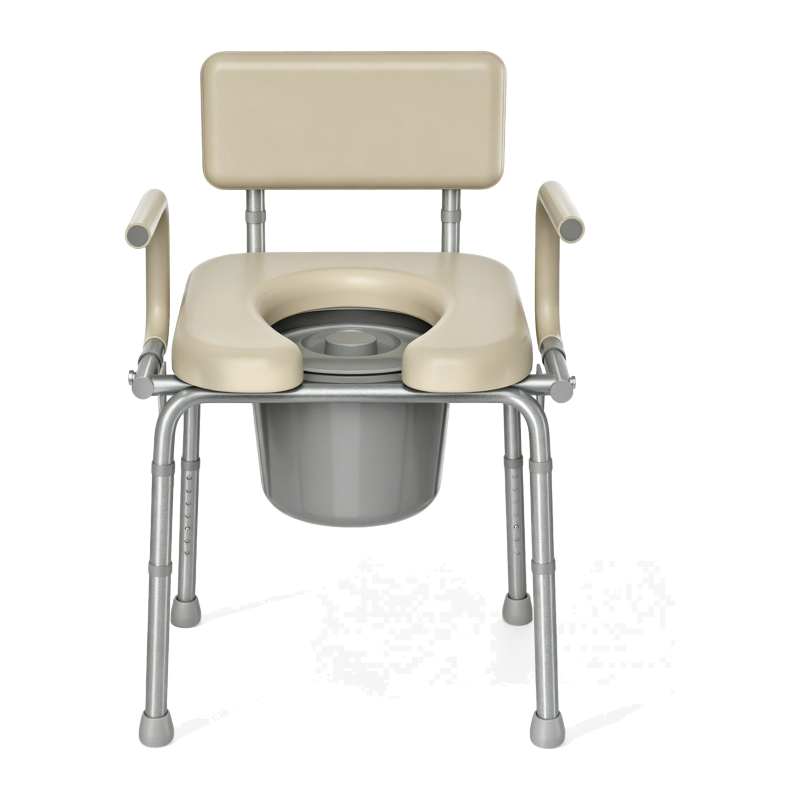
A bedside commode is a freestanding chair with a built-in toilet seat and a removable collection bucket underneath. It's designed to sit right next to the bed, eliminating the need to walk to the bathroom — especially during the night, during recovery, or when mobility is temporarily or permanently limited. Most models fold flat for easy storage, adjust in height to match the user, and are sturdy enough to support a person sitting down and standing up safely.
Unlike a hospital bedpan, a bedside commode allows the person to sit upright in a natural, comfortable position, which is both more dignified and easier on the body. Physical therapists often recommend them as a first line of support for anyone who has had lower-body surgery, falls frequently, or experiences urgency that makes a full walk to the bathroom risky. The goal is always the same: keep people safe in their own home, on their own terms.
When Should an Elderly Person Use a Bedside Commode?
There's no single threshold that makes a bedside commode necessary, but there are situations where having one nearby shifts from helpful to genuinely important. Here are the most common circumstances where physical therapists and home-care advisors recommend considering one:
- Post-surgery recovery: After a hip replacement, knee surgery, or abdominal procedure, walking to the bathroom repeatedly — especially at night — increases fall risk and can strain the healing area. A commode placed beside the bed removes that risk entirely during the most vulnerable weeks of recovery.
- Frequent nighttime trips: For seniors who wake up two or more times per night to use the bathroom, a dark hallway walk is one of the leading fall scenarios. A commode eliminates the journey without requiring the person to call for help.
- Balance or mobility challenges: Conditions like Parkinson's disease, arthritis, or general age-related balance changes can make the bathroom walk feel unpredictable. A bedside commode provides a consistent, predictable option that's always within easy reach.
- Urgency incontinence: When there's little warning before the need to go, having a commode nearby can prevent accidents and the anxiety that comes with them — helping maintain confidence and independence.
- Caregiver fatigue situations: For family caregivers who are also sleeping in the home, a bedside commode means their loved one doesn't need to wake anyone for nighttime bathroom assistance, preserving everyone's rest and dignity.
If any of these situations resonate — whether you're thinking about yourself or someone in your family — a bedside commode is worth serious consideration. The CDC reports that falls are the leading cause of injury among adults 65 and older, and bathroom-related falls are among the most preventable. A commode is one of the simplest tools available to address that risk at home.
Types of Bedside Commodes
Not all bedside commodes are built the same, and the right type depends on the user's specific needs, living space, and how they'll use it day to day. Here's a practical breakdown of the main options:
Standard Bedside Commode
The most common type — a simple four-legged frame with a seat, lid, and bucket. These are lightweight, easy to reposition, and straightforward to clean. They work well for most recovery and nighttime-use scenarios and are typically the most affordable option. Look for models with padded armrests for added comfort during seated use.
Folding Bedside Commode
Designed for portability and smaller spaces, folding commodes collapse flat and can be stored in a closet or taken while traveling. They're a good choice for caregivers managing care across multiple locations or for users who only need the commode seasonally — for instance, during recovery after a planned procedure.
Drop-Arm Commode
The defining feature here is armrests that swing down or out of the way, making it much easier to transfer from a wheelchair or from the bed. If the person using the commode has very limited leg strength or uses a wheelchair, the drop-arm design is often the style physical therapists recommend most strongly.
Bariatric Commode
Built with a wider seat, reinforced frame, and higher weight capacity — often supporting up to 500 lbs — bariatric commodes provide the same safety and comfort for users who need a more heavy-duty solution. The key is finding one that doesn't sacrifice stability or ease of use just because the frame is larger.
3-in-1 Commode
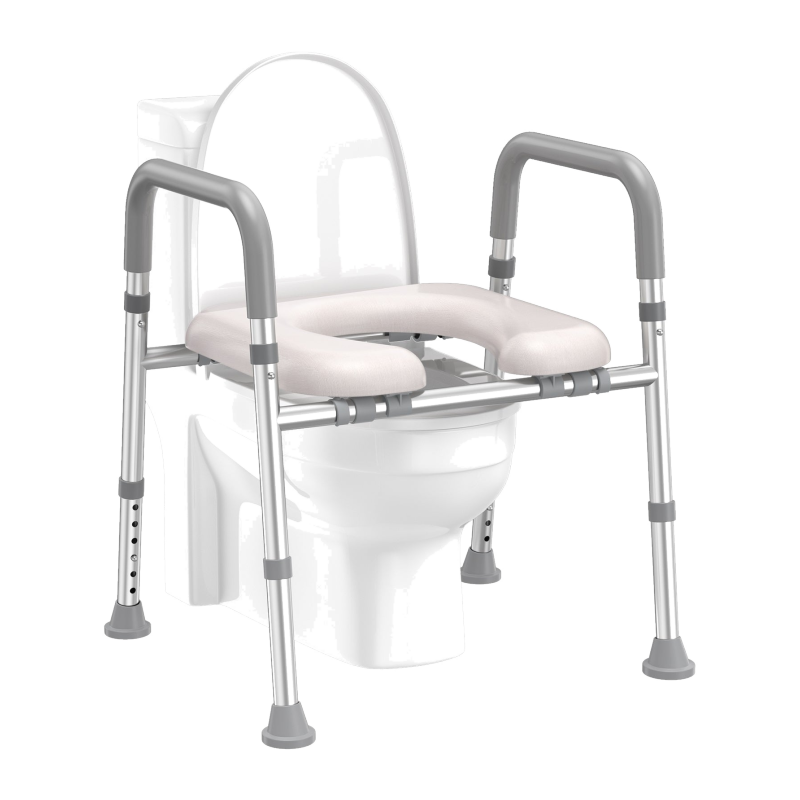
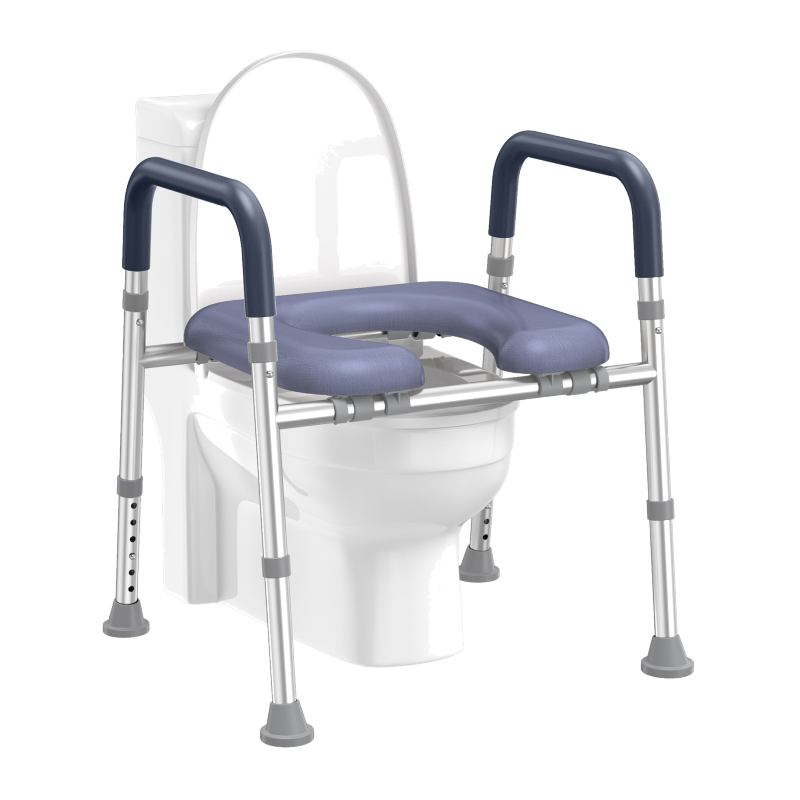
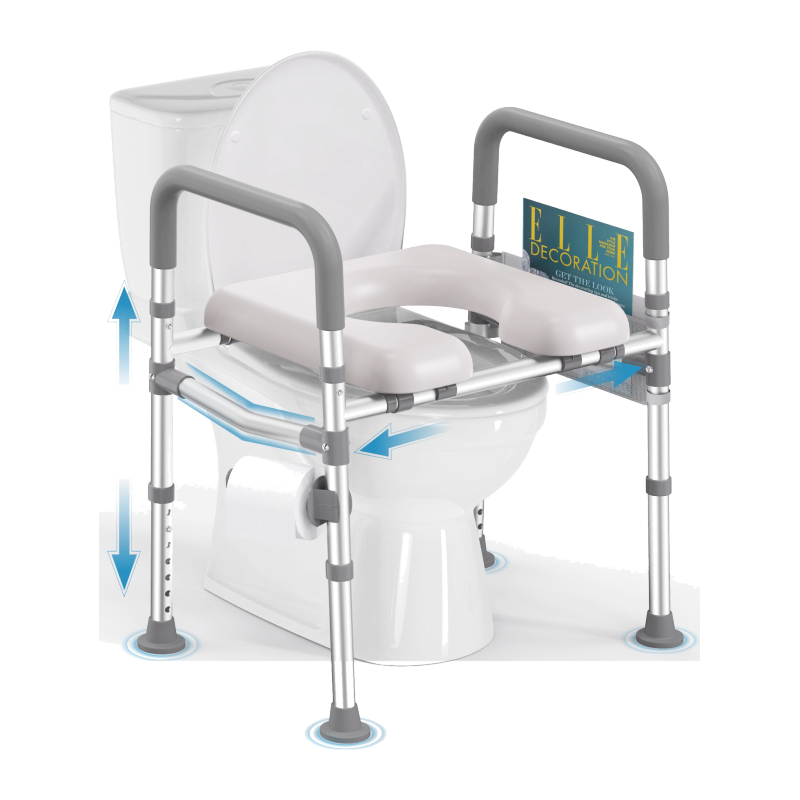
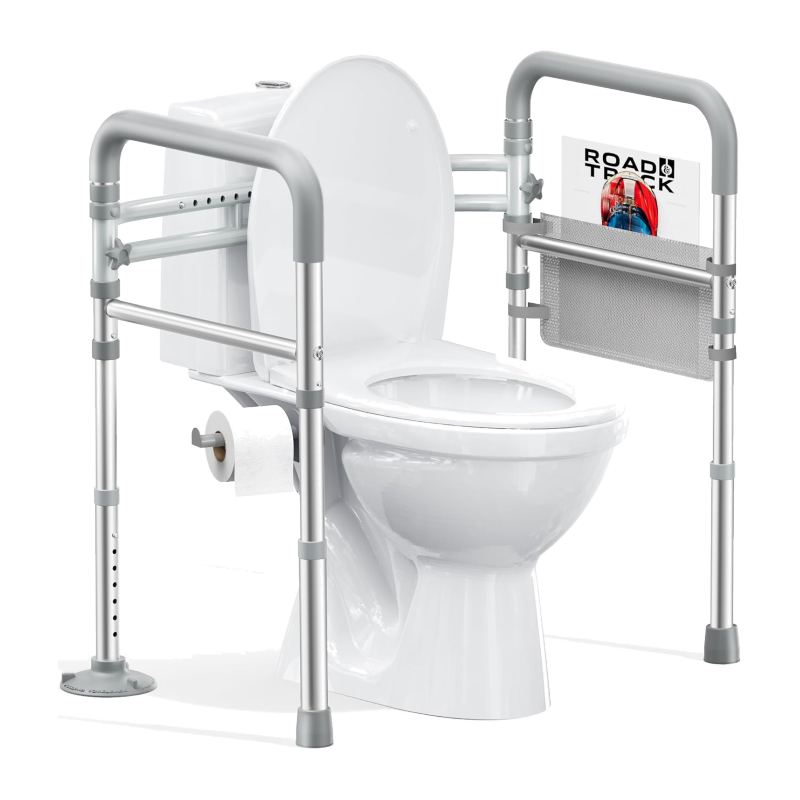
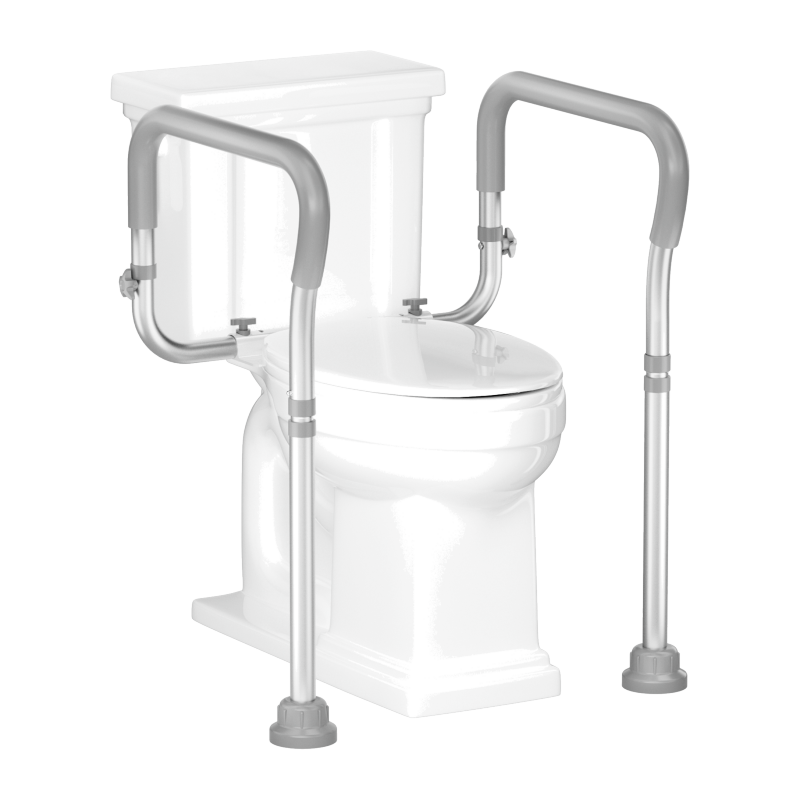
These versatile models can function as a standalone bedside commode, a raised toilet seat placed directly over the existing toilet, or a toilet safety frame. For families looking for one product that covers multiple scenarios, a 3-in-1 design offers real flexibility without requiring multiple purchases. This makes them especially popular among caregivers setting up a home for a parent who is coming home after a hospital stay.
How to Choose the Right Bedside Commode
Once you know which type fits the situation, there are several practical factors worth evaluating before buying. These aren't just specs — each one connects directly to safety, comfort, and how easily the person will actually use the commode day to day.
Height Adjustability
A commode that's too low makes sitting down and standing up harder and puts more strain on the knees and hips. Look for models with tool-free height adjustment across a wide range — ideally accommodating both shorter and taller users — so the seat sits at a height where the user's feet rest flat on the floor and their knees are at roughly a 90-degree angle when seated.
Weight Capacity
Always check the stated weight limit and give it a reasonable buffer. A commode rated for 300 lbs should feel completely secure for someone who weighs 250 lbs, not just barely sufficient. For heavier users, HOMLAND's bariatric-grade designs are built to support up to 500 lbs, so users can lean in and transfer with full confidence rather than worrying about the frame.
Armrest Design and Padding
Armrests are what most people use to push themselves to a standing position, so they need to be solid, at the right height, and comfortable enough to grip during multiple uses per day. Padded armrests are a meaningful upgrade for anyone with sensitive skin or arthritis in their hands. Drop-arm functionality is essential for wheelchair users or anyone transferring from the side.
Bucket and Hygiene Features
Look for a bucket with a secure-fitting lid that contains odors, and check that it's designed for easy one-handed removal and cleaning. A splash guard (for male users) and a contoured seat shape both improve hygiene and comfort. Some models include a splash guard that's removable, which adds versatility.
Assembly and Setup
Nobody should need a toolbox to set up a piece of safety equipment. Tool-free assembly is a non-negotiable for most home users, and it's especially important if the commode needs to be set up quickly — as is often the case when someone comes home from the hospital unexpectedly or sooner than planned. HOMLAND products are designed with exactly this scenario in mind: fast, intuitive setup that doesn't require mechanical skills or a second person.
FSA/HSA Eligibility and Warranty
A bedside commode is an FSA/HSA-eligible expense, which means you may be able to purchase one with pre-tax dollars — a meaningful saving. HOMLAND commodes are FSA/HSA eligible, backed by a 1-year manufacturer warranty plus a 1-year extended warranty, and ship from a US local warehouse for fast delivery. These aren't afterthoughts — they're part of what makes choosing the right product a low-risk decision for the whole family.
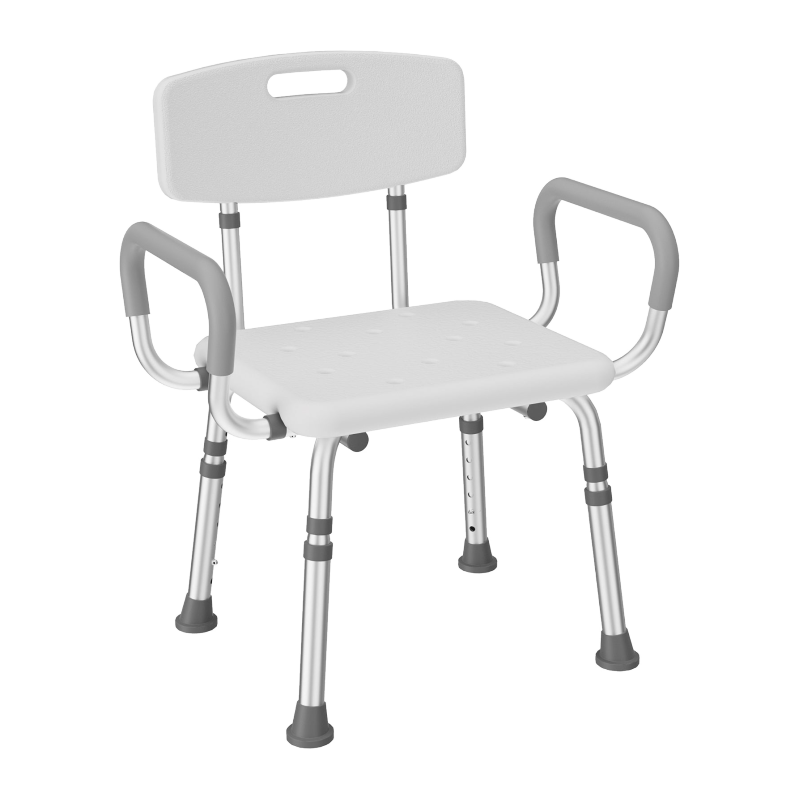
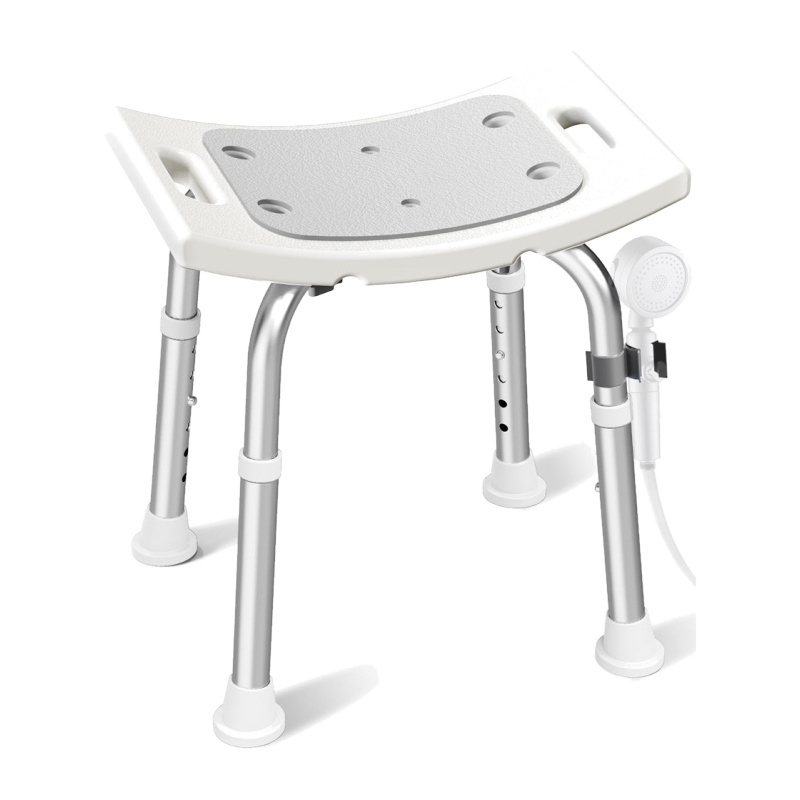
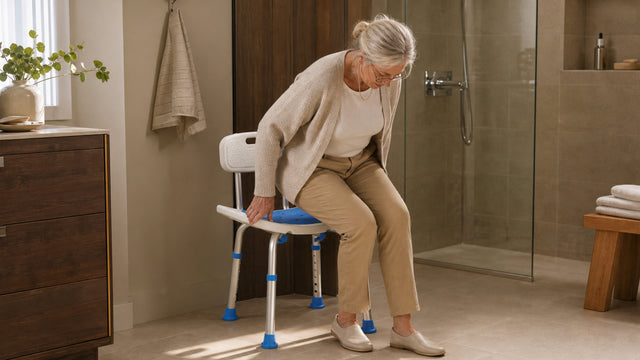
If you're also looking at related safety equipment for the bathroom or bedroom, HOMLAND's full range includes toilet safety rails, shower chairs, and bed rails — all designed to work together as part of a home safety setup rather than as isolated products.
Setup and Safety Tips for Daily Use
Even the best commode won't help if it's positioned incorrectly or used without a few basic precautions. Physical therapists typically offer these practical guidelines for safe, comfortable daily use:
- Position it on the dominant side: Place the commode on whichever side is easier for the user to transfer from — usually the stronger side, or the side that allows them to use the bed for additional support.
- Use non-slip flooring underneath: On hard floors, a small non-slip mat under the commode's legs prevents any movement during transfers. This is especially important for tile or hardwood floors.
- Keep a nightlight nearby: The whole point of a bedside commode is to reduce nighttime risk — make sure the area is visible enough that the user can locate and orient themselves to the commode without fumbling in the dark.
- Empty and clean the bucket daily: Consistent hygiene habits make the commode a sustainable long-term solution rather than a temporary one. Most buckets are designed for easy removal and cleaning with standard household cleaners.
- Check the height regularly: If the user's condition changes — during recovery, or as mobility improves — readjust the seat height to match their current needs. A well-fitted commode is a much safer commode.
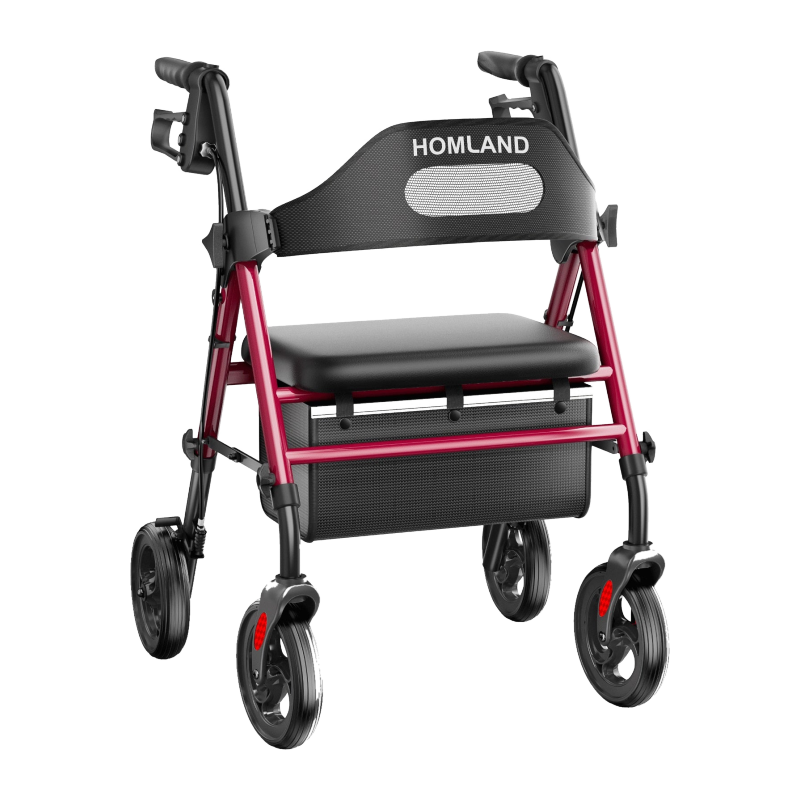
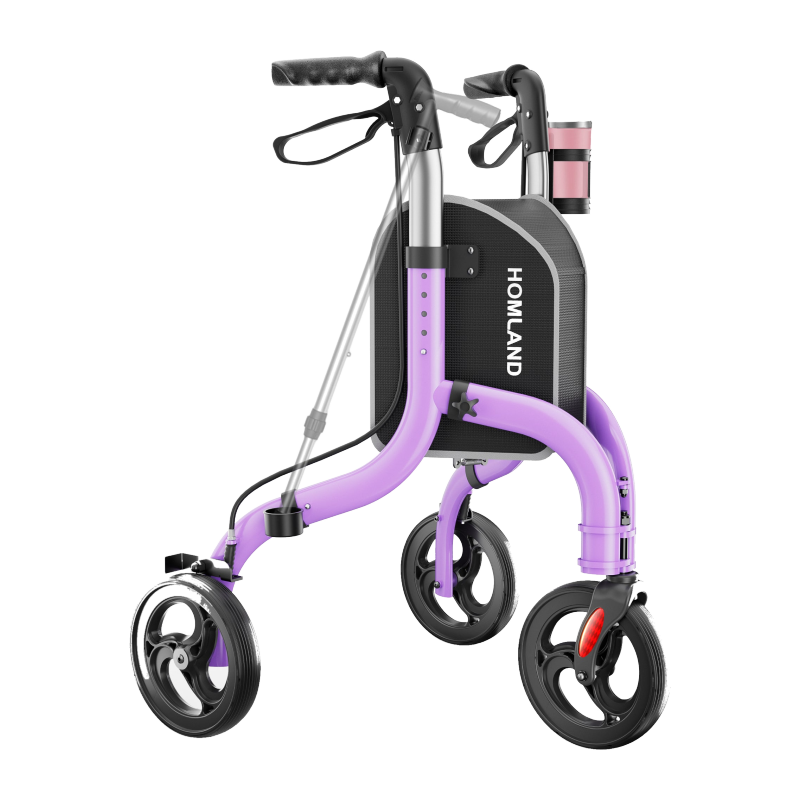
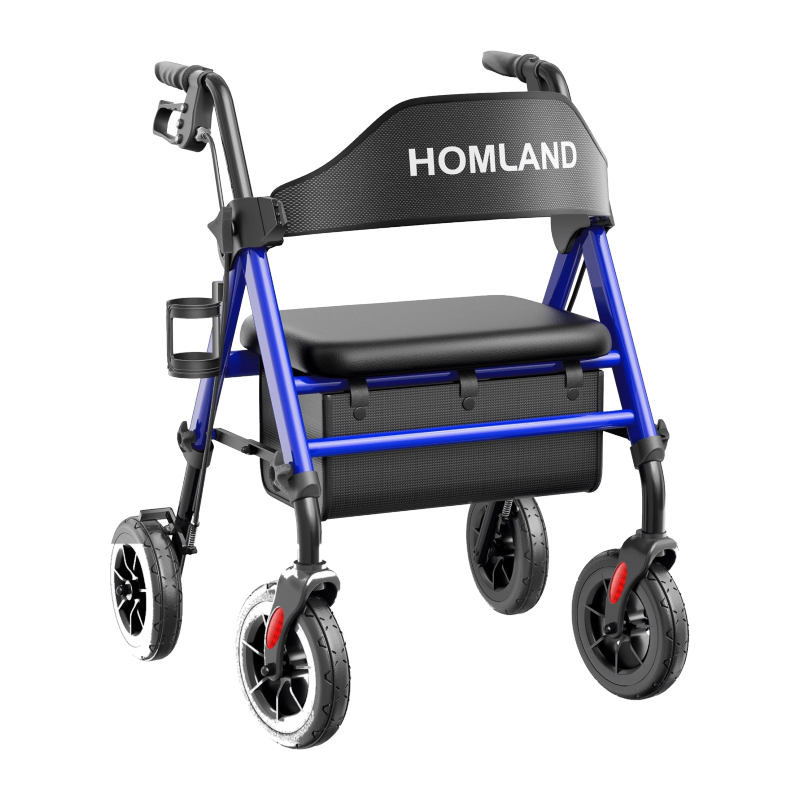
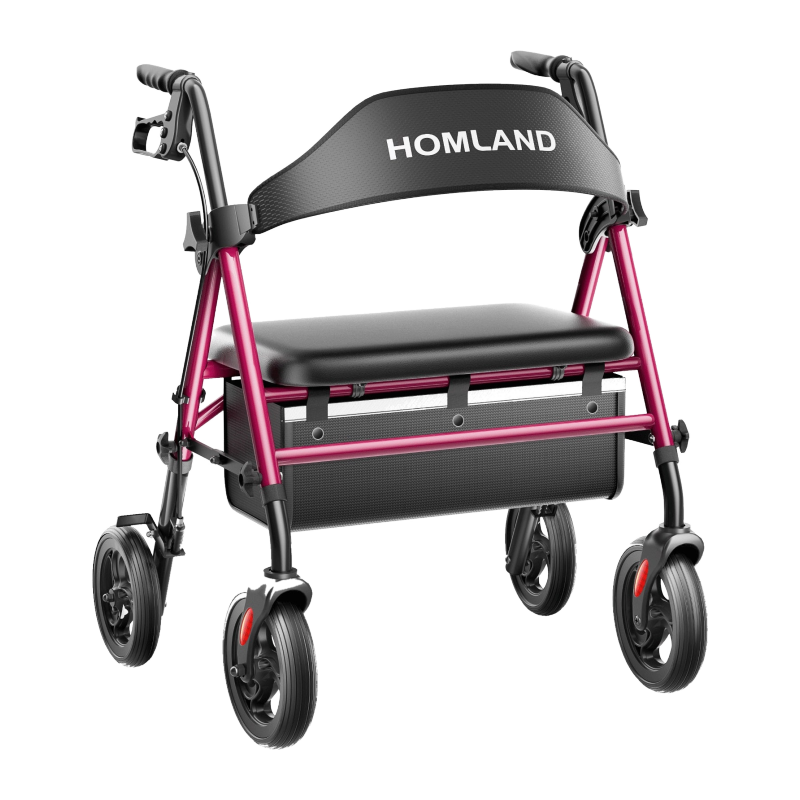
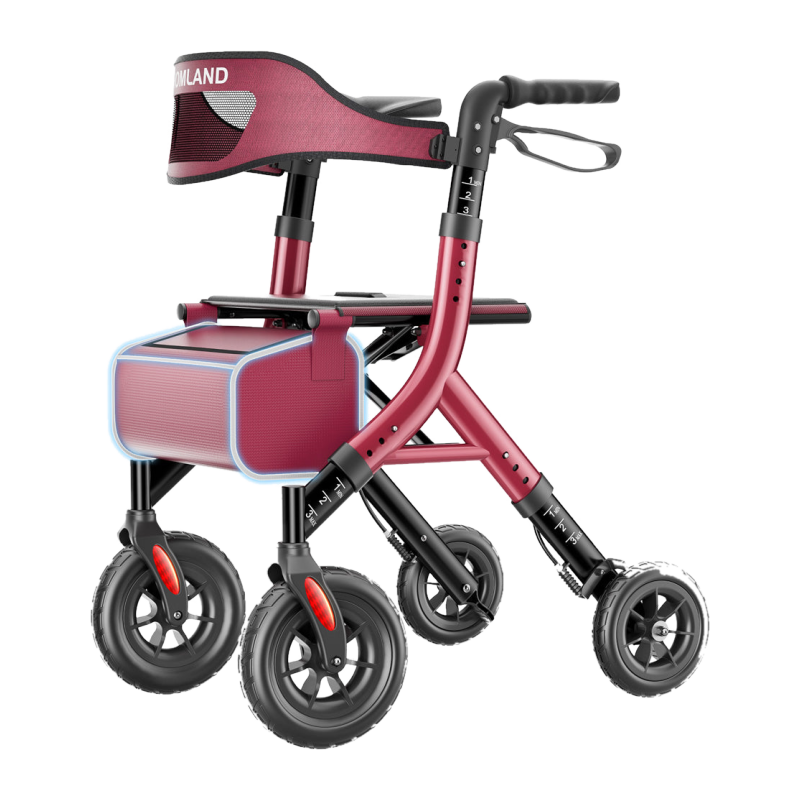
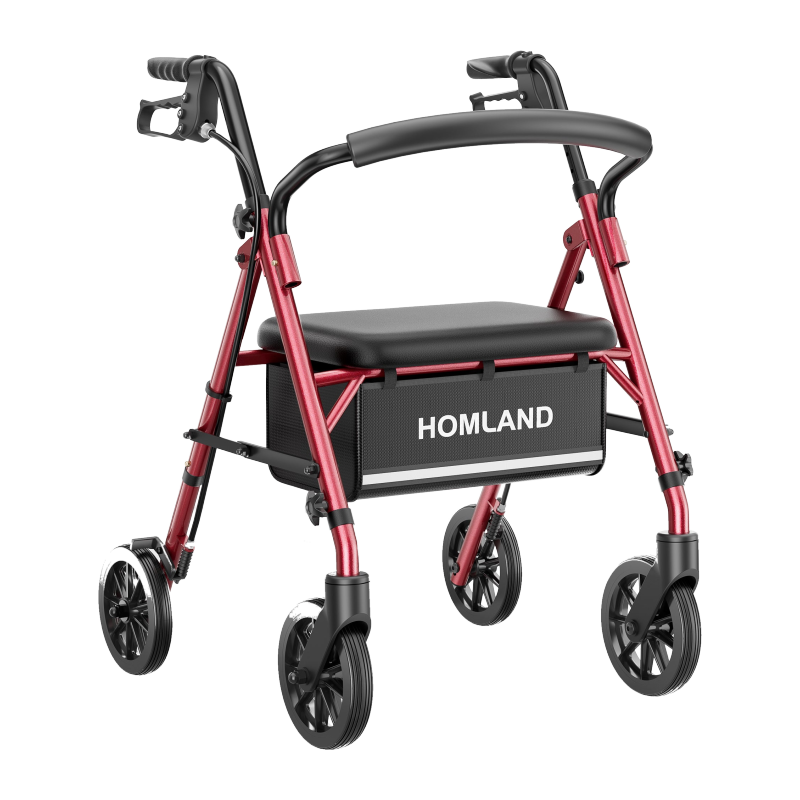
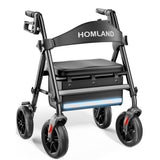
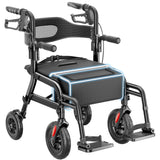
If you're setting up a broader home safety environment — for example, preparing for a parent's return from a hospital stay — it's worth looking at the full HOMLAND product range, which includes rolling walkers and standard walkers that complement a commode as part of a complete independence setup at home.
Frequently Asked Questions
Is a bedside commode the same as a portable toilet?
They're similar in concept but different in design. A bedside commode is specifically built for home use, with a stable frame, height-adjustable legs, and armrests to assist with sitting and standing. Portable camping toilets are built for outdoor or travel use and typically lack the support features needed for elderly users or people with mobility limitations.
Can a bedside commode be used over a regular toilet?
Yes — many 3-in-1 models are designed to sit directly over an existing toilet, functioning as a raised toilet seat with armrests. This makes them especially useful in smaller bathrooms where a separate commode isn't practical, or for users who primarily need the extra height rather than a fully independent unit.
How do I know if my loved one needs a bedside commode or a raised toilet seat?
The key question is distance. If the primary challenge is getting on and off the toilet safely — not the walk to the bathroom — a toilet safety rail or raised seat may be enough. If nighttime trips, post-surgery recovery, or urgency are the main concerns, a bedside commode placed beside the bed is the more appropriate solution. When in doubt, a physical therapist can assess the specific situation and make a personalized recommendation.
Are bedside commodes covered by insurance or FSA/HSA?
Bedside commodes are generally FSA/HSA-eligible as a qualified medical expense. Medicare coverage depends on whether a physician certifies medical necessity. HOMLAND commodes are FSA/HSA eligible, so purchasing with a flexible spending or health savings account is straightforward — check with your plan administrator to confirm your specific coverage.
Final Thoughts: Independence at Home, Night and Day
A bedside commode isn't a sign that someone is losing independence — it's one of the tools that helps them keep it. For a senior managing recovery, navigating balance challenges, or simply trying to get through the night without a risky hallway walk, the right commode provides safety and dignity in one uncomplicated piece of equipment. It keeps the bathroom where it needs to be: within reach, without drama, without hospital trappings.
When choosing, focus on the features that matter most in daily life: the right height, solid armrests, a weight capacity that offers a genuine safety margin, and a design that's easy to clean and simple to set up. Those details are what separate a commode that gets used confidently every day from one that ends up stored in a closet after a week. HOMLAND's bedside commodes are authorized by licensed Doctors of Physical Therapy, FSA/HSA eligible, and backed by a 2-year warranty total — so the decision comes with both professional reassurance and real peace of mind for the whole family.
Ready to Find the Right Commode?
Whether you're setting up a full home safety environment or just need one reliable piece of equipment for overnight use, HOMLAND's team is here to help you find the right fit. Browse the full range of home-care mobility products — or reach out directly with questions. Every product ships fast from our US warehouse, and every purchase is backed by our warranty and FSA/HSA eligibility.
Contact Us — We're Happy to Help