















Picture this: it has been six days since you slept through the night. Your own doctor's appointment has been rescheduled twice. You love the person you are caring for deeply — but somewhere between the medication reminders, the bathroom trips at 2 a.m., and the gentle repetition that comes with memory loss, you have quietly stopped taking care of yourself.
If that sounds familiar, you are far from alone. 63 million Americans are currently providing unpaid care to a family member or friend, and research consistently shows that caregivers who do not take regular breaks are at serious risk for burnout, depression, and declining health of their own. The good news: respite care exists precisely for moments like this — and it comes in more forms, at more price points, and through more funding sources than most families realize.
This guide walks you through everything you need to know about respite care: what it is, what it costs, how to pay for it (including free programs many families miss), and practical steps to plan ahead. We also cover how the right home safety equipment can lighten your everyday caregiving load so that the time between breaks is more sustainable for everyone.
What Is Respite Care?
Respite care is temporary, short-term care provided for a loved one so that the primary caregiver can rest, recharge, handle personal needs, or simply step away. The relief can last a few hours, a full day, several days, or even a few weeks — whatever the caregiver needs. It can take place in the home, at a community center, or in a residential facility. What matters most is not the setting, but the outcome: a caregiver who returns to their role rested, present, and emotionally available.
Physical therapists and elder care professionals consistently emphasize that respite is not a luxury — it is part of sustainable caregiving. When caregivers are depleted, the quality of care they provide suffers alongside their own wellbeing. Respite care benefits both people in the relationship. The senior gets a change of scenery, new social interaction, and a refreshed caregiver. The caregiver gets time to breathe and remember who they are outside of that role.
Signs You Need a Break
Many caregivers push through warning signs for months before reaching a breaking point. Recognizing these signals early makes it easier to seek support before things become critical. According to surveys from AARP and the National Alliance for Caregiving, more than three-quarters of caregivers experience burnout, with many saying it happens weekly or daily. Here are the common signs to watch for:
- Persistent exhaustion that does not improve with sleep
- Feeling irritable, resentful, or emotionally detached from your loved one
- Neglecting your own health, such as skipping doctor appointments or medications
- Withdrawing from friends, hobbies, or activities you once enjoyed
- Difficulty concentrating or making decisions
- A creeping sense that caregiving has become your entire identity
- Feeling like there is no one else who can or will help
If several of these resonate, it is not a sign of failure — it is a signal that your system needs support. Nearly half of family caregivers receive no outside help at all, even when they need it. Asking for respite is one of the most proactive things you can do for the person in your care.
Types of Respite Care
There is no single respite care model. The right fit depends on your loved one's needs, your schedule, and your budget. Here is a breakdown of the main options:
In-Home Respite Care
A trained professional comes to your home and takes over caregiving duties for a set number of hours or days. Services can range from companionship and light housekeeping to personal care assistance with bathing, dressing, and medication reminders. This is often the most comfortable option for loved ones who prefer their own environment and routines. Home-based care is flexible — you can arrange it for a weekday afternoon, overnight, or across a long weekend while you travel.
Adult Day Programs
Adult day programs offer structured activities, social connection, meals, and supervision during daytime hours at a community facility. They are an excellent solution for working caregivers who need coverage during regular business hours. Most programs offer transportation, and many include health monitoring, physical activity, and cognitively stimulating programming. Because they are typically limited to daytime hours on weekdays, they work best as a regular, recurring arrangement rather than an emergency solution.
Short-Term Residential Respite
Some assisted living communities and skilled nursing facilities offer short-term respite stays, often ranging from one night to several weeks. Your loved one receives the same care and social programming as full-time residents, while you get an extended break — ideal for a family vacation, a medical procedure of your own, or simply a period of complete recovery. These stays do require some lead time for paperwork and intake requirements, so planning ahead matters.
Volunteer and Community-Based Respite
Faith communities, nonprofit organizations, and volunteer programs sometimes provide no-cost or low-cost companion care and respite assistance. Programs like Senior Companions — part of AmeriCorps Seniors — connect trained volunteers aged 55 and older with seniors in their homes to provide companionship and light caregiving support. These programs may have wait lists, but they are worth exploring as part of a layered support plan.
How Much Does Respite Care Cost?
Costs vary considerably depending on the type of care, your location, the level of medical need, and the duration. That said, here are the approximate national averages based on the most current Genworth Cost of Care data:
| Care Setting | Approximate Daily Cost |
|---|---|
| Adult Day Care | ~$95–$115/day |
| In-Home Care (home health aide) | ~$33–$35/hour |
| Assisted Living Short Stay | ~$173–$194/day |
| Skilled Nursing Facility | ~$294–$330/day |
For caregivers who need help just a few hours per week, in-home care can be surprisingly manageable — for instance, three hours of home health aide coverage per day, one day per week, runs roughly $5,000–$5,500 annually at national average rates. Adult day programs, at around $100 per day, remain the most affordable structured option for regular, recurring coverage. The key is matching the solution to your actual schedule and budget, rather than assuming all respite care is out of reach.
How to Pay for Respite Care
Most families cover some or all of their respite care through personal funds — but several programs can offset or eliminate the cost, and many caregivers are not aware of all their options.
Medicare
Original Medicare's coverage for respite is limited but meaningful in the right circumstances. It covers up to five consecutive days of inpatient respite care in a Medicare-certified facility for individuals already enrolled in hospice care. Medicare covers approximately 95% of the cost for these stays, with the remaining 5% as the beneficiary's responsibility — typically capped at the inpatient hospital deductible. It is important to know that Medicare generally does not cover respite care provided at home or in community settings outside of hospice.
Separately, some Medicare Advantage plans now include supplemental benefits such as adult day services and in-home respite care. Check with your plan's member services representative to understand what is available, as coverage varies significantly between plans. Additionally, Medicare launched the GUIDE (Guiding an Improved Dementia Experience) program in 2024, which provides a $2,500 annual respite benefit for people diagnosed with dementia — a valuable and underutilized resource.
Medicaid
Medicaid offers broader respite coverage than Medicare for those who qualify. Most states provide respite care benefits through Home and Community-Based Services (HCBS) waiver programs, which can cover in-home care, adult day services, and short institutional stays. Eligibility and benefit amounts vary by state. Contact your state's Medicaid office or your local Area Agency on Aging (AAA) to find out what waivers are available in your area.
Veterans Benefits
Eligible veterans and their caregivers have access to VA-funded respite care, which can include both in-home visits and nursing facility stays — ordinarily up to 30 days per year. The VA's Program of Comprehensive Assistance for Family Caregivers (PCAFC) offers monthly stipends, mental health services, and respite care for caregivers of eligible post-9/11 veterans. Veterans with a dementia diagnosis may also benefit through GUIDE. These benefits are well worth exploring through your VA social worker or the VA Caregiver Support Line.
Long-Term Care Insurance
If your loved one purchased a long-term care insurance policy before they needed ongoing care, it may cover adult day services, in-home care, or short-term residential respite. Review the policy terms carefully, as benefit triggers (such as the number of activities of daily living a person cannot perform independently) determine when coverage kicks in. An elder law attorney or insurance specialist can help you interpret the policy language.
Free and Low-Cost Respite Resources
Beyond insurance programs, a network of public and nonprofit resources can make respite care far more affordable — or even free. These programs are significantly underused, largely because families do not know they exist.
- National Family Caregiver Support Program (NFCSP): Administered through your local Area Agency on Aging, this federally funded program can provide respite assistance if you are caring for someone over the age of 60, or a person of any age with Alzheimer's or another form of dementia. Contact the Eldercare Locator at 1-800-677-1116 to be connected with your local AAA.
- State Lifespan Respite Care Programs: Many states run voucher programs that reimburse eligible family caregivers for respite care expenses. Reimbursement amounts vary by state but can provide meaningful financial relief for caregivers who do not qualify for Medicaid or other publicly funded programs. The ARCH National Respite Network maintains a directory of state programs at archrespite.org.
- National Respite Locator: A free online tool from the ARCH National Respite Network that helps families find respite services by state, county, and care type.
- Alzheimer's Association Community Resource Finder: A free tool specifically designed to help families caring for someone with dementia find local respite and support programs.
- AmeriCorps Senior Companion Program: Trained volunteers aged 55 and older provide in-home companion visits and light caregiving assistance at no cost, helping seniors remain independent and giving caregivers short-term relief.
- Faith-Based and Nonprofit Organizations: Many local churches, synagogues, mosques, and community nonprofits organize volunteer respite programs. These are worth a direct conversation with a local leader or social worker.
How to Plan for Respite Care Before You Need It
One of the most common mistakes families make is waiting until a crisis point to look for respite options. Planning ahead — even casually — means you are not scrambling when exhaustion hits its peak or an emergency arises. Elder care experts consistently recommend having a short list of trusted providers ready before they are urgently needed.
Here are a few practical steps to get started:
- Identify your ideal break scenario. Is it a few hours each week to run errands and decompress? A long weekend every couple of months? An annual trip? Knowing what you actually need helps you match the right type of respite to your situation.
- Research and interview providers early. Whether you are considering in-home care agencies or adult day programs, visiting and speaking with staff before you need the service allows you to make a thoughtful choice — not a rushed one.
- Contact your local Area Agency on Aging. AAAs are a one-stop gateway to local services, funding, and guidance. Many offer free consultations and can walk you through options in your area.
- Talk openly with your loved one. Some seniors feel anxious about the idea of a different caregiver or a new setting. A candid, compassionate conversation about the benefits — for both of you — can ease resistance. Frame it as an opportunity for them, not just a break for you.
- Review insurance and benefit eligibility now. Check Medicare Advantage plan benefits, any long-term care policy in place, and VA benefits if applicable. Understanding what is already covered prevents surprises.
- Build a backup network. Respite care is most reliable when you have more than one trusted option. Identify two or three providers or programs so that if your first choice is unavailable on a given day, you are not left without support.
Reduce Your Daily Caregiver Load at Home
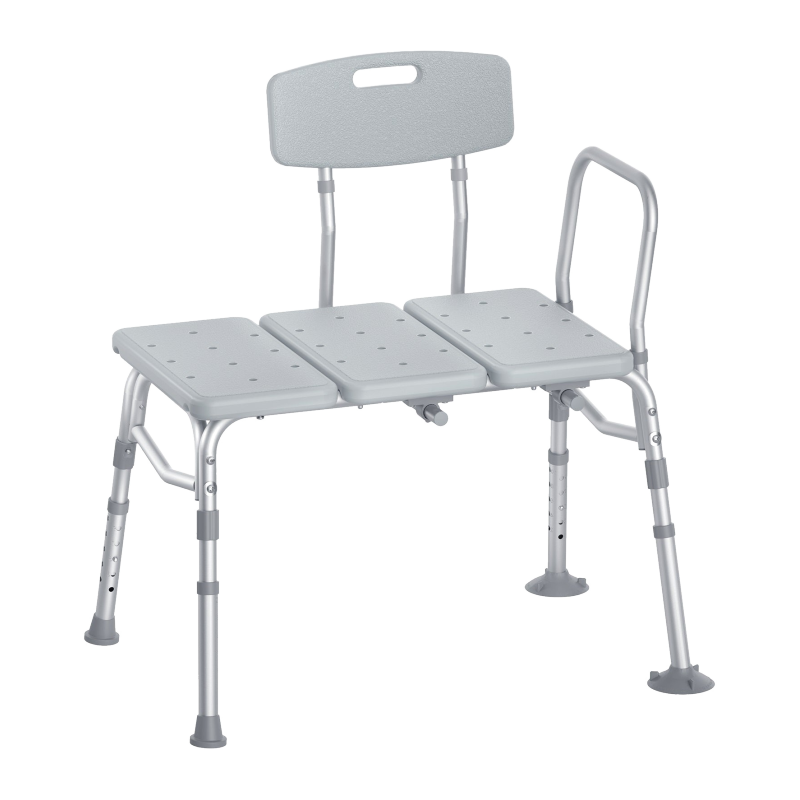
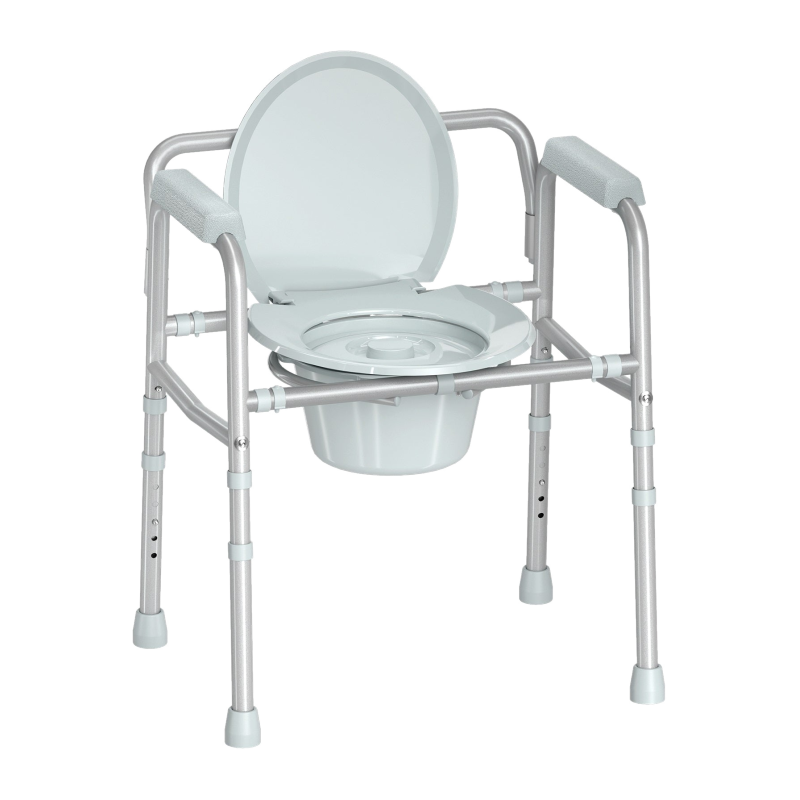
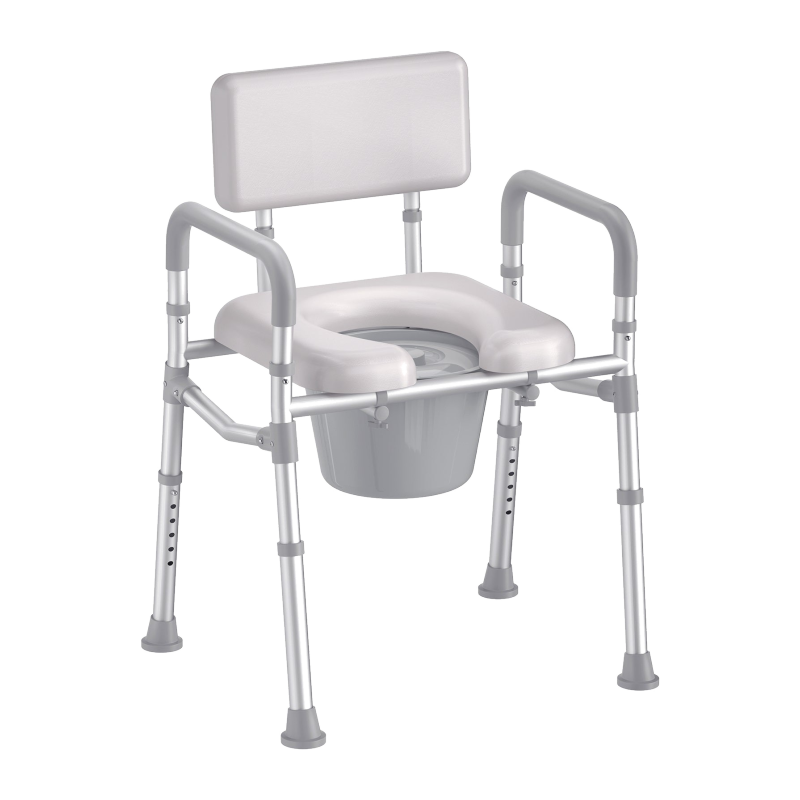
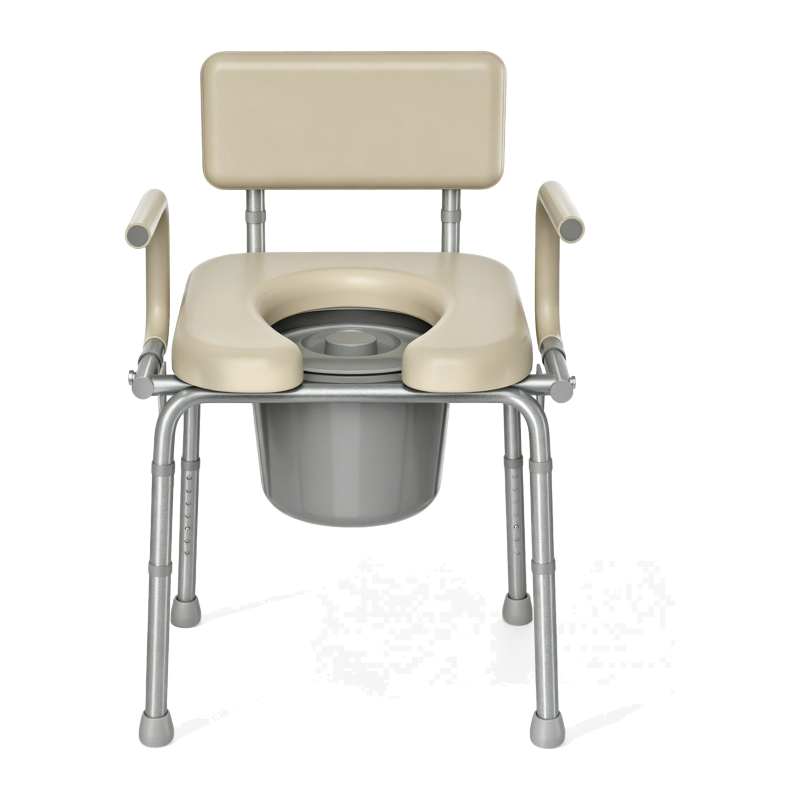
Respite care addresses the need for a complete break — but what about the other 23 hours of the day? One of the most effective ways to prevent caregiver burnout is to reduce the frequency and intensity of hands-on assistance required for everyday tasks. Physical therapists often recommend home safety and mobility equipment as a first step, because the right tools can restore a loved one's ability to move, bathe, and transfer with far less — or no — caregiver assistance.
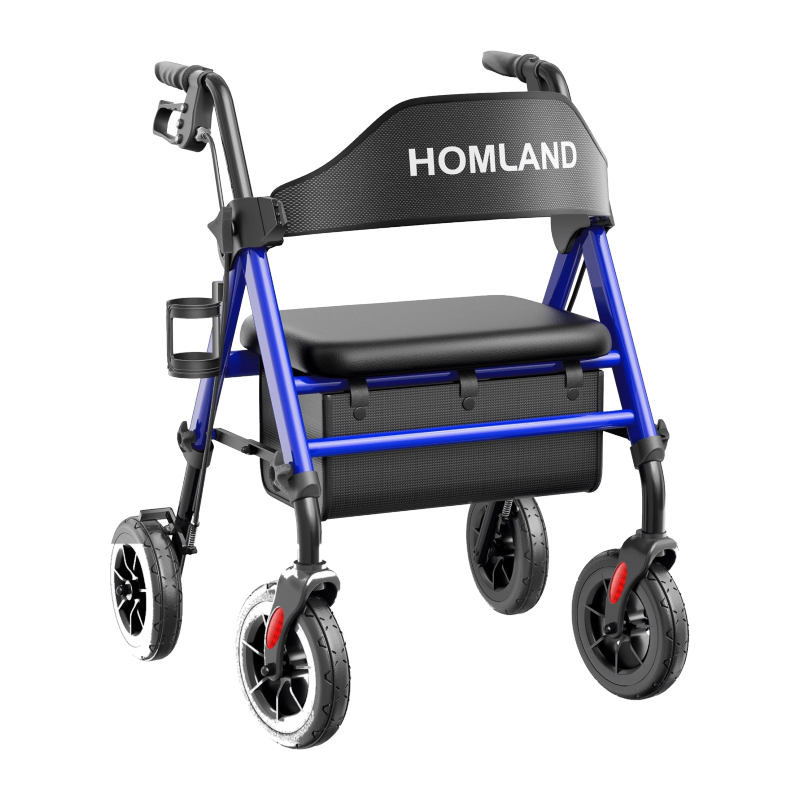
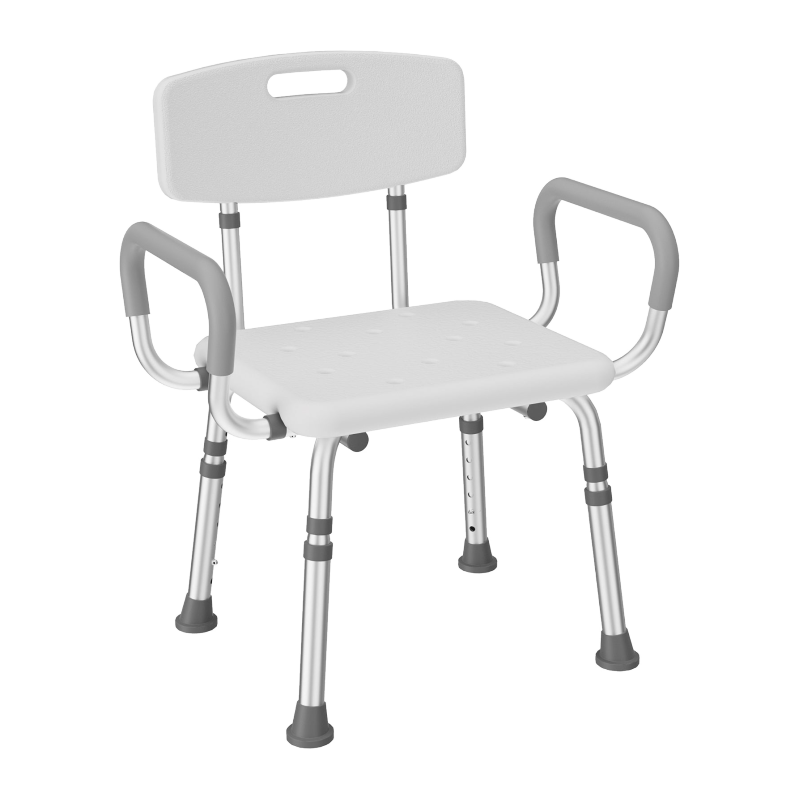
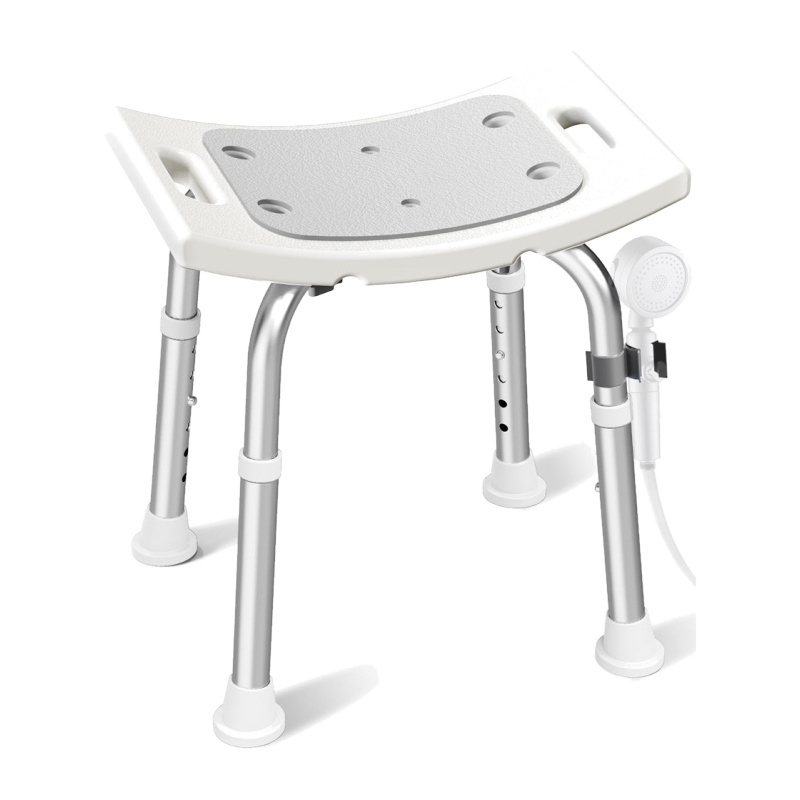
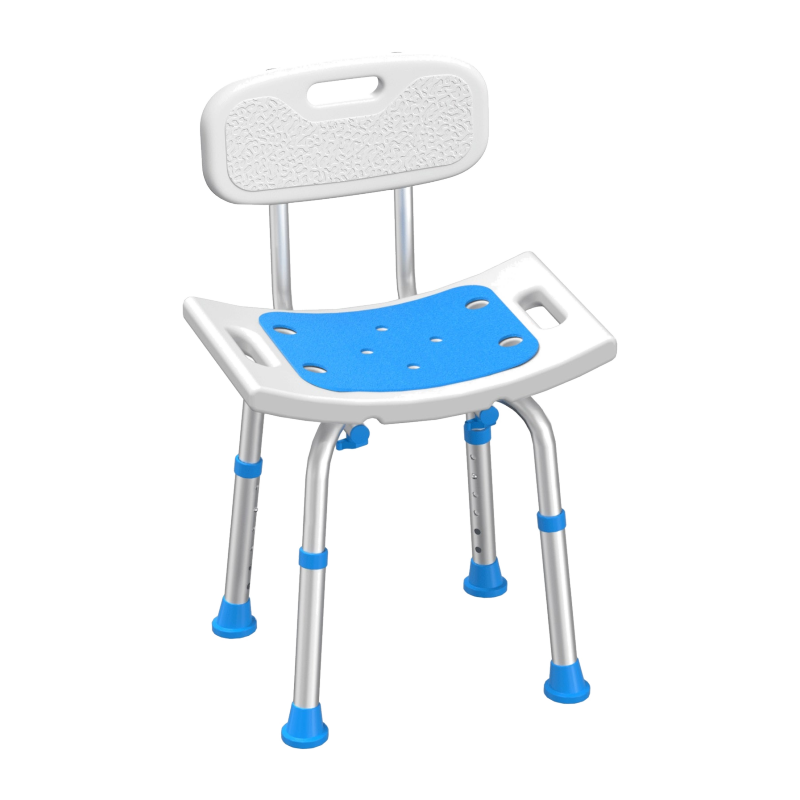
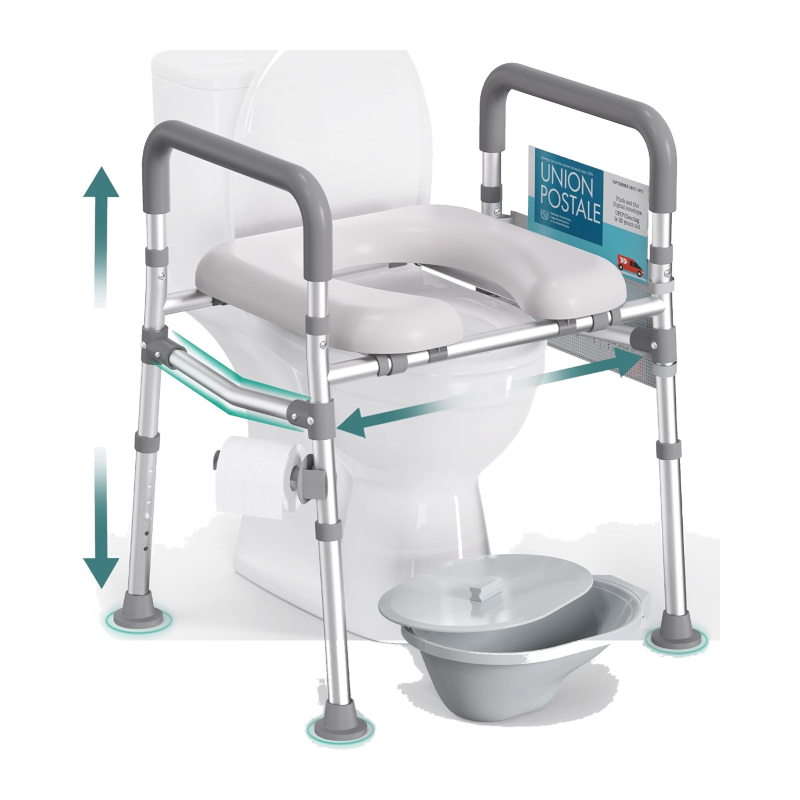
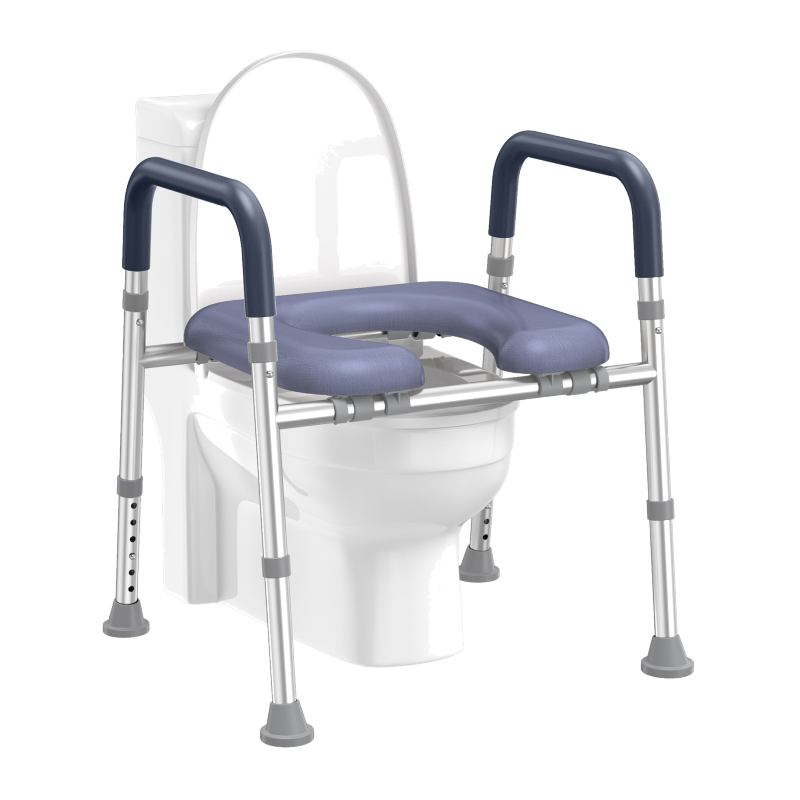
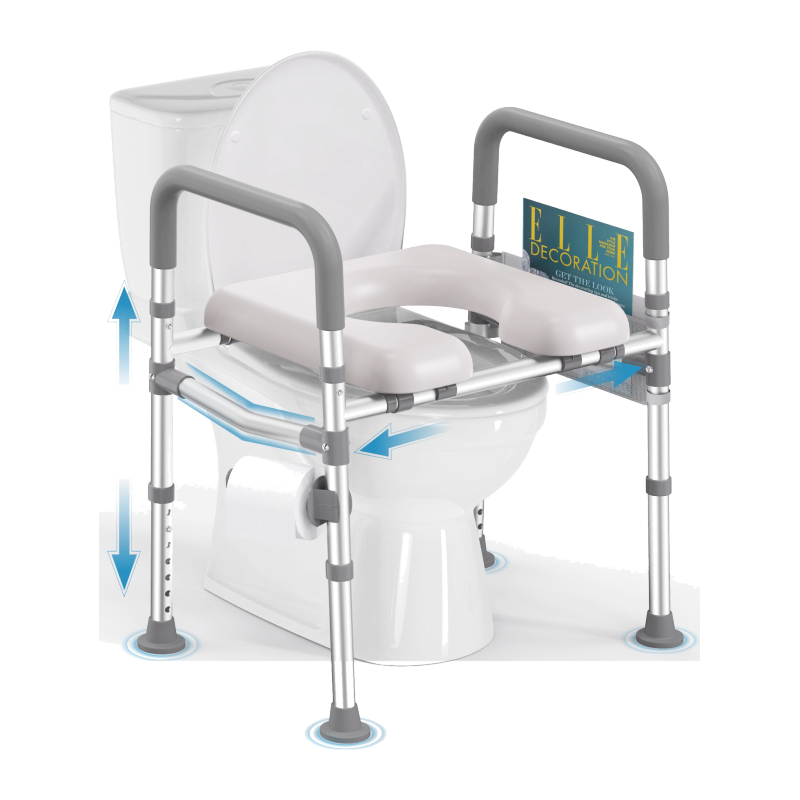
Think about a typical morning routine. If your loved one can shower safely on their own using a shower chair built with non-slip feet and a secure backrest, that is 20 minutes returned to both of you. If they can sit and stand at the toilet confidently with a toilet safety rail, nighttime bathroom trips no longer require your help. If they can navigate the hallway and yard with a rolling walker that keeps them stable on uneven ground, they regain independence outdoors without you needing to hold their arm every step.
HOMLAND's full lineup of home mobility and bathroom safety products is designed specifically around this philosophy — what the brand calls "Home, not hospital." All products are authorized by licensed Doctors of Physical Therapy, FSA/HSA eligible, and backed by a 1-year manufacturer warranty plus a 1-year extended warranty, with fast delivery from a US local warehouse. Whether it is a bed rail that helps your loved one sit up and transfer safely in the night, or a standard walker for post-surgery recovery, these tools are built to support independence at home — which means less reliance on you every single day.
For caregivers recovering from a knee or foot injury of their own, or caring for someone post-surgery, a knee scooter can be life-changing for mobility without bearing full weight. Browse the full collection at HOMLAND's product lineup to see what is right for your home situation.
Frequently Asked Questions
What is the difference between respite care and hospice care?
They are not the same, though they are sometimes used together. Hospice care is an end-of-life care approach focused on comfort for someone with a terminal illness. Respite care is simply a temporary break for a caregiver — it can be used at any stage of a loved one's care journey, not just at end of life. People in hospice may use respite care, but respite is available to all caregivers regardless of their loved one's prognosis.
Will my loved one be safe with a respite caregiver they don't know?
It is completely normal to feel hesitant about handing off care to someone new. When using a licensed home care agency or a reputable adult day program, staff are trained, background-checked, and experienced. Introducing a new caregiver gradually — starting with shorter visits before a longer break — can help your loved one feel comfortable and help you build confidence in the arrangement.
How often should caregivers take respite breaks?
Research from the National Family Caregiver Support Program found that caregivers who received four or more hours of respite per week experienced a measurable decrease in self-reported burden over time, while those without respite experienced increasing strain. There is no universal number — what matters is regularity. Even a few hours of consistent, weekly relief can make a meaningful difference in long-term caregiver health.
Is it selfish to take a break from caregiving?
Not at all. Feeling guilty about seeking respite is one of the most common barriers caregivers face — and one of the most important to work through. A caregiver who is exhausted, resentful, or unwell cannot provide the quality of care their loved one deserves. Taking time to rest is an act of responsibility, not abandonment. Your loved one benefits directly when you return recharged.
You Cannot Pour From an Empty Cup
Caregiving is one of the most meaningful things a person can do — and one of the most demanding. Respite care is not an indulgence; it is a practical necessity that protects your health, sustains the quality of care you give, and keeps your loved one at home where they most want to be. Whether that means a few hours with a home care aide each week, a regular adult day program, or a planned short-term stay while you take a real vacation, the right support is out there — often at lower cost than families expect, and sometimes for free.
Start small if the idea feels overwhelming. One call to your local Area Agency on Aging, one look at your Medicare Advantage benefits, or one conversation with your loved one about trying an adult day program is all it takes to begin. Pair that step with the right home safety tools to lighten everyday caregiving, and you create a home environment that works for both of you — now and in the months ahead.
Questions About Home Safety Equipment?
HOMLAND's team is here to help you find the right tools to keep your loved one safe and independent at home — so every day between breaks is a little easier. All products are FSA/HSA eligible, DPT-authorized, and backed by a 2-year warranty.
Contact Us