
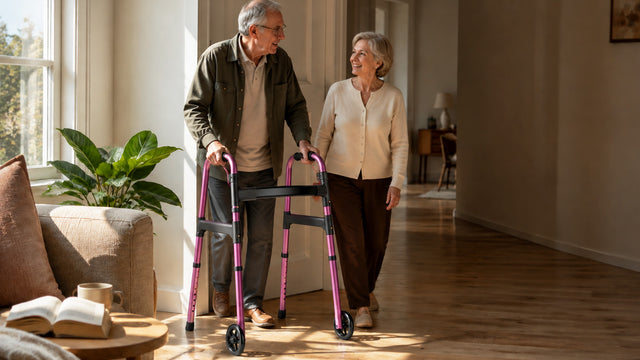

Caring for an aging parent or loved one at home is one of the most meaningful things a family can do — and one of the most demanding. You want them to feel safe, comfortable, and still very much in charge of their own life. That balance between protection and independence is at the heart of good elderly care at home, and getting it right takes more than good intentions. It takes a practical plan.
This guide was written for family caregivers who are figuring things out in real time: the adult child who just moved Mom back home after a hospital stay, the spouse helping a partner recover from surgery, the sibling tag-teaming weekend visits. You'll find honest, straightforward advice on home safety, daily routines, mobility support, and the right equipment to make everyday moments easier — without turning your home into a clinical setting. Because home should feel like home, not a hospital.
Throughout this guide, we'll reference products and strategies that physical therapists commonly recommend, and we'll point you toward tools that are FSA/HSA eligible, backed by a manufacturer warranty, and available through a US local warehouse so they arrive when you actually need them.
Why Home Is the Best Place to Age
Research consistently shows that most older adults strongly prefer to age in their own homes, surrounded by familiar spaces, routines, and people they love. According to AARP, nearly 90% of adults over 65 want to stay in their homes as they age. That preference isn't just emotional — it has real health implications. Familiar environments support cognitive function, preserve social connections, and reduce the disorientation that can accompany institutional care. When someone feels at home, they tend to move more, engage more, and maintain a stronger sense of self.
The challenge for families is making the home environment match the person's changing physical needs — without stripping away everything that makes the space feel personal. A grab bar in the shower doesn't have to look institutional. A walker doesn't signal defeat. The right approach reframes these tools as what they truly are: enablers of continued independence. Your loved one isn't losing the ability to do things — they're gaining the support to keep doing them safely.
Assessing Your Loved One's Needs Honestly
Before purchasing a single piece of equipment or rearranging a single piece of furniture, take time to do a calm, realistic assessment of where things stand. Walk through the home together and notice where hesitation or difficulty shows up: Is there a pause at the top of the stairs? A grip on the sink when getting off the toilet? A reluctance to shower without someone nearby? These moments tell you more than any checklist.
It helps to think in terms of four key activity areas: bathing and hygiene, moving through the home, getting in and out of bed, and managing daily tasks like cooking and dressing. Note which activities are independent, which need verbal guidance, and which require physical assistance. If possible, ask a physical therapist to do a home visit — many will assess the space and make specific equipment recommendations. This kind of professional insight is valuable and can actually save money by preventing you from buying things you won't use.
Also have an honest conversation about what your loved one finds most important to do independently. For some people, it's bathing privately. For others, it's walking to the kitchen to make their own coffee. Prioritizing their goals — not just the safety concerns you've identified — builds trust and cooperation. Care works better when it's collaborative.
Making the Bathroom Safer Every Day
The bathroom is statistically the most dangerous room in the home for older adults. Wet surfaces, awkward postures, and the physical effort of lowering and raising the body create real fall risks. But the good news is that a handful of targeted changes can dramatically reduce that risk without turning the bathroom into something out of a medical supply catalog.
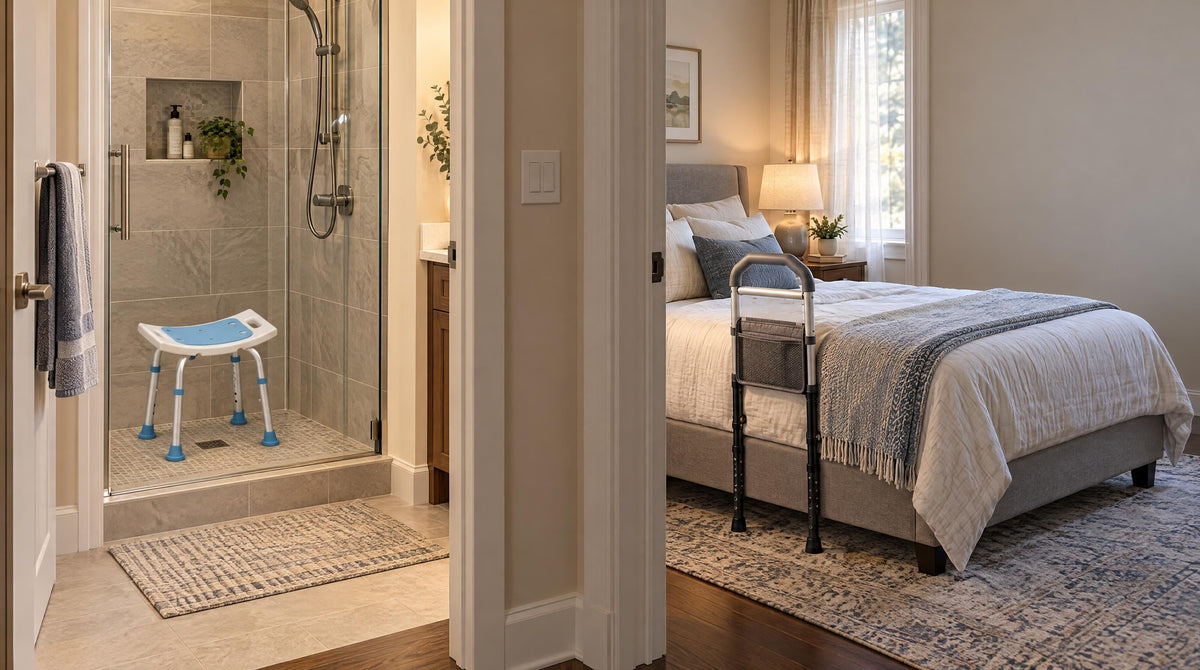
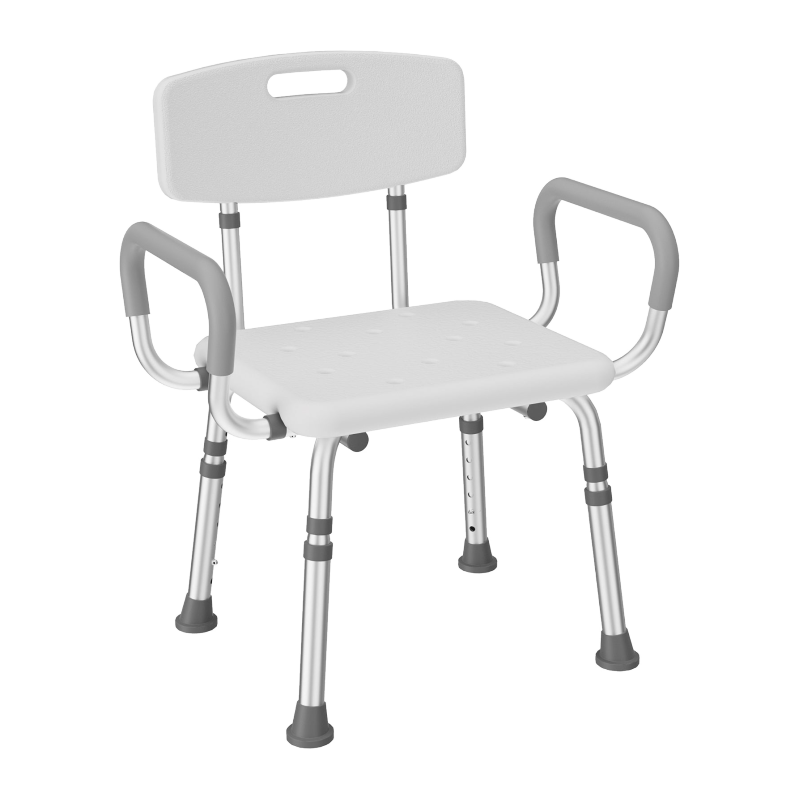
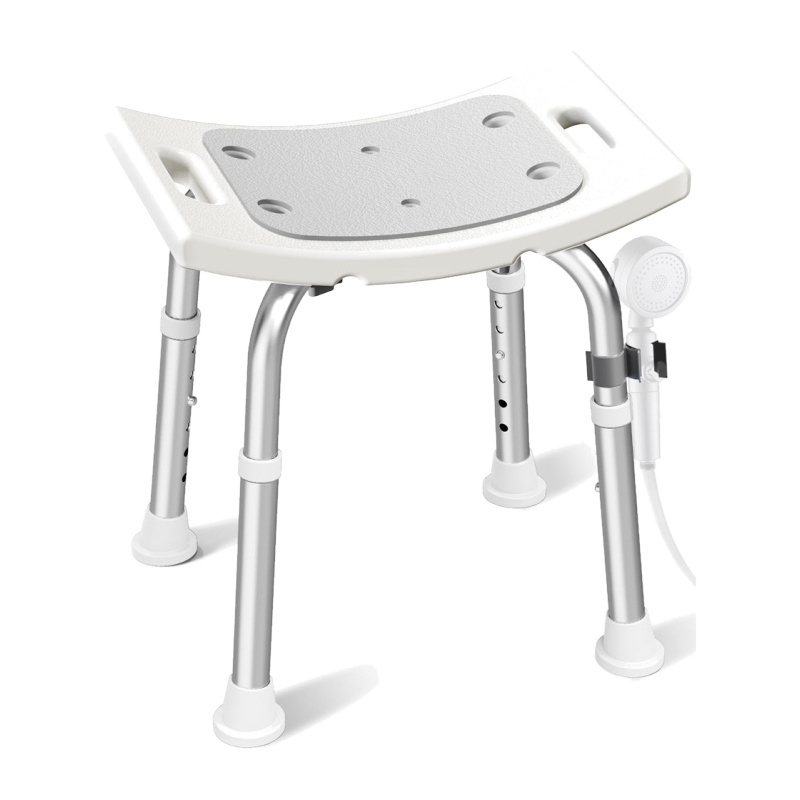
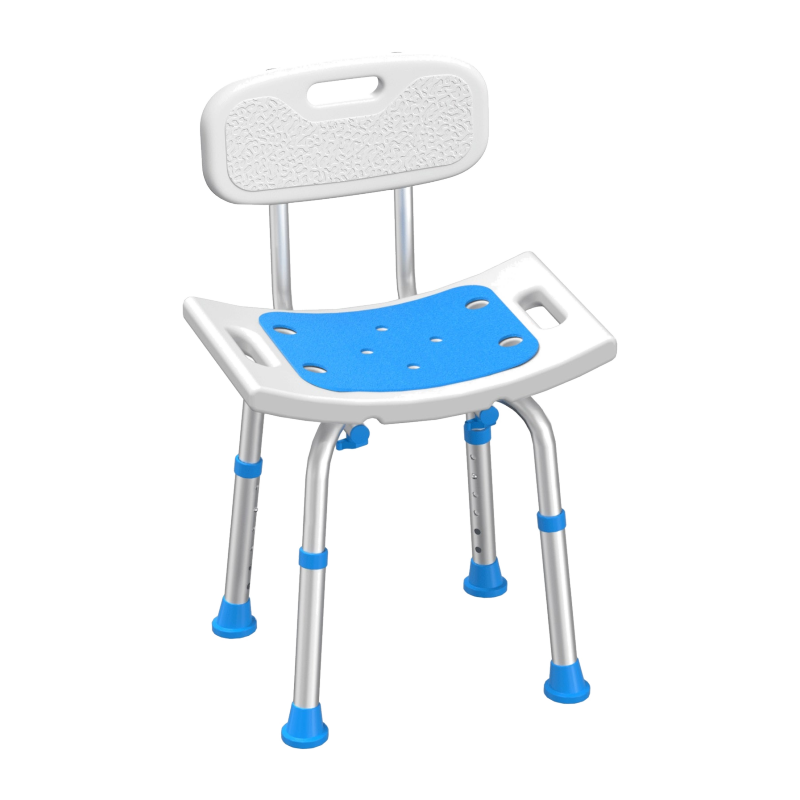
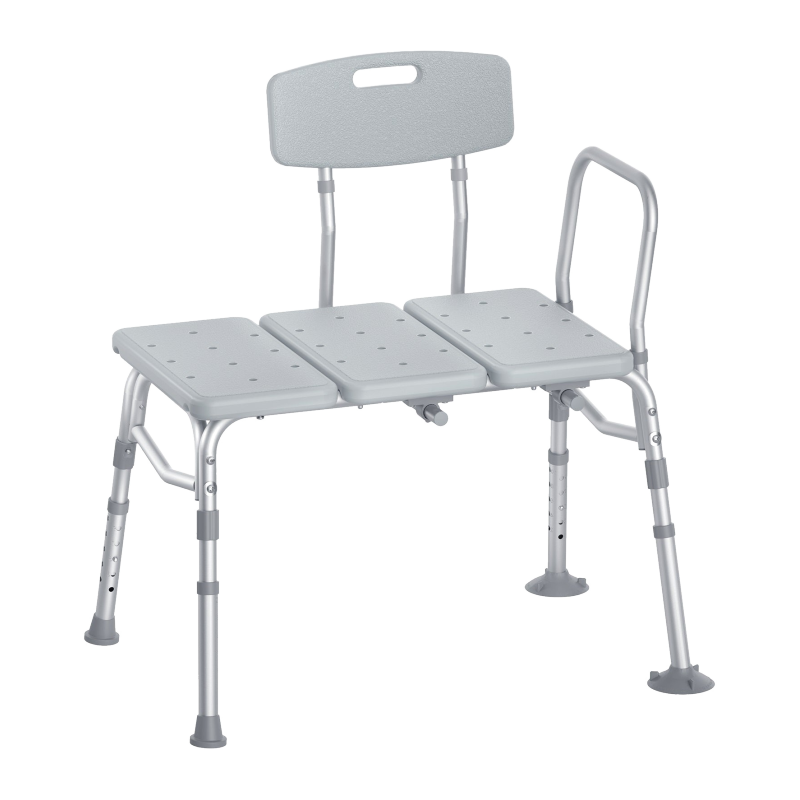
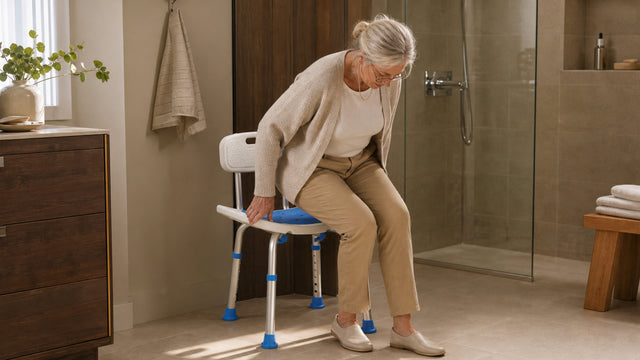
A shower chair or tub transfer bench is often the first recommendation from physical therapists for anyone with balance concerns, post-surgical limitations, or generalized weakness. Sitting while bathing removes the challenge of standing on a wet surface for an extended period, and it restores privacy — your loved one can bathe without needing someone present. HOMLAND's shower chair collection includes options designed for comfortable, confident bathing at home, with adjustable heights and non-slip feet built to support real daily use.
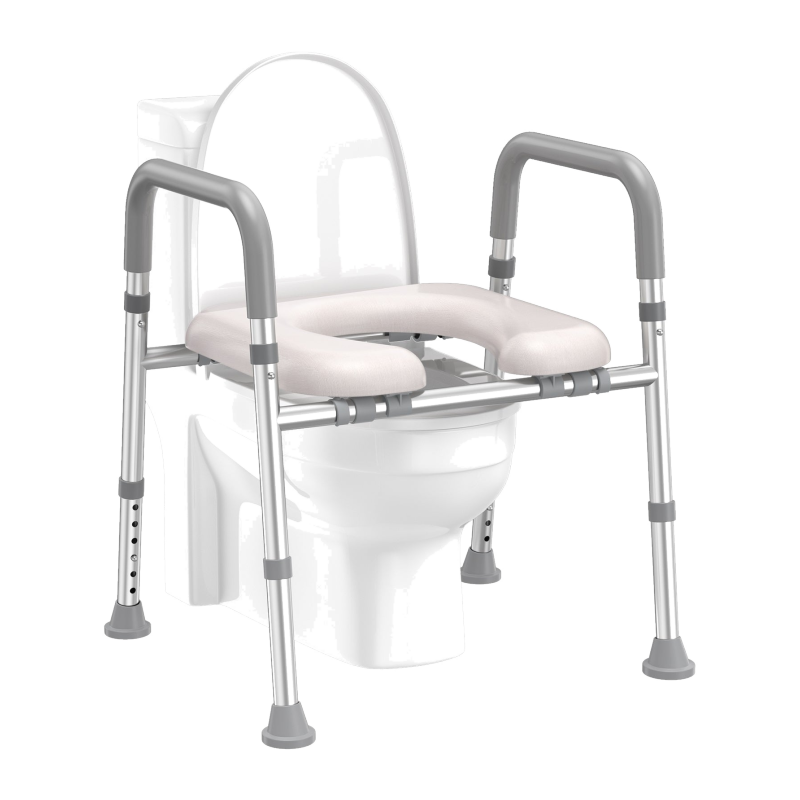
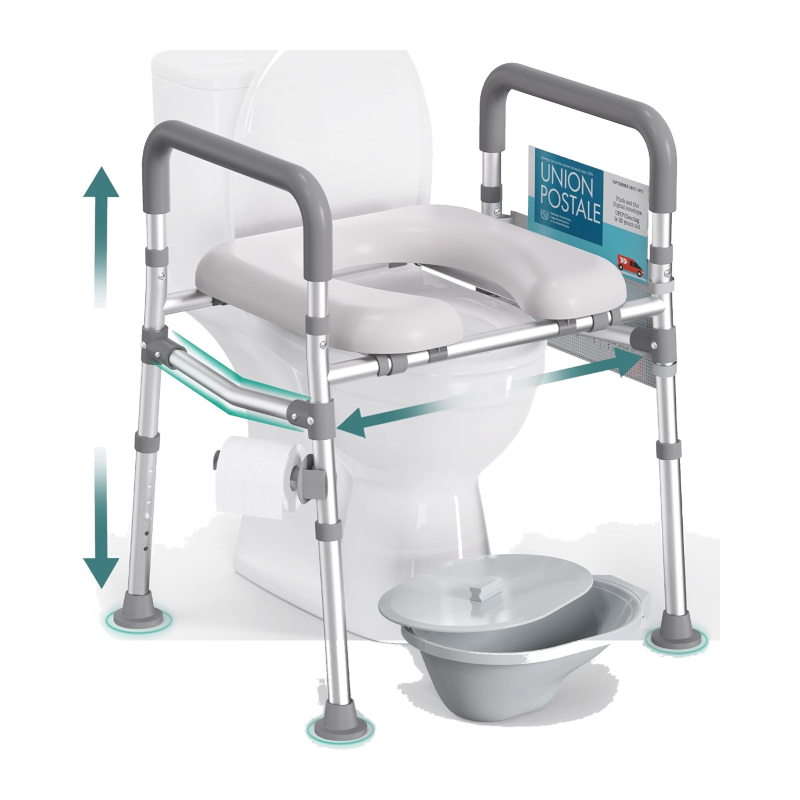
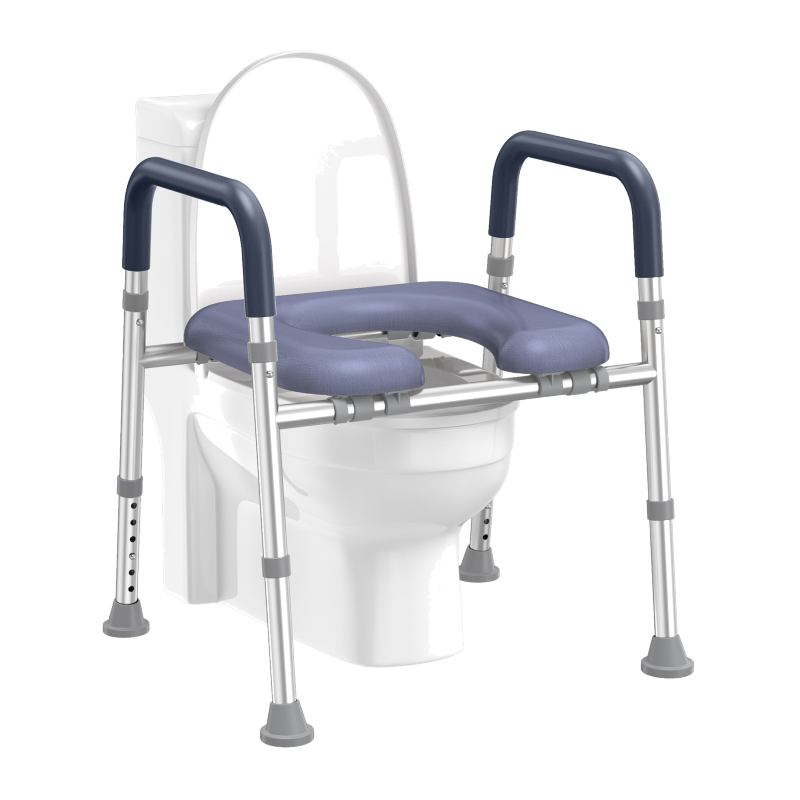
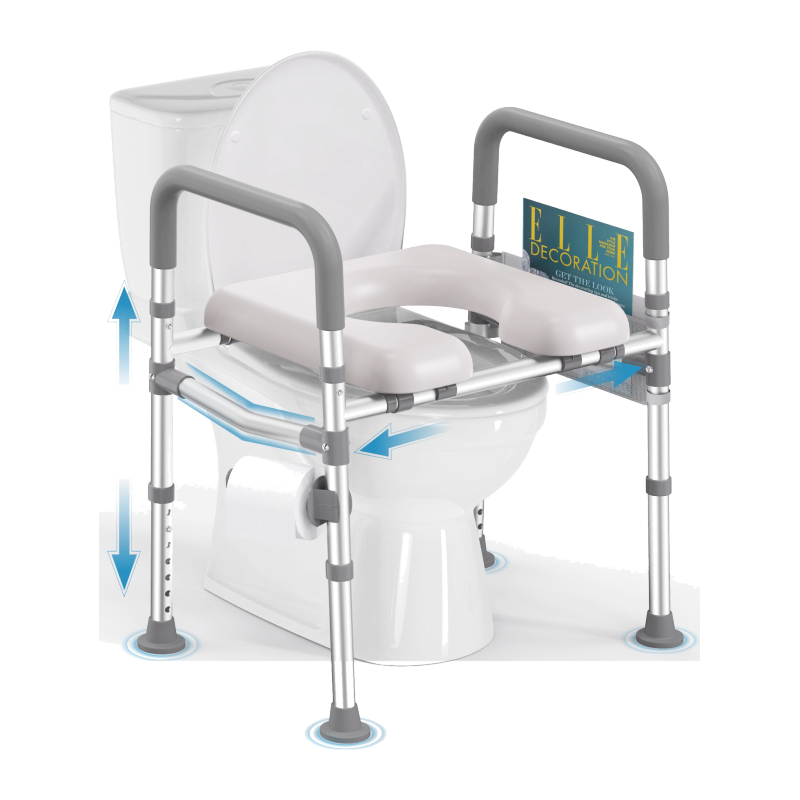
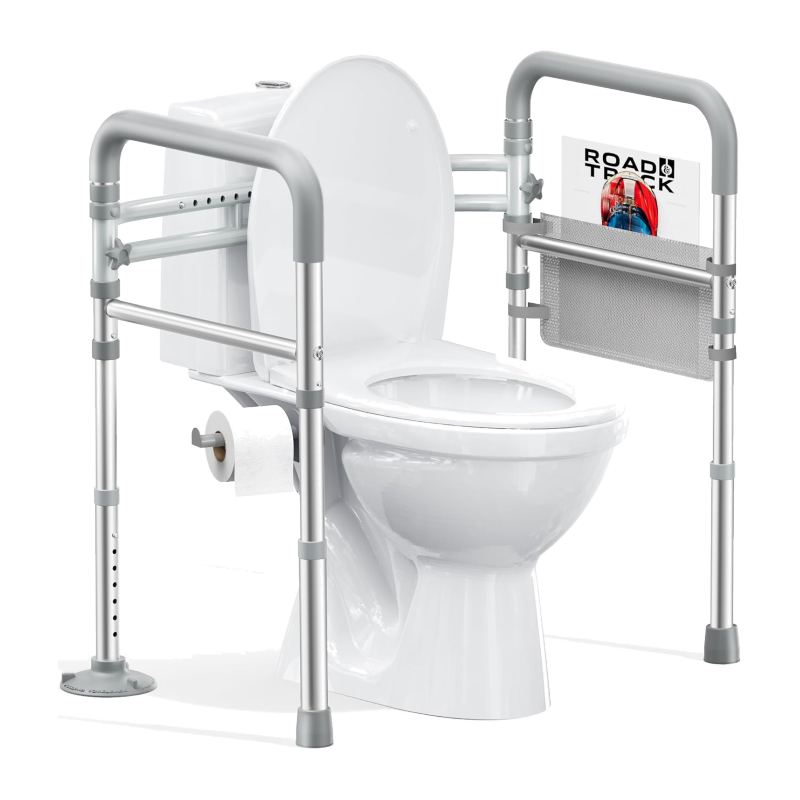
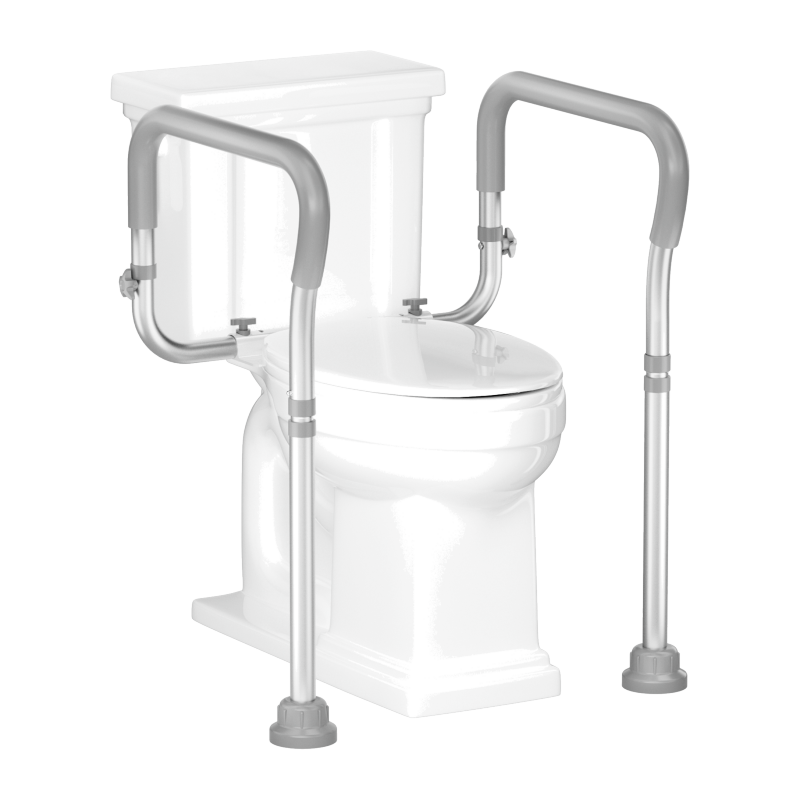
Getting on and off the toilet is another common difficulty, especially after hip or knee surgery when bending deeply is restricted. A raised toilet seat reduces the distance a person has to lower themselves, making the movement safer and far less effortful. Pairing that with a toilet safety rail gives a stable push-off point — the kind of support that makes the difference between managing independently and needing to call for help. You can explore HOMLAND's toilet safety rail options to find styles that fit standard and elongated bowls alike.
A few additional bathroom upgrades worth considering:
- Non-slip bath mats inside and outside the tub or shower
- A handheld showerhead for easier rinsing while seated
- Adequate lighting, especially night lights for early-morning bathroom trips
- Removing any rugs or thresholds that create tripping hazards
These changes are low-cost, quick to implement, and immediately effective. They don't require renovation — just intention.
Supporting Mobility Around the House
Mobility is about more than walking — it's about the freedom to move through one's own home with confidence. When that freedom starts to feel uncertain, many older adults begin to self-restrict: they stop going to the kitchen as often, skip trips to the backyard, avoid the stairs. This gradual withdrawal is understandable, but it accelerates physical decline. Supporting mobility isn't just about preventing falls — it's about keeping someone engaged in their own life.
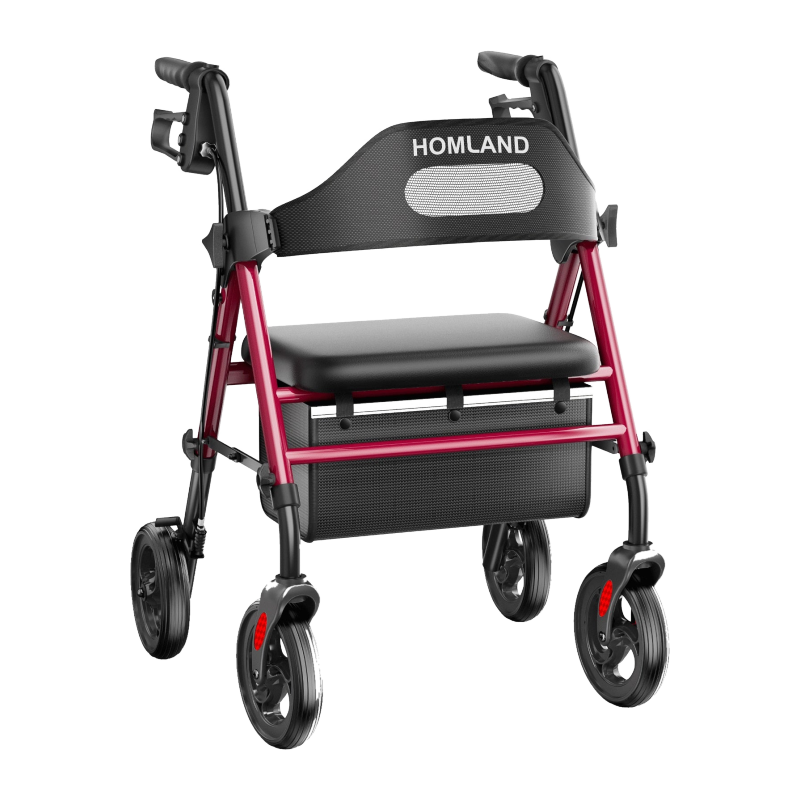
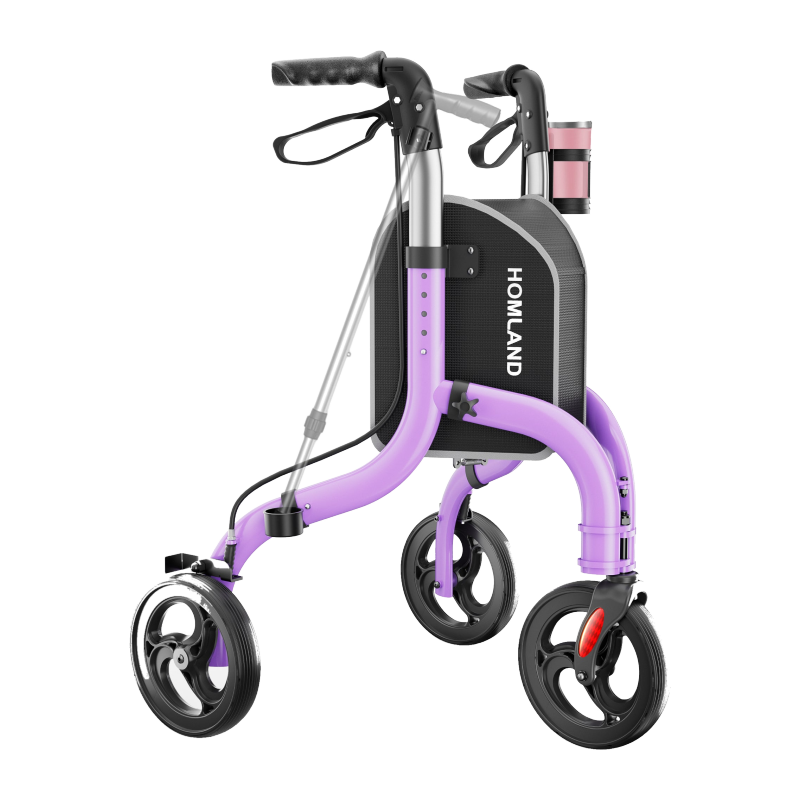
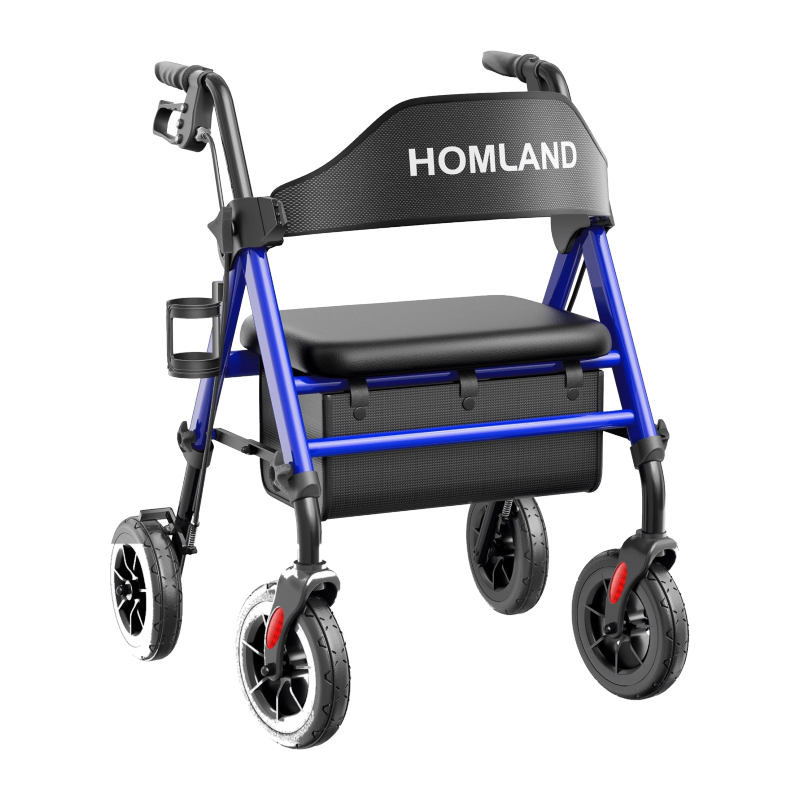
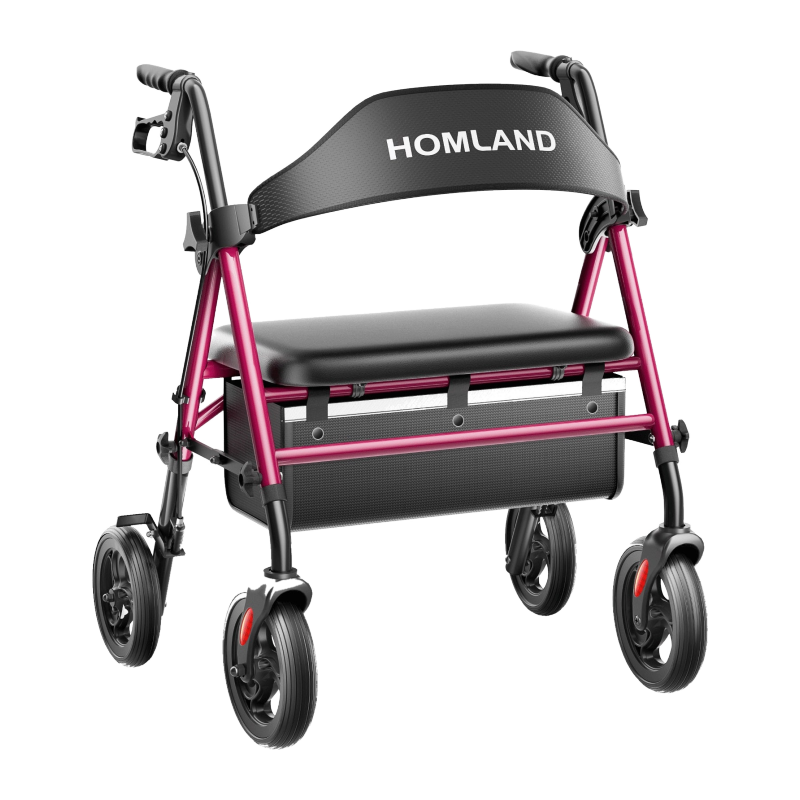
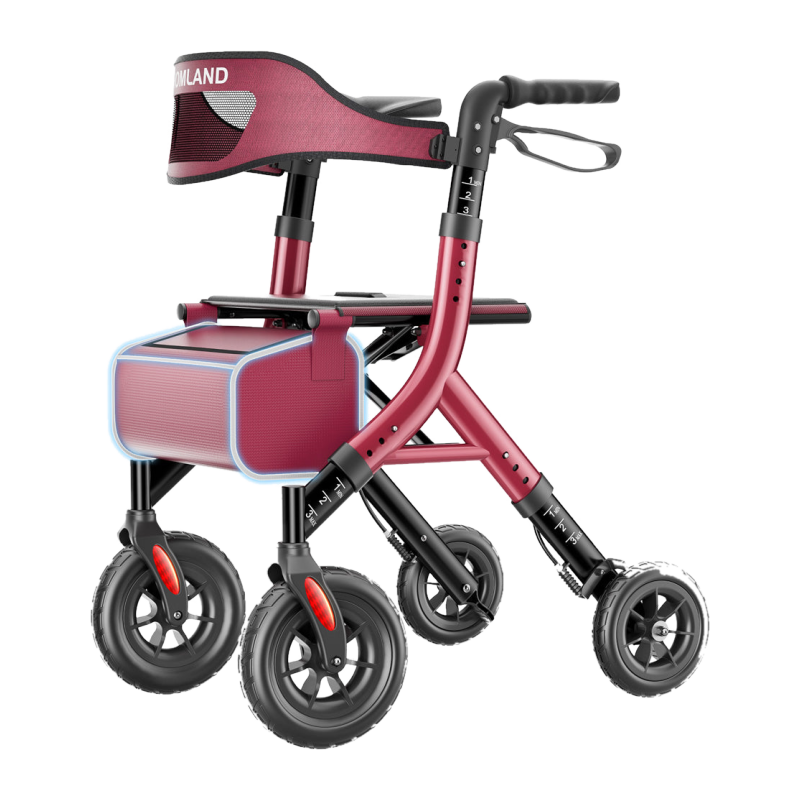
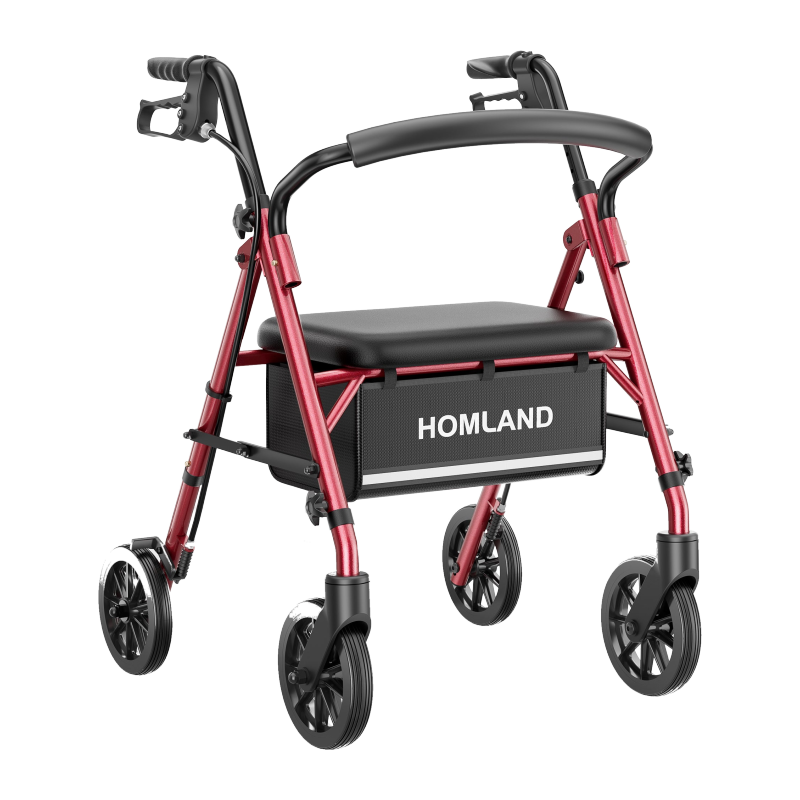
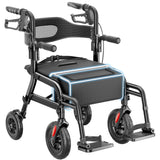
A rolling walker (rollator) is one of the most effective tools for restoring confident, independent movement. Unlike standard walkers that require lifting with each step, rollators move with the user and often include a built-in seat so the person can rest whenever needed. Physical therapists frequently recommend rollators for people who want to stay active but need just enough support to feel secure. HOMLAND's rolling walkers collection includes 3-wheel, 4-wheel, upright, and bariatric options — all with tool-free assembly and adjustable heights so the fit is always right.
For those who need a more stable option with less movement, a standard walker provides four-point contact with the ground at all times. These are especially useful during early recovery periods when balance is less reliable. HOMLAND's standard walker collection offers lightweight, height-adjustable frames that are easy to maneuver through doorways and hallways.
As you think about mobility around the home, also look at the environment itself. Clear pathways of clutter, secure loose rugs with double-sided tape or remove them entirely, ensure furniture arrangements allow wide enough walking lanes, and consider moving frequently used items (medications, phone chargers, remote controls) to surfaces at a comfortable height so bending and reaching are minimized.
Nighttime Safety and Bedroom Essentials
Many falls happen at night, when the combination of darkness, grogginess, and the urgency of getting to the bathroom creates a perfect storm of risk. The bedroom is where a loved one spends roughly a third of their life, and setting it up thoughtfully makes a significant difference in both safety and sleep quality.
A bed rail gives a sturdy handhold for rolling over, sitting up, and swinging legs to the floor — movements that can feel surprisingly difficult after surgery, illness, or a period of reduced activity. Importantly, a good bed rail also helps someone get back into bed safely after a nighttime bathroom trip, without waking a partner or calling for help. HOMLAND's bed rails collection features options that fit a range of bed heights and mattress thicknesses, giving consistent support without requiring any tools to install.
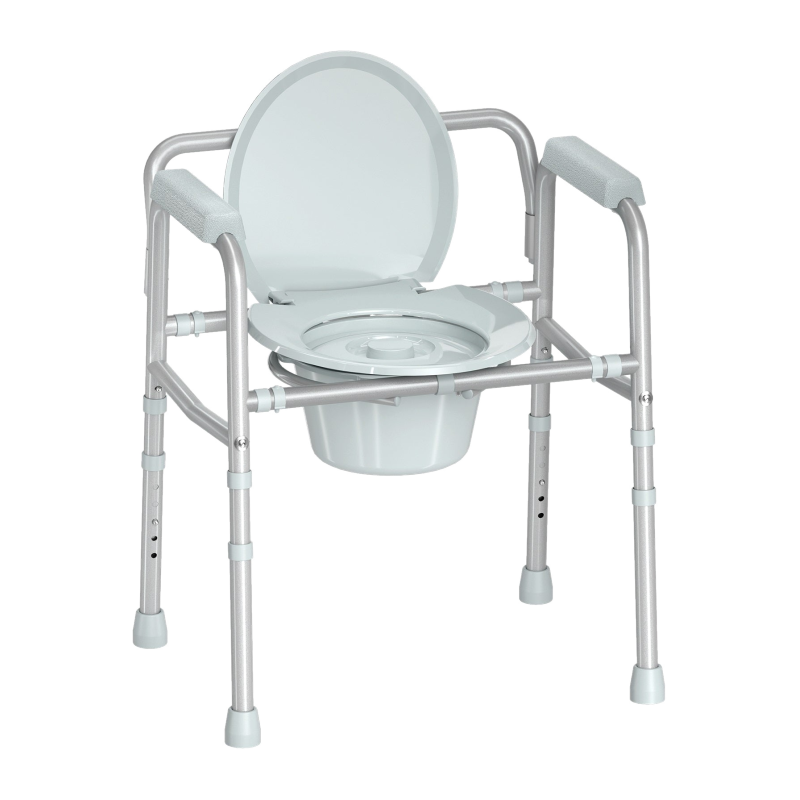
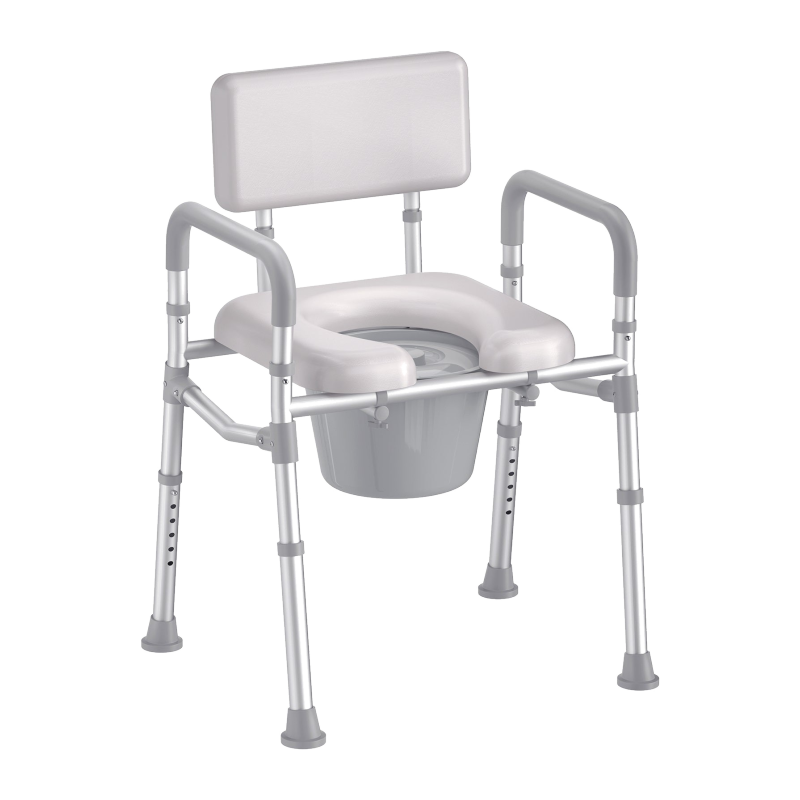
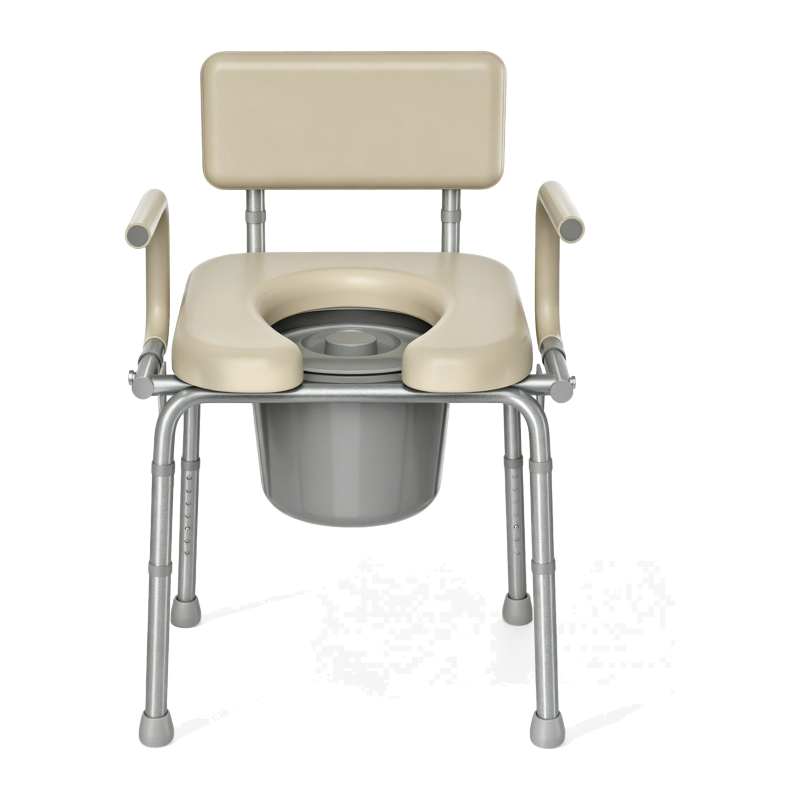
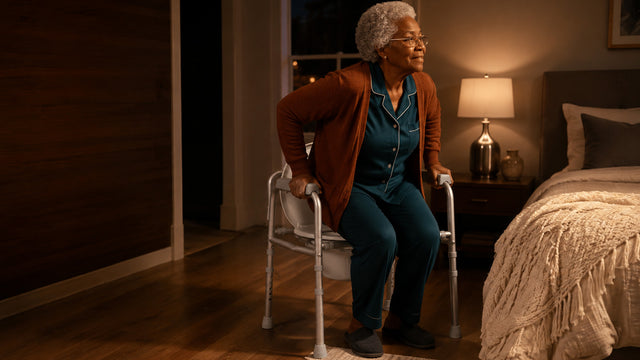
If nighttime bathroom trips are frequent and the walk to the toilet feels like too much of a risk, a bedside commode is worth considering. These portable commodes can be placed right next to the bed, eliminating long walks in the dark. They're also useful immediately after surgery when mobility is significantly limited. Combined with good night lighting (motion-activated lights are particularly useful), these solutions make nighttime independence much safer and less stressful for everyone.
Building Daily Routines That Preserve Independence
Structure is one of the most underrated tools in home caregiving. Predictable routines reduce decision fatigue, support physical health, and give older adults a sense of control over their days. When someone knows that they wake up, do light stretching, have breakfast at the table, and walk to the mailbox before noon, they're less likely to become sedentary — and more likely to feel like themselves.
As a caregiver, your role in building routines is to scaffold without taking over. That might mean laying out the morning medications but letting your loved one take them on their own schedule. It might mean suggesting a short walk together rather than mandating exercise. The goal is always to preserve agency — to be a support system, not a substitute for someone else's independence.
Physical activity deserves special attention. Even gentle daily movement — seated exercises, slow walks with a rollator, light stretching — helps maintain muscle strength, balance, and mood. Physical therapists often design simple home exercise programs that can be done with minimal equipment. Ask if your loved one's care team has provided one, and if not, ask for a referral. A few minutes of guided movement each day can have compounding benefits over weeks and months.
Nutrition and hydration are equally important and often overlooked in home care discussions. Older adults frequently drink less water than they need, which contributes to confusion, fatigue, and urinary tract infections. Keeping a water bottle or glass visible and within easy reach throughout the day is a simple habit with real impact. Similarly, regular, balanced meals — even simple ones — provide the energy needed for the physical demands of recovery and daily living.
Taking Care of Yourself as a Caregiver
Caregiver burnout is real, and it's common. According to the National Alliance for Caregiving, more than 53 million Americans provide unpaid care to an adult family member — and a significant portion of them report high levels of emotional and physical strain. Acknowledging this isn't a sign of weakness; it's the first step toward sustainable caregiving.
You cannot pour from an empty cup, as the saying goes — and it's genuinely true in caregiving contexts. When caregivers are exhausted, stressed, or resentful, the quality of care declines and relationships suffer. Building in regular respite — time when someone else covers care responsibilities — is not a luxury. It's part of the plan. That might look like a sibling taking over on weekends, a neighbor checking in on weekday afternoons, or a paid aide coming for a few hours each week.
It also helps to reduce the physical burden of caregiving wherever possible. Equipment that allows your loved one to do more independently means less hands-on assistance for you. Every time the right shower chair, bed rail, or rollator walker lets your parent or spouse do something on their own, that's time and energy returned to you. Investing in good home safety equipment is as much an investment in your wellbeing as it is in theirs.
Choosing the Right Equipment Without Feeling Overwhelmed
If you've ever searched online for home care equipment, you know how quickly it can become overwhelming. Dozens of options, technical specifications, unclear size guides, and uncertain quality. A few straightforward criteria can help you cut through the noise and make confident decisions.
Fit and adjustability matter most. Equipment that adjusts to the right height for your loved one's body will be used consistently. Equipment that doesn't fit will be abandoned. Look for tools with clear adjustment ranges and, ideally, tool-free adjustment mechanisms so changes can be made quickly at home.
Load capacity is a safety baseline, not a feature to overlook. Every product should clearly state its weight limit, and that limit should provide comfortable headroom above your loved one's actual weight. HOMLAND products are built with heavy-duty load capacities — select models support up to 500 lbs — so users can lean in with full confidence rather than worrying about the equipment beneath them.
Warranty and support give you peace of mind after purchase. HOMLAND backs every product with a 1-year manufacturer warranty plus a 1-year extended warranty, and ships from a US local warehouse so you're not waiting weeks for something you need now. All products are also FSA/HSA eligible, meaning you may be able to use pre-tax health savings dollars to offset the cost — a detail worth checking with your benefits provider.
Finally, look for products that are authorized or recommended by physical therapists. HOMLAND's lineup is reviewed and endorsed by licensed Doctors of Physical Therapy (DPT), which means the design choices behind each product reflect real clinical understanding of how people move, recover, and live at home. You can browse the full range of home mobility and safety solutions at HOMLAND's complete product collection and find options across every category discussed in this guide.
Every Day at Home Is Worth Protecting
Caring for an aging loved one at home is a journey, not a single decision. It evolves as needs change, as confidence grows, and as your family finds its rhythm. The goal throughout isn't perfection — it's progress. Safer bathing. Steadier steps. A night without worry. One more morning where your loved one wakes up in their own home, on their own terms.
With the right environment, the right routines, and the right equipment, that life is not just possible — it's within reach. HOMLAND exists to help make it happen. From the shower to the bedroom to the front walkway, every product is designed with one simple belief: home, not hospital. Because that's where healing happens. That's where life happens. And that's where your loved one belongs.
Have Questions About the Right Equipment for Your Family?
Our team is here to help you find the right fit — whether you're just getting started or looking to upgrade. Reach out anytime. We're happy to help you make a confident, informed choice.
Contact Us — We're Here to Help