

Most mornings, the routine looks the same: a glass of water on the nightstand, a small pile of pills, and a quiet moment before the day begins. For millions of older adults living at home, that moment is one of the most important health decisions they make all day. Getting it right — consistently — is what medication management for the elderly is really about.
The challenge isn't always remembering to take a pill. It's keeping track of which ones, when, with or without food, and whether that new prescription interacts with something already in the cabinet. According to the CDC, adults over 65 are more likely than any other age group to take multiple prescription medications simultaneously — and with more medications comes a greater risk of missed doses, dangerous interactions, and accidental double-dosing.
This guide walks through the systems, tools, and communication strategies that genuinely help — for seniors who want to manage their own health with confidence, and for the family members who love them and want peace of mind without being overbearing. Because staying on top of medications isn't just about avoiding mistakes. It's about staying home, staying well, and staying in charge of your own life.
Why Medication Management Matters for Older Adults
The body changes significantly with age. Kidneys and liver function gradually slow, which affects how medications are absorbed and cleared from the system. This means a dose that was perfectly safe at 55 may need to be adjusted by 75. Older adults are also more likely to see multiple specialists — a cardiologist, an orthopedist, a primary care doctor — each of whom may prescribe independently. The result is what healthcare providers call polypharmacy: taking five or more medications at the same time, which is now common among adults over 65.
Polypharmacy doesn't mean every medication is unnecessary. It means the stakes for getting medication management right are higher than ever. A missed blood thinner dose is not the same as forgetting a vitamin. Doubling up on a blood pressure medication can cause a dangerous drop in pressure that leads to dizziness, a fall, or worse. Physical therapists who work with older adults in home settings often point out that many of the falls they see after joint replacement surgery or illness aren't caused by weak muscles alone — they're connected to medication side effects like drowsiness or low blood pressure that go unnoticed until someone loses their footing.
Getting medication management right isn't just about health outcomes in the abstract. It directly shapes whether someone can continue to live independently, feel confident moving through their home, and avoid the hospital stays that no one wants.
Common Medication Challenges Seniors Face at Home
Understanding where things go wrong is the first step toward preventing it. The most frequent medication challenges older adults experience at home include:
- Forgetting a dose — especially when a medication doesn't produce noticeable effects (like a statin or blood pressure pill), it's easy to lose track of whether it was taken.
- Confusion about timing — some medications must be taken in the morning, others at night, some with food, and some on an empty stomach. Managing multiple timing requirements mentally is a real cognitive load.
- Difficult packaging — childproof caps and small print labels can be genuinely hard to manage for anyone dealing with arthritis or reduced grip strength.
- Prescription changes that aren't fully understood — when a doctor changes a dose or adds a new medication after an appointment or hospital stay, the transition instructions don't always translate clearly to home.
- Cost and refill timing — running out of a critical medication because a refill was delayed or overlooked is more common than most families realize.
Each of these challenges has a practical solution. The key is building a system that fits the person's actual life — their daily rhythms, their level of comfort with technology, and the kind of help they're willing to accept from family.
Organizing Systems That Actually Work
The most time-tested tool in medication management is also the simplest: a good pill organizer. A weekly pill organizer with compartments for morning, afternoon, and evening lets anyone see at a glance whether a dose has been taken that day — no memory required. For people managing a complex regimen, a monthly organizer with daily pull-out trays can reduce the stress of daily setup and make it easy to spot any missed doses over a longer period.
A few principles make any organizing system more effective:
- Fill the organizer on the same day each week — Sunday evening works well for many people, and turning it into a small ritual makes it easier to sustain.
- Keep it in a visible, consistent location — on the kitchen counter next to the coffee maker, or beside the bathroom sink. Visibility is half the battle.
- Use a medication list — a simple written or printed list of every medication, its dose, its purpose, and when to take it. Keep one copy at home and bring one to every doctor appointment. This single habit prevents more errors than almost anything else.
- Color-code if helpful — for those managing medications on behalf of a spouse or parent, color-coded organizers or labels can prevent mix-ups when more than one person's medications are in the same home.
For seniors with arthritis or reduced hand strength, look for pill organizers with easy-push buttons rather than tight-fitting lids. Many pharmacies also offer blister-pack or bubble-pack services that pre-sort medications by day and time — an excellent option for anyone who finds weekly refilling difficult.
Technology and Tools to Stay on Track
Technology has quietly become one of the most powerful allies in medication management — and it doesn't require being especially tech-savvy to benefit. A simple smartphone alarm set to repeat daily at medication times is free, effective, and already built into any phone. For those who prefer a dedicated device, automatic pill dispensers can be programmed to beep or light up at scheduled times and dispense only the correct dose, which removes the risk of accidentally double-dosing.
Smart pill dispensers go a step further, sending alerts to a caregiver's phone if a dose is missed. Services like medication management apps (several are available through pharmacies) allow adult children to receive real-time notifications without needing to call and check in constantly. This kind of support gives both parties breathing room — the senior stays in charge of their own routine, and the family member gets quiet confirmation that everything is on track.
For those who prefer to keep things low-tech, a simple dry-erase chart on the refrigerator with checkboxes for each medication and time of day works remarkably well. The goal is a system that creates a visible record without adding mental effort — because mental effort is exactly what medication management should minimize, not increase.
How Caregivers Can Help Without Taking Over
For adult children helping an aging parent manage their medications, the balance between helpful and overbearing is real and worth taking seriously. Most older adults want to manage their own health. They've been doing it their entire lives. The goal of any caregiver involvement should be to reduce friction and fill genuine gaps — not to create a dynamic where the parent feels like a patient rather than a person.
Practical ways caregivers can support medication management without taking control:
- Help set up the system, then step back — assist with selecting and setting up a pill organizer or app, then let the parent run it independently. Check in periodically rather than daily.
- Attend doctor appointments when invited — taking notes during a medical appointment is genuinely helpful. Doctors cover a lot of ground quickly, and having a second set of ears can catch details that get missed.
- Assist with pharmacy logistics — managing prescription refills, coordinating with the pharmacy for auto-refill programs, or arranging mail-order delivery are practical tasks that don't impinge on personal autonomy.
- Keep an updated medication list — in an emergency, first responders need to know what medications a person takes. A printed list on the refrigerator or in a wallet is a simple precaution that can make a meaningful difference.
The most effective caregiving is collaborative. When an older adult feels involved in the decisions around their own health management, they're significantly more likely to follow through consistently — which is the whole point.
Talking to Doctors: Getting the Full Picture
One of the most overlooked strategies in medication management is also the most straightforward: asking the right questions at every appointment. Doctors prescribe medications with the best intentions, but they don't always know about every supplement, over-the-counter product, or medication prescribed by a different specialist. Bringing a complete medication list to every appointment — including vitamins, supplements, and anything purchased without a prescription — gives your doctor the full picture they need to catch potential interactions before they become a problem.
Questions worth asking at any medication-related appointment include: What is this medication for, and how will I know if it's working? Are there any foods, drinks, or other medications I should avoid? What should I do if I miss a dose? Is this medication something I'll take indefinitely, or is there a point where we might reassess? These aren't demanding questions — they're exactly what good medical communication looks like, and most doctors welcome them.
Pharmacy consultations are another underused resource. Pharmacists are specifically trained in drug interactions and are often more accessible than physicians for quick questions. Many pharmacies offer free medication review services — a sit-down conversation where a pharmacist reviews everything on the list and flags any concerns. It's a valuable step, especially after a hospital discharge when multiple new medications may have been added at once.
Building Medication Into a Safe Daily Routine
The most effective medication schedules aren't built around the medication — they're built around the person's existing daily rhythm. If someone always makes coffee at 7 a.m., that's a natural anchor point for a morning dose. If they watch the evening news at 6 p.m., that's when an evening medication fits without any additional effort to remember. Tying medications to habits that already exist removes one more thing from the mental checklist.
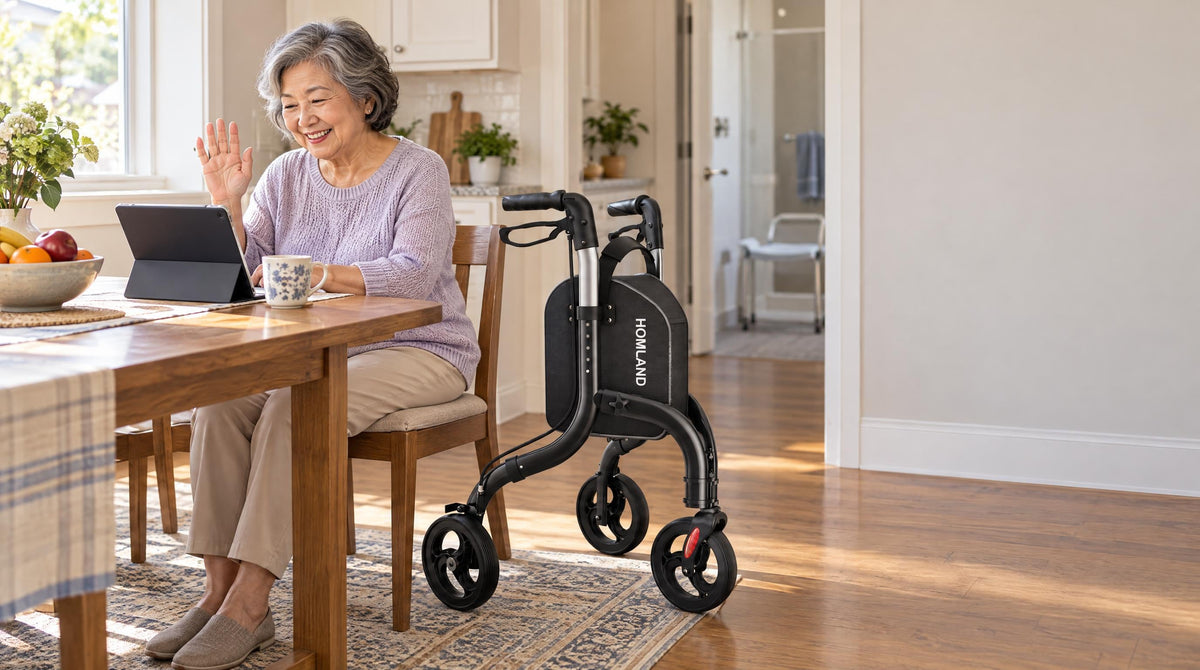
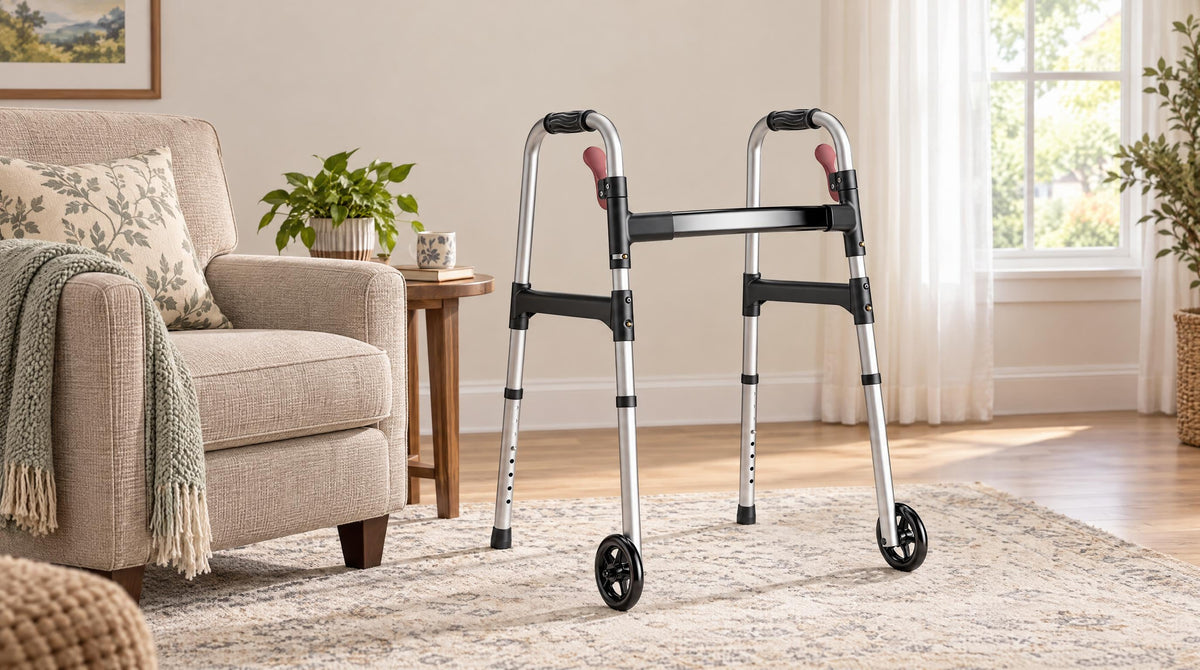
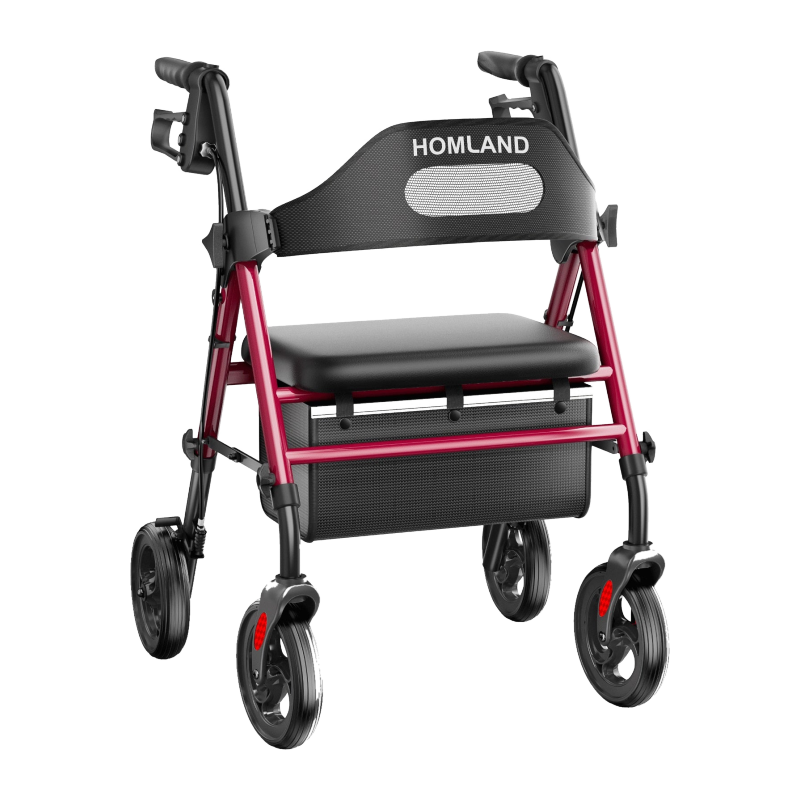
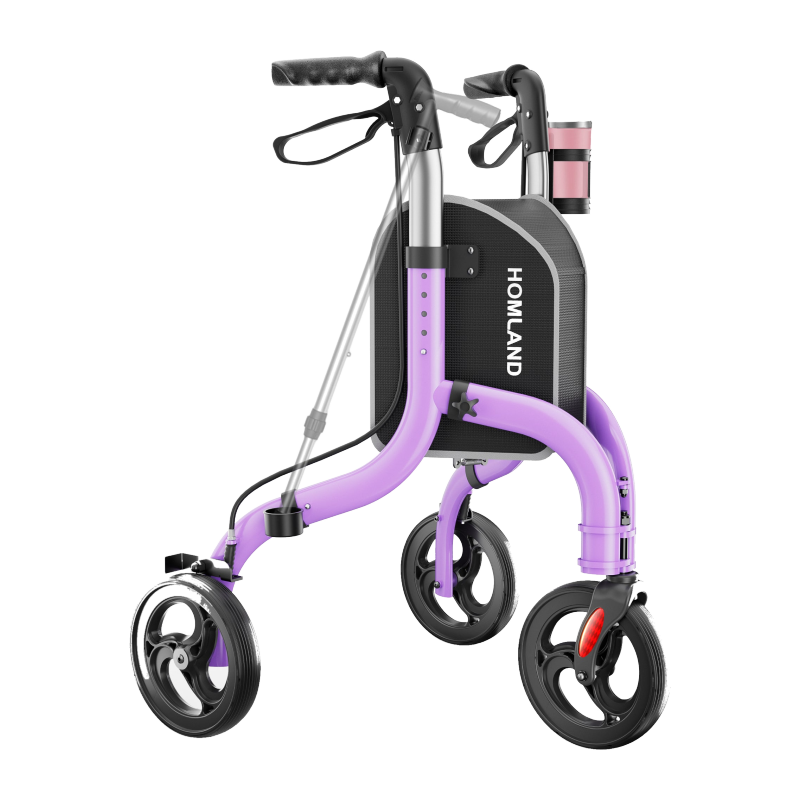
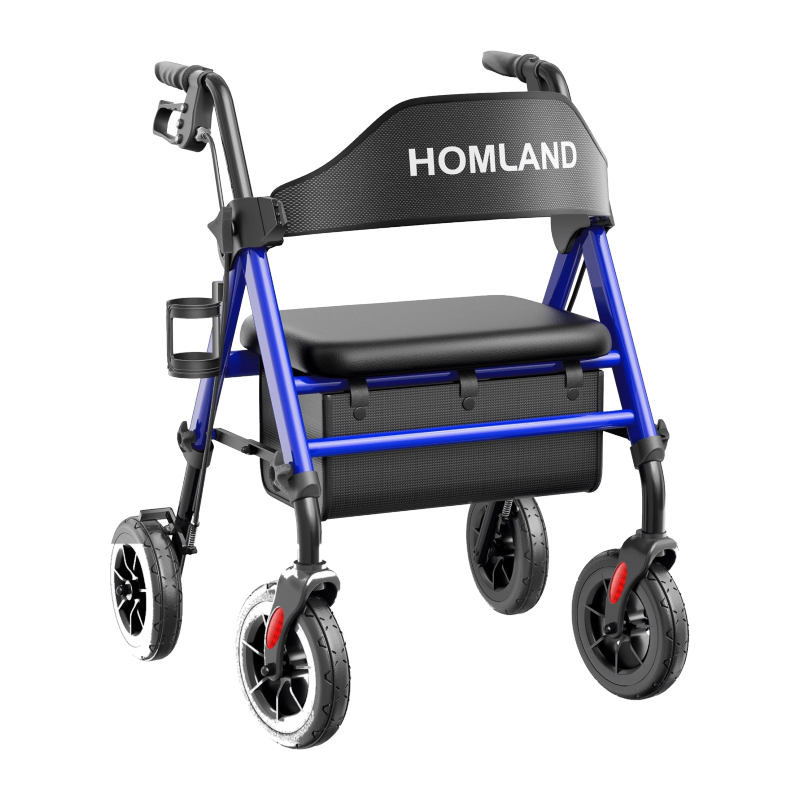
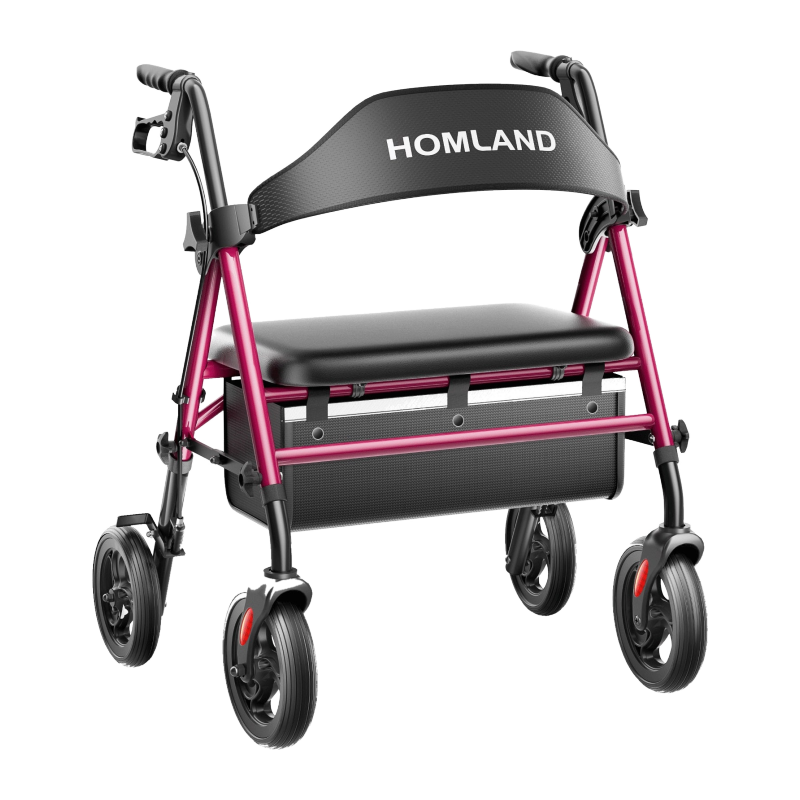
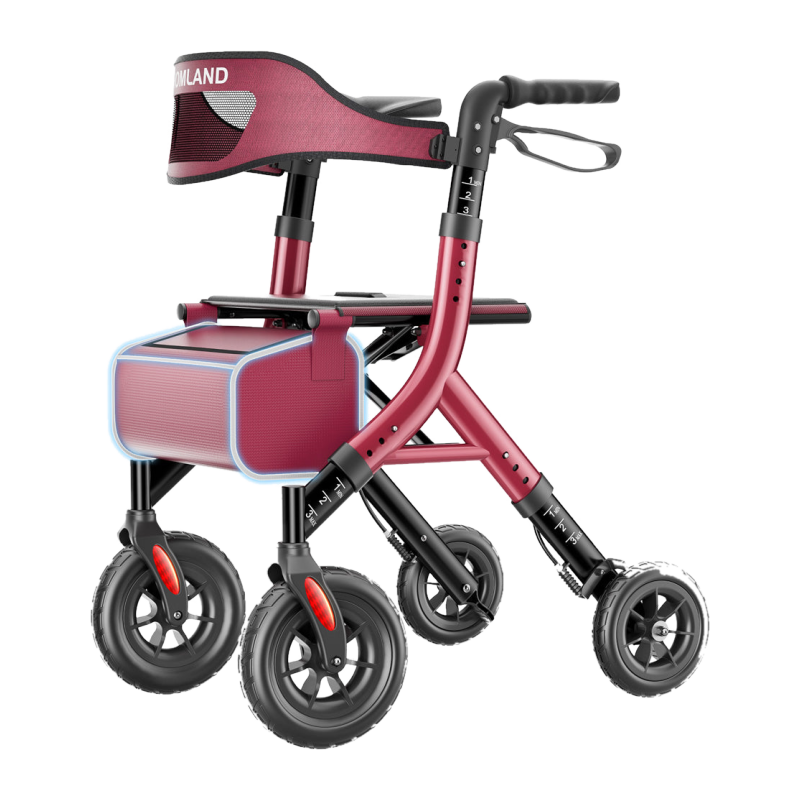
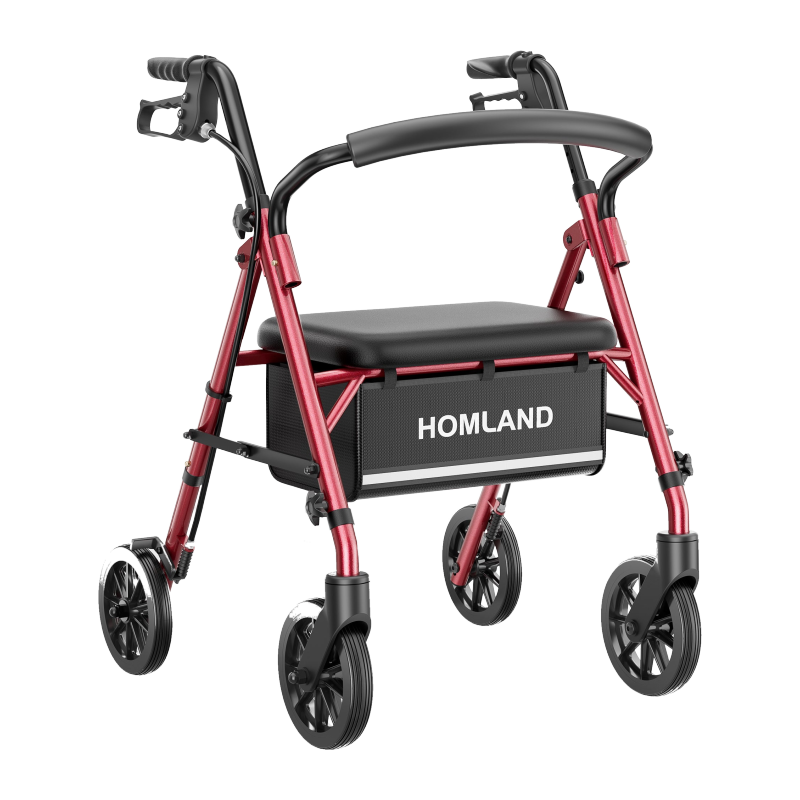
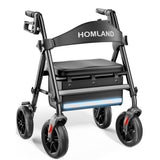
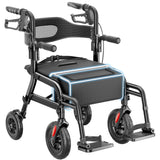
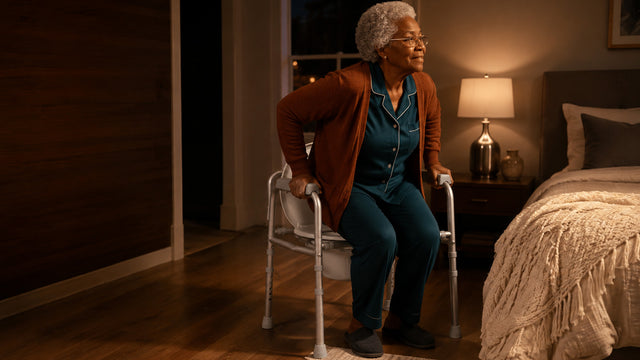
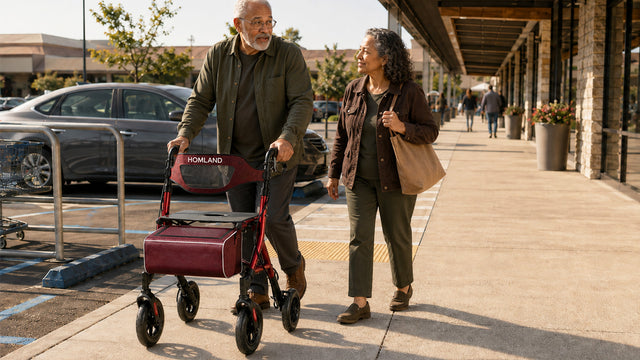
Physical comfort during the medication routine matters more than it might seem. Some medications require a full glass of water, which means walking to the kitchen — a simple trip that feels different at 3 a.m. after a hip replacement than it does mid-morning. Keeping water accessible, using a bed rail to make getting up safely easier in the night, or having a rolling walker nearby to stabilize morning movement all reduce the small physical barriers that can make routine medication-taking less consistent.
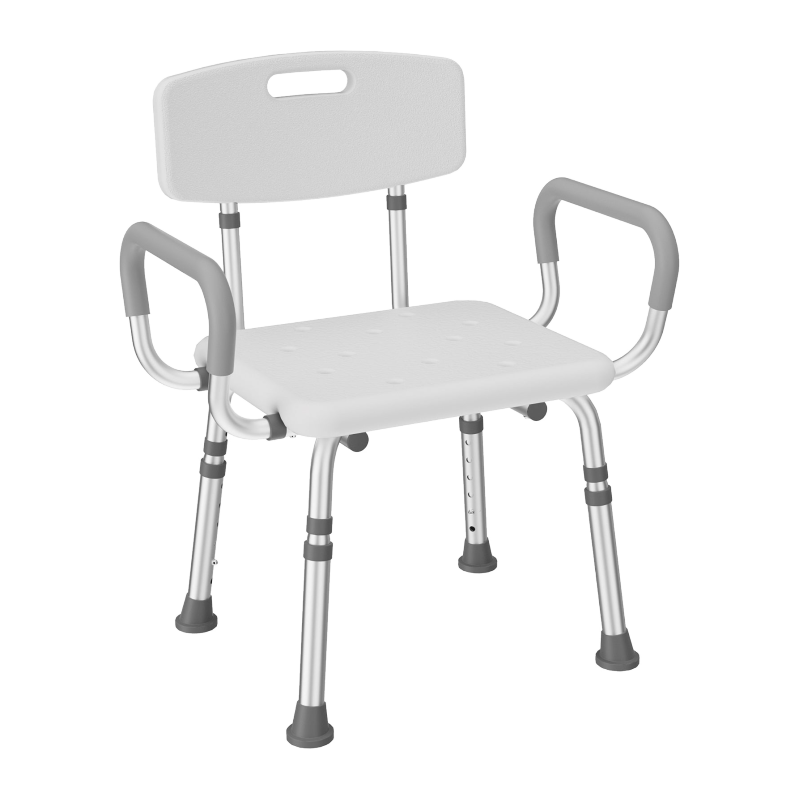
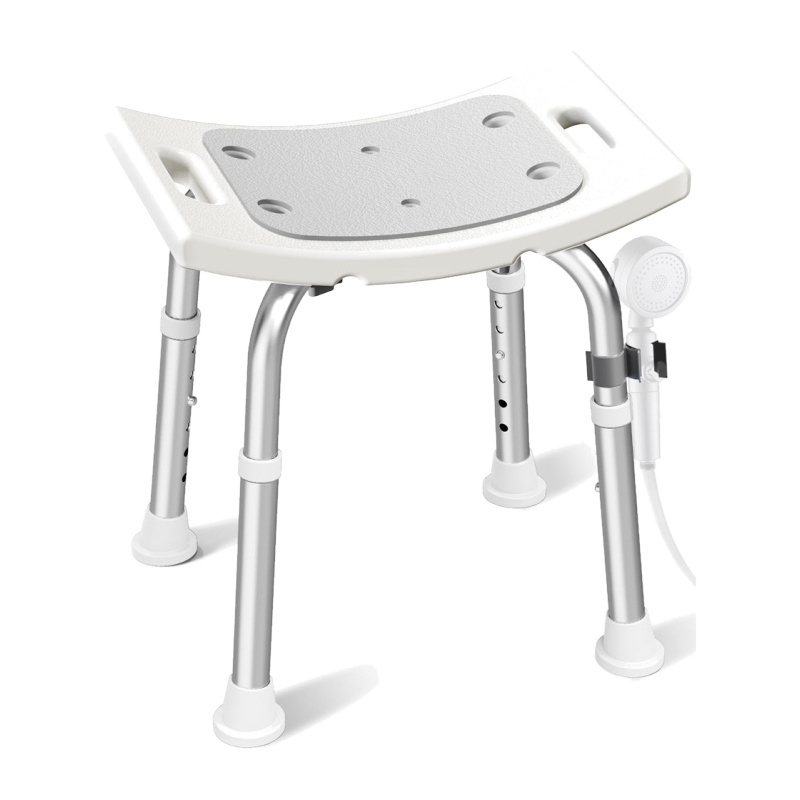
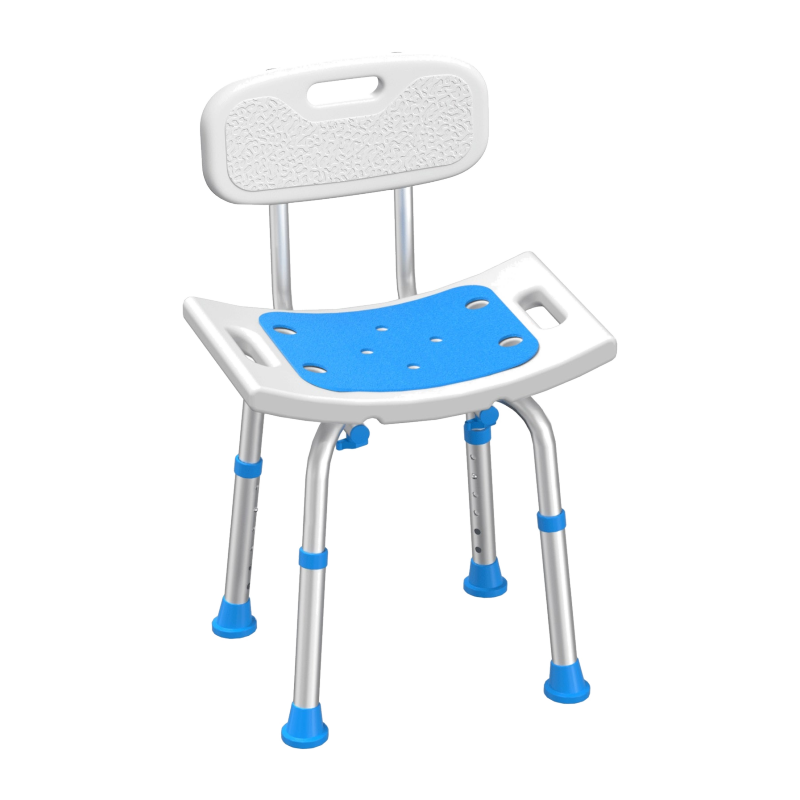
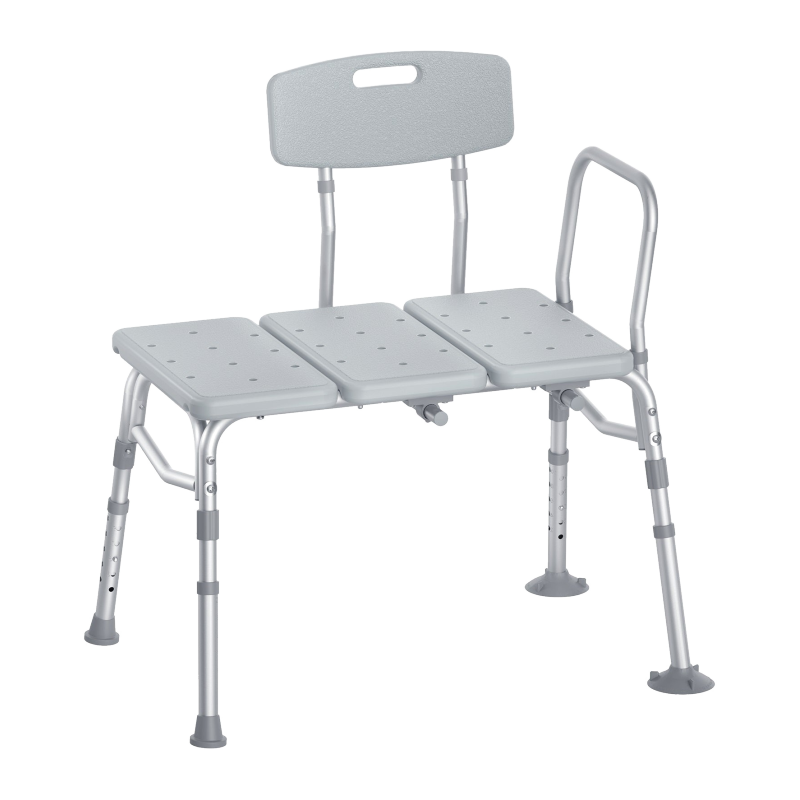
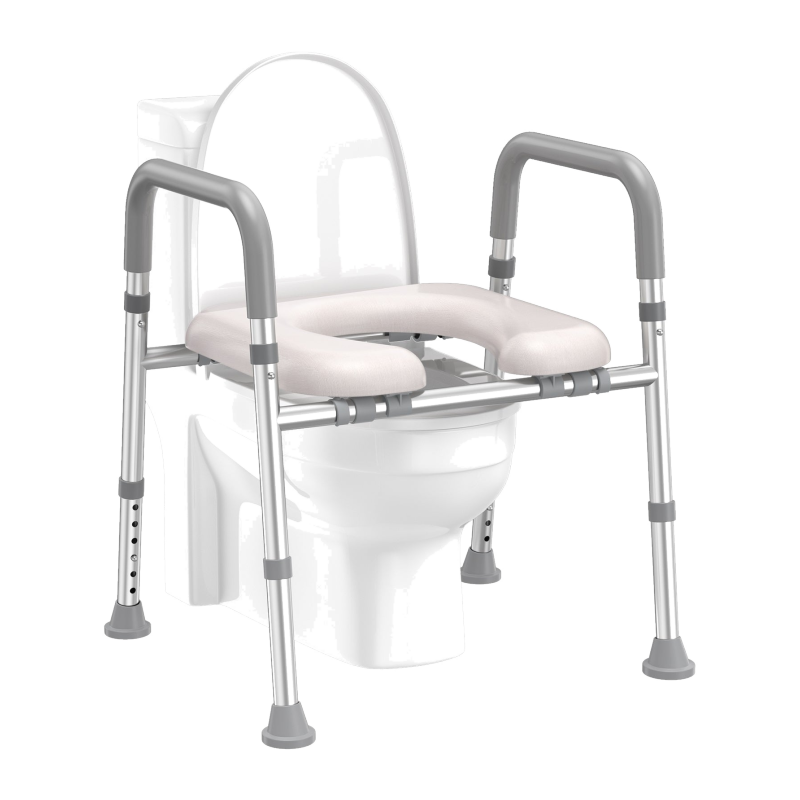
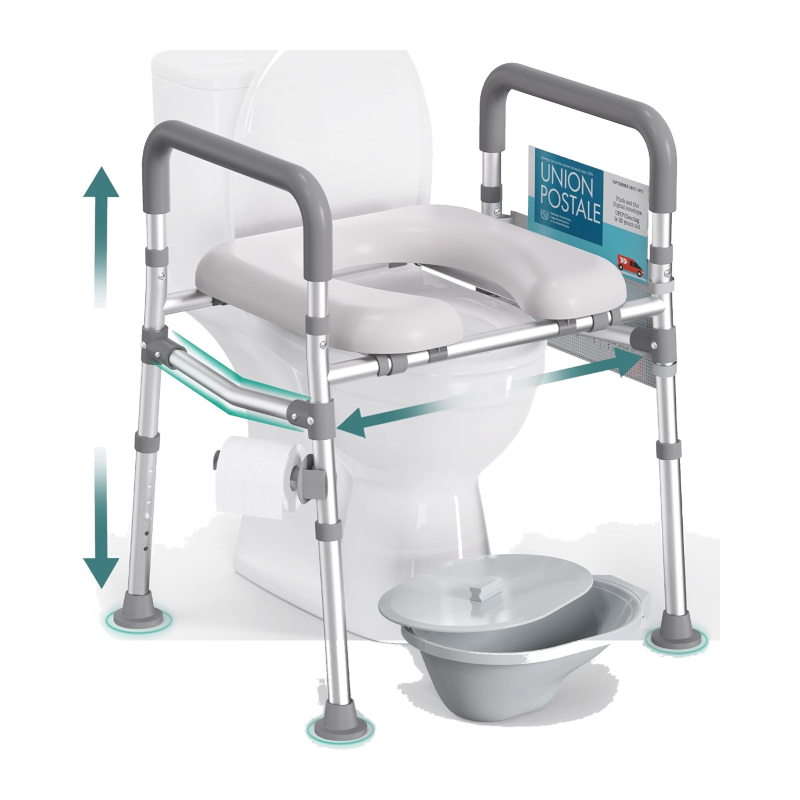
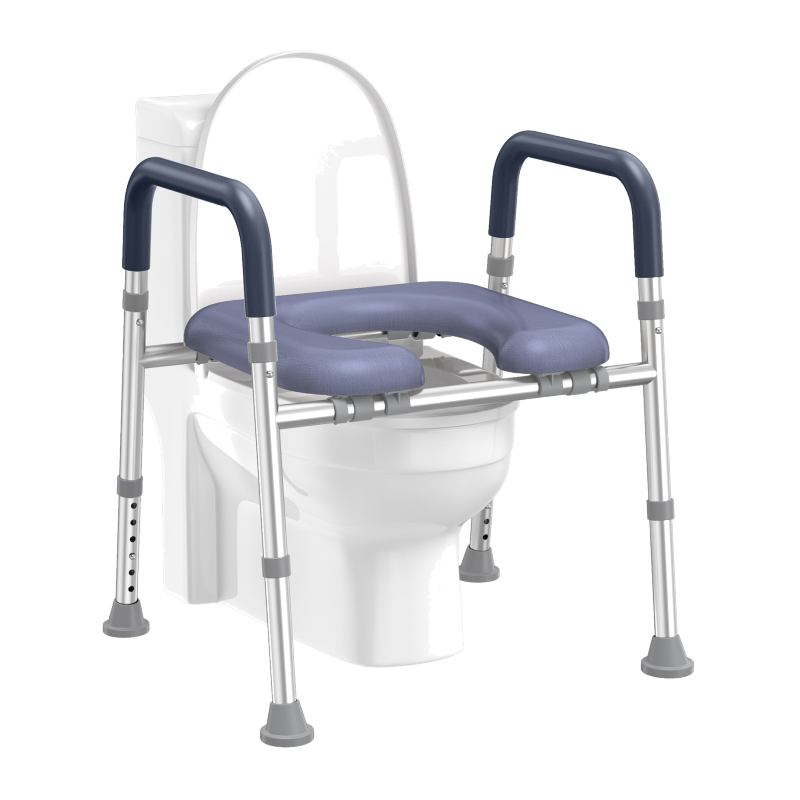
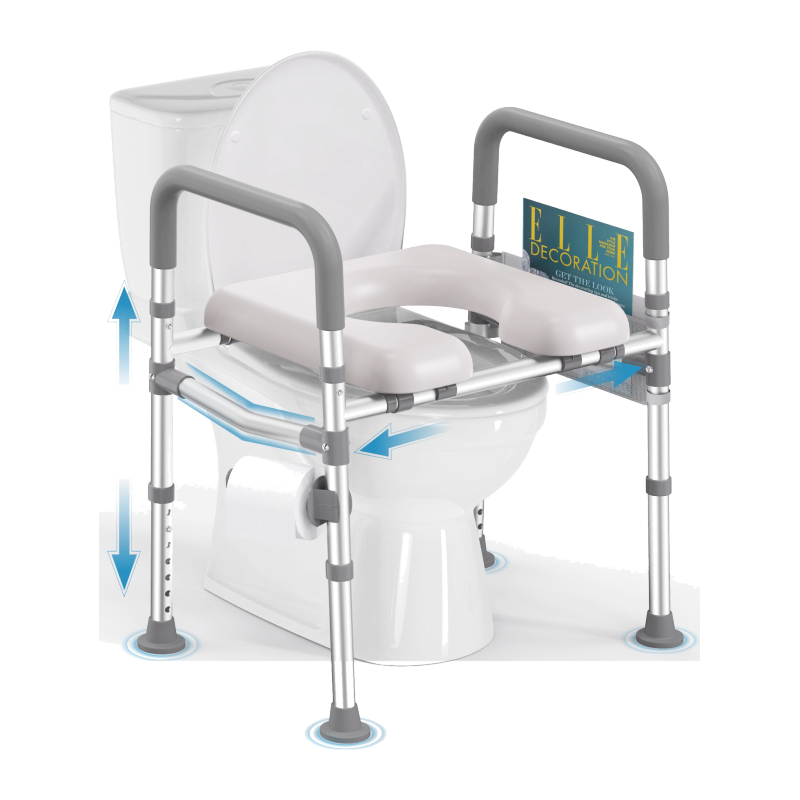
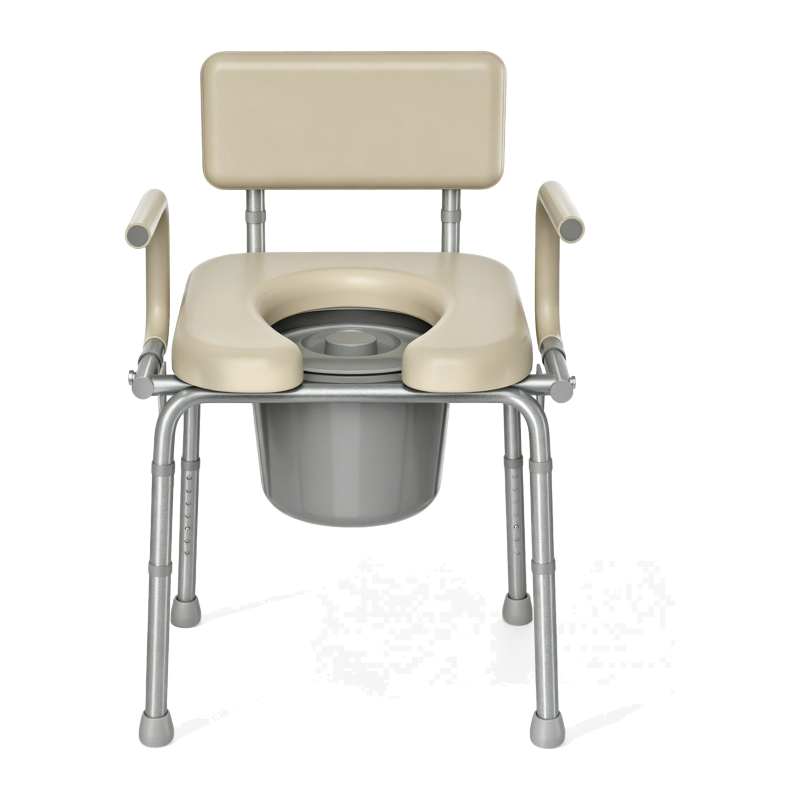
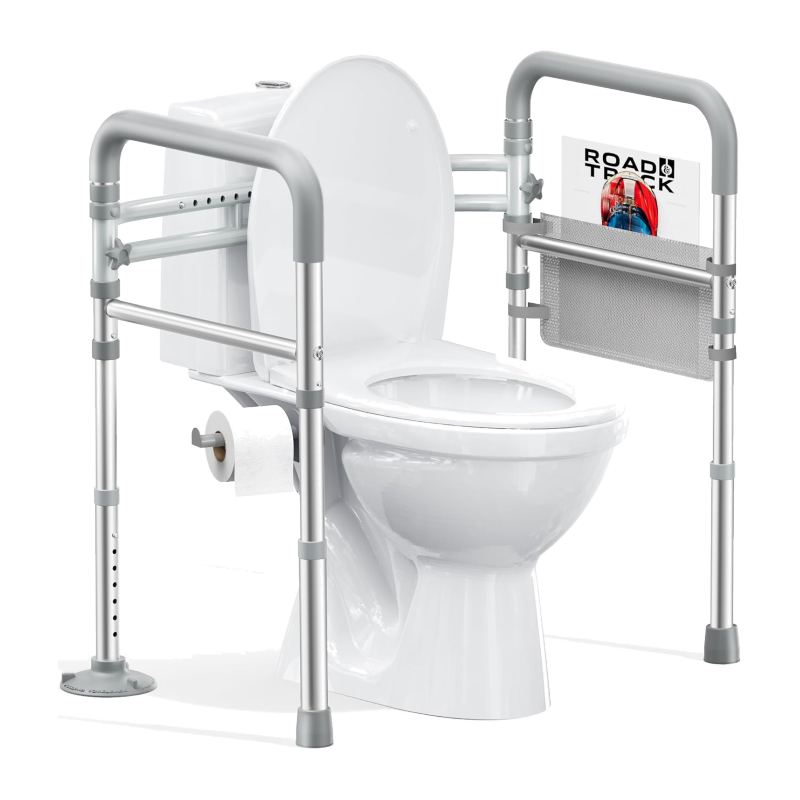
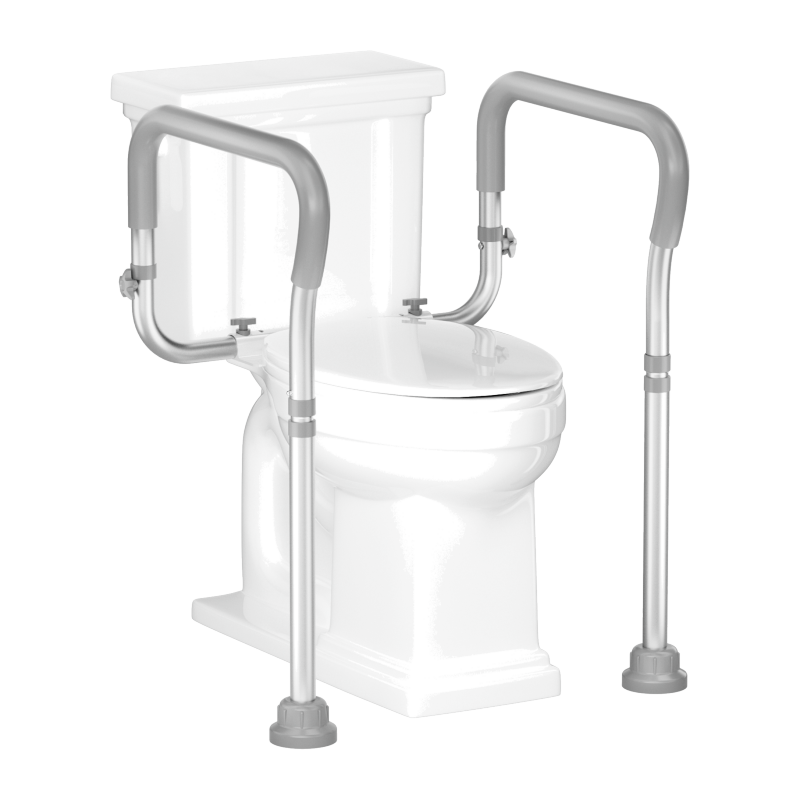
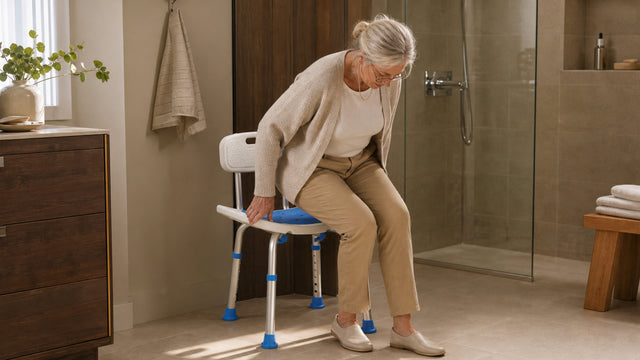
Side effect awareness is also part of building a safe routine. Some medications cause drowsiness, dizziness, or a temporary drop in blood pressure — effects that are most risky immediately after taking the medication. Knowing which medications carry these effects, and planning bathroom trips or movement accordingly, is practical harm prevention. Physical therapists who work with older adults at home often recommend taking these medications while seated, giving the body a moment to adjust before standing. Pairing this habit with bathroom safety tools — like a toilet safety rail or a shower chair — provides an extra layer of stability during the windows when dizziness is most likely.
Supporting Independent Living Beyond the Pill Bottle
Medication management is one piece of a larger picture: staying safe, comfortable, and independent at home. Many of the risks associated with medication side effects — dizziness, reduced coordination, temporary weakness — are most dangerous in the spaces where falls are already more likely: the bathroom, the hallway at night, the step from the bedroom to the kitchen. Addressing those spaces is just as important as getting the medication routine right.
HOMLAND's home safety products are designed with exactly this reality in mind. From shower chairs that let someone bathe comfortably without the risk of slipping, to bed rails that make it easier to get up safely in the night, to rolling walkers that provide confident support from room to room — every product is built to give people the stability to move through their own home on their own terms. All products are FSA/HSA eligible, backed by a 1-year manufacturer warranty plus a 1-year extended warranty, and shipped from a US local warehouse for fast delivery.
Physical therapists regularly recommend pairing strong medication routines with a home environment that reduces fall risk — because independence at home depends on both. A well-organized medication schedule keeps the body functioning well. A well-equipped home keeps the body safe while it does.
For families navigating this together, HOMLAND's full product lineup covers every room where safety matters — from the bedroom to the bathroom and everywhere in between. Browse by category to find what fits your situation, and know that every purchase comes with the support and warranty backing to give your whole family confidence.
The Bottom Line
Managing medications well is one of the most powerful things an older adult can do to protect their health and maintain their independence at home. It doesn't require a complicated system or constant oversight — it requires a consistent routine, the right tools, clear communication with healthcare providers, and a home environment that supports safe daily movement.
Whether you're setting up your own system or helping a parent get organized, the goal is the same: fewer missed doses, fewer dangerous interactions, and more confidence that each day starts on solid ground. That confidence is worth investing in — and it builds on itself over time. A well-managed health routine isn't just about avoiding problems. It's about living fully, in the place you love most: home.
Questions About Home Safety? We're Here to Help.
At HOMLAND, we believe that everyone deserves to feel safe and confident in their own home — every single day. If you have questions about which home safety products are right for your situation, or if you'd like personalized guidance, our team is ready to help.