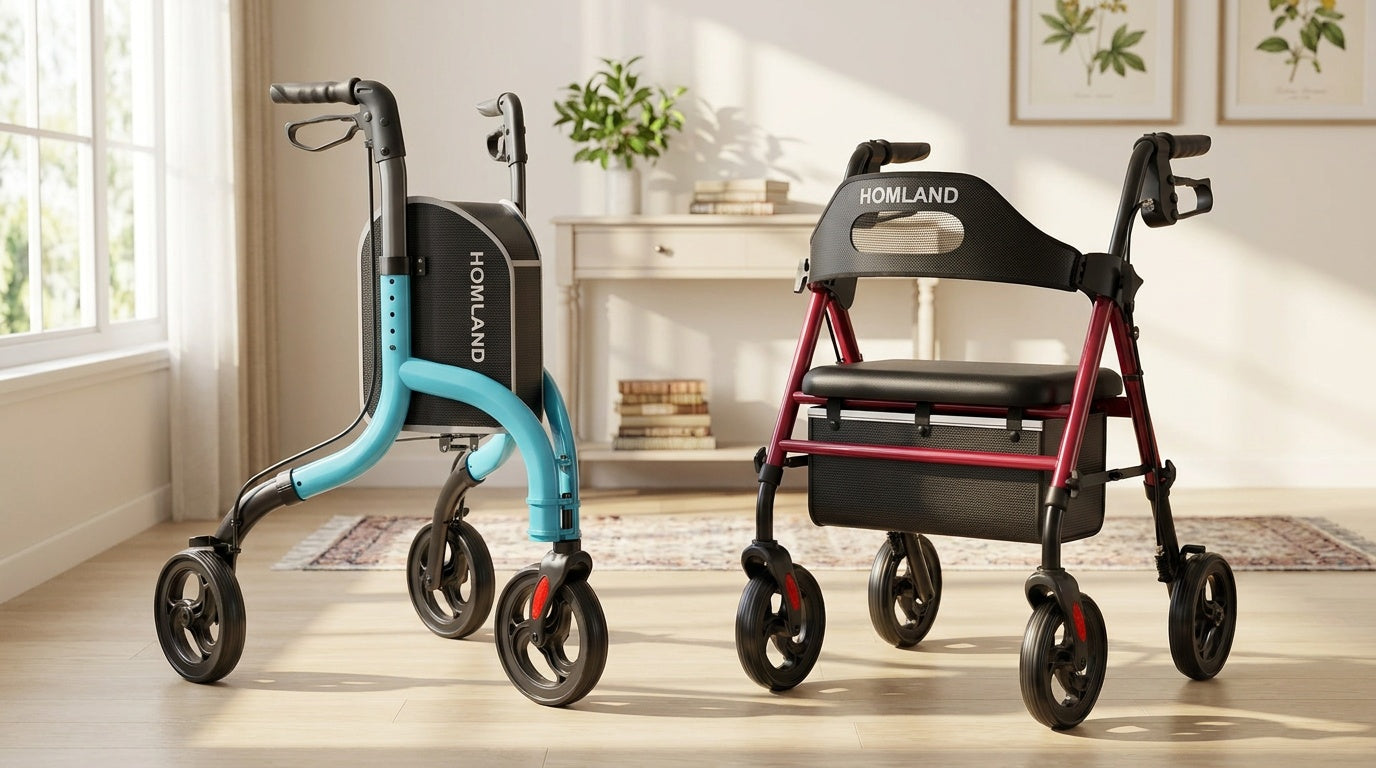
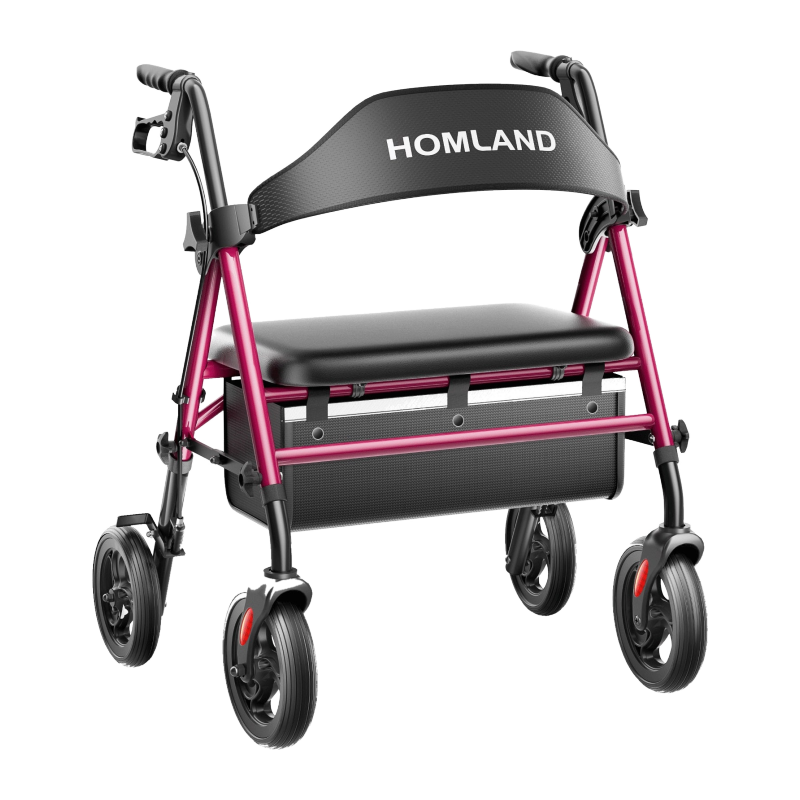
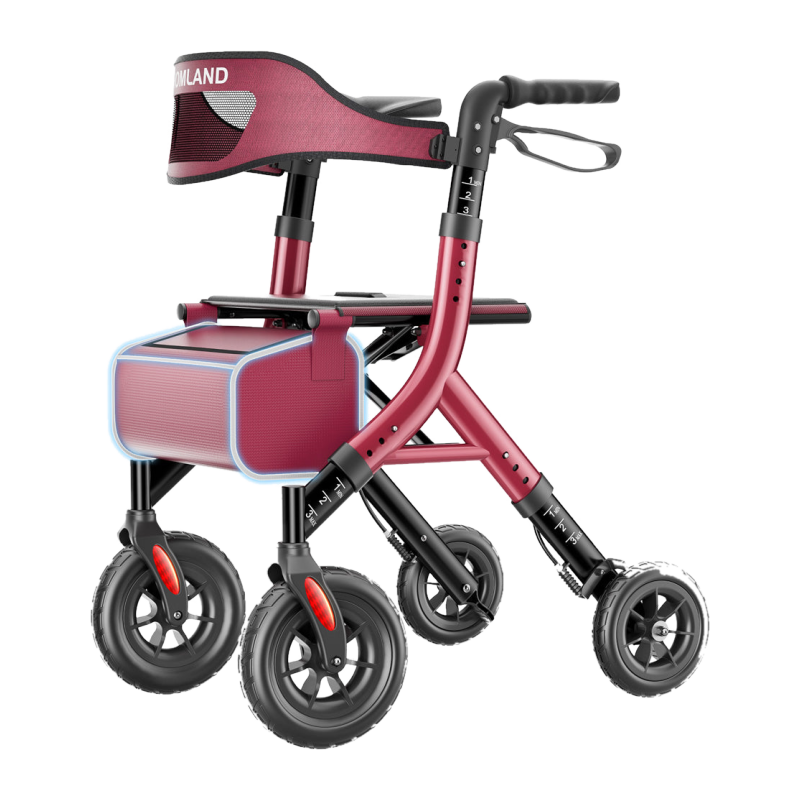
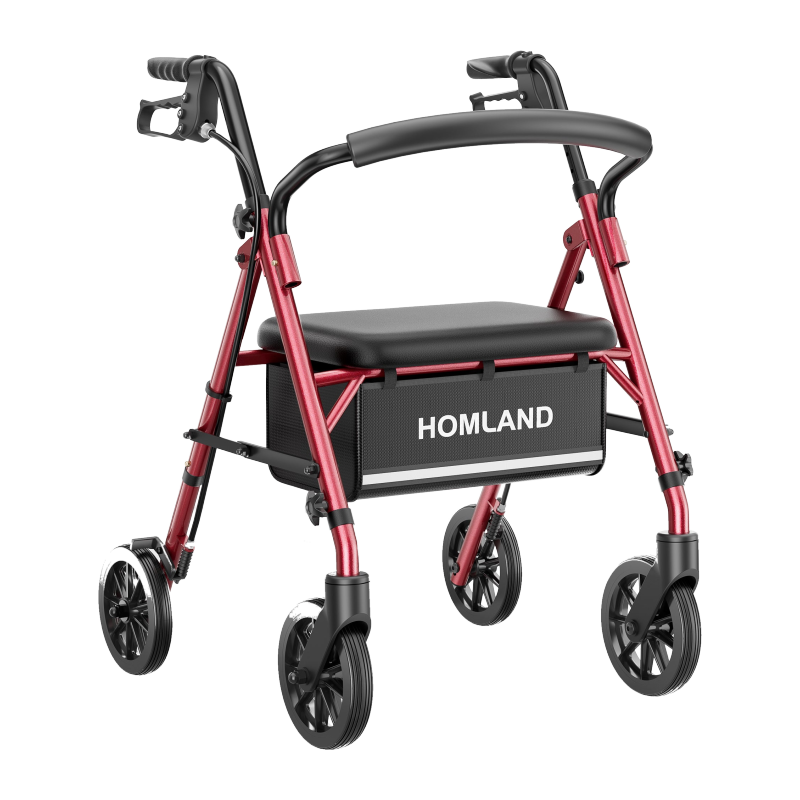

There's a moment most people recognize — the hesitation before standing up from a chair, the careful shuffle down a hallway after surgery, or the quiet worry about staying steady on an uneven sidewalk. A good folding walker doesn't just give you something to hold onto; it gives you your routine back. Whether you're navigating a hotel corridor on a long-awaited trip or making your way to the kitchen at 6 a.m. without waking anyone, the right walker makes all the difference.
Folding walkers have come a long way from the heavy, bulky frames of the past. Today's options are lightweight, compact enough to slip into a car trunk, and engineered to set up in seconds — no tools, no frustration. In this guide, we'll walk through everything you need to know to choose the best folding walker for travel and everyday home use, including the features physical therapists recommend, the key differences between walker styles, and what to look for when you're buying for yourself or someone you love.
What Is a Folding Walker?
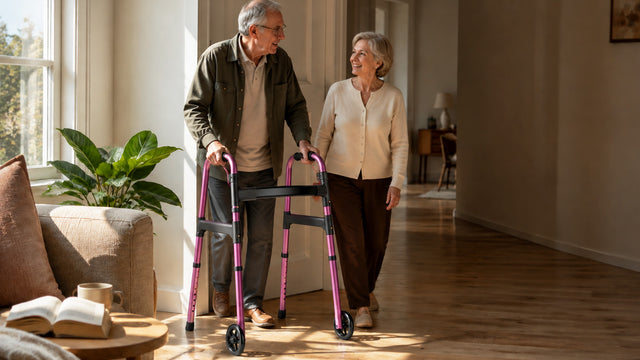
A folding walker is a mobility aid with a collapsible frame that lets you fold it flat for easy transport or storage. Unlike fixed-frame walkers, which are rigid and difficult to pack, folding walkers are designed with hinges or cross-brace mechanisms that allow the frame to collapse down to a fraction of its open size. Most models weigh between four and eight pounds, making them genuinely portable rather than just theoretically so.
The category includes both standard (non-wheeled) folding walkers and rolling versions that feature wheels on the front two legs or on all four legs. Each serves a different purpose depending on the user's gait, strength, and environment. What they share is the core benefit: real mobility support that fits into your life without taking over it.
Who Benefits Most from a Folding Walker?
Folding walkers are a practical choice for a wide range of people — and you don't have to be navigating a long recovery or a serious diagnosis to find one genuinely useful. Physical therapists often recommend them during post-surgery rehabilitation, especially after hip or knee replacements, when stability is critical but full independence is the goal. They're equally valuable for older adults who want reliable support at home without the cumbersome footprint of a fixed walker.
Travelers benefit enormously from the foldable design. If you're a grandparent planning a family trip, a senior snowbird heading between homes, or someone managing a chronic condition who still refuses to cancel their adventures, a lightweight folding walker means you don't have to choose between mobility support and mobility freedom. For adult children helping a parent transition home after a hospital stay, these walkers offer the dual appeal of meaningful safety support and easy storage between uses.
Key Features to Look For
Not all folding walkers are built the same, and the differences matter more than you might expect. Here are the features worth examining closely before you buy:
- Weight and frame material: Aluminum frames strike the best balance — strong enough to provide real support, light enough to lift in and out of a car without strain. Look for walkers under seven pounds if portability is a priority.
- Weight capacity: Choose a walker rated comfortably above the user's body weight. Models rated to 300 lbs are standard; bariatric options go significantly higher. Having that margin means leaning in with full confidence rather than wondering if the frame can handle it.
- Height adjustability: Proper handle height is critical for posture and safety. Physical therapists recommend setting handle height so your elbows are very slightly bent when your hands rest on the grips — look for models with a generous height range and tool-free adjustment.
- Grip comfort: Foam or contoured grips reduce hand fatigue during longer use. This matters especially if the walker will be used for extended periods at home or on vacation.
- Folding mechanism: The best mechanisms fold in one or two simple steps with no tools required. Test (or read reviews about) how intuitive the fold is — it should be easy enough to manage one-handed or with limited dexterity.
- Non-slip feet or wheels: Standard walkers should have rubber-tipped feet that grip floors without scratching them. If you're looking at a rolling option, check that the rear feet still have solid rubber tips for stability when the walker is stopped.
Beyond the specs, look for walkers that have been reviewed or endorsed by licensed physical therapists. At HOMLAND, our standard walkers are authorized by Doctors of Physical Therapy — because confidence in your equipment shouldn't require a leap of faith. Our Standard Walker Collection is built with tool-free assembly, adjustable height settings, and home-friendly design that makes setup genuinely simple.
Folding Walkers for Travel: What Makes Them Different
When a walker is going to travel with you, the requirements shift. Weight becomes even more important because you're the one lifting it into overhead bins, car trunks, and vacation rental closets. The folded dimensions matter too — you want something that fits without taking over your vehicle or your accommodation.
For air travel, most folding walkers qualify as medical devices and can be gate-checked at no extra charge on major US airlines, though it's always worth confirming directly with the carrier. The TSA permits walkers through security checkpoints, though they will need to go through the X-ray scanner. Choosing a model that folds flat and stays securely closed (look for integrated fold latches) prevents the frame from popping open during handling.
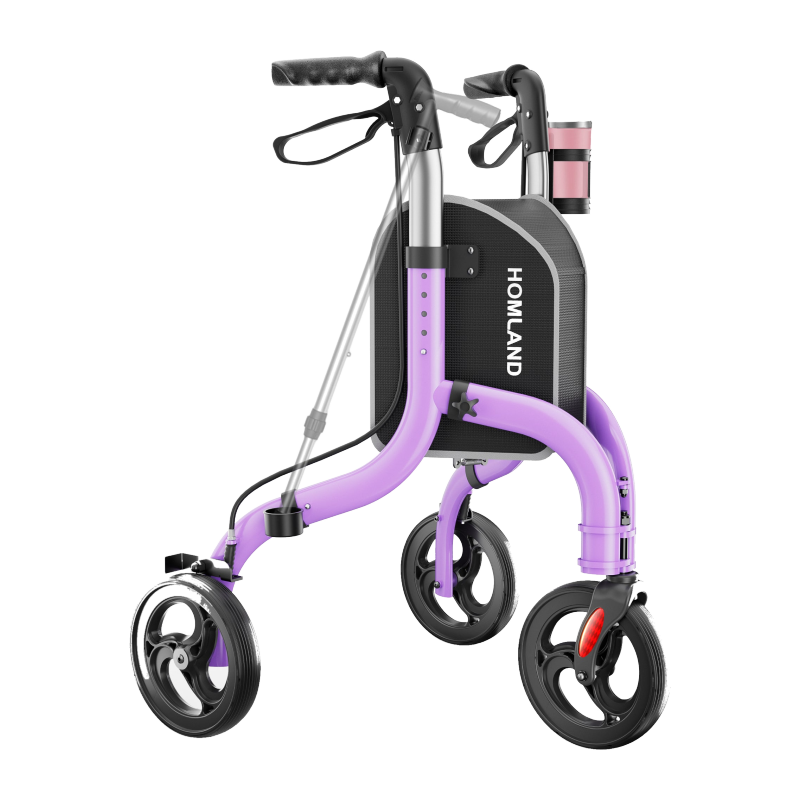
Road trippers and those heading between seasonal homes often find that a walker with a small carrying bag or pouch is worth its weight in convenience. You can store your phone, glasses, or a water bottle without making a separate trip, which is the kind of detail that turns a good product into a genuinely great one for everyday travel.
If you need more mobility versatility on a trip — particularly across longer distances or uneven terrain — it may also be worth considering a rolling walker, which offers the same portability with the added ease of a push-and-glide motion rather than a lift-and-step pattern.
Using a Folding Walker at Home
At home, a folding walker earns its place in a different way. It's not about the fold so much as the stability — and the ability to tuck the walker neatly out of the way when it's not needed. In a smaller home or apartment, a walker that can be collapsed and leaned against a wall or slid into a closet means your living space stays your living space, not a clinical environment.
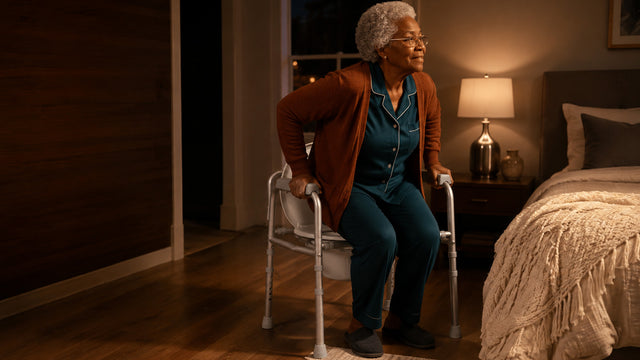
Think about the moments a walker is most useful at home: getting out of bed in the morning, moving from the bedroom to the bathroom during the night, navigating a kitchen while cooking, or making it from the couch to the front door. In each of these scenarios, the walker needs to be close at hand and ready to use in seconds. A folding walker that's fussy to open or needs two hands and a clear surface to operate defeats the purpose. The best home walkers open and lock into position in a single motion — something you can do while still half-asleep at 3 a.m.
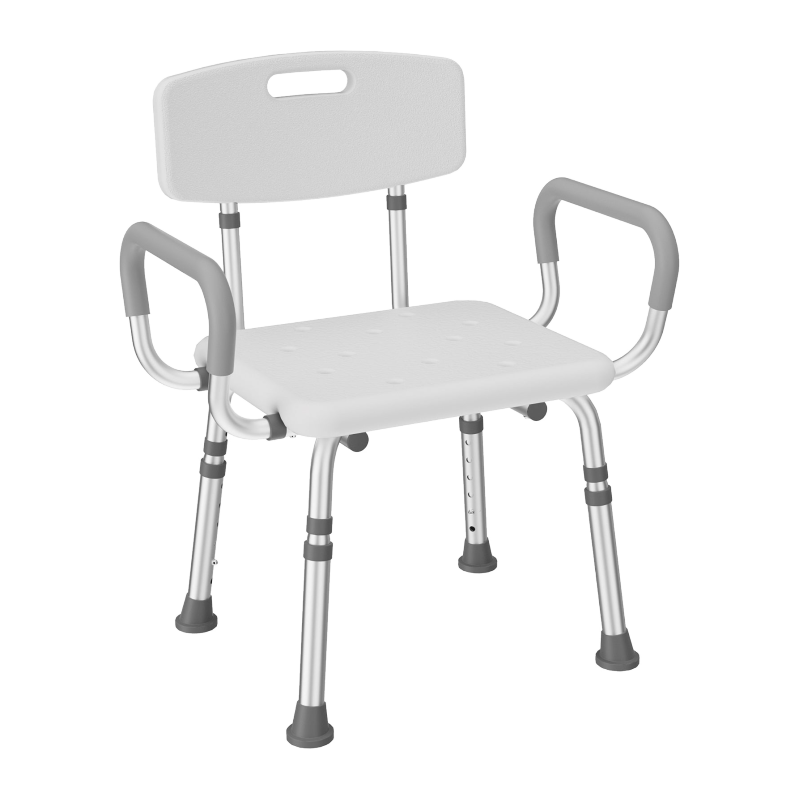
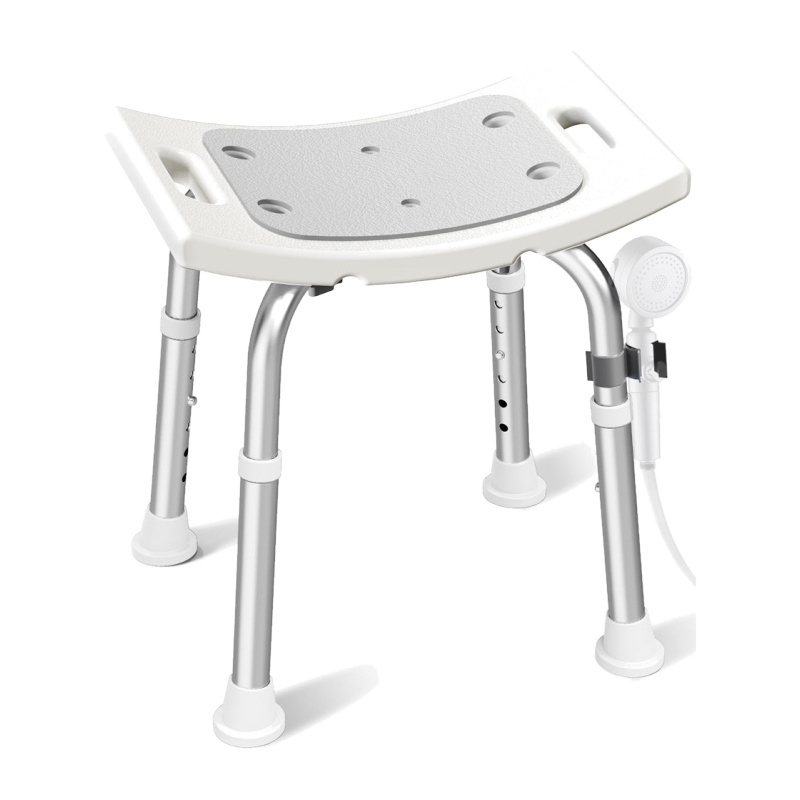
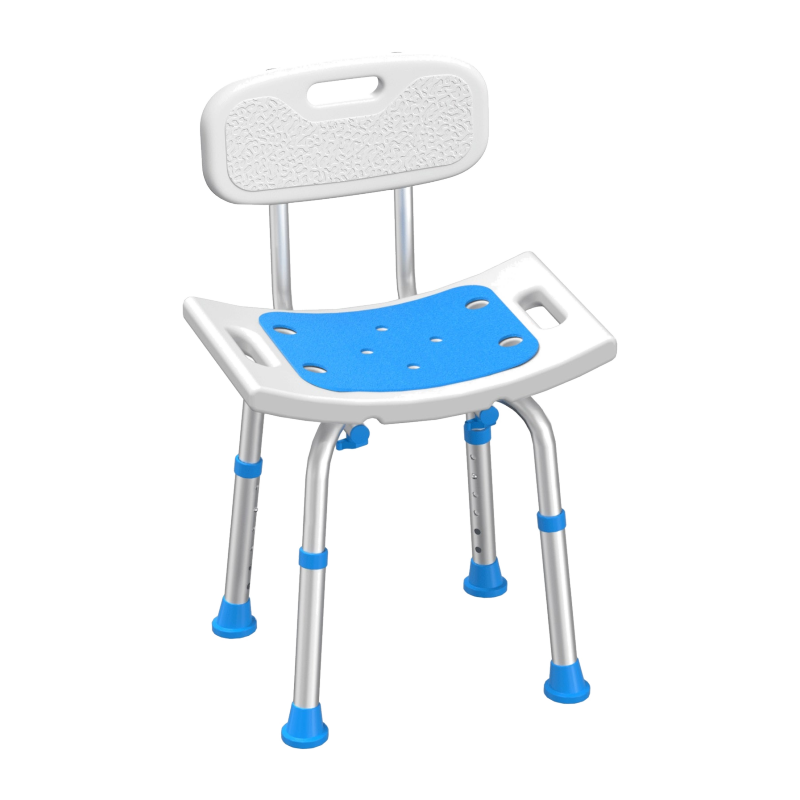
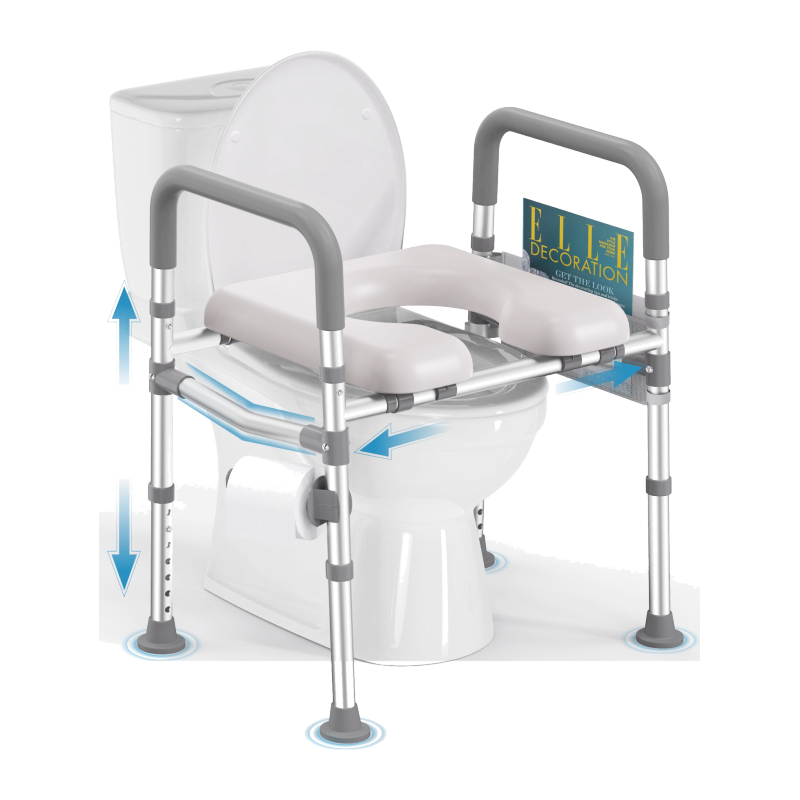
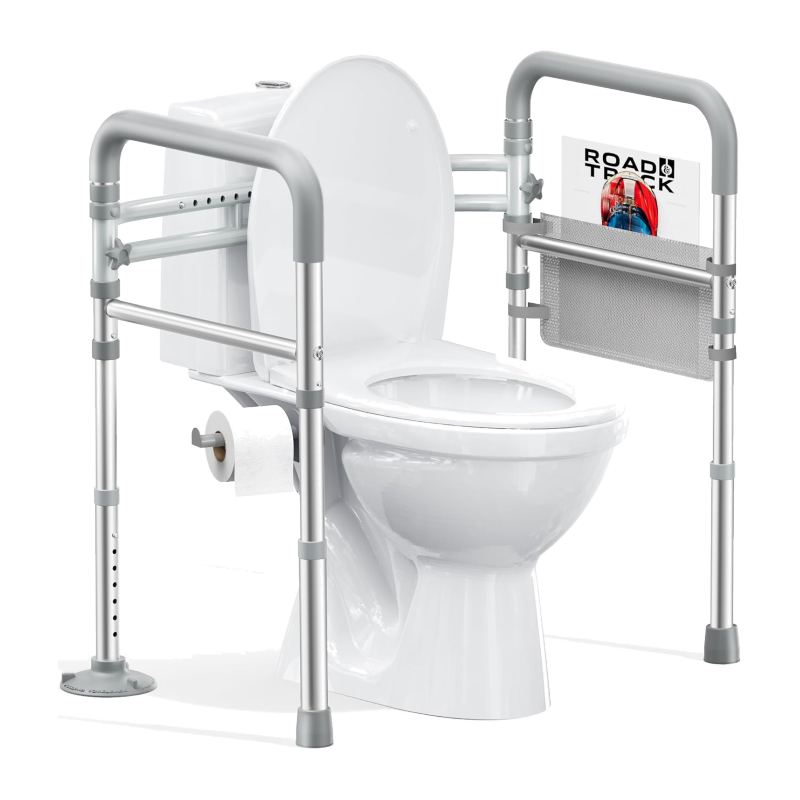
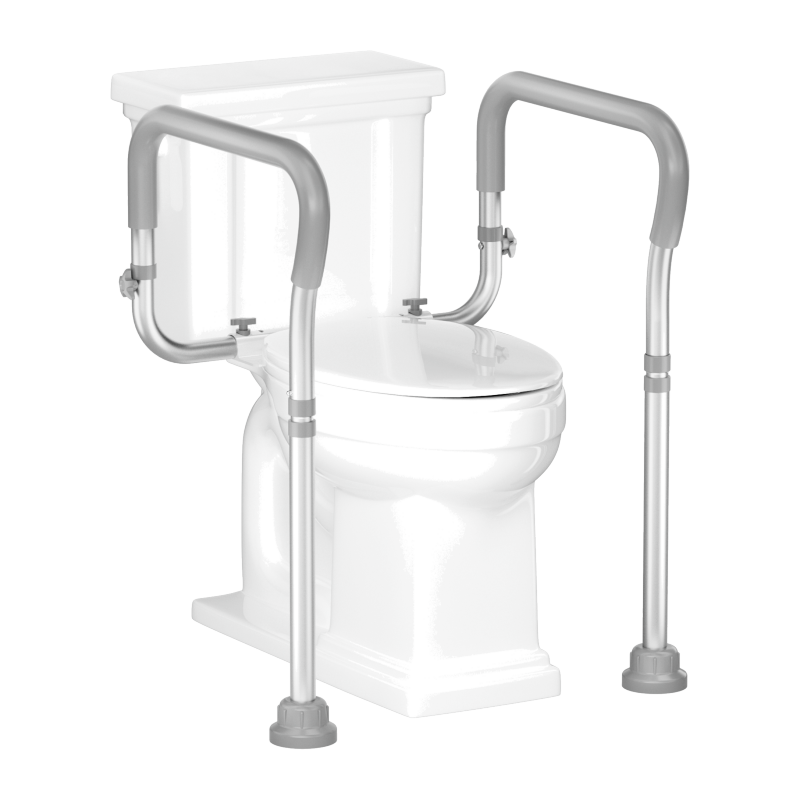
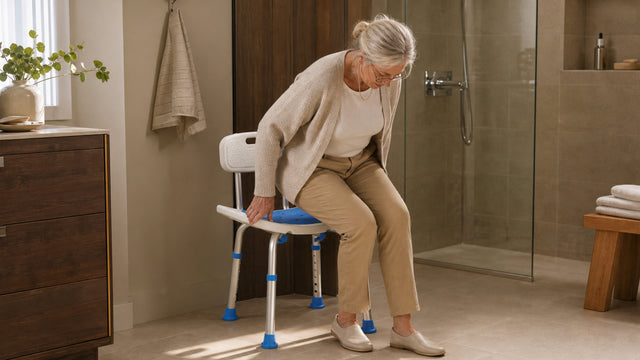
For added peace of mind around the home, many users pair their walker with complementary safety products. If navigating the bathroom is a concern, a shower chair, toilet safety rail, or bed rail can complete a home safety setup that covers the full range of daily movement — giving both users and their families genuine confidence.
Standard vs. Rolling Folding Walkers: Which Is Right for You?
This is one of the most common questions physical therapists field, and the answer depends more on how you move than on how the walker looks. A standard folding walker (with four non-wheeled legs) requires you to lift the walker slightly, advance it forward, then step into it. This lift-and-step pattern is actually beneficial for people who need maximum stability and a firm, planted base — it's slower, but it's sure-footed.
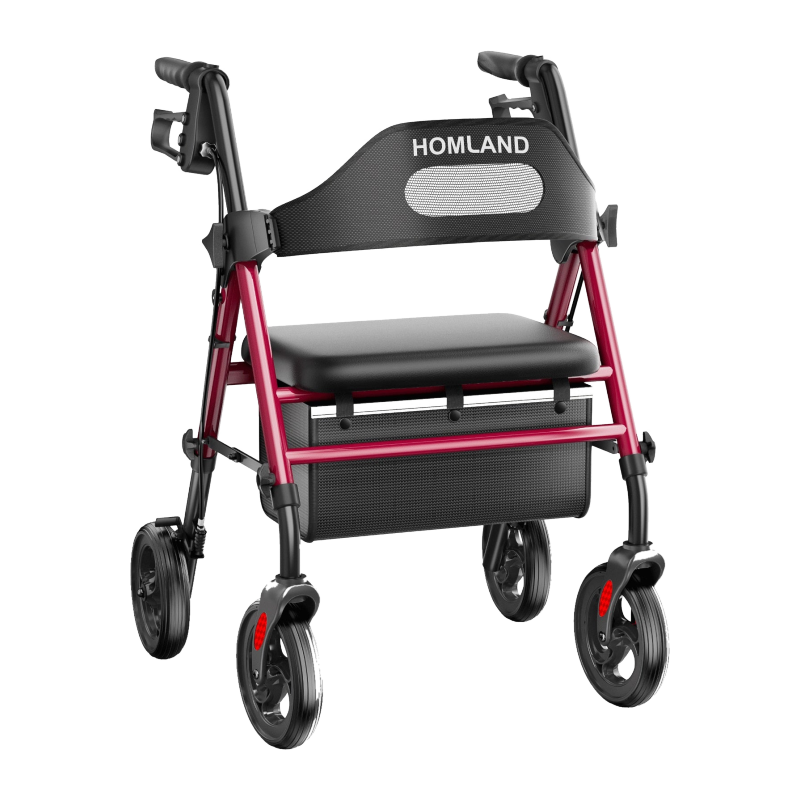
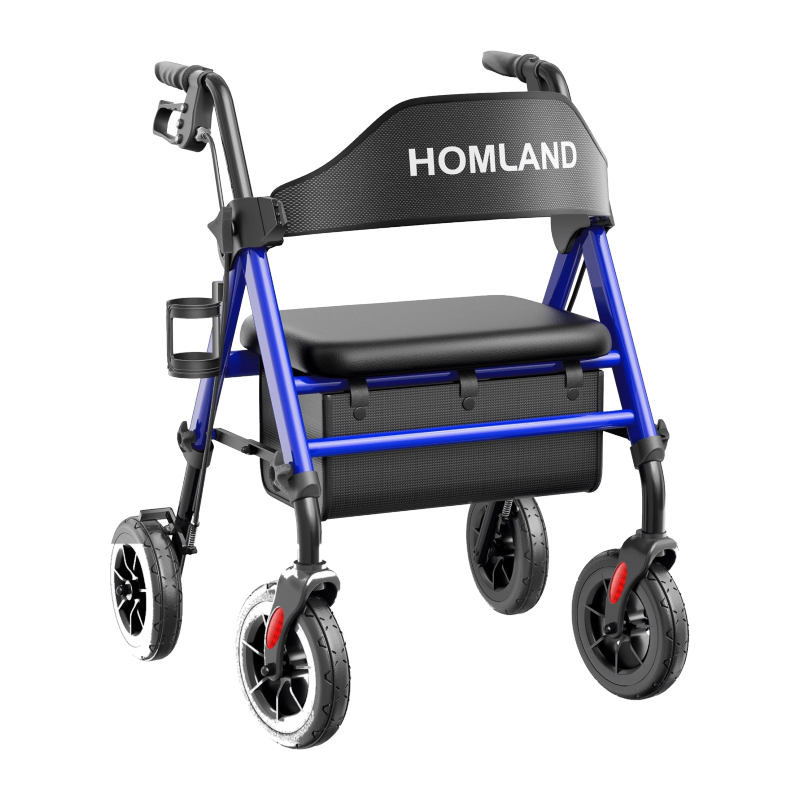
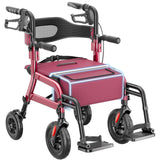
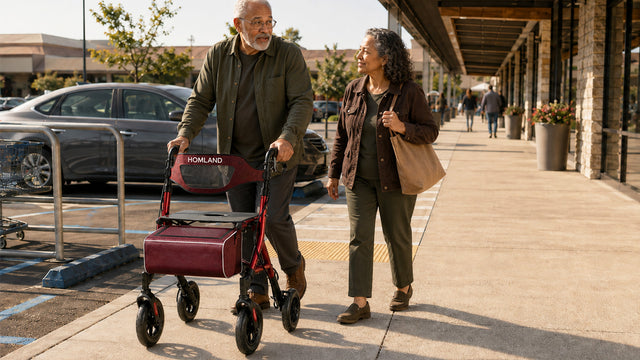
A rolling folding walker (either a two-wheeled front or a full four-wheeled rollator) glides forward with you rather than requiring a lift. This feels more natural for people with a smoother gait and is generally preferred for covering longer distances or outdoor surfaces. Four-wheeled rollators typically include a seat and hand brakes, making them a different category altogether — closer to a mobility scooter companion than a traditional walker.
Here's a simple way to think about it:
- Choose a standard folding walker if you need maximum stability, are recovering from surgery, or are using the walker primarily indoors on level floors.
- Choose a rolling walker if you cover longer distances, have a relatively smooth and continuous gait, or want the option to rest on a built-in seat during outings.
When in doubt, a physical therapist can assess your specific gait and recommend the most appropriate style. HOMLAND's Rolling Walkers Collection and Standard Walker Collection both offer folding options across different weight capacities and height ranges, so there's no need to compromise on fit.
Tips for Adjusting, Storing, and Traveling with Your Walker
Getting the most from your folding walker starts with getting the fit right. Here are practical tips that physical therapists and experienced users swear by:
- Set the height first, every time. Stand tall inside the walker with your arms relaxed at your sides. The handle should align with the crease of your wrist. If you're adjusting for someone else, have them stand naturally rather than reaching for the handle before you set it.
- Check the locks before each use. Most folding walkers have push-button or clip locks on the cross-brace. A quick visual and physical check — pressing down firmly to confirm the frame is fully open and locked — takes two seconds and matters.
- Store it where you'll use it. Keeping the walker folded in a closet sounds tidy, but if it's not within arm's reach when you need it, it's not doing its job. Keep it open and accessible next to the bed overnight, then fold and store it during the day if space is tight.
- For car travel, fold the walker and place it in the trunk or back seat before the passenger gets in — it's much easier to manage the walker separately from the boarding process.
- For air travel, notify the airline at booking that you're traveling with a mobility aid. At the gate, use the walker all the way to the jetway door, then hand it off for gate-checking. It will be waiting for you at the jetway on arrival.
Your Folding Walker Purchase Checklist
Before you finalize your choice, run through these practical considerations to make sure you're getting the right fit:
- Does the weight capacity comfortably exceed the user's body weight?
- Is the height range wide enough to fit the user properly?
- Does the walker fold in a single, tool-free motion?
- What does the folded size look like? Will it fit in your car trunk, closet, or overhead bin?
- Are the grips comfortable for extended use?
- Is the walker FSA/HSA eligible? (HOMLAND products are — which means you may be able to use pre-tax dollars toward your purchase.)
- Does it come with a warranty? HOMLAND offers a 1-year manufacturer warranty plus a 1-year extended warranty, backed by US local warehouse stock for fast delivery.
Shopping for a walker — whether for yourself or a parent — is one of those decisions where the right choice genuinely changes daily life. The goal isn't just stability; it's the quiet confidence to move through your day on your own terms. Explore the full range of HOMLAND mobility options at our All Products page, and find the walker that fits the life you want to keep living.
A folding walker isn't a compromise — it's an upgrade. It's choosing to keep doing the things that matter, whether that means visiting family across the country, making breakfast in your own kitchen, or simply getting to the bathroom safely in the middle of the night. The right lightweight, foldable design means your walker fits your life instead of the other way around.
When you're ready to choose, look for a walker that's been developed with real users in mind — one authorized by physical therapy professionals, built to last with a solid warranty, and designed to feel at home in your home. HOMLAND's Standard Walker Collection and Rolling Walkers Collection are both engineered with exactly that in mind: safety you can feel, ease you'll appreciate every single day, and the independence you've earned.
Have questions about which walker is right for you or a loved one?
Our team is here to help you find the best fit — no pressure, just honest guidance from people who understand what independence at home really means.