

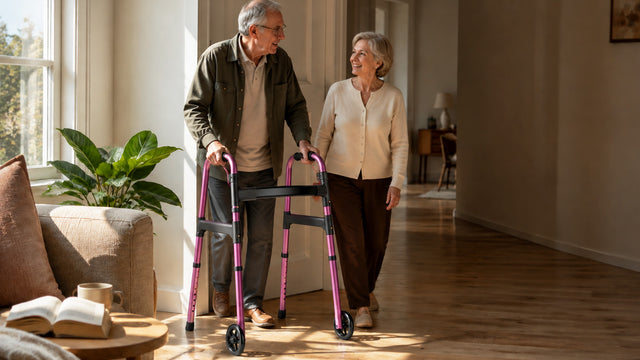

Choosing a walker feels like it should be simple — but walk into any medical supply store or scroll through an online search and you'll quickly realize there are dozens of options, each built for a different situation, body type, and lifestyle. The wrong choice doesn't just mean wasted money. It can mean less stability, more frustration, and a device that ends up gathering dust in the hallway instead of helping someone move through their day with confidence.
Whether you're selecting a walker for yourself after a procedure, or you're helping a parent or loved one find something that feels right at home rather than like a piece of hospital equipment, this guide walks you through everything you need to know. We'll cover the main walker types, the features that actually matter, how to get the sizing right, and what physical therapists typically look for when recommending a mobility aid — so you can make a decision you feel good about.
Why the Right Walker Makes All the Difference
A walker isn't just a piece of equipment — it's the thing that lets someone get to the kitchen on their own in the morning, walk to the mailbox without asking for help, or recover from surgery while staying in the comfort of their own home. According to the CDC, falls are the leading cause of injury among older adults, and the right mobility support can play a meaningful role in reducing that risk. But "the right support" is doing a lot of work in that sentence. A walker that's too heavy becomes a chore to lift. One that's too tall strains the shoulders. One that doesn't suit the floor surfaces in a home can actually create a tripping hazard rather than prevent one.
Physical therapists often stress that the best walker is the one a person will actually use consistently — which means it has to feel comfortable, match their activity level, and fit into their daily environment. That's exactly what this guide is designed to help you find.
The Main Types of Walkers — and Who Each One Suits
Walkers fall into a few distinct categories, and understanding the differences is the first step toward making the right choice. Each type is engineered around a specific balance of stability, mobility, and user independence.
Standard Walkers
A standard walker has four legs, no wheels, and requires the user to lift and place it forward with each step. Because all four points contact the floor simultaneously, it provides the highest level of stability of any walker type. This makes it a strong choice for people recovering from hip or knee surgery, those with significant balance challenges, or anyone who needs that extra sense of groundedness at every step. The tradeoff is that it moves more slowly and requires enough upper-body strength to lift the frame repeatedly. If you're helping a parent who has just come home from joint replacement surgery and needs maximum support for the first few weeks, a standard walker is often where physical therapists recommend starting. Browse HOMLAND's Standard Walker Collection to see tool-free, adjustable options built for home use.
Two-Wheel Walkers
A two-wheel walker (also called a front-wheeled walker) adds small wheels to the two front legs while keeping rubber tips on the rear legs. This design lets the walker glide forward naturally, reducing the lifting effort while still providing a braking effect when the user leans back or puts weight through the rear legs. It's a popular middle ground for people who find a standard walker too slow or tiring but aren't quite ready for a full rollator. It works especially well on smooth indoor surfaces like hardwood or tile.
Rolling Walkers (Rollators)
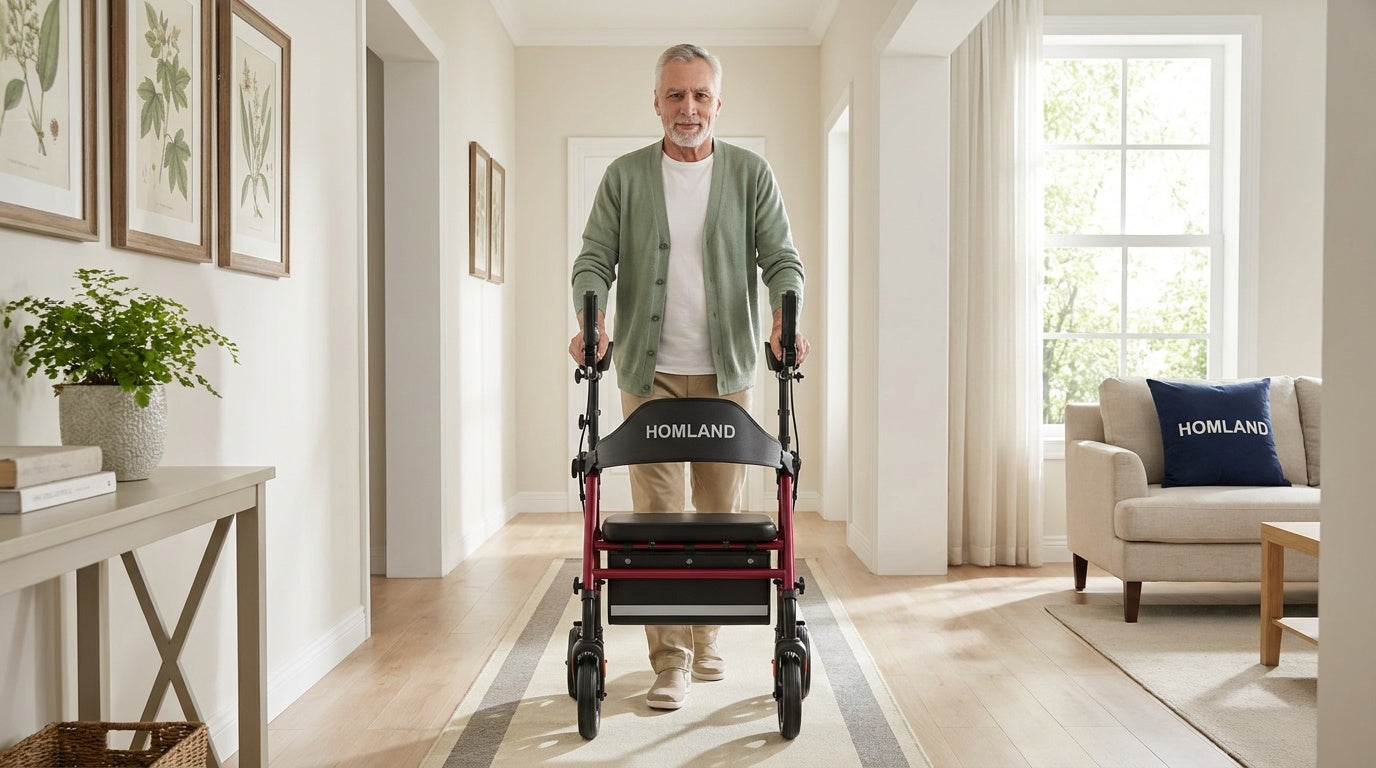
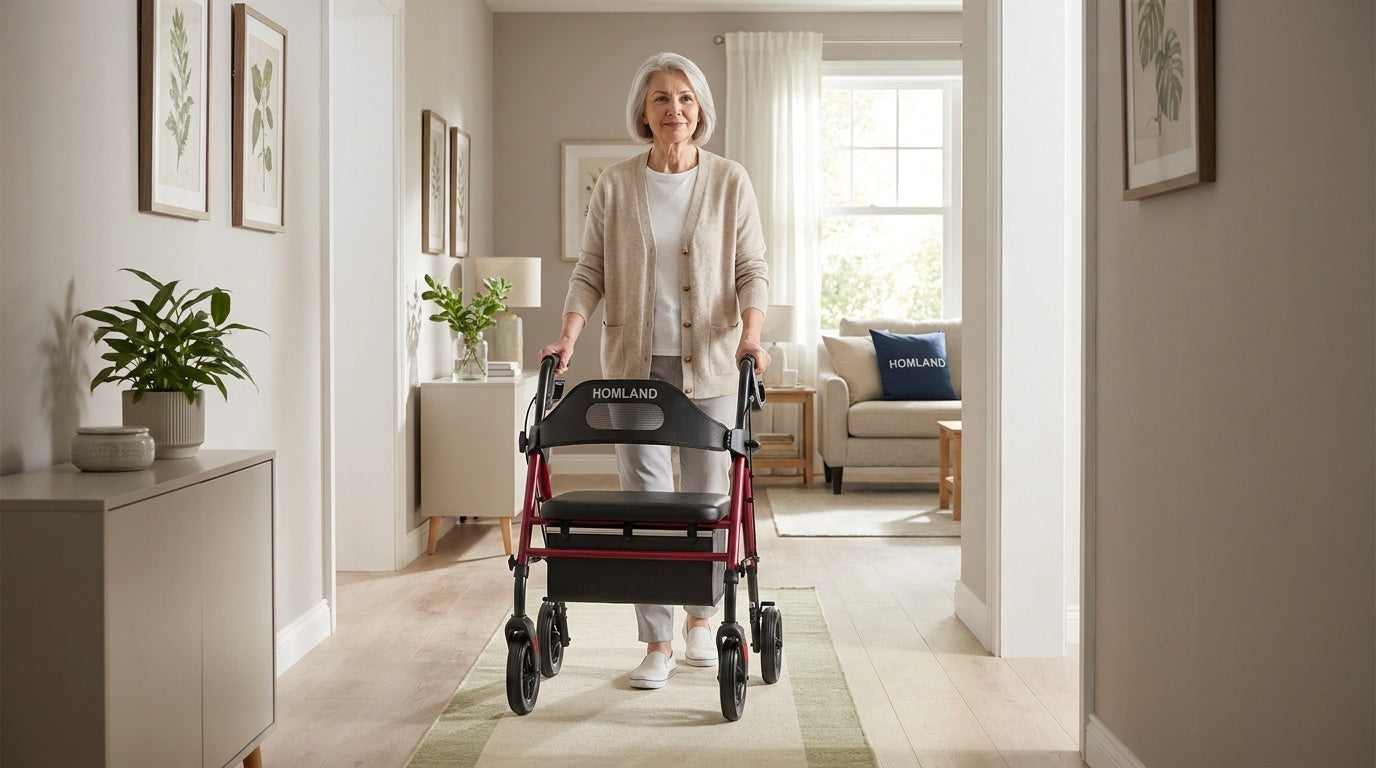
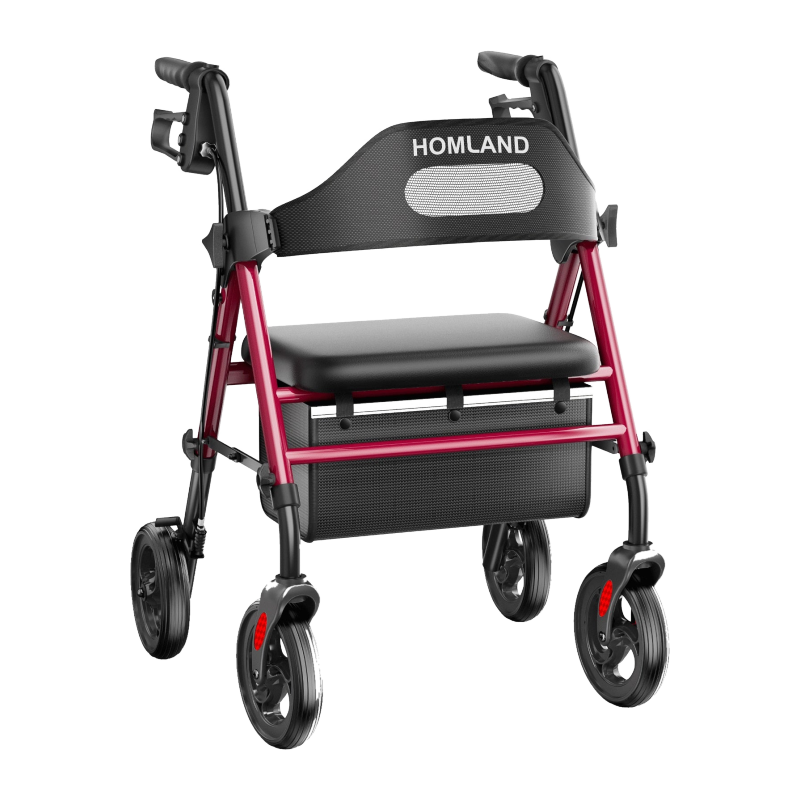
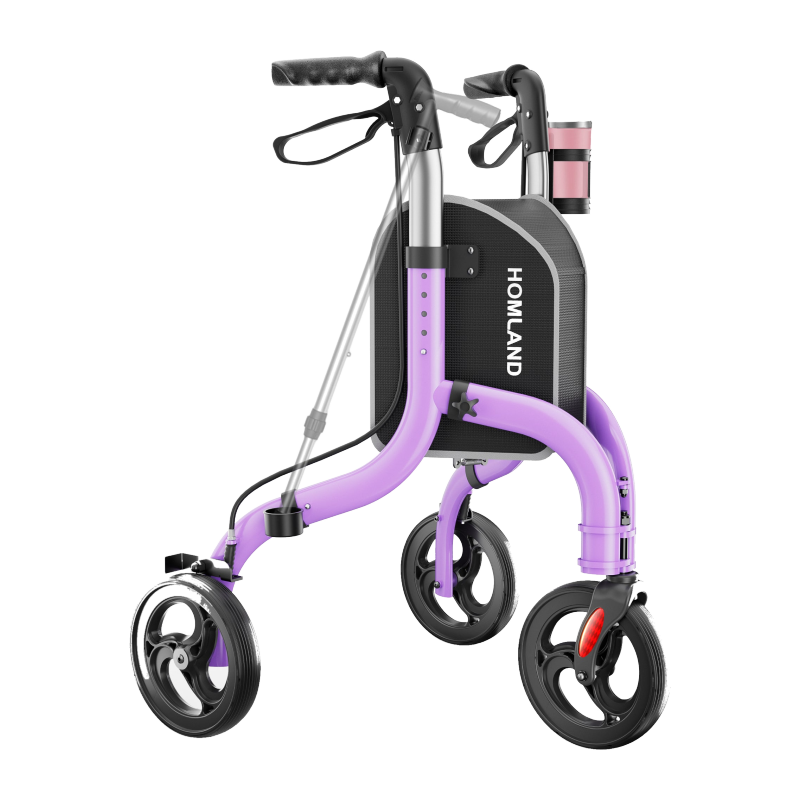
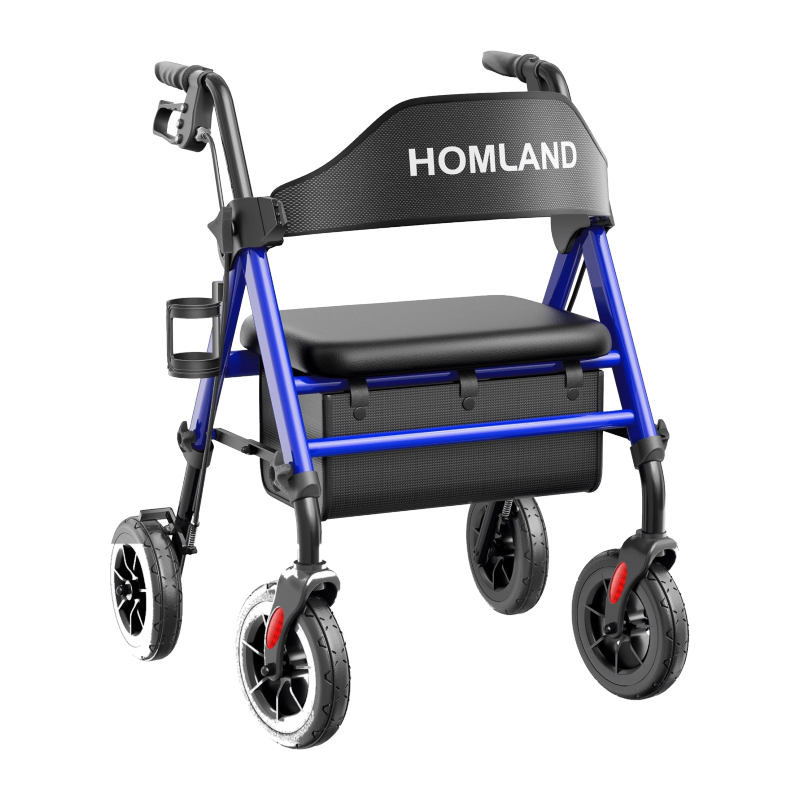
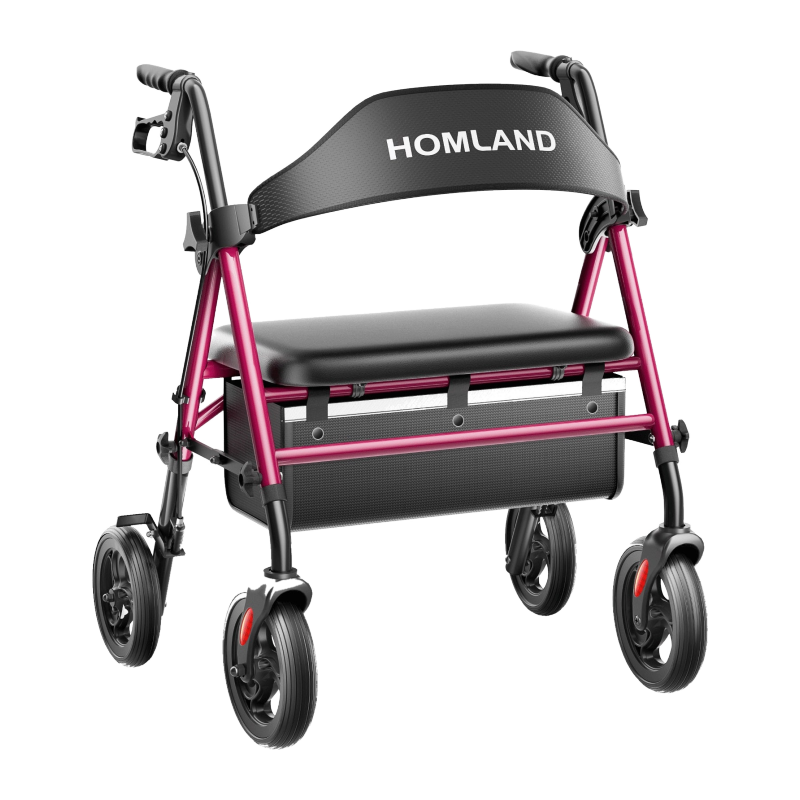
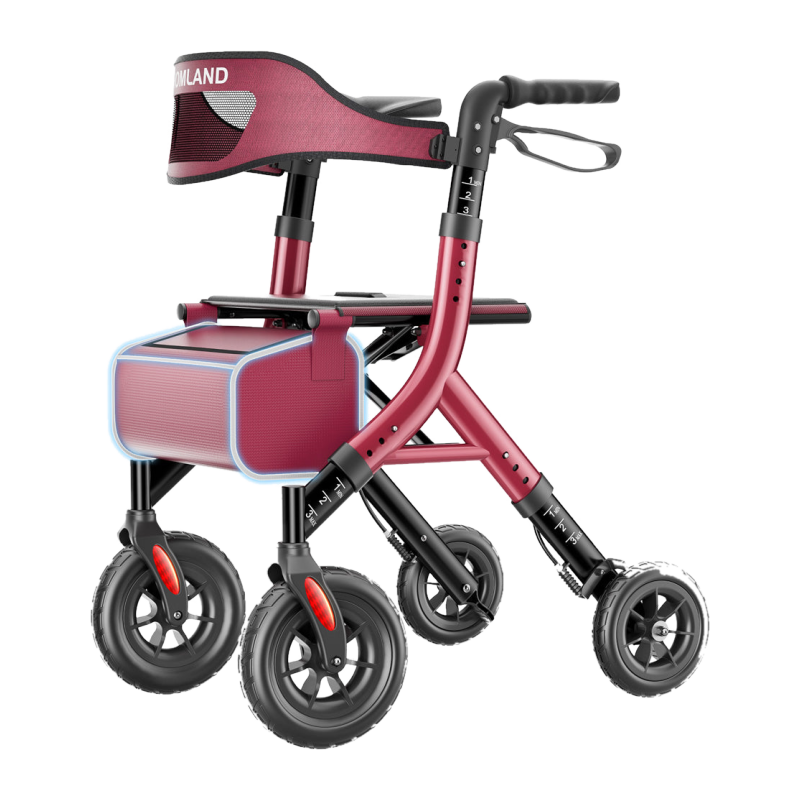
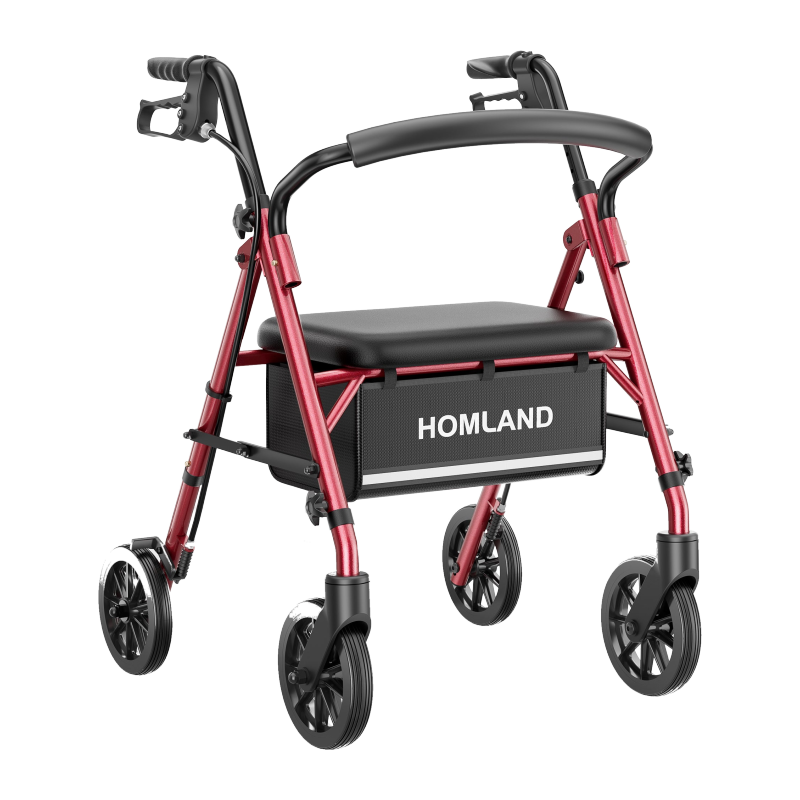
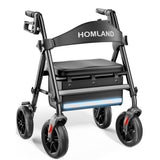
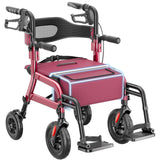
A rolling walker, commonly called a rollator, has wheels on all four legs (or three legs in the case of a 3-wheel model) along with hand brakes and usually a built-in seat. Because the rollator rolls continuously rather than requiring a lift-and-place motion, it encourages a more natural walking gait and puts far less strain on the arms and shoulders. This makes it ideal for seniors who are active, want to walk longer distances, or use their walker outdoors as well as indoors. The built-in seat is genuinely useful — not just as a safety feature but as a practical rest spot on a trip to the farmers market or a walk around the neighborhood. HOMLAND's Rolling Walkers Collection includes 3-wheel, 4-wheel, upright, and bariatric options, all designed with everyday independence in mind.
Upright Walkers
An upright walker positions the forearm supports much higher than a standard rollator, allowing the user to stand tall and upright rather than hunching forward over traditional handles. For seniors with back pain, arthritis in the wrists, or a tendency to stoop when walking, this design can be a genuine comfort upgrade. Physical therapists often highlight upright walkers for users who find themselves leaning heavily on their walker in a way that rounds the spine — an upright model corrects that posture naturally just by changing the grip position.
Bariatric Walkers
A bariatric walker is a heavy-duty option engineered with a wider frame and higher weight capacity — HOMLAND's bariatric models are built to support up to 500 lbs so users can lean in with full confidence. The reinforced construction isn't just about weight limits; it also adds a broader footprint that increases lateral stability. If standard walkers feel narrow or wobbly, a bariatric model is worth considering regardless of body size, because the wider base simply provides more room to plant your feet.
Key Features to Look For
Once you've identified the right walker type, the features within that category are what separate a device that feels like part of daily life from one that feels like a burden. Here are the features that matter most in real, everyday use:
- Adjustable height: This is non-negotiable. A walker set to the wrong height forces unnatural posture and reduces stability. Look for tool-free height adjustment — being able to dial it in without a wrench means it actually gets adjusted when it should.
- Weight of the walker itself: A lighter aluminum frame is easier to lift, carry, and load into a car. Heavier frames can feel more solid but may become fatiguing for daily use.
- Folding design: A walker that folds flat is far easier to store in a small apartment or load into a vehicle for trips. Most quality rollators and many standard walkers fold with a single motion.
- Brakes (for rollators): Loop brakes that engage when you squeeze are the standard. Make sure the brake tension is easy to operate for hands with reduced grip strength — test it before committing.
- Seat and backrest (for rollators): If your loved one plans to use the built-in seat, check that it's at a comfortable height and that the backrest (if included) provides real support rather than just a thin strap.
- Non-slip tips and wheel quality: Rubber tips on standard walkers should be replaced regularly — worn tips are a slip hazard. For rollators, larger wheels handle outdoor terrain better than small casters designed only for smooth floors.
- Storage pouch or basket: Small but meaningful. Being able to carry a phone, keys, or a water bottle while walking hands-free restores a real sense of everyday normalcy.
HOMLAND engineers all of its walkers with tool-free assembly and adjustable heights as standard — because these features shouldn't be premium add-ons. They're the baseline for a walker that actually works at home.
How to Size a Walker Correctly
Sizing a walker is simpler than it sounds, but it matters enormously. The goal is to set the handle height so that when the user stands upright and holds the grips, their elbows are bent at a comfortable angle — typically around 15 to 20 degrees. A walker that's too tall causes the shoulders to hunch up toward the ears. One that's too low forces the user to stoop forward, which both strains the back and shifts weight forward in a way that can compromise balance.
A quick way to check: have the user stand up straight, let their arms hang naturally at their sides, and measure the distance from the floor to their wrist crease. That measurement is a reliable starting height for walker handles. From there, fine-tune for comfort over a few days of real use. Physical therapists recommend doing this fitting in the shoes the person actually wears day-to-day, since shoe sole thickness changes the equation slightly.
Indoor vs. Outdoor Use: Does It Matter?
Yes — and it's one of the questions that's easiest to overlook. A rollator with small 6-inch wheels rolls beautifully on a flat kitchen floor but can become difficult to push on a sidewalk with cracks, gravel, or grass. If outdoor walks are part of someone's daily life — even just getting to the car or checking the mailbox — look for a rollator with larger wheels (8 inches or more) and a sturdy frame that handles uneven ground without wobbling.
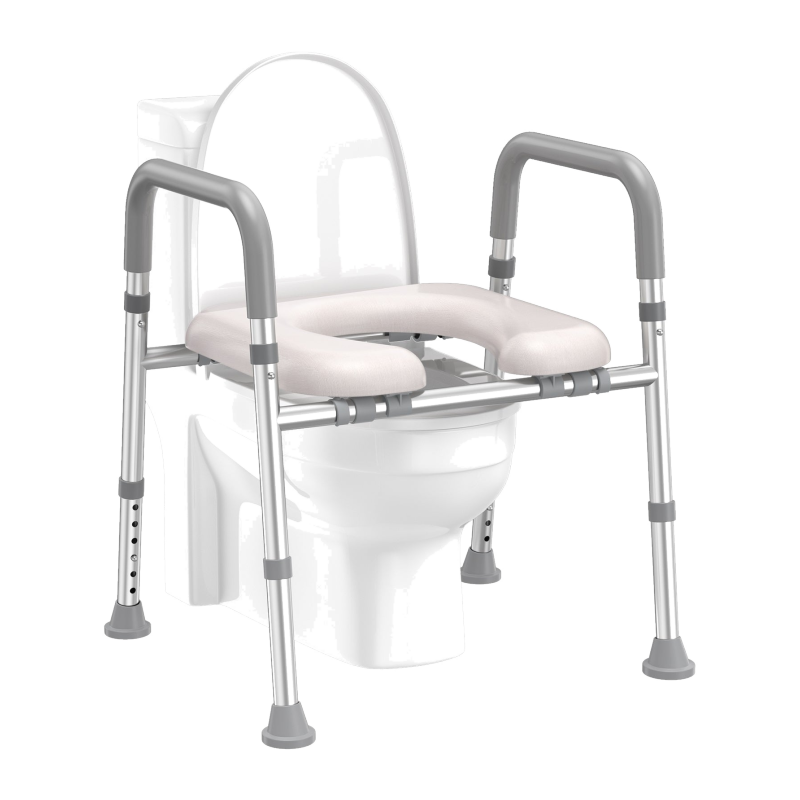
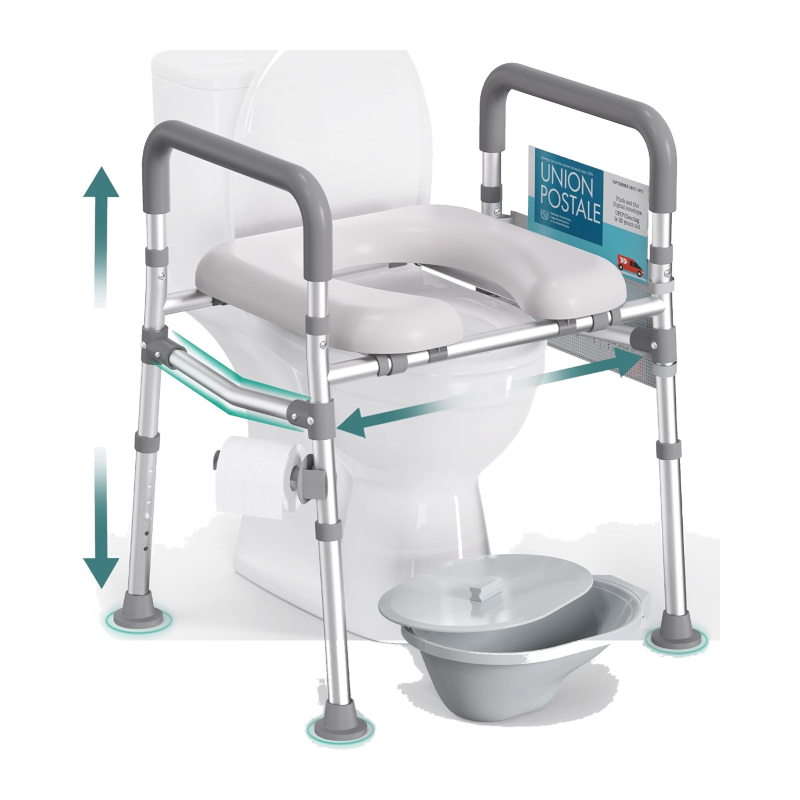
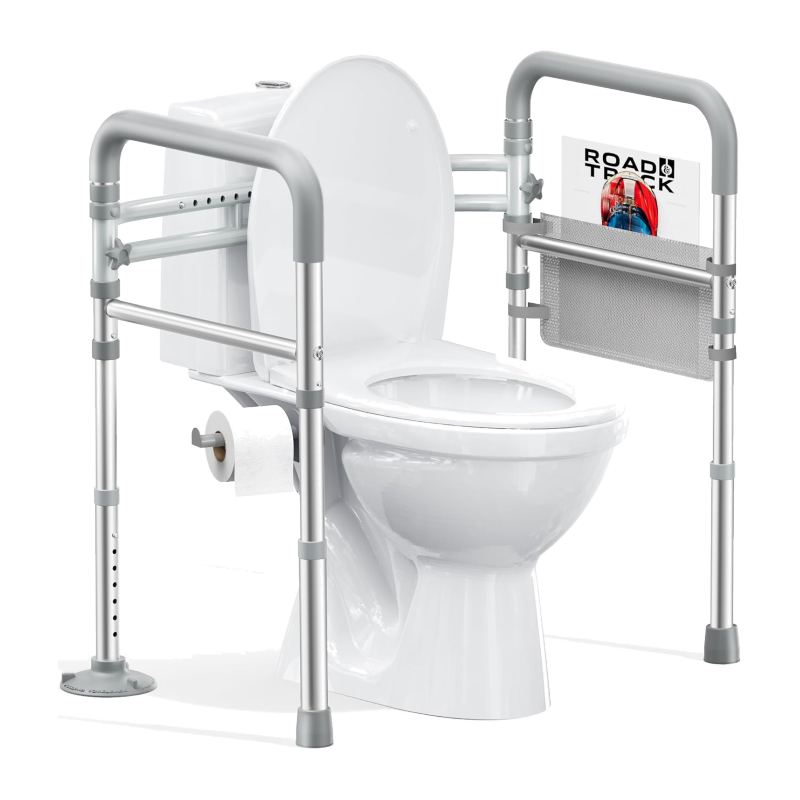
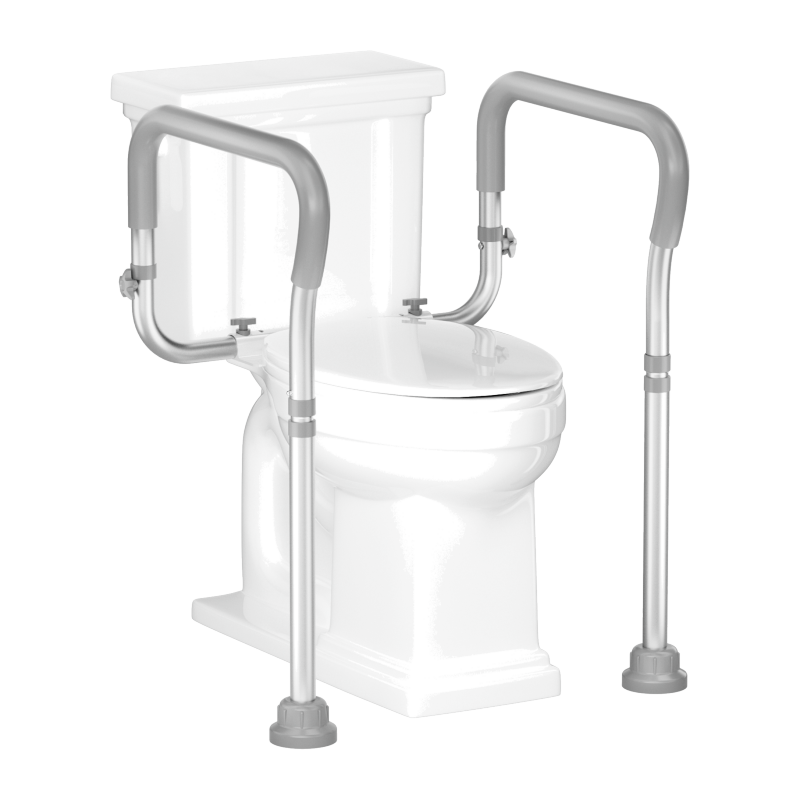
For primarily indoor use in a smaller home or apartment, a compact 3-wheel rollator can maneuver tight corners and narrow hallways far more easily than a wider 4-wheel model. It's worth walking through the actual spaces the person uses every day — the bathroom doorway, the kitchen galley, the bedroom — before deciding on a frame width. Pair a rollator with other home safety equipment like bed rails and toilet safety rails to create a consistent layer of support throughout the home.
Questions to Ask Before You Buy
Before adding anything to your cart, run through these practical questions. They help surface the real-world requirements that spec sheets often miss:
- Is this walker primarily for indoor use, outdoor use, or both?
- Does the user need to lift the walker, or can it roll continuously?
- Are there narrow doorways or tight spaces to navigate at home?
- Does the user have significant upper-body weakness, wrist pain, or grip limitations?
- Will the walker need to travel — in a car, on public transit, or on trips?
- Is a built-in seat important for resting during walks?
- What is the user's weight, and does the walker's capacity comfortably exceed it?
- Has a physical therapist made any specific recommendations about walker type or features?
Taking ten minutes to answer these questions honestly — ideally together with the person who will be using the walker — almost always leads to a better decision than relying on reviews alone.
Buying with Confidence: What to Look for in a Brand
For families purchasing a walker for the first time, the brand behind the product matters as much as the product itself. You want to know that someone stands behind what you're buying — especially if the user's needs change or something needs to be adjusted in the first months of use.
HOMLAND's walkers are FSA/HSA eligible, which means if you have a flexible spending account or health savings account, you can use those pre-tax dollars to offset the cost — something worth checking before you pay out of pocket. Every walker comes backed by a 1-year manufacturer warranty plus a 1-year extended warranty, and HOMLAND ships from a US local warehouse for fast delivery, so there's no waiting weeks for something that's needed now.
Every product is also authorized by licensed Doctors of Physical Therapy, which means the design decisions — handle height ranges, frame geometry, brake systems — have been reviewed by people who work with mobility every day. That's not a small thing when you're making a decision that affects someone's safety and daily independence.
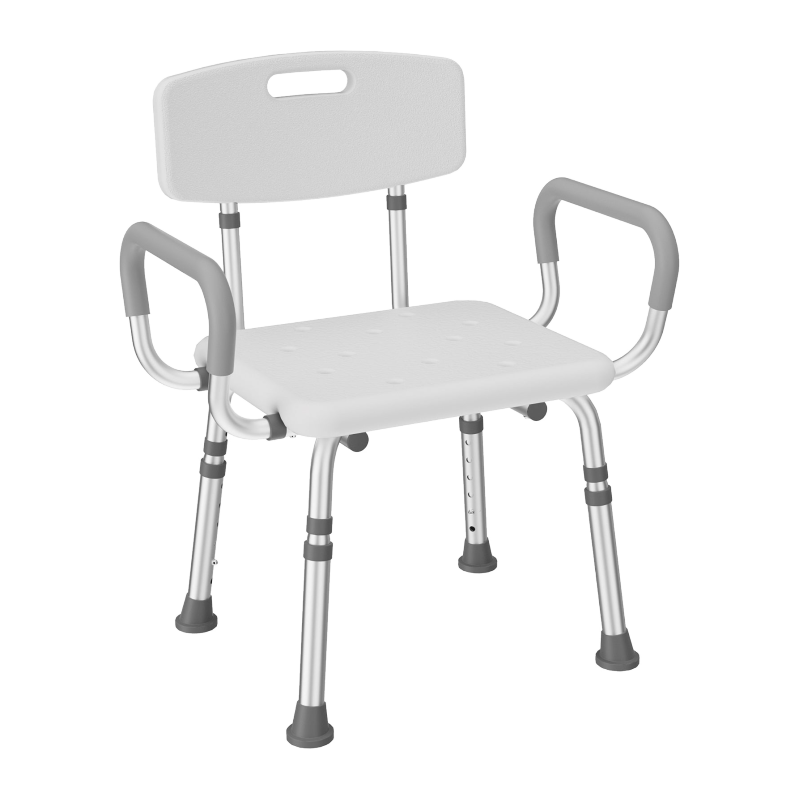
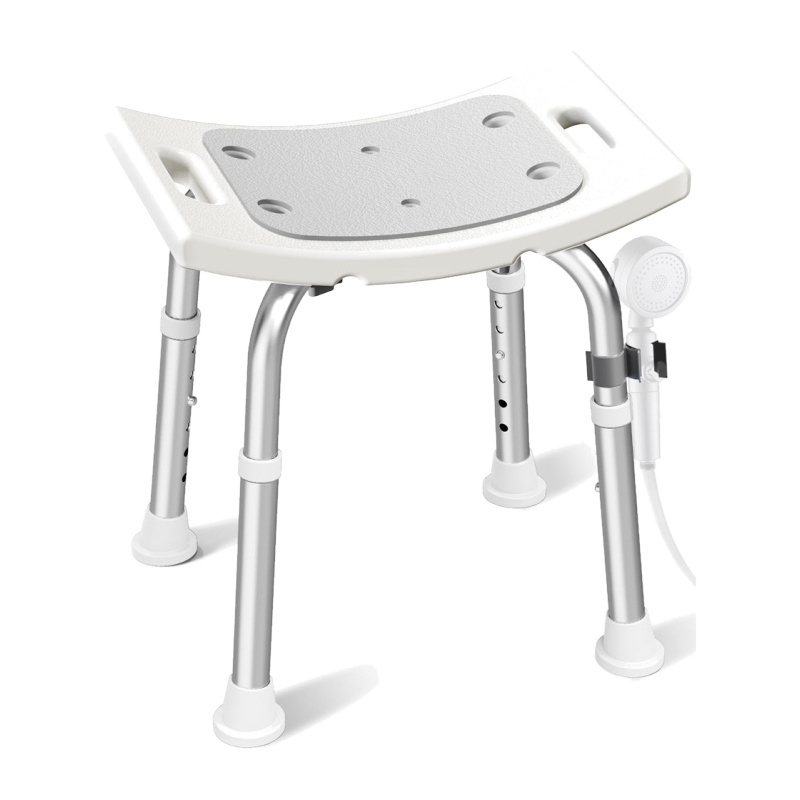
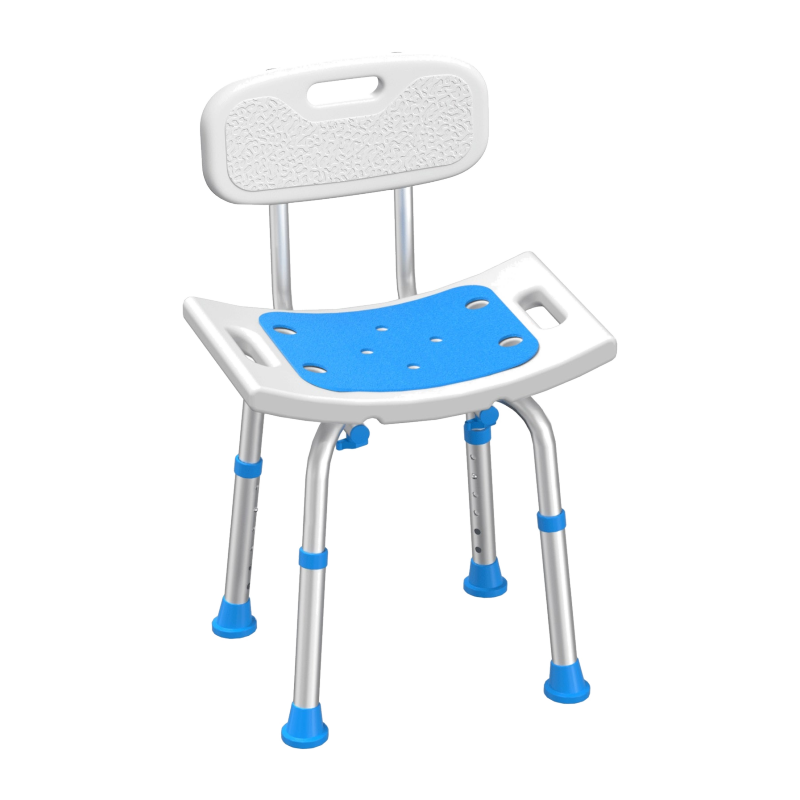
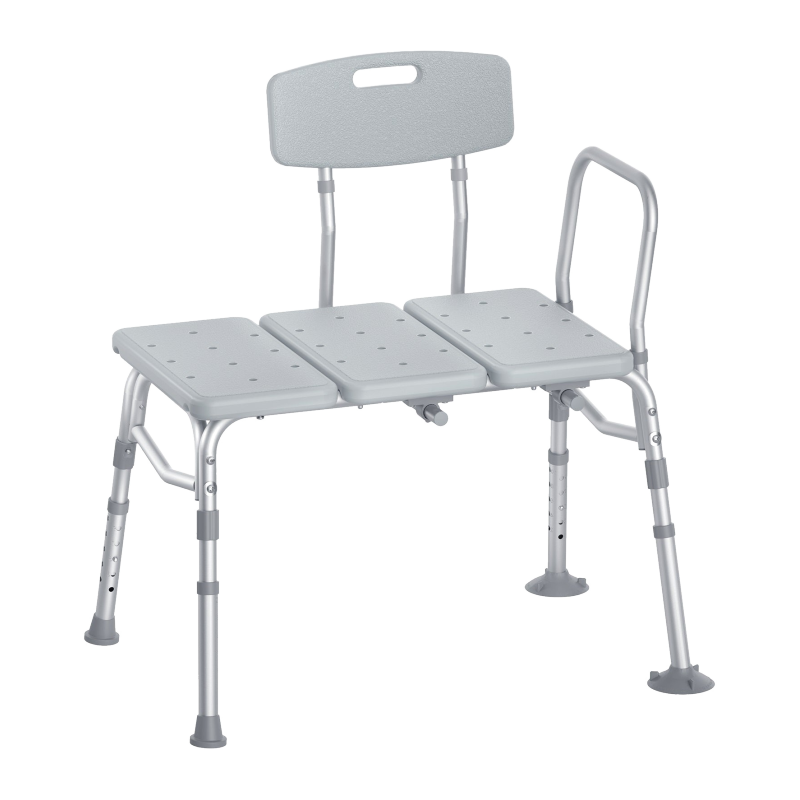
Explore the full range of HOMLAND mobility and home safety products — from walkers to shower chairs and knee scooters — all designed with one philosophy: Home, not hospital.
The Bottom Line
Choosing the right walker comes down to understanding one person's specific daily life — the spaces they move through, the distances they walk, the physical challenges they're working with, and the activities that matter most to them. A rollator that's perfect for an active senior who walks to the park every morning is a completely different product from the standard walker that gives someone just home from surgery the rock-solid stability they need to take those first steps down the hallway.
Take your time, use the questions in this guide as a starting point, and don't hesitate to involve a physical therapist if you're uncertain about which type of support is the right fit. The right walker doesn't just prevent falls — it restores the kind of everyday freedom that makes staying at home, on your own terms, genuinely possible.
Still Have Questions? We're Here to Help.
Not sure which walker is right for your situation? HOMLAND's team is ready to help you find the best fit — whether you're purchasing for yourself or someone you love. Reach out and get personalized guidance from people who understand what independence at home really means.