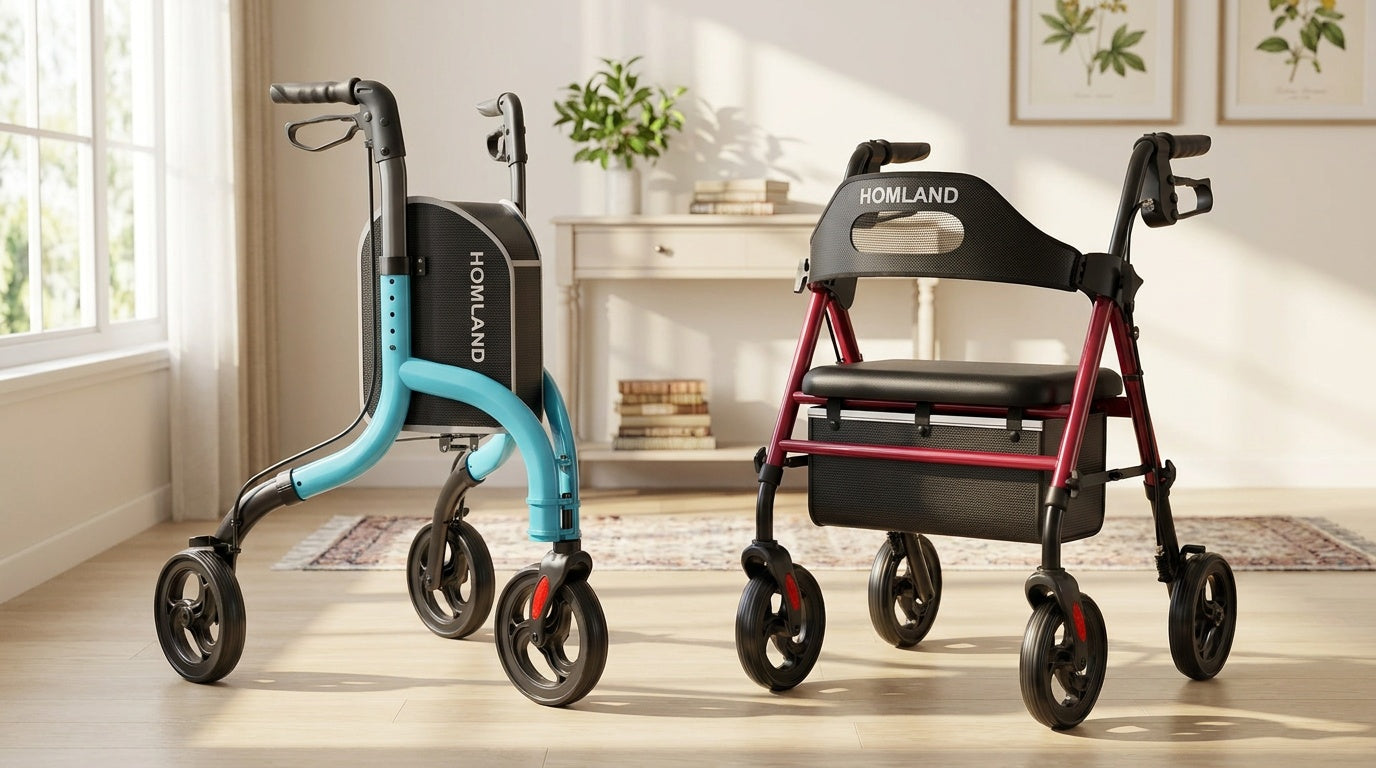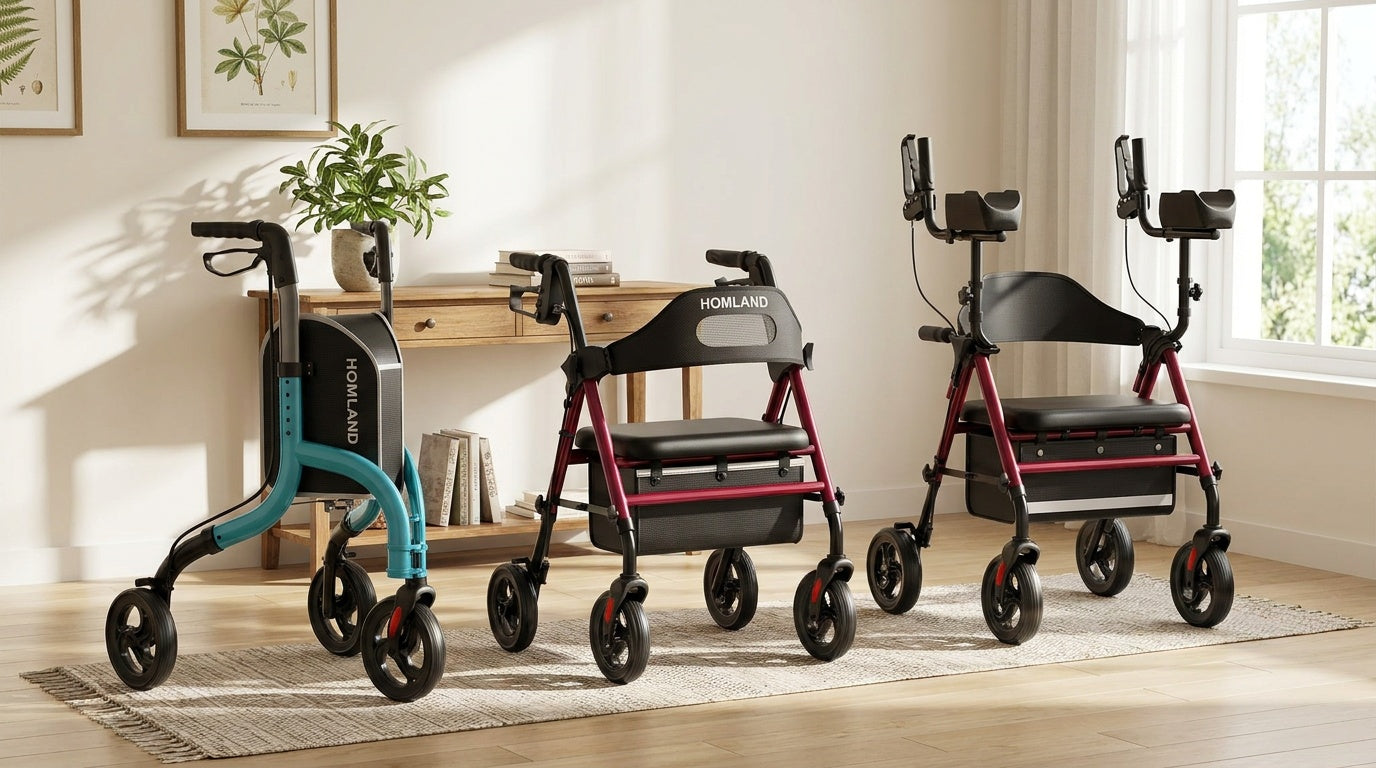

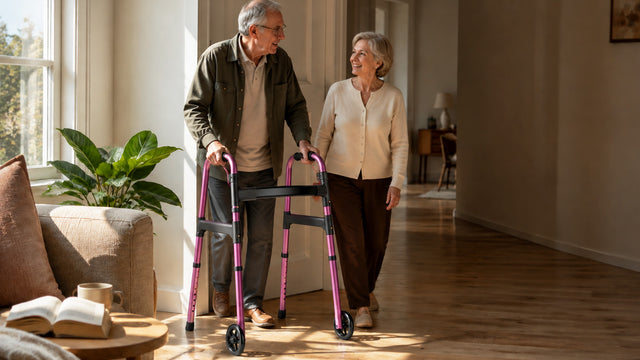

If someone you love has been told to use a walker, the first reaction is often resistance. Walkers can feel like a symbol of limitation — something to lean on, hunch over, and shuffle behind. But an upright walker is a different story entirely. Designed to let users stand tall instead of stooping forward, it's one of the most posture-friendly mobility aids available today, and it's changing how people think about getting around safely at home.
This guide breaks down exactly what upright walkers do, where they shine, where they fall short, and — most importantly — whether one is the right fit for you or the person you're shopping for. Whether you're recovering from surgery, managing a chronic condition, or simply looking for more confident daily movement, you'll find honest, practical answers here.
What Is an Upright Walker?
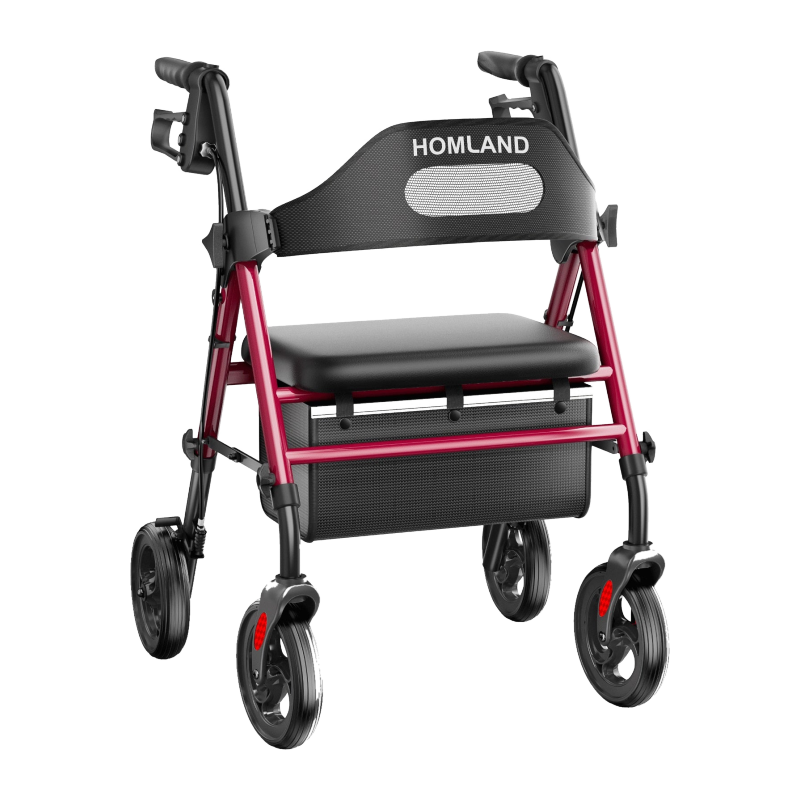
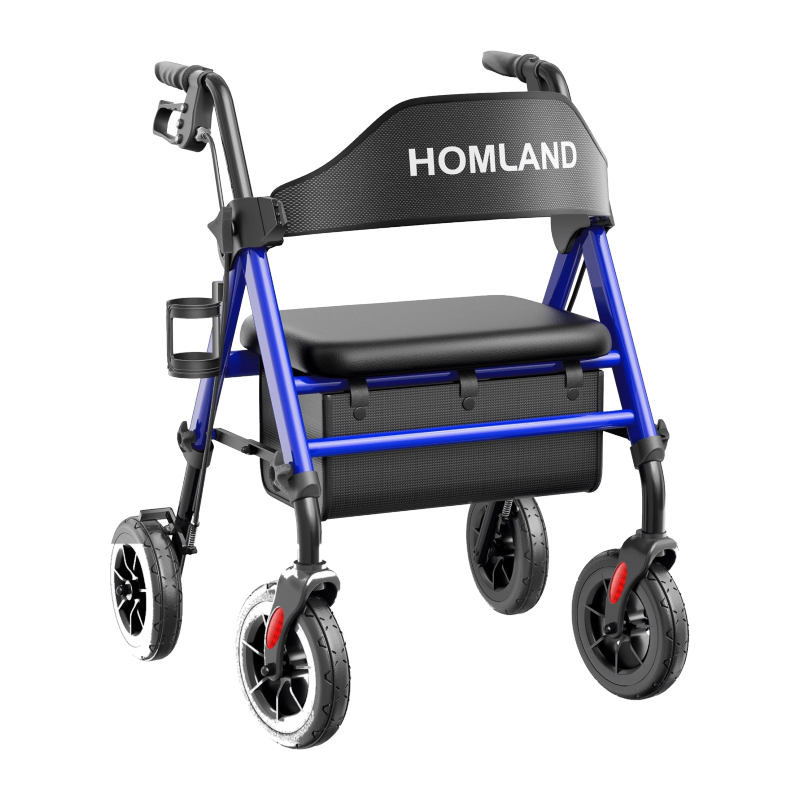
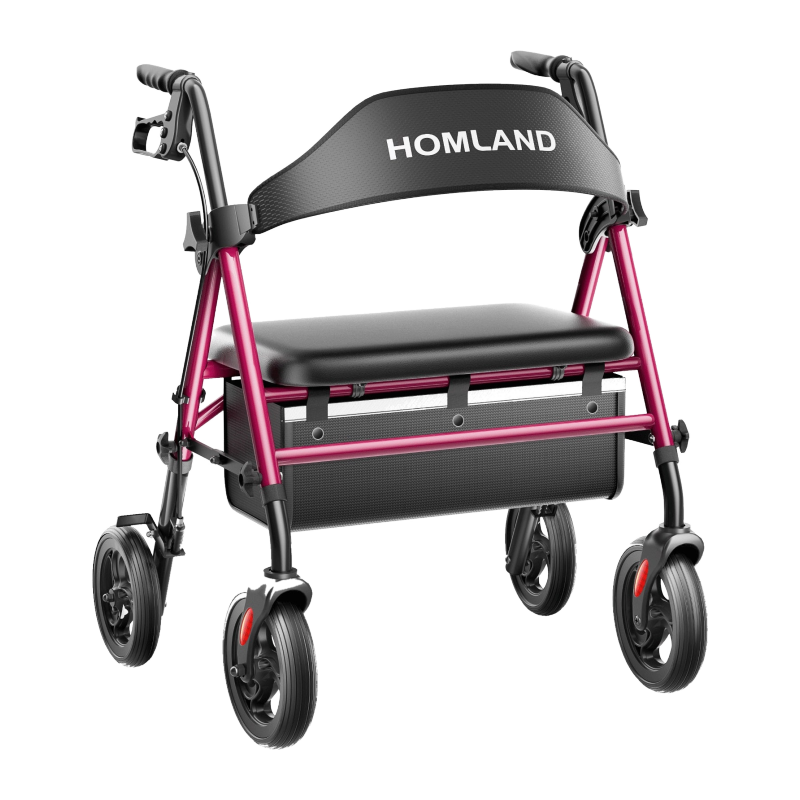
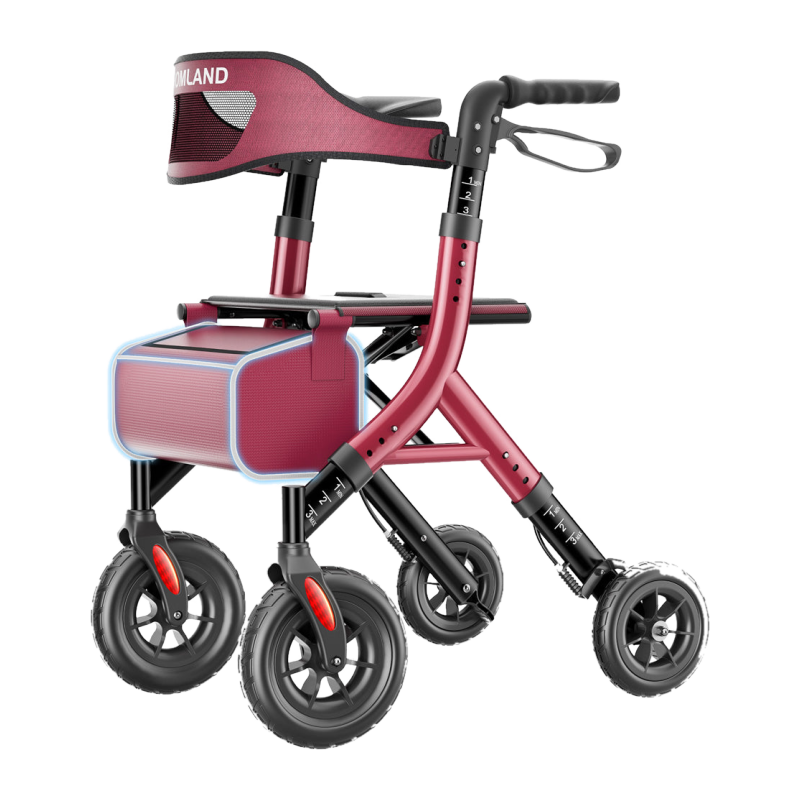
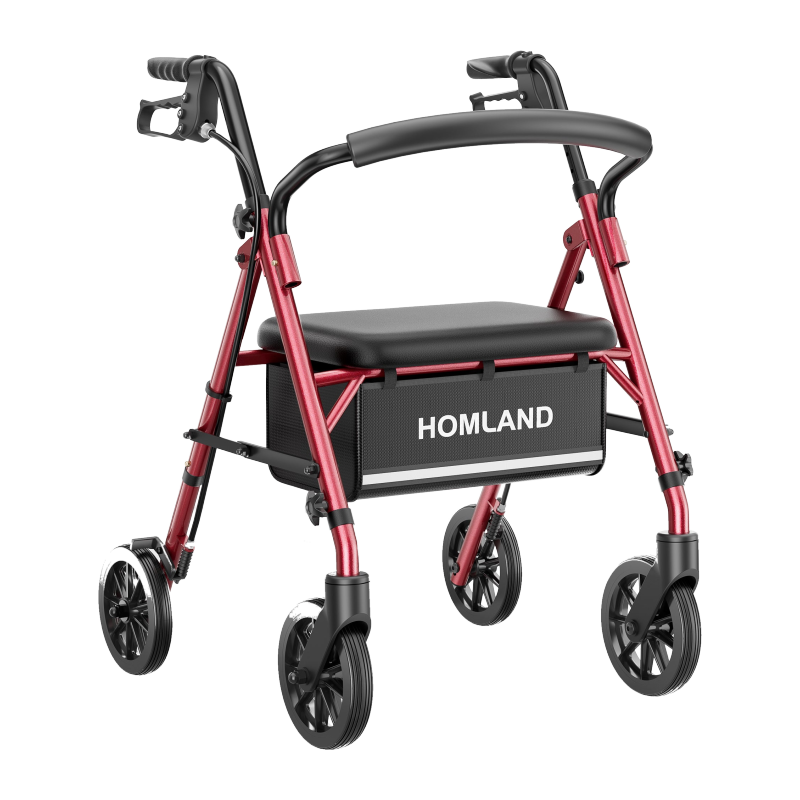
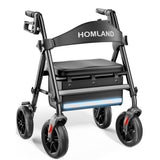
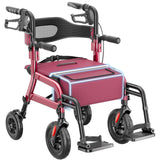
An upright walker — sometimes called a forearm walker or stand-up rollator — is a wheeled mobility aid designed to support the user at forearm height rather than at the hands and wrists. Instead of gripping low handles and leaning forward, you rest your forearms on padded arm supports and walk in an upright, natural position. Most models include four wheels, a built-in seat for resting, and hand brakes for control on inclines or uneven surfaces.
The key design difference is height. Conventional rollators position the handles at hip or waist level, which often encourages a slight forward lean over time. Upright walkers raise that point of contact to the forearms, which helps the spine stay aligned and the chest open. Physical therapists often recommend this style specifically when a user's posture or shoulder health is a concern, or when stooping over a lower walker becomes uncomfortable after extended use.
Upright Walker vs. Standard Rollator: What's the Difference?
Understanding the distinction between an upright walker and a standard rolling walker helps you make a smarter choice from the start. Both have four wheels and a seat, but they are built around very different body mechanics.
- Support point: Standard rollators are gripped at the palms; upright walkers are supported at the forearms.
- Posture impact: Standard rollators can promote a forward-leaning gait over time; upright walkers encourage a straight, upright stance.
- Wrist and hand load: Users with arthritis, carpal tunnel, or weak grip strength often find upright walkers more comfortable because the forearms — not the hands — bear the weight.
- Size and maneuverability: Upright walkers tend to be wider and slightly bulkier, which can matter in tighter spaces like narrow hallways or small bathrooms.
- Learning curve: The gait pattern for an upright walker is slightly different and may take a few sessions to feel natural.
Neither type is universally better. The right choice depends on the user's body, living space, and daily routine — all topics we'll work through below.
The Real Benefits of Using an Upright Walker
Better Posture, Less Back Pain
One of the most frequently cited reasons people switch to an upright walker is back discomfort. When you hunch over a standard walker for hours each day — getting to the kitchen, walking to the mailbox, moving through a grocery store — that forward lean puts cumulative stress on the lower back and neck. An upright walker removes that forward bend almost entirely. Users often describe feeling less fatigued at the end of the day and experiencing noticeably less lower-back tension after making the switch.
Easier on the Hands and Wrists
For anyone living with rheumatoid arthritis, osteoarthritis, or conditions that reduce grip strength, squeezing a standard walker handle for extended periods can be painful and discouraging. Upright walkers transfer that load to the forearms and elbows, which are far more capable of bearing sustained weight. This can be the difference between taking a 10-minute walk and stopping after two — a meaningful distinction for everyday independence and confidence.
A More Natural, Dignified Stride
Standing upright simply feels better. Users consistently report that walking with an upright walker feels closer to their pre-mobility-aid gait — head up, shoulders back, engaging the world around them rather than staring at the ground. That psychological lift matters. When a tool supports dignity rather than undermining it, people use it more consistently, which ultimately improves safety and outcomes.
Built-In Rest Without Sitting on the Floor
Like standard rollators, most upright walkers include a padded seat. This means users can pause, rest, and then continue on their own terms — whether that's mid-walk in a park or waiting in a long grocery checkout line. The ability to rest independently, without having to find a chair or ask for help, is one of those practical freedoms that quietly makes a big difference in day-to-day life.
Honest Drawbacks to Consider
No mobility aid is perfect for everyone, and being upfront about the limitations of upright walkers is just as important as celebrating their strengths.
- Larger footprint: Upright walkers are wider than standard rollators. Tight hallways, cramped bathrooms, or small apartments can make maneuvering genuinely difficult. Measure doorways and turning spaces before purchasing.
- Heavier weight: The additional frame structure adds weight, which can matter when lifting the walker into a car trunk or carrying it up a step.
- Adjustment period: The forearm-supported gait is different from what most people are used to. Physical therapists often suggest practicing for a few days before relying on it as the primary mobility aid, especially outdoors.
- Not ideal for very uneven terrain: While most upright walkers handle smooth pavement and indoor floors well, rough gravel paths or steep outdoor grades can be challenging and may require extra caution.
- Higher price point: Upright walkers typically cost more than a basic four-wheel rollator. However, for many users, the postural and comfort benefits make the investment well worth it — and FSA/HSA funds can often be used to offset the cost.
The good news is that most of these drawbacks are manageable once you know about them. Measuring your home's layout, test-walking in a familiar space, and checking FSA/HSA eligibility before checkout can address the majority of concerns before they become real problems.
Who Upright Walkers Are Best For
Upright walkers aren't the right fit for everyone, but for certain users they are genuinely transformative. Physical therapists often recommend them for people who fall into one or more of the following situations.
People with Chronic Back or Neck Pain
If stooping over a standard walker consistently aggravates back or neck discomfort, an upright walker removes the root cause. Users dealing with spinal stenosis, herniated discs, or general age-related posture changes often find that maintaining an upright position while walking dramatically reduces the aching that sets in after even short distances.
Users with Arthritis or Reduced Grip Strength
As discussed above, shifting the load from the palms and wrists to the forearms is a game-changer for people with hand or wrist joint pain. If squeezing standard handles causes hesitation before each walk, an upright walker removes that barrier and makes movement feel approachable again.
Post-Surgery Recovery Patients
After hip replacement, knee replacement, or lower-back surgery, surgeons and physical therapists focus heavily on protecting the new joint or surgical site during recovery. Upright walkers can support a straighter, more controlled gait during this period — particularly for patients who are still regaining core strength and balance. That said, always follow the specific guidance of your physical therapist or surgeon regarding which mobility aid is appropriate for your stage of recovery.
Active Seniors Who Walk Daily
For a senior who walks to the park, moves around a grocery store, or simply wants to stay active around the neighborhood, the comfort advantage of an upright walker over a standard rollator compounds quickly. Less fatigue, less back strain, and a more natural stride make longer walks more sustainable — and more enjoyable.
Who Should Consider an Alternative
An upright walker may not be the best choice if the user lives in a space with many narrow doorways or tight corners, needs to frequently navigate steep outdoor terrain, requires a very lightweight travel-friendly option, or is still in an early, unstable recovery phase where a more controlled support structure is needed. In these cases, a 4-wheel rollator or a standard walker may offer better practical fit. A physical therapist can provide personalized guidance on which type of support best matches a user's specific condition, living environment, and recovery goals.
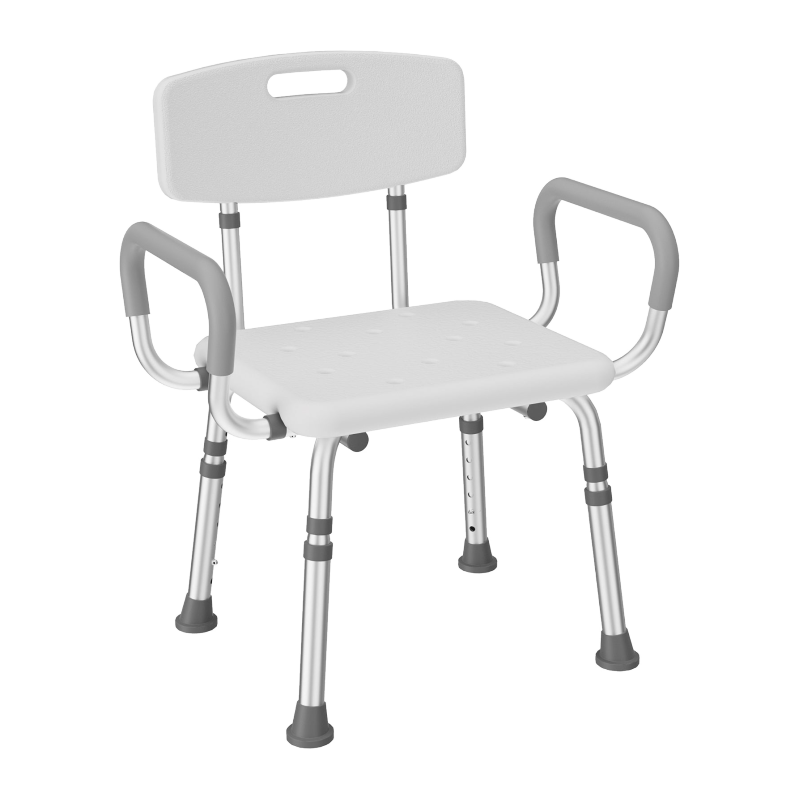
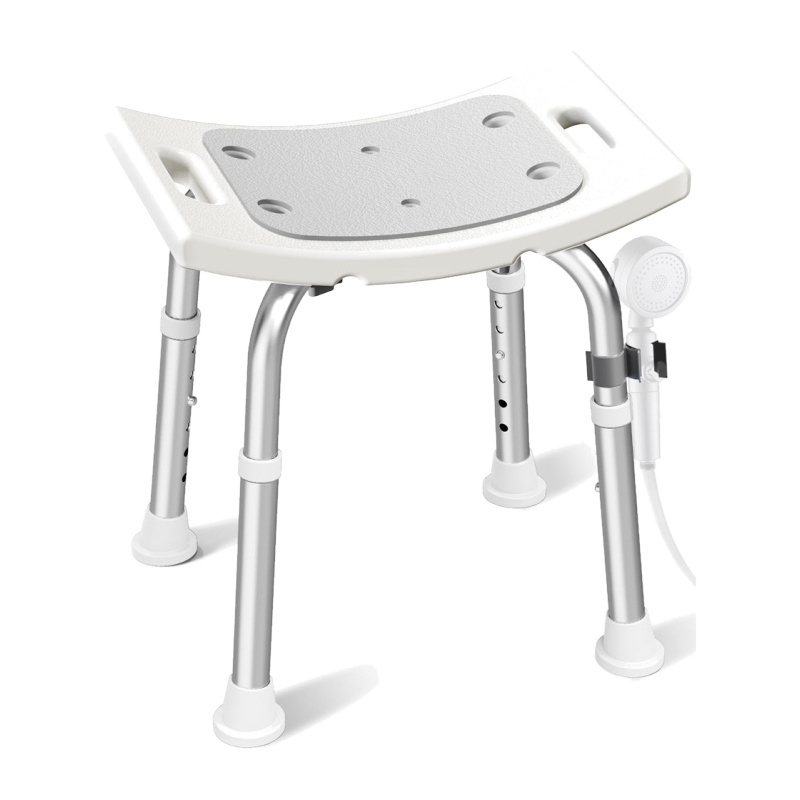
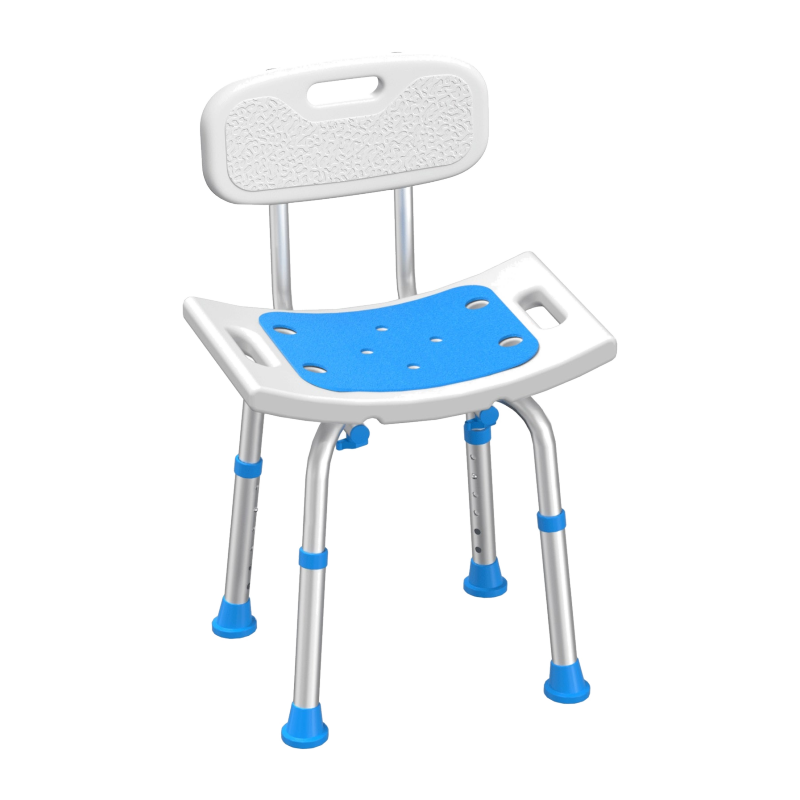
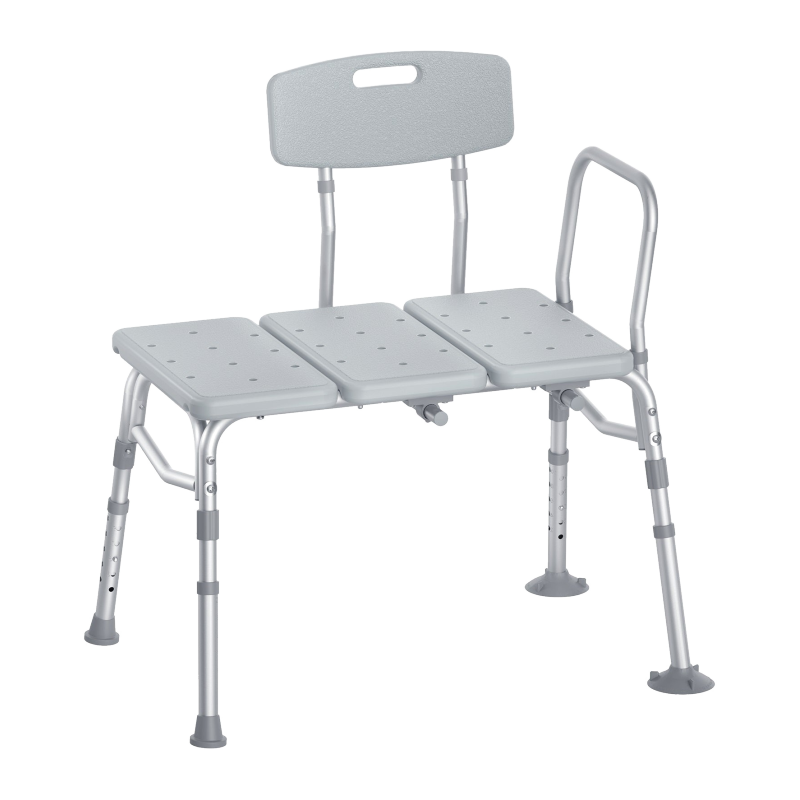
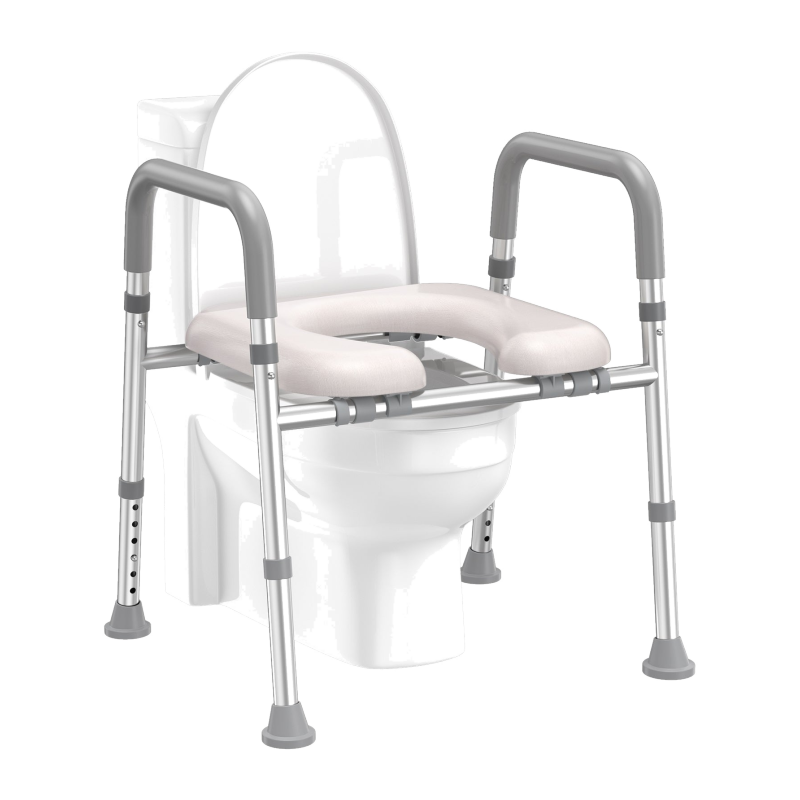
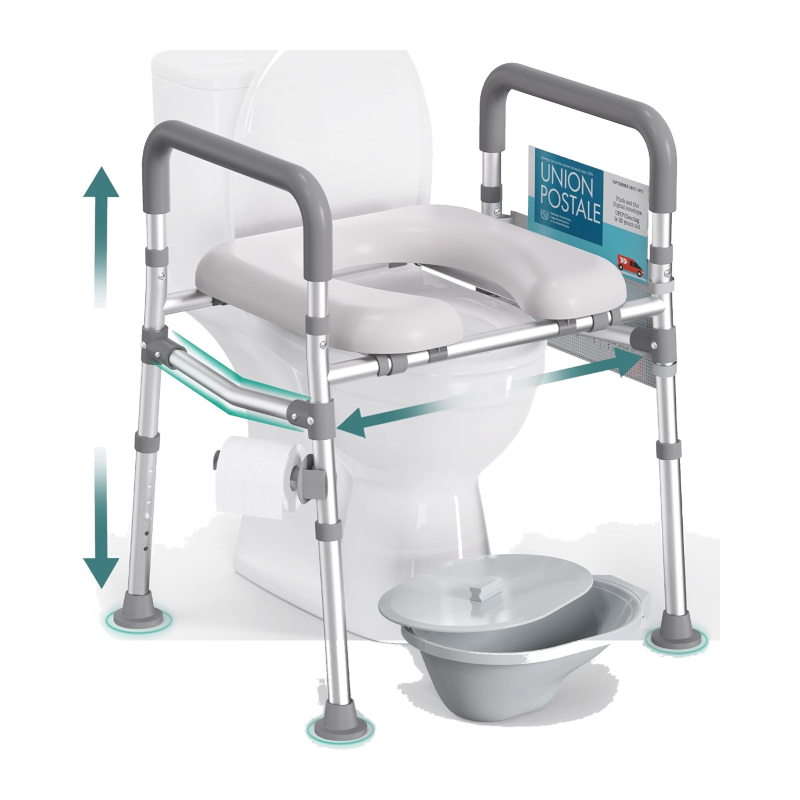
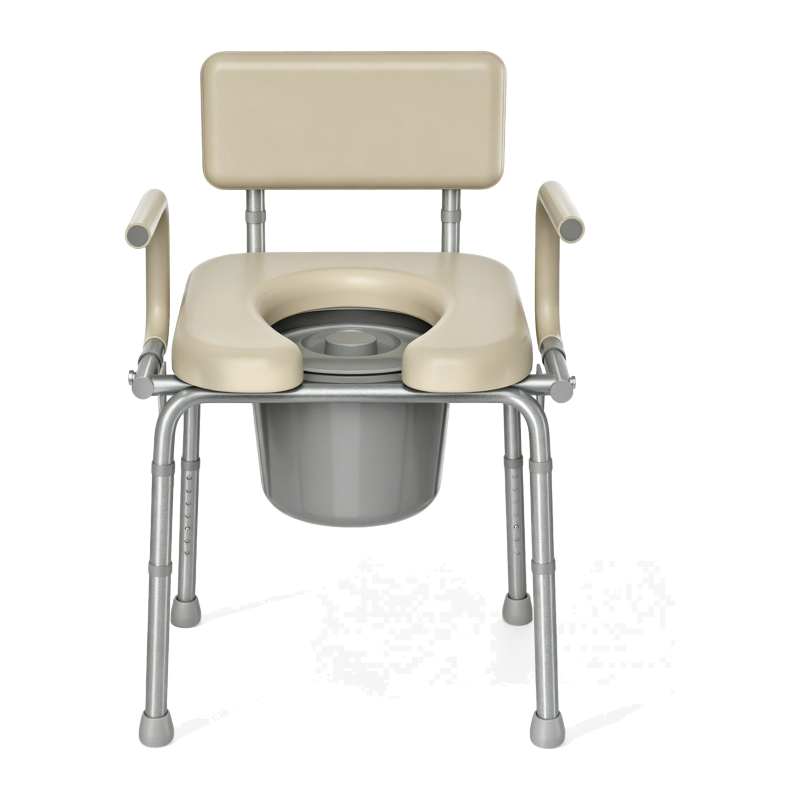
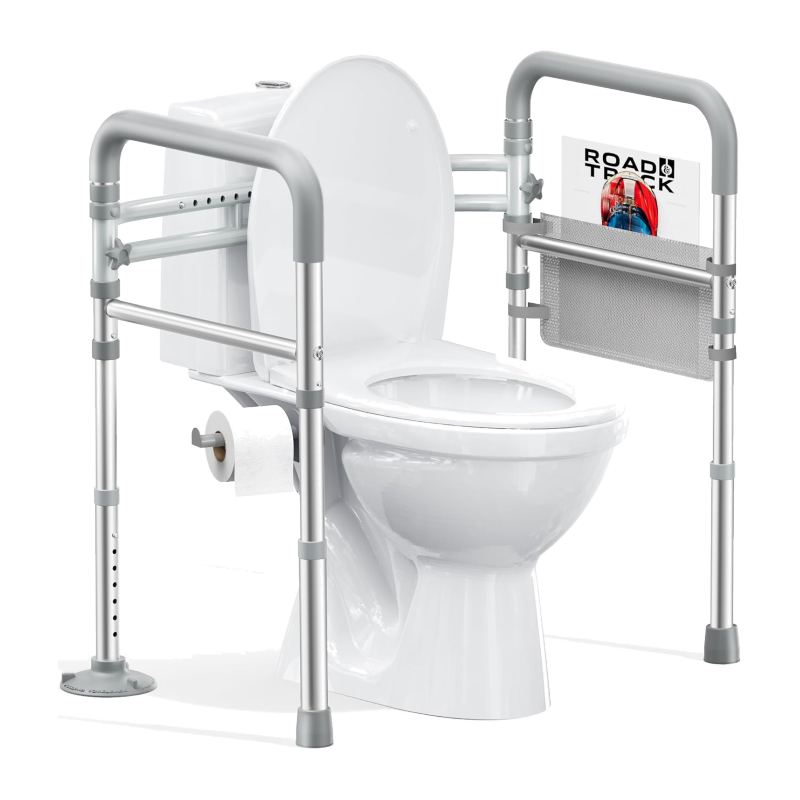
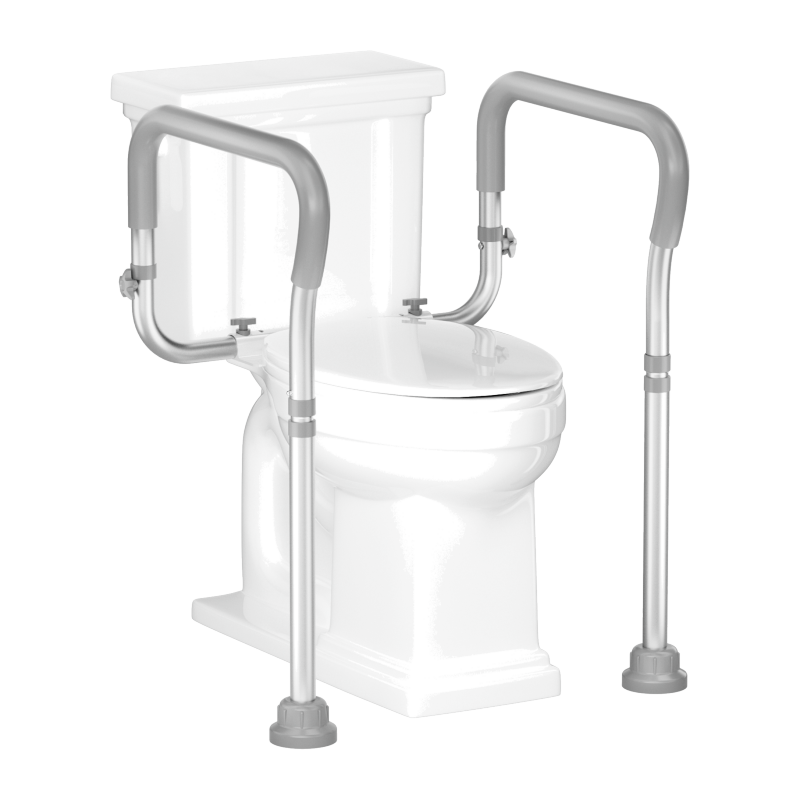
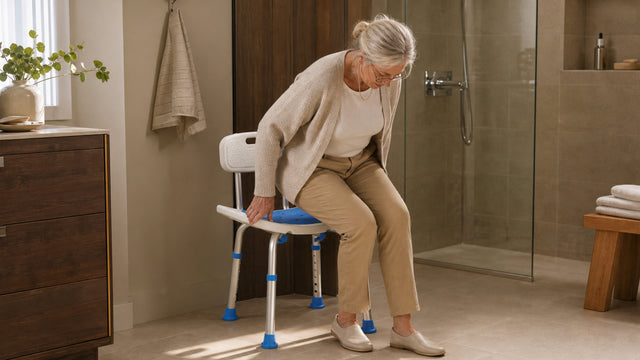
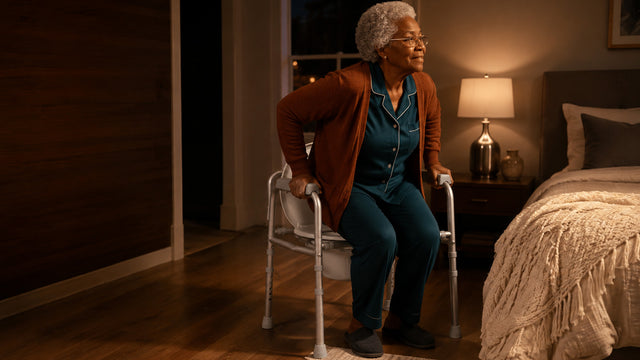
For users who are primarily navigating bathroom safety challenges — getting in and out of the shower, using the toilet, or transferring from bed — dedicated bathroom safety products like shower chairs, toilet safety rails, and bed rails may be the more pressing investment alongside any walker choice.
What to Look for When Choosing an Upright Walker
Once you've decided an upright walker is the right direction, a few key features separate a genuinely helpful aid from a frustrating one.
- Adjustable forearm platform height: Users come in different heights, and a non-adjustable design will force compensation that defeats the posture benefit. Look for tool-free height adjustment for easy setup at home.
- Padded forearm cushions: The forearms bear real weight here. Thin, hard pads become uncomfortable quickly. Generously padded, ergonomic cushions make extended use genuinely comfortable.
- Reliable braking system: Loop brakes or push-down brakes that are easy to engage — even with limited hand strength — are essential. Test the brake responsiveness before relying on it on any grade.
- Weight capacity: Confirm the walker's rated load capacity matches the user's body weight with appropriate safety margin. HOMLAND's rolling walker lineup includes models engineered to support heavier users without compromising frame integrity.
- Seat comfort and storage: A padded seat and an underseat bag for carrying small items (phone, keys, a water bottle) add meaningful daily convenience.
- Foldability: A walker that folds compactly fits in a car trunk, travels more easily, and stores without dominating a room.
HOMLAND products are authorized by licensed Doctors of Physical Therapy, FSA/HSA eligible, and backed by a 1-year manufacturer warranty plus a 1-year extended warranty — with fast delivery from a US local warehouse. For families making this purchase on behalf of a parent or loved one, those assurances matter as much as the product specs themselves.
Final Thoughts
An upright walker isn't just a mobility aid — it's a way of reclaiming how movement feels. For the right user, standing tall instead of stooping forward makes every walk easier, every outing less fatiguing, and the daily routine feel a lot more like life on your own terms. The benefits are real: better posture, reduced wrist and back strain, a more natural stride, and the freedom to rest whenever needed.
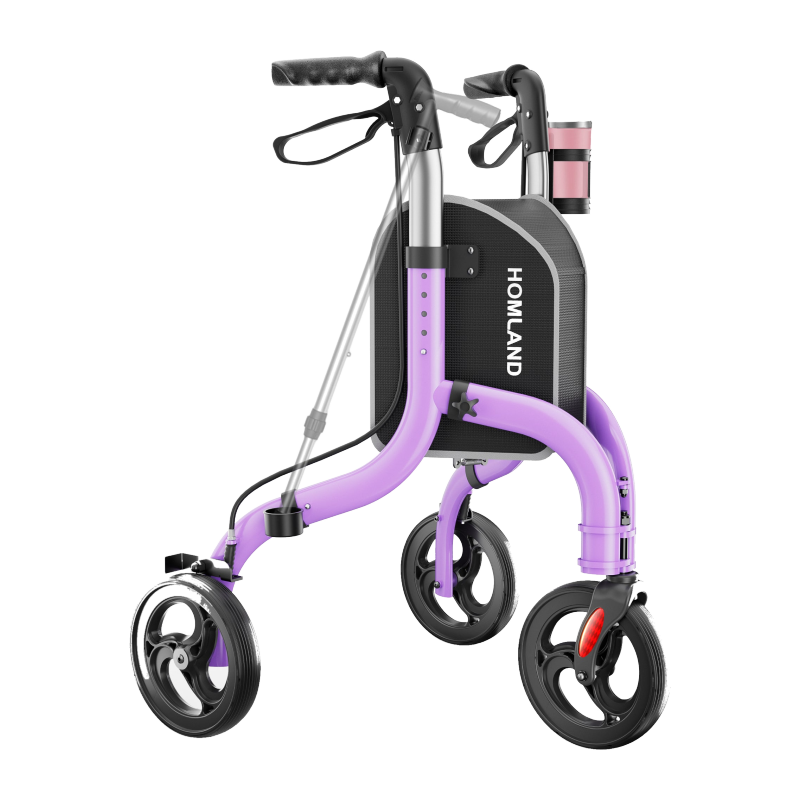
At the same time, being honest about the limitations — the larger footprint, the adjustment period, the terrain constraints — is what leads to a choice you'll actually be happy with long term. If you're still weighing options, explore HOMLAND's full rolling walker collection, including upright, 3-wheel, 4-wheel, and bariatric models, or browse the complete product lineup to find every piece of the home safety picture. Every product is designed around one simple idea: home, not hospital. Because staying safe and independent at home is something everyone deserves.
Not Sure Which Walker Is Right for You?
Our team is here to help you find the best fit — whether it's an upright walker, a standard rollator, or a completely different mobility solution. All HOMLAND products are FSA/HSA eligible, DPT-authorized, and backed by a 2-year total warranty with fast US shipping.
Contact Us — We're Happy to Help