








You said goodbye at the airport, or at the end of a long highway drive, and somewhere between waving and pulling out of the driveway, a quiet worry settled in your chest. Is Mom getting around the house okay? Did Dad take his medication? Is anyone checking in on them?
Long-distance caregiving is one of the most common — and most emotionally complex — roles adult children find themselves in. According to the Family Caregiver Alliance, millions of Americans provide care for an aging loved one from a distance, often juggling their own jobs, kids, and daily lives while navigating the logistics of supporting someone hundreds of miles away. The distance doesn't make you love them less. It just makes the "how" a lot harder.
This guide is designed to help you figure out the "how" — from having the right conversations and building a trustworthy care network, to making their home genuinely safe so your parent can live with confidence and independence. Whether you visit twice a year or hop on a video call every Sunday, there are concrete steps you can take to give your parent the support they deserve, and give yourself a little peace of mind in the process.
What Long-Distance Caregiving Really Looks Like
Long-distance caregiving doesn't have one fixed definition. For some families, it means a daughter in Chicago coordinating her father's doctor appointments in Phoenix. For others, it's a son who flies in quarterly but manages bill payments and pharmacy refills from home year-round. The distance can be two states or two hours — what defines this role isn't the mileage, it's the responsibility carried without the ability to simply drop by.
That responsibility typically spans several areas: managing finances and insurance, coordinating in-home care services, handling medical paperwork, and providing emotional support. It also means being the person who notices when something seems off — when Mom sounds more tired than usual, or when Dad mentions the bathroom has "gotten a little slippery." Long-distance caregivers often serve as the connective tissue between their parent and the people who see them every day, and that role carries real weight.
Knowing clearly what your role is — and what it isn't — helps you focus your energy where it matters most and avoid burning out trying to do everything at once.
Start with a Family Conversation (Not a Family Meeting)
The phrase "family meeting" can feel formal and clinical, like something called to deliver bad news. But the conversation you need to have is warmer than that — it's a check-in that honors your parent as the person still at the center of all these decisions. Before coordinating services, assigning roles, or researching facilities, sit down (even virtually) and ask your parent what they want. What does a good day look like for them? What worries them most? What parts of their independence matter most to protect?
From there, bring in siblings or other close family members to talk about who can realistically take on which responsibilities. Divide the work based on availability and proximity, not just proximity to the parent. The sibling who lives closest isn't automatically the right person to manage finances — but they might be the right person to handle in-person check-ins. A single point of contact who coordinates information across the whole team will save everyone from confusion and missed details.
Include your parent in every part of this conversation where they're able. Their preferences aren't a footnote — they're the starting point.
Assess Your Parent's Home for Safety and Independence
One of the most meaningful things you can do during an in-person visit is walk through your parent's home with fresh eyes. What seemed fine two years ago may feel different now — a bathtub that requires a high step, a toilet that's hard to rise from, a hallway navigated in the dark at 2 a.m. These are the quiet hazards that don't announce themselves until something goes wrong.
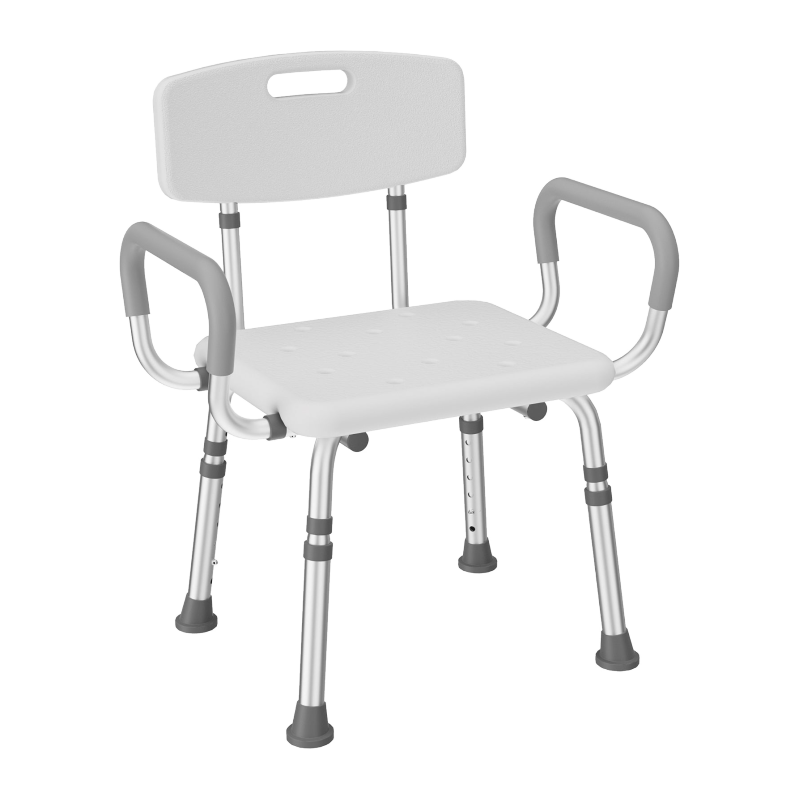
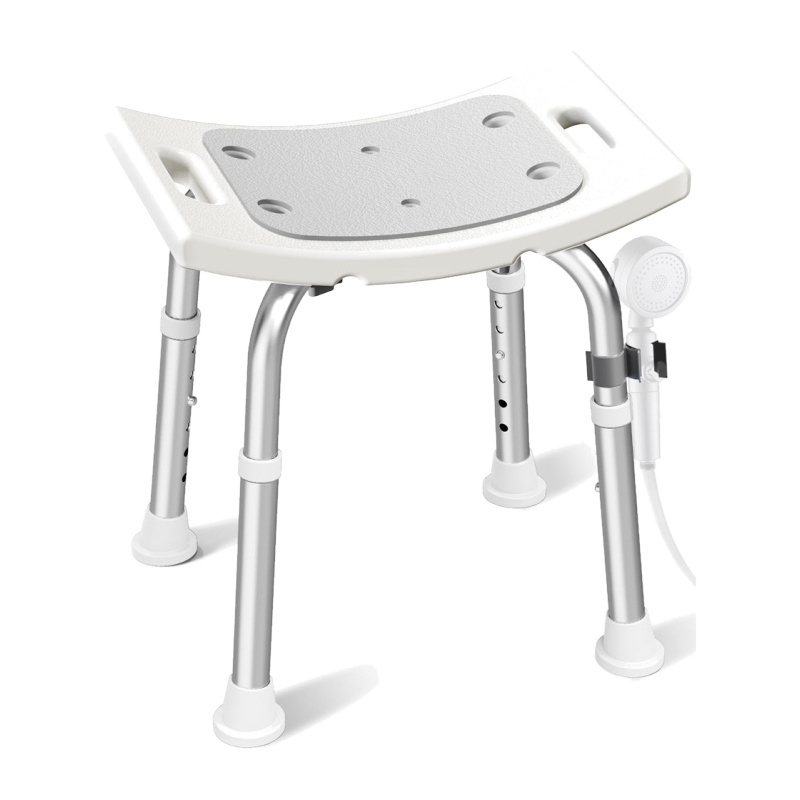
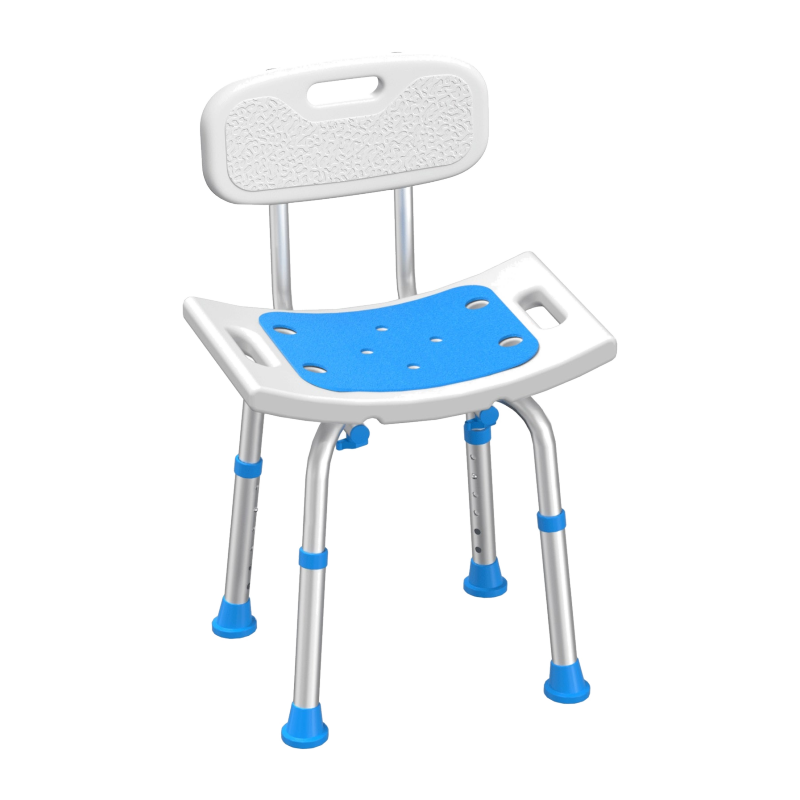
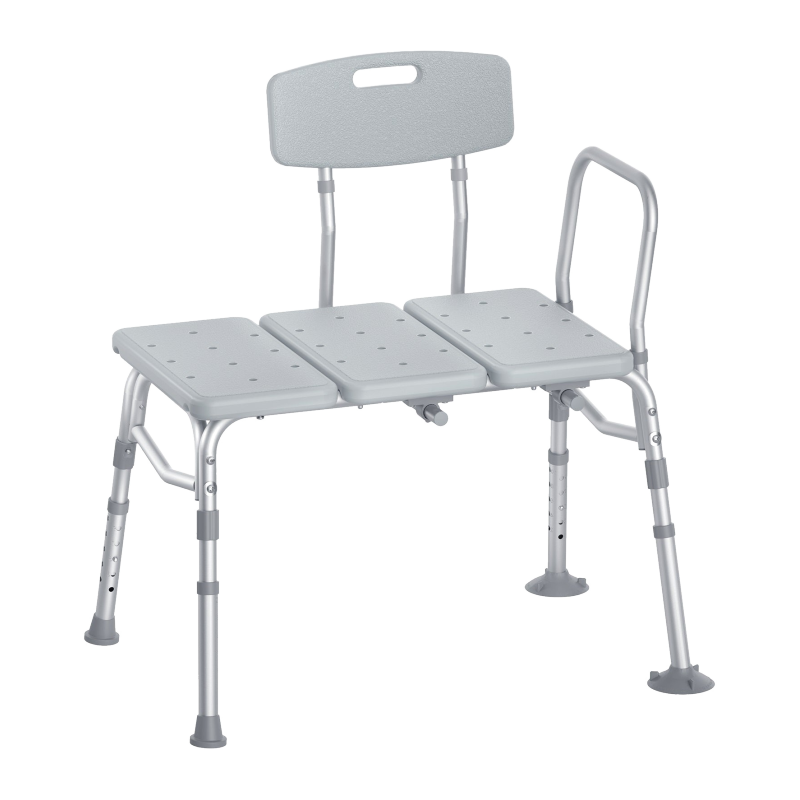
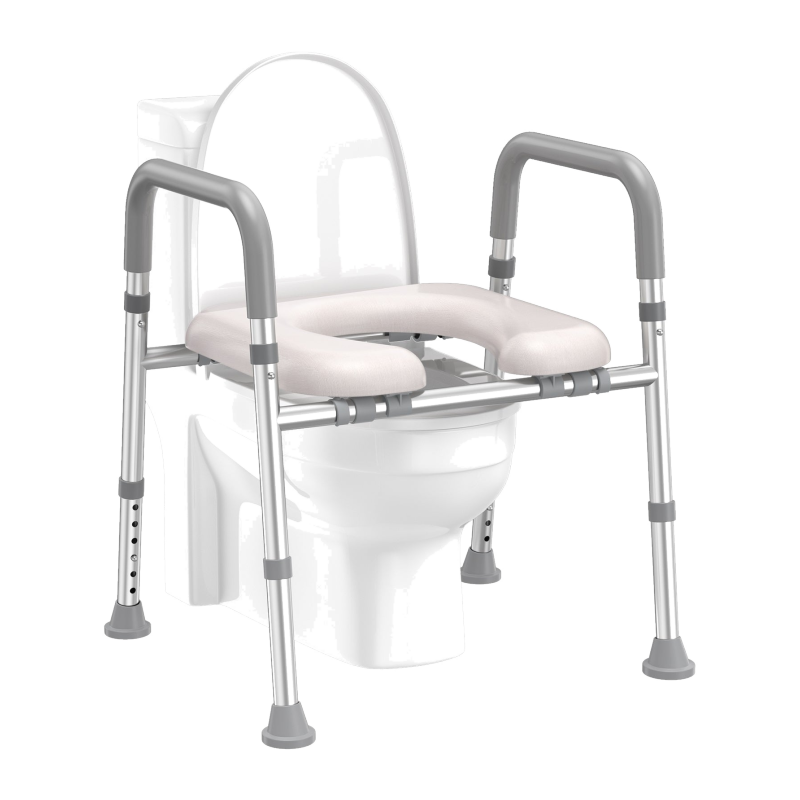
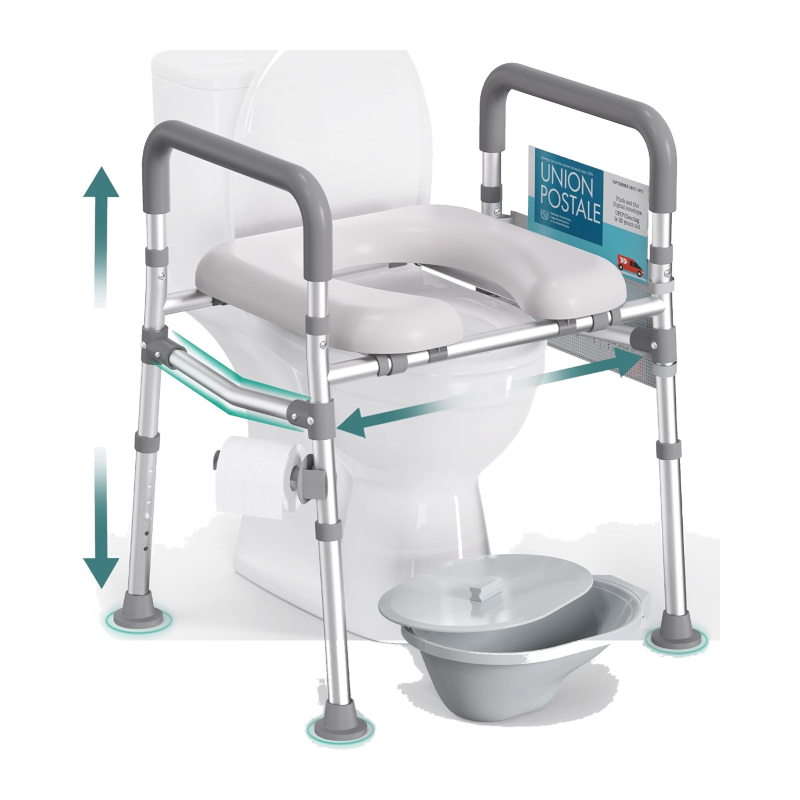
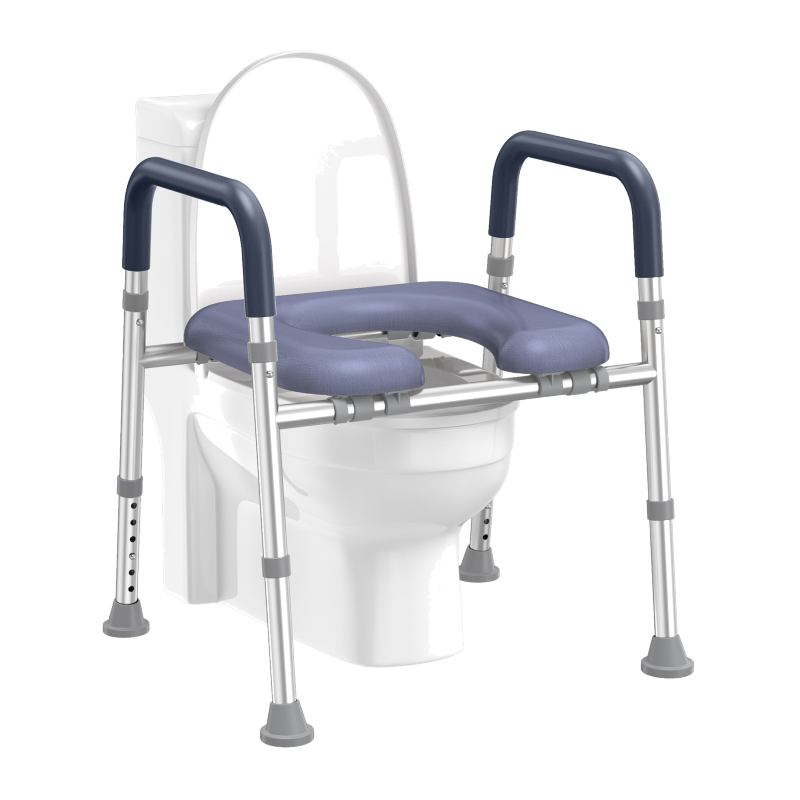
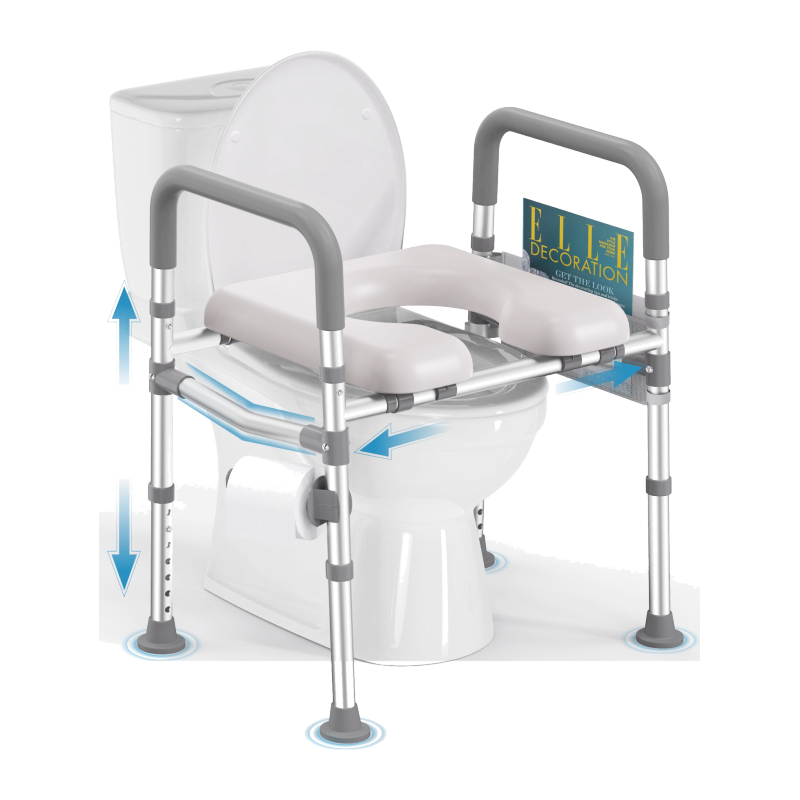
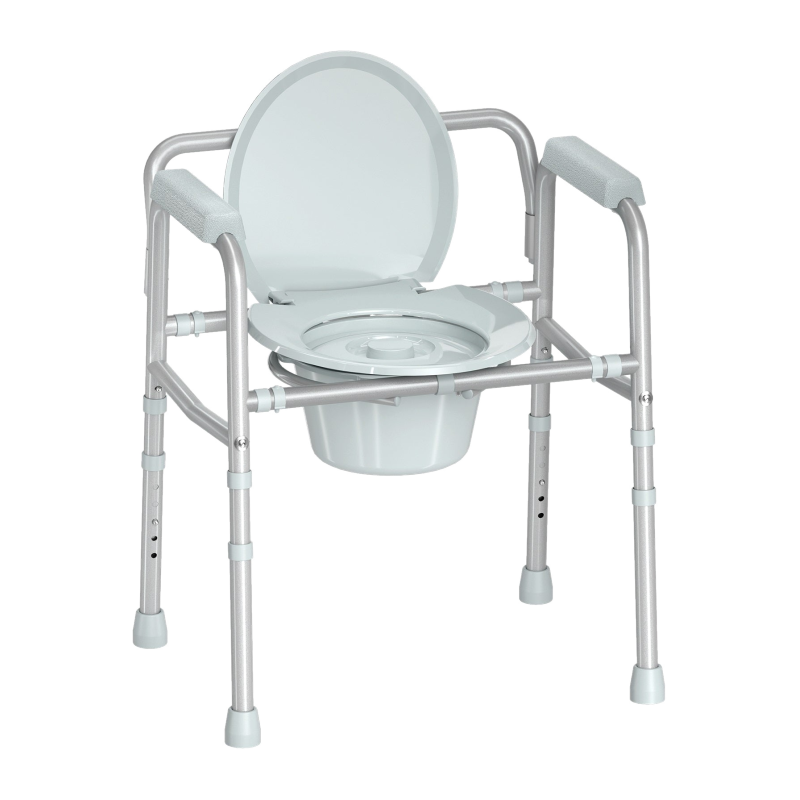
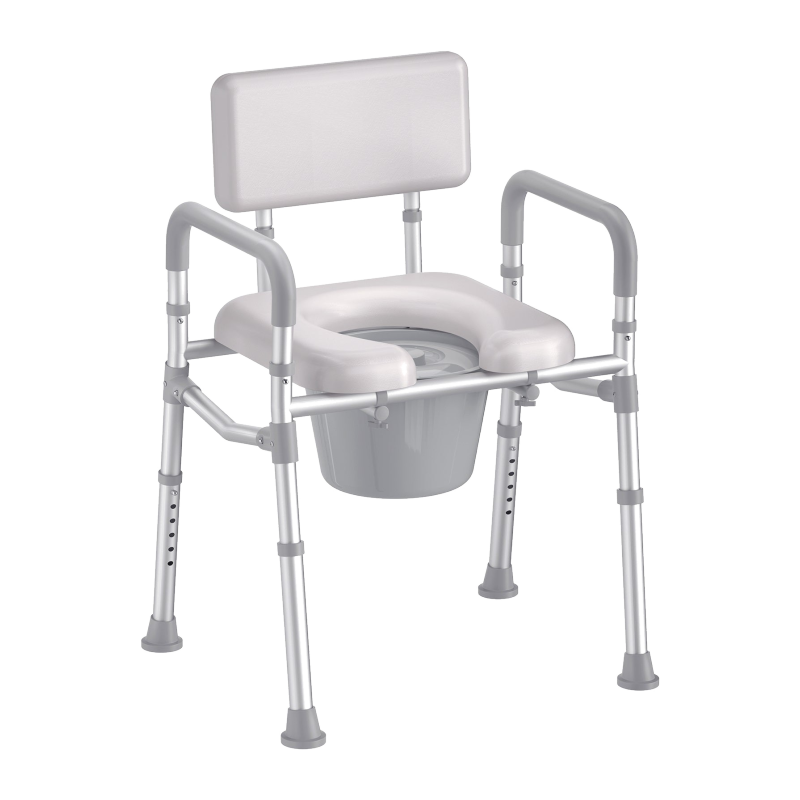
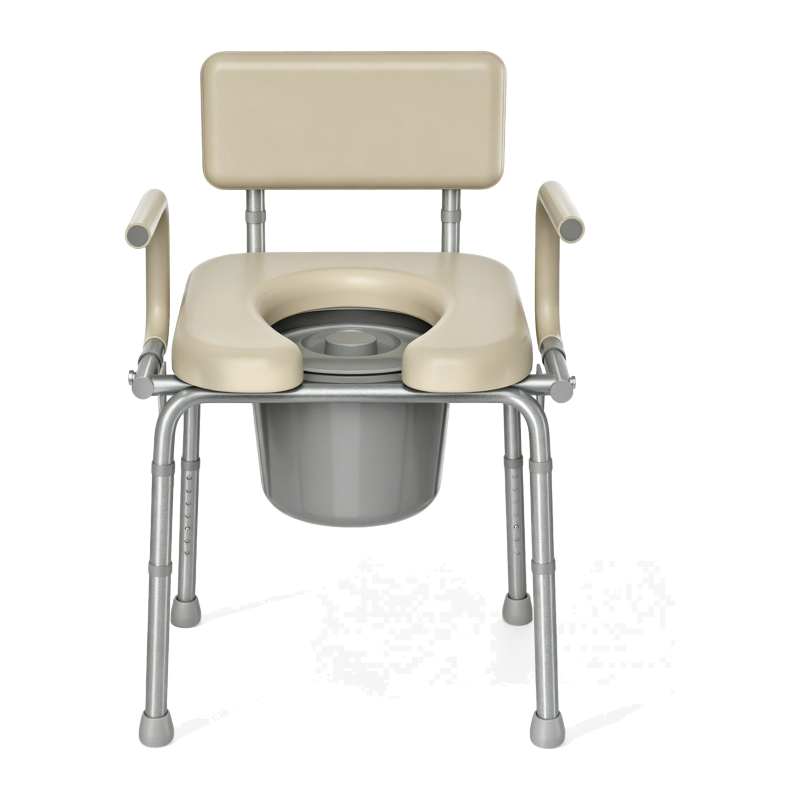
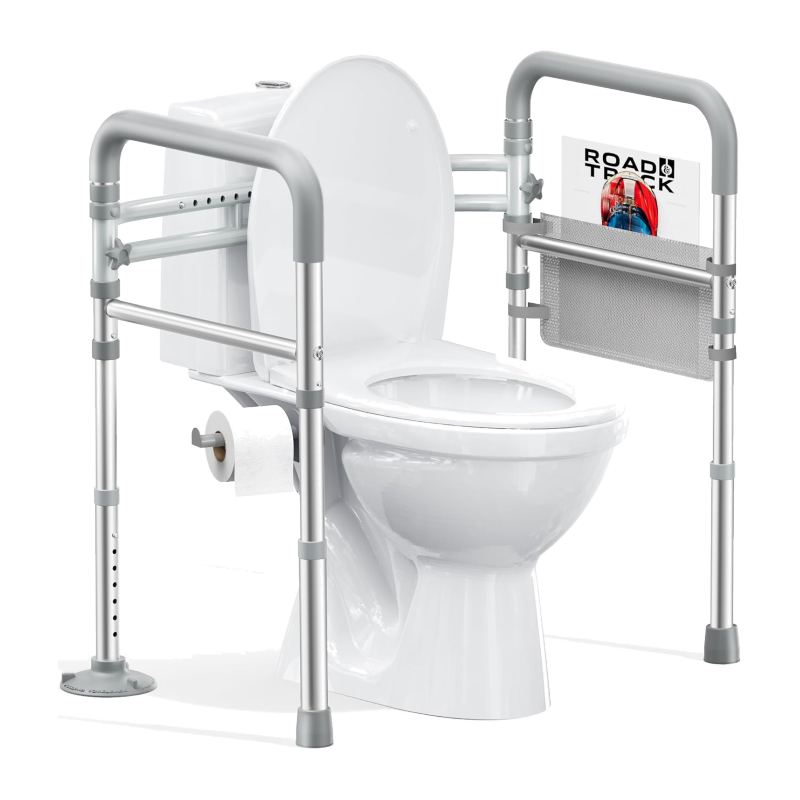
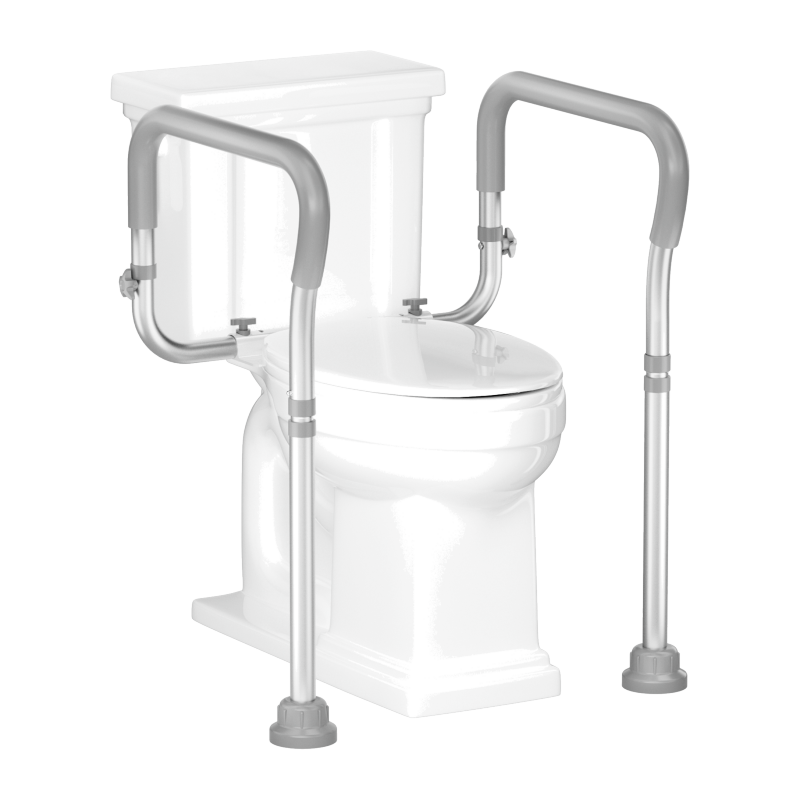
Physical therapists often recommend a room-by-room safety review as a first step in supporting aging-in-place. The bathroom tends to be the highest-priority space, since wet, hard surfaces and the effort of getting up and sitting down are common contributors to falls. A shower chair can transform the experience of bathing from a daily risk into something comfortable and manageable. A toilet safety rail provides the leverage your parent needs to sit and stand with confidence — without relying on you or a caregiver to be in the room.
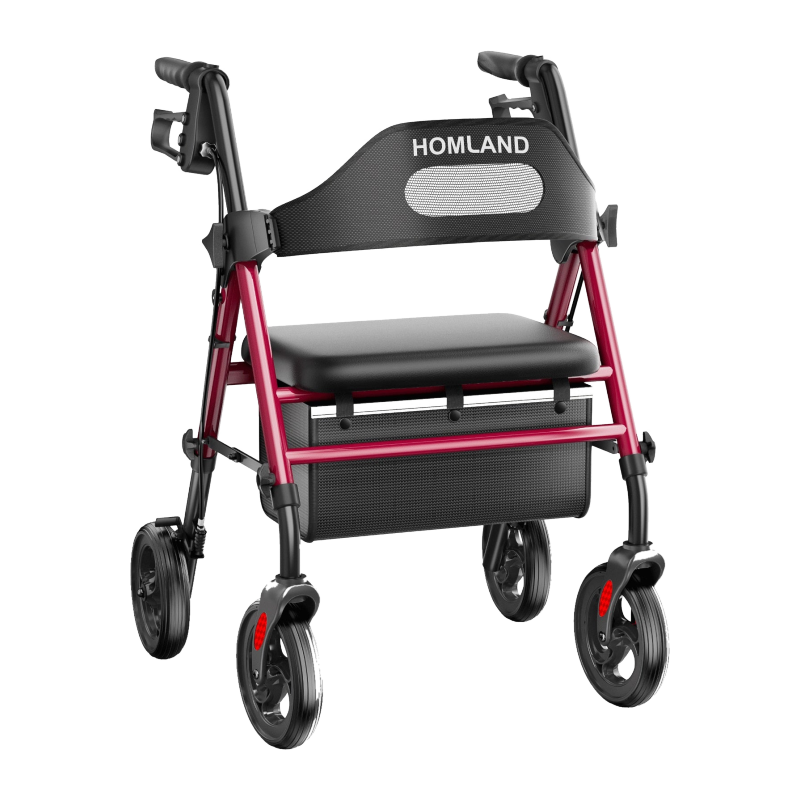
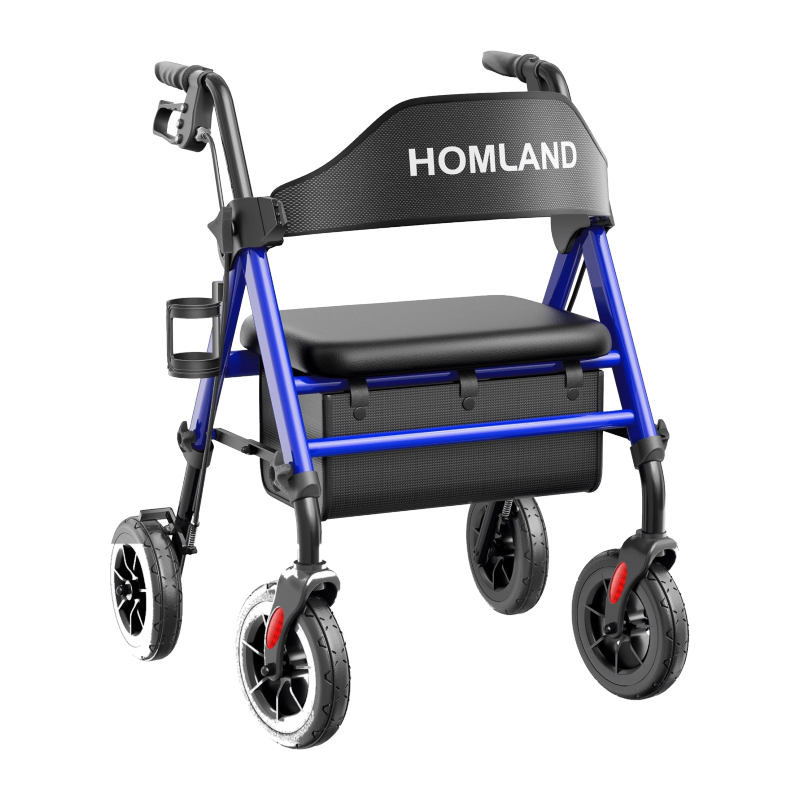
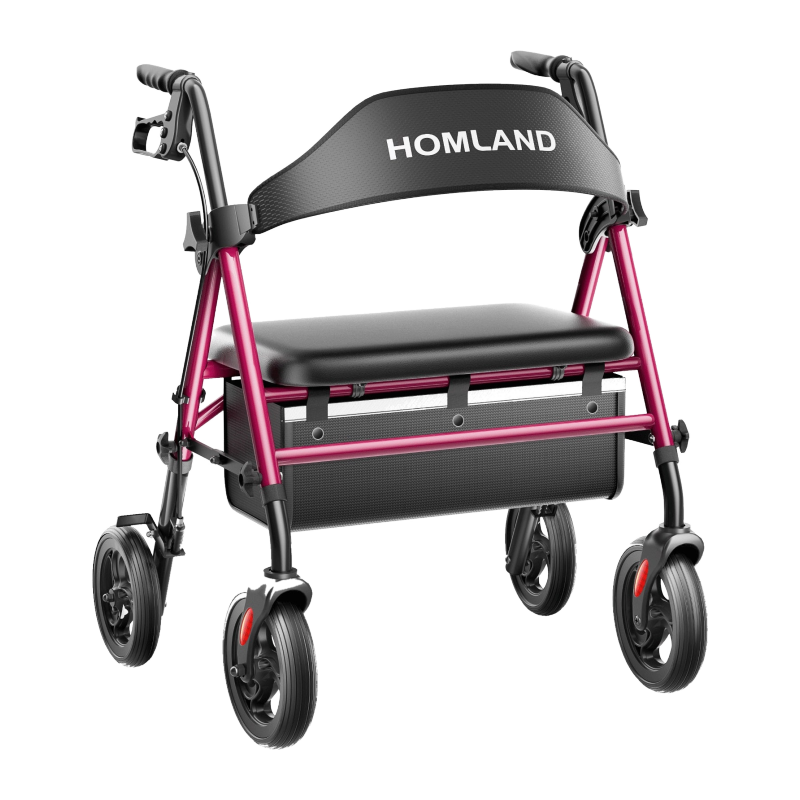
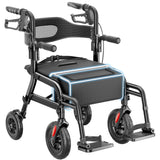
Beyond the bathroom, assess whether your parent is moving around the home safely. If they're unsteady on their feet or recovering from a recent health event, a rolling walker or standard walker can provide the support and stability they need to get from room to room on their own terms. At night, a bed rail makes getting in and out of bed safer and more independent — especially helpful if your parent is reluctant to ask for help with something that feels so basic.
The goal of this assessment isn't to overhaul their home or make it feel institutional. It's to identify the two or three changes that will make the biggest difference in their daily safety and comfort.
Build a Care Network You Can Trust
No long-distance caregiver can do it alone, and you shouldn't have to. A reliable local care network is what makes everything else possible. Think of it as a team: each person or service covers a specific piece of your parent's daily life, and you coordinate from the outside.
Here's what a well-rounded care network often includes:
- An in-home caregiver for health-related tasks, personal care, and companionship — either part-time or full-time depending on your parent's needs
- Meal delivery services like Meals on Wheels, which provide not just nutrition but a familiar face each day
- A geriatric care manager who can assess your parent's evolving needs and coordinate local services on your behalf — particularly valuable if you can't visit frequently
- Trusted neighbors or friends who can check in informally and alert you if something seems off
- Pharmacy delivery to make sure medications are never missed because of a difficult trip out
When building this network, make sure everyone has each other's contact information and understands who is responsible for what. In an emergency, that clarity can make all the difference. Designate one person — whether you or a trusted local contact — who has written authorization to receive medical and financial information on your parent's behalf. Setting up a power of attorney before it's urgently needed is one of the most caring things a family can do together.
Stay Organized from Afar
Long-distance caregiving generates a surprising amount of information: appointment dates, insurance policy numbers, medication schedules, caregiver contact details, prescription refill timelines. Keeping all of this in one place — whether that's a dedicated folder, a shared digital document, or a simple notebook — prevents critical things from falling through the cracks.
Consider setting up automatic bill payments for utilities and recurring expenses so your parent isn't burdened with managing them. Many insurance portals and pharmacy systems have online access, which means you can monitor refills, review claims, and flag questions without needing to be present. Shared calendar apps can help family members coordinate visits and caregiver schedules without a dozen back-and-forth texts.
Most importantly, build a routine of regular communication with your parent and with their local care team. A quick weekly call — not just to check in, but to genuinely listen — often surfaces the small things before they become big ones.
Make In-Person Visits Count
When you do get to be there in person, treat the visit as more than quality time (though it should absolutely be that, too). Use it as an opportunity to do the things that genuinely can't be done remotely. Walk through the home with safety in mind. Talk to the in-home caregiver directly and ask how things are really going. Check the pantry and the refrigerator. Sit with your parent over a meal and pay attention to how they're moving, how they seem, whether they're more tired or more anxious than your last visit.
If you've been thinking about ordering safety equipment or mobility aids, an in-person visit is a good time to see what would actually help and to make sure anything already in place is being used correctly. A shower chair that's not positioned well isn't providing the safety benefit it should. A walker that's the wrong height can actually create instability rather than prevent it. Physical therapists often recommend that caregivers use in-person visits to verify that aids are set up and adjusted properly.
Leave with a concrete list of any follow-up items — things to order, calls to make, appointments to schedule — so the momentum of the visit carries forward even after you're back home.
Support Your Parent's Emotional Well-Being
Distance has a way of making loneliness louder. Your parent may not say it outright, but the loss of independence, changes in their social circle, and the awareness that they need more help than they used to can weigh heavily. Regular contact matters more than people realize — not just the functional check-ins, but the calls that aren't about anything in particular.
Find the communication style that works for them. Some older adults love video calls; others find them frustrating and prefer a familiar phone call. Some parents enjoy getting a letter or a card in the mail. Meet them where they are rather than defaulting to what's most convenient for you. If your parent has a tablet or smartphone, taking a few minutes during a visit to set up a simple video calling app can pay off for years afterward.
Encourage their existing connections, too. A caregiver who understands your parent's social preferences — who to invite over, which community events they enjoy — can help maintain the sense of belonging that is just as essential to health as any medication or mobility aid.
Take Care of Yourself, Too
Caregiver fatigue is real, and long-distance caregivers are not exempt from it. The mental load of managing another person's life — even partially, even from a distance — adds up. The guilt of not being there. The worry between calls. The constant background hum of "what if." These things take a toll, and if you run yourself down, you'll have less to give when your parent needs you most.
Schedule time that is genuinely yours. Talk to other caregivers — online communities and local support groups can offer both practical advice and the comfort of knowing you're not alone in this. If the load gets too heavy, look into respite care services that can give your local support network a break as well. Taking care of yourself isn't selfish. It's how you sustain the ability to care for someone else over the long term.
Equip Their Home So They Can Live on Their Own Terms
One of the most practical and lasting gifts you can give a parent who lives far away is a home that's set up to support them every single day — not just when you're there. The right equipment doesn't make a home feel like a facility. It makes it feel safe enough to stay in.
HOMLAND's full lineup of home safety and mobility products is designed with exactly this in mind. Every product is authorized by licensed Doctors of Physical Therapy, built for tool-free setup, and sized for real homes rather than clinical spaces. If your parent is navigating mobility challenges, a rollator walker gives them the freedom to move through their day without depending on anyone else for support. If bathing has become a source of anxiety, a quality shower chair makes it something they can manage comfortably on their own.
For families ordering from out of state, HOMLAND ships from a US local warehouse for fast delivery, and all products are FSA/HSA eligible — making it straightforward to order the right equipment without delay. Every purchase is backed by a 1-year manufacturer warranty plus a 1-year extended warranty, so you're not just sending your parent something that looks useful; you're sending something built to last and supported if anything ever goes wrong.
Browse the full HOMLAND product collection to find what fits your parent's needs — from bed rails for safer nights to toilet safety rails for steadier mornings.
Long-distance caregiving will never be exactly the same as being there. But "being there" isn't only about physical presence — it's about showing up consistently, thinking ahead, and making choices that protect your parent's safety and dignity even when you're miles away. The families who navigate this well aren't the ones who do it perfectly. They're the ones who stay organized, stay connected, and build the right support around their loved one so that home remains a place of comfort and independence rather than a source of worry.
Your parent's home can be set up to work for them every day — not just on the days you visit. And that kind of preparation is one of the most meaningful things you can offer from afar.
Need help choosing the right safety equipment for your parent's home?
Our team is happy to help you find products that fit their needs, their home, and your budget — all FSA/HSA eligible and shipped fast from our US warehouse.
Contact Us — We're Here to Help