
One day, everything is normal. The next, you're searching "how to help aging parent at home" at midnight, not sure where to start. If that sounds familiar, you're not alone — and you're in the right place.
Becoming a family caregiver doesn't come with a manual. Whether your loved one is recovering from surgery, managing a chronic condition, or simply finding that everyday tasks take more effort than they used to, the learning curve can feel steep. But here's the good news: most people can continue living safely and confidently at home with the right setup, the right tools, and a little guidance from people who know what actually works.
This guide is written for two people at once — the family member stepping into a caregiving role for the first time, and the person receiving that care who still wants to do things on their own terms. Because the best home care isn't about taking over. It's about making sure your loved one can keep going, with dignity and as much independence as possible. That's the philosophy HOMLAND is built on: Home, not hospital.
From assessing the home for safety to choosing the right mobility aid to protecting your own wellbeing as a caregiver, this guide covers everything you need to get started with confidence.
What Is Home Care, Really?
Home care means supporting someone's daily life within their own home — helping them bathe, move around, manage medications, get to appointments, or simply feel safe. It's not a medical service you have to hire out (though professional help is always an option). Millions of families provide meaningful, effective care on their own, supplemented by the right environment and the right tools.
The goal of good home care is never to do everything for someone. It's to remove the barriers that make things harder than they need to be. Physical therapists often describe this as supporting "functional independence" — helping a person do what they want to do, in a way that's safe. That might mean adding a grab bar so your mom can shower without needing help. Or finding a walker that lets your dad walk to the mailbox without exhausting himself before noon.
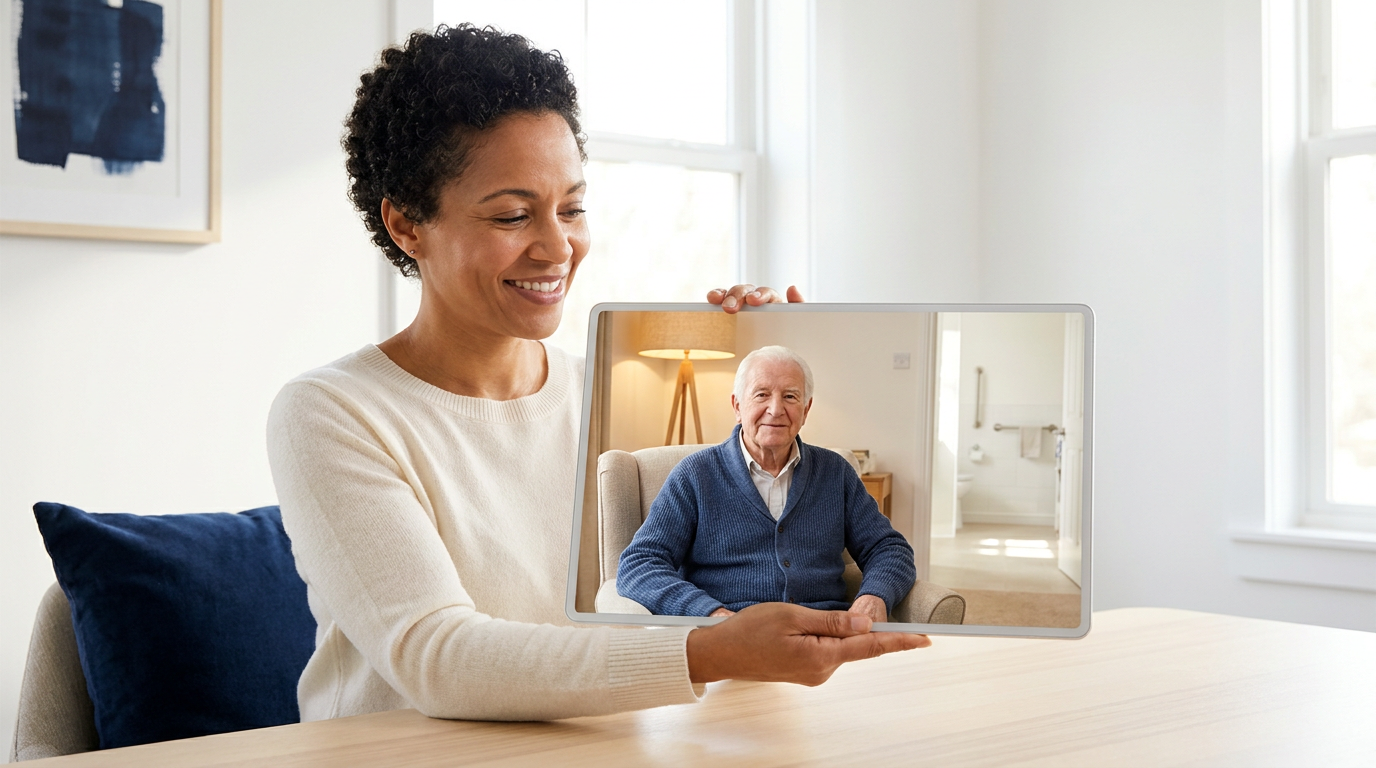
Home care also looks different for every family. Some caregivers live with the person they're supporting. Others check in daily or a few times a week. Some are coordinating care from across the country. Whatever your situation, the fundamentals are the same: start with a clear picture of what your loved one needs, make their environment as safe and accessible as possible, and build a routine that works for both of you.
Your First Steps as a Family Caregiver
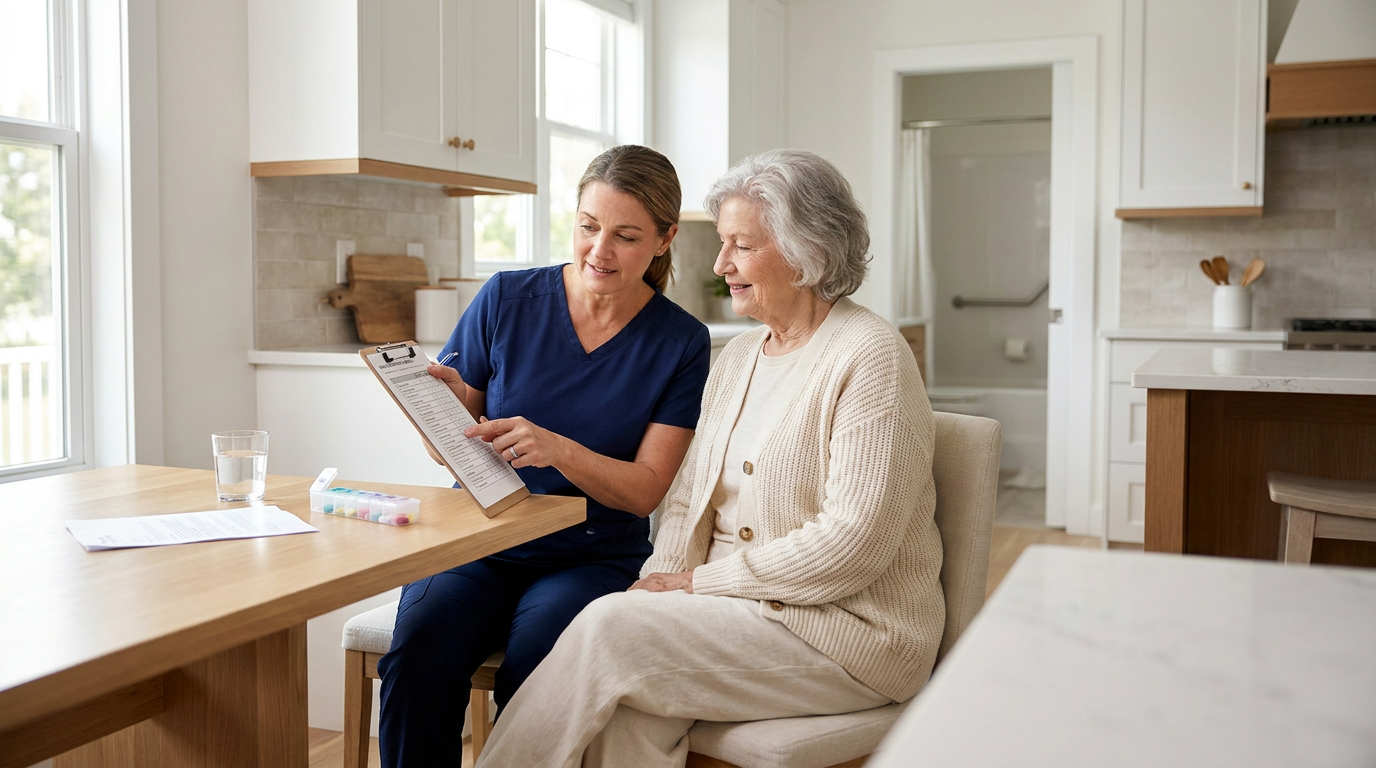
Before you buy anything or rearrange the house, take a breath and start with a conversation. Ask your loved one how they're feeling about their day-to-day life. What's getting harder? What do they wish were easier? What do they absolutely want to keep doing on their own? Their answers will shape everything that comes next — and involving them from the start preserves exactly the sense of control and dignity that matters most.
From there, a few practical first steps go a long way:
- Talk to their doctor or physical therapist. A brief conversation with a healthcare provider can give you a clearer sense of what kind of support is appropriate, what activities to encourage, and what to watch out for. Physical therapists in particular are excellent resources for home safety recommendations and mobility aid selection.
- Make a list of daily challenges. Walk through a typical day together — waking up, using the bathroom, getting dressed, preparing meals, moving through the house — and note where things feel uncertain or risky.
- Check FSA/HSA eligibility. Many home care products, including HOMLAND's full lineup, are FSA/HSA eligible, which can meaningfully reduce your out-of-pocket costs. It's worth knowing this before you start shopping.
- Don't try to fix everything at once. Identify the two or three highest-priority areas — usually mobility and bathroom safety — and start there.
How to Assess the Home for Safety
The home your loved one has lived in comfortably for years may now have features that create real risk. This isn't a reflection of the home — it's simply that our needs change, and most homes aren't designed with aging or post-surgery recovery in mind. A careful walkthrough with fresh eyes can reveal issues that are easy to miss when you're used to a space.
What to Look For Room by Room
Entryways and hallways: Are there steps at the entrance without a railing? Are hallways wide enough to comfortably navigate with a walker or rollator? Look for rugs or uneven flooring that could catch a foot mid-stride.
The bedroom: Getting in and out of bed safely is something many people take for granted until recovery makes it difficult. If the bed is too low or too high, or there's nothing sturdy to hold onto when rising, that's a hazard. Bed rails can provide a reliable handhold, and HOMLAND's bed rails collection is designed to install simply without any tools.
The bathroom: We'll cover this in its own section because it deserves the full focus. The bathroom is statistically the most hazardous room in the home for older adults and those recovering from surgery or illness.
The kitchen and living areas: Look for chairs and sofas that are too low for easy standing. Consider whether frequently used items are stored at a reachable height. Note whether lighting is adequate, especially at night.
Once you've completed your walkthrough, prioritize the changes that address immediate fall risk first. According to the CDC, falls are the leading cause of injury among adults 65 and older — and most of them happen at home, in familiar surroundings. Small environmental changes can make a significant difference.
Choosing the Right Mobility Support
One of the most common early decisions caregivers face is whether their loved one needs a mobility aid — and if so, which one. The right answer depends on two things: how much support is actually needed, and how that person wants to live their life day to day.
Physical therapists often recommend starting with the least restrictive option that still provides enough support. Using a more robust aid than necessary isn't harmful, but using one that's insufficient for someone's actual needs creates real risk. Here's a practical way to think about the main options:
- Standard walkers are ideal for people who need solid, four-point stability — especially right after surgery or during recovery when every step requires confidence. They're not designed for speed, but they're exceptionally steady. Explore HOMLAND's standard walker collection for options with tool-free height adjustment.
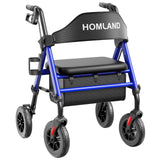
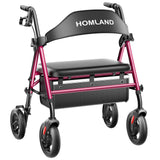
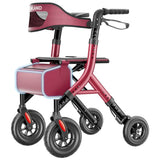
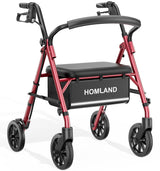
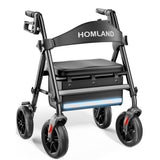
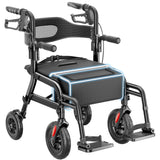
- Rolling walkers (rollators) work well for people who are more mobile but tire easily or need occasional support. A four-wheel rollator with a built-in seat lets someone walk as far as they're comfortable and rest when they need to — without having to find a chair or ask for help. HOMLAND's rolling walkers collection includes 3-wheel, 4-wheel, upright, and bariatric options, with select models supporting up to 500 lbs.
- Knee scooters are a game-changer for lower leg, foot, or ankle recovery — anyone who can't bear weight on one foot but doesn't want to wrestle with crutches. They're surprisingly easy to maneuver indoors and out. See HOMLAND's knee scooter collection for details.
When in doubt, a quick conversation with your loved one's physical therapist can confirm which option is most appropriate. Many HOMLAND products are also authorized by licensed Doctors of Physical Therapy, so you can feel confident the design reflects real clinical thinking — not just product engineering.
Bathroom Safety: The Room That Matters Most
Imagine getting up at 2 a.m., groggy and half-asleep, navigating a slippery tile floor in low light. For a healthy adult, that's mildly annoying. For someone recovering from a hip replacement, managing balance issues, or dealing with reduced strength, it can be genuinely dangerous. The bathroom is where independence and safety come into greatest tension — and where the right products make the most profound difference.
The good news is that bathroom safety doesn't require a renovation. Practical, affordable products can transform the bathroom into a space where your loved one feels confident going in alone — which matters enormously for dignity.
Shower and Bath Safety Essentials
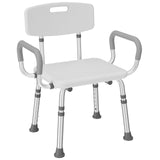
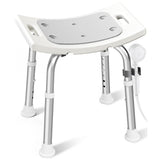
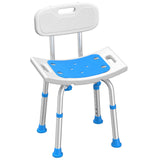
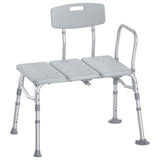
A shower chair or transfer bench is often the single most impactful addition to a bathroom. Standing throughout a shower takes more energy and balance than most people realize until it becomes difficult. A shower chair lets someone bathe seated, at their own pace, without rushing. A transfer bench is particularly helpful for those who find stepping over a bathtub ledge risky — it allows a safe sliding entry that keeps one foot on the floor at all times. HOMLAND's shower chair collection includes options designed with adjustable height and non-slip feet so they stay exactly where you put them.
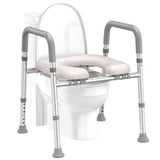
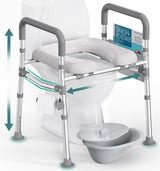
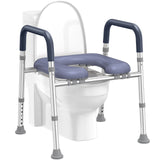
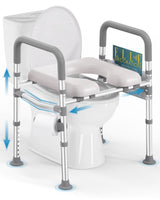
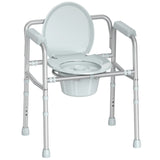
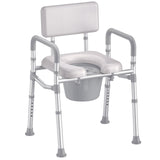
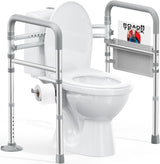
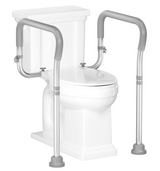
A raised toilet seat addresses one of the most overlooked daily challenges: getting up from a low toilet seat after surgery or with weakened legs is genuinely hard. Raising the seat height by several inches dramatically reduces the effort and strain required. HOMLAND holds the #1 position on Amazon US for raised toilet seats — a reflection of how much real families rely on them. Pair a raised seat with a toilet safety rail for armrests that make standing smooth and secure.
A non-slip bath mat, adequate lighting, and a handheld showerhead round out the essentials. These small additions work together to create a bathroom that feels like home — not a hazard course.
Building a Daily Routine That Preserves Independence
Structure is one of the most underrated tools in home care. A predictable daily routine reduces decision fatigue, makes it easier to monitor changes in your loved one's condition, and — perhaps most importantly — gives them a sense of rhythm and normalcy. That matters more than it might seem. Feeling like your days have shape and purpose is closely tied to emotional wellbeing, especially during recovery or long-term care.
Build the routine around your loved one's natural energy patterns. Most people, especially older adults, are sharper and more energetic in the morning. That's when to schedule activities that require more effort — bathing, exercises recommended by their physical therapist, getting dressed. Reserve lower-energy tasks for the afternoon, and create a predictable wind-down in the evening.
Within the routine, look for moments to actively step back. If your loved one can get from the bedroom to the kitchen safely with the right equipment in place, let them. Offer to help with things that are genuinely risky or exhausting, not with things they can still manage. This distinction — between supporting independence and inadvertently undermining it — is one of the most important ones for family caregivers to hold onto.
Organizing Medical Information
Keeping a simple, organized record of your loved one's medications, doctor contacts, appointment history, and care notes will save you significant stress over time. Whether you use a binder, a shared notes app, or a dedicated caregiving app, the key is consistency — one place, always updated, accessible to anyone who might need it in an emergency.
Taking Care of Yourself, Too
Here's something that often goes unsaid: the quality of care you provide is directly connected to the quality of care you give yourself. Caregiver burnout is real, it's common, and it doesn't mean you've failed. It means you're human, and that you've been giving a lot without refueling.
The signs of burnout can sneak up quietly — irritability that feels out of proportion, sleep that never feels restful, a sense of isolation from friends you used to see regularly. If any of that resonates, take it seriously. You can't pour from an empty cup, and your loved one needs you at your best.
A few things that actually help:
- Accept help when it's offered. Other family members, friends, neighbors — let them take a shift so you can step away without guilt.
- Set realistic expectations. You are one person. Prioritize the most important tasks and release the rest.
- Find a support community. Talking to other family caregivers — whether in person or online — provides a kind of validation and practical wisdom that's hard to get anywhere else.
- Protect time for yourself. Even thirty minutes a day doing something that has nothing to do with caregiving matters more than it sounds.
Taking care of yourself isn't a luxury. It's part of the job.
Products and Resources to Get Started
The right product at the right moment can shift everything. It can be the difference between your loved one needing help to shower and being able to do it themselves. Between lying in bed because getting up is too difficult and starting the morning with their own cup of coffee. These aren't small wins — they're the moments that make life feel like life.
HOMLAND's full lineup is engineered around exactly these moments: tool-free assembly so setup takes minutes, adjustable heights to fit real bodies in real homes, and load capacities built to provide genuine confidence. Every product is backed by a 1-year manufacturer warranty plus 1-year extended warranty, ships from a US local warehouse for fast delivery, and is FSA/HSA eligible — so getting started is as straightforward as possible.
Here's a quick reference for where to begin based on your most pressing needs:
- Bathroom safety:Shower Chairs | Toilet Safety Rails
- Walking support:Rolling Walkers | Standard Walkers
- Post-surgery recovery:Knee Scooters
- Bedroom safety:Bed Rails
- Browse everything:All HOMLAND Products
If you're not sure where to start, browsing the full collection is a good way to see what's available and match products to the specific challenges you've identified in your home walkthrough. Every item is designed with the same guiding principle: helping people stay home, stay independent, and stay themselves.
You Don't Have to Figure This Out Alone
Starting your caregiving journey can feel overwhelming — but it doesn't have to stay that way. The first steps are simply about seeing clearly: understanding what your loved one needs, identifying where the home can be made safer, and choosing a few well-designed products that remove the daily friction that makes everything harder than it should be.
The goal was never perfection. It was always this: helping the people you love live their lives, in their homes, on their own terms — with you alongside them, not doing it for them. That's what good home care looks like. And with the right start, it's entirely within reach.
Have Questions? We're Here to Help.
Whether you're just starting out or looking for the right product for a specific situation, the HOMLAND team is ready to help you find the best solution for your loved one's needs. All products are FSA/HSA eligible, backed by a 2-year total warranty, and ship fast from our US warehouse.
Contact Us Today