



More than 58 million American adults are living with some form of arthritis — and for nearly half of them, the condition makes everyday tasks genuinely harder. Getting up from the couch, walking to the kitchen, stepping into the shower, or simply lowering onto the toilet can go from routine to risky when joints are stiff, painful, or unpredictable. That's not a small thing. That's daily life.
The right mobility aid doesn't just reduce the risk of a fall. It gives you back the ability to move through your own home on your own terms — and that changes everything. This guide breaks down the most effective mobility aids for arthritis, from canes and walkers to bathroom supports, so you (or the person you're helping) can make a confident, informed choice. Every recommendation here is grounded in physical therapist guidance and designed around one simple idea: home, not hospital.
How Arthritis Affects Daily Movement at Home
Arthritis isn't just joint pain on paper — it reshapes how a person moves through every hour of their day. Morning stiffness makes the first steps out of bed the hardest. Hip and knee pain turns a trip to the bathroom into something that requires real effort. Grip weakness from hand or wrist arthritis means holding a cane or walker handle can itself become uncomfortable without the right design. Understanding these specific challenges is the first step to choosing an aid that actually works.
The statistics behind this are striking. According to the CDC, an estimated 58.5 million U.S. adults have arthritis, and about 25.7 million of them report activity limitations directly caused by the condition. The Arthritis Foundation reports that 44% of people with arthritis experience difficulty walking even short distances, climbing stairs, or bending — the very movements that home life demands most. Osteoarthritis of the knee and hip causes the most significant mobility challenges, often forcing people to limit how far they walk or how long they stand.
For family members and caregivers: these numbers reflect real moments. The neighbor who stops going to the grocery store alone. The parent who avoids the shower because the tub feels unsafe. Mobility aids don't just address the physical — they restore confidence, reduce isolation, and give families peace of mind that their loved one is moving safely at home.
What to Consider Before Choosing a Mobility Aid
No single aid is right for everyone with arthritis. The best choice depends on where the pain is, how stable the person's balance is, and how they actually live day to day. Physical therapists often recommend starting with an honest assessment of a few key factors before any purchase is made.
- Where is the pain concentrated? Hip, knee, or back arthritis most directly affects walking. Hand or wrist arthritis affects how comfortably you can grip any device.
- How significant is the fall risk? Someone with minor knee pain and solid balance has different needs than someone who feels unstable getting up from a chair.
- What does a typical day look like? Walking through the house is different from navigating outdoor terrain. Both matter when choosing wheel size, frame width, or handle type.
- Does upper body strength allow lifting? Standard walkers require the user to lift the frame with each step. Rollators and wheeled walkers remove that demand.
- Is the bathroom a particular challenge? For many people with arthritis, the bathroom is the highest-risk room in the house — and it often needs its own set of targeted supports.
Once you have a clear picture of these factors, the right category of aid becomes much easier to identify. If you're unsure, a consultation with a licensed physical therapist is the most reliable starting point — and it's worth knowing that HOMLAND products are authorized by licensed Doctors of Physical Therapy (DPT), bringing that professional-level guidance into every design decision.
Canes: Light Support for Hip, Knee, and Balance Issues
A cane is often the first mobility aid someone considers — and for good reason. It's discreet, portable, and surprisingly effective at reducing joint load. When used correctly, a cane can offload meaningful pressure from an arthritic knee or hip, improve gait stability, and reduce the effort required to walk. For someone who moves well most of the time but experiences pain on longer walks or uneven surfaces, a well-fitted cane is a practical everyday companion.
For arthritis specifically, handle type matters more than most people realize. The standard round-top cane requires a gripping motion that can aggravate arthritic hands and wrists. Physical therapists often recommend a derby or ergonomic handle instead — these are wider, softer, and distribute pressure across the palm rather than concentrating it in the fingers. If hand pain is a concern, look for foam or cushioned grip options, or consider adding a soft grip overlay.
There are also two main tip types to know:
- Single-tip canes are lightweight and easy to maneuver indoors. They're ideal for those who need mild balance support and can walk comfortably for reasonable distances.
- Quad-tip canes have a four-point base that distributes weight over a wider area. Research has found that quad-tip designs significantly improve steadiness compared to single-tip canes — a meaningful benefit for someone with more pronounced balance challenges, such as those recovering from a stroke alongside their arthritis.
One practical note on proper fit: the top of the cane handle should align with the crease of your wrist when your arm hangs relaxed at your side. When holding it, your elbow should bend at roughly 20 to 30 degrees — enough flex to absorb load without straining the shoulder. Always hold the cane on the opposite side from the affected leg, and move it forward together with that weaker leg. It sounds counterintuitive, but this is the technique physical therapists train for maximum benefit.
A cane is a good fit if: You can walk independently, have mild-to-moderate balance issues, and need relief from one-sided hip or knee pain.
Consider a different option if: You feel unstable on both sides, frequently need to rest while walking, or find lifting and gripping the cane itself painful.
Walkers and Rollators: Full-Frame Support When You Need It Most
When a cane isn't providing enough support, or when both sides of the body are affected by arthritis, a walker or rollator is the natural next step. These devices provide bilateral support — meaning they stabilize both sides at once — and dramatically reduce fall risk for people with significant balance challenges or lower-body joint pain. Think of the person who feels fine while seated but dreads standing up and taking those first uncertain steps. A walker closes that gap.
Standard Walkers: Maximum Stability
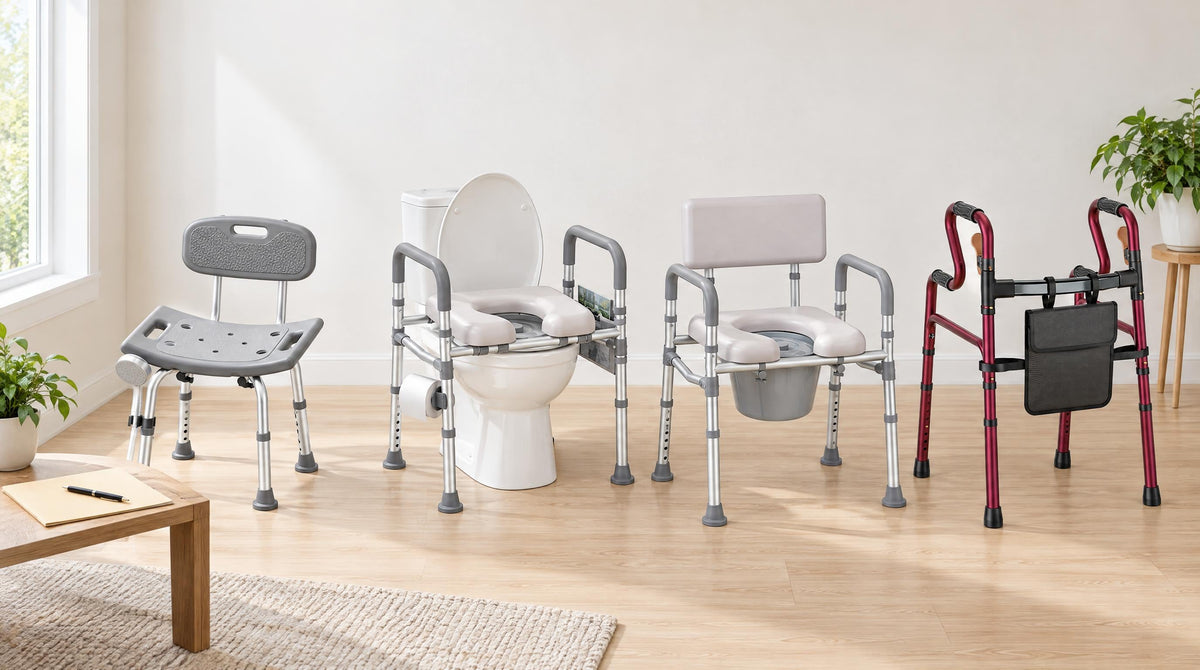
A standard walker has four legs and no wheels, which makes it the most stable walking frame available. You lift it, move it forward, and step into it — a rhythm that provides firm, controlled support with every stride. For someone who needs to place a significant portion of their body weight on the device, nothing offers more reassurance. HOMLAND's standard walkers are built with tool-free height adjustment and a lightweight frame that doesn't sacrifice durability.
The one demand standard walkers make is upper body strength. Lifting the frame with each step can be tiring, and for someone with arthritis in the wrists, hands, or shoulders, it may cause discomfort over time. If that's a concern, adding front wheel attachments transforms the lifting motion into a gliding one — or it may be time to consider a rollator.
Rolling Walkers (Rollators): Easier Movement, Built-In Rest
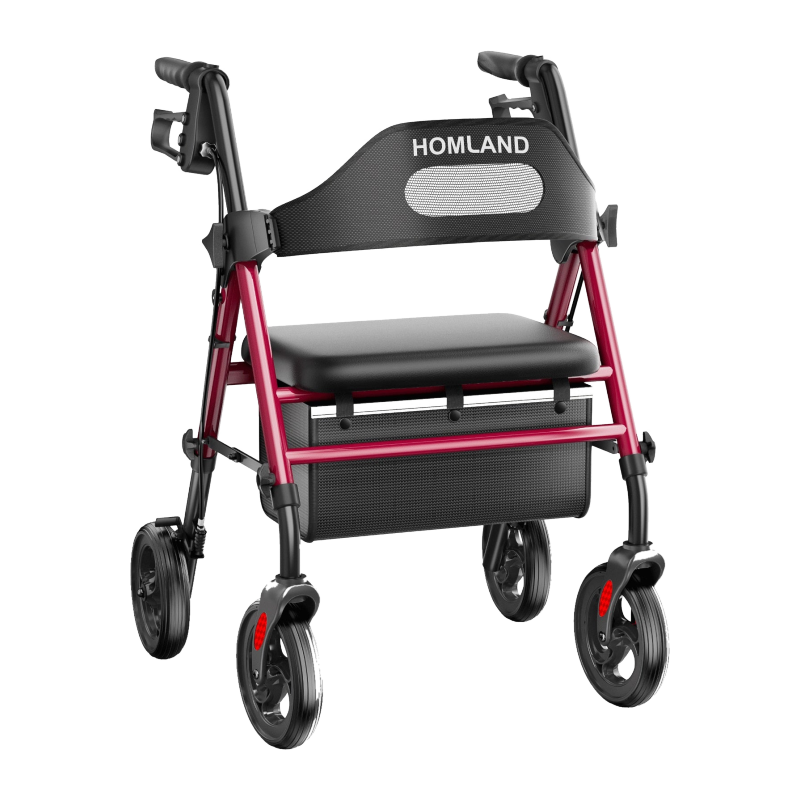
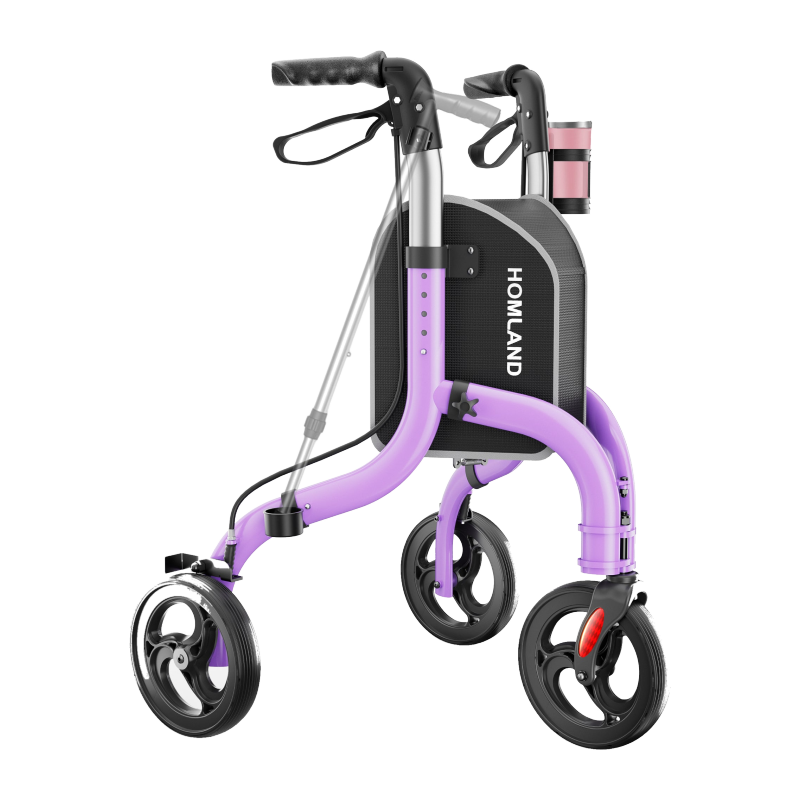
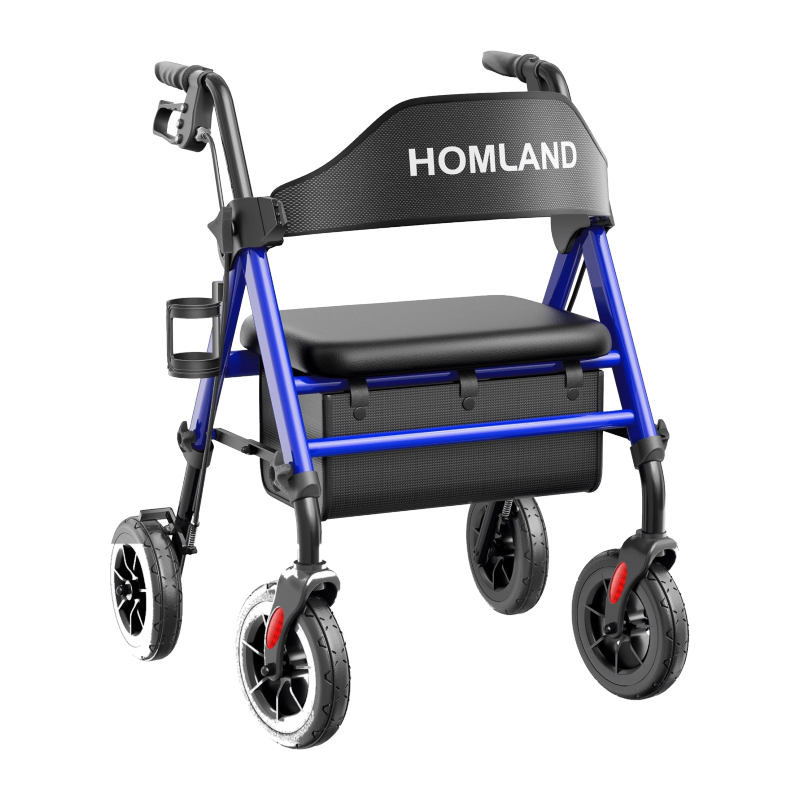
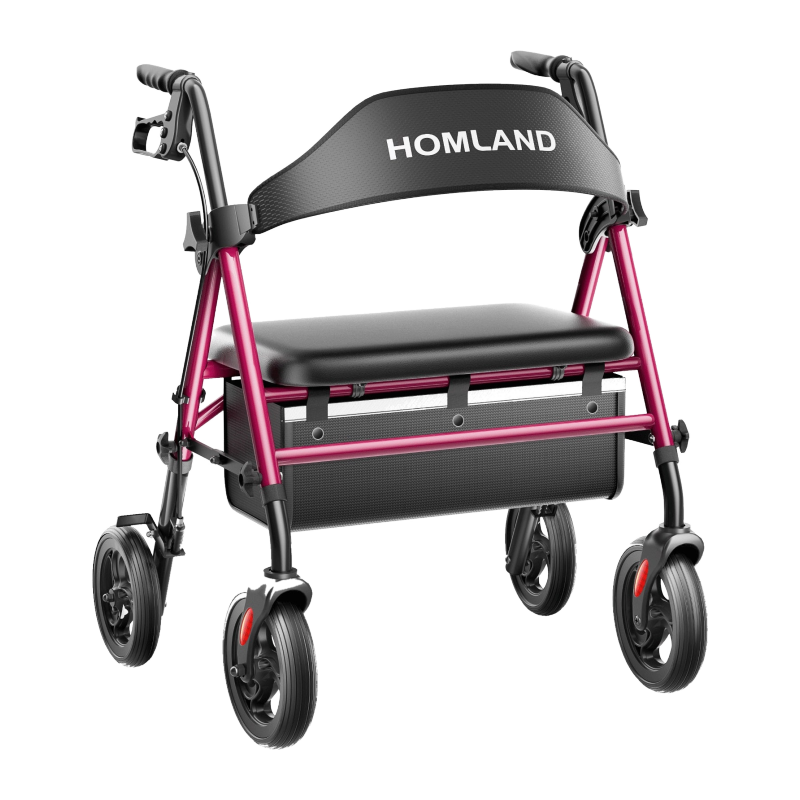
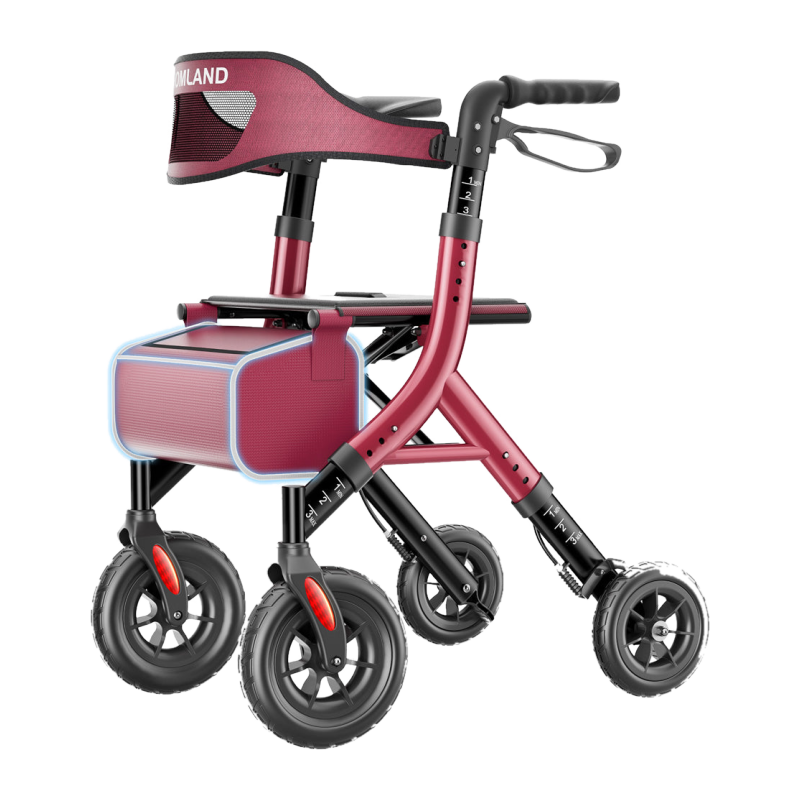
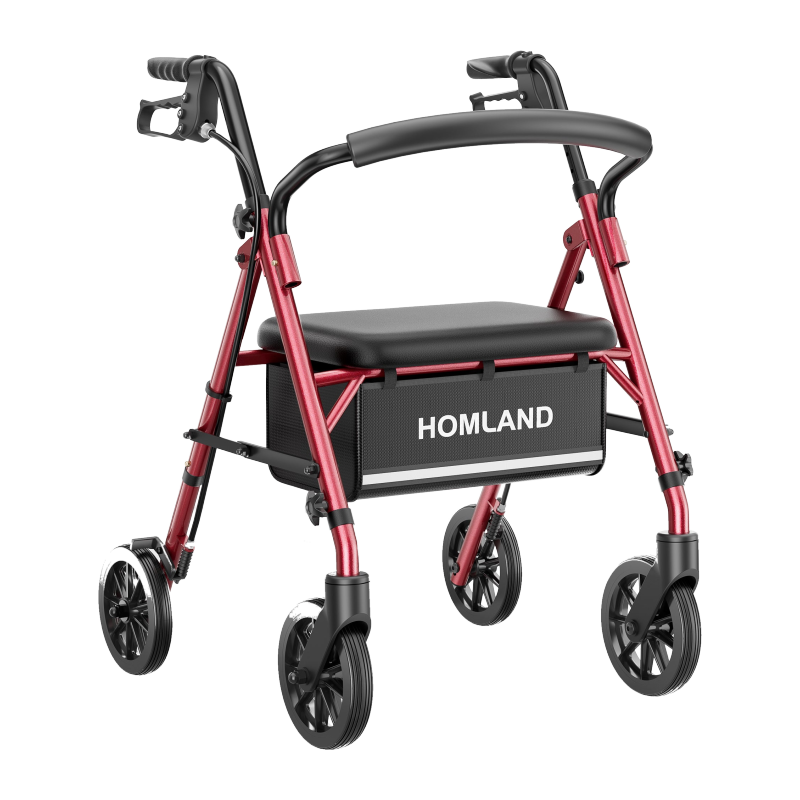
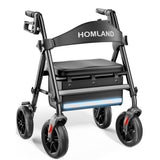
Rolling walkers, also called rollators, have wheels on all four legs (or three, in the case of a tri-wheel design) along with hand brakes and a padded seat. You push rather than lift, which is a meaningful advantage for anyone whose hands, wrists, or shoulders are affected by arthritis. The built-in seat is equally valuable — for those who tire quickly or experience pain after walking even moderate distances, being able to pause and rest without hunting for a chair makes a real difference to how far and how confidently a person can move.
HOMLAND offers a full range of rolling walkers including 3-wheel, 4-wheel, upright, and bariatric options. Select models support up to 500 lbs, so users of all body types can lean in with full confidence. The upright walker design is worth particular mention for arthritis users: it allows you to rest your forearms on padded arm supports rather than gripping handles, which removes hand and wrist strain almost entirely.
4-wheel rollators offer better stability and support, making them the most popular choice for everyday home and outdoor use. 3-wheel models are slimmer and easier to navigate in tight indoor spaces like narrow hallways or small bathrooms. For those requiring extra capacity or reinforced construction, a bariatric rollator provides a heavy-duty frame with larger wheels.
A rollator is a good fit if: You need both-sided support, want to walk further without fatigue, and value being able to sit down at any moment.
Consider a standard walker instead if: You need to place most of your body weight on the device, as rollators are less suited for full weight-bearing use.
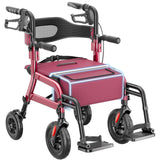
For caregivers: rollators also come as hybrid transport chairs, allowing a loved one to walk independently when feeling well, and be assisted on harder days — one device that handles both situations.
Bathroom Safety: The Room That Needs the Most Attention
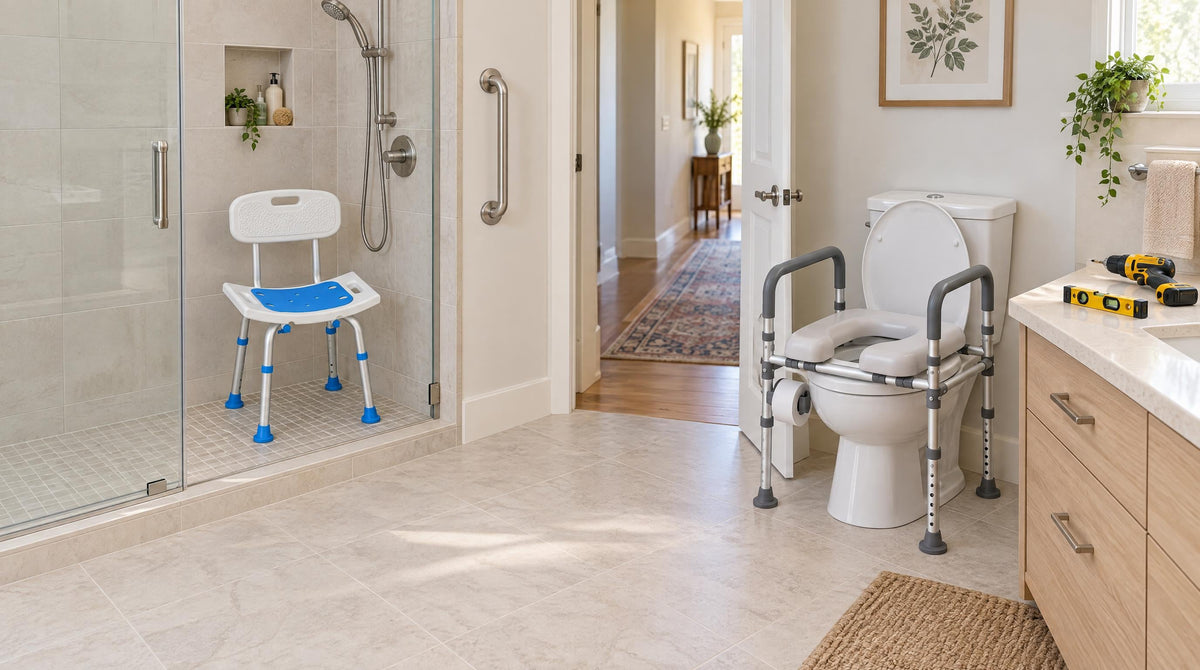
For people living with arthritis, the bathroom is statistically the most dangerous room in the home. Wet surfaces, awkward lowering and rising motions, and the need to grip smooth fixtures all combine to make bathing and toileting genuinely hazardous when joints are stiff or painful. According to the Arthritis Foundation, getting in and out of bed and performing basic hygiene tasks — including bathing — are among the most commonly reported challenges for people with arthritis. The good news is that targeted bathroom supports can transform this space from a source of anxiety into a place of genuine independence.
Physical therapists consistently recommend a layered bathroom approach: address the toilet, the shower or tub, and any transition points between them. Each has its own solution, and none requires significant renovation.
Raised Toilet Seats and Toilet Safety Rails
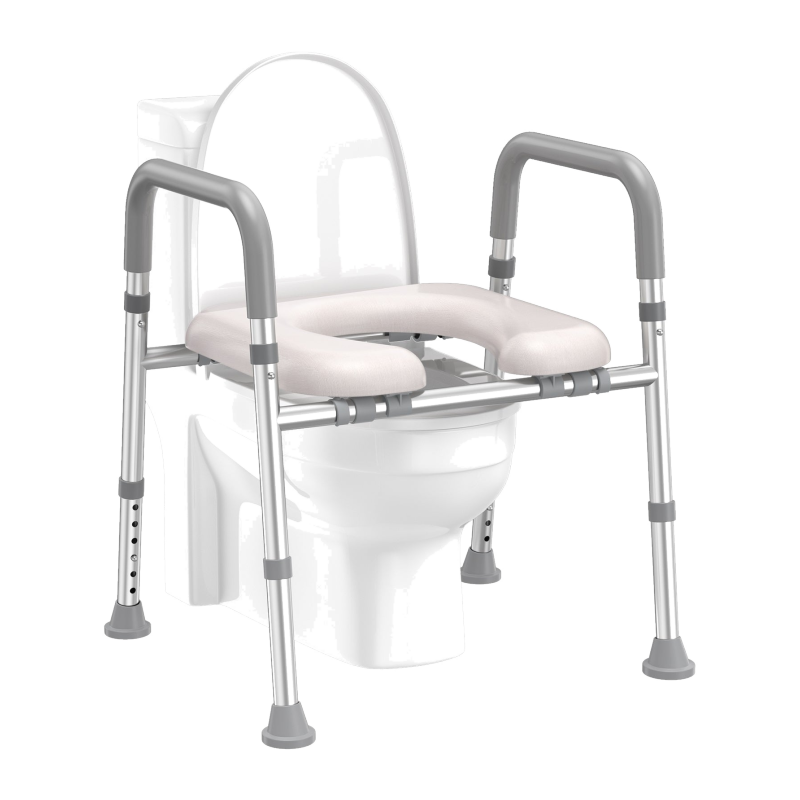
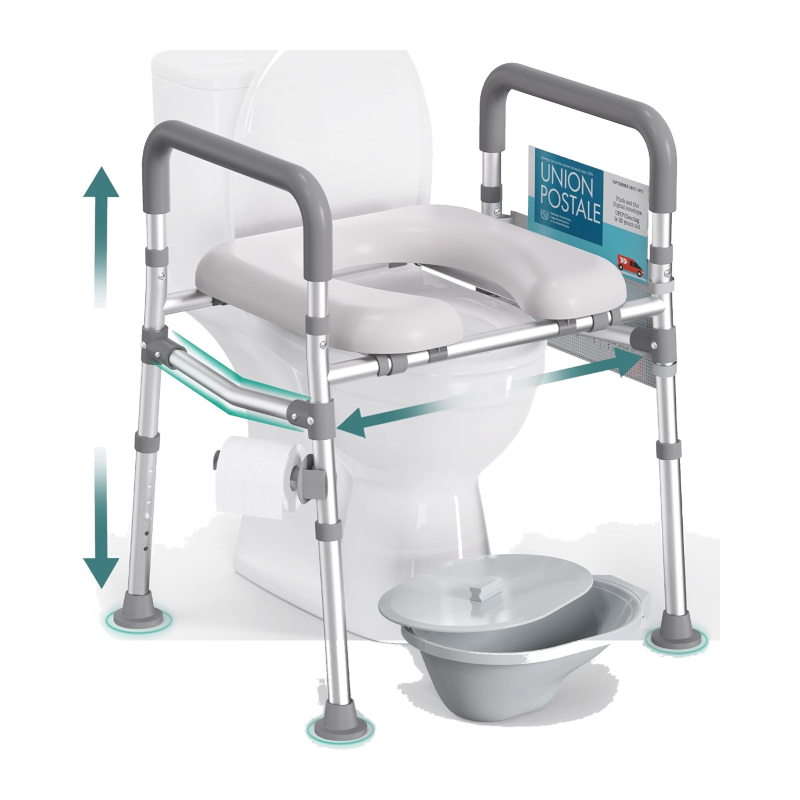
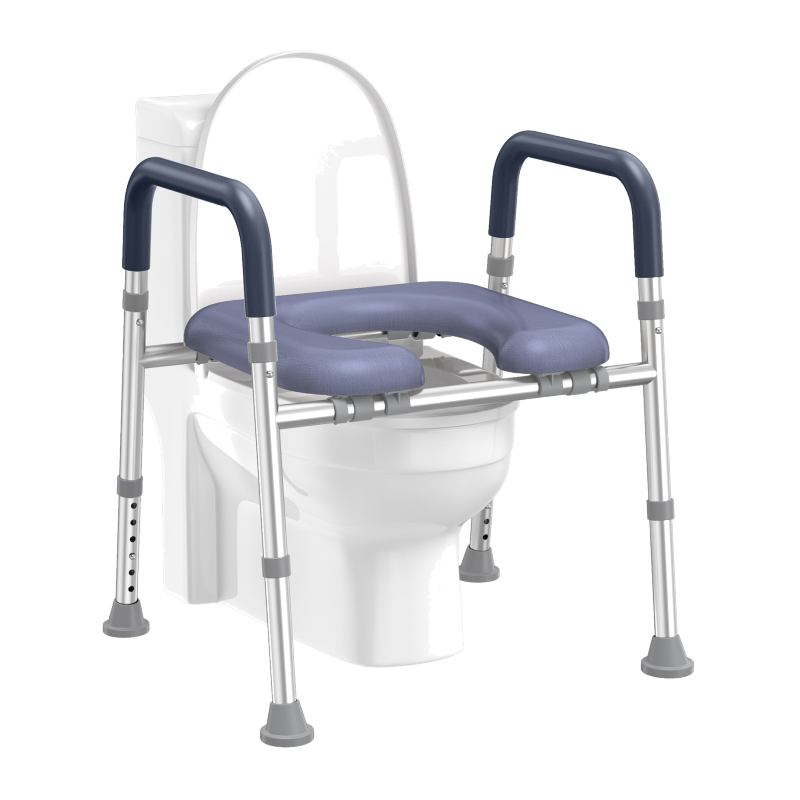
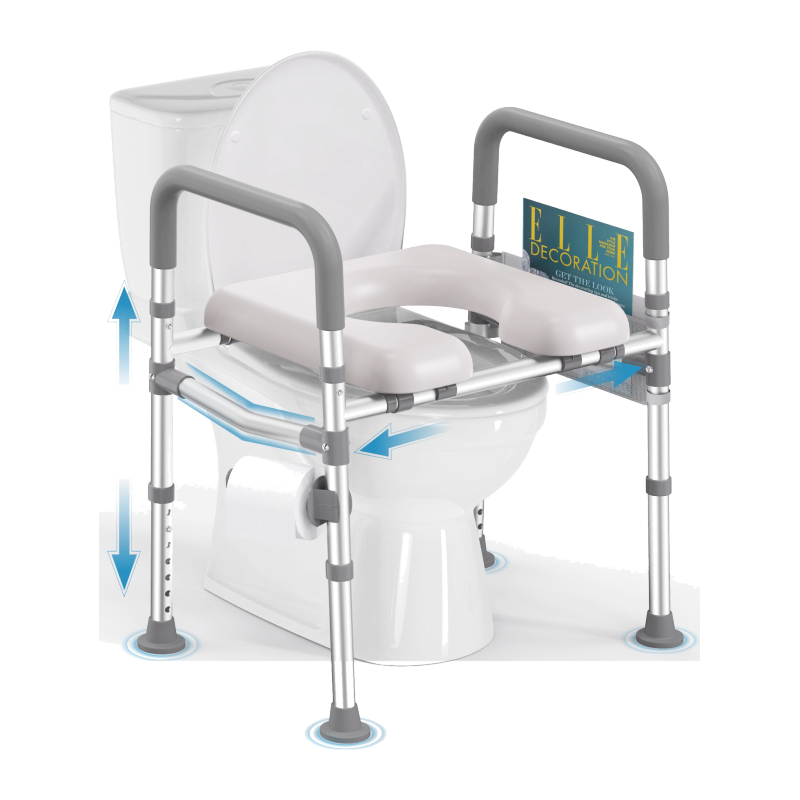
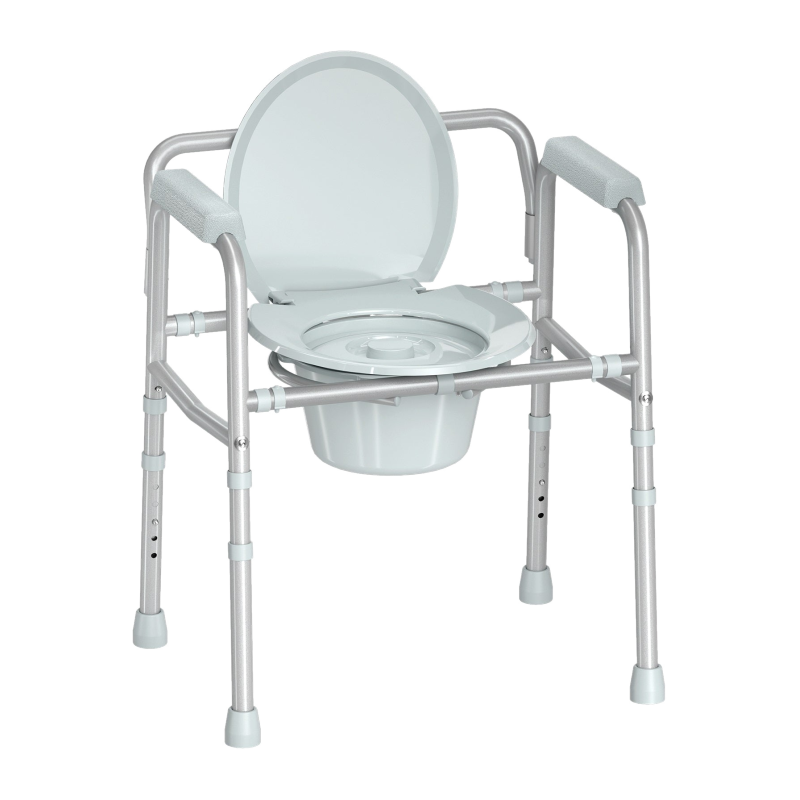
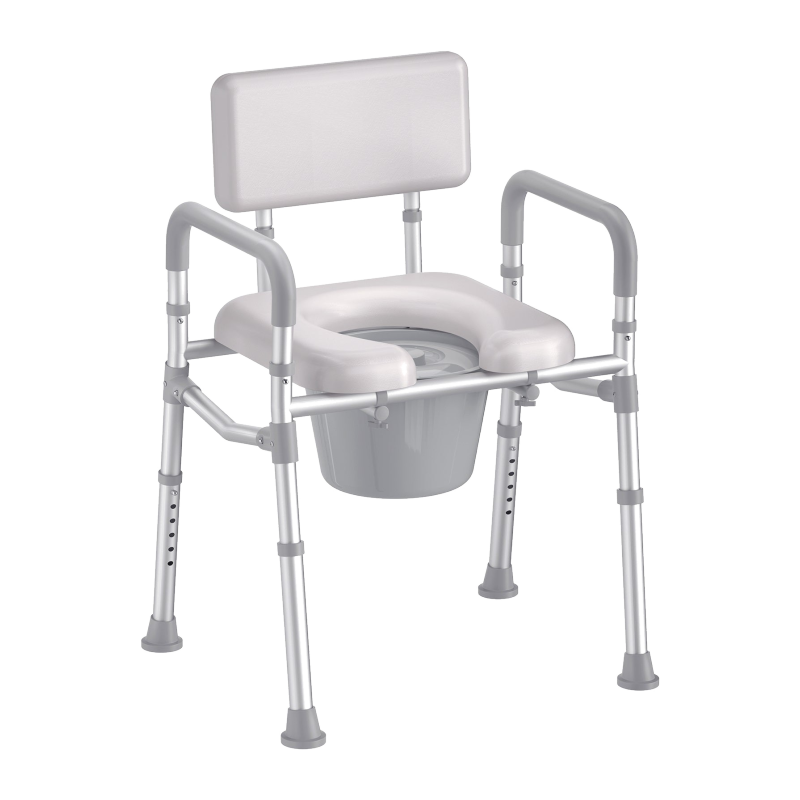
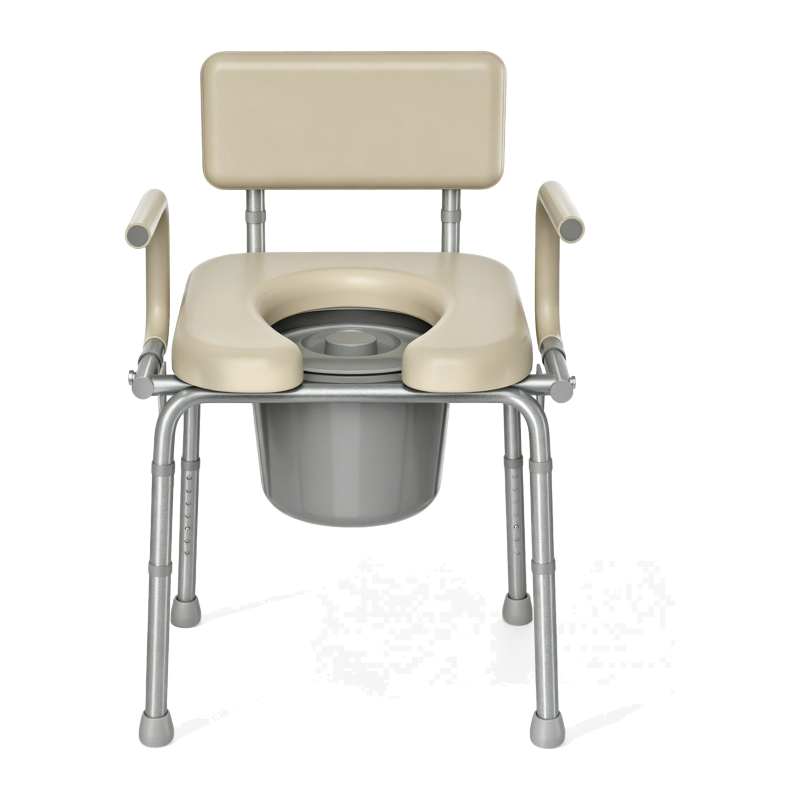
Lowering onto a standard toilet and rising from it requires the hips and knees to bend to angles that are particularly painful with arthritis. A raised toilet seat reduces that range of motion by elevating the seat height by several inches — making the sit-to-stand transition dramatically easier on the joints. The Arthritis Society notes that raised toilet seats can decrease the strain on knee and hip joints and make it far easier to get on and off independently.
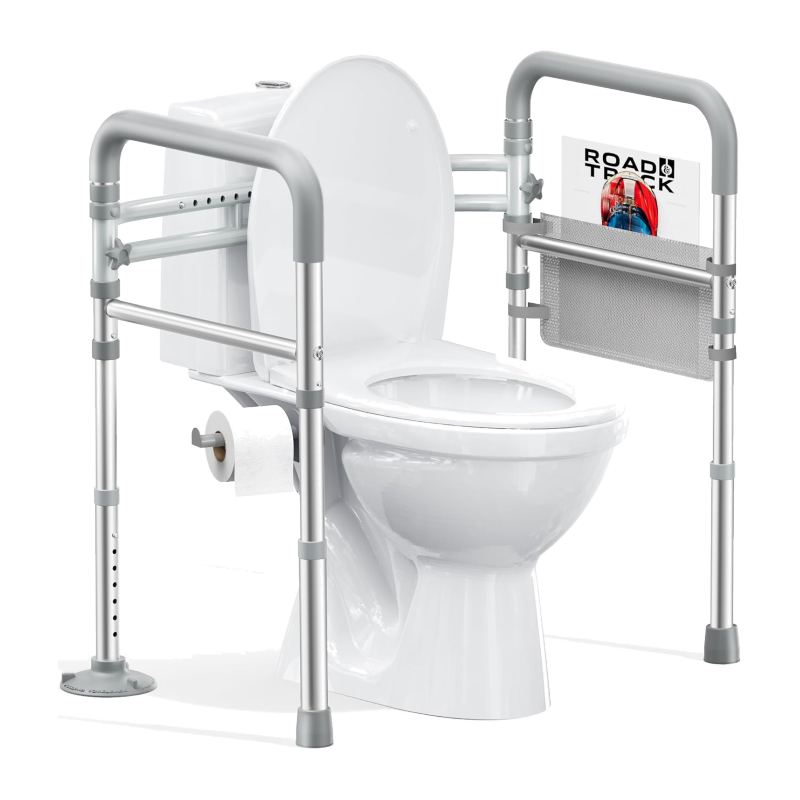
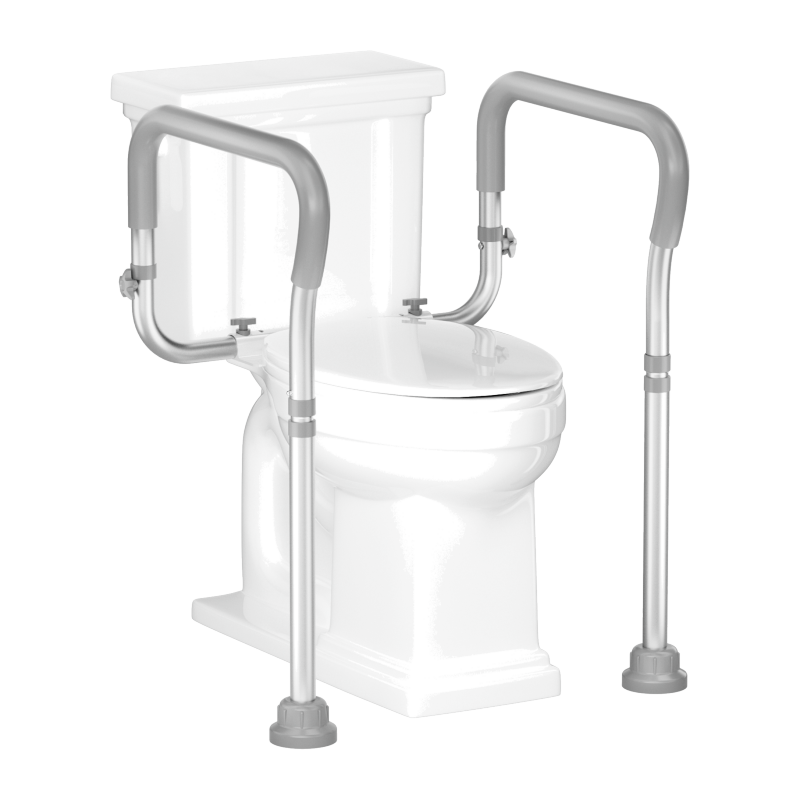
Raised toilet seats work best in combination with toilet safety rails, which give the user something firm to push against when standing. This push-up motion distributes effort through the arms rather than concentrating it entirely in the knees — a simple shift that can turn a painful moment into a manageable one. HOMLAND's toilet safety rail collection includes adjustable, tool-free designs that fit most standard toilets without permanent installation.
Shower Chairs and Transfer Benches
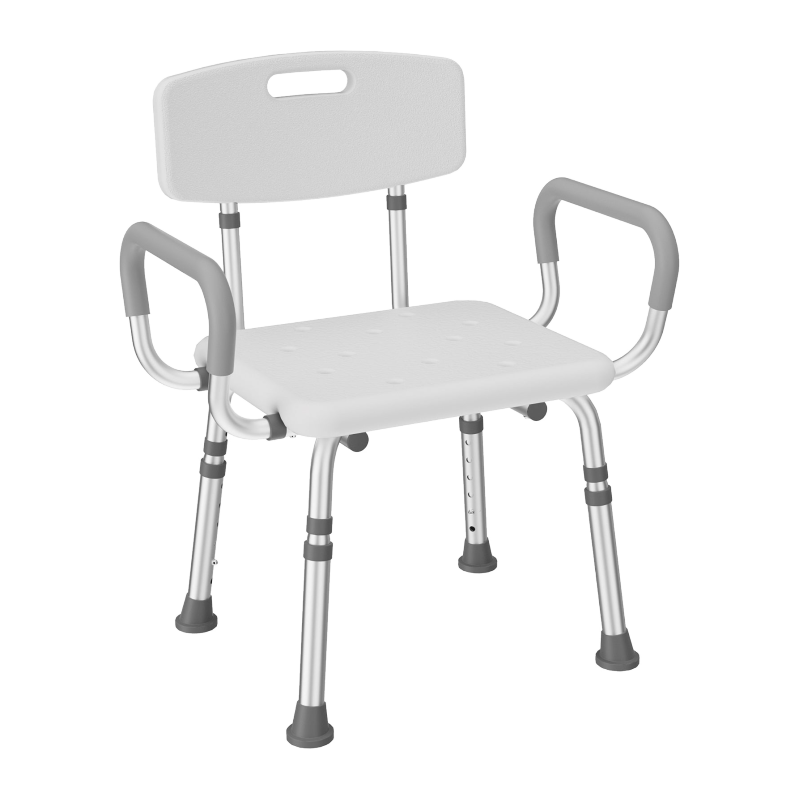
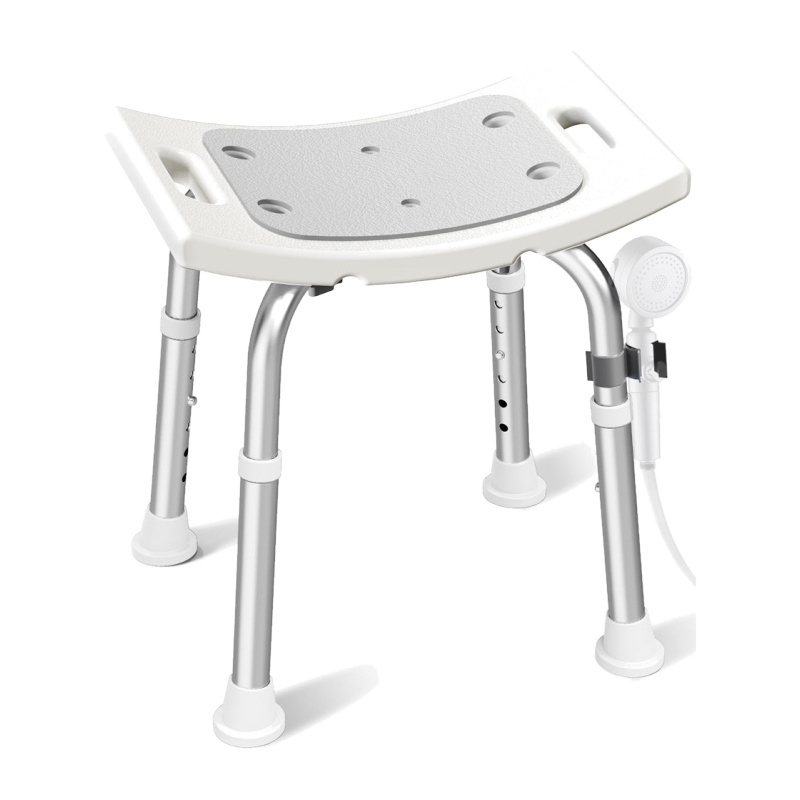
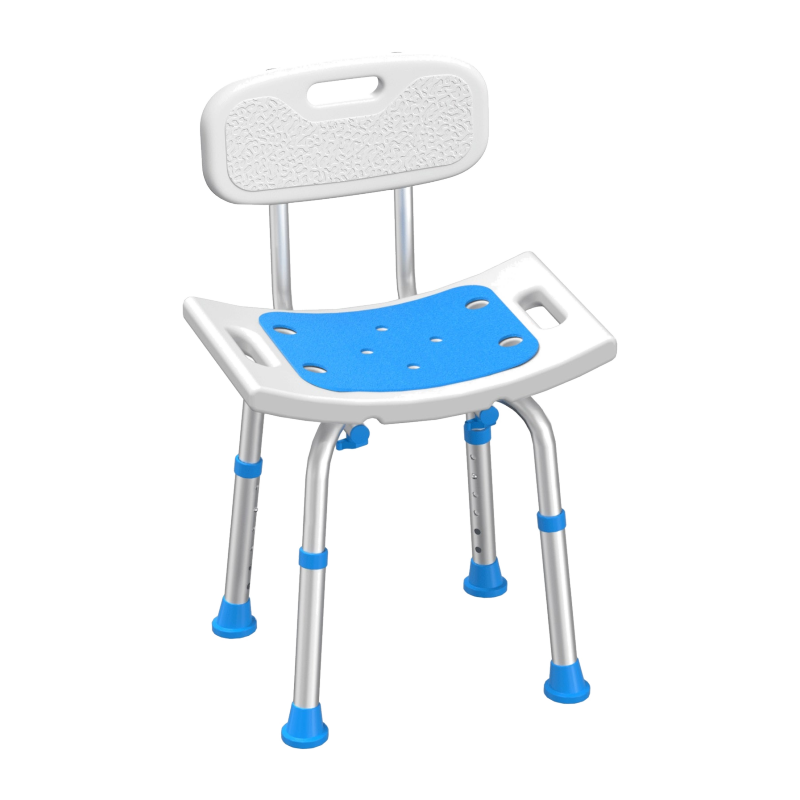
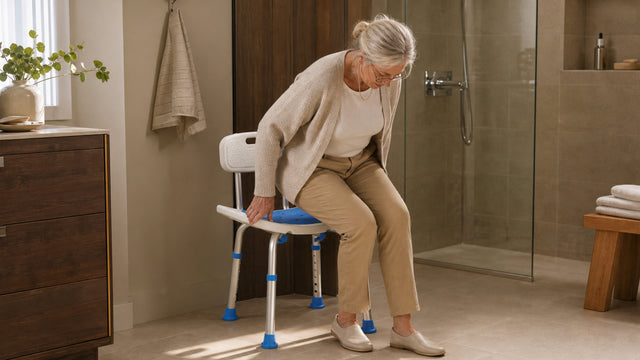
Standing in the shower while managing arthritis pain, balance issues, or fatigue is an unnecessary risk. A shower chair or bath bench allows a person to sit comfortably while bathing, removing the demands of prolonged standing and the danger of slipping on a wet surface. Shower chairs with adjustable legs and non-slip feet accommodate a wide range of body heights and bathroom floor types. HOMLAND's shower chair collection is built with exactly this user in mind — adjustable heights, durable frames, and finishes that belong in a home bathroom, not a clinical facility.
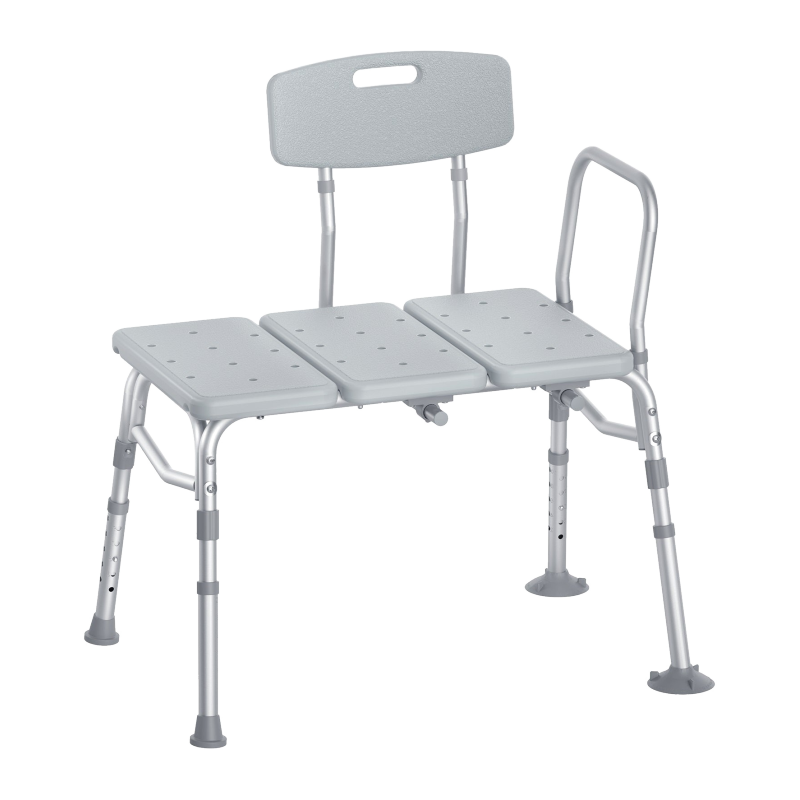
For those who use a walker or have limited mobility getting in and out of the tub, a transfer bench is the gold standard. It bridges the gap between outside the tub and inside it, letting the user slide across a seated surface rather than stepping over a high tub wall. This is especially relevant for post-surgery recovery alongside arthritis, or for anyone for whom stepping over a tub edge feels risky. Physical therapists frequently recommend transfer benches as one of the single most impactful bathroom adaptations available.
Arthritis-Friendly Features to Look For in Any Aid
Arthritis doesn't affect everyone in the same joints, and it doesn't affect only the legs. Before making any purchase, look for these specific features that make a meaningful difference for arthritis users in particular:
- Ergonomic or foam-padded handles: Reduces the gripping force required and distributes pressure across the palm. Critical for anyone with hand, wrist, or finger arthritis.
- Tool-free height adjustment: Push-button or lever mechanisms that adjust without tools are far easier to manage than bolt systems, especially during flare-ups when dexterity is reduced.
- Lightweight construction: Less weight means less effort to lift, push, or carry. Aluminum frames offer the best balance of strength and lightness.
- Non-slip rubber tips and feet: Provide confidence on hard floors, tile, and wood surfaces — common in home environments.
- Wider, cushioned seats on rollators: More comfortable for longer rest stops, particularly for those whose hip joints make narrow seating painful.
- FSA/HSA eligibility: All HOMLAND products are FSA/HSA eligible, which means you may be able to use pre-tax healthcare funds to offset the cost.
For caregivers making a purchase on behalf of a loved one: HOMLAND's entire product lineup ships from US local warehouses for fast delivery, and every product comes backed by a 1-year manufacturer warranty plus a 1-year extended warranty. That's two years of coverage — because confidence in the product matters just as much as the product itself.
Quick Match: Which Aid Fits Your Situation?
Use this at-a-glance guide to find the right starting point. Remember: a physical therapist can always confirm and fine-tune your choice.
- Mild hip or knee pain, good balance overall → A cane with an ergonomic or derby handle. Hold it on the opposite side from the painful joint.
- Balance challenges on both sides, can still walk → A standard walker for maximum stability, or a rollator if lifting a frame is difficult.
- Need to walk further without tiring → A 4-wheel rollator with a built-in seat. Stop whenever you need to — it goes where you go.
- Hand or wrist arthritis affecting grip → An upright rollator with forearm rests, or a standard walker with foam handle covers.
- Toilet sit-to-stand is painful → A raised toilet seat combined with a toilet safety rail. Both available tool-free.
- Showering feels unsafe → A shower chair for standing showers, or a transfer bench for tub access.
- High fall risk, recovering from surgery → Consider pairing a walker for mobility with full bathroom supports (raised seat, safety rail, shower chair). Layered safety is the most effective approach.
Explore the full range of solutions across HOMLAND's complete product collection — including bed rails for safe overnight transfers and knee scooters for post-surgery recovery alongside arthritis management.
Living Well at Home Starts with the Right Support
Arthritis changes how your body moves — but it doesn't have to change where you live or how independently you do it. The right mobility aid, whether a cane, a rollator, a raised toilet seat, or a shower chair, is less about accepting a limitation and more about removing an unnecessary obstacle. It's the difference between dreading the bathroom and moving through your morning without a second thought.
Every HOMLAND product is designed with that goal in mind: safety you can feel, comfort that fits your home, and ease of use that works even on hard days. Whether you're shopping for yourself or for someone you love, these tools are built to support independence — not replace it. Backed by DPT authorization, FSA/HSA eligibility, a two-year warranty, and fast US delivery, HOMLAND is the trusted partner for living well at home, on your own terms.
Need Help Choosing the Right Mobility Aid?
Our team is here to help you find the right fit — whether you're navigating arthritis yourself or supporting someone you care about. Reach out with your questions and we'll point you in the right direction.
Contact Us