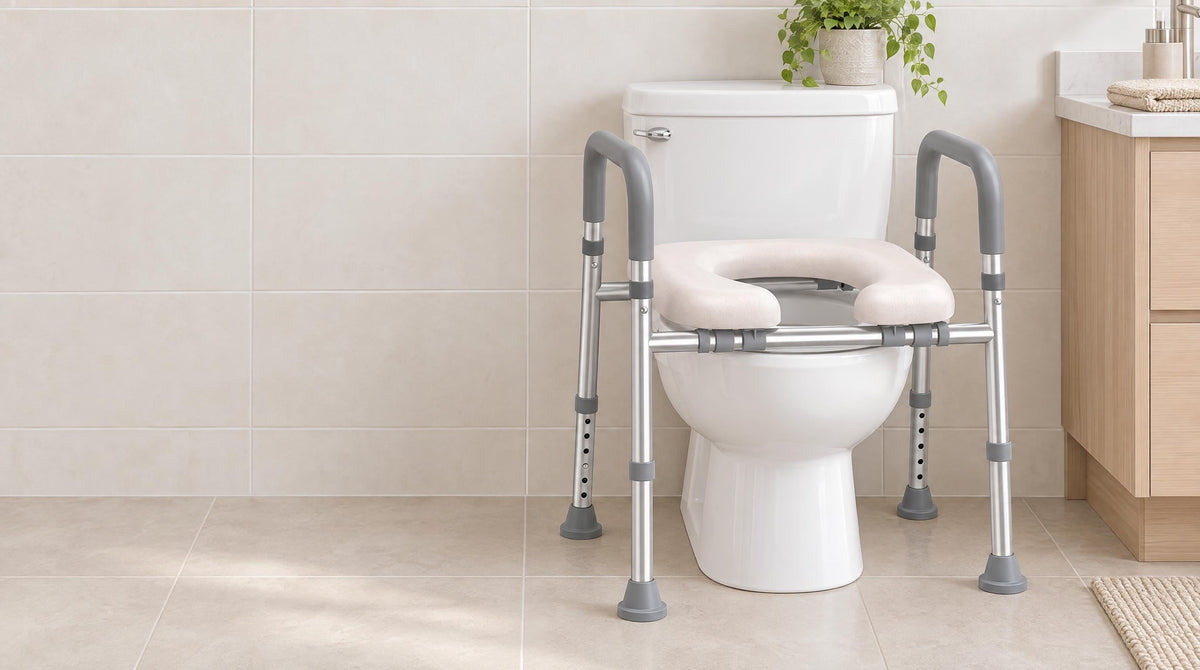
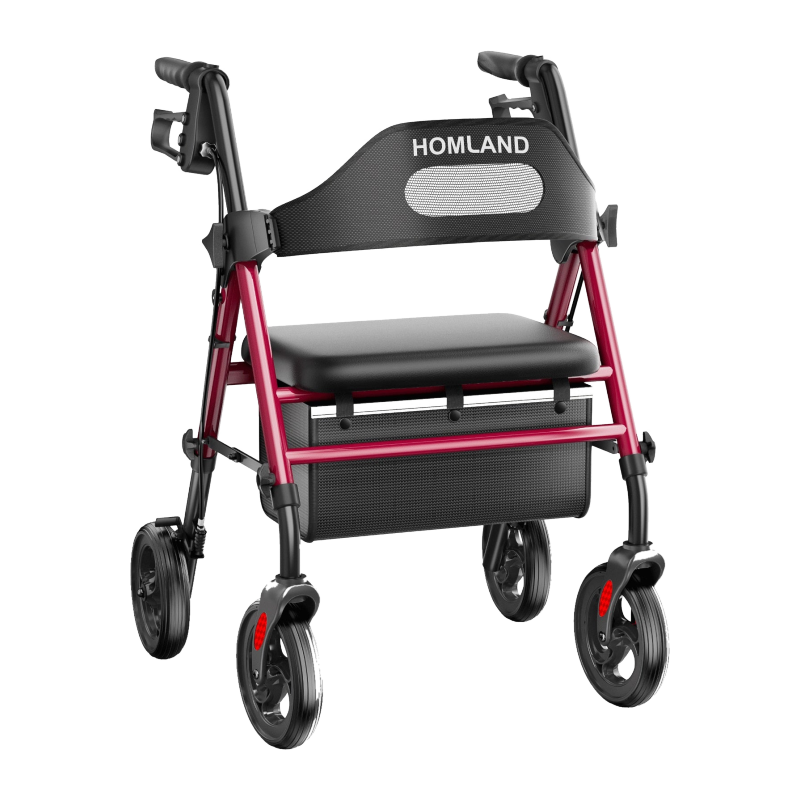
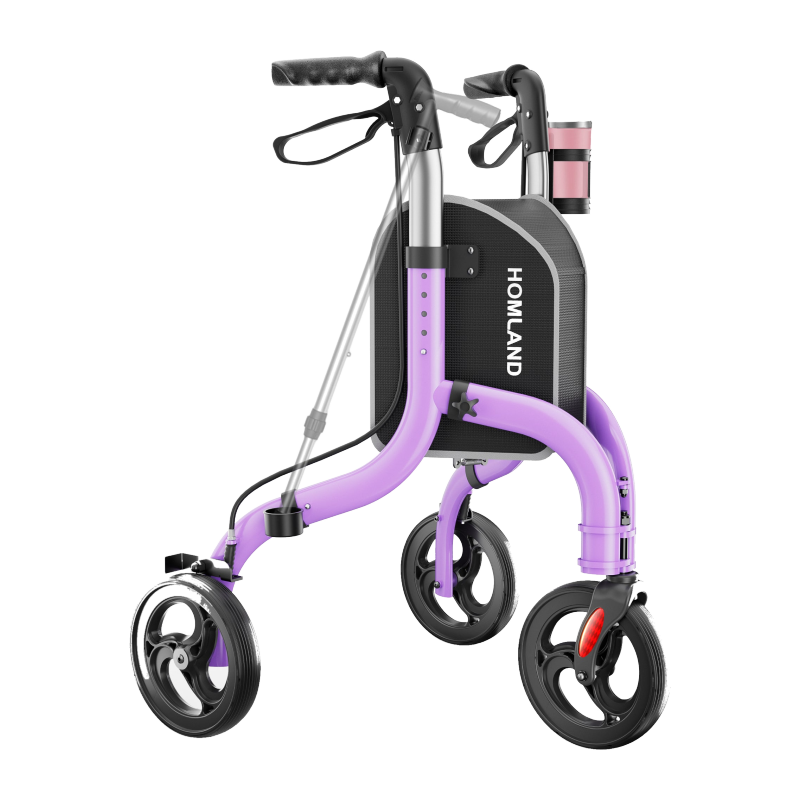
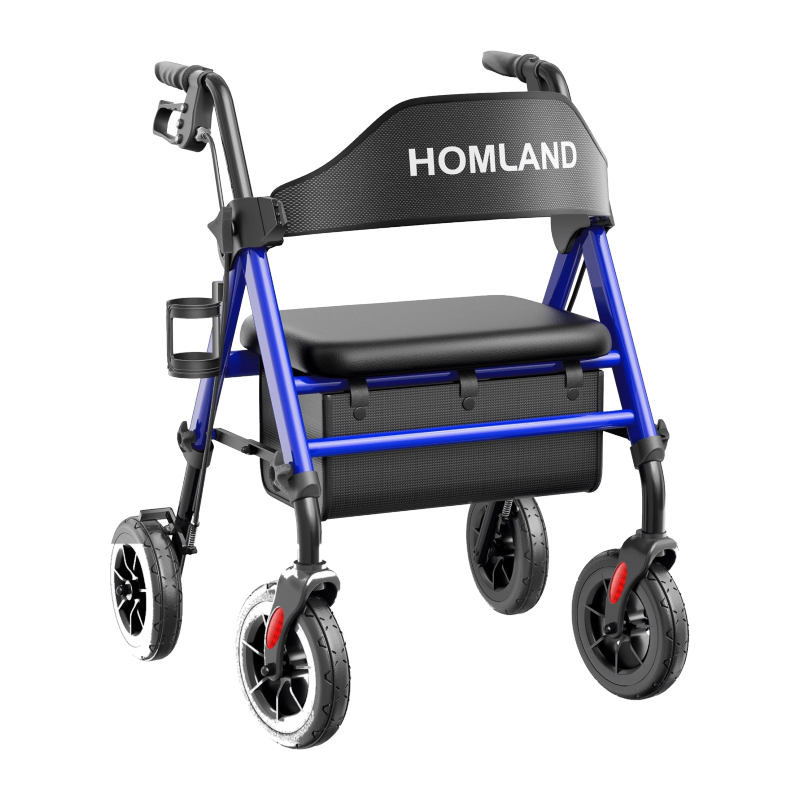
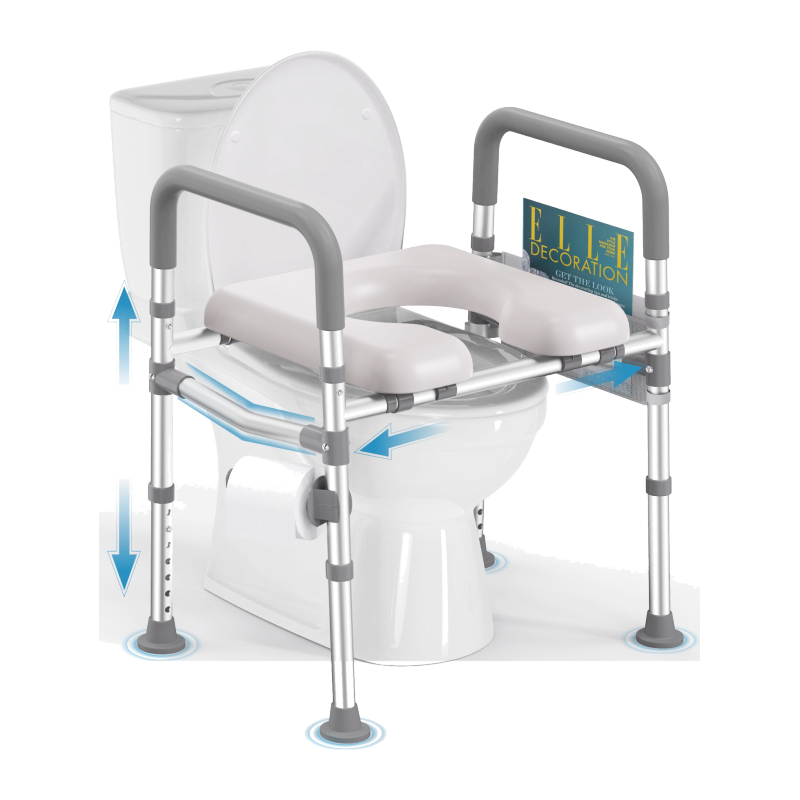
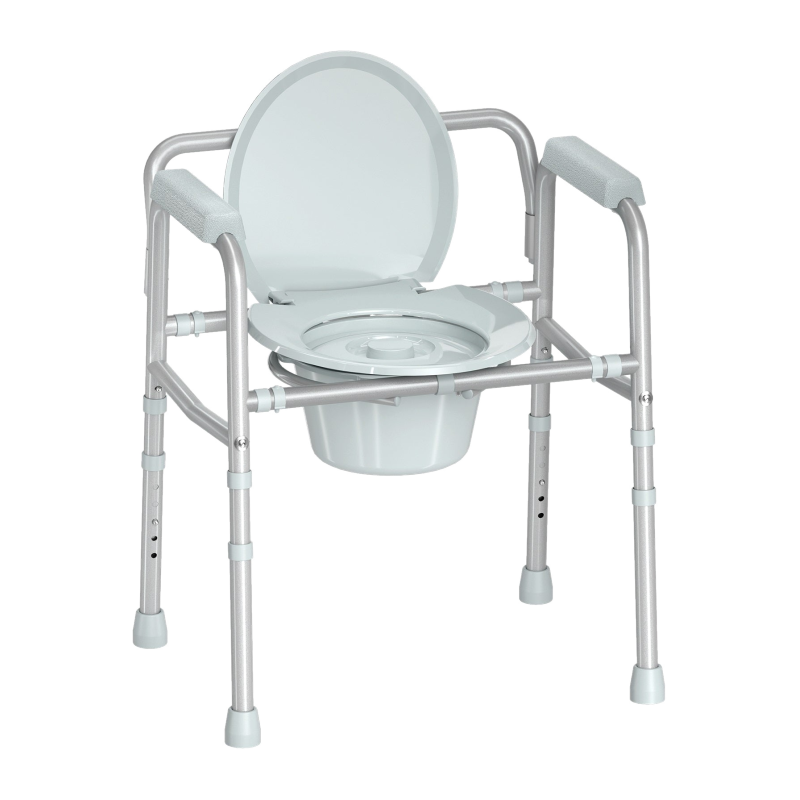
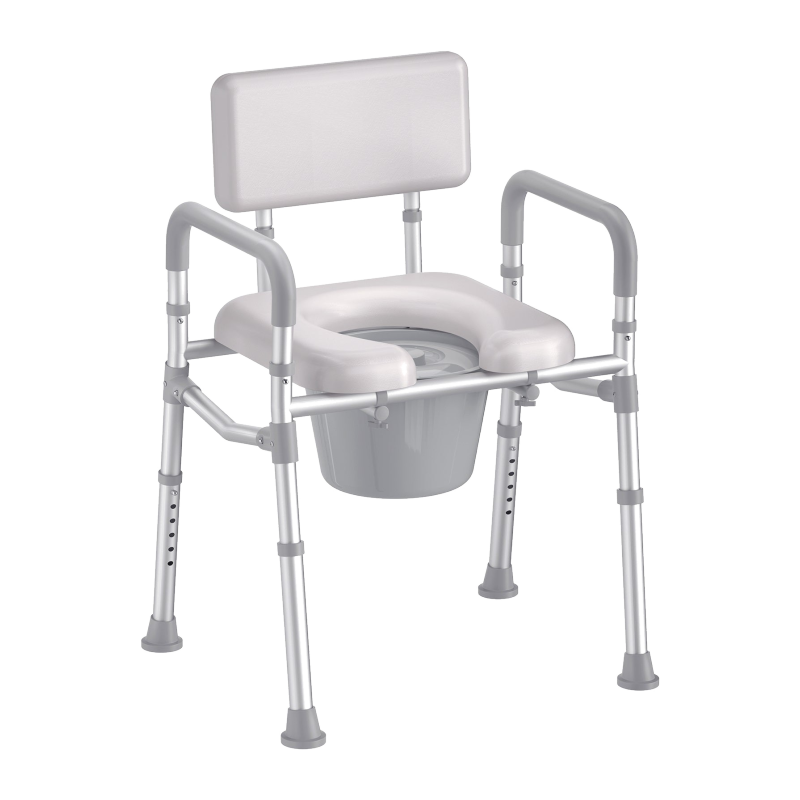
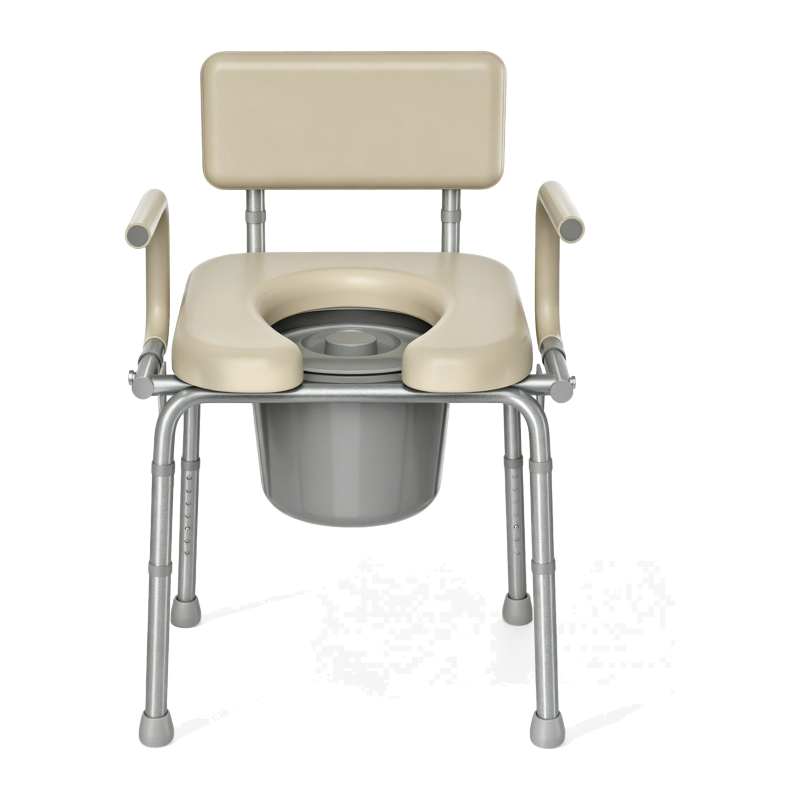


There's a moment many people recognize — stepping into the shower after a hip replacement, feeling the legs tire halfway through a wash, or gripping the wall to catch a balance wobble on a wet tile. The shower is one of the most important daily rituals for independence and dignity, and it's also, according to the CDC, the location of the majority of injurious falls that happen inside the home. A shower chair changes that equation entirely. But not every shower chair is built the same way, and knowing when the extra structure of a backrest makes a real difference can help you or your loved one choose with confidence.
This guide is specifically about shower chairs with backs — what makes them different from backless stools, exactly who they are designed to help, and what to look for when you're ready to choose one. Whether you're making this decision for yourself or helping a parent or partner make a safe change at home, you'll find clear, practical answers here — grounded in real-life scenarios and informed by the physical therapy professionals who work with these products every day.
Why Back Support in the Shower Actually Matters
The bathroom is the room in the home where older adults are most likely to experience a serious fall. The CDC has tracked this consistently: roughly 80% of falls that occur inside the home for older adults happen in the bathroom, and the activity most associated with those falls is bathing or getting out of the tub or shower. That isn't a reason to feel anxious — it's a reason to be smart about the tools you use in that space.
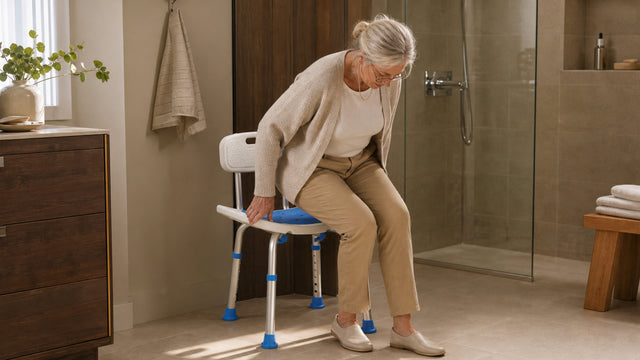
A shower chair with a back does something a basic stool simply cannot: it gives your body a fixed point of support behind you. When you sit down, lean forward to wash your feet, or shift your weight to reach the showerhead, the backrest keeps you anchored. Physical therapists often describe this as passive trunk support — your core muscles don't have to work as hard to keep you upright, which means less fatigue, more stability, and more confidence throughout the entire shower. For anyone dealing with muscle weakness, post-surgery recovery, or conditions that affect balance, that passive support can be the difference between a safe, comfortable shower and a frightening near-miss.
There's also the comfort dimension. Sitting in a shower without back support means your postural muscles are engaged the entire time — fine for a few minutes, genuinely tiring over the course of a full wash. A contoured backrest lets those muscles rest, which matters especially for people managing chronic pain, fatigue-related conditions, or simply the natural muscle changes that come with aging. Bathing shouldn't be an endurance test. With the right chair, it doesn't have to be.
Shower Chair with a Back vs. a Backless Stool: How to Know Which You Need
Both shower chairs and backless stools serve a real purpose — the key is matching the right one to the right person. A backless shower stool is compact, lighter, and works well for someone who has good sitting balance, good core strength, and mainly wants a place to rest during a shower rather than full structural support. Think: someone who tires easily but is otherwise steady, or someone using the stool temporarily while recovering from a minor ankle or foot procedure.
A shower chair with a back is the better choice when any of the following apply:
- Balance is inconsistent or unpredictable — for example, if you've had a dizzy episode in the shower, or if neurological conditions like Parkinson's or the effects of a stroke affect your steadiness.
- Core or back muscle strength is reduced — after spinal surgery, with degenerative disc conditions, or with chronic lower back pain, holding yourself upright unsupported is genuinely hard work.
- Fatigue is a significant factor — conditions like COPD, heart failure, MS, or cancer treatment can make sustained muscle engagement exhausting. A backrest reduces that load significantly.
- You are in early post-surgery recovery — physical therapists routinely recommend chairs with backs for hip replacement, knee replacement, or back surgery recovery because the backrest removes the need to compensate through the healing area.
- You need to use the shower chair long-term — if this is a permanent addition to your bathroom rather than a short-term fix, a chair with a back provides better day-to-day safety and comfort.
A useful way to think about it: if you can sit on a standard kitchen chair for 10–15 minutes without tiring or feeling unstable, a shower stool may serve you well. If you find yourself holding the edge of a table or the arm of a chair for steadiness when seated, a shower chair with a back — and ideally with armrests — is the safer, smarter choice.
Who Benefits Most from a Shower Chair with a Back
Seniors with Balance or Strength Changes
Aging naturally brings changes in muscle strength, reaction time, and the vestibular system that governs balance. For many adults over 65, these changes are subtle enough that daily life feels mostly the same — until the shower, where wet surfaces, steam, and the physical demands of washing combine to create real risk. A shower chair with a back provides a stable base that removes the need to balance on one leg while washing the other, and the backrest means that even a momentary loss of balance doesn't result in a fall backward. For an adult child helping a parent make this decision: this is one of the most impactful changes you can make to a bathroom without any renovation at all.
People Recovering from Surgery
After a hip replacement, knee surgery, or spinal procedure, the body needs time to rebuild strength and relearn movement patterns. Standing in a shower for the duration of a full wash is typically not recommended in the weeks following these procedures — and even when it's permitted, fatigue sets in quickly. A shower chair with a back lets someone in recovery sit upright, wash thoroughly, and get up safely without putting extra strain on the healing site. Physical therapists who work with post-operative patients often recommend chairs with both a back and armrests specifically because the armrests make the sit-to-stand transition far safer during that vulnerable recovery window.
People Managing Chronic Conditions
Conditions like multiple sclerosis, Parkinson's disease, chronic heart failure, and COPD all affect either balance, muscle strength, or endurance — sometimes all three. For someone whose energy is already allocated carefully across the day, a shower that drains an outsized amount of physical reserve can mean skipping other activities. A shower chair with a back conserves energy by taking over the postural work, so the person showering can put their energy toward actual bathing — and have some left for the rest of the day. This isn't a small quality-of-life detail. Research consistently shows that difficulty bathing is ranked among the most challenging daily activities for adults with limited mobility, and that assistive tools like these directly support sustained independence at home.
People with Back Pain or Spinal Conditions
Standing in the shower with lower back pain is its own challenge — the combination of heat, fatigue, and the need to bend forward to wash creates significant discomfort. Sitting on a backless stool doesn't help much, because without a backrest, the lumbar muscles still have to work to hold posture. A shower chair with a contoured or curved back provides lumbar support that lets those muscles actually relax. After spinal fusion surgery, for example, doctors typically restrict bending and twisting — and a supported seated position in the shower accommodates those restrictions in a way that standing or backless seating simply cannot.
Caregivers Assisting a Loved One
For caregivers, a shower chair with a back makes assisted bathing significantly safer for both parties. When the person being assisted is seated with full back support, the caregiver doesn't need to physically hold them upright — which reduces strain on the caregiver's own back and shoulders, and lowers the risk of both people losing their footing. A stable, supported user also makes it possible for one caregiver to manage bathing tasks that might otherwise require two people. If you're a caregiver helping someone into the shower regularly, the backrest isn't just a comfort feature — it's a tool that protects you too.
Key Features to Look for in a Shower Chair with a Back
Not all shower chairs with backs are built equally. Here are the features that make the most meaningful difference in daily use:
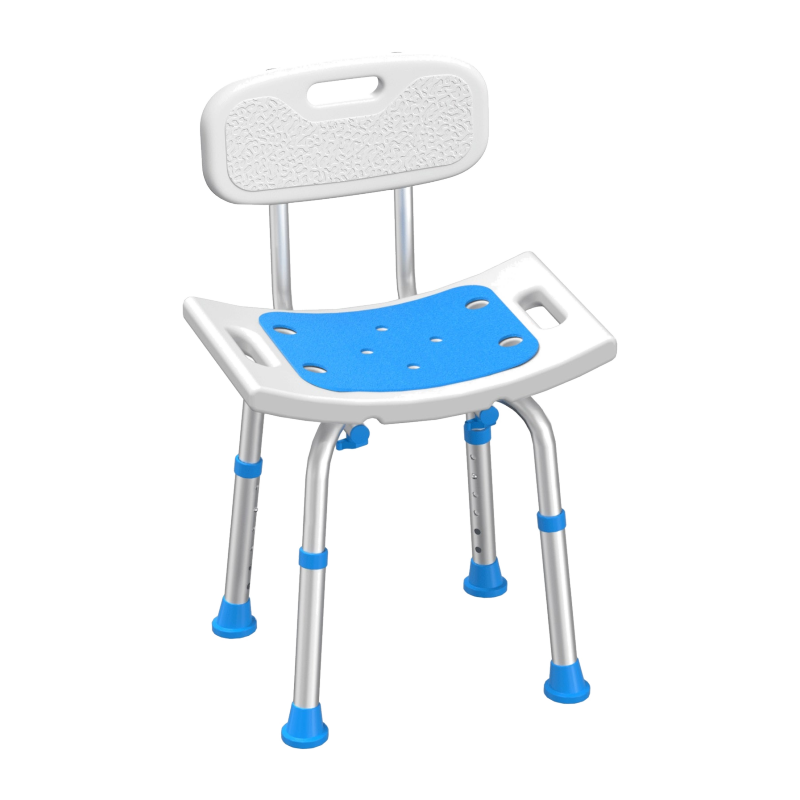
- Contoured or curved backrest: A flat back panel provides basic support, but a curved or contoured backrest follows the natural shape of the spine, which is more comfortable for extended use and better for people with lumbar concerns.
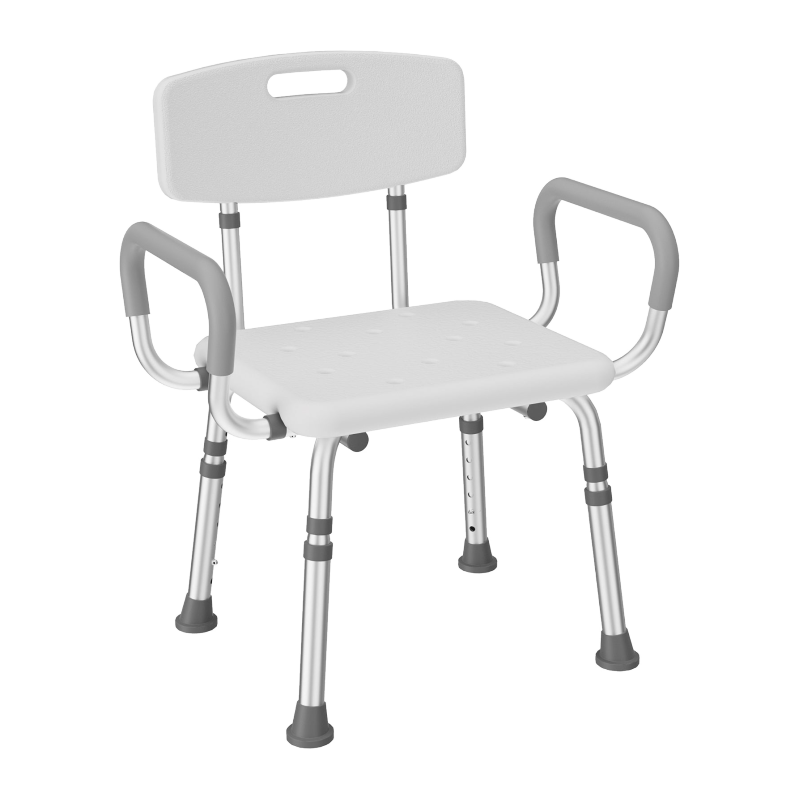
- Armrests with grip handles: Armrests serve a dual function — they give you something to hold while lowering yourself onto the seat, and something to push from when standing back up. For post-surgery recovery or anyone with weak legs, this is one of the most important safety features on the entire chair.
- Adjustable height: The right seat height means your feet rest flat on the floor and your knees are roughly level with your hips. Most quality shower chairs offer tool-free height adjustment, which matters because the correct height is different for every person and every bathroom floor height.
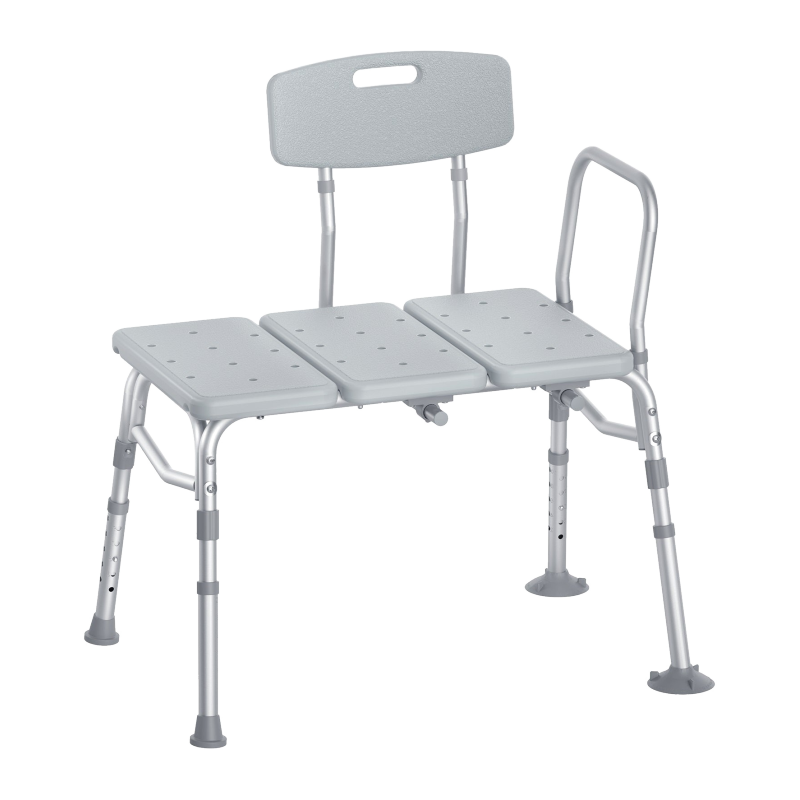
- Anti-slip rubber feet: Wet shower floors are the primary hazard, and the chair's feet are what stands between the chair and that surface. Look for chairs with durable, non-slip rubber tips on all four legs. Some transfer benches also include suction cup feet for the legs that sit inside the tub.
- Drainage holes in the seat: A seat with drainage holes prevents water from pooling, which keeps the surface drier (and therefore less slippery) and also prevents mold and mildew from developing underneath.
- Rust-resistant frame: A shower chair lives in a wet environment indefinitely. An aluminum or corrosion-resistant steel frame ensures the chair doesn't weaken structurally over time, which is a direct safety concern.
- Weight capacity that exceeds the user's weight: Always choose a chair rated above the user's actual weight — not just at the limit. Most standard shower chairs with backs support up to 300 lbs, while heavy-duty and bariatric models are available for higher capacity needs.
- Tool-free assembly: For people with limited hand strength or dexterity, or for a caregiver setting up the chair for the first time, tool-free assembly means the chair is usable right out of the box without frustration.
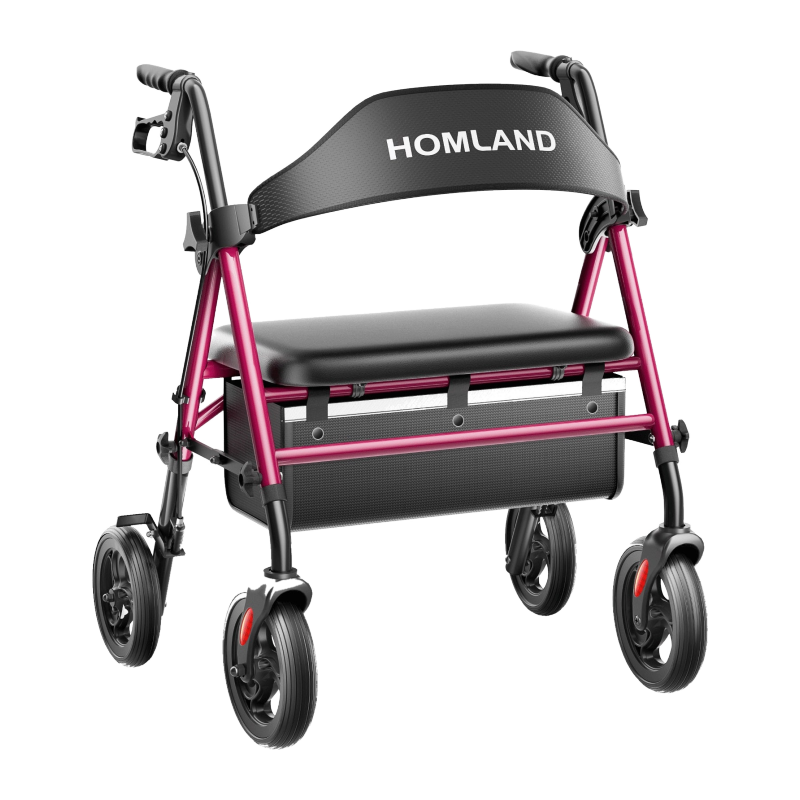
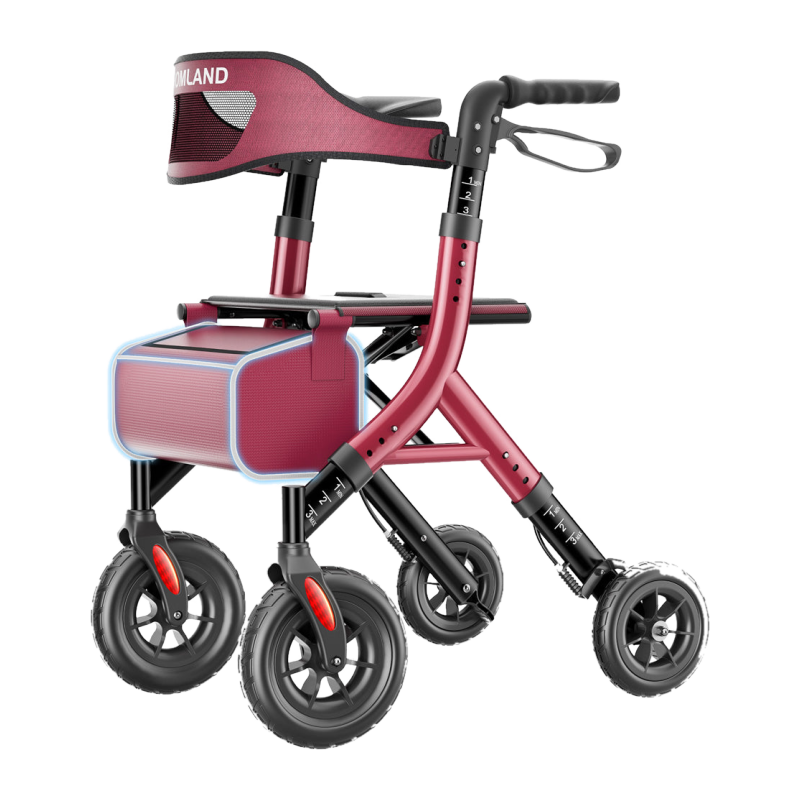
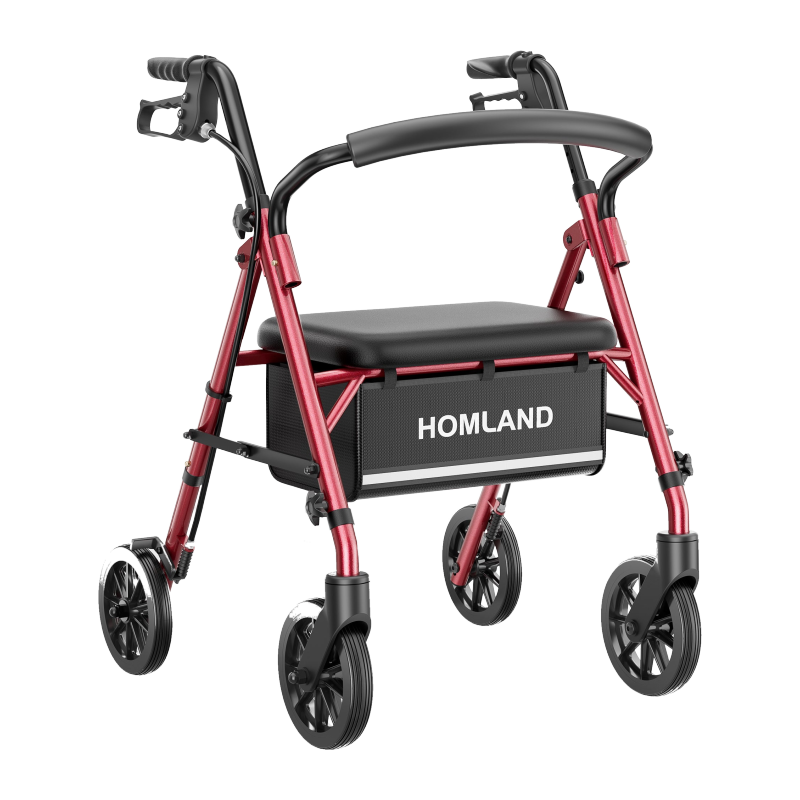
HOMLAND's shower chairs check all of these boxes — built with adjustable heights, corrosion-resistant aluminum frames, non-slip rubber feet, and drainage-ready seats. They're authorized by licensed Doctors of Physical Therapy, FSA/HSA eligible, and backed by a 1-year manufacturer warranty plus a 1-year extended warranty, so the investment in bathroom safety is protected. You can explore the full HOMLAND Shower Chair Collection to find the model that fits your bathroom and your needs.
How to Set Up and Use Your Shower Chair Safely
Getting the most out of a shower chair with a back starts with a correct setup. Here's how to do it right from the first day:
- Adjust the height first, before stepping in. Sit on the edge of the chair outside the shower and check that your feet rest flat on the floor with knees at approximately hip level. If your feet dangle or your knees are significantly higher than your hips, adjust the legs accordingly. Most chairs use simple push-button or pin-lock mechanisms that require no tools.
- Position the chair fully inside the shower or tub. All four legs should be on a flat, stable surface. Check that none of the rubber feet are sitting on a raised tile edge or mat seam — any rocking means repositioning is needed before use.
- Check stability before sitting. Press down firmly on the seat with your hand and ensure the chair doesn't shift or slide. If you're placing the chair in a tub, confirm that all feet are making solid contact with the tub floor.
- Sit down slowly, using the armrests. Lower yourself by placing both hands on the armrests and bending at the knees first. Avoid twisting as you sit — face the showerhead and lower straight down.
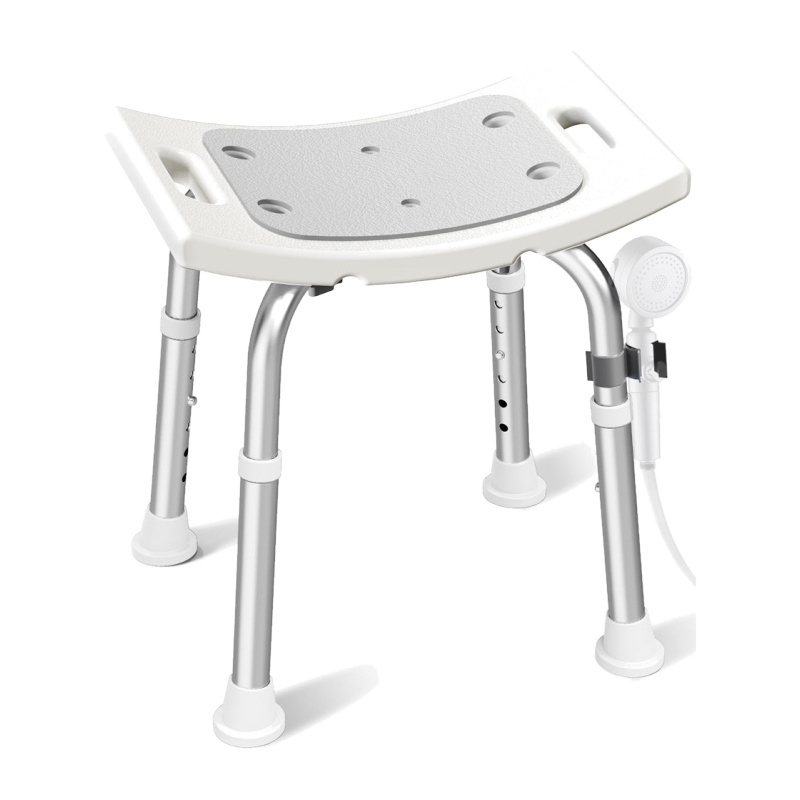
- Keep essentials within reach. Stretching or leaning far to one side while seated is a balance risk. A small shower caddy or a handheld showerhead makes reaching everything much easier without leaning away from the backrest.
- Stand up using the armrests, not the backrest. When you're ready to stand, scoot to the front edge of the seat, plant your feet firmly, and push upward using the armrests. If grab bars are installed on the wall nearby, use those for additional support as you reach standing height.
For caregivers, a good rule of thumb is to stand on the non-shower side of the person and offer a steadying hand at the shoulder or hip — close enough to help if needed, far enough back to give the person using the chair the chance to do as much independently as they safely can. Independence and dignity go together, and the goal is always to support rather than replace the user's own capability.
Paying for Your Shower Chair: FSA, HSA, and Warranty
One practical note worth knowing early: HOMLAND shower chairs are FSA and HSA eligible, which means you can use pre-tax flexible spending or health savings account dollars to purchase one. This reduces the out-of-pocket cost meaningfully for many households, and it's worth confirming your available balance before purchasing. Standard Medicare Part A and Part B generally do not cover shower chairs (they're not classified as durable medical equipment in most cases), but some Medicare Advantage plans include an over-the-counter allowance that may apply — check your specific plan's benefits to be sure.
Every HOMLAND shower chair also comes with a 1-year manufacturer warranty plus a 1-year extended warranty, and the brand ships from a US local warehouse for fast delivery. That matters when someone needs a safety solution in place quickly — whether it's ahead of a discharge from the hospital after surgery, or after a close call in the bathroom that made clear a change was needed. You can browse the full range of bathroom safety solutions, including shower chairs, transfer benches, and toilet safety rails, in the HOMLAND product collection.
Frequently Asked Questions
Can the back be removed if I don't need it anymore?
Many shower chairs with backs are designed with removable backrests, so the same chair can transition from full back support during recovery to a more open configuration once strength and balance have improved. Check the specific model you're considering — HOMLAND chairs are built with this kind of long-term flexibility in mind.
What's the right seat height for a shower chair?
The standard guidance from physical therapists is that your feet should rest flat on the floor and your knees should be approximately level with your hips — not higher, not hanging. For most adults, this falls somewhere between 17 and 21 inches from the floor, which is why adjustable-height models are so important. Measure the height that works before you buy.
How do I keep my shower chair clean and hygienic?
Wipe the seat, back, and armrests down with a mild soap-and-water solution after each use, paying attention to any small crevices where moisture can collect. Once a week, a diluted bleach-and-water spray is a good disinfecting step. Shower chairs made from aluminum frames and textured plastic seats resist mold and mildew well, but drainage holes in the seat are an important feature for keeping the chair hygienic between uses.
Do I need a shower chair with a back or a transfer bench?
This depends on your bathroom setup and how you enter the shower. If your shower has a step-over tub ledge and stepping into the tub is the primary challenge, a transfer bench — which spans the tub wall with two legs inside and two outside — may serve you better, as it lets you sit down first and slide in. If you have a walk-in shower stall and the challenge is balance or endurance once you're inside, a shower chair with a back is likely the right solution. Many people find they benefit from both. HOMLAND offers a full range of both options in the Shower Chair Collection.
Are there other bathroom safety products I should consider alongside a shower chair?
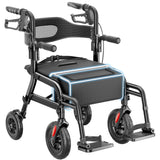
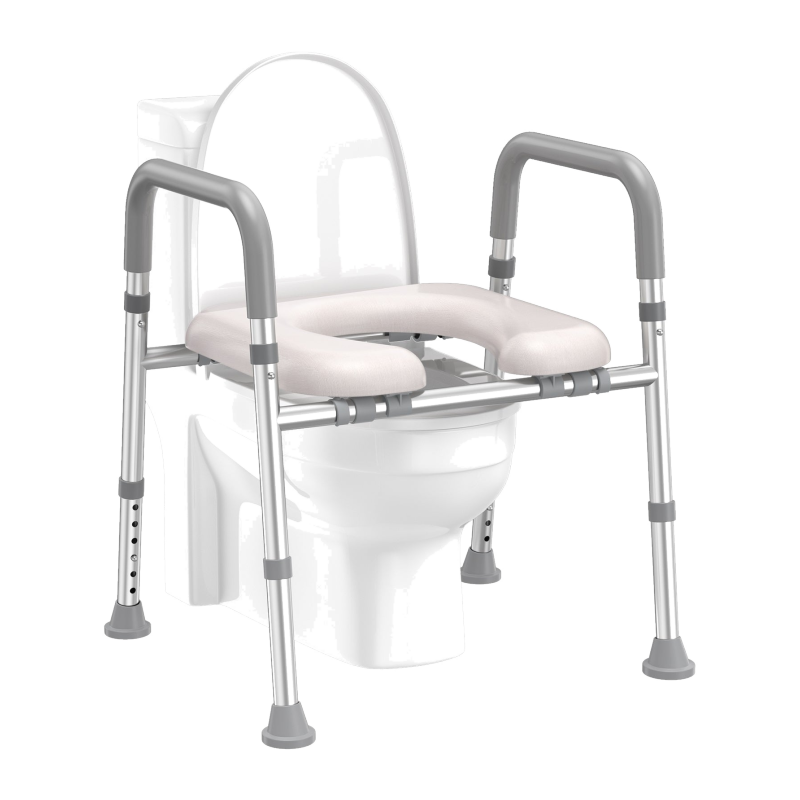
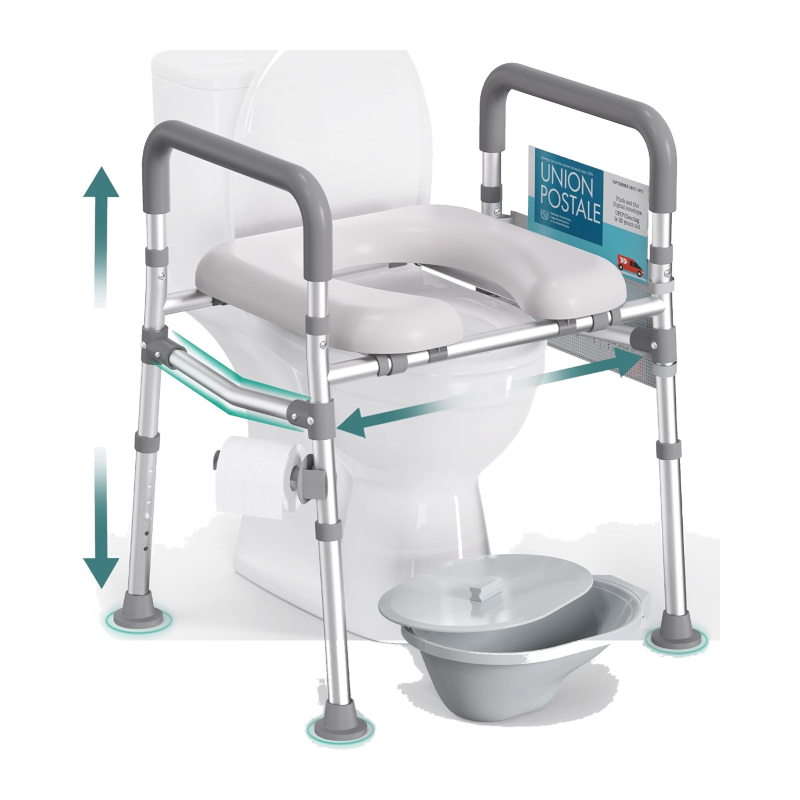
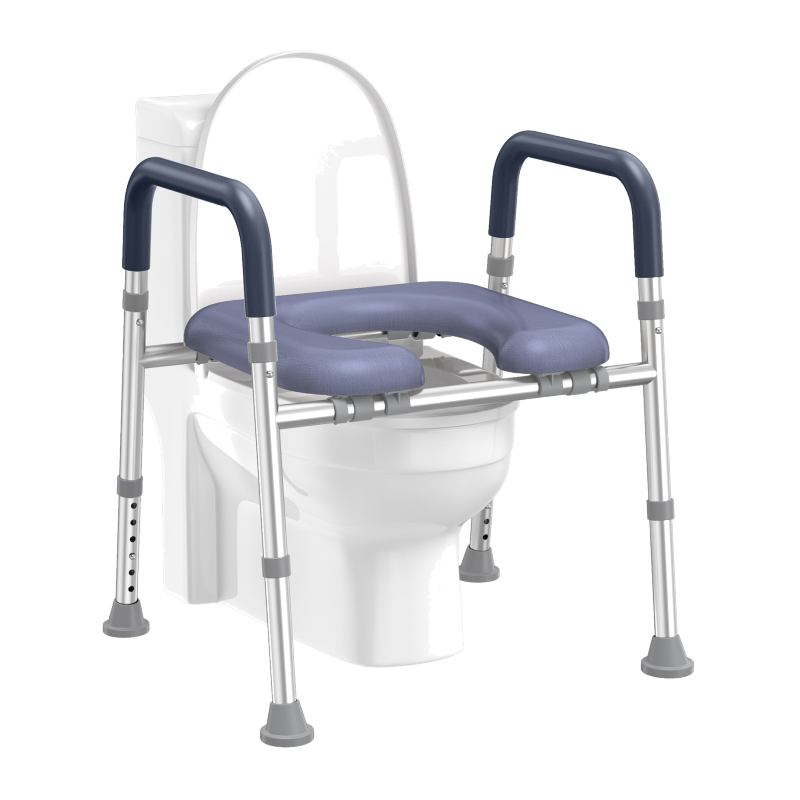
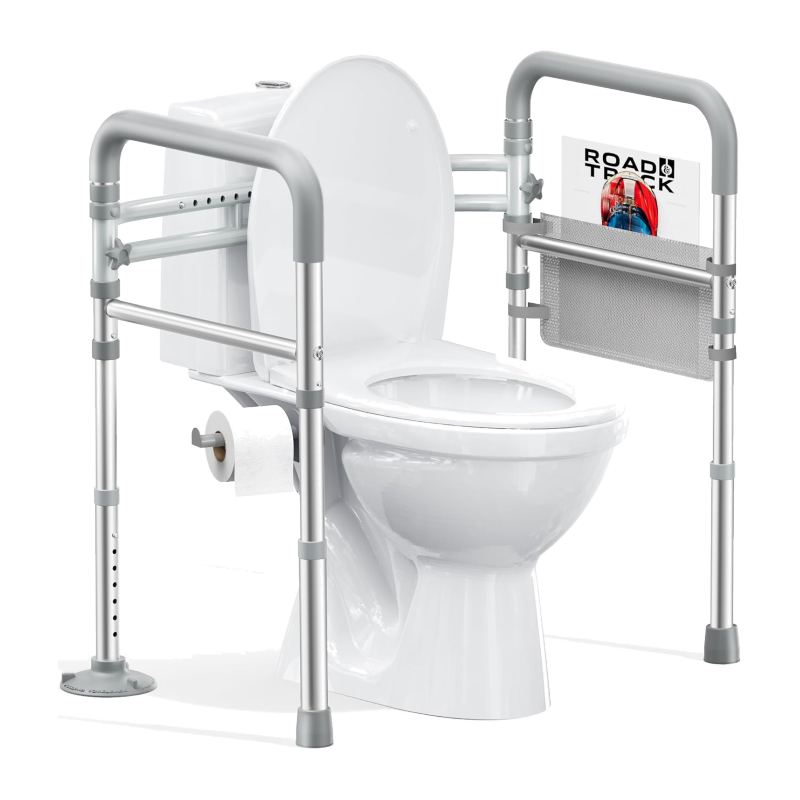
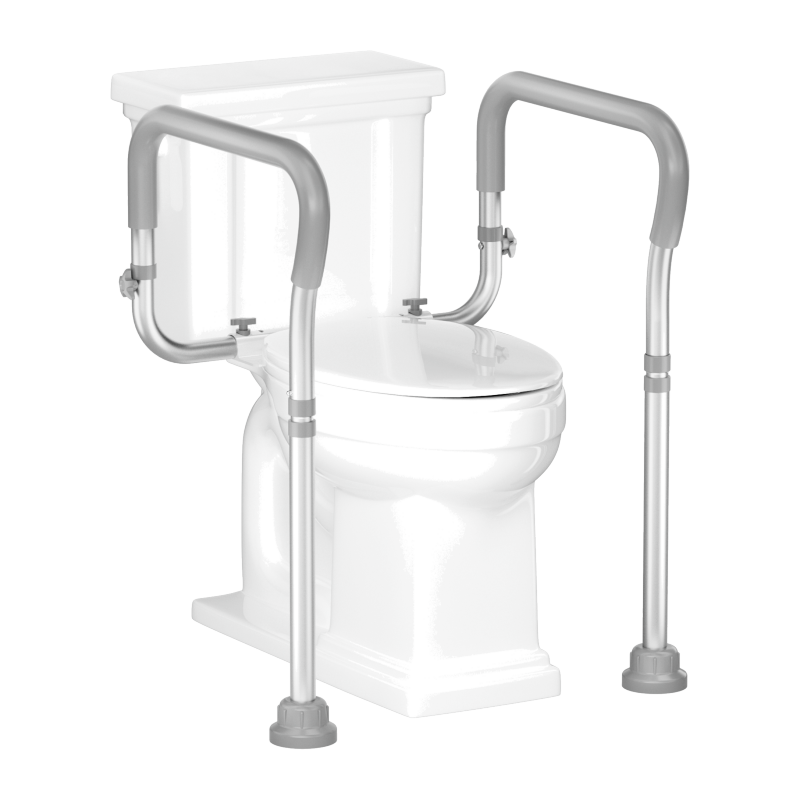
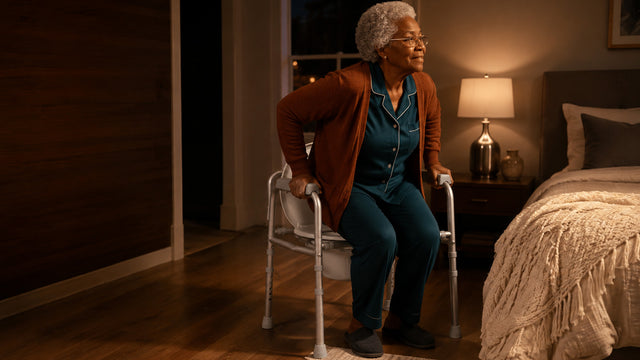
Yes — and physical therapists often recommend thinking about bathroom safety as a system rather than a single product. A shower chair with a back works well alongside a toilet safety rail (for getting on and off the toilet safely), a raised toilet seat, and non-slip mats. If mobility challenges extend beyond the bathroom, HOMLAND's rolling walkers, standard walkers, and bed rails are all designed to work together as a complete home safety setup.
A shower chair with a back is not a concession to getting older or to a health challenge — it's a practical, well-designed tool that makes one of the most important daily routines safer, more comfortable, and entirely your own. Whether you're recovering from surgery, managing a condition that affects your balance or energy, or simply being proactive about long-term safety at home, the right shower chair is one of the most meaningful changes you can make to your bathroom without picking up a hammer.
The key is choosing one built to the right standard: adjustable height, contoured back support, rust-resistant frame, anti-slip feet, and a weight rating you can trust. HOMLAND's shower chairs meet all of those criteria, are authorized by licensed Doctors of Physical Therapy, and arrive fast from a US local warehouse — so safer bathing doesn't have to wait. Explore the full Shower Chair Collection and take the first step toward a bathroom that works with you, not against you.
Ready to Find the Right Shower Chair for You?
Browse HOMLAND's full range of shower chairs with back support — FSA/HSA eligible, DPT-authorized, and backed by a 2-year warranty. Fast delivery from our US warehouse.
Shop Shower ChairsContact Us