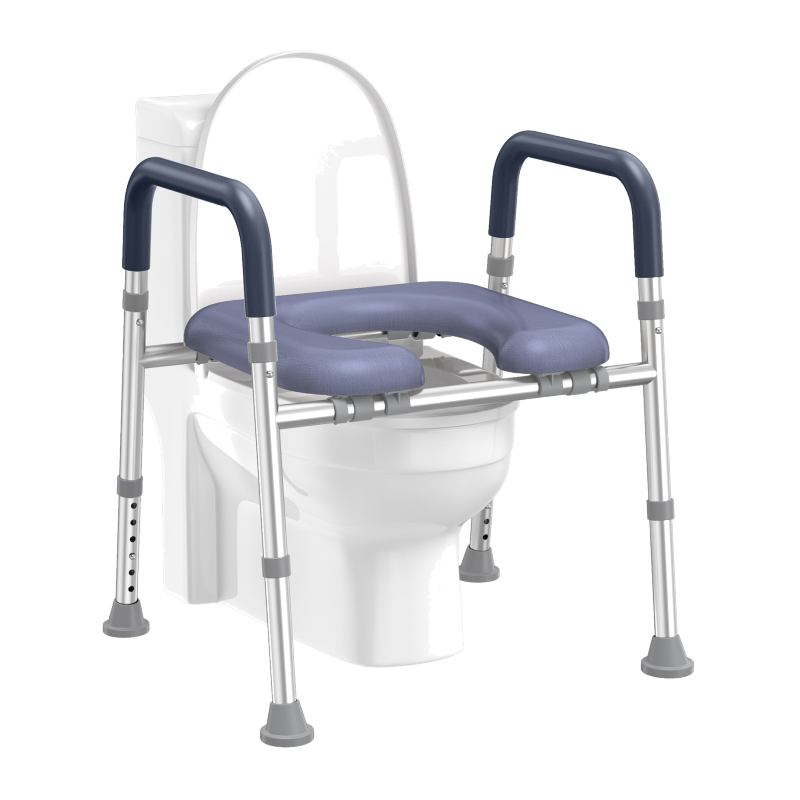
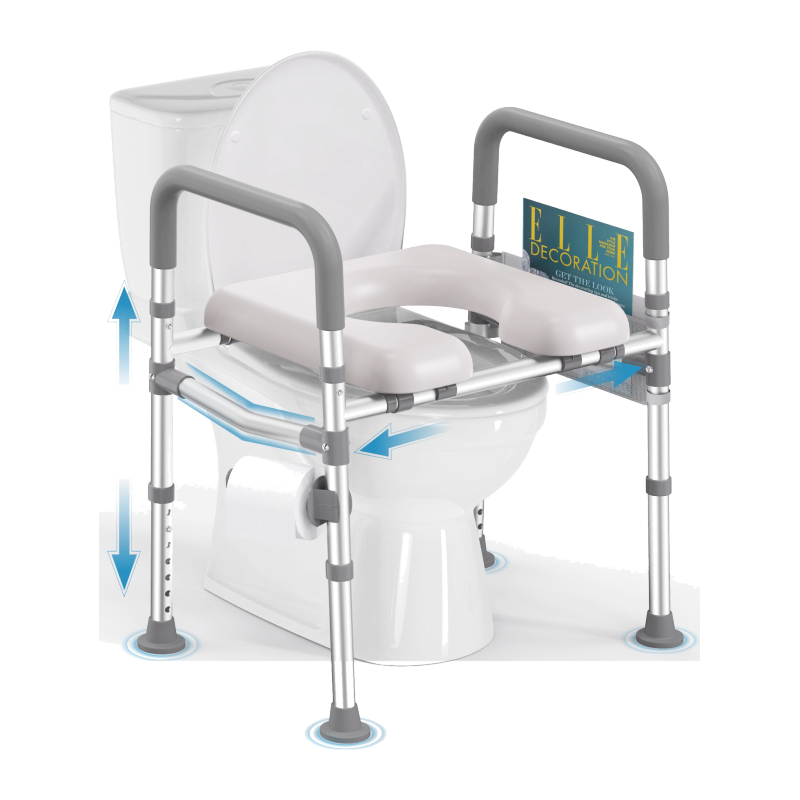
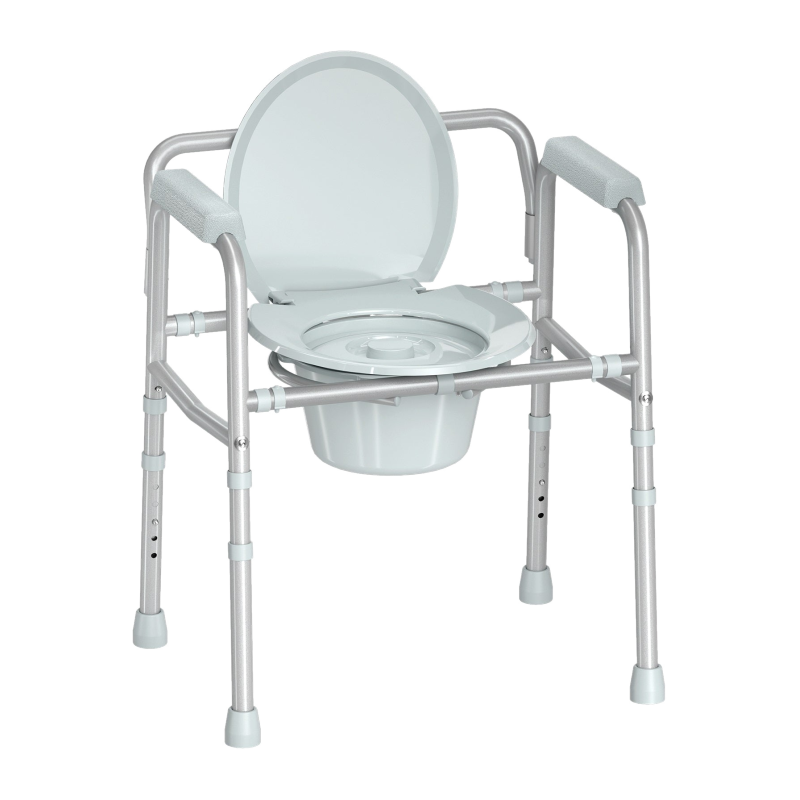
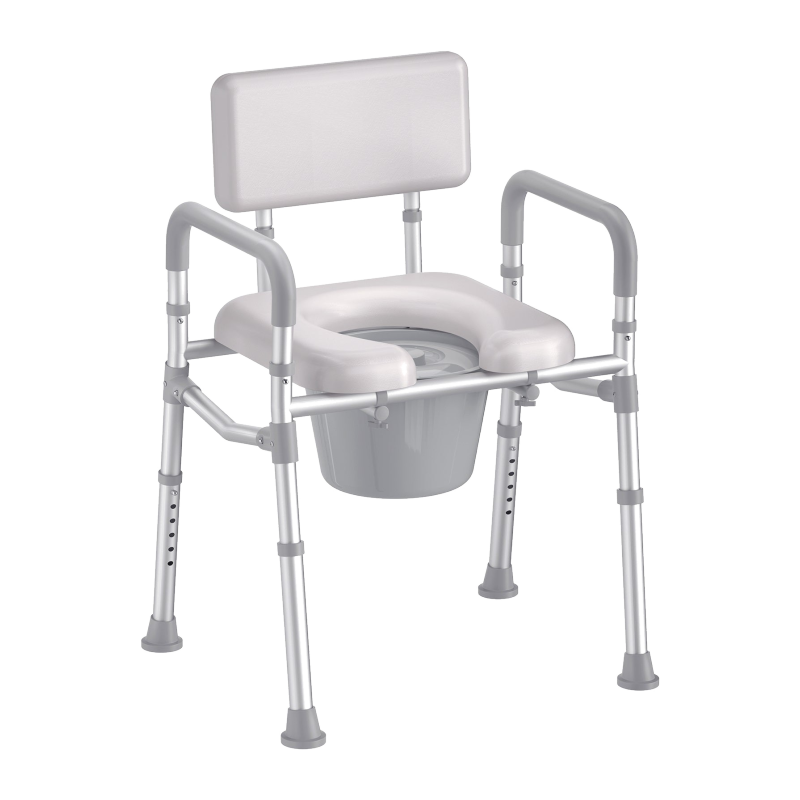
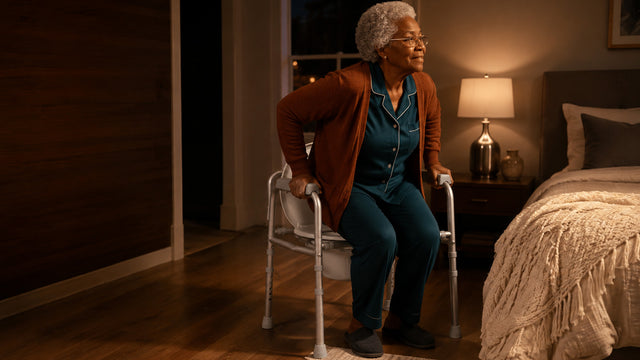


The bathroom is statistically one of the most hazardous rooms in any home for older adults — and the shower or tub area is where the greatest risk concentrates. A wet, slick surface combined with the physical demands of stepping over a threshold, standing while washing, and shifting weight to rinse can turn an everyday routine into a genuine safety concern. According to the CDC, millions of older adults experience fall-related injuries each year, and a significant portion of those happen in the bathroom.
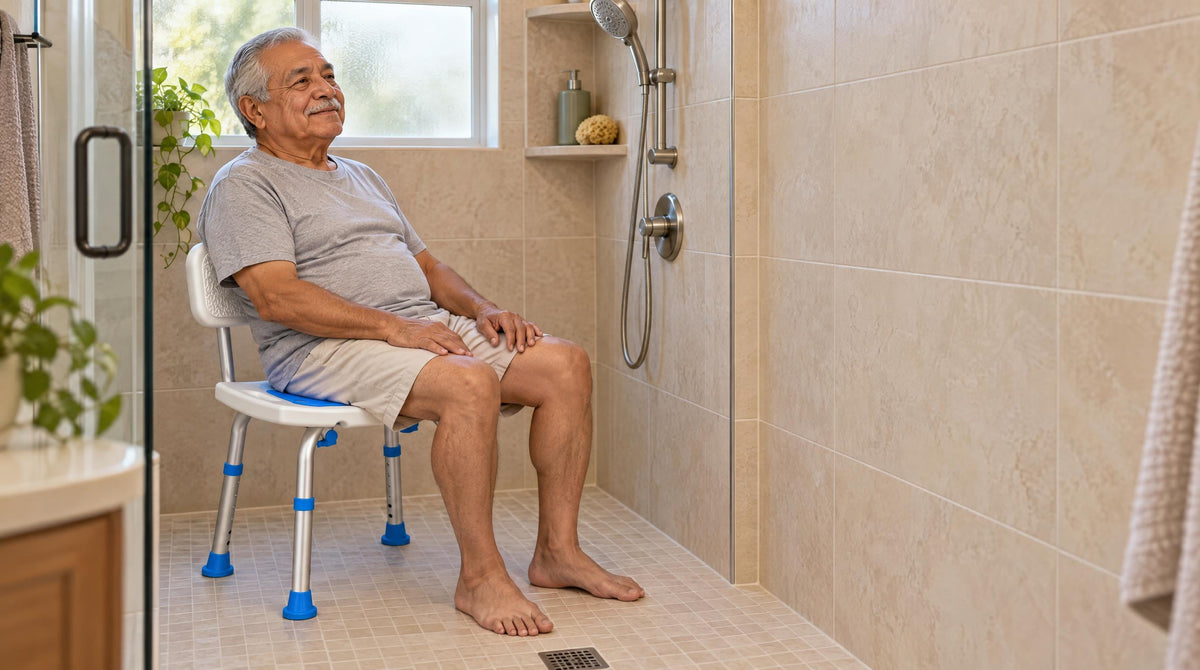
But here's what matters most: a shower chair isn't a sign of limitation. It's a tool for staying independent, staying home, and bathing on your own terms. The right shower chair gives older adults the freedom to shower safely without relying on a caregiver for every step — and gives families the peace of mind that comes from knowing their loved one has real, reliable support built into their daily routine.
Not all shower chairs are created equal, though. The market is full of options, and the difference between a chair that genuinely protects and one that merely looks the part often comes down to a handful of specific safety features. In this guide, we'll walk through every feature that actually matters — from non-slip feet and weight capacity to adjustable height and armrest design — so you can make a confident, informed choice. Whether you're shopping for yourself or for someone you love, this is the information you need.
Why Shower Safety Matters for Older Adults
Bathing should feel refreshing, not stressful. For many older adults — especially those recovering from hip replacement, knee surgery, or managing conditions like arthritis, Parkinson's, or balance issues — the shower can quietly become one of the most anxiety-producing moments of the day. Wet surfaces, awkward postures, and the need to stand for extended periods all combine to create a situation where confidence can erode gradually, sometimes without anyone noticing until something goes wrong.
A quality shower chair changes that equation completely. Rather than asking an older adult to white-knuckle their way through a shower, a well-designed chair provides a stable, comfortable base that removes the fear of slipping or losing balance. Physical therapists often recommend shower chairs as one of the first and most effective bathroom safety upgrades — not just for those in active recovery, but as a proactive measure for anyone whose balance or strength has changed with age. The goal is simple: make bathing feel safe and normal again, every single day.
Non-Slip Feet and Floor Contact: The Foundation of Safe Bathing
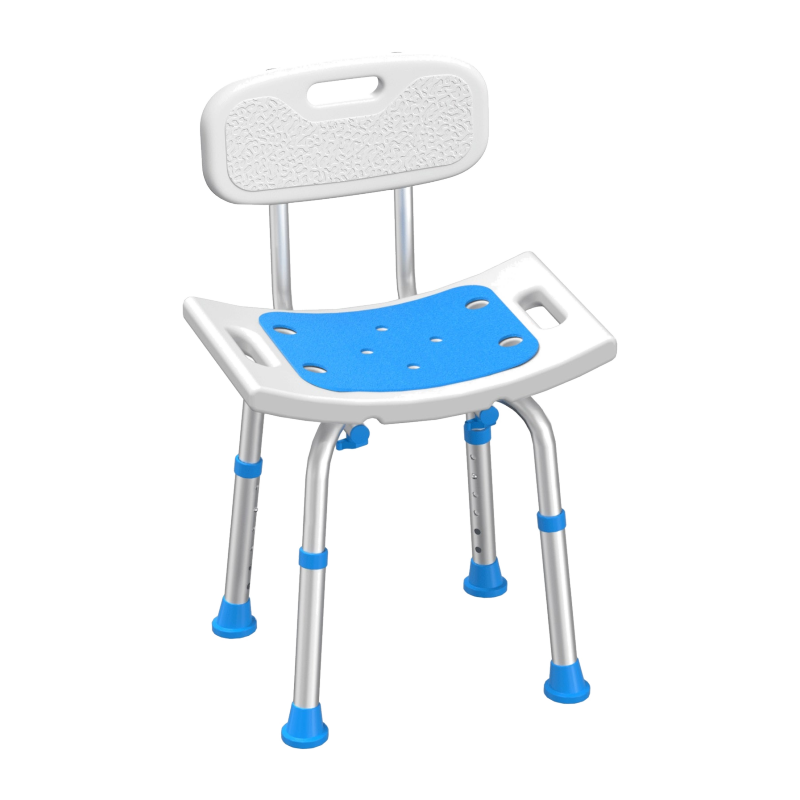
If there's one feature that does the most safety work, it's the rubber tips at the base of the chair legs. Non-slip rubber feet grip wet tile, fiberglass, and acrylic shower floors to prevent the chair from sliding when a user shifts their weight, reaches for a shampoo bottle, or leans forward to rinse. Without this gripping contact, even a heavy, well-built chair becomes a sliding hazard the moment the floor gets wet.
When evaluating a shower chair, look for rubber feet that are wide-contact and made from high-quality, water-resistant rubber — not thin plastic caps that wear down quickly. Some chairs feature specially shaped tips that grip textured shower floors more effectively. A simple test: place the chair on a wet surface and apply lateral pressure. A well-designed chair should resist movement firmly. For anyone who places a lot of weight on one side due to post-surgery recovery or limited mobility on one limb, this lateral stability is especially critical.
Weight Capacity: Support You Can Lean On
Weight capacity is one of the most important — and most underread — numbers on any shower chair listing. Standard shower chairs often support up to 250 or 300 lbs, which covers most users comfortably. But for larger users, or for anyone who tends to lower themselves quickly or shift their weight with some force, a higher-rated capacity chair provides an essential margin of safety. HOMLAND's shower chairs are engineered to support demanding daily use, with select models built to handle up to 500 lbs, so users can lean in fully without a second thought.
It's worth understanding that weight capacity isn't just about static load. Dynamic movement — sitting down quickly, standing up by pushing off the armrests, or leaning sideways to reach something — creates forces that exceed a person's static weight. A chair rated generously above your body weight will handle those real-world moments far more reliably than one that's technically rated to your exact weight. If you're shopping for a loved one and are unsure, err toward the higher-capacity model. It's a small difference in price and a significant difference in safety.
Adjustable Height: One Size Should Never Fit All
A shower chair set at the wrong height creates its own set of problems. Too low, and the user has to sink deeply to sit and exert far more effort to stand back up — exactly the kind of strain that increases fall risk for someone with weak knees or hip issues. Too high, and the feet may not rest flat on the floor, reducing stability and making the seated position uncomfortable for extended use.
Height-adjustable legs, typically featuring push-button or pin-lock mechanisms that allow adjustment in one-inch increments, let the chair fit the individual rather than forcing the individual to adapt to the chair. Physical therapists generally recommend a seat height that allows the user's hips to sit at roughly a 90-degree angle with feet flat on the floor — a position that reduces joint strain and makes standing up as effortless as possible. HOMLAND's shower chairs offer tool-free height adjustment, meaning setup takes minutes at home without a toolbox in sight.
Seat Design: Drainage, Comfort, and Stability
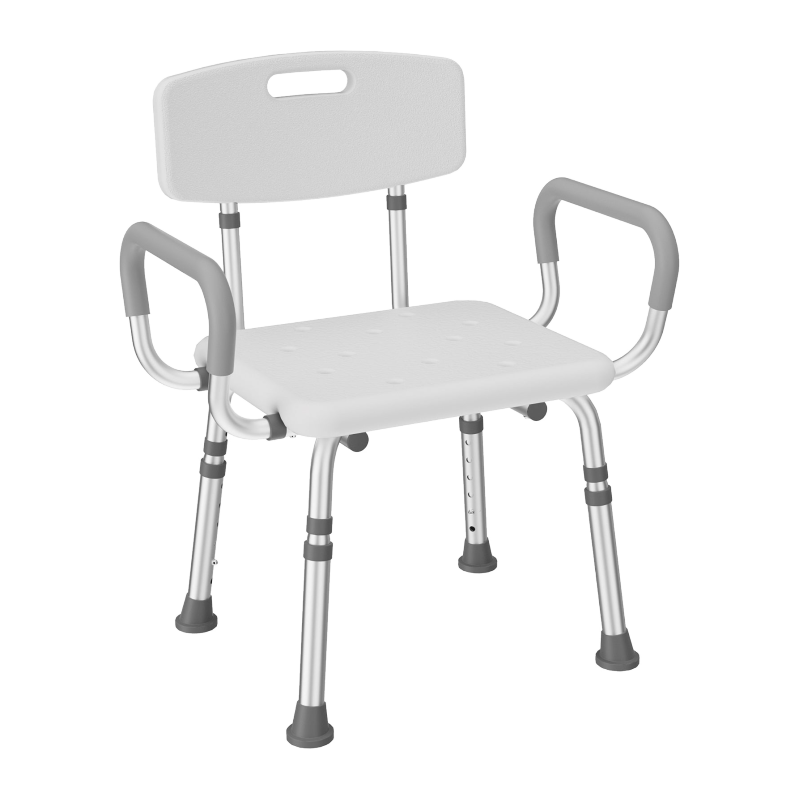
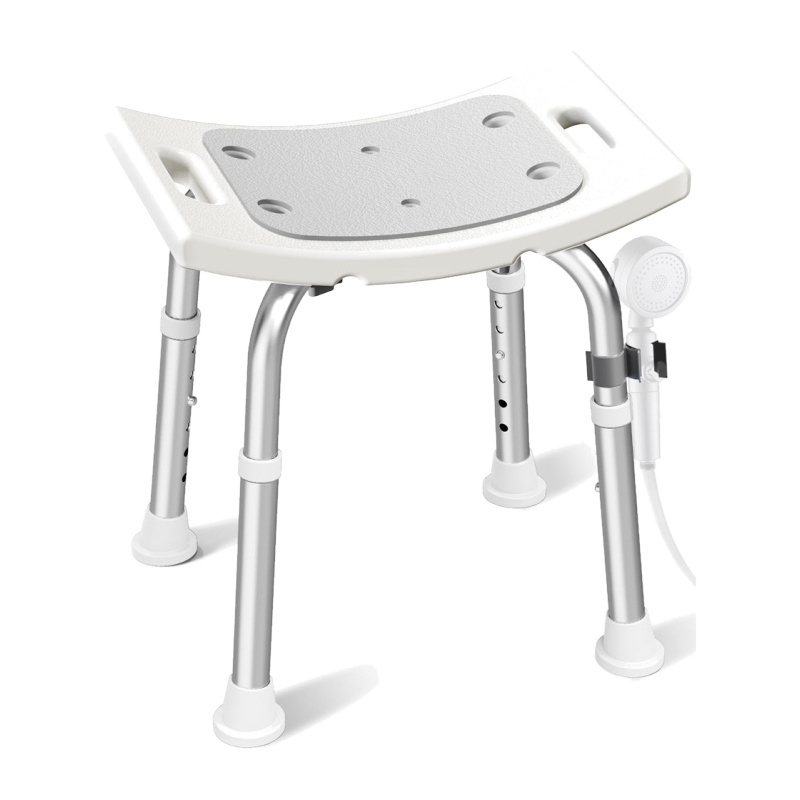
The seat itself deserves more attention than it usually gets. A solid, flat seat retains water and creates a cold, wet sitting surface that's uncomfortable and unhygienic over time. A well-designed shower chair seat features drainage cutouts or a contoured, slatted surface that allows water to flow through freely, keeping the seat drier and more comfortable throughout the shower.
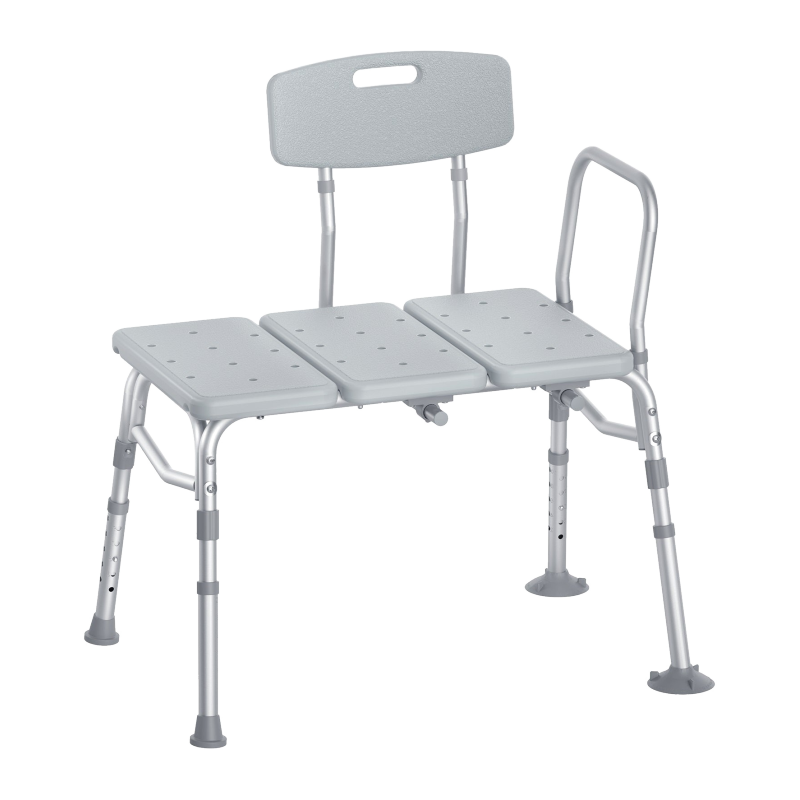
Beyond drainage, the seat's shape and surface material matter for both comfort and safety. A slightly contoured seat helps the user stay centered and reduces the risk of sliding forward. The surface should be smooth enough to be easy to clean but textured enough to provide some grip against wet skin. Width also matters — a seat that's too narrow feels precarious, while a wider seat gives the user room to shift position naturally without feeling like they're about to tip. For users who are recovering from surgery or have limited mobility on one side, a wider seat also makes transfers from a walker or wheelchair considerably easier.
Armrests and Backrest: Getting Up and Down with Confidence
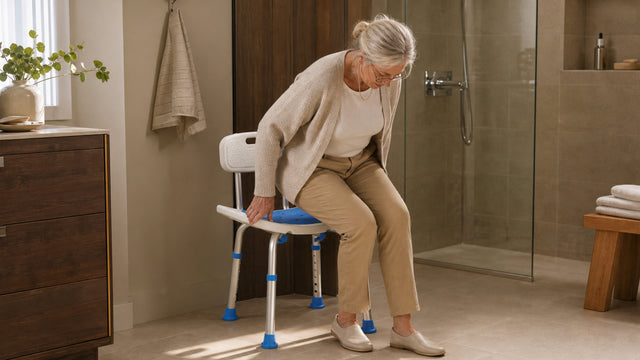
Armrests are where the safety design of a shower chair really shows its value during the moments that matter most: sitting down and standing back up. These transitions are the highest-risk movements in the shower because they require shifting the body's center of gravity while on a wet surface. Sturdy, well-positioned armrests give users something solid to push off of when rising, dramatically reducing the effort required and the risk of a misstep.
Look for armrests that are positioned at a height that allows the elbows to bend comfortably at roughly 90 degrees when gripping them. Flip-up or removable armrests add another layer of convenience — they make it much easier to slide onto the chair from the side, which is particularly helpful for anyone using a transfer board or moving from a wheelchair. The grip surface of the armrests should be non-slip as well, since wet hands can make even a firm grip feel unreliable on smooth plastic or metal.
A backrest is equally important for users who may tire easily or who need lumbar support during longer showers. An angled or contoured backrest keeps the spine in a natural position, reduces fatigue, and gives the user a surface to rest against if they feel unsteady. Shower chairs without backrests (sometimes called shower stools) are appropriate for users with good trunk strength, but for most older adults — especially those in recovery — a full backrest provides meaningful additional support.
Tool-Free Assembly and Home-Friendly Design
A shower chair that requires a toolbox and an hour of assembly time creates a barrier that defeats the purpose. The best designs snap, click, and lock together in minutes without any special tools. This matters especially for adult-child caregivers who may be setting up a chair during a visit, or for older adults who want to adjust the height themselves without asking for help every time.
HOMLAND designs every shower chair with tool-free assembly as a core requirement — not an afterthought. Push-button leg adjustments, snap-in backrests, and clearly labeled components make setup intuitive even for someone who doesn't consider themselves handy. Home-friendly design also means the chair looks appropriate in a real bathroom, not like a piece of medical equipment that's been dropped into a domestic space. That matters for dignity. A chair that doesn't scream "medical device" is one that a person is far more likely to actually use consistently.
Explore HOMLAND's full shower chair collection to find models designed from the ground up for easy home setup and daily use.
Materials and Durability: Built to Last at Home
Shower chairs live in a uniquely harsh environment — constant moisture, temperature changes, soap and shampoo residue, and daily physical stress. The materials need to stand up to all of it without rusting, cracking, or degrading in ways that compromise safety. Aircraft-grade aluminum frames resist corrosion even in steam-heavy showers, remain lightweight enough for easy repositioning, and hold their structural integrity over years of use. Plastic components should be high-density and designed specifically for wet environments — not the kind of brittle plastic that yellows and cracks after a few months.
Durability also connects directly to safety. A frame that develops rust or wobble over time becomes a hazard, not a help. Investing in a well-built shower chair from a manufacturer with quality control standards means the chair you set up today performs just as reliably two years from now. HOMLAND's manufacturing background — 20-plus years of OEM and ODM experience producing high-end mobility products — means quality control is baked into the process at every stage, from raw materials to final inspection.
What Physical Therapists Say About Shower Chair Features
Physical therapists who work with older adults and post-surgical patients are consistent in their recommendations: the features that matter most in a shower chair are the ones that address the highest-risk moments. Getting in and out of the chair, reaching while seated, and managing a wet, slippery floor are the scenarios that generate the most concern from a clinical standpoint.
DPT-authorized guidance that HOMLAND products reflect consistently emphasizes four things: stable, non-slip contact with the floor; a seat height that allows safe standing transitions; armrests positioned to facilitate pushing up rather than just leaning; and a weight rating that provides a genuine safety margin above the user's body weight. Every HOMLAND shower chair is reviewed and authorized by licensed Doctors of Physical Therapy — meaning the design choices aren't just marketing claims, they're grounded in real clinical understanding of how people move and where they're vulnerable. That's the kind of endorsement that gives both users and caregivers genuine confidence.
Choosing the Right Shower Chair for Your Situation
Selecting a shower chair isn't a one-size-fits-all decision. The right choice depends on the user's specific physical situation, the layout of the shower or tub, and how much assistance (if any) is available during bathing. Here are the key questions to work through before purchasing:
- Does the user need a backrest? If trunk strength or endurance is limited, a full-back chair is the safer choice. A stool works for users with good core stability who want a lower-profile option.
- Is transfer access needed? Users moving from a wheelchair or walker benefit from a chair with flip-up or removable armrests and a seat that aligns with transfer height.
- What's the shower configuration? Walk-in showers, tub-shower combos, and roll-in showers each have slightly different spatial requirements. Measure the interior before purchasing.
- What weight capacity is appropriate? Aim for a chair rated at least 50 lbs above the user's body weight to account for dynamic movement forces.
- Will height need to change over time? For users in active recovery, adjustable-height legs are almost always the right call — needs change as strength and mobility improve.
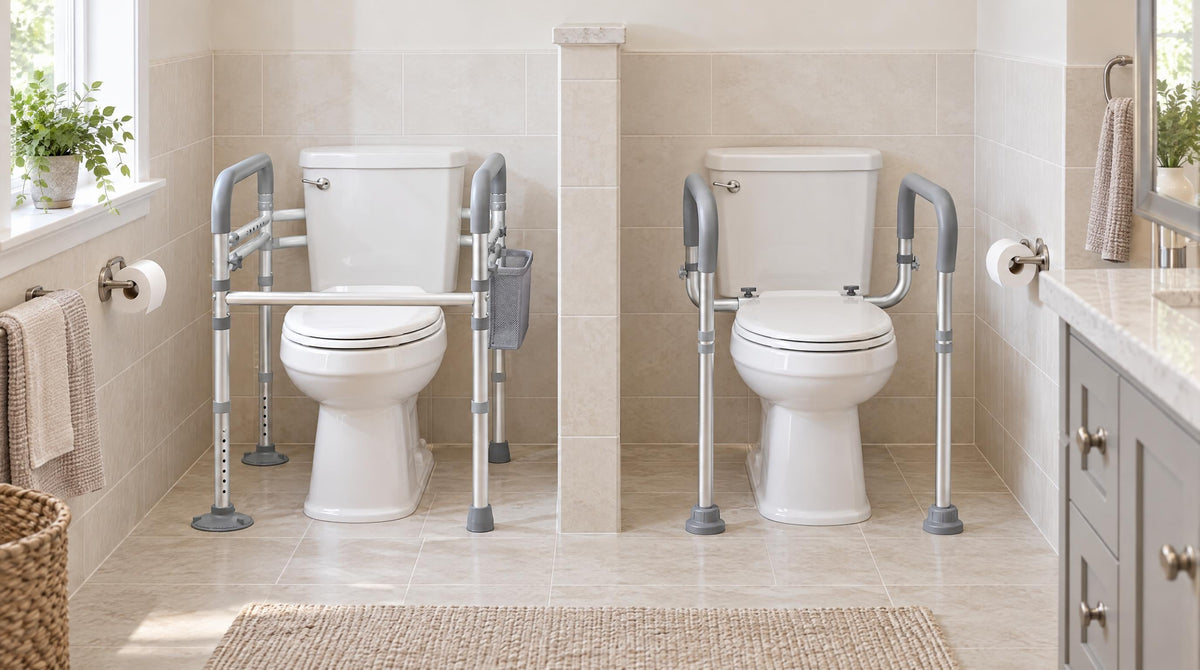
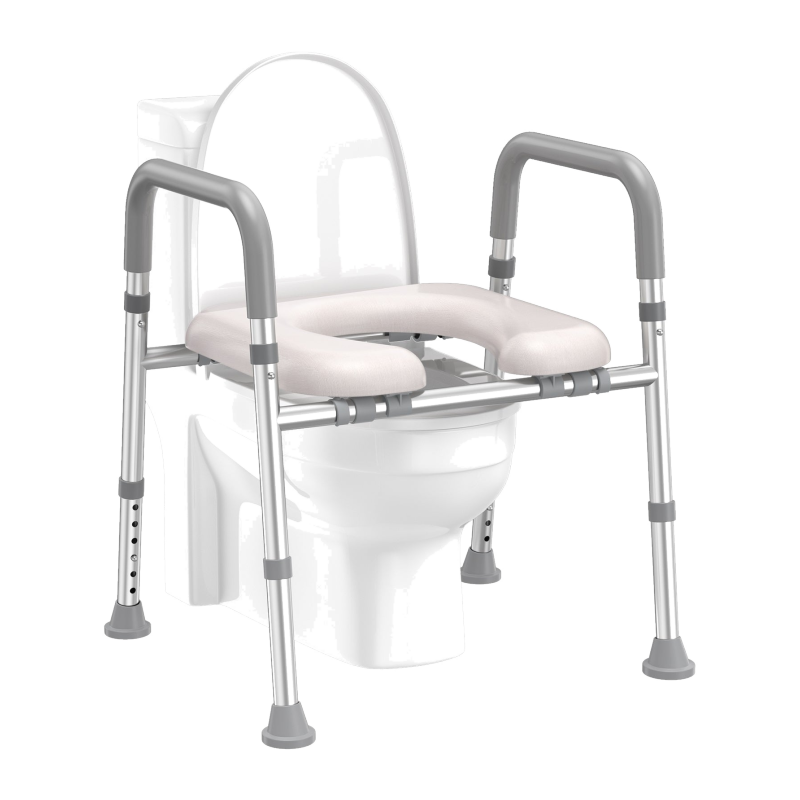
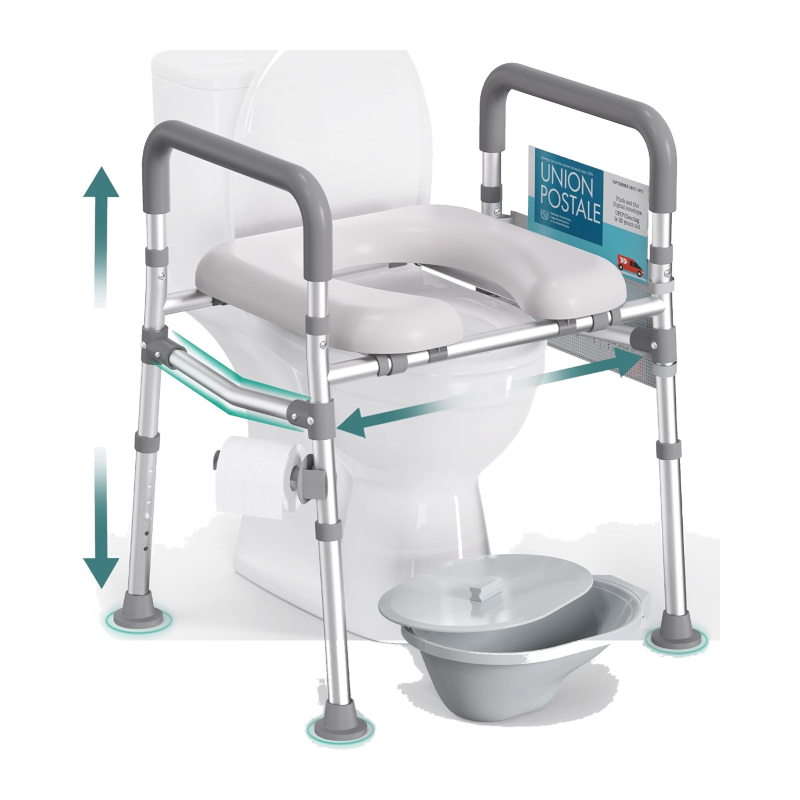
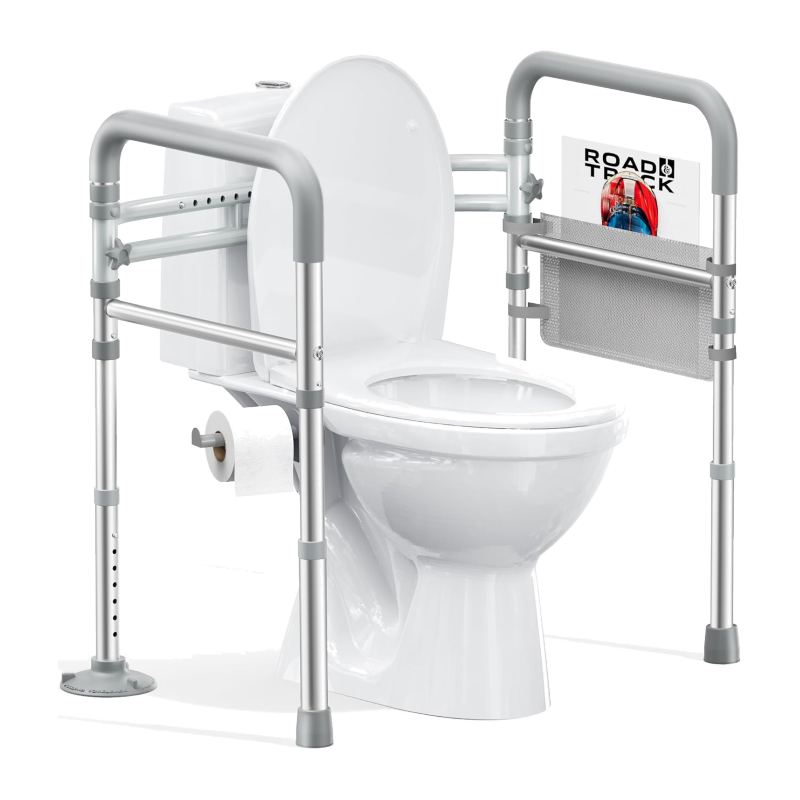
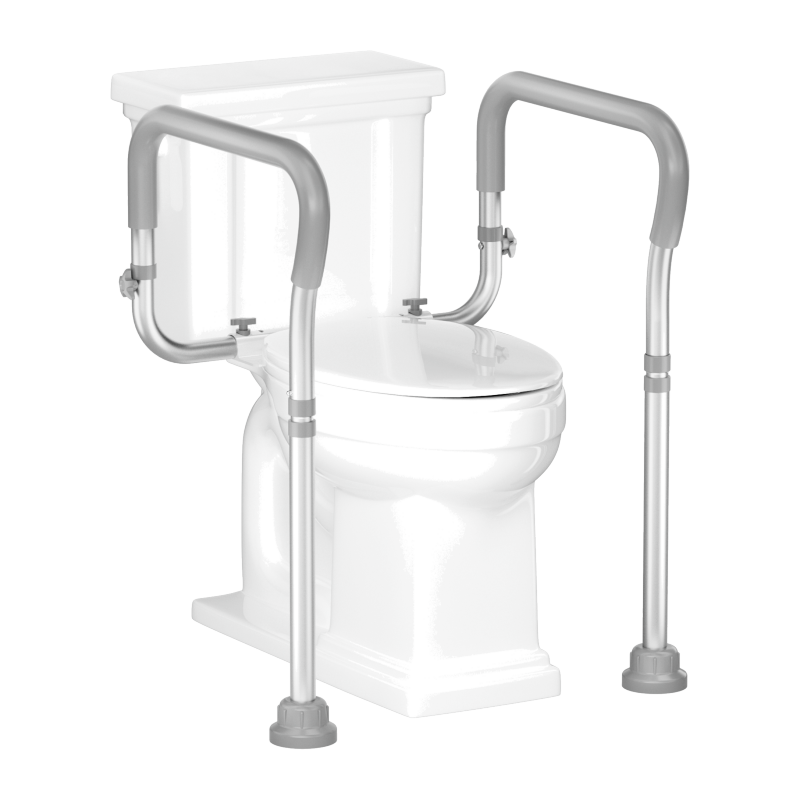
If you're shopping for a broader range of bathroom safety solutions, HOMLAND's lineup extends well beyond shower chairs. The toilet safety rail collection and the full home safety product range are designed to work together as a cohesive system — making the entire bathroom safer, not just one corner of it.
One more thing worth knowing: HOMLAND shower chairs are FSA/HSA eligible, which means you may be able to purchase one using pre-tax health savings dollars. Combined with fast shipping from a US local warehouse and a 1-year manufacturer warranty plus 1-year extended warranty, buying with confidence is built into every transaction.
Final Thoughts
The right shower chair doesn't just prevent falls — it restores something that's easy to underestimate until it's gone: the ability to bathe independently, comfortably, and without fear. For older adults, that daily moment of privacy and self-care is deeply connected to dignity and quality of life. For the families who care about them, it's peace of mind that doesn't require a phone call to confirm every morning went okay.
When you know what to look for — non-slip feet, appropriate weight capacity, adjustable height, well-positioned armrests, a comfortable seat with proper drainage, and materials built to last in a wet environment — choosing a shower chair becomes much less overwhelming. These aren't just specs on a product listing; they're the features that show up when they're needed most, in the small daily moments that add up to a life lived at home, on your own terms.
HOMLAND's shower chairs are engineered around exactly these principles, authorized by licensed physical therapists, and backed by purchasing support that makes the decision easy. Because home is where safety and independence belong — together.
Ready to Find the Right Shower Chair?
Browse HOMLAND's full shower chair collection — each model DPT-authorized, FSA/HSA eligible, and backed by a 2-year total warranty. Fast shipping from our US warehouse means safety doesn't have to wait.
Shop Shower ChairsContact Us