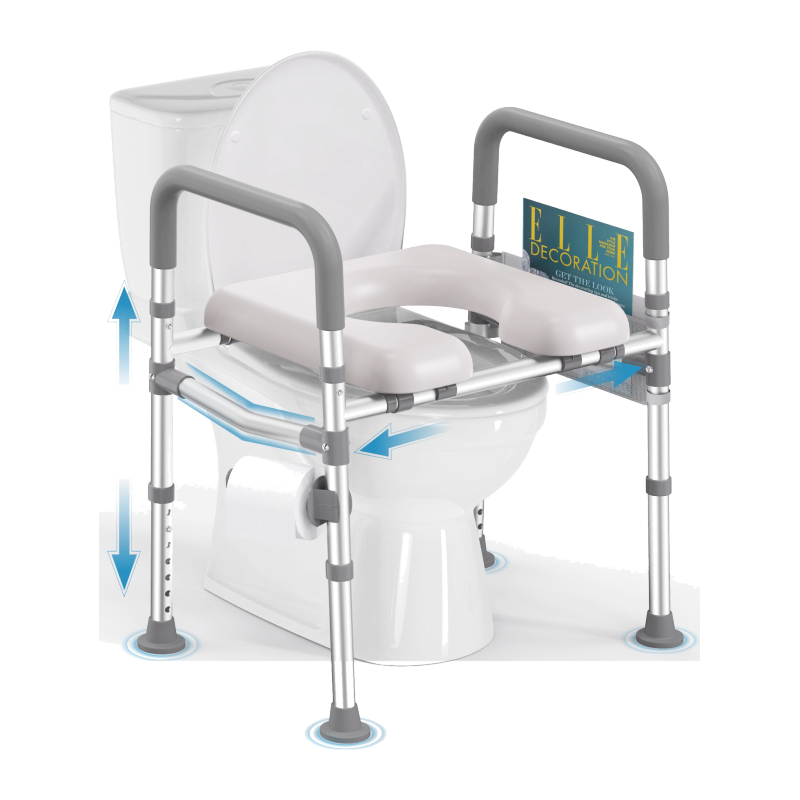
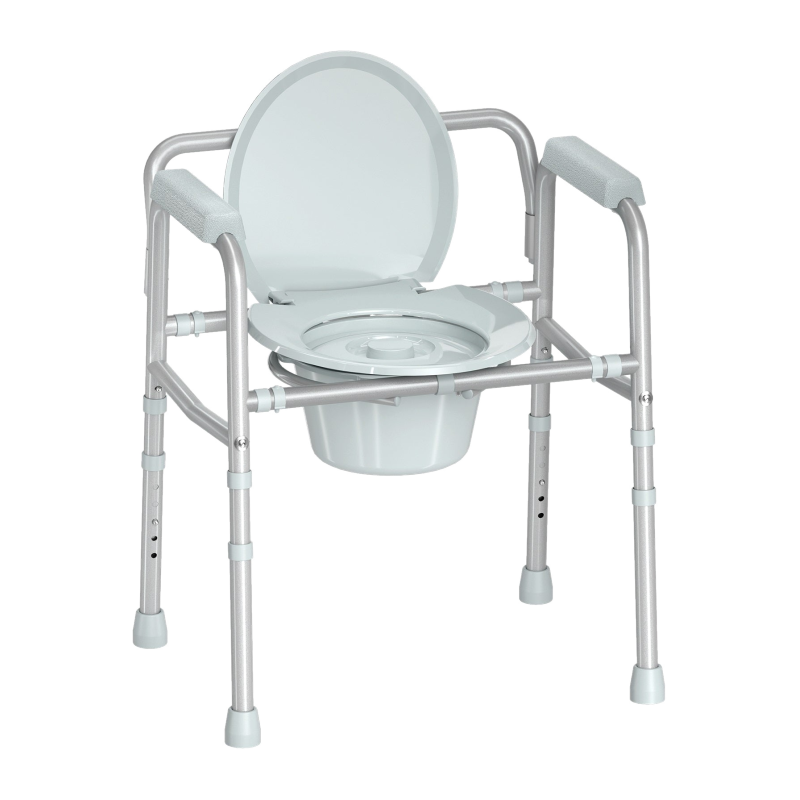
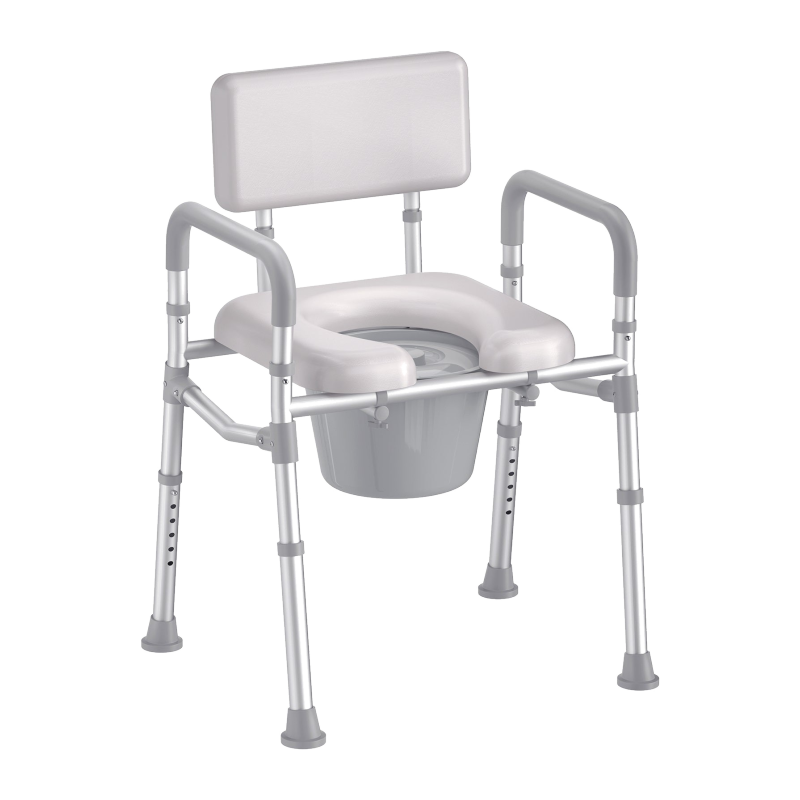
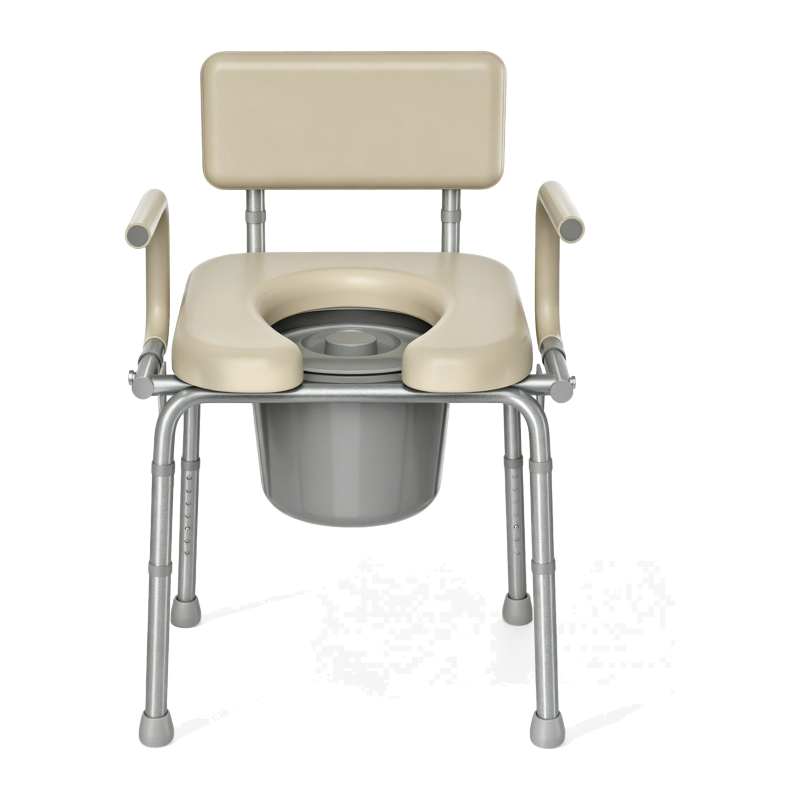



Bathing should feel like a moment of calm — not a source of anxiety. Yet for millions of people recovering from surgery, managing a chronic condition, or simply navigating the everyday challenges that come with aging, the bathroom can feel like the riskiest room in the house. The CDC reports that the bathroom accounts for a significant share of home injury falls, and the shower or tub is one of the most common sites. A shower chair is one of the simplest, most effective tools for reclaiming that room — and reclaiming your routine.
This guide covers everything you need to make a confident decision: the different types of shower chairs available, the features that actually matter, who benefits most, and how to match the right chair to your specific situation. Whether you're shopping for yourself or helping a parent or partner find a safer setup, you'll finish this page knowing exactly what to look for — and what to skip.
Why a Shower Chair Can Change Everything
There's a particular kind of confidence that comes from being able to handle your own daily routine without assistance. A shower, something most people do every day without a second thought, can quietly become a point of worry when balance, strength, or mobility shifts. Physical therapists often point to the post-surgical period — especially after hip or knee replacement — as a time when showering requires real planning and support. The same is true for people living with Parkinson's, multiple sclerosis, or the cumulative effects of aging on muscle and balance.
A well-chosen shower chair doesn't signal that someone has given something up. It does the opposite: it hands control back. When you're not bracing against the wall or hurrying through a rinse because you're afraid of losing your footing, you can actually enjoy the shower. That shift, from endurance to ease, is what HOMLAND's entire approach is built around. Home, not hospital. Comfort, not compromise.
Types of Shower Chairs: Finding Your Best Fit
Shower chairs aren't one-size-fits-all, and the variety available today means there's a genuinely well-matched option for almost every situation. Understanding the main categories makes the decision much cleaner.
Standard Shower Chairs
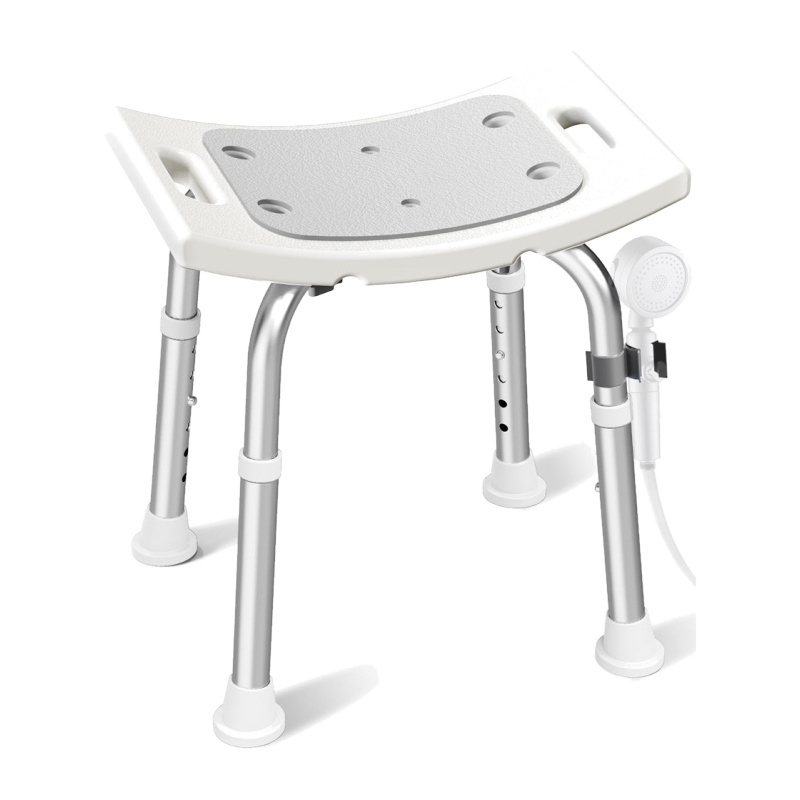
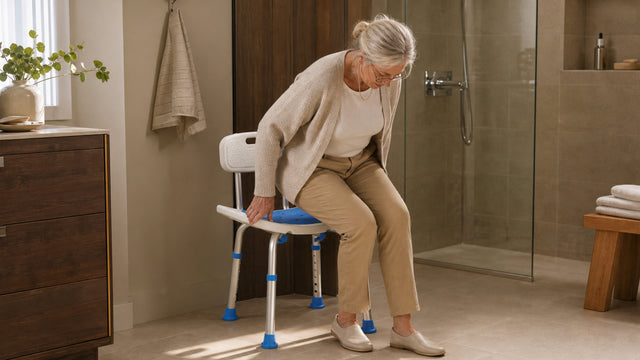
A standard shower chair is a four-legged seat with rubber-tipped feet and, usually, a contoured or slatted seat for drainage. It sits inside the shower stall or tub and provides a stable perch for the full bathing routine. Most models are height-adjustable and made from lightweight aluminum so they won't rust. This is the go-to option for people who can step into the shower independently but benefit from having a seat once they're inside.
Shower Chairs with Arms and Backs
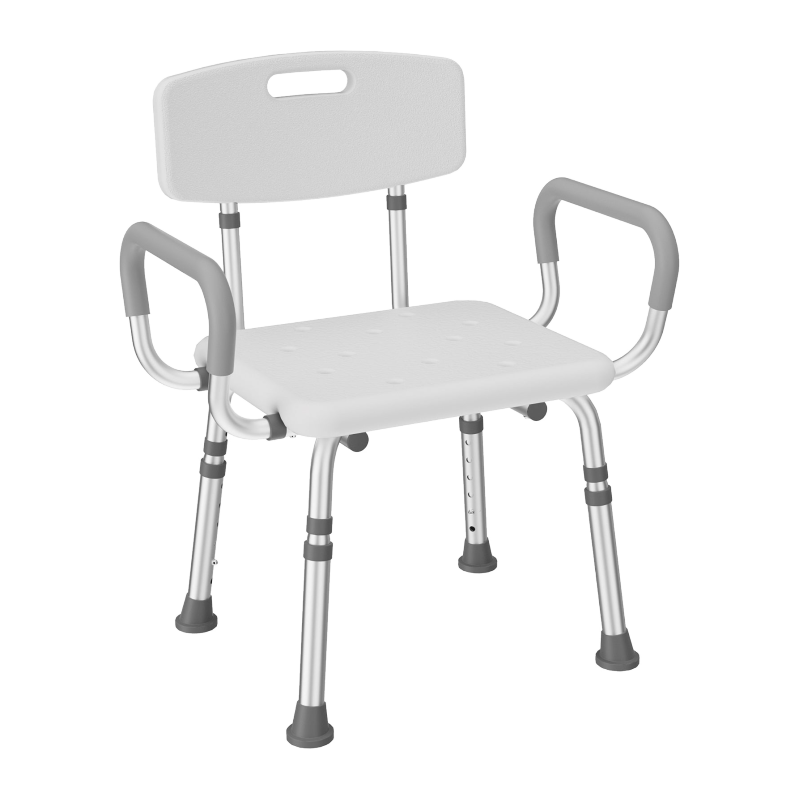
For anyone who needs support getting up or lowering down — or who simply finds an open seat tiring to sit on for longer showers — a chair with armrests and a full back changes the experience significantly. The arms give you something to push from when standing, and the back means you can relax rather than hold yourself upright the entire time. Physical therapists frequently recommend this style for people early in post-surgery recovery or those managing fatigue-related conditions.
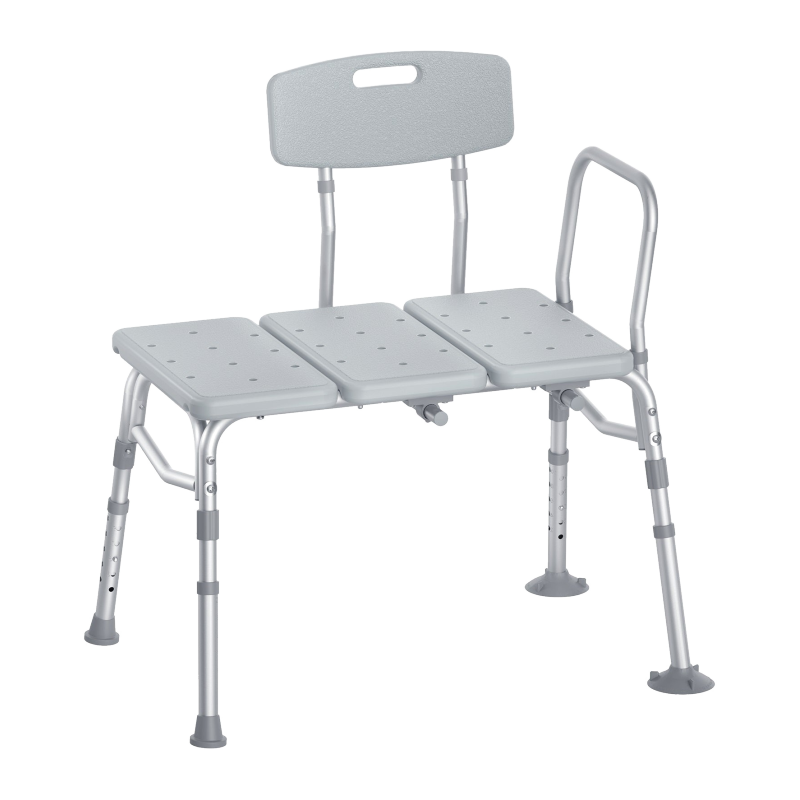
Transfer Benches
A transfer bench extends beyond the tub edge, with two legs inside the tub and two outside. The user sits on the outside portion, then slides across into the tub — completely eliminating the need to step over the tub wall. This design is especially important for anyone who cannot safely lift their leg high enough to clear the tub edge, whether due to a hip replacement, stroke recovery, or significant balance concerns. If you're considering a transfer bench, explore HOMLAND's full product lineup, which includes transfer benches engineered with the same tool-free assembly and heavy-duty support as the shower chair range.
Padded Shower Chairs
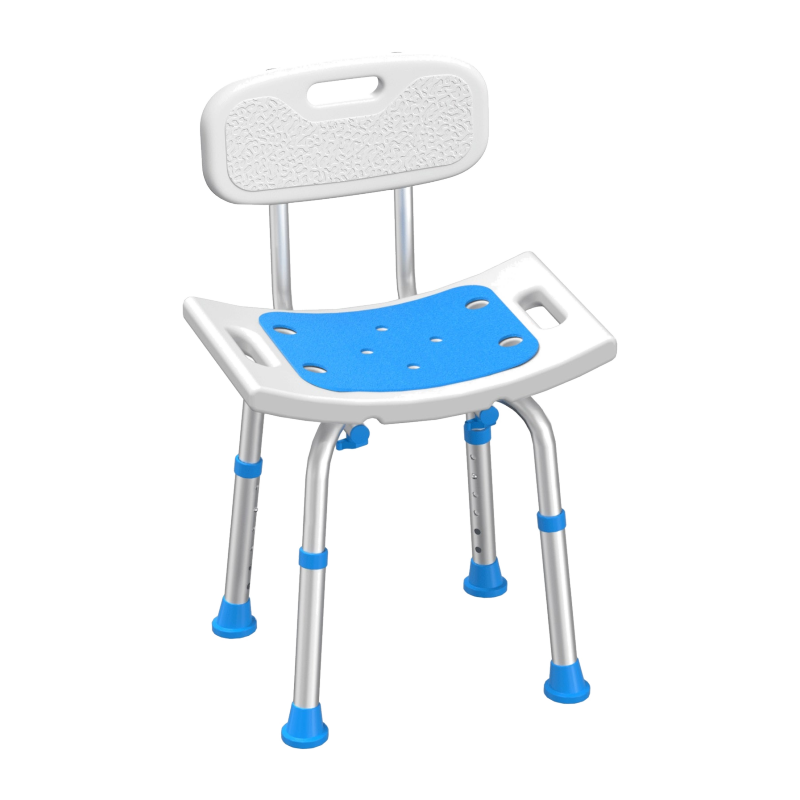
Comfort matters, especially for people who spend extended time seated during bathing due to fatigue or limited stamina. Padded seats provide cushioning that a slatted or molded plastic seat simply can't match. These are a thoughtful choice for anyone with skin sensitivity, pressure sore concerns, or who simply wants a more comfortable everyday experience.
Bariatric Shower Chairs
Bariatric models are reinforced to support higher weight capacities — typically 400 to 500 lbs — with wider seats, heavier-gauge frames, and additional structural support. These chairs are built so that users with higher body weights can lean, shift, and move with the same confidence as anyone else. HOMLAND produces bariatric-grade models in select categories, built to support up to 500 lbs so that capacity is never a constraint on independence.
Key Features to Look For
Once you've identified the type of chair that fits your situation, these are the features that separate a good chair from a great one.
- Adjustable height: Legs should telescope to accommodate different user heights and tub or shower floor depths. A chair that sits at the right height means less strain getting in and out.
- Non-slip rubber feet: Rubber-tipped legs grip wet tile and prevent the chair from shifting underfoot — a non-negotiable for safety on slippery surfaces.
- Weight capacity: Always check that the chair is rated comfortably above the user's weight. A little headroom in the rating means more structural confidence over time.
- Drainage design: Slatted or cutout seats allow water to drain rather than pool, which keeps the seat drier and more comfortable throughout the shower.
- Tool-free assembly: Nobody should need a toolkit to set up bathroom safety equipment. Chairs that snap or press together are faster to set up and easier to adjust if the household configuration changes.
- Corrosion-resistant frame: Aluminum or treated steel holds up to constant moisture without rusting, which keeps the chair safe and hygienic long-term.
- Armrests (if needed): Fixed or swing-away armrests make transitions easier and give users something to grip when shifting weight.
You can explore the full range of HOMLAND shower chairs to see how these features are applied across different models, each designed with tool-free setup, adjustable height, and home-friendly aesthetics in mind.
Who Benefits Most from a Shower Chair?
The honest answer is: more people than you might expect. Shower chairs aren't exclusively for the elderly or severely injured. They're practical for a wide range of people in different life situations.
- Post-surgery recovery: After a hip replacement, knee surgery, or back procedure, weight-bearing restrictions and reduced range of motion make standing in a wet shower genuinely risky. A seated shower removes that risk while the body heals.
- Balance and vestibular conditions: Inner ear disorders, vertigo, and neurological conditions can make standing on an uneven or slippery surface unsafe even for relatively young, otherwise healthy people.
- Chronic fatigue conditions: People managing MS, fibromyalgia, or post-viral fatigue often find that the energy cost of standing through a shower is too high. A seated shower conserves energy for the rest of the day.
- Older adults aging in place: As balance and lower-body strength naturally shift with age, a shower chair adds a consistent safety layer without requiring any changes to the home itself.
- Pregnancy: Late-term pregnancy affects balance and increases fatigue. A shower chair can be a practical comfort tool in the third trimester.
- Caregivers assisting with bathing: When a caregiver helps someone else bathe, a chair makes the process safer and more comfortable for both people involved.
How to Choose the Right Shower Chair
Making the right choice comes down to four practical questions. Work through these before purchasing and the decision becomes much simpler.
1. What is the shower or tub configuration? Walk-in showers, step-in tubs, and walk-in tub/shower combos each call for different chair types. A transfer bench is ideal for a traditional tub with a high wall. A standard or high-back chair works well in a walk-in shower. Measure the interior dimensions before buying to confirm the chair fits with room to maneuver.
2. What level of support is needed? Think honestly about balance, strength, and how the user moves. Someone who is steady but tires quickly needs a comfortable seat. Someone with significant balance concerns needs a chair with back support and armrests. A person who cannot step over a tub edge needs a transfer bench. Physical therapists often say that people underestimate how much support they actually need during recovery — when in doubt, choose more support rather than less.
3. What is the user's weight, and what capacity does the chair need? Select a chair rated for at least the user's weight, with some margin. A chair rated exactly at a person's weight leaves no room for the dynamic loads that occur when sitting down or pushing up.
4. Will the chair need to be moved or stored? If the shower is shared between users with different needs, or if the chair will be folded for travel, look for a lightweight folding model. If it's a permanent fixture, stability and comfort take precedence over portability.
Safety Tips for Using a Shower Chair at Home
A shower chair works best as part of a broader approach to bathroom safety. These habits and additions make the setup even more secure.
- Place a non-slip bath mat both inside and outside the shower or tub to prevent slipping on wet floors during the transfer in and out.
- Install grab bars at entry and exit points if they aren't already present. A shower chair handles the seated portion; grab bars handle the transitions.
- Keep the showerhead within reach. A handheld showerhead on an adjustable slide bar pairs extremely well with a shower chair — it lets the user direct water where needed without twisting or reaching.
- Check the chair's rubber feet regularly for wear. Worn tips lose grip, which is the primary safety function they serve.
- Make sure the chair is fully opened and locked (on folding models) before use every time. A quick click-check before sitting takes two seconds and eliminates risk.
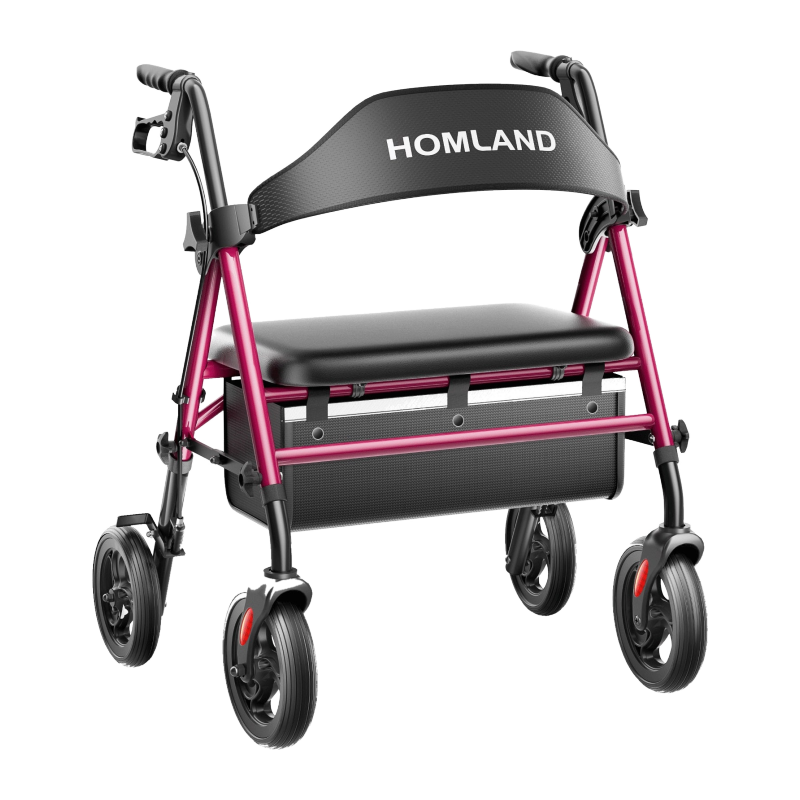
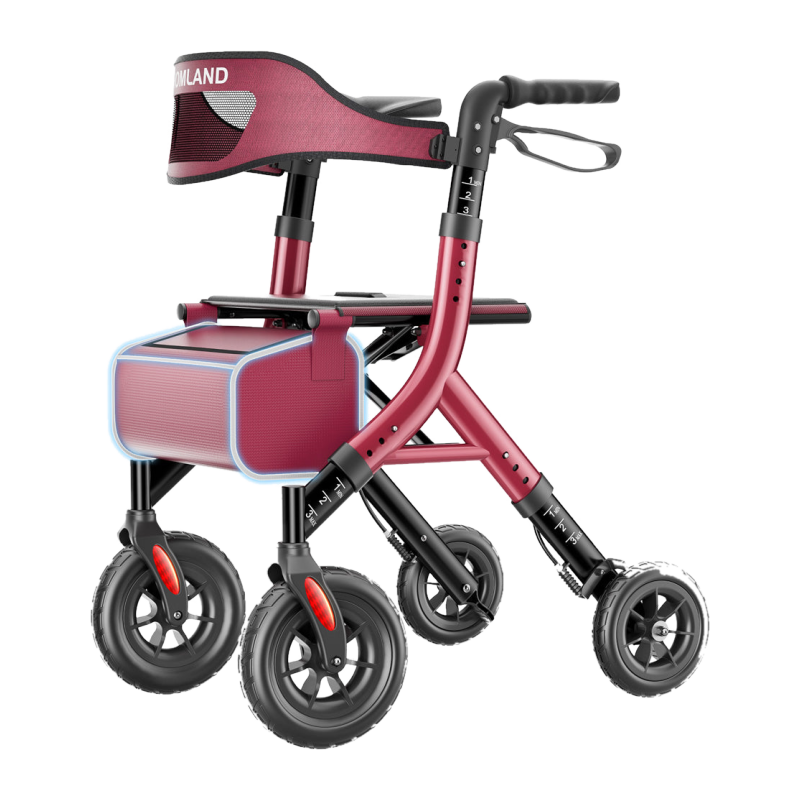
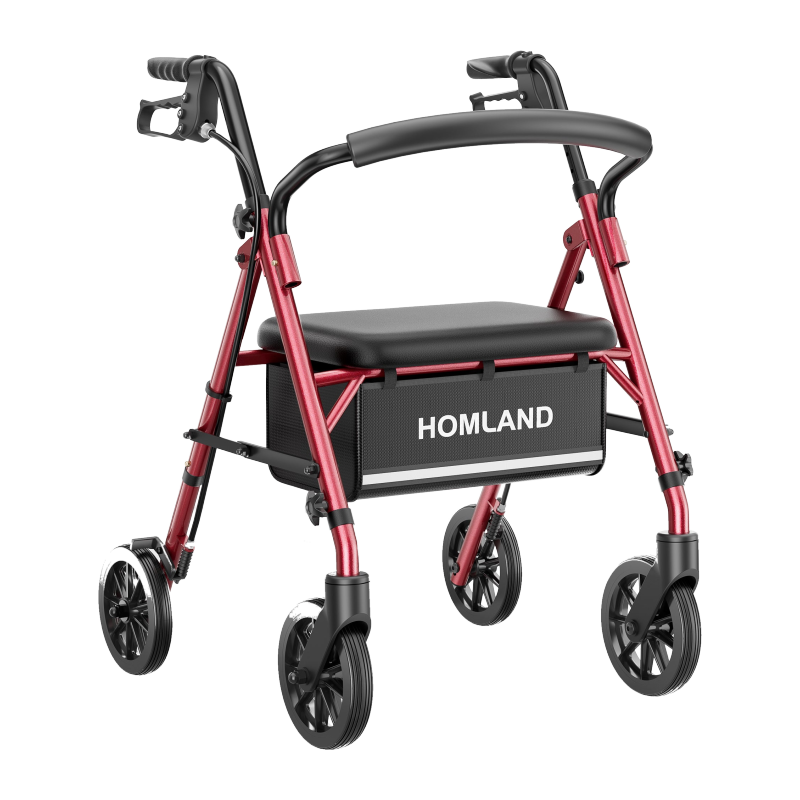
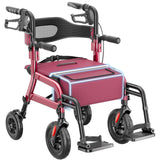
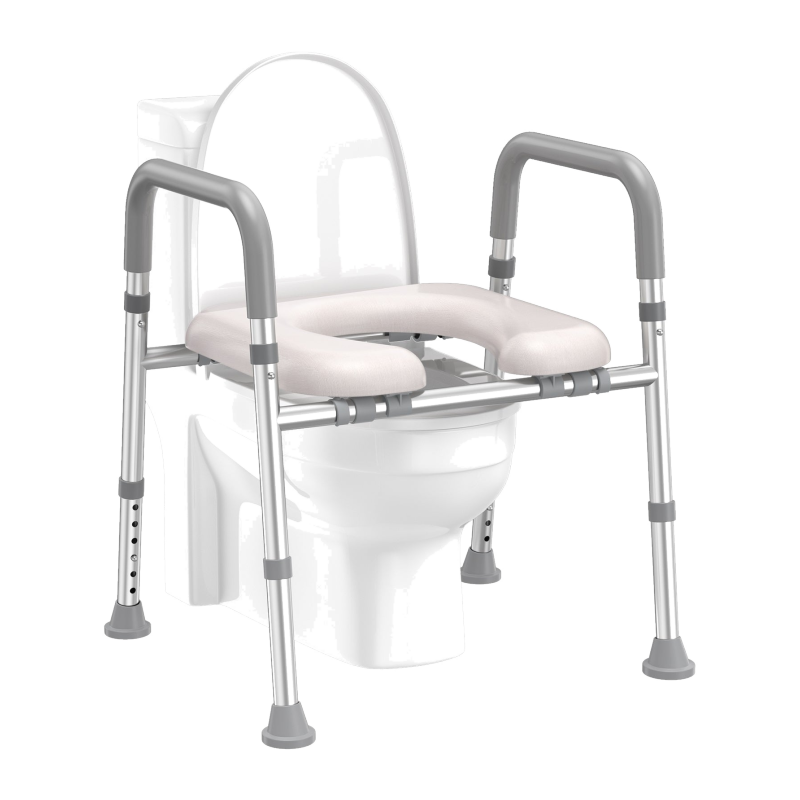
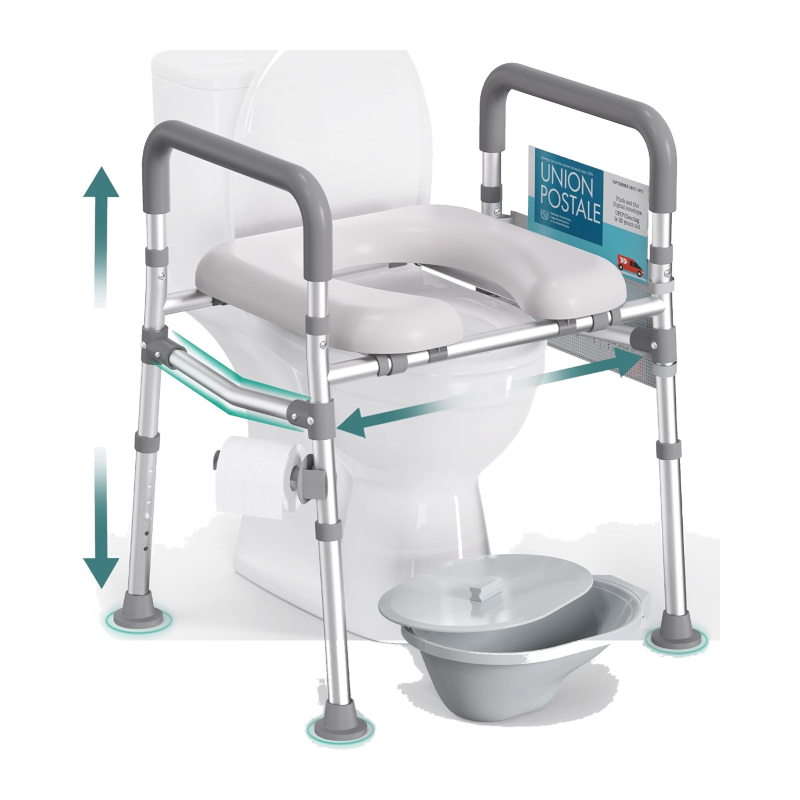
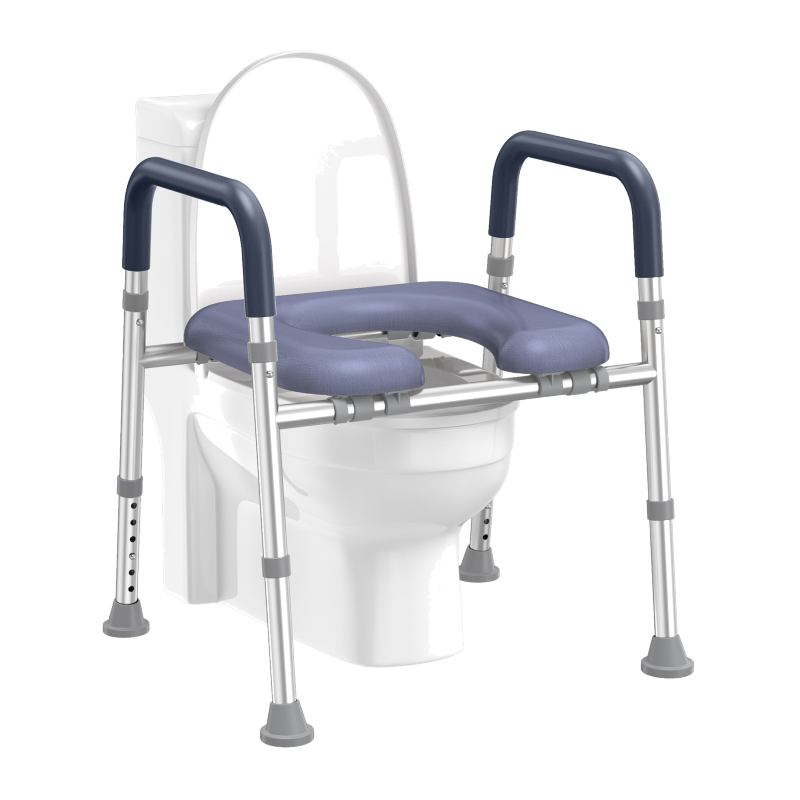
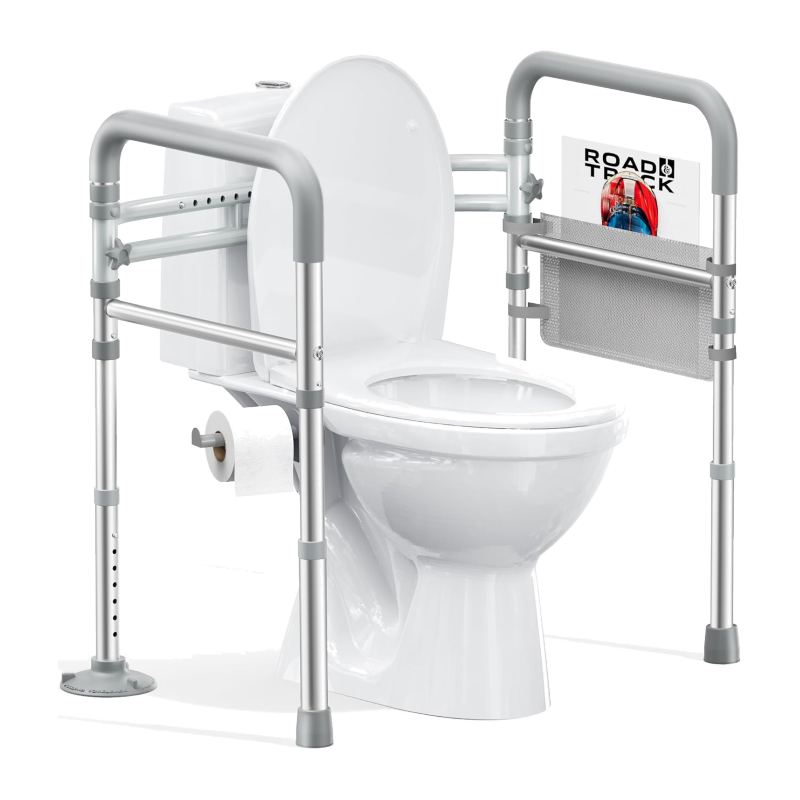
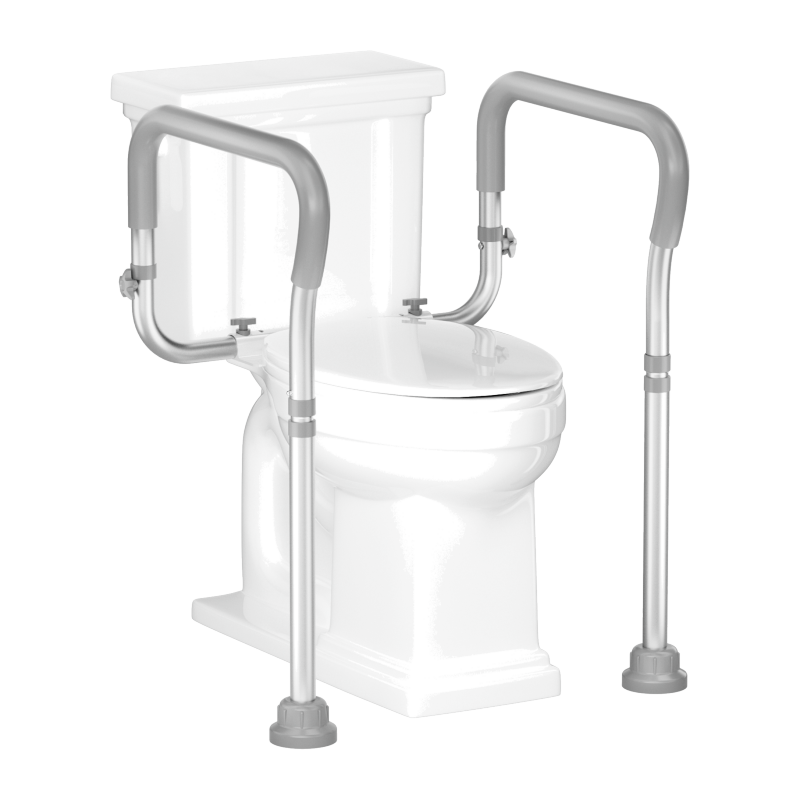
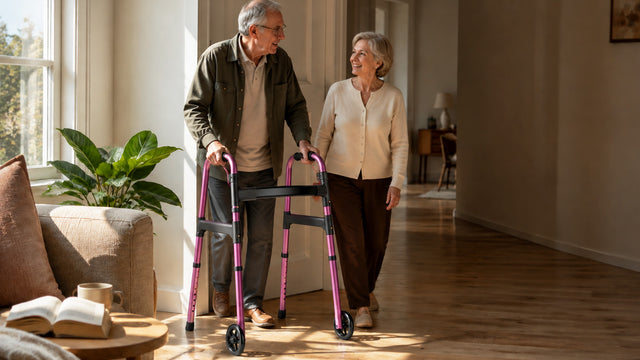
If other areas of the home need attention alongside the bathroom, HOMLAND's broader range of safety and mobility products — including toilet safety rails, bed rails, and rolling walkers — can help build a consistent safety setup throughout the home.
FSA/HSA Eligibility and Warranty: What to Know Before You Buy
Shower chairs are generally FSA and HSA eligible, which means you may be able to use pre-tax dollars to cover the cost. If you or your family member has a Flexible Spending Account or Health Savings Account, check your plan documents — many cover shower chairs as qualified medical expenses. HOMLAND products are FSA/HSA eligible, which can meaningfully reduce the out-of-pocket cost.
Every HOMLAND shower chair also comes with a 1-year manufacturer warranty and a 1-year extended warranty, giving you two full years of coverage from the date of purchase. Products ship from a US local warehouse, so delivery is fast — typically without the long waits that come with overseas shipping. For caregivers researching options on behalf of a parent or partner, that combination of warranty coverage and quick delivery takes a lot of uncertainty off the table.
HOMLAND's shower chairs are also authorized by licensed Doctors of Physical Therapy, which means the design decisions — height ranges, weight capacities, armrest placement, drainage cutouts — have been evaluated through a clinical lens, not just an engineering one. That's a meaningful distinction when the product needs to perform reliably in a real recovery or daily-living context.
Final Thoughts
Choosing a shower chair is less about what you're giving up and more about what you're getting back: a daily routine that feels safe, comfortable, and entirely your own. The right chair — matched to your bathroom layout, your support needs, and your body — makes the shower a non-event again. That's not a small thing. A routine that flows without fear or effort is a foundation that supports everything else in the day.
Whether you're recovering from a procedure, supporting an aging parent, or simply making a smart investment in home safety before anything goes wrong, a shower chair is one of the highest-impact, lowest-disruption changes you can make. Explore HOMLAND's shower chair collection to find a model that fits your situation — and explore the full product range if other areas of the home could use the same level of thoughtful support.
Have questions about which shower chair is right for you?
Our team is here to help you find the right fit — whether you're buying for yourself or someone you care about. Reach out and we'll walk you through the options.
Contact Us