



Getting into and out of a bathtub is one of those everyday tasks most people never think about — until it becomes a challenge. After a hip replacement, a knee surgery, or simply as balance becomes less reliable with age, that single step over the tub wall can feel like a real obstacle. It does not have to be.
A tub transfer bench is one of the most practical, therapist-recommended tools for making bathing safer and more independent at home. It bridges the gap between the bathroom floor and the inside of the tub, letting you slide across into the bath rather than stepping over the edge. The result is a calmer, more controlled routine — and a lot more peace of mind for both you and the people who care about you.
In this complete guide, you will learn exactly how tub transfer benches work, who they are designed for, what features matter most, and how to choose the right one for your bathroom and your life. Whether you are shopping for yourself or helping a parent or loved one stay safe at home, this guide covers everything you need to make a confident decision.
What Is a Tub Transfer Bench?
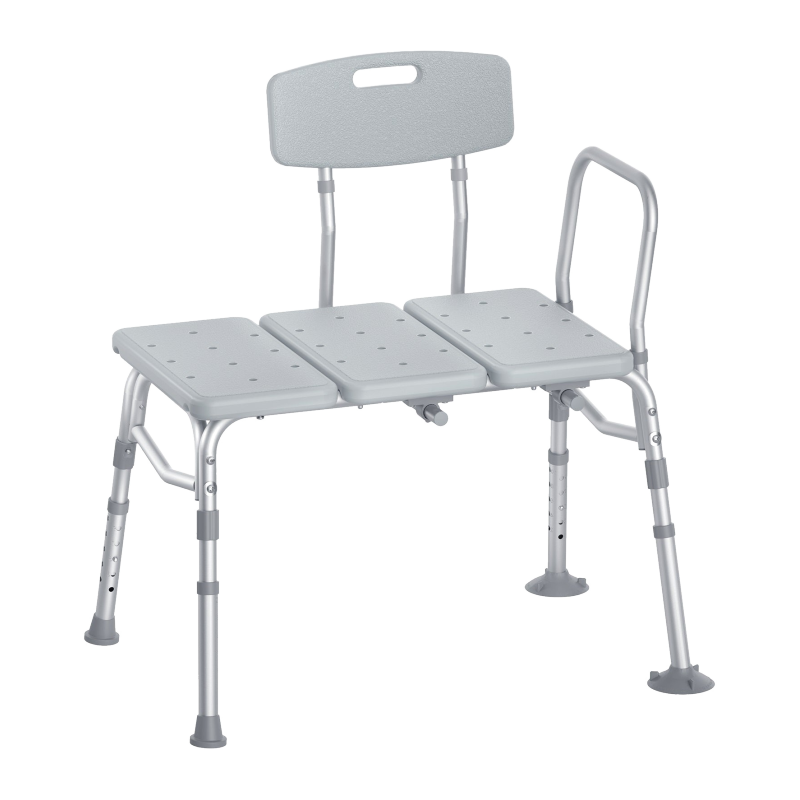
A tub transfer bench is a wide, sturdy seat that straddles the side of a bathtub — two legs sit inside the tub, and two legs rest on the bathroom floor outside it. This design creates a continuous, stable surface that allows a person to sit down on the outer portion of the bench, then slide sideways into the tub rather than stepping over the wall. The movement is smooth, low-impact, and dramatically reduces the risk of slipping or losing balance during entry and exit.
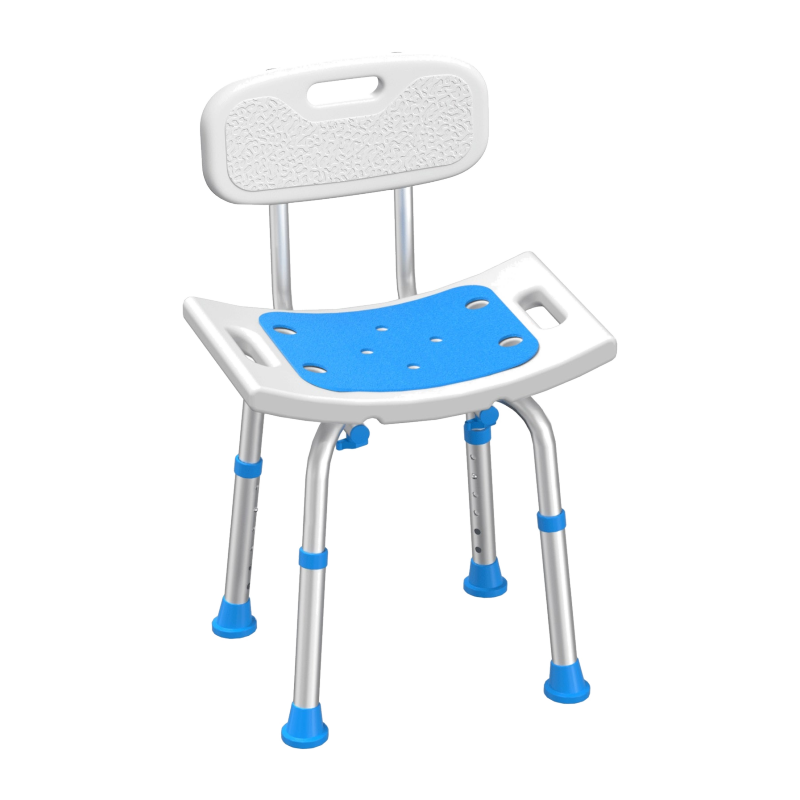
Most transfer benches are made from lightweight aluminum frames with a plastic or padded seat, and they adjust in height to fit different tub depths and body heights. Many models include a built-in backrest, a cutout in the seat for handheld showerhead access, and non-slip rubber feet that grip both the tub floor and bathroom tile. They are not permanent fixtures — no drilling or installation is required — which means they can be moved or stored as needed.
Physical therapists often recommend transfer benches as one of the first bathroom safety upgrades for anyone navigating recovery or age-related mobility changes. The logic is simple: the tub wall is one of the most common places where slips and falls happen at home, and a transfer bench eliminates the need to lift your leg over it entirely.
Who Benefits Most from a Transfer Bench?
Transfer benches are designed for a wide range of situations, and the people who benefit most often have one thing in common: they want to keep bathing independently, on their own schedule, without needing someone else in the room. That kind of autonomy matters deeply, and the right equipment makes it possible.
People who tend to find tub transfer benches most helpful include:
- Post-surgery recovery — especially after hip, knee, or back procedures where bending or lifting a leg overhead is restricted or painful.
- Older adults whose balance, strength, or flexibility has shifted over time and who want to continue bathing in their own tub at home.
- Individuals with limited mobility from conditions like arthritis, Parkinson's, multiple sclerosis, or stroke-related weakness.
- Anyone using a walker, cane, or wheelchair who needs a seated, slide-in approach to tub entry.
- Caregivers and family members supporting a loved one who cannot step safely into the tub unaided.
If you are an adult child helping a parent stay safe at home, a transfer bench is one of those purchases that genuinely changes the daily experience for everyone involved. It reduces the anxiety around bathing time and gives your loved one back something important: privacy and independence in one of the most personal parts of their day.
How a Tub Transfer Bench Works: Step-by-Step
Using a tub transfer bench correctly takes a little practice at first, but the motion quickly becomes natural. Here is the basic process that physical therapists typically teach:
- Position yourself with your back to the bench — Stand beside the tub with the bench behind you, close enough that you can lower yourself onto the outer seat section without reaching or twisting.
- Sit down on the outer portion of the bench — Lower yourself onto the part of the bench that sits outside the tub, using the armrest or grab bar nearby for support if needed.
- Lift your legs into the tub one at a time — While seated, swing or lift each leg over the tub wall and into the tub area. Many people find it helpful to use their hands to assist if leg strength is limited.
- Slide across to the inner seat position — Shift your weight and slide along the bench seat until you are fully positioned inside the tub area, centered and stable.
- Bathe comfortably from the seated position — Use a handheld showerhead attachment to rinse and wash. The backrest supports you throughout.
- Reverse the process to exit — Slide back toward the outer section, lift your legs out one at a time, then stand from the outside of the tub where the floor is stable and dry.
That sliding motion is what makes transfer benches so effective. There is no moment where you are standing on one foot over a wet tub floor — the transition happens entirely from a seated position, which is far more stable and controlled.
Key Features to Look for When Choosing One
Not all transfer benches are built the same, and the right features depend on your specific body, tub, and daily routine. Here is what to pay attention to when comparing options:
- Weight capacity — Look for a bench that comfortably supports your weight with a meaningful safety margin. Standard models support up to 300 lbs; heavy-duty and bariatric models go up to 400 or 500 lbs. You want to lean in with full confidence, not worry about the frame.
- Adjustable height — Leg height should adjust to match your tub's depth and your personal height so the bench sits level and stable. Tool-free height adjustment makes this quick and easy.
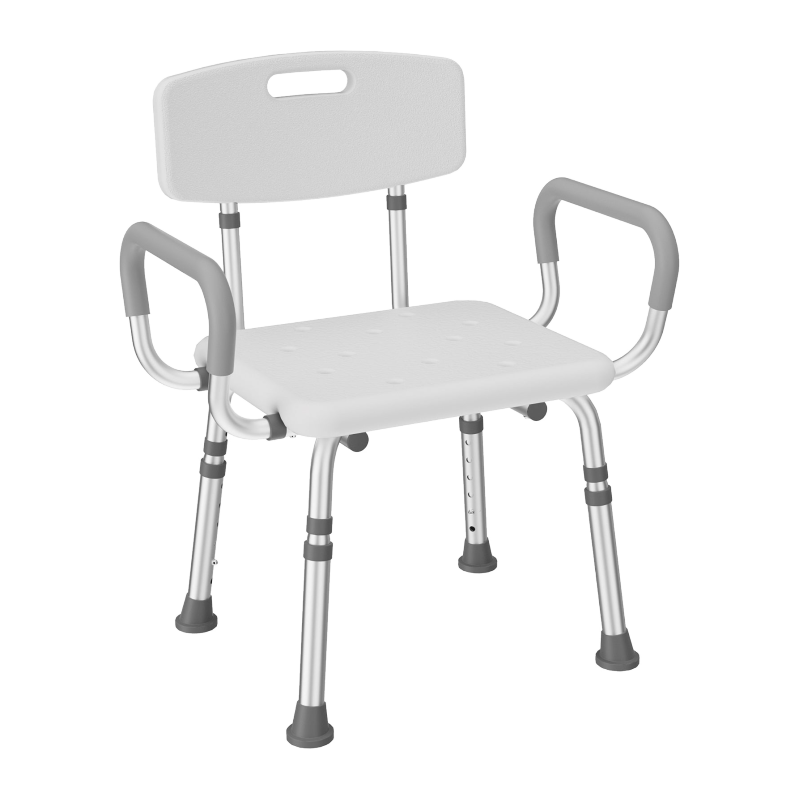
- Backrest with armrest — A contoured backrest gives lumbar support during longer showers, while a swingaway or fixed armrest helps with sitting and standing transitions.
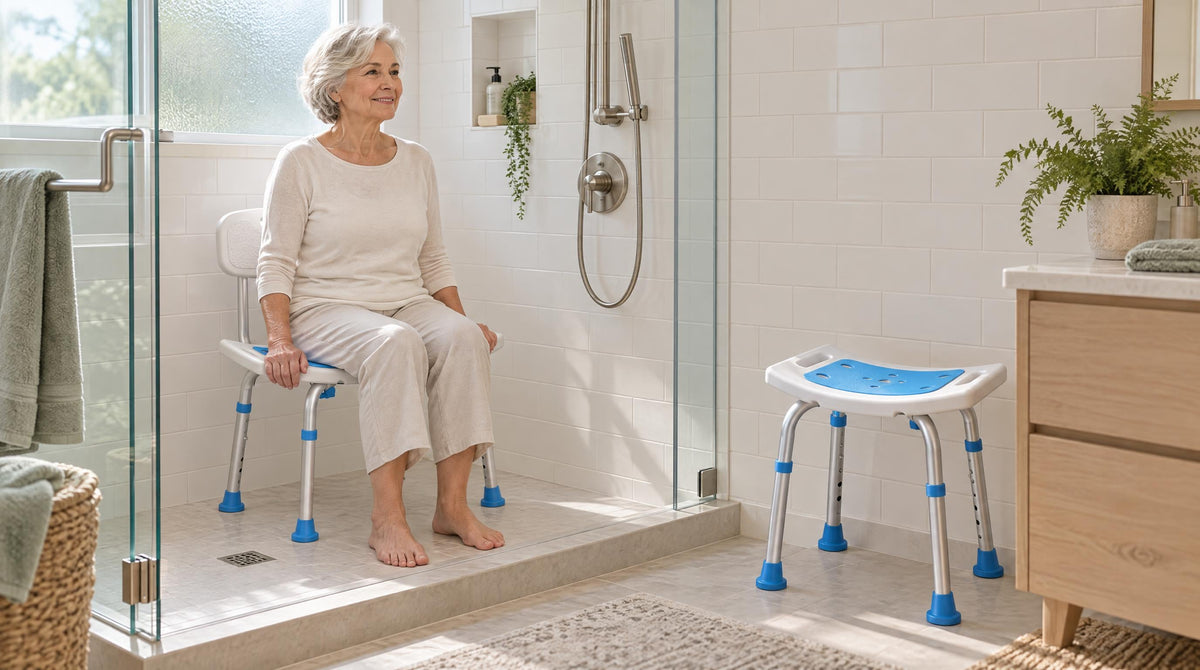
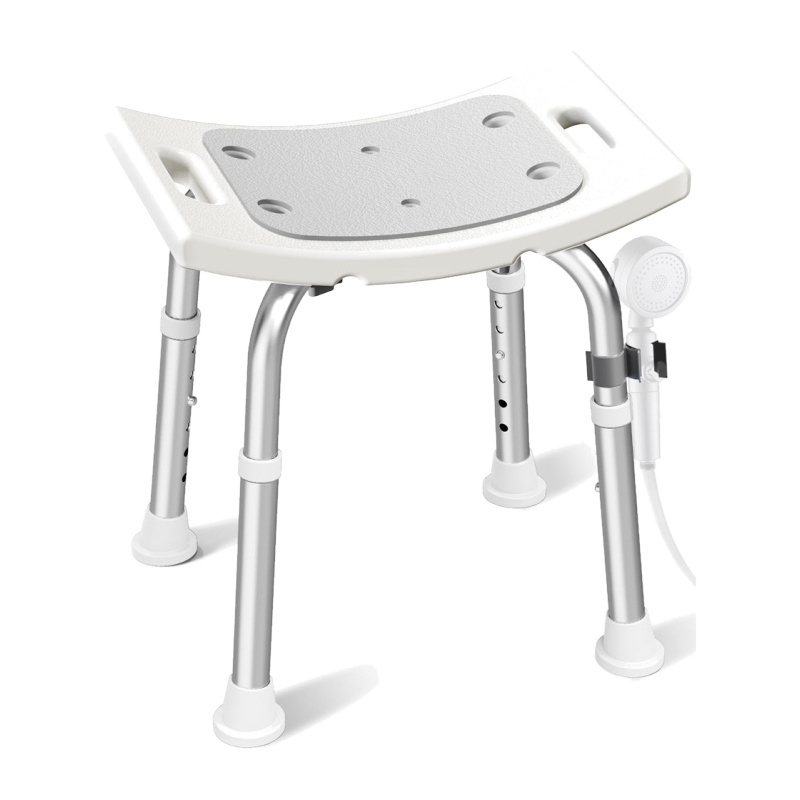
- Seat design — Look for a seat with drainage holes or a cutout that prevents water from pooling and allows a handheld showerhead to reach comfortably underneath.
- Non-slip feet — Rubber suction tips or feet that grip both the tub floor and the bathroom tile are essential. Check that all four legs have them and that they are replaceable over time.
- Frame material — Anodized aluminum resists rust and keeps the bench lightweight enough to move and store without effort.
If you are purchasing for a caregiver setting where one person assists another, look for a model with a swingaway armrest on the transfer side — it makes the sliding motion easier and reduces the risk of bumping or bruising during transitions.
Transfer Bench vs. Shower Chair: What's the Difference?
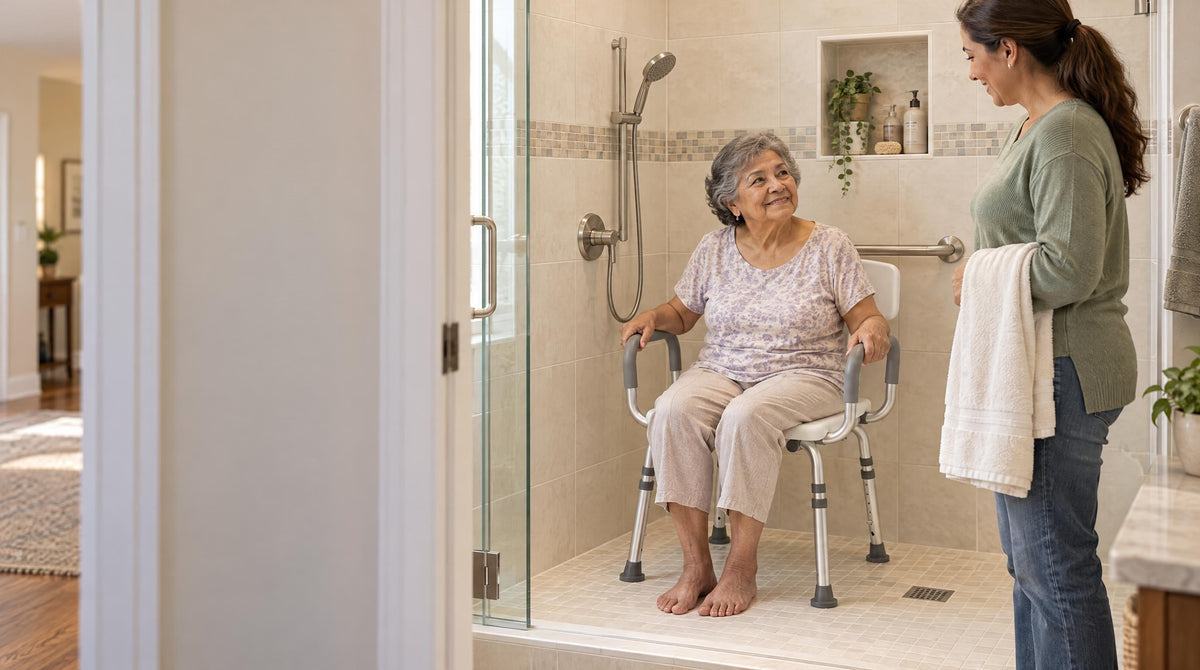
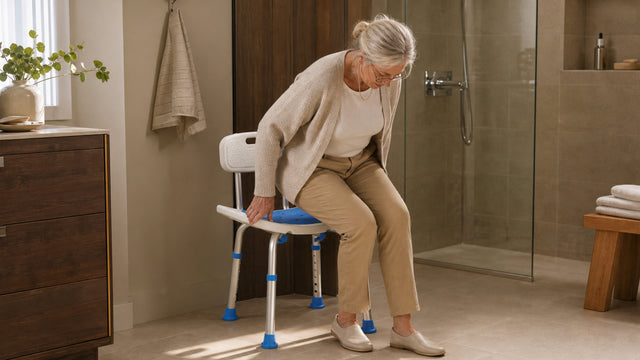
This is one of the most common questions people ask, and the answer comes down to your bathroom setup and your specific mobility needs. A shower chair sits entirely inside the shower or tub area and is designed for people who can step into the shower but need to sit down while bathing. It is ideal for walk-in showers, shower stalls, or tubs that are easy to enter but tiring to stand in for the full duration of a shower.
A tub transfer bench, by contrast, is designed specifically for people who have difficulty stepping over the tub wall altogether. Because it bridges the inside and outside of the tub, it removes the step-over entirely. If the challenge is getting into the tub, a transfer bench is the right tool. If the challenge is standing up during a long shower, a shower chair is the better fit.
Some people use both — a transfer bench for tub bathing and a shower chair for a separate walk-in shower. Others find that a transfer bench covers both needs in one, especially when used with a handheld showerhead. When in doubt, a physical therapist can assess your bathroom setup and recommend the right solution for your specific situation.
Installation and Setup: Easier Than You Think
One of the biggest concerns people have before buying a transfer bench is setup. The good news is that quality transfer benches are designed with tool-free assembly in mind — you should be able to unbox, assemble, and have the bench positioned in your tub in under fifteen minutes, with no drilling, no hardware modifications, and no contractor required.
The general setup process looks like this: attach the legs to the frame, adjust the leg heights so the bench sits level with two legs inside and two outside the tub, and confirm that all rubber feet are seated firmly against the surfaces. Some models include a built-in clamp or lip bracket that hooks over the tub wall for extra stability — this is a worthwhile feature if your tub wall is particularly narrow or sloped.
Before first use, always do a weight test with someone nearby: sit on the bench, shift your weight side to side, and confirm that all four legs feel solid and that nothing slides or rocks. If anything feels uneven, re-check the leg height adjustments. Once set up correctly, a quality transfer bench should feel completely stable — not wobbly, not uncertain, just solid.
Safety Tips for Using a Transfer Bench Every Day
A transfer bench is only as effective as the habits built around it. These practical tips help make every bathing session as safe and comfortable as possible:
- Use a handheld showerhead — A flexible hose and handheld head lets you control water direction from a seated position without twisting or reaching. It is one of the most impactful bathroom upgrades you can pair with a transfer bench.
- Add a grab bar to the tub wall — A wall-mounted or suction-cup grab bar near the transfer bench gives you a secure handhold during the sliding motion and when standing up.
- Keep the floor dry — Place a non-slip bath mat outside the tub where you first sit down. Water on the floor is a slip hazard even with a bench in place.
- Wear non-slip slippers or socks up until you sit — Bare feet on tile are a common fall scenario. Slip into the bench from stable, covered feet.
- Check rubber feet regularly — Over time, rubber tips wear down or harden. Replace them when they no longer grip firmly — most are inexpensive and universally sized.
- Never rush — The sliding motion should feel smooth and deliberate. Take your time with each step, especially during the leg-lift portion.
For caregivers assisting a loved one: position yourself on the open side of the bench during transfers so you can provide a steady hand without reaching over the bench. Let the person do as much as they can independently — your role is support, not substitution.
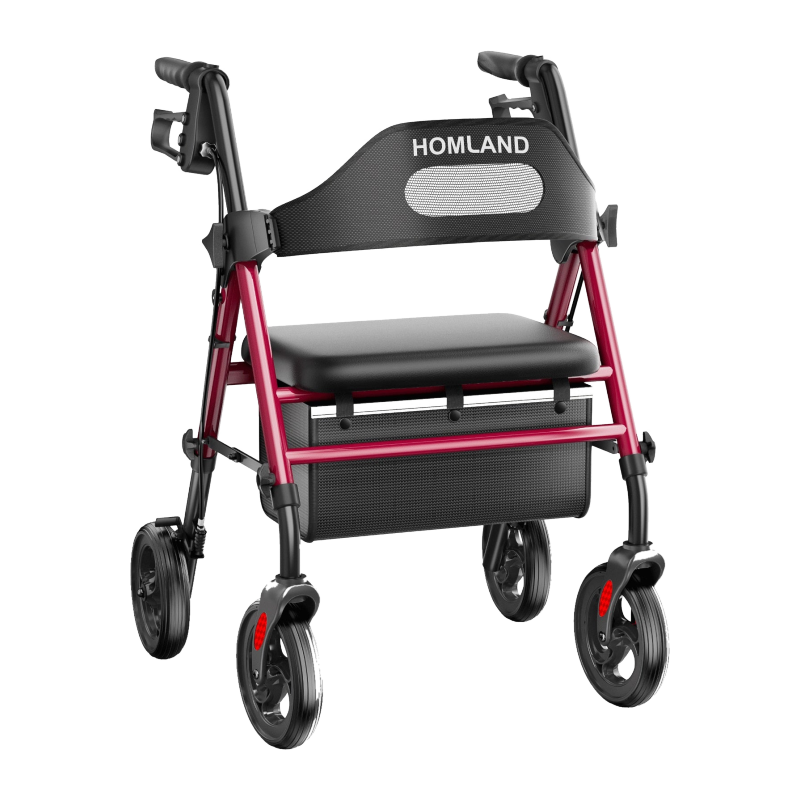
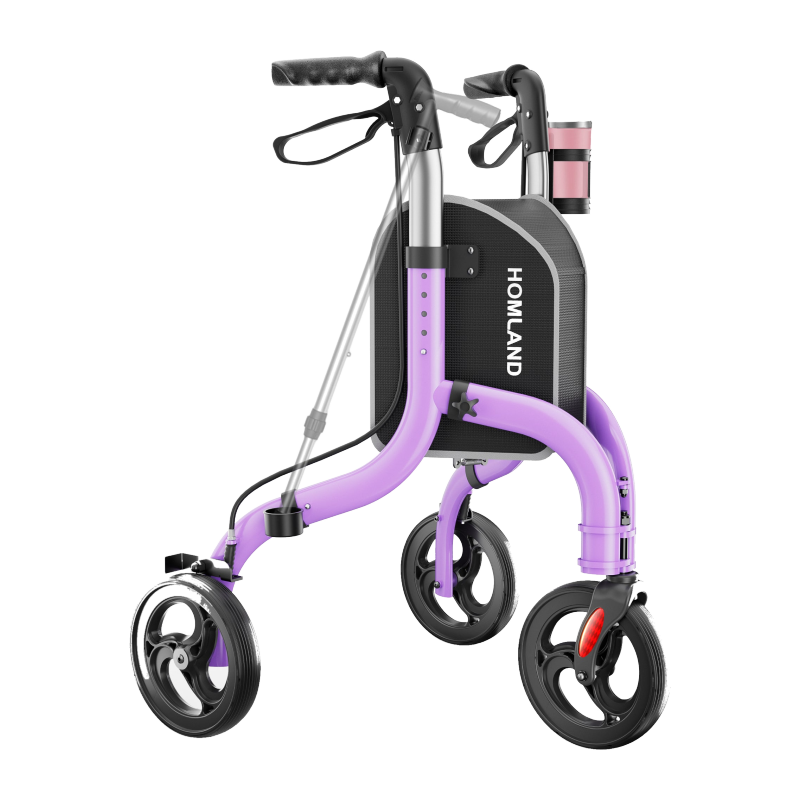
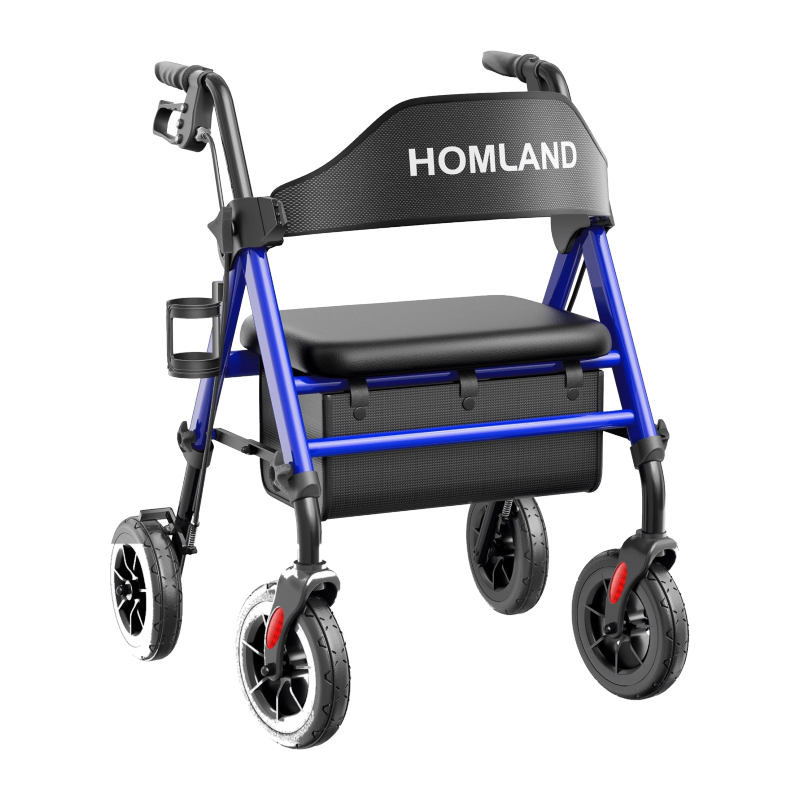
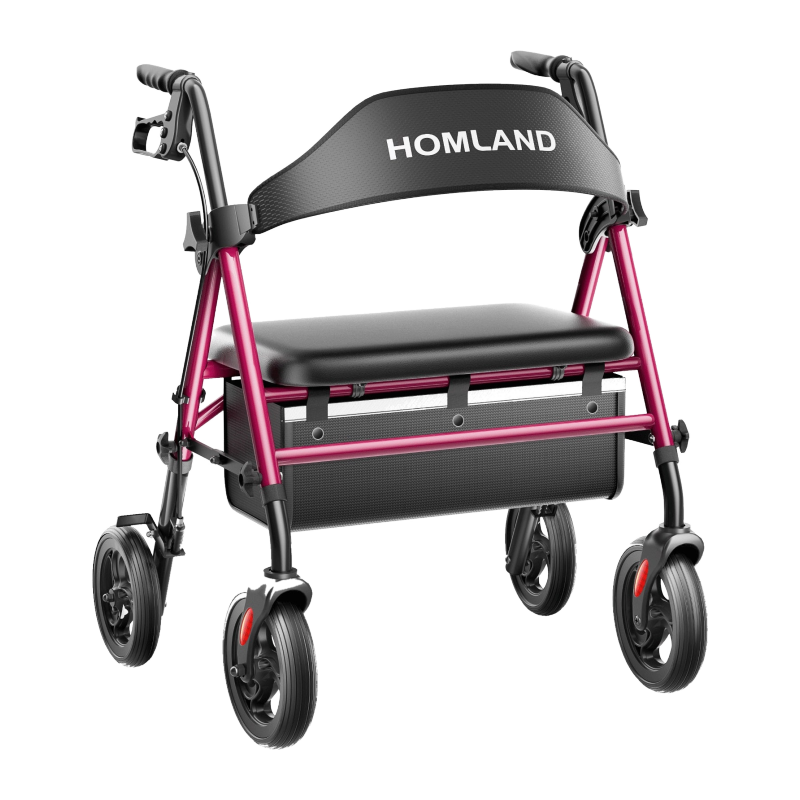
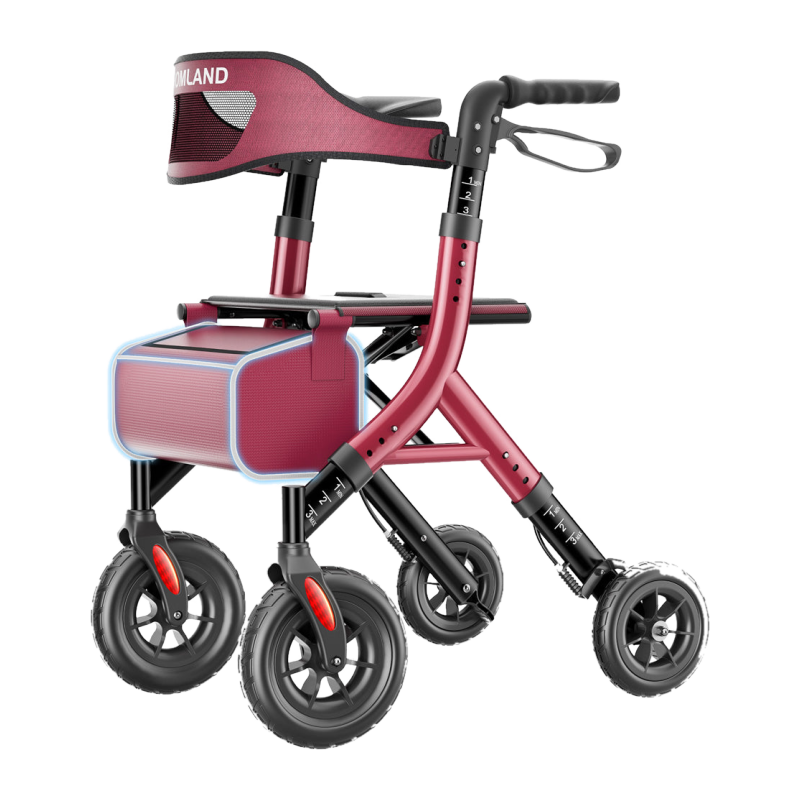
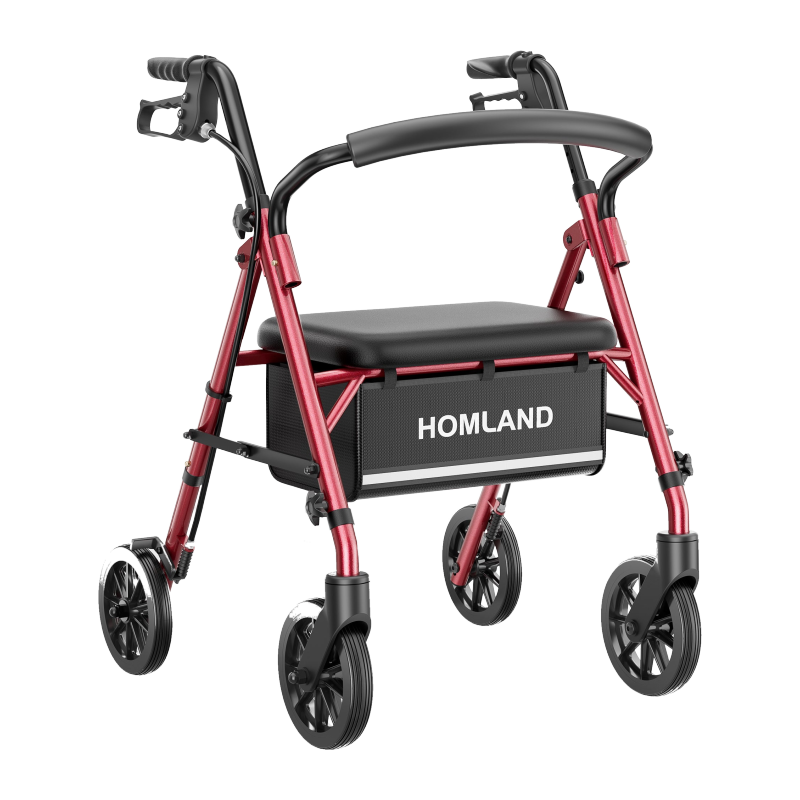
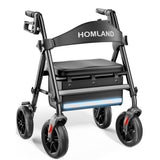
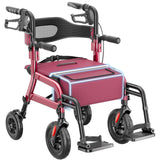
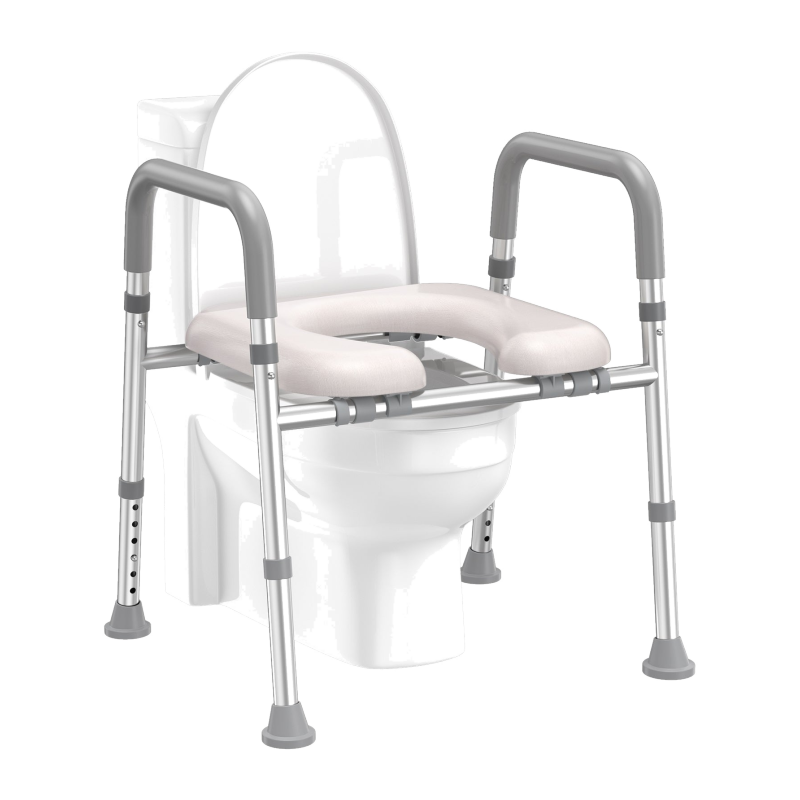
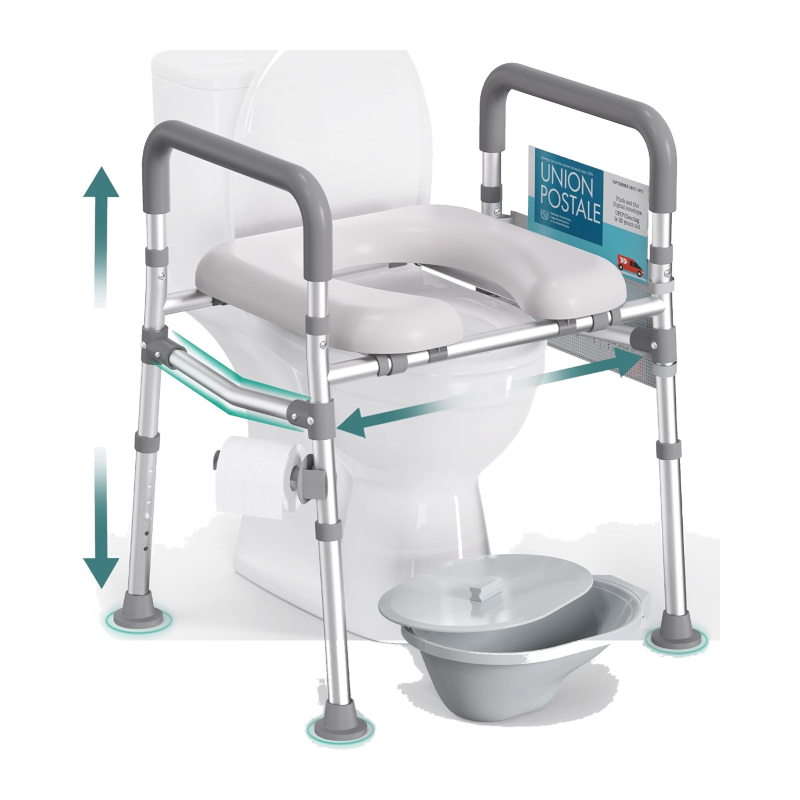
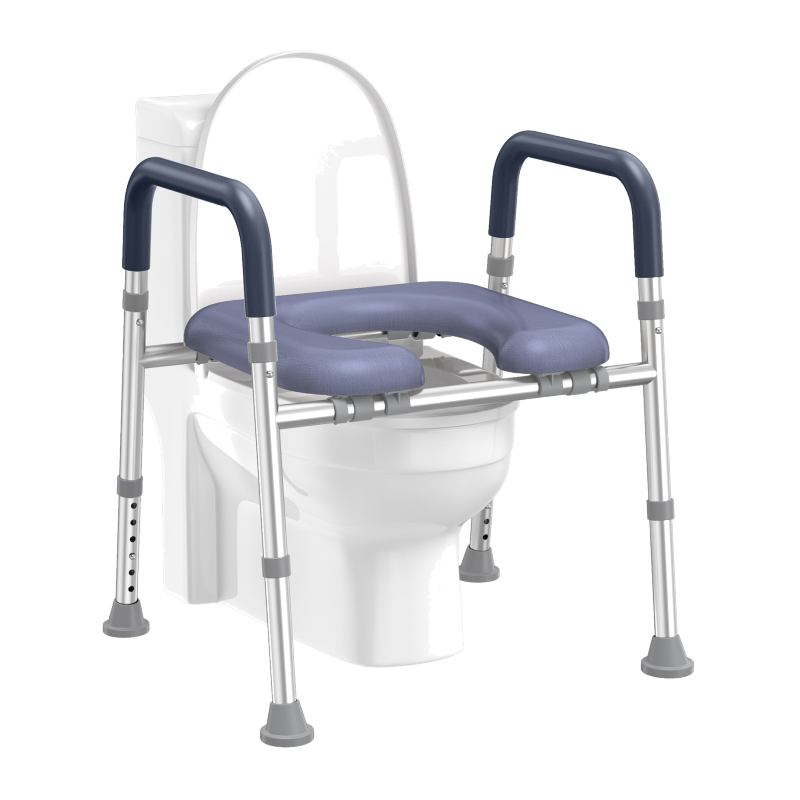
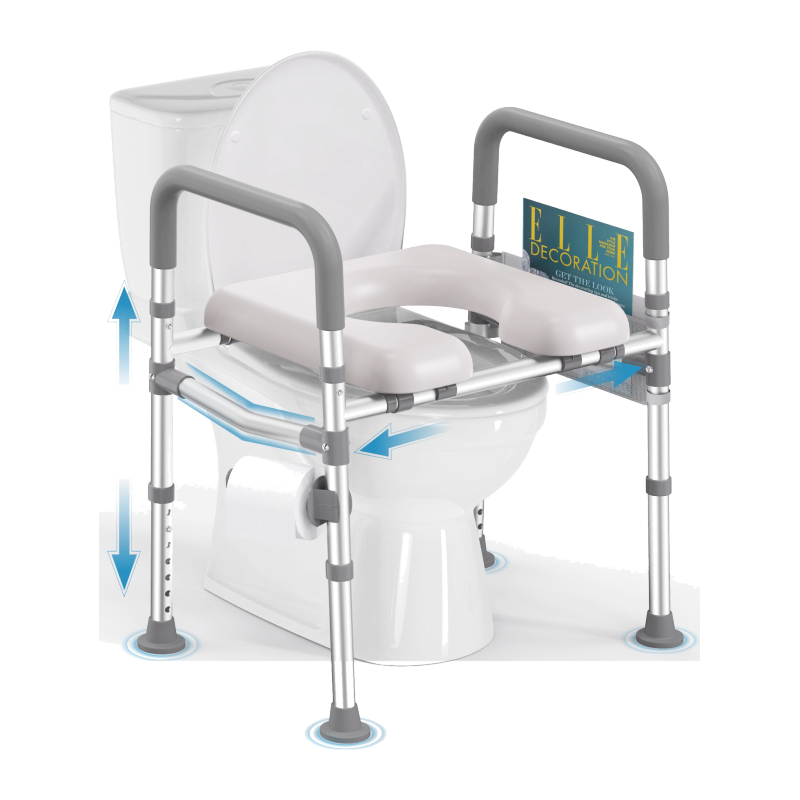
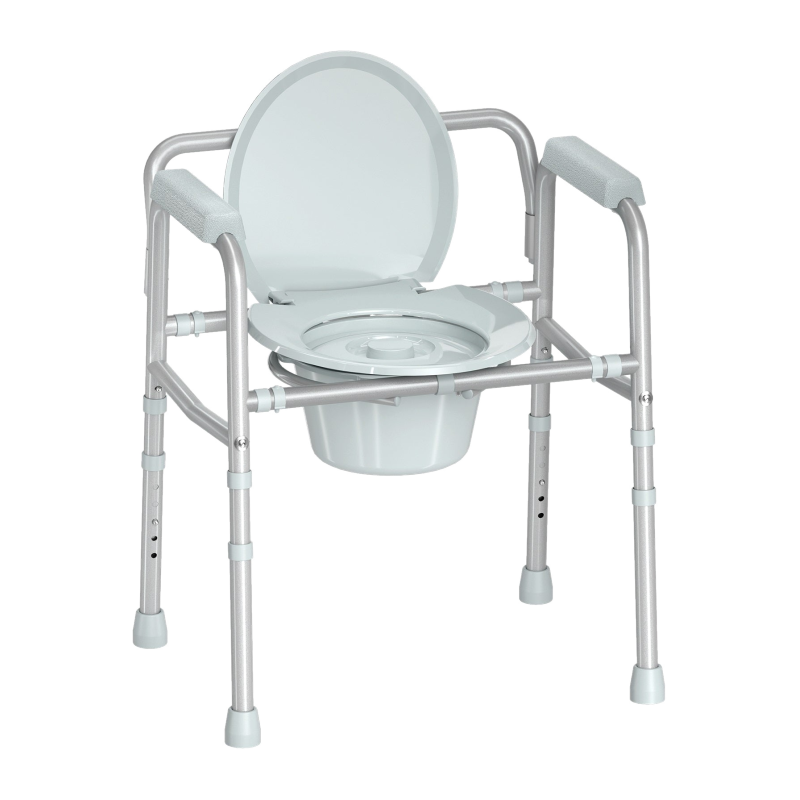
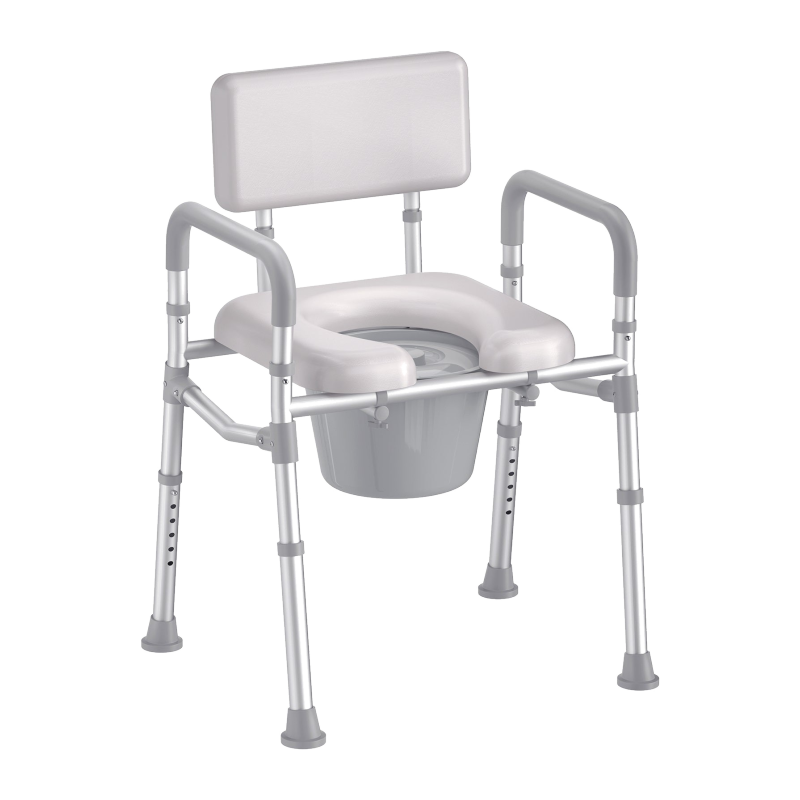
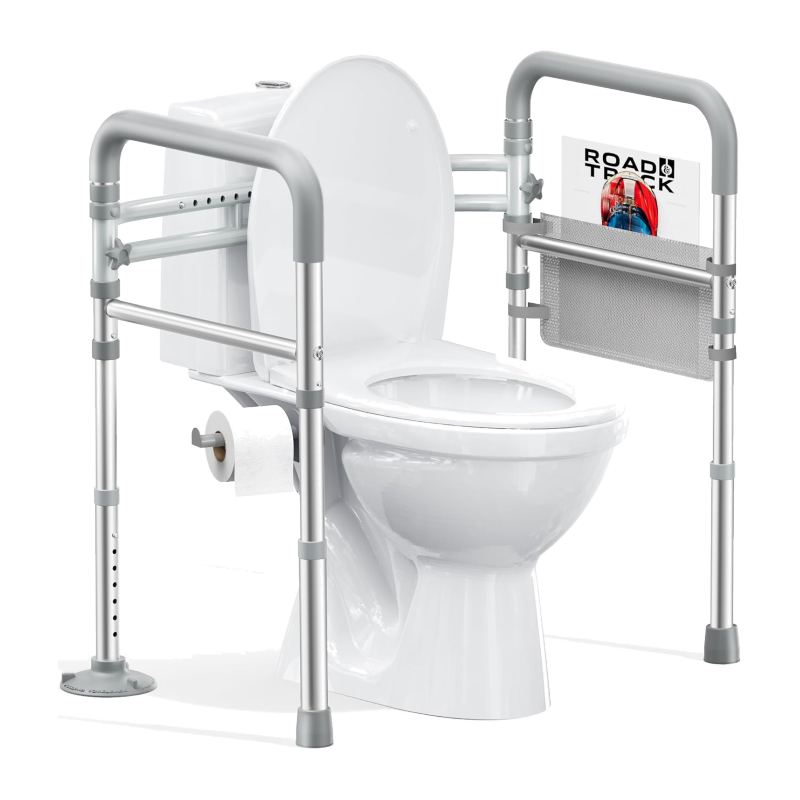
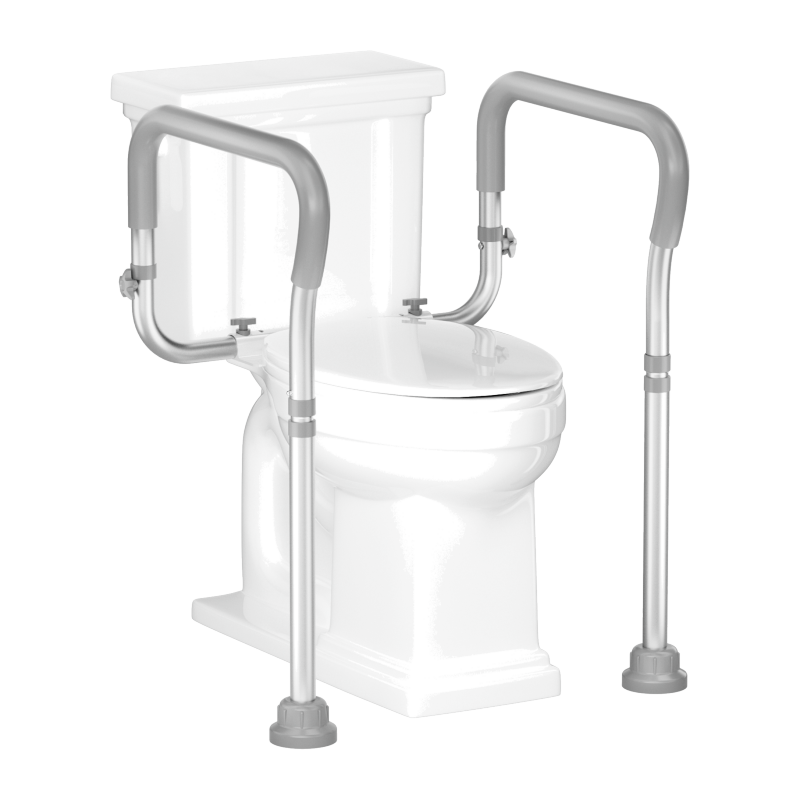
If you are also managing mobility challenges outside the bathroom, explore HOMLAND's full range of home mobility solutions, including rolling walkers and toilet safety rails that work together as part of a complete at-home safety plan.
FSA/HSA Eligibility and What to Know Before You Buy
Here is something worth knowing before you check out: tub transfer benches are generally considered FSA/HSA eligible medical expenses, meaning you may be able to purchase one using pre-tax dollars from a Flexible Spending Account or Health Savings Account. This can meaningfully reduce the out-of-pocket cost, especially for households that set aside FSA funds for medical and health-related purchases each year.
HOMLAND transfer benches are FSA/HSA eligible, authorized by licensed Doctors of Physical Therapy, and backed by a 1-year manufacturer warranty plus a 1-year extended warranty — that is two full years of coverage from a brand that stands behind what it builds. Products ship from a US local warehouse, so you are not waiting weeks for delivery during a recovery period when timing genuinely matters.
When evaluating transfer benches from any brand, look beyond the sticker price. Factor in warranty length, whether the brand has US-based customer support, and whether the product is designed and tested for the specific weight capacity and use case you need. A transfer bench is not a purchase you want to make twice because the first one fell short.
Final Thoughts: Bathing on Your Own Terms
Bathing should feel like a moment of calm, not a source of anxiety. A tub transfer bench makes that possible by removing the most hazardous part of the whole routine — the step over the tub wall — and replacing it with a smooth, seated slide that anyone can manage with confidence. It is a small change that makes an enormous difference in daily life.
Whether you are navigating recovery, supporting a parent who wants to keep living at home, or simply planning ahead for long-term comfort and safety, a transfer bench is one of the most practical investments you can make in your bathroom. Pair it with a handheld showerhead, a grab bar, and a non-slip mat, and you have created a bathing setup that works for you — not against you.
At HOMLAND, every product is built around one straightforward idea: you should be able to live comfortably and independently at home, on your own schedule, without compromise. That is what a transfer bench delivers — and that is what every product in the HOMLAND lineup is designed to support.
Ready to Find the Right Transfer Bench?
Have questions about which model fits your tub, your body, or your recovery situation? Our team is here to help you find the right solution — no pressure, just honest guidance.
Browse HOMLAND's full lineup of home mobility and bathroom safety products — all FSA/HSA eligible, DPT-authorized, and backed by a 2-year warranty.