

You didn't plan to feel this way. You stepped up because you love someone — a parent recovering from hip surgery, a spouse managing a chronic condition, a grandparent who just needs a little more help getting through the day. But somewhere between the early morning assistance, the sleepless nights, and the endless logistics, something shifted. You're exhausted in a way that sleep doesn't fix. You feel guilty for feeling that way, which makes it worse.
That experience has a name: caregiver burnout. It's one of the most common and least talked-about challenges facing family caregivers today, and according to the CDC, nearly 53 million Americans provide unpaid care to an adult or child with special needs. The emotional, physical, and mental toll of that role is real — and recognizing it early is the first step toward recovery.
This guide walks you through the honest warning signs of caregiver burnout, explains why it happens (especially when caregiving takes place at home), and gives you practical, grounded strategies to recover and rebuild. You'll also find tips on creating a safer, easier home environment — because when everyday tasks become less physically demanding for both you and the person you care for, everyone breathes a little easier.
What Is Caregiver Burnout?
Caregiver burnout is a state of complete physical, emotional, and mental exhaustion that results from the prolonged stress of caring for someone else. It goes beyond being tired after a long day — it's a deep depletion that builds over weeks, months, or years of putting another person's needs consistently ahead of your own. The National Institute on Aging recognizes caregiver stress as a significant health concern, noting that caregivers who don't get the support they need are at higher risk for anxiety, depression, and their own physical health problems.
What makes burnout particularly tricky is that it often sneaks up gradually. Caregivers are frequently so focused on their loved one's needs that they stop paying attention to their own signals. By the time burnout is obvious, it has usually been building for a long time. Recognizing it — without shame — is not a sign of failure. It's a sign that you've been carrying a lot, and that you deserve support too.
Burnout vs. Normal Caregiver Fatigue
Not every hard day is burnout. Caregiving is genuinely demanding, and feeling tired, frustrated, or overwhelmed occasionally is a normal human response to a difficult situation. Normal fatigue tends to lift after rest, a good night's sleep, or a break from responsibilities. You might feel recharged after a weekend away or a long walk — able to return to caregiving with renewed energy and patience.
Burnout, on the other hand, doesn't respond to short breaks. It's persistent. Rest doesn't restore you. Small frustrations feel enormous. Things you used to handle with patience now feel impossible. This distinction matters because the solutions are different. Normal fatigue calls for rest; burnout calls for a more comprehensive approach to recovery, support, and often a change in how care is structured at home.
Warning Signs of Caregiver Burnout
Burnout rarely announces itself all at once. Instead, it shows up as a collection of signals that, individually, are easy to dismiss. Taken together, they paint a clearer picture. Physical therapists and mental health professionals who work with caregiving families often encourage loved ones to watch for these signs — both in themselves and in each other.
Emotional and Psychological Signs
- Persistent sadness or hopelessness that doesn't lift, even on easier days
- Increased irritability or short temper, especially toward the person you're caring for
- Feelings of resentment about the caregiving role, followed by guilt about feeling resentful
- Emotional numbness — going through the motions without feeling present
- Withdrawing from friends, hobbies, or activities that used to bring you joy
- Anxiety about the future or a sense that there is no way out
Physical Signs
- Chronic exhaustion that sleep doesn't resolve
- Frequent illness — a weakened immune system is a common result of prolonged stress
- Changes in appetite, either eating much more or much less than usual
- Sleep disruption, including trouble falling asleep, staying asleep, or sleeping too much
- Body aches and tension, particularly in the back, neck, and shoulders from physical caregiving tasks
Behavioral Signs
- Neglecting your own health — skipping doctor's appointments, ignoring symptoms
- Increasing use of alcohol, caffeine, or other substances to cope
- Difficulty concentrating or making decisions you used to find straightforward
- Feeling like caregiving has become your entire identity with nothing left for yourself
If several of these signs feel familiar, that's worth taking seriously — not as a reason to feel guilty, but as information. Your body and mind are communicating something important.
Why Caregiver Burnout Happens at Home
Home caregiving carries a unique set of pressures that formal care settings distribute across teams of trained professionals. When you're doing it alone — or mostly alone — the physical, emotional, and logistical weight lands on one set of shoulders. There's no shift change. No colleague to hand off to at the end of the day. Just you, the person you love, and the responsibility of keeping them safe and comfortable.
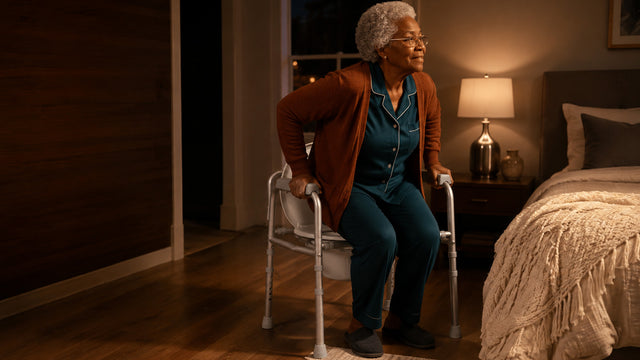
Much of the physical strain in home caregiving comes from assisting with daily tasks: helping someone in and out of the shower, supporting them to the bathroom in the middle of the night, steadying them as they move through the house. These moments of physical assistance, repeated daily over months or years, take a real toll on your body — and the fear of an accident happening on your watch adds a layer of chronic anxiety that compounds over time.
The emotional dimension is equally significant. Watching someone you love struggle with mobility, pain, or loss of independence is genuinely hard. Many caregivers report feeling grief for who their loved one used to be, even while that person is still present. Add to that the logistical demands — managing medications, coordinating appointments, navigating insurance — and it becomes clear why burnout is not a personal failure. It's a predictable response to an extraordinary load.
How to Recover from Caregiver Burnout
Recovery from burnout is not a single event — it's a gradual process of rebuilding. The good news is that with the right strategies and support, most caregivers do recover and find a sustainable rhythm. The steps below are often recommended by healthcare professionals who specialize in caregiver support.
1. Acknowledge What You're Experiencing
This sounds simple, but it's often the hardest step. Caregivers are conditioned to prioritize their loved one's needs, which makes it genuinely difficult to say: "I'm struggling. I need help." Naming burnout — to yourself, a friend, a doctor, or a therapist — begins to release its grip. It moves the experience from something shameful and private to something real and addressable.
2. Ask for and Accept Help
Many caregivers avoid asking for help because they don't want to burden others, or because they feel no one else can do it the way they do. But sustainable caregiving almost always involves a network. That might mean asking a sibling to take over for a weekend, accepting a neighbor's offer to bring meals, or working with a local home care agency for a few hours of respite each week. Letting others in isn't giving up — it's being strategic about how to keep going.
3. Reconnect with Your Own Needs
Make a short list of things that restore you — a walk outside, time with a friend, a hobby you've set aside, a shower without rushing. Then protect at least one of those things each day, even in a small way. Physical therapists and counselors who work with caregivers consistently emphasize that your needs are not optional extras — they are the fuel that makes sustainable caregiving possible.
4. Seek Professional Support
Talking to a therapist or counselor who has experience with caregiver stress can be genuinely transformative. There are also support groups — both in-person and online — specifically for family caregivers, where the experience of being truly understood by people in a similar situation provides its own form of relief. Your own primary care doctor is also a good starting point; don't downplay what you're experiencing in that appointment.
5. Set Realistic Expectations
Burnout often intensifies when caregivers hold themselves to an impossible standard — as if any imperfection in their care is a failure of love. It isn't. You will have hard days. You will lose patience sometimes. You will make mistakes. What matters is showing up consistently and kindly, not perfectly. Adjusting your expectations to something human and sustainable is not lowering the bar — it's setting a bar you can actually clear.
Reducing the Physical Load: Smarter Home Setup
One of the most practical things caregivers can do is reduce the physical effort required for daily tasks — and that often starts with the home environment itself. When the home is set up with the right tools and supports, your loved one gains more independence, and you spend less energy on physically demanding assistance. That's a meaningful shift for both of you.
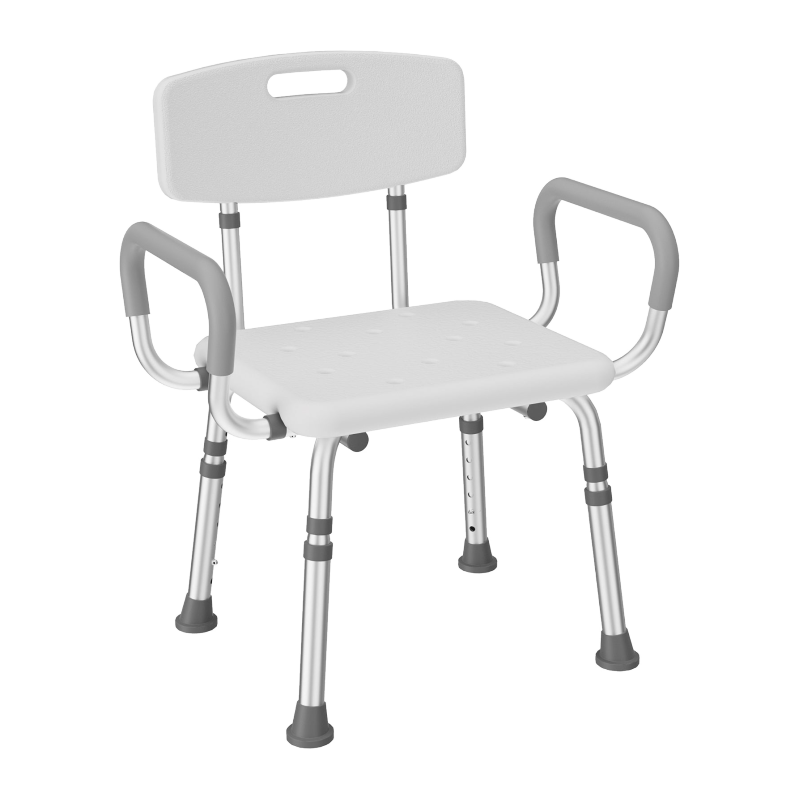
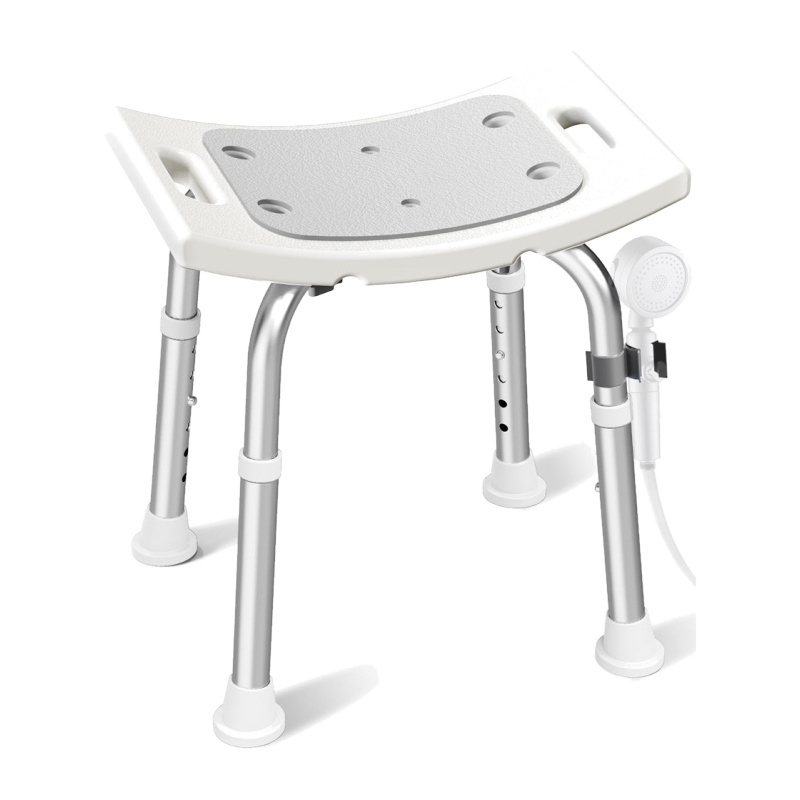
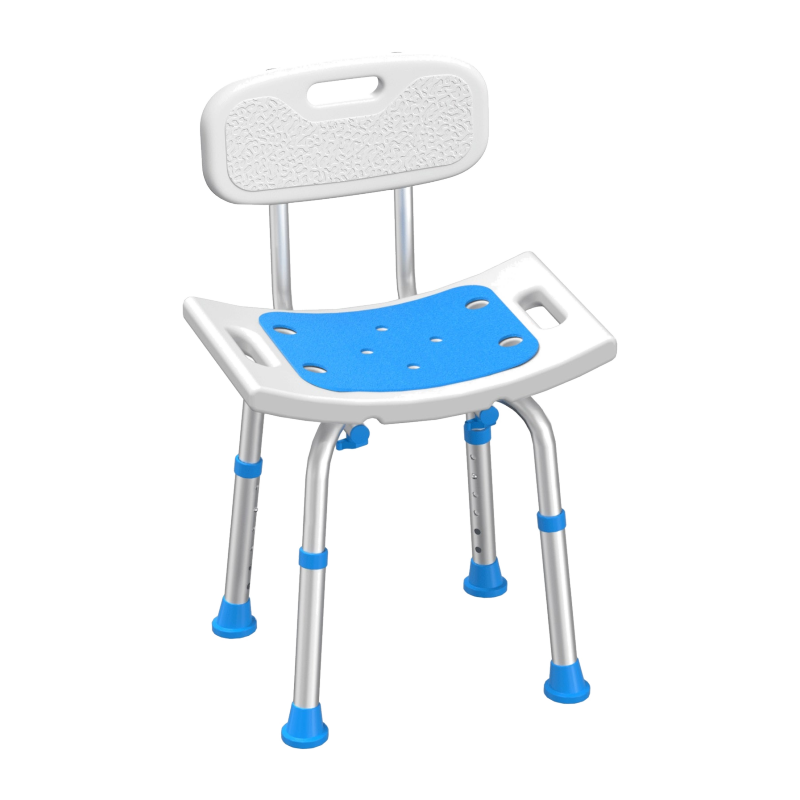
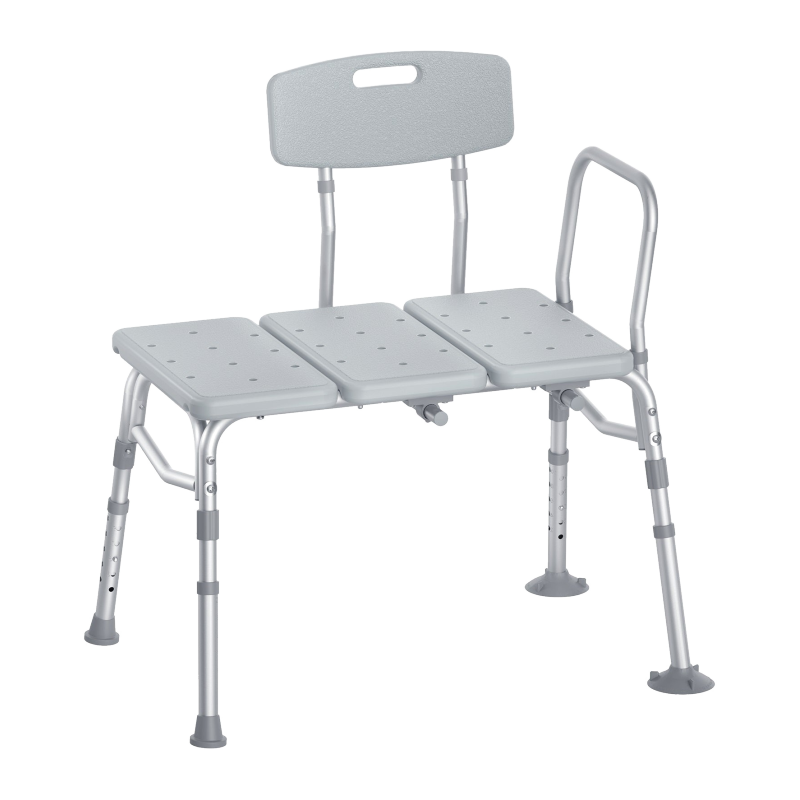
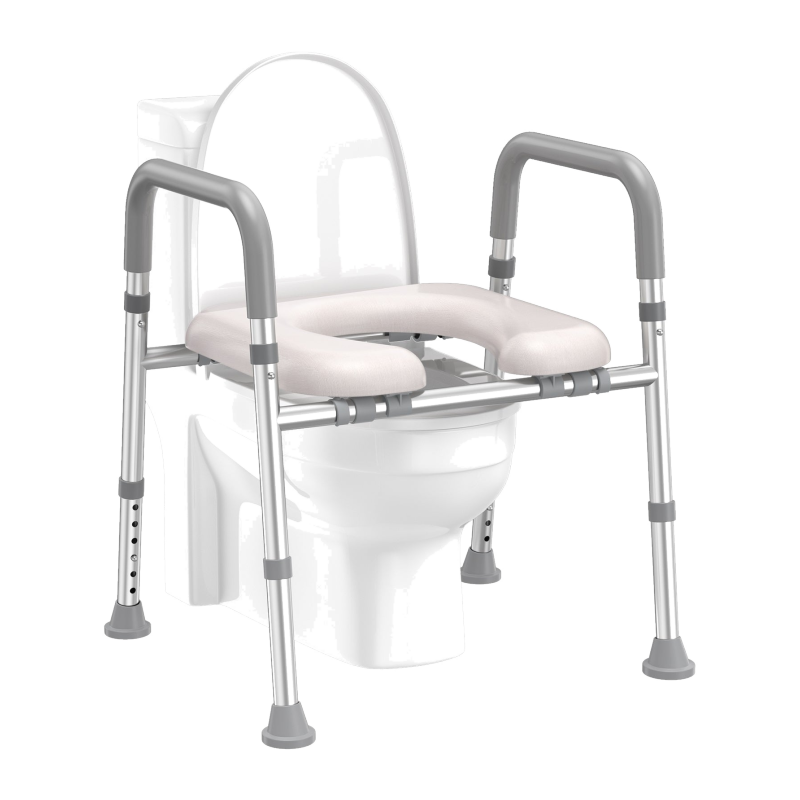
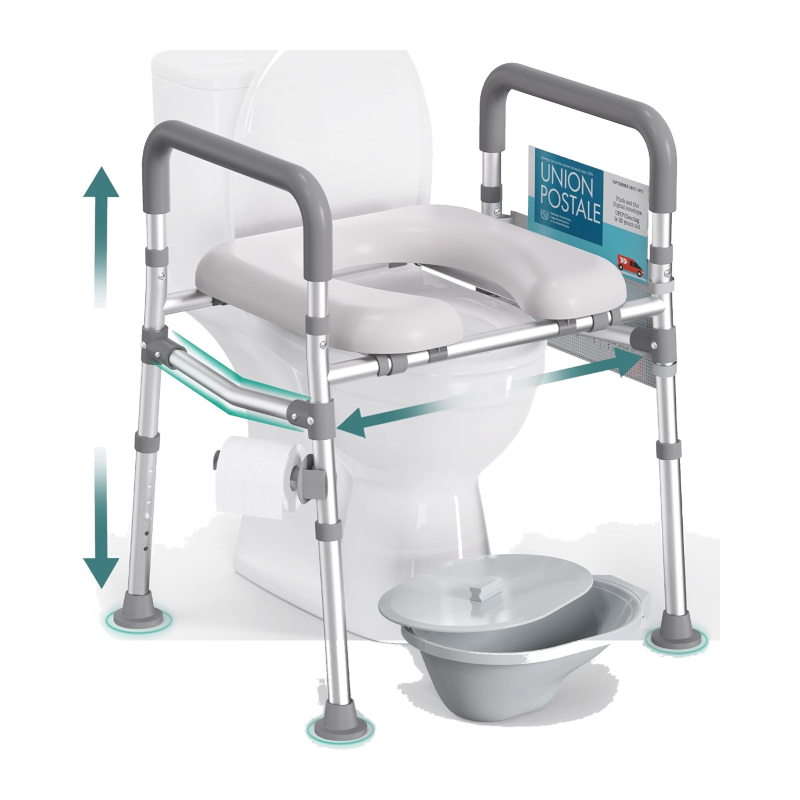
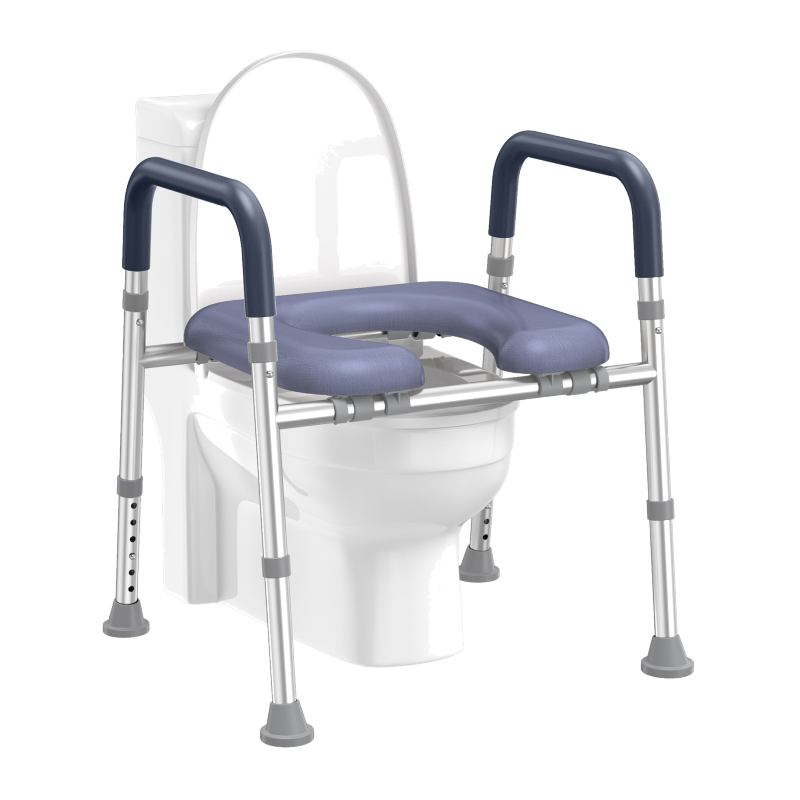
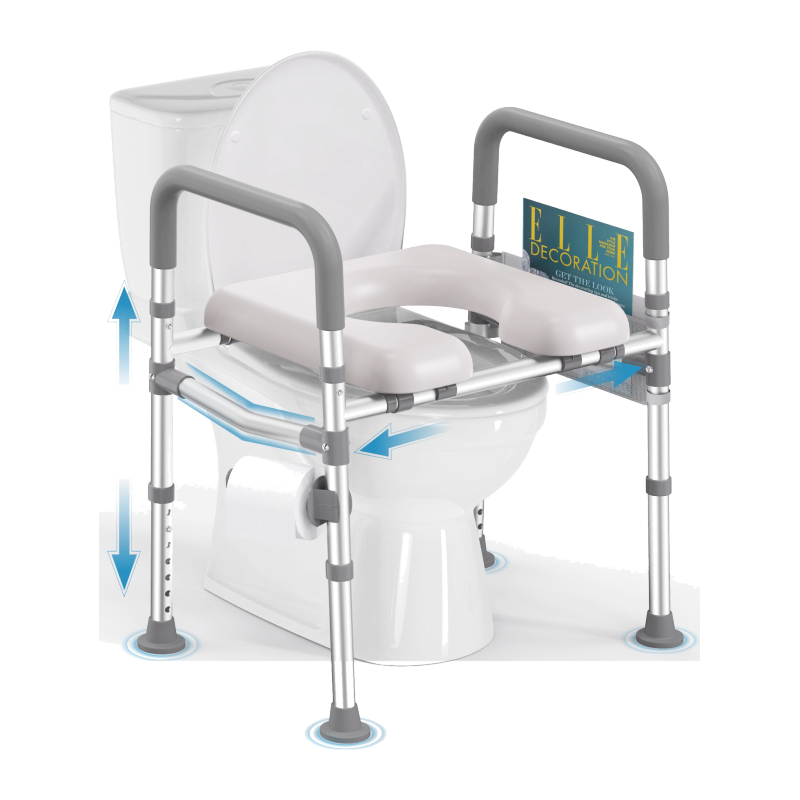
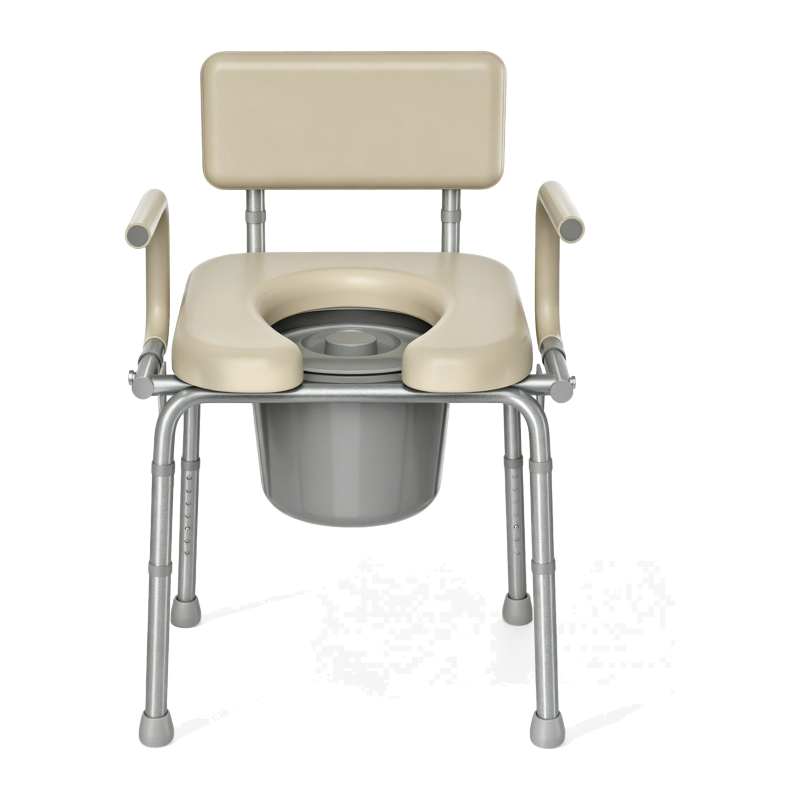
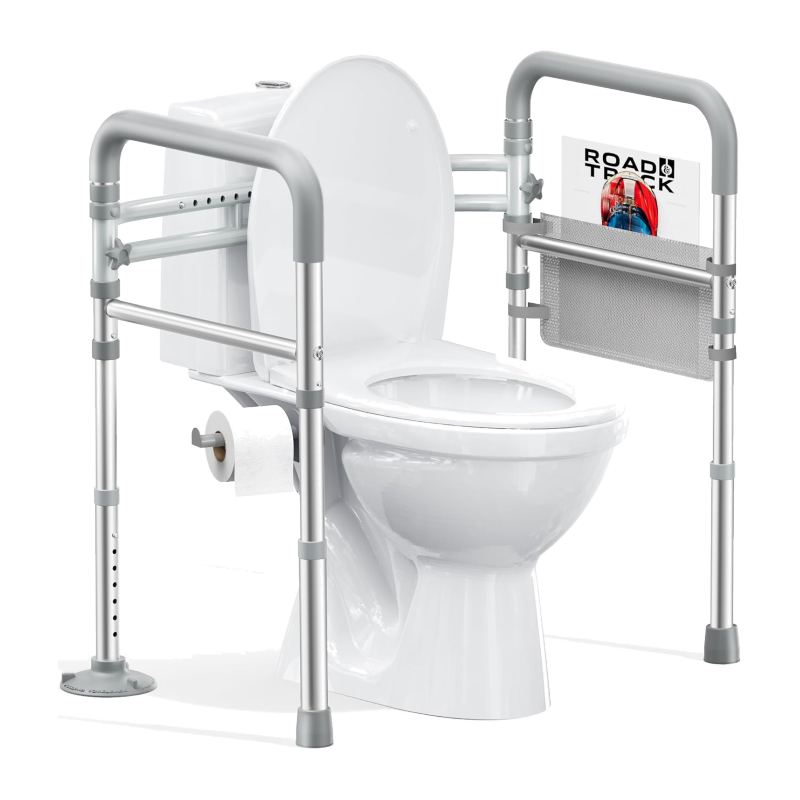
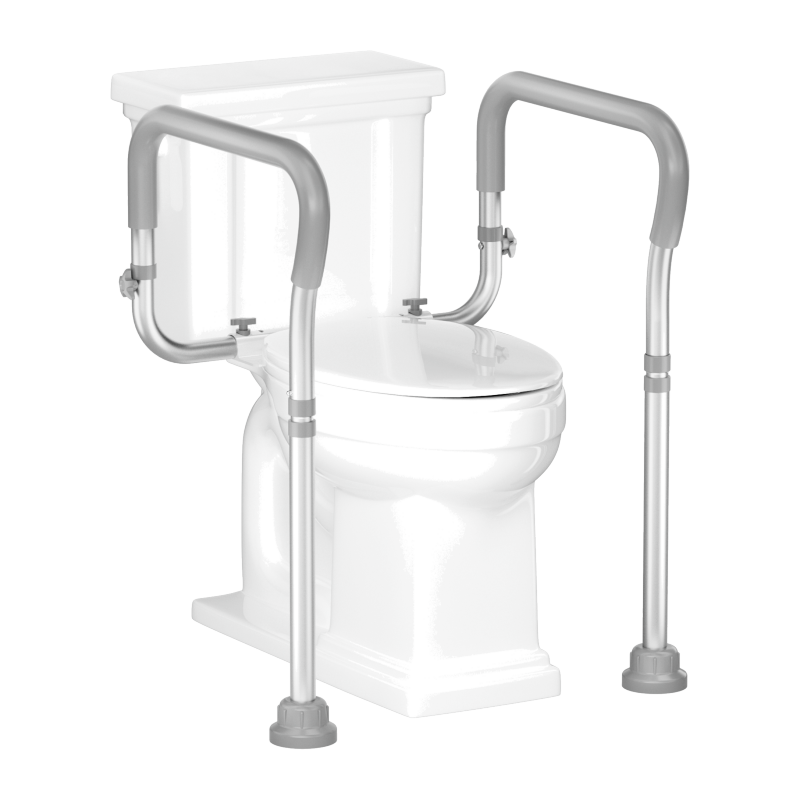
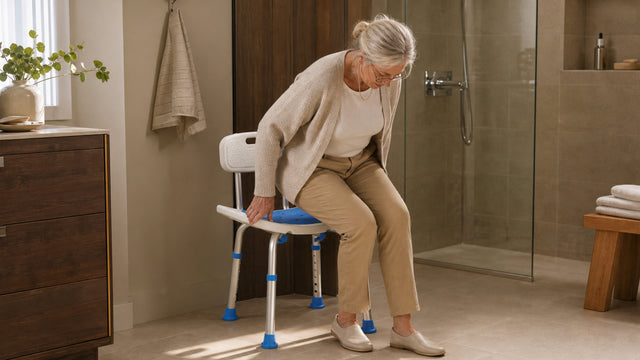
Physical therapists often recommend evaluating the bathroom first, since that's where many of the most physically demanding caregiving moments happen. A shower chair means your loved one can bathe more safely and independently, reducing the need for constant hands-on assistance. A toilet safety rail gives them the support to sit and stand on their own, which reduces both the physical assistance you need to provide and the anxiety both of you feel about falls.
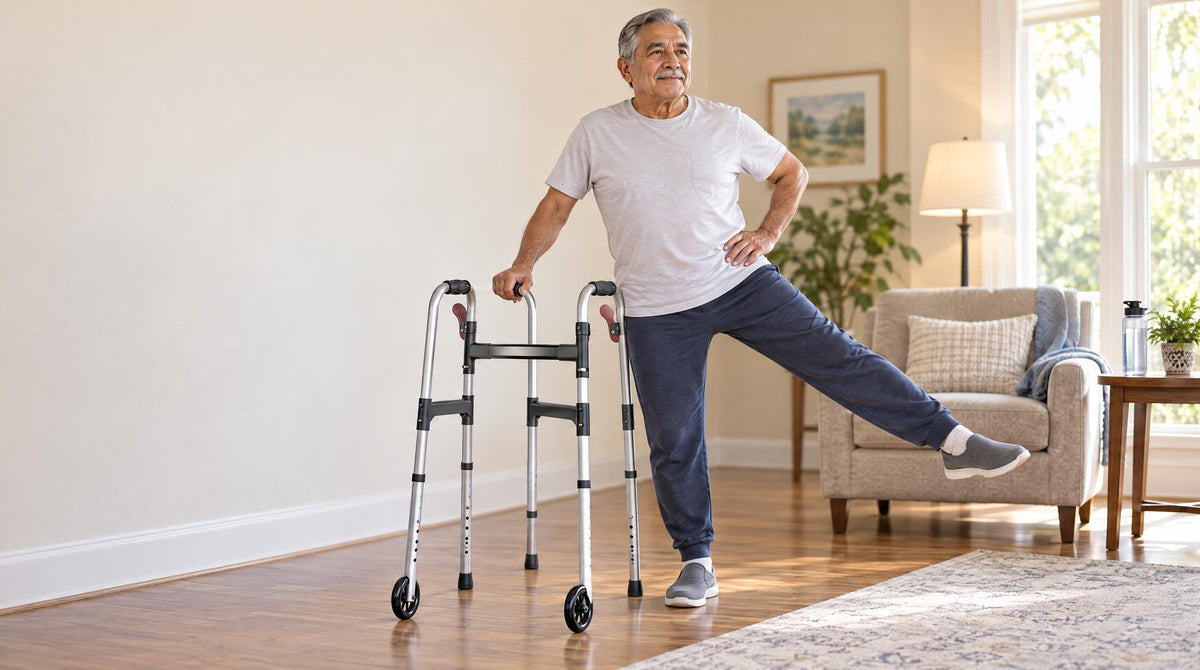
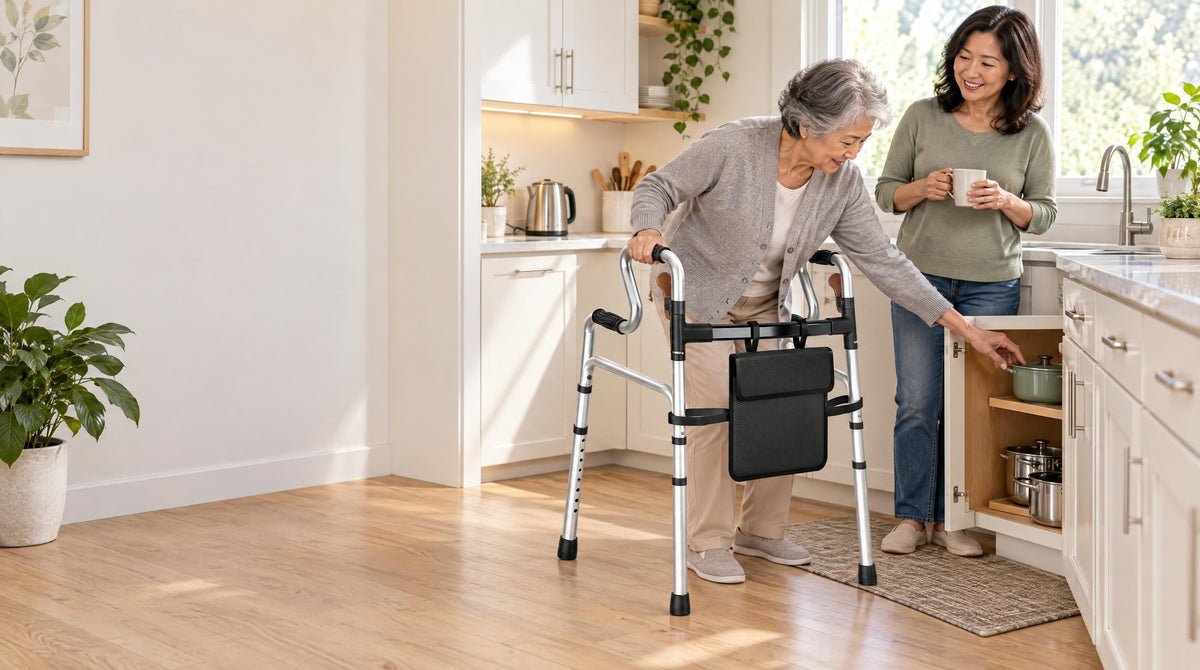
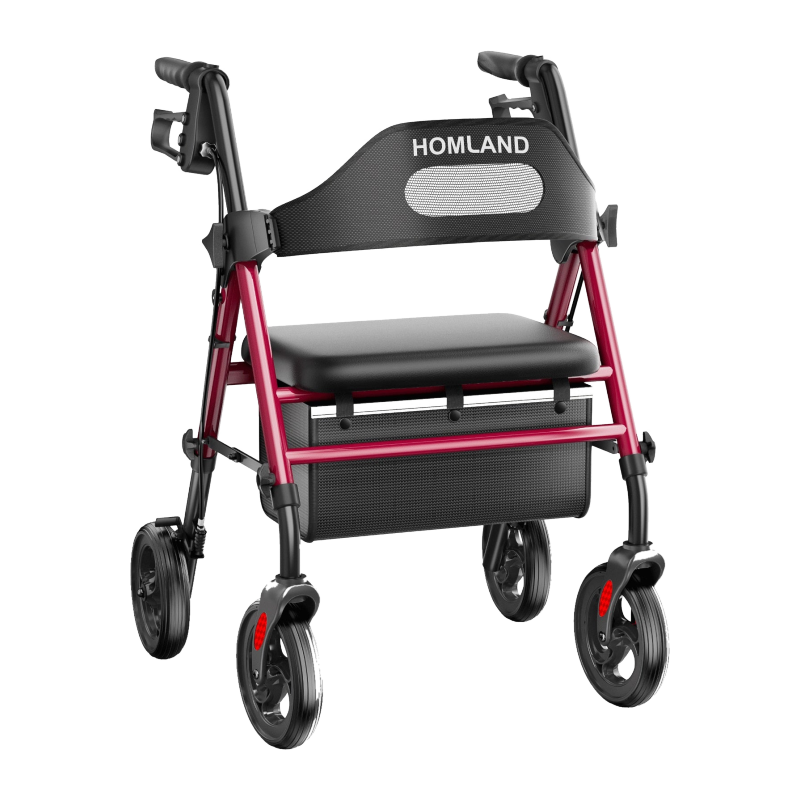
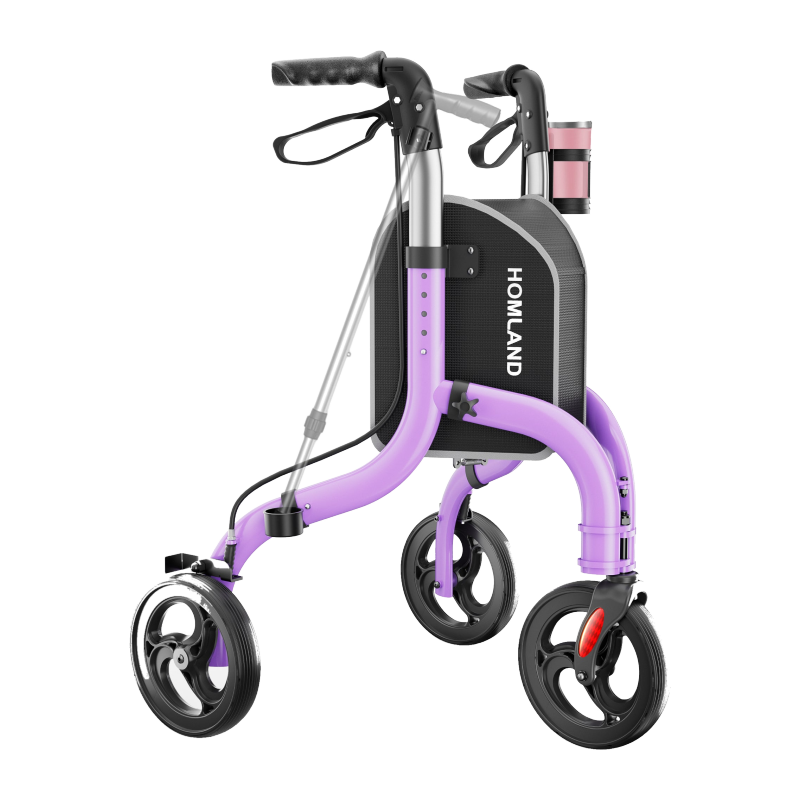
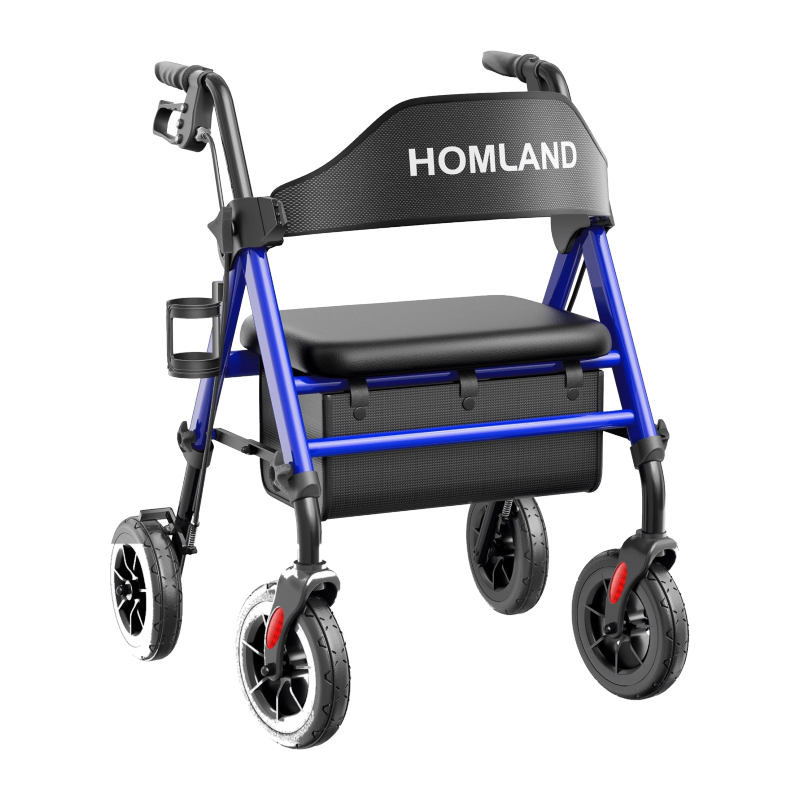
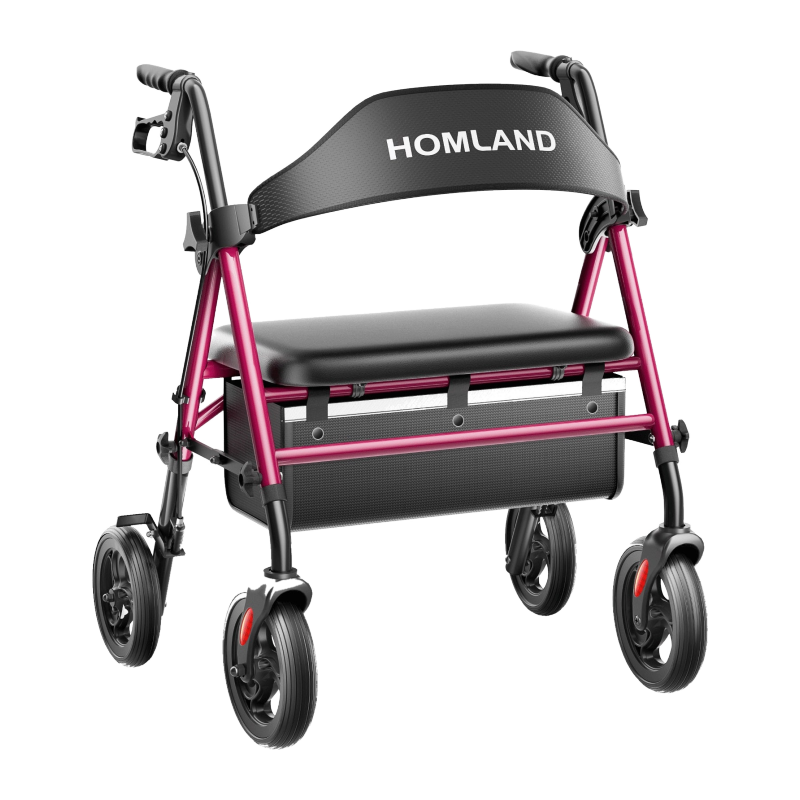
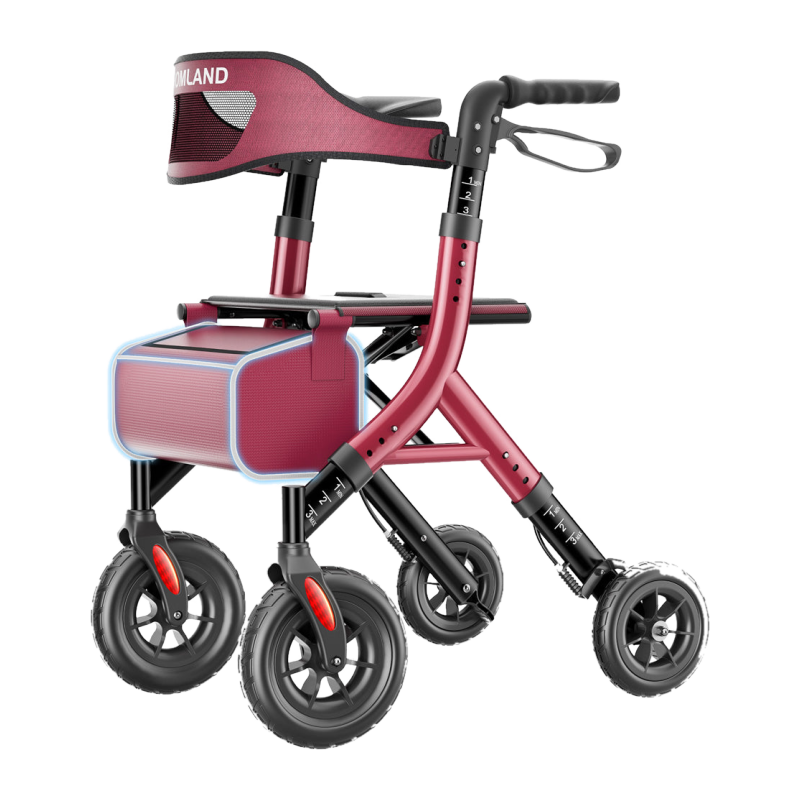
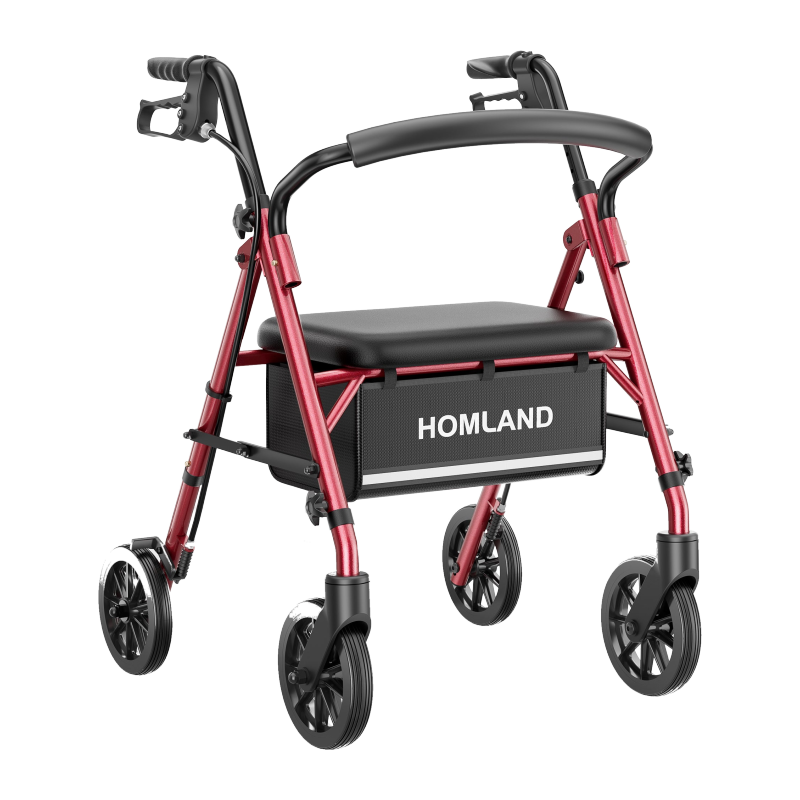
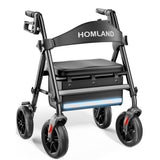
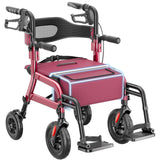
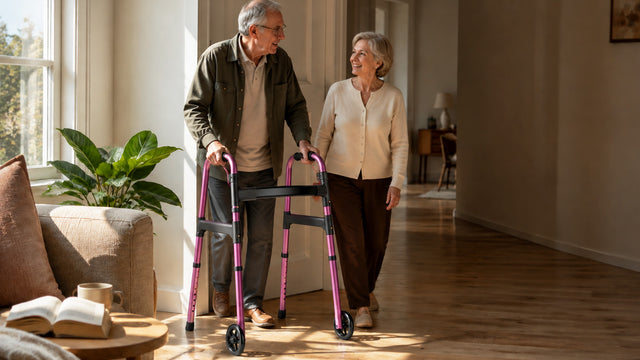
Mobility through the home is another key area. A quality rolling walker or standard walker allows your loved one to move through the house with confidence and stability — which means fewer moments when you need to be physically present as a steadying force. Bed rails can make the transition from lying down to sitting up something your loved one can manage themselves, even in the middle of the night, without needing to wake you.
These aren't just products — they're tools that restore a sense of independence to the person being cared for while genuinely lightening your load. HOMLAND's full range of home-safety equipment is FSA/HSA eligible, backed by a 1-year manufacturer warranty plus 1-year extended warranty, and ships from a US local warehouse for fast delivery when you need it. Every product is authorized by licensed Doctors of Physical Therapy. You can explore the full lineup at HOMLAND's product collection.
Supporting Yourself So You Can Support Others
There's a reason the airplane safety briefing tells you to put on your own oxygen mask before assisting others. It's not selfish — it's logical. You cannot pour from an empty cup, and the person you're caring for needs you to be well. Taking care of your own health, sleep, emotional life, and social connections is not a luxury or an afterthought. It is, quite literally, part of providing good care.
Recovery from caregiver burnout takes time, but it starts with a single honest moment of acknowledging that you matter too. From there, each small step — accepting help, setting up the home more smartly, talking to someone, protecting a few minutes each day for yourself — adds up to something sustainable. You don't have to do this alone, and you don't have to do it perfectly. You just have to keep going, with support, one day at a time.
Final Thoughts
Caregiver burnout is not a reflection of how much you love someone. It's a reflection of how much you've been carrying. Recognizing the warning signs early, giving yourself permission to recover, and building a home environment that reduces the daily physical load can make an enormous difference — not just for you, but for the person you care for.
When everyday tasks become safer and more manageable, both of you get something back: your loved one gets more independence and dignity, and you get breathing room. That's the heart of what caregiving at its best looks like — not one person exhausting themselves for another, but two people finding a way to move through daily life with confidence and care.
Need Help Setting Up a Safer Home?
HOMLAND's home-safety products are designed to give your loved one more independence — and give you more peace of mind. From shower chairs to bed rails to walkers, every product is DPT-authorized, FSA/HSA eligible, and backed by a 2-year total warranty. If you have questions about which products are right for your situation, our team is here to help.
Contact Us