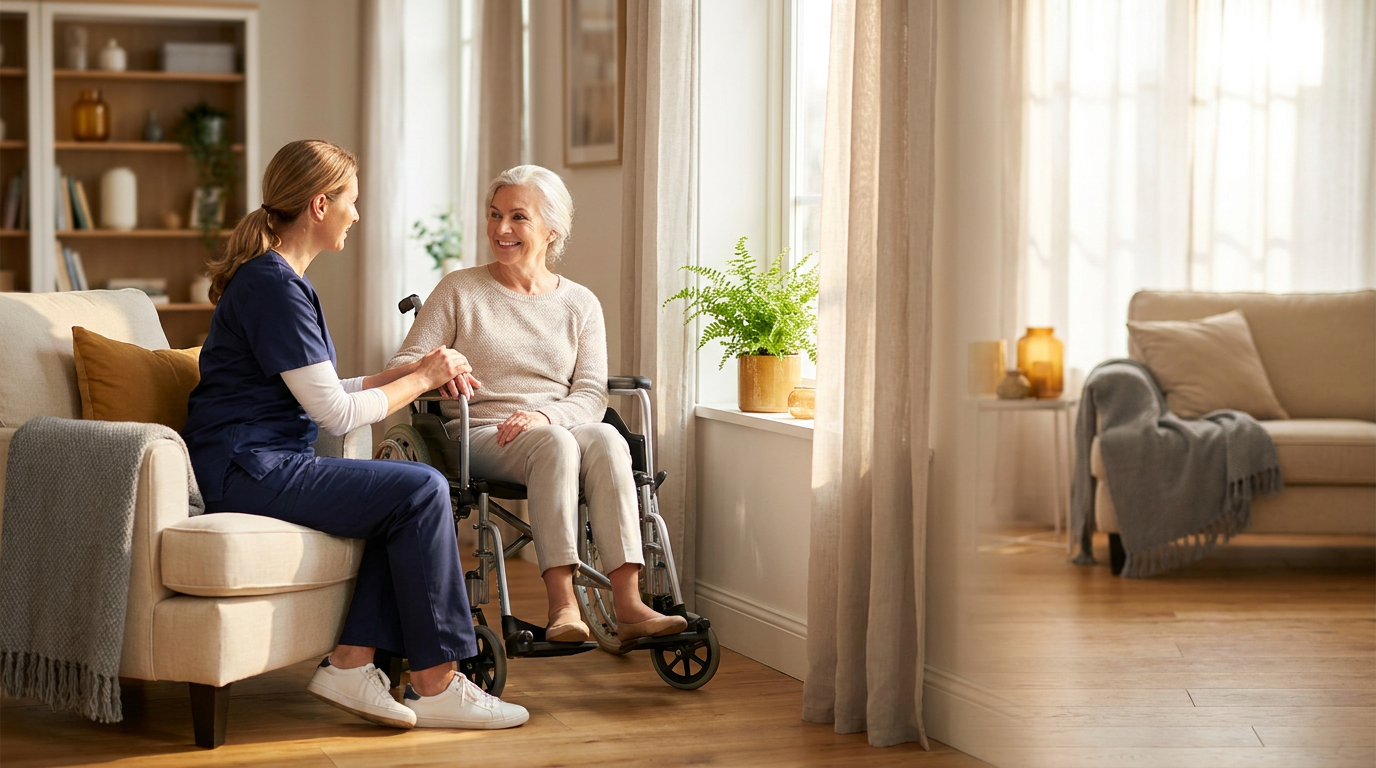



Caregiving is one of the most generous things a person can do — and one of the most quietly exhausting. Whether you're helping a parent navigate life after a hip replacement, supporting a spouse through Parkinson's disease, or simply making sure an aging loved one can safely move through their own home each day, the emotional and physical weight adds up fast.
If you've ever felt like you're the only one carrying all of this, you're far from alone. According to AARP and the National Alliance for Caregiving, nearly 42 million Americans provide unpaid care to an adult loved one. That's a staggering number of people doing an enormous amount of work — most of them without a roadmap, a break, or someone to simply say, "I understand what you're going through."
This guide is here to change that. Below, you'll find a comprehensive look at the best caregiver support groups available online and in your local community, practical advice on what to look for when choosing a group, and a few thoughts on how making your loved one's home environment safer can actually lighten your load as a caregiver — so both of you can breathe a little easier.
Why Caregivers Need Support (And Why It's Okay to Ask for It)
There's a common misconception that asking for help means you're not doing enough. In reality, the opposite is true. Caregiving is a role that was never meant to be carried alone, and the research backs this up clearly. Studies show that unpaid family caregivers report significantly higher rates of anxiety, depression, and physical illness than non-caregivers — and those who lack social support experience the worst outcomes of all.
The emotional toll is real and valid. You may be grieving a version of your loved one that no longer exists. You may be navigating family disagreements about care decisions. You may be lying awake at night wondering if you did enough, said the right thing, or made the right call. A caregiver support group doesn't fix all of that — but it gives you a room full of people who truly get it, which can make an enormous difference.
Support groups also serve a practical function. Other caregivers can share what's worked, what hasn't, and what resources they've discovered along the way. That peer knowledge is incredibly valuable, especially in those early weeks when everything feels overwhelming and unfamiliar.
What to Look for in a Caregiver Support Group
Not every group will be the right fit, and that's completely normal. Before committing to a community, it helps to think through a few questions:
- Is it condition-specific or general? Groups focused on Alzheimer's, Parkinson's, stroke, or cancer can be incredibly helpful if you're navigating a specific diagnosis. General caregiver groups offer broader perspective and may feel less overwhelming if you're new to the role.
- Is the tone right for you? Some groups are very emotionally open and expressive; others are more practical and solution-focused. Neither is better — it depends on what you need.
- Is it professionally moderated? Facilitated groups (led by a social worker, counselor, or trained volunteer) tend to be better structured and can be especially helpful if conversations tend to get heavy.
- How often does it meet? Consistency matters. A group that meets weekly builds more trust and continuity than one that meets occasionally.
- Online or in-person? Online groups offer flexibility and access from anywhere. In-person groups offer face-to-face connection and sometimes more tangible, local support. Many caregivers find value in both.
Best Online Caregiver Support Groups
Online support groups have become an essential lifeline — particularly for caregivers in rural areas, those with limited transportation, or anyone caring for someone who can't be left alone for long stretches. Most are free to join and accessible any time of day or night, which fits the reality of caregiving schedules that don't follow a 9-to-5.
Memory and Dementia Caregiver Groups
Caring for someone with Alzheimer's or another form of dementia comes with its own particular set of challenges — the grief of watching someone you love change, the constant vigilance, the unpredictability. These communities understand that experience from the inside:
- Memory People (Facebook): Founded by an Alzheimer's patient named Rick Phelps, this private group welcomes both patients and caregivers to share their stories in a safe, understanding space.
- Dementia Caregivers Support Group (Facebook): A private community focused on providing a safe haven for caregivers to express their feelings honestly and find solidarity with others in similar situations.
- The Purple Sherpa Basecamp (Facebook): Created by a primary caregiver and daughter of an Alzheimer's patient, this group focuses on breaking the isolation that so many dementia caregivers feel.
- Alzheimer's and Dementia Caregivers Support Chat Group (Facebook): Known for its honest, sometimes humor-laced conversations, this group values authenticity and real-world perspective over polished presentations.
- Caring for Spouse with Dementia (Facebook): A specialized community for partners and spouses navigating the unique emotional complexity of caring for a husband or wife with dementia.
Family Caregiver Communities
If you're a son, daughter, sibling, or spouse who stepped into a caregiving role — perhaps without much warning — these communities were built with you in mind:
- AgingCare Caregiver Forum: An active message board where caregivers can post questions and receive answers from a large, engaged community. Questions range from practical logistics to deeply personal emotional struggles. Anyone can read, but you'll need a free account to post.
- Caregiver Support Community (Facebook): A welcoming space specifically for family caregivers — not professional care workers or salespeople. New members are asked to briefly share their caregiving story before joining.
- Caring for Elderly Parents (Facebook): A place to vent, ask questions, or simply be heard without judgment. The group acknowledges upfront that this role can be one of the hardest things you'll ever do.
- Working Daughter (Facebook): Specifically designed for women managing caregiving alongside a career and, often, raising their own children. A practical, empowering community for a generation doing double (and triple) duty.
- Family Caregiver Alliance Online Groups: FCA offers moderated online support groups for caregivers of people with physical and cognitive conditions, including dedicated spaces for LGBTQ+ caregivers and young adult caregivers.
General Online Support Communities
- The Caregiver Space Community (Facebook): Open to both family and professional caregivers, this group of 7,000+ members focuses on connection and shared experience across a wide range of caregiving situations.
- Caregivers Hub Support Group (Facebook): Particularly helpful for those newer to caregiving who want to learn from more experienced members. Veteran caregivers in this group openly share what they wish they'd known earlier.
- Caregivers Connect (Facebook): A resource-sharing and encouragement community that actively welcomes new members and encourages people to invite others who might benefit.
How to Find In-Person Caregiver Support Groups Near You
For many caregivers, nothing quite replaces the warmth of sitting across from someone who truly understands your situation. In-person groups also tend to develop deeper bonds over time, and fellow local members may be able to offer practical help — a shared recommendation for a local respite service, a physician referral, or simply a coffee and a conversation outside of your own four walls.
National Organizations with Local Chapters
Each of these organizations maintains a searchable directory of local support groups. Enter your ZIP code to find meetings near you:
- Alzheimer's Association: Offers a nationwide map of caregiver support groups, all facilitated by trained leaders. Visit alz.org to search by location.
- Parkinson's Foundation: Use their online locator to find local chapters offering in-person caregiver support groups and resources at parkinson.org.
- American Cancer Society: Their resource search tool helps you find local support programs for specific cancer types. Visit cancer.org and filter by support services and ZIP code.
- VA Caregiver Support Program: The VA's National Caregiver Support Line (1-855-260-3274) connects veterans' caregivers with local Caregiver Support Coordinators. Available Monday through Friday, 8 a.m. to 8 p.m. EST.
- Mental Health America: Their support group finder helps caregivers locate local peer-led or professionally facilitated groups for a wide range of mental health and caregiving situations at mhanational.org.
- National Stroke Association: Their Stroke Support Group Finder connects caregivers and family members with local groups, typically held at nearby hospitals and led by professional counselors.
Local and Community-Based Resources
Beyond national organizations, your own community likely has more resources than you might expect. Your local Area Agency on Aging (searchable at eldercare.acl.gov) is one of the best starting points — they maintain listings of local support groups, respite care programs, and community services tailored to your area. Hospitals, rehabilitation centers, community centers, churches, and even some libraries also host regular caregiver support meetings that never make it into online directories.
Don't underestimate word of mouth either. If you're already connected with a physical therapist, home health aide, or specialist who works with your loved one, ask them directly — these professionals often know exactly where the most active and helpful local caregiver communities are meeting.
Reducing the Physical Burden: Making Home Safer for You and Your Loved One
Emotional support matters enormously — but so does reducing the day-to-day physical strain that wears caregivers down. A significant portion of caregiver stress and injury comes from assisting with tasks that could be made safer and more independent with the right home modifications. Physical therapists frequently recommend creating a home environment that allows your loved one to do as much as possible on their own — not because it's cheaper, but because independence genuinely supports recovery, confidence, and dignity.
Think about the moments that create the most strain in your day: helping someone in and out of the shower, steadying them on the way to the bathroom in the middle of the night, watching anxiously as they navigate stairs or a slippery floor. Many of these moments can be transformed with the right equipment.
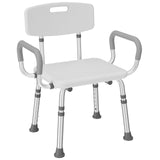
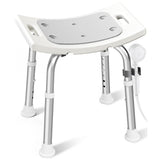
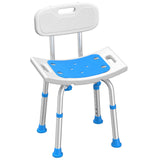
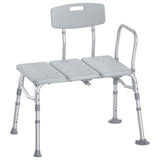
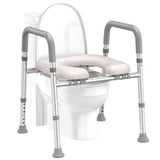
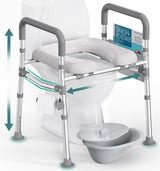
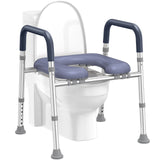
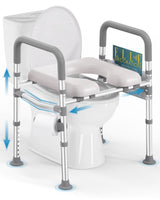
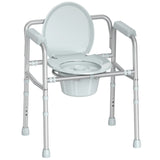
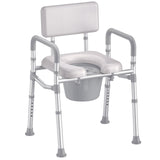
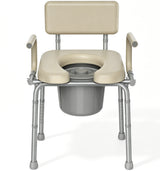
For bathing, a quality shower chair gives your loved one the stability to bathe safely without needing you to be right there — restoring their privacy and reducing your physical involvement. In the bathroom, toilet safety rails provide the leverage needed to sit and stand without assistance. For nighttime needs, a bedside commode eliminates the riskiest trip of the day entirely.
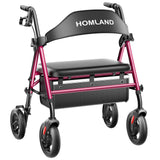
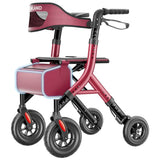
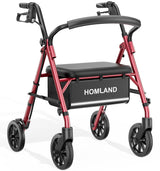
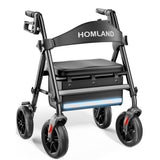
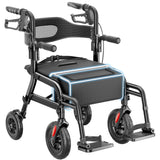
For those recovering from surgery or managing a condition that affects balance, a rolling walker or standard walker can restore the confidence to move through the home independently. And for anyone who needs extra security getting in and out of bed, bed rails offer a reliable handhold that doesn't require waking you up at 2 a.m.
Every piece of equipment that gives your loved one safe independence is also a gift to you as a caregiver. All HOMLAND products are FSA/HSA eligible, backed by a 1-year manufacturer warranty plus 1-year extended warranty, and ship from a US local warehouse — so you can get what you need quickly, without the wait. Explore the full range at HOMLAND's complete product collection.
Recognizing Caregiver Burnout Before It Happens
Burnout doesn't arrive all at once — it creeps in gradually, often disguised as irritability, forgetfulness, or just feeling relentlessly tired no matter how much you sleep. Many caregivers dismiss these signs for months before acknowledging that they're struggling. By the time burnout is undeniable, it's often significantly impacted both the caregiver's health and the quality of care they're able to provide.
Some early warning signs worth paying attention to include: withdrawing from friends and activities you used to enjoy, feeling resentment toward the person you're caring for (and then guilt about that resentment), physical symptoms like headaches, digestive issues, or frequent illness, difficulty concentrating, and a sense of hopelessness about the future. None of these feelings make you a bad caregiver — they make you human, and they're a signal that you need and deserve more support.
A caregiver support group is often one of the first places these feelings can be safely named and addressed. Many experienced members of these communities have been exactly where you are now — and have found their way through it.
How to Get Started with a Support Group Today
If you've been putting this off — telling yourself you'll look into it when things calm down — the truth is that things rarely calm down on their own in caregiving. Starting is simpler than it feels from the outside.
For online Facebook groups, the process is straightforward: search for the group by name, click "Join Group," and follow any instructions in the group description. Most private groups only ask you to share a brief note about your caregiving situation before approving your request. Your activity in these groups is visible only to other members — not to your general Facebook connections.
For in-person groups, visit your local Area Agency on Aging website or call 1-800-677-1116 (the Eldercare Locator) to find meetings near you. You can also call any of the national organizations listed above — most have staff who can personally help connect you with a local group that fits your situation.
And if a support group isn't the right fit right now, that's okay too. Sometimes the most important first step is simply acknowledging that caregiving is hard, that you matter as much as the person you're caring for, and that asking for help — in any form — is a sign of strength, not weakness.
Caregiving is an act of love — but love alone doesn't prevent exhaustion, and it doesn't make the hard days easier without some support behind it. Whether you find your people in an online Facebook community at midnight or around a table at a local hospital meeting on Thursday afternoons, the right support group can be genuinely life-changing.
At the same time, the environment your loved one lives in matters just as much as the support you're receiving. A home set up for safety, comfort, and independence reduces the daily burden on both of you — giving your loved one more confidence and giving you more room to breathe. That's the philosophy HOMLAND is built on: Home, not hospital. Independence, not dependency. Dignity, every day.
Need Help Choosing the Right Home Safety Equipment?
Our team is happy to help you find the right solution for your loved one's needs — whether you're supporting recovery after surgery, managing a mobility challenge, or simply making home safer for the years ahead. All HOMLAND products are FSA/HSA eligible and backed by a 2-year total warranty.
Contact Us — We're Here to Help