

There comes a point for many families when a loved one needs a little more support than the household can provide on its own — but nowhere near enough to leave home for a facility. Maybe it's your dad recovering from knee surgery, or your mom who's started to struggle with bathing and meal prep on her own. That's exactly where a home health aide fits in.
A home health aide is a trained professional who comes directly to your home to help with daily routines, personal care, and basic health monitoring — all so the person you care about can keep living on their own terms. According to the U.S. Bureau of Labor Statistics, home health and personal care aides held about 4.3 million jobs in 2024, a number projected to grow 17% by 2034 as more Americans choose to age in place rather than move to a facility.
This guide covers everything you need to know: what home health aides do day-to-day, how much they cost, how to find and hire one, and how to set up your home so that professional support and the right safety equipment work together for maximum confidence and independence.
What Is a Home Health Aide?
A home health aide (HHA) is a trained care professional who provides personal assistance and basic health-related support to individuals in their own homes. They most often work with seniors, people recovering from surgery or illness, and adults with chronic conditions or limited mobility. The entire goal of the role, as the Bureau of Labor Statistics describes it, is to provide support that allows people to remain safely and comfortably at home — not to replace what someone can do for themselves, but to fill in the gaps that make daily life difficult or risky without a little help.
Think about the difference it would make for someone stepping into the shower two weeks after a hip replacement, or getting dressed when arthritis makes buttons feel like puzzles. A home health aide is the trained, trustworthy presence that makes those moments safer and less stressful — for the person receiving care and for the family watching over them.
Home Health Aide vs. Home Care Aide: What's the Difference?
These two terms are often used interchangeably, but there is a meaningful distinction worth understanding before you start your search.
- Home Care Aide (or Personal Care Aide): Focuses on non-medical support — things like meal preparation, light housekeeping, transportation, companionship, and help with bathing and dressing. No formal medical training is required beyond basic state-mandated orientation.
- Home Health Aide (HHA): Provides the same personal care as a home care aide, but also completes state-approved health training. This allows them to monitor vital signs, assist with prescribed exercises, follow a physician-directed care plan, and report changes in condition to a supervising nurse. Home health aides are supervised by a licensed nurse or physician.
- Skilled Home Health Care: A step above HHAs, this involves licensed nurses, physical therapists, or occupational therapists delivering medically prescribed treatment. This is typically what Medicare covers under a doctor's care plan.
For most families caring for a senior or someone recovering at home, a home health aide strikes the right balance — trained enough to handle health monitoring and follow a care plan, while remaining focused on comfort and everyday independence rather than clinical treatment.
What Does a Home Health Aide Actually Do?
The day-to-day work of a home health aide is built around helping someone move through their normal routine with confidence. Physical therapists often describe this as supporting the "activities of daily living" — the everyday tasks that become challenging when mobility, strength, or cognitive ability changes. Here's a practical breakdown of what an aide typically handles:
Personal Care
- Helping with bathing, showering, grooming, and dressing
- Toileting assistance and incontinence support
- Oral hygiene and skin care
- Safe transfers in and out of bed, chairs, or the shower
Health Monitoring
- Checking and recording vital signs (pulse, blood pressure, temperature)
- Medication reminders and tracking whether prescriptions are taken as directed
- Observing and reporting changes in the person's health or behavior to a supervising nurse
- Assisting with prescribed exercises or basic mobility routines
Household Support
- Preparing meals according to dietary needs and preferences
- Light housekeeping — laundry, dishes, tidying living areas
- Grocery shopping, pharmacy runs, and other errands
- Transportation to medical appointments
Companionship and Emotional Support
- Providing conversation, social engagement, and a consistent caring presence
- Giving family caregivers time to rest — a role sometimes called respite care
- Helping the person stay connected to activities and routines they enjoy
One thing aides do not do: administer injections, provide wound care, or perform nursing procedures. Those services fall under skilled home health care and require a licensed nurse. Understanding this boundary helps you identify the right level of care from the start.
Training and Qualifications
Each state sets its own training requirements for home health aides, but the core curriculum is consistent across the country. State-approved programs typically cover infection control, vital signs, safe client transfers, fall prevention, emergency procedures, medication reminders, oral hygiene, skin care, and documentation. Training takes place at community colleges, vocational schools, or on the job at a home health agency.
Importantly, home health aides who work for agencies receiving Medicare or Medicaid funding must complete a state-approved training program and pass a competency evaluation. This is a meaningful quality signal when you're comparing your options. If you hire through a licensed agency, you can be confident that background checks, licensing verification, and ongoing supervision are handled for you.
How Much Does a Home Health Aide Cost?
The honest answer is: it depends — but there are reliable benchmarks to guide your planning. According to 2024–2025 cost-of-care data, the national median hourly rate for home health aide services falls between $30 and $35 per hour, with homemaker-level services averaging slightly lower and specialized care running higher. Rates vary significantly by state: states like California and New York tend to run $37 or more per hour, while more affordable options can be found in southern and midwestern states at closer to $25 per hour.
Here's a practical way to think about weekly and monthly costs based on common care schedules:
- Light support (8–10 hrs/week): Approximately $960–$1,350/month
- Moderate care (20–25 hrs/week): Approximately $2,400–$3,375/month
- Full-time care (40+ hrs/week): Approximately $4,800–$7,000+/month
- Around-the-clock care: National median approaches $21,000–$22,000/month
Agency-hired aides typically cost 20–30% more than independent (privately hired) aides because agencies handle payroll, insurance, background checks, and scheduling. That markup often represents genuine peace of mind, especially when you factor in what happens if an aide calls in sick or doesn't work out.
How to Pay for a Home Health Aide
Most families pay for home health aide services out of pocket, but several programs can help reduce the financial burden. Here's a clear-eyed look at the options:
Medicare
Medicare will cover home health aide services only when the person is also receiving skilled nursing care or therapy as part of a physician-ordered care plan, and only on a part-time or intermittent basis (up to 8 hours per day, up to 28–35 hours per week). Medicare does not cover aide services as a standalone benefit, and it does not cover long-term personal care, housekeeping, or companion care. For families whose loved one needs ongoing help with daily living rather than recovery from a specific medical event, Medicare will not foot the bill.
Medicaid
Medicaid provides broader, longer-term coverage than Medicare and is the primary payer for roughly two-thirds of all home care spending in the United States. For those who qualify financially and functionally, Medicaid can cover personal care and home health aide services through Home and Community Based Services (HCBS) waivers. Coverage details vary by state, so it's worth contacting your local Area Agency on Aging or State Medicaid office for specifics.
Long-Term Care Insurance
If your loved one has a long-term care insurance policy, it may cover a significant portion of home health aide costs. Review the policy carefully for benefit triggers (typically inability to perform two or more activities of daily living), elimination periods, and daily benefit limits.
Other Options
- Veterans benefits: The VA Aid and Attendance benefit can help qualifying veterans and surviving spouses pay for in-home care.
- Medicare Advantage (Part C): Some Medicare Advantage plans offer supplemental home care benefits beyond what Original Medicare covers — check your specific plan.
- Tax deductions: The medical portion of home health aide costs may qualify as a deductible medical expense on federal taxes. Non-medical services like housekeeping are generally not deductible. Consult a tax professional for guidance specific to your situation.
How to Hire a Home Health Aide: 5 Steps
Finding the right home health aide is a process that rewards a little patience and structure. Here's a step-by-step approach that works whether you're hiring through an agency or privately.
Assess your loved one's actual needs. Start with an honest conversation. Does your loved one need a few hours of help with personal care and meals, or do they need someone present most of the day? Are they recovering from surgery or managing a chronic condition that requires health monitoring? Write it down — this becomes your care brief. Physical therapists can be a valuable resource here for assessing mobility needs and fall risk.
Set your budget and explore payment options first. Before you call a single agency, spend an hour understanding what financial resources are available. Review insurance policies, Medicare eligibility, and any VA benefits. Knowing your budget upfront narrows the field quickly and prevents decisions driven purely by sticker shock.
Decide: agency or private hire. Hiring through an agency means the agency handles background checks, taxes, insurance, backup coverage, and supervision. A private hire may cost 20–30% less and gives you more direct control over who provides care — but you take on the administrative and legal responsibilities of being an employer. There's no universally right answer; the best choice depends on how much management bandwidth your family has.
Interview candidates with specific scenarios. Don't limit your questions to credentials. Ask how they'd handle a fall, how they manage a client who refuses help, or what they do when a person's condition changes unexpectedly. Ask about experience with conditions similar to your loved one's. Involve your loved one in the process wherever possible — their comfort with the person matters as much as any certification.
Create a clear care plan and check in regularly. Once you've made a hire, document expectations in writing: hours, specific tasks, communication protocols, and emergency contacts. Build in a check-in at 30 days and again at 90 days. Home care works best when it's collaborative — the aide, the family, and the person receiving care all on the same page.
Beyond the Aide: Setting Up a Safe Home
A home health aide is a powerful part of a care plan — but they can't be there 24 hours a day. The hours between visits are when a safe, well-equipped home does the heavy lifting. Physical therapists consistently recommend pairing professional aide support with the right home safety tools to give people genuine, around-the-clock confidence.
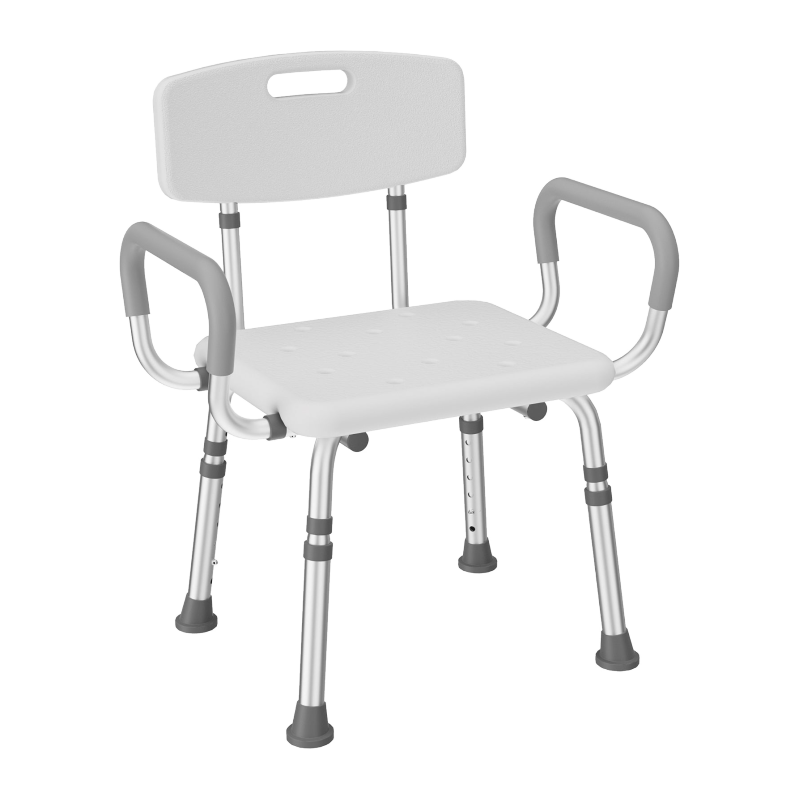
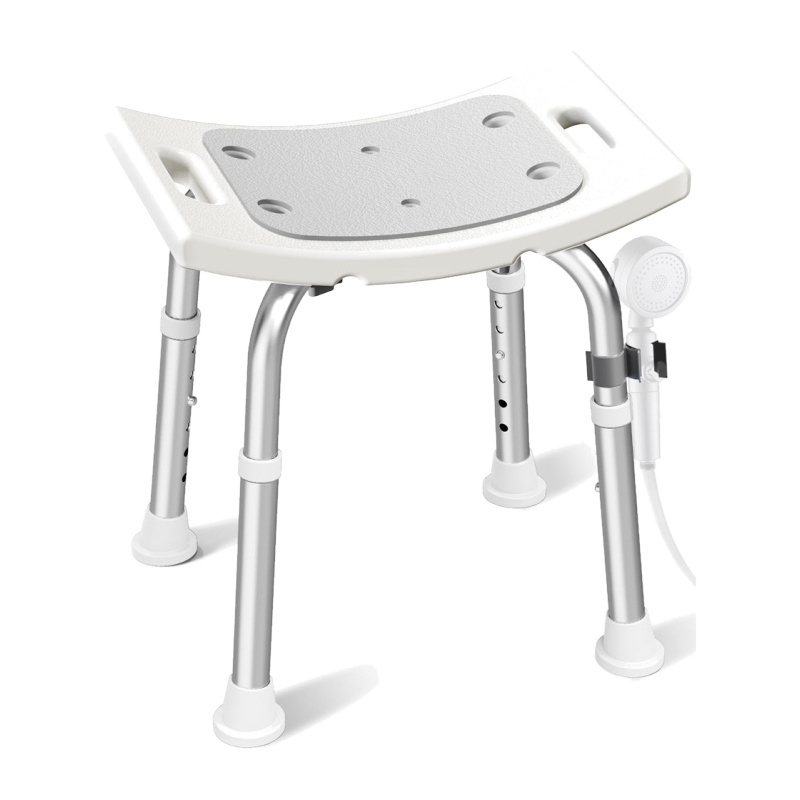
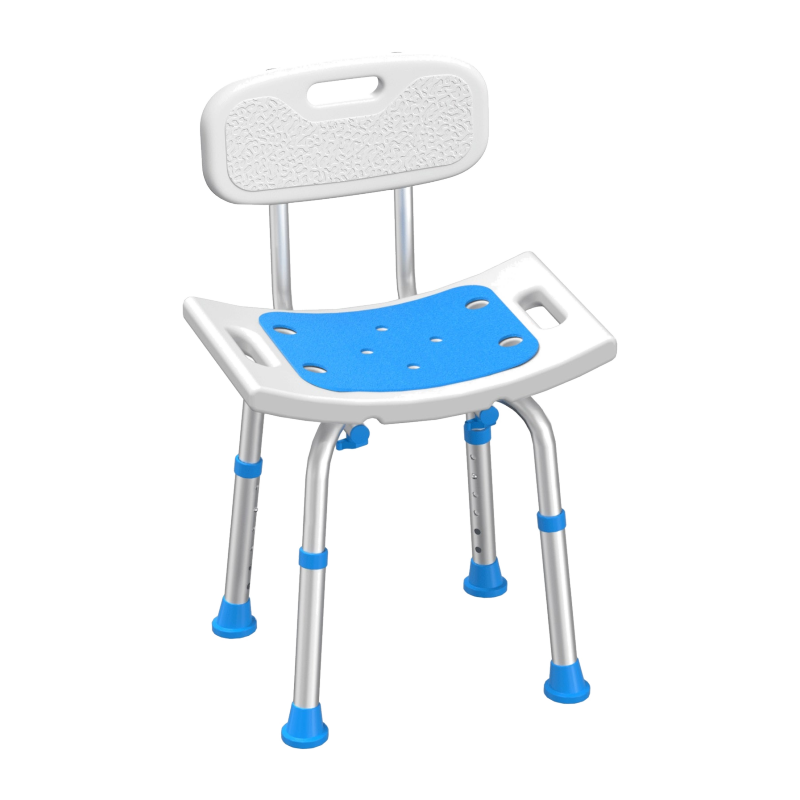
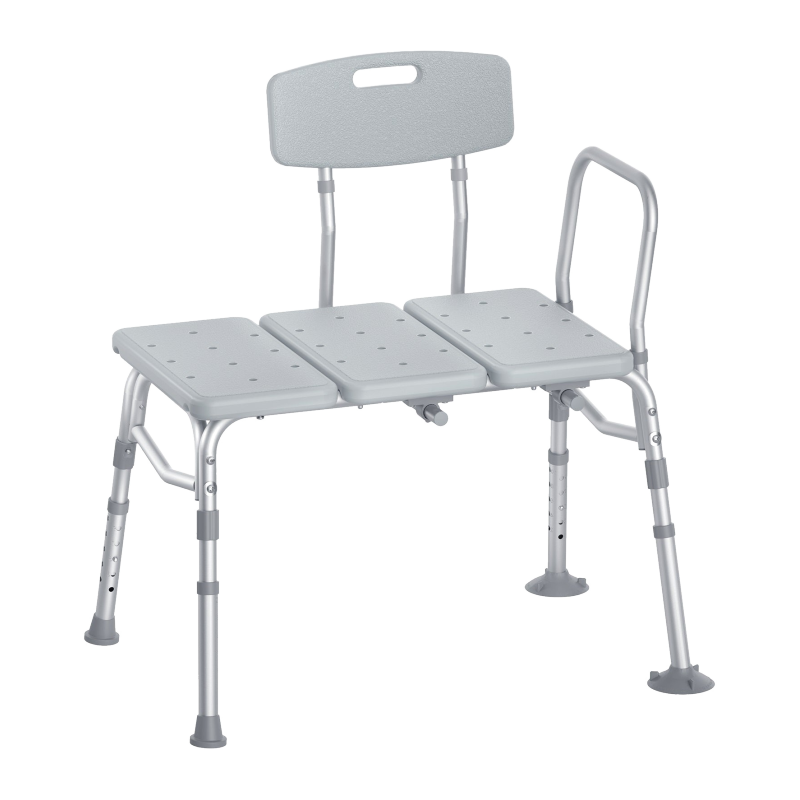
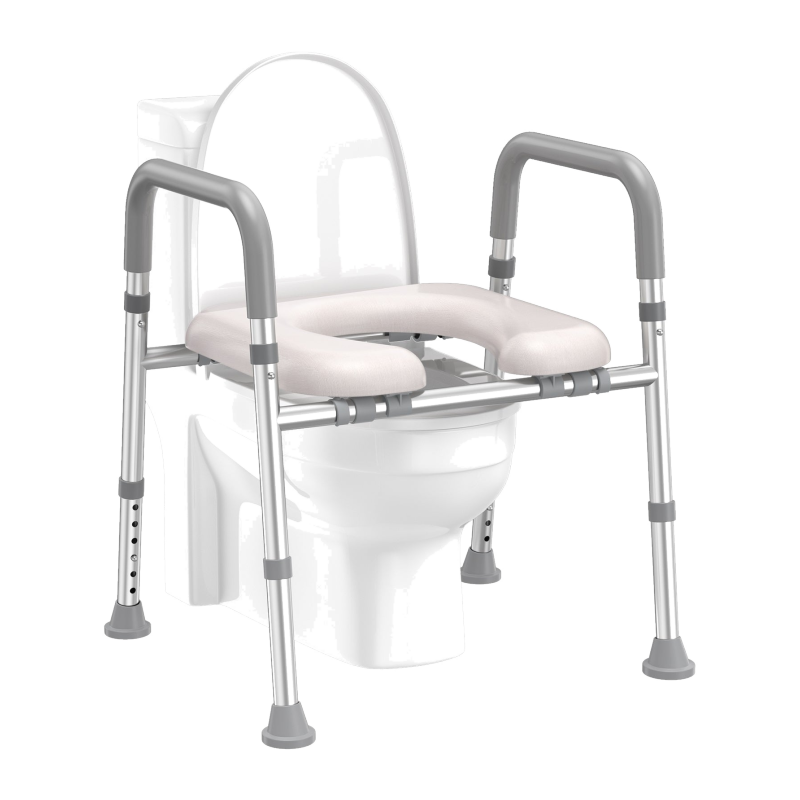
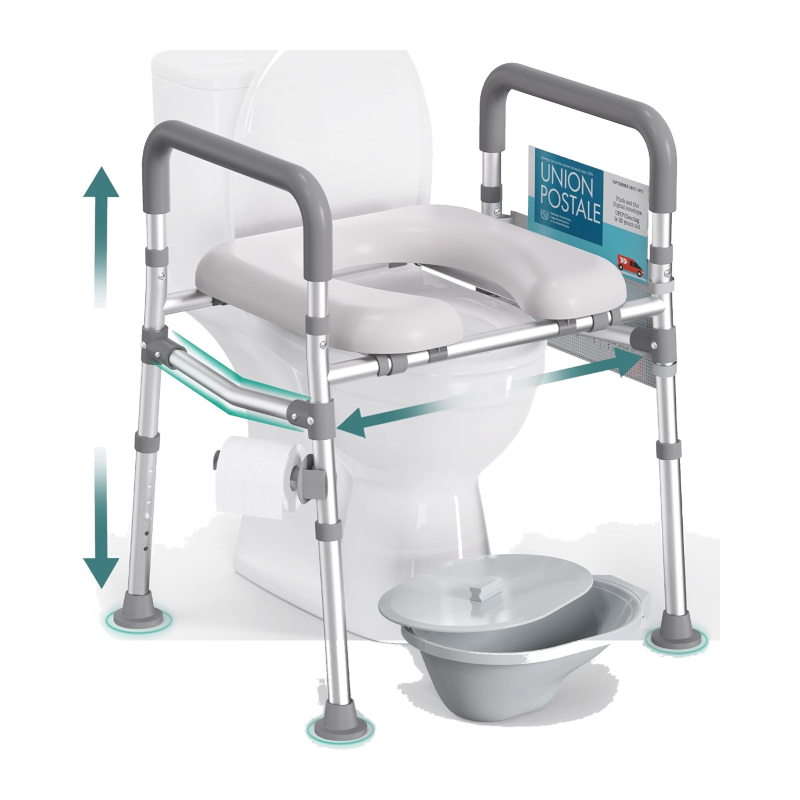
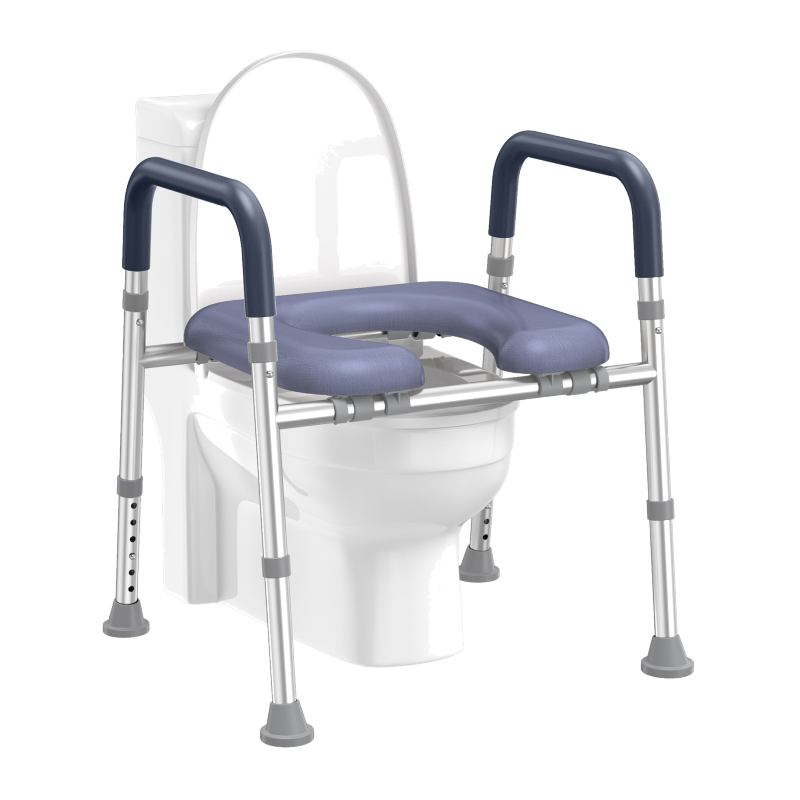
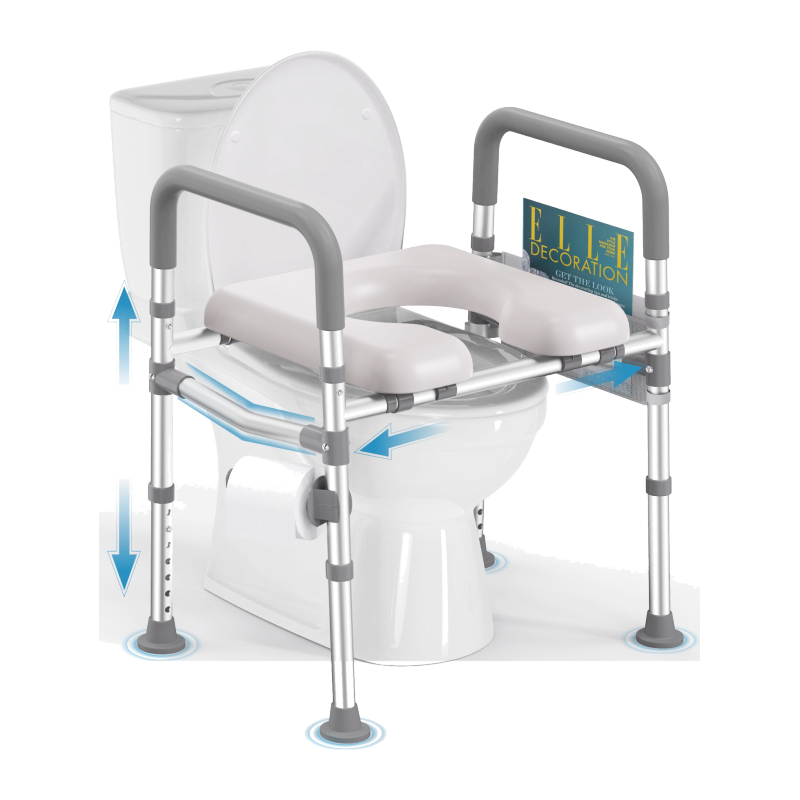
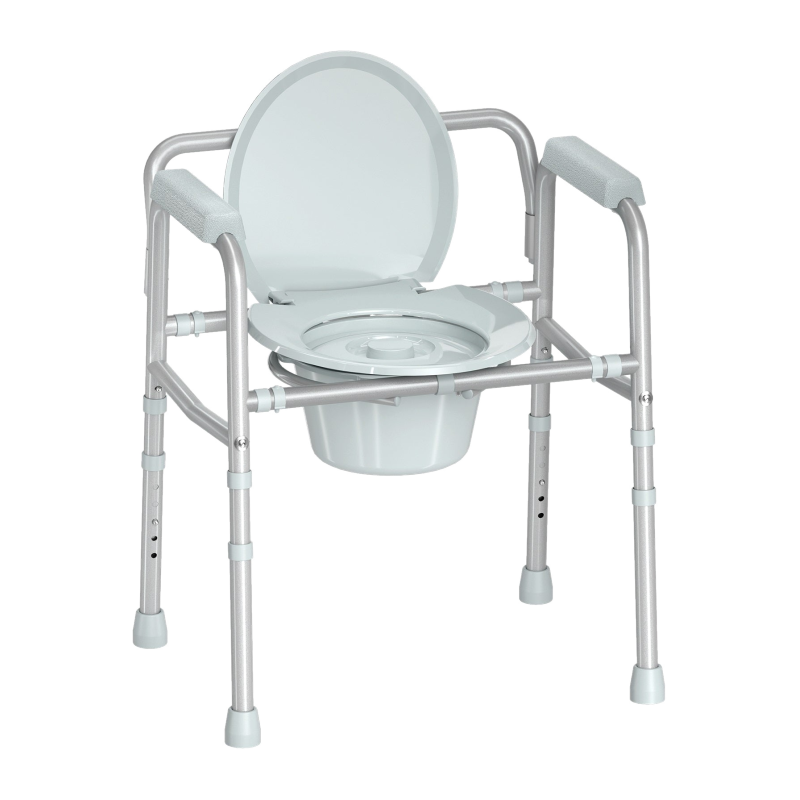
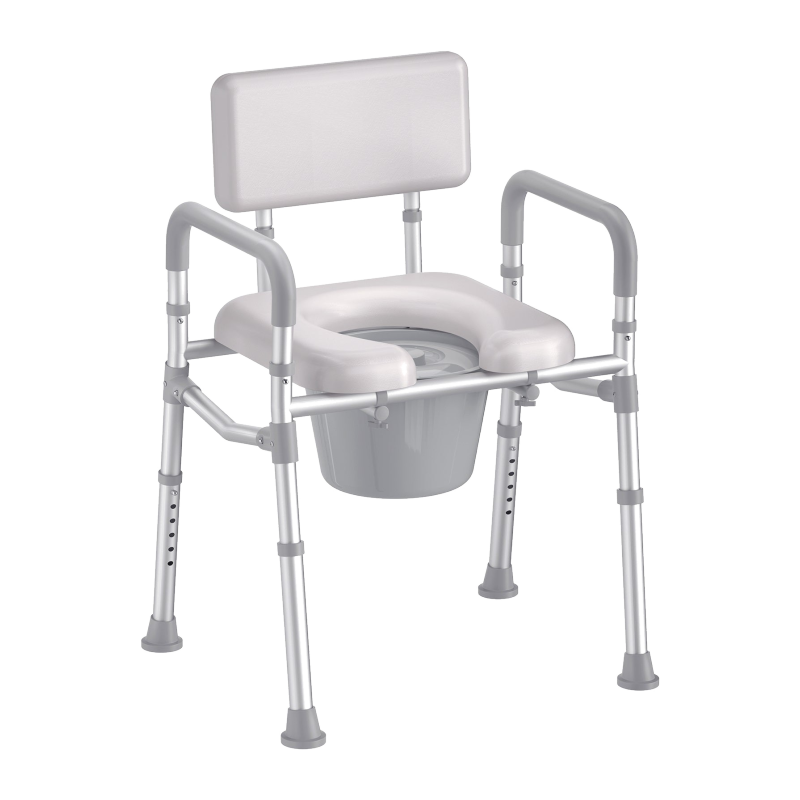
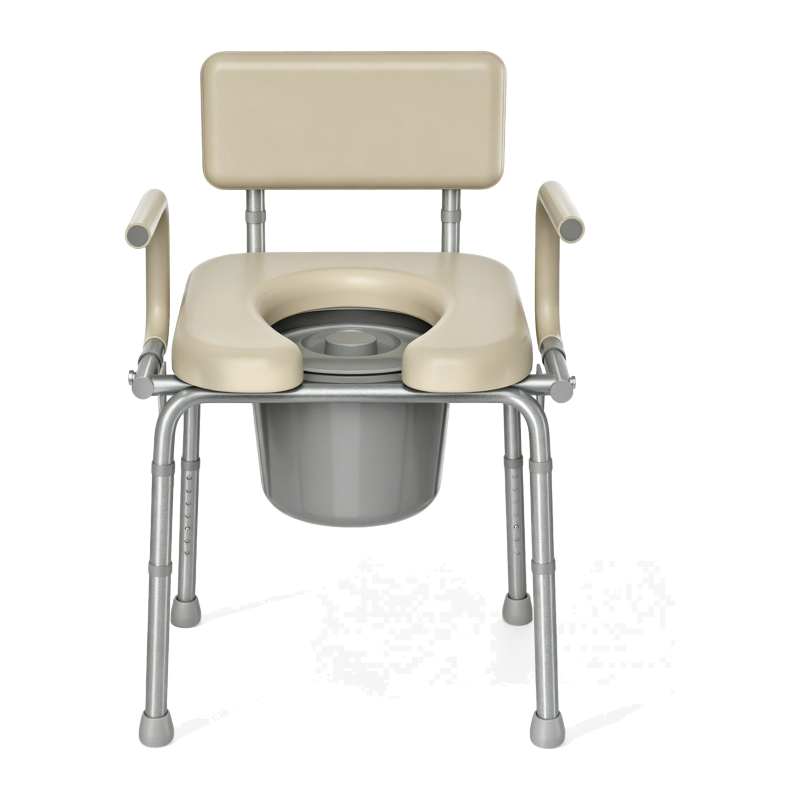
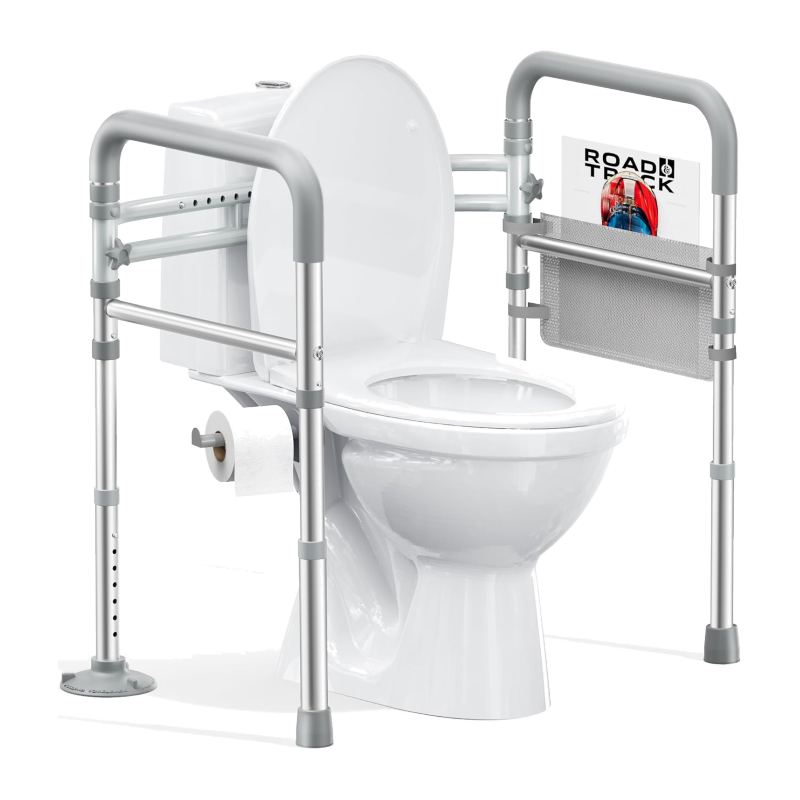
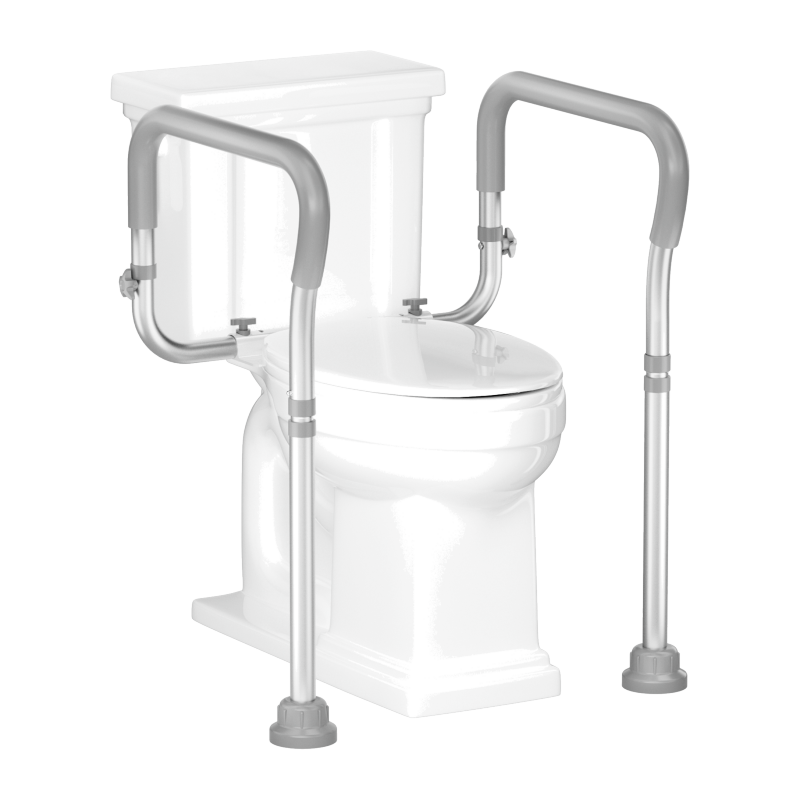
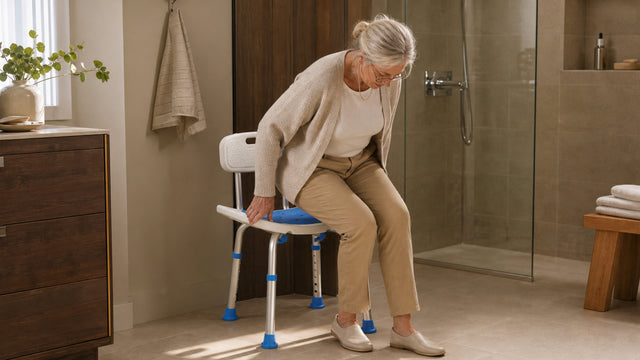
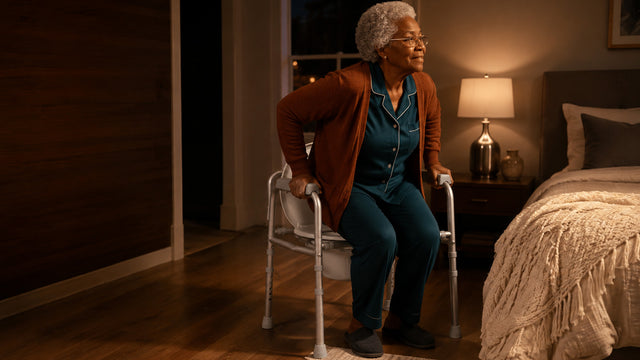
The bathroom is statistically the highest-risk area in the home for older adults, and it's one of the first places where the right equipment makes an immediate difference. A shower chair lets someone bathe safely without the risk of standing fatigue or slipping on a wet surface — especially important during post-surgery recovery. A raised toilet seat removes the strain of lowering and rising from a standard-height toilet, which physical therapists often flag as a significant fall risk after hip or knee procedures. Toilet safety rails add sturdy side support so someone can steady themselves confidently, even in the middle of the night when no aide is present.
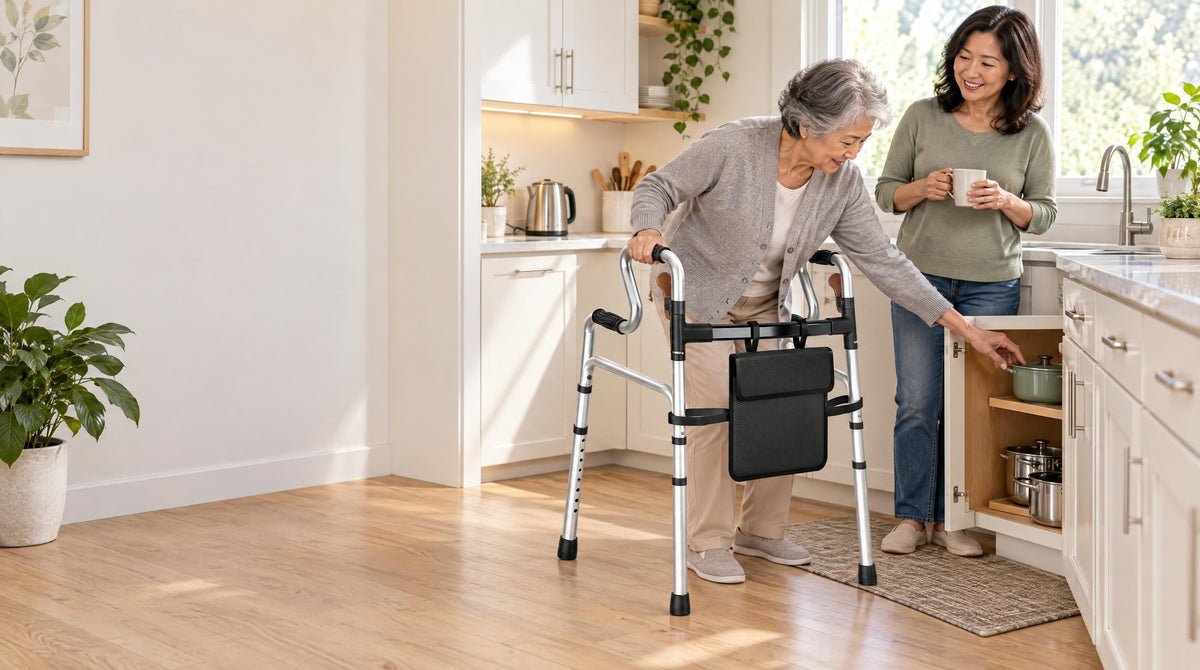
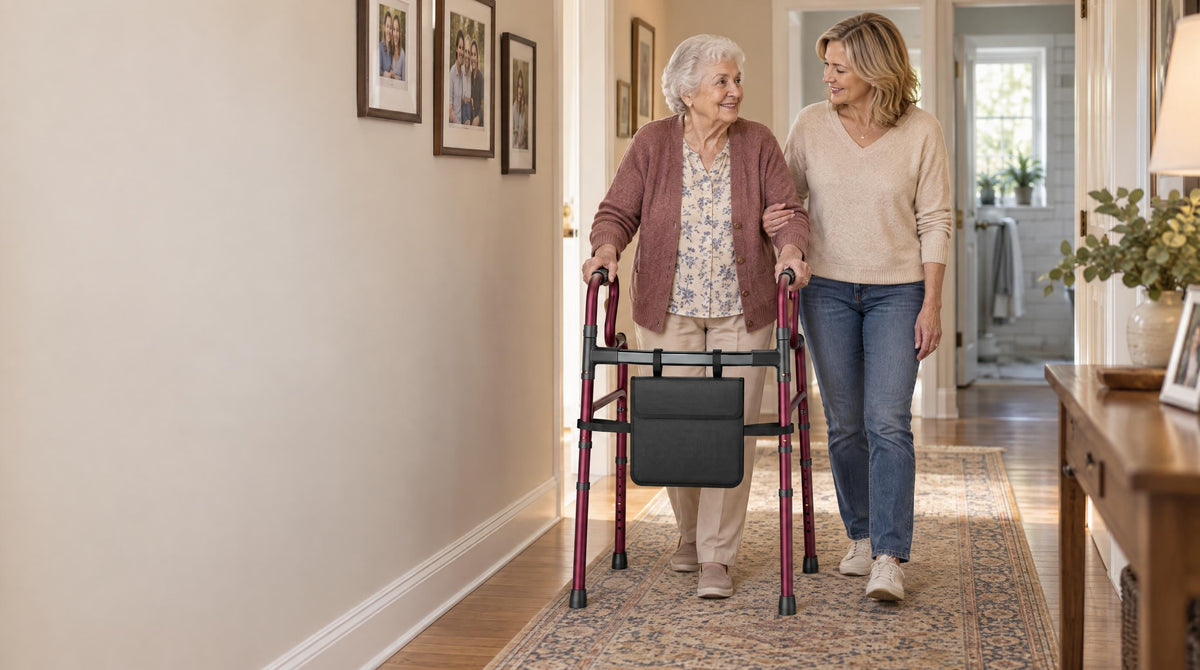
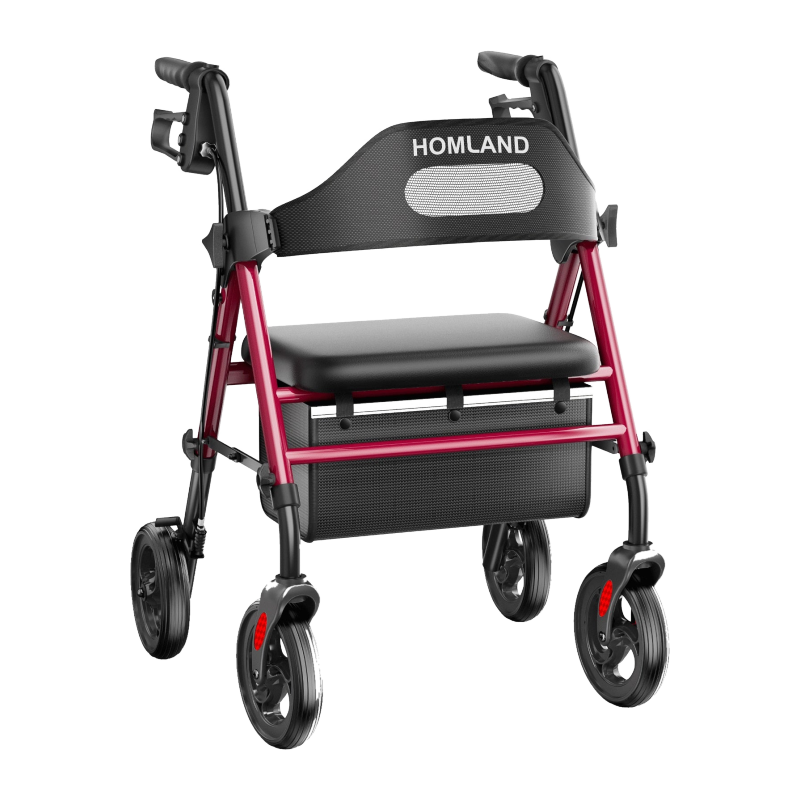
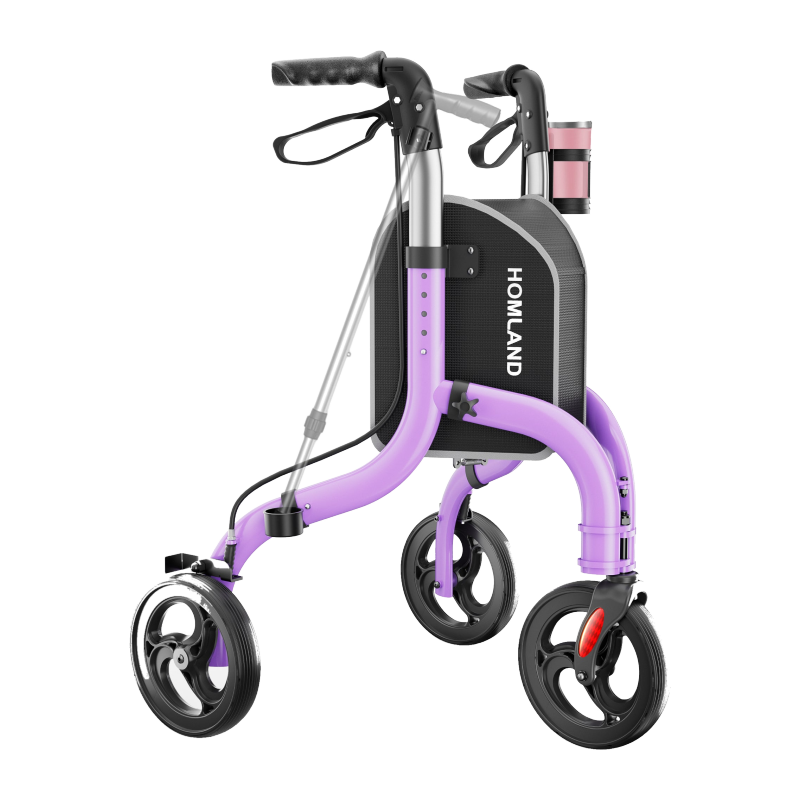
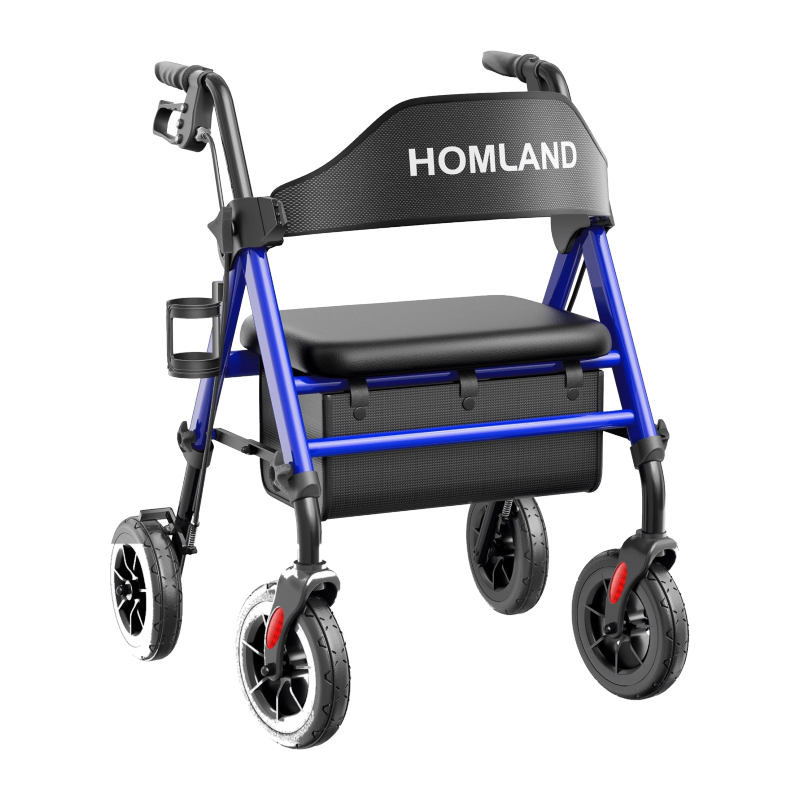
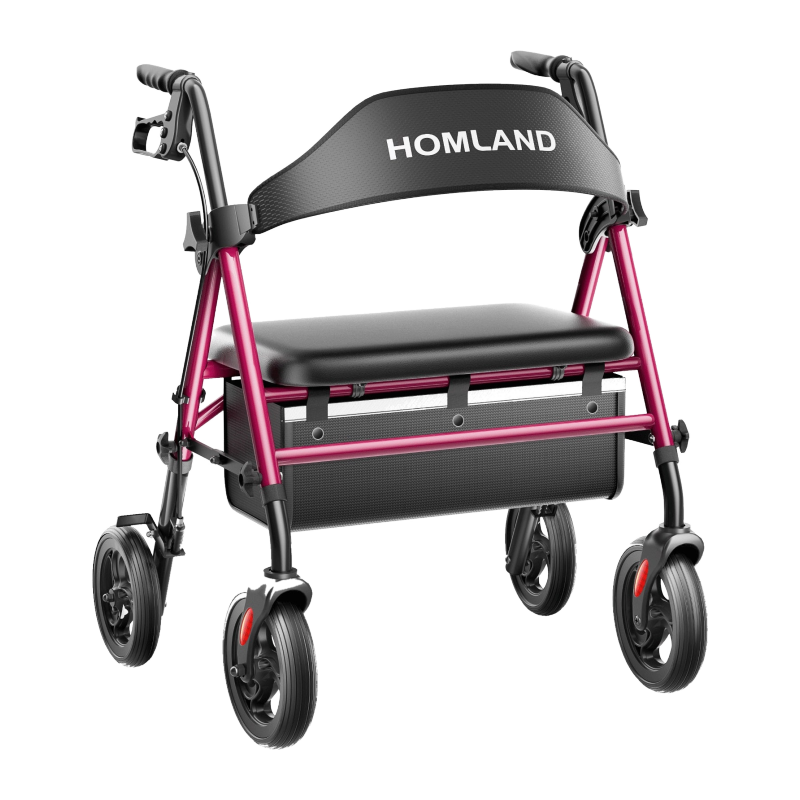
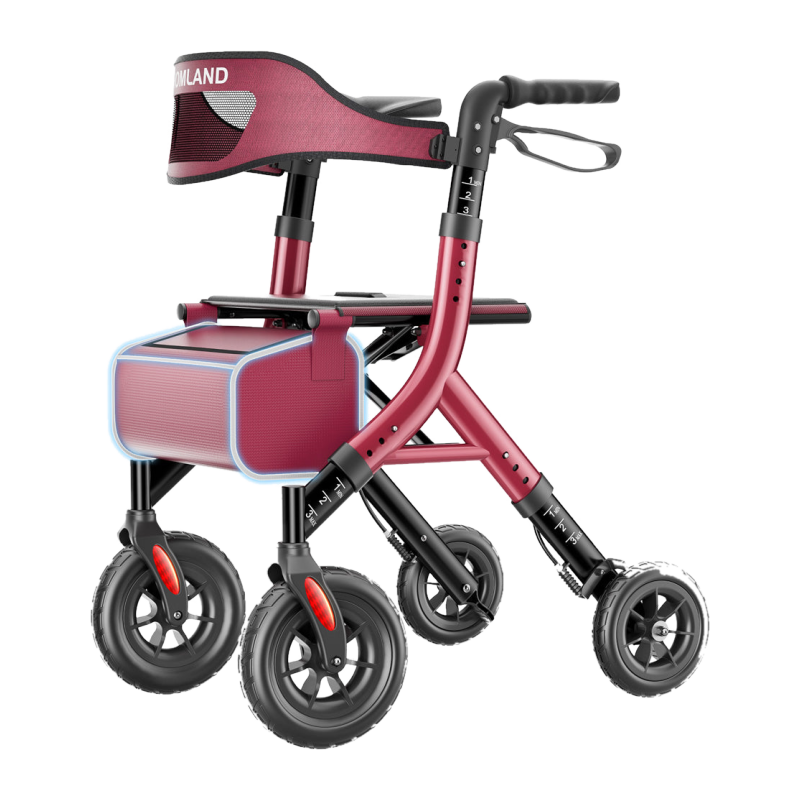
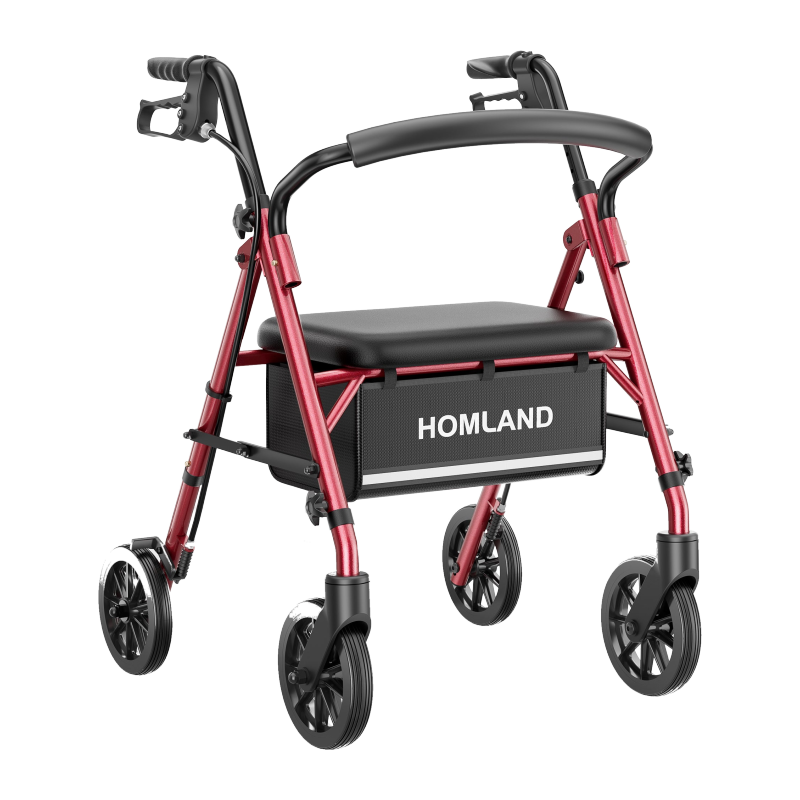
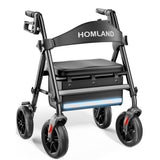
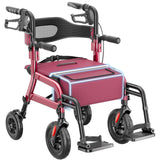
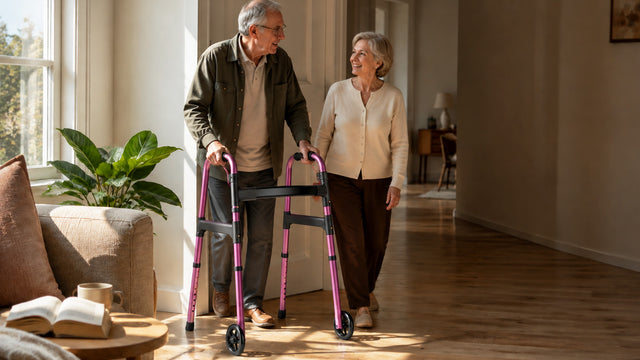
Mobility support throughout the house is equally important. A rolling walker gives someone the freedom to move through their home independently — from bedroom to kitchen to backyard — without needing to call for help. For overnight safety, bed rails provide the reassurance of a stable handhold when getting in and out of bed in the dark. These tools don't diminish independence; they protect it.
All HOMLAND mobility and safety products are authorized by licensed Doctors of Physical Therapy, FSA/HSA eligible, and backed by a 1-year manufacturer warranty plus 1-year extended warranty, with fast delivery from US local warehouses. Browse the full range below:
- Shower Chairs — Sit safely and bathe with confidence
- Toilet Safety Rails — Steady support for every visit
- Rolling Walkers — Freedom to move through your home independently
- Standard Walkers — Lightweight stability for everyday movement
- Bed Rails — Safe, reassuring support when rising from bed
- Knee Scooters — Hands-free mobility during lower-leg recovery
- Browse All HOMLAND Products
Frequently Asked Questions
What is the difference between a home health aide and a caregiver?
The term "caregiver" is broad and can refer to anyone providing personal support, including untrained family members. A home health aide is a trained professional who has completed state-approved coursework covering vital signs, infection control, safe transfers, and emergency procedures. This training is what distinguishes an HHA from an informal caregiver and what makes Medicare/Medicaid coverage possible in qualifying situations.
Do Medicare and Medicaid pay for home health aides?
Medicare covers aide services only when the person is also receiving skilled nursing or therapy care under a physician-ordered plan, and only on a part-time, intermittent basis. It does not cover ongoing personal care as a standalone benefit. Medicaid offers broader and longer-term coverage for those who meet financial and functional eligibility requirements, and coverage specifics vary significantly by state.
Can a home health aide run errands?
Yes. Grocery shopping, pharmacy trips, and other errands are a standard part of the home care aide role. These are considered non-medical personal care services and contribute meaningfully to someone's ability to stay independent at home.
Should I hire privately or through an agency?
Both paths work, and the right choice depends on your family's situation. Agencies handle background checks, taxes, backup coverage, and supervision — which offers significant peace of mind but comes at a higher hourly rate. A private hire gives you more control and typically lower costs, but you take on employer responsibilities. Many families find that starting with an agency while they learn the landscape makes the transition smoother.
Are home health aide expenses tax-deductible?
The medical portion of home health aide services — care directly related to a diagnosed condition — may qualify as a deductible medical expense on a federal income tax return. Non-medical support such as housekeeping and companion services generally does not qualify. It's always best to consult a qualified tax professional for advice tailored to your specific circumstances.
Bringing It All Together
A good home health aide doesn't just fill in the gaps — they help someone hold onto the routines, dignity, and independence that make home feel like home. Taking the time to understand what aides do, what they cost, and how to find the right fit is one of the most meaningful things a family can do when a loved one's needs are changing.
And the best care plans don't stop with professional support. Pairing a trusted aide with the right home safety equipment means your loved one is protected and confident in every hour of the day — not just the ones when help is present. That's what HOMLAND's "home, not hospital" philosophy is built on: the belief that with the right people and the right tools in place, staying home isn't just possible — it's the best option.
Need Help Choosing the Right Home Safety Equipment?
Whether you're setting up for post-surgery recovery or building a safer everyday routine, HOMLAND's team is here to help you find the right fit. All products are authorized by licensed Doctors of Physical Therapy, FSA/HSA eligible, and backed by a 2-year total warranty.