
Picture this: you get up from the sofa to make a cup of tea, and for the first time in months, you stand up smoothly — no wobble, no grabbing the armrest, no second-guessing yourself. That moment of confidence is exactly what consistent leg strengthening can deliver.
Falls are the leading concern for adults over 65, and the numbers behind them are sobering. According to the CDC, 1 in 4 adults aged 65 and older reports falling every year — and falling once doubles the chances of falling again. But here's what those statistics don't always highlight: most falls are preventable. Strong legs improve balance, reaction time, and the ability to catch yourself before a stumble becomes a fall. Physical therapists consistently point to lower-body strength training as one of the most effective tools seniors have to stay safe and independent at home.
This guide walks you through the best leg strengthening exercises for seniors — organized from the gentlest seated moves to more active standing and balance work. Each exercise comes with clear instructions, a plain-English benefit, and tips to keep things safe and effective. Whether you're building strength after a period of inactivity, recovering from surgery, or simply want to stay steady on your feet for years to come, there's a starting point here for you.
Why Leg Strength Matters More Than You Think
Your legs do far more than carry you from room to room. They are the foundation of nearly every daily movement — rising from a chair, climbing stairs, stepping into the shower, reaching for something on a low shelf. When leg strength declines, those everyday moments start to feel uncertain, and that uncertainty can lead to a cycle of doing less, moving less, and growing weaker still.
As we age, muscle mass naturally decreases — a process called sarcopenia. This gradual loss affects balance, coordination, and the ability to react quickly when something shifts underfoot. The good news is that this process is not inevitable in its effects. Research consistently shows that structured lower-body strength training can meaningfully reduce fall risk, improve walking confidence, and help older adults hold onto the activities they love. According to meta-analyses of exercise interventions, structured strength and balance training programs can reduce fall incidence by 13% to 40% in community-dwelling older adults. That's not a small number — that's a real difference in everyday life.
For adult children supporting an aging parent, these exercises offer peace of mind too. Knowing that a loved one has a simple, sustainable routine can ease the worry that comes with every unanswered phone call or every staircase in the family home. Strong legs aren't just about fitness — they're about independence, dignity, and staying in the place that matters most: home.
Before You Begin: Simple Safety Guidelines
Starting a new movement routine is a positive step, and a few simple precautions will help ensure it stays that way. Physical therapists often recommend checking in with a healthcare provider before beginning any new exercise program, especially if you're managing a chronic condition, recovering from surgery, or have experienced recent falls.
When you're ready to start, keep these guidelines in mind:
- Wear supportive, non-slip footwear during every session — socks alone on a hard floor are a slip risk.
- Exercise near a sturdy surface — a kitchen counter, a heavy chair, or a wall — so you always have something to hold if needed.
- Warm up first with two to three minutes of gentle ankle circles and slow marching in place to get blood moving to the muscles.
- Move slowly and with control. Rushing through repetitions reduces the benefit and increases the risk. Slow, deliberate movement is where the real strength gains happen.
- Never push through sharp pain. Mild muscle fatigue is expected and healthy; joint pain or sudden discomfort is a signal to stop and rest.
- Have water nearby and take breaks between sets as needed.
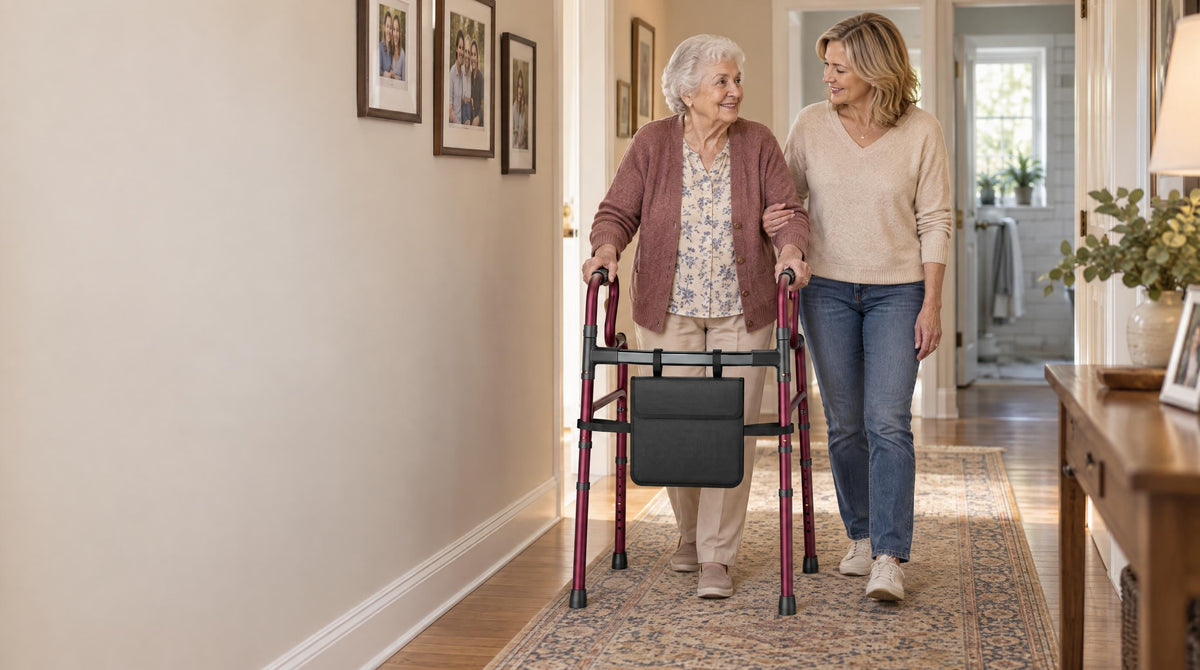
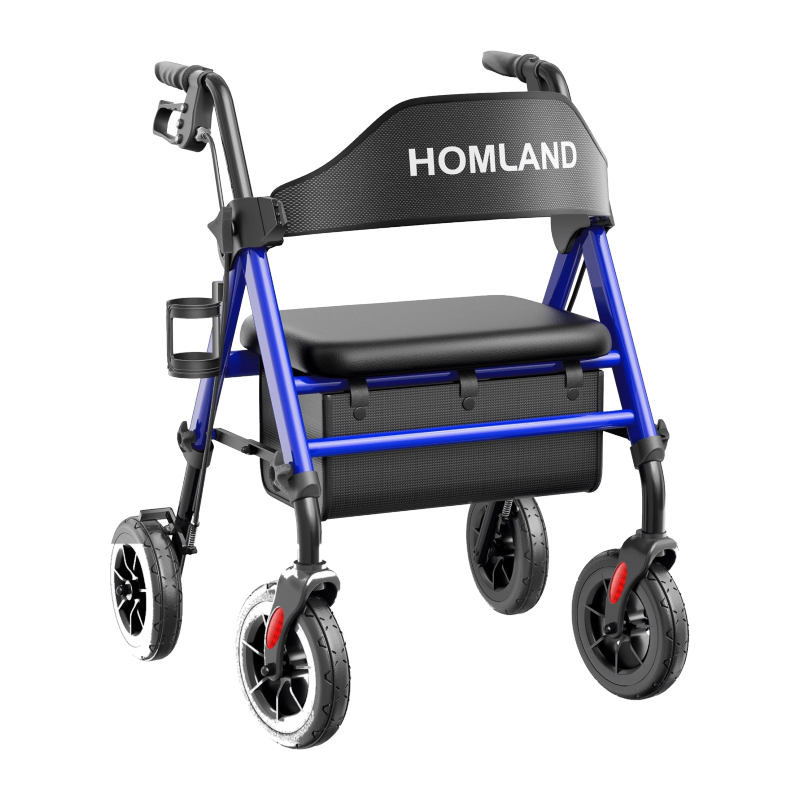
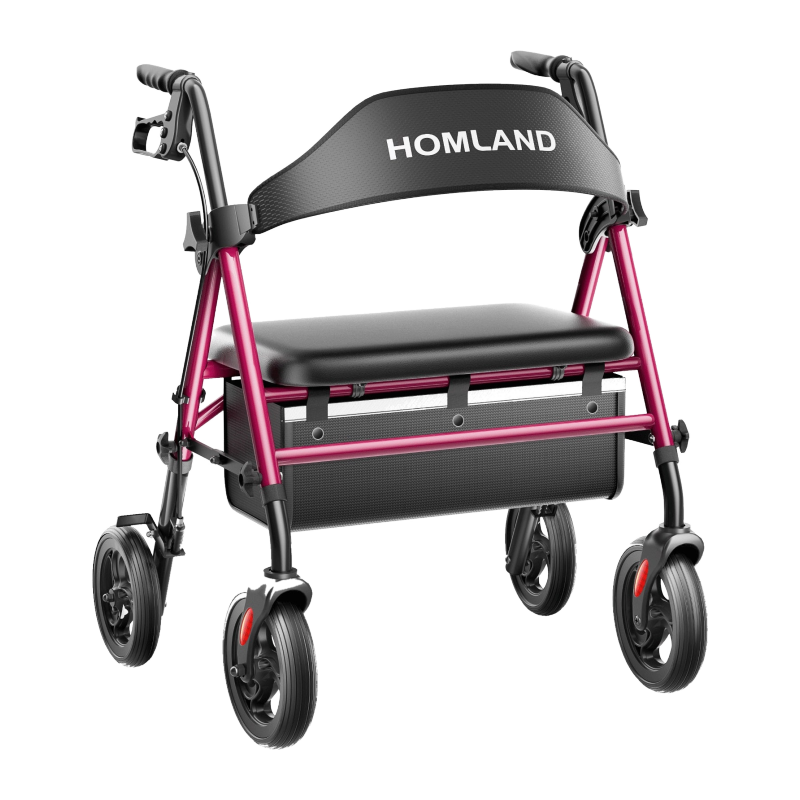
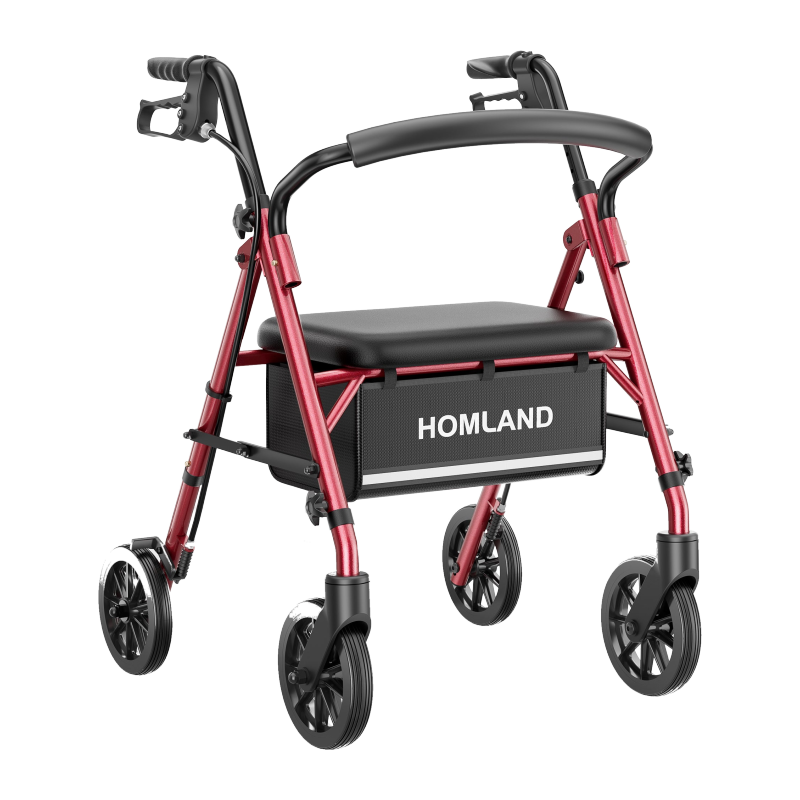
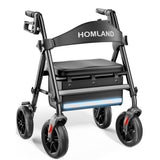
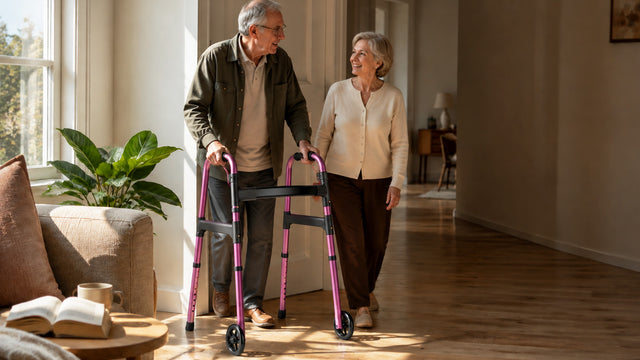
If you use a standard walker or a rolling walker for daily movement, keep it close during standing exercises so you can transition safely and confidently at any point.
Seated Leg Exercises: Build Strength from Your Chair
Seated exercises are a brilliant starting point — not a lesser option. They allow you to focus entirely on the working muscles without worrying about balance, and they're particularly well suited for those returning to activity after illness, surgery, or a long period of limited movement. Grab a firm, armless chair (or a dining chair) and place it on a non-slip surface before you begin.
1. Seated Knee Extension
What it does: Strengthens the quadriceps — the large muscles at the front of the thigh that are essential for standing up, walking, and climbing stairs.
- Sit tall with your feet flat on the floor and your back gently away from the chair back.
- Slowly extend one leg forward until it's nearly straight, pointing your foot gently toward the ceiling.
- Hold for two seconds, then lower your foot back to the floor with control.
- Repeat 10 times per leg, then switch. Aim for 2 sets.
Tip: Keep the back of your thigh resting on the chair seat throughout the movement. If you'd like more challenge over time, ankle weights can be added gradually.
2. Seated Marching
What it does: Activates the hip flexors and quadriceps while also warming up the core — the same muscles you use every time you lift a foot to step over a threshold or climb a curb.
- Sit upright with feet flat on the floor.
- Lift your right knee toward the ceiling as high as comfortably possible, as if marching.
- Lower it back down with control, then repeat with the left leg.
- Continue alternating for 20 total lifts (10 per leg). Aim for 2 sets.
Tip: Sit tall throughout — resist the urge to lean back. Think of it as a seated version of a confident stride.
3. Seated Ankle Circles and Pumps
What it does: Improves ankle mobility and circulation — two things that directly support balance and reduce the risk of a stumble when walking on uneven surfaces.
- Lift one foot slightly off the floor.
- Rotate the ankle slowly in a wide circle — 10 times clockwise, then 10 times counterclockwise.
- Then flex and point the foot 10 times (ankle pumps).
- Switch feet and repeat.
Tip: This gentle exercise is safe to do daily and makes a great warm-up before any of the other exercises in this guide.
Standing Leg Exercises: Level Up with Support
Once you feel comfortable in the seated exercises, adding standing movements builds a new layer of strength — and starts training the balance systems your body uses every moment you're on your feet. Always perform standing exercises next to a counter, the back of a sturdy chair, or another stable surface. There is no benefit to doing these without support; the support is part of good form.
4. Sit-to-Stand
What it does: This is arguably the most functional exercise in the entire guide. Getting up from a chair is something most people do dozens of times a day — and it uses exactly the muscles (quads, glutes, hamstrings) that protect against falls. Physical therapists widely regard this movement as a benchmark of lower-body functional strength.
- Sit at the front edge of a firm chair, feet shoulder-width apart and slightly behind your knees.
- Cross your arms over your chest or lightly rest your fingertips on the armrests for guidance — not to push yourself up.
- Lean slightly forward from the hips (not the waist) and press through your heels as you rise to standing.
- Stand fully upright, then lower yourself back down slowly and with full control — don't drop into the chair.
- Repeat 10 times. Aim for 2–3 sets.
Tip: The lowering phase is just as important as the rising phase — control on the way down trains the muscles that catch you during a stumble.
5. Calf Raises
What it does: Strengthens the calf muscles and improves ankle stability — two factors that are directly linked to walking confidence and the ability to navigate stairs, slopes, and uneven ground.
- Stand behind a sturdy chair or at a counter, lightly resting your hands for balance.
- Rise slowly onto your toes, lifting your heels as high as comfortable.
- Hold at the top for two seconds, then lower your heels back to the floor slowly.
- Repeat 10–15 times. Aim for 2 sets.
Tip: The slow lowering phase — heels going back down — is where a surprising amount of the strengthening benefit lives. Resist the urge to let them drop.
6. Side Leg Lifts (Hip Abduction)
What it does: Targets the gluteus medius — the hip stabilizer muscle on the side of the hip that plays a crucial role in keeping you upright when you shift your weight from one foot to the other while walking.
- Stand behind a chair, holding the back lightly for support.
- Keeping your body upright (resist leaning sideways), slowly lift one leg out to the side about 12 inches.
- Hold briefly, then lower back with control.
- Repeat 8–10 times per leg. Aim for 2 sets.
Tip: Keep your toes pointing forward throughout — rotating the foot outward changes the muscles being worked and reduces the hip-stabilizing benefit.
7. Backward Leg Lift (Hip Extension)
What it does: Strengthens the glutes and hamstrings, improving posture and the power behind each step — so walking feels less effortful and more sure-footed.
- Stand behind a chair, holding it lightly for support.
- Keeping your back straight, slowly extend one leg behind you about 6–10 inches.
- Hold for a moment, then return to the starting position with control.
- Repeat 8–10 times per leg. Aim for 2 sets.
Tip: The movement should come entirely from the hip, not the lower back. If you feel your back arching, reduce the range of motion.
Balance-Focused Exercises: Train Your Steadiness
Strength and balance are closely related but not identical. You can build strong legs and still have moments of instability if your balance system — which involves your inner ear, vision, and proprioception (your sense of body position) — hasn't been trained. These exercises specifically challenge and improve your steadiness during the movements that cause most "wobbly moments" in daily life.
8. Single-Leg Stand
What it does: Directly trains balance and proprioception, building the kind of reflexive steadiness that catches you automatically when the ground shifts unexpectedly.
- Stand behind a chair or at a counter, fingertips resting on the surface lightly.
- Lift one foot slightly off the floor — even an inch is enough to begin.
- Hold for 10–30 seconds, then switch feet.
- Repeat 3 times per side.
Tip: As this becomes easier, gradually reduce how much you rely on the counter — move from a firm grip, to fingertip touch, to hovering hands just above the surface. Don't rush this progression; the small increments make a big difference.
9. Heel-to-Toe Walk (Tandem Walking)
What it does: Challenges the balance and coordination systems in a way that directly mirrors the kind of precision required when walking on narrow paths, through doorways, or in a crowded room.
- Stand near a wall or counter for reference (lightly touching if needed).
- Step forward, placing your right heel directly in front of your left toes.
- Continue walking heel-to-toe for 10–20 steps, then turn and return.
Tip: Keeping your gaze fixed on a point at eye level ahead of you — rather than looking down at your feet — actually improves balance and mirrors how your brain manages walking in real life.
How Often Should Seniors Do Leg Exercises?
Consistency matters far more than intensity, especially when starting out. Physical therapists and fitness researchers generally agree that two to three sessions per week on non-consecutive days is the sweet spot for seniors — enough to stimulate meaningful strength gains while giving muscles the rest they need to rebuild and adapt between sessions.
A practical weekly structure might look like this: exercises on Monday, Wednesday, and Friday, with gentle walking or stretching on the other days. Sessions don't need to be long — a well-chosen set of five to six exercises takes roughly 20 to 30 minutes. Research has shown that 8 to 12 weeks of consistent training at this frequency produces significant, measurable improvements in both muscle strength and functional capacity. Many people notice the difference in everyday movements — getting up from a chair more easily, climbing stairs with less effort — well before the 12-week mark.
For caregivers helping a parent or spouse get started: short, regular sessions are more sustainable than longer ones done sporadically. Even two sessions a week builds meaningful momentum. And because these exercises can be done entirely at home without equipment, the only real barrier is getting started — and making it a habit.
When to Add Mobility Support to Your Routine
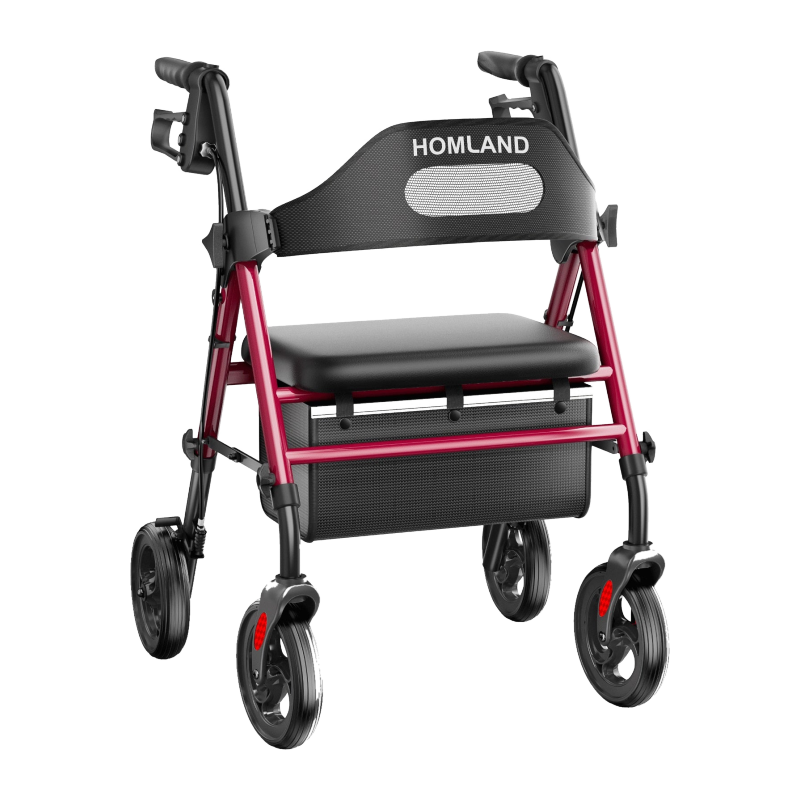
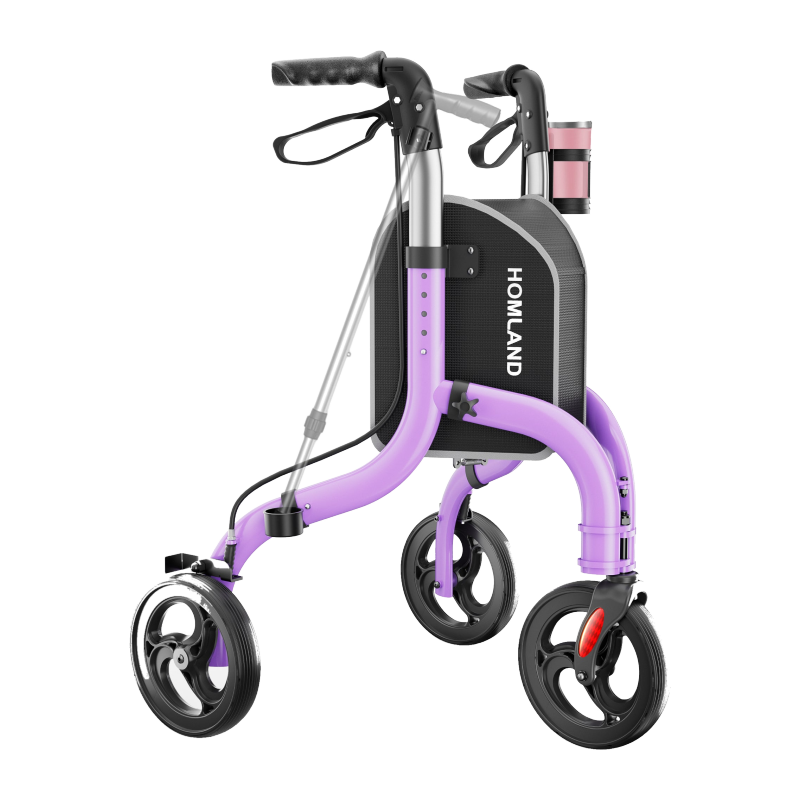
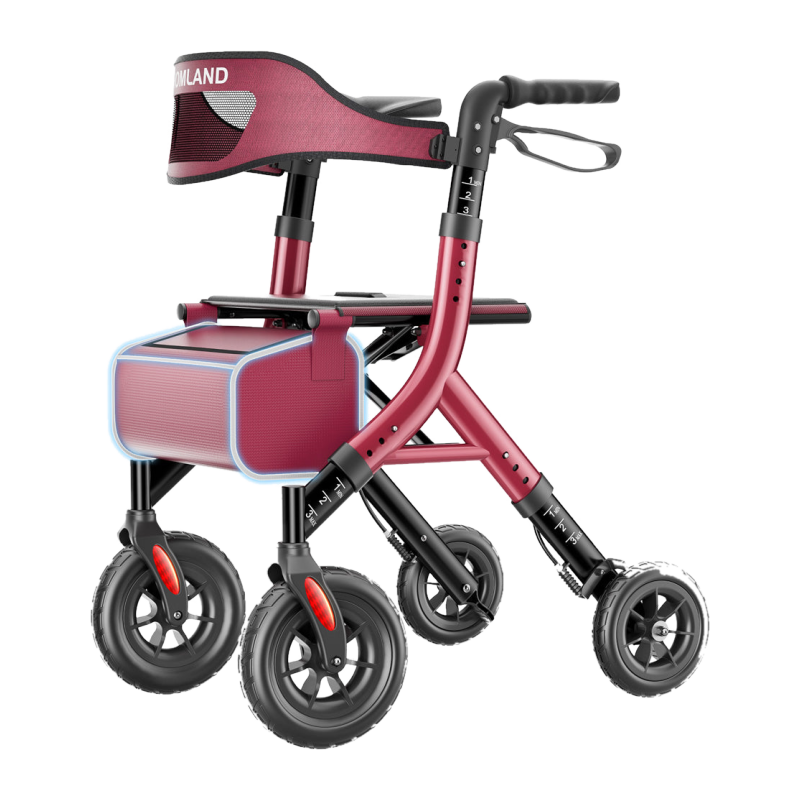
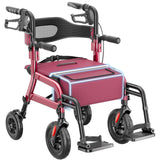
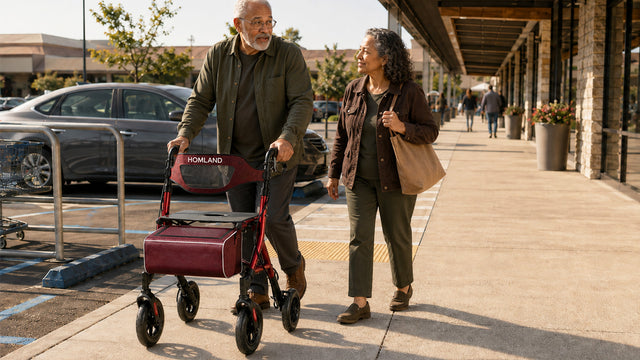
Using a mobility aid during exercise isn't a step backward — it's a smart tool that makes strengthening work safer and more effective. A walker or rollator gives you the stable support needed to do standing leg exercises with proper form, rather than compensating with tension in the wrong muscles or avoiding the exercises altogether out of fear.
HOMLAND's rolling walkers and standard walkers are designed with exactly this kind of everyday use in mind — tool-free assembly, height-adjustable frames, and sturdy construction built to support real daily life at home. They're also FSA/HSA eligible, come backed by a 1-year manufacturer warranty plus 1-year extended warranty, and ship from a US local warehouse for fast delivery. If you're shopping for a parent or spouse, these aren't hospital items — they're home items, engineered to blend into daily life with dignity.
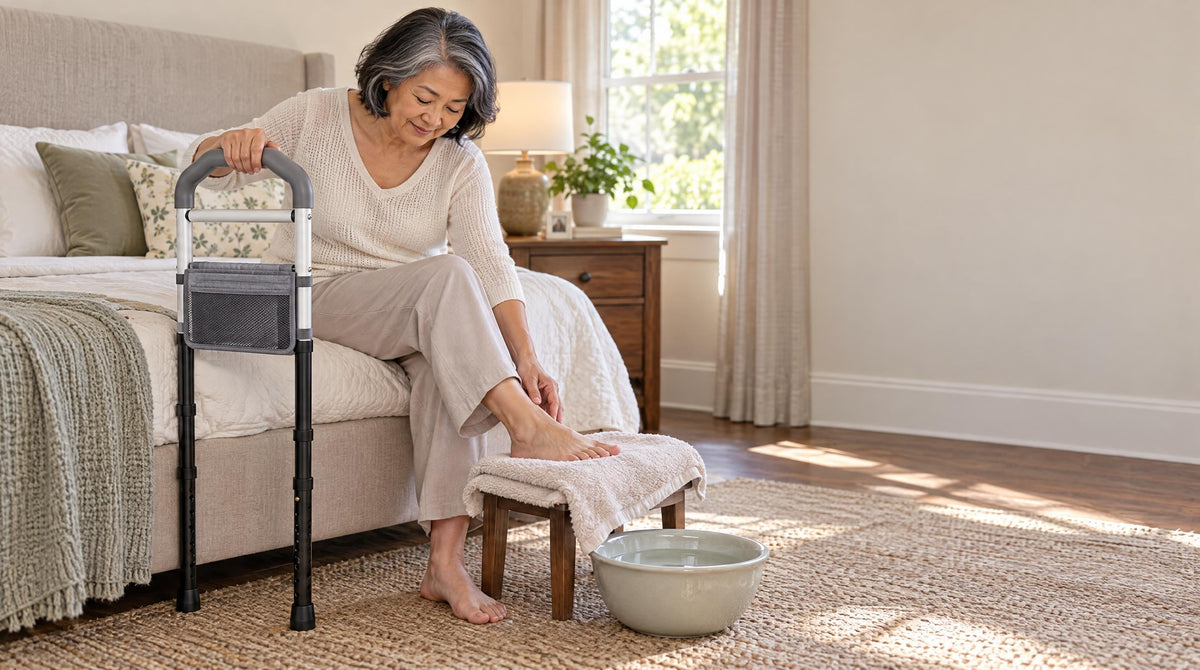
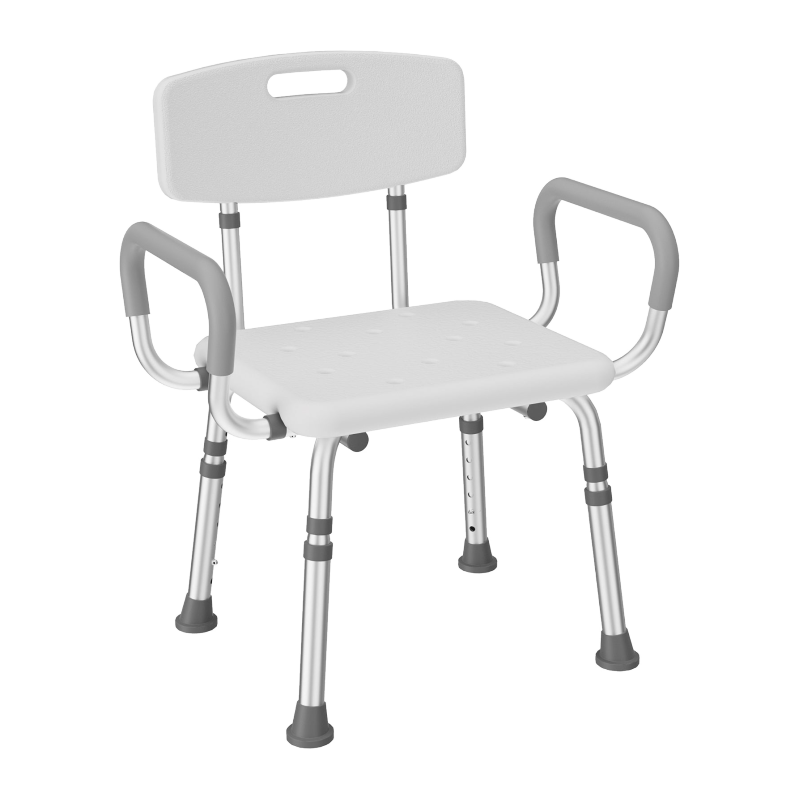
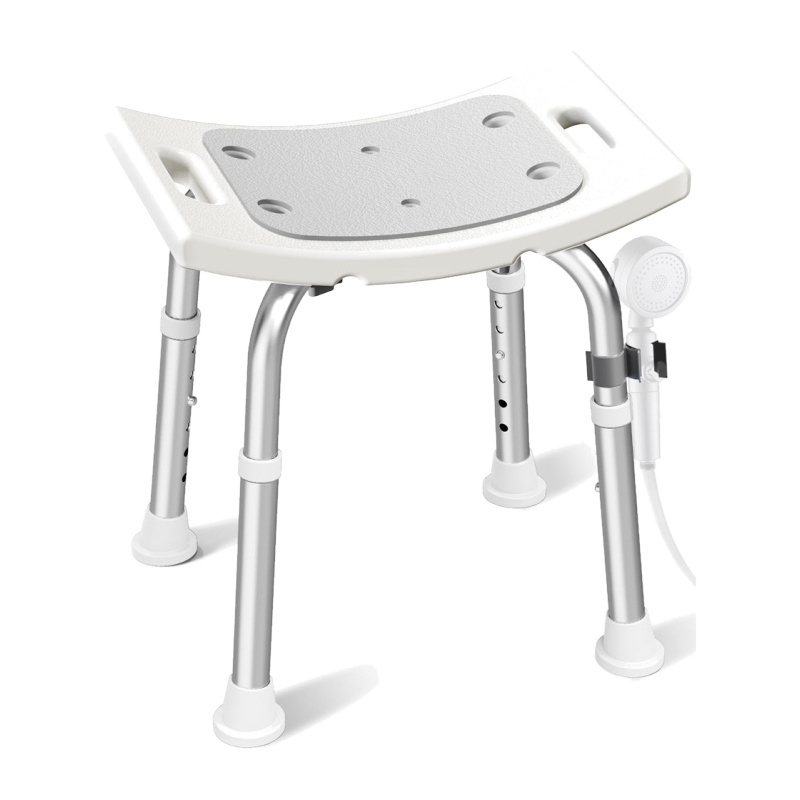
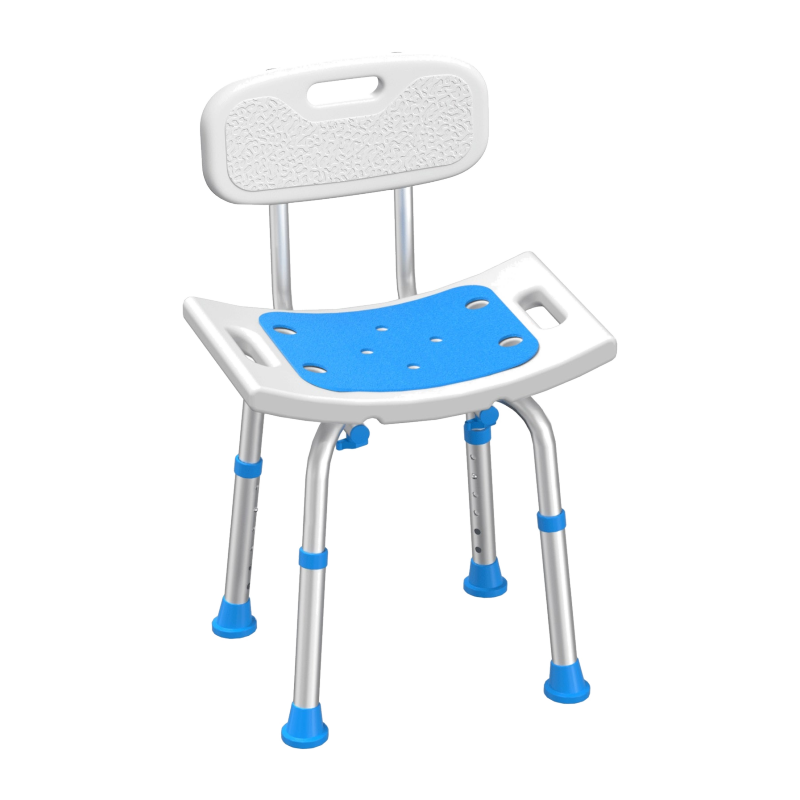
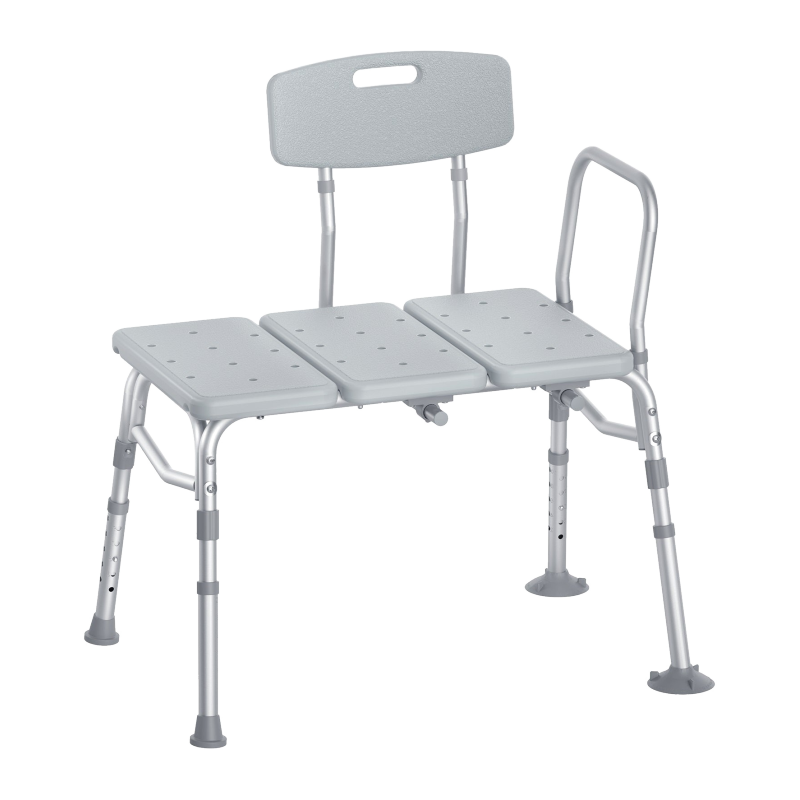
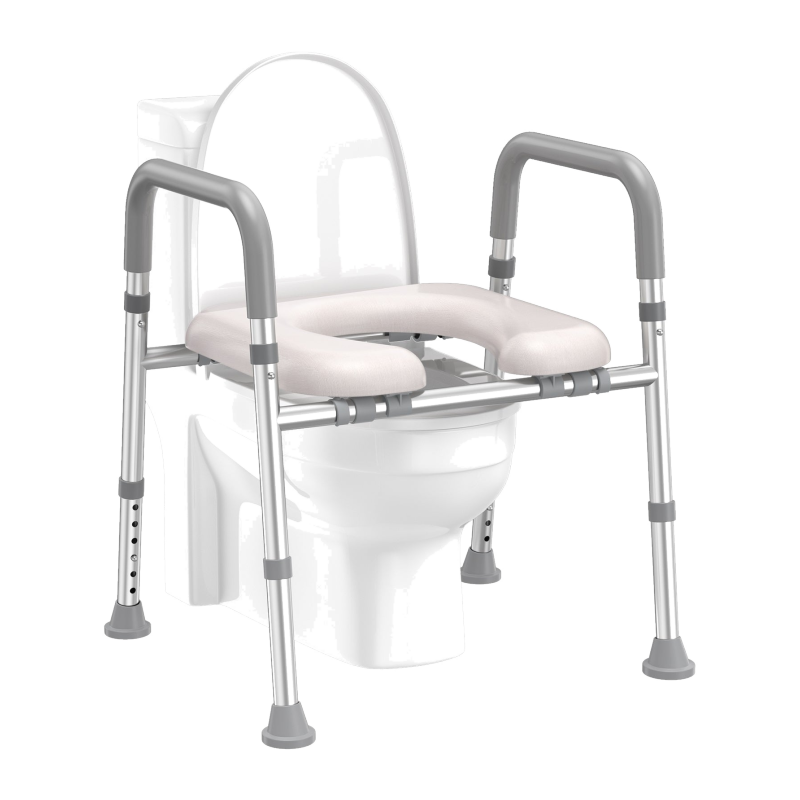
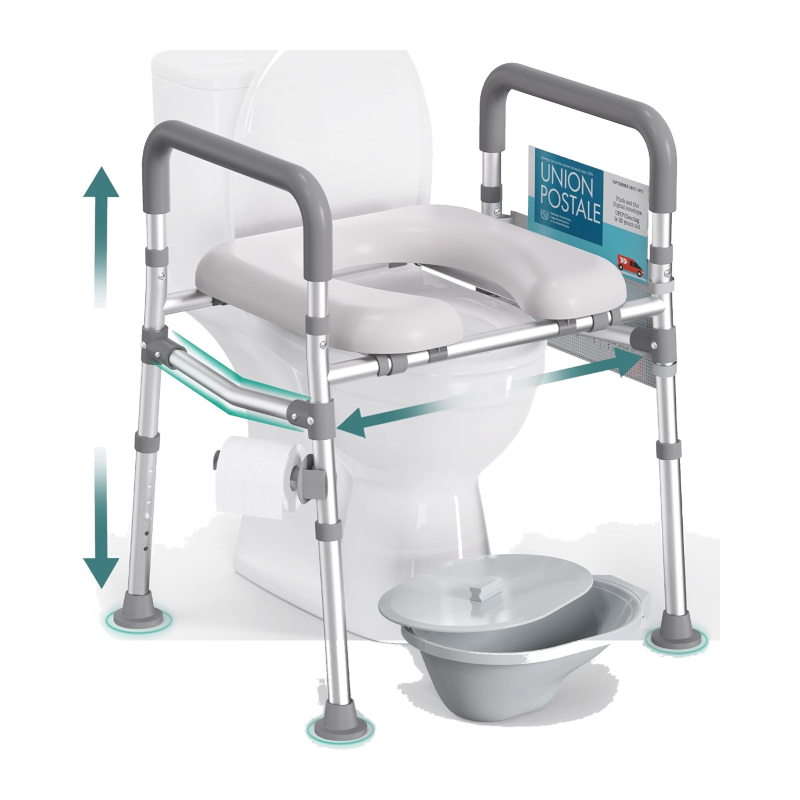
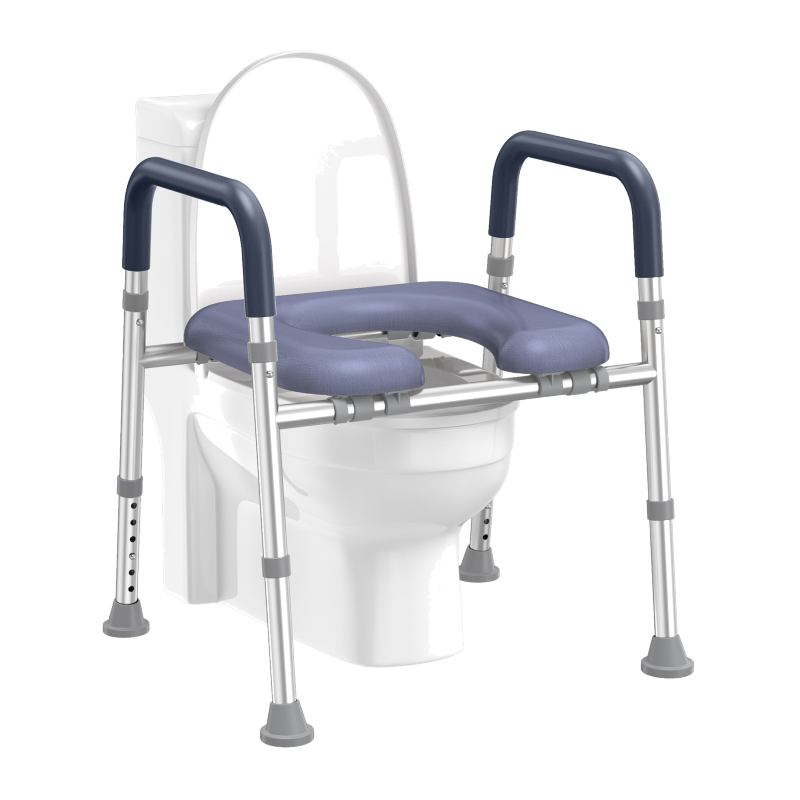
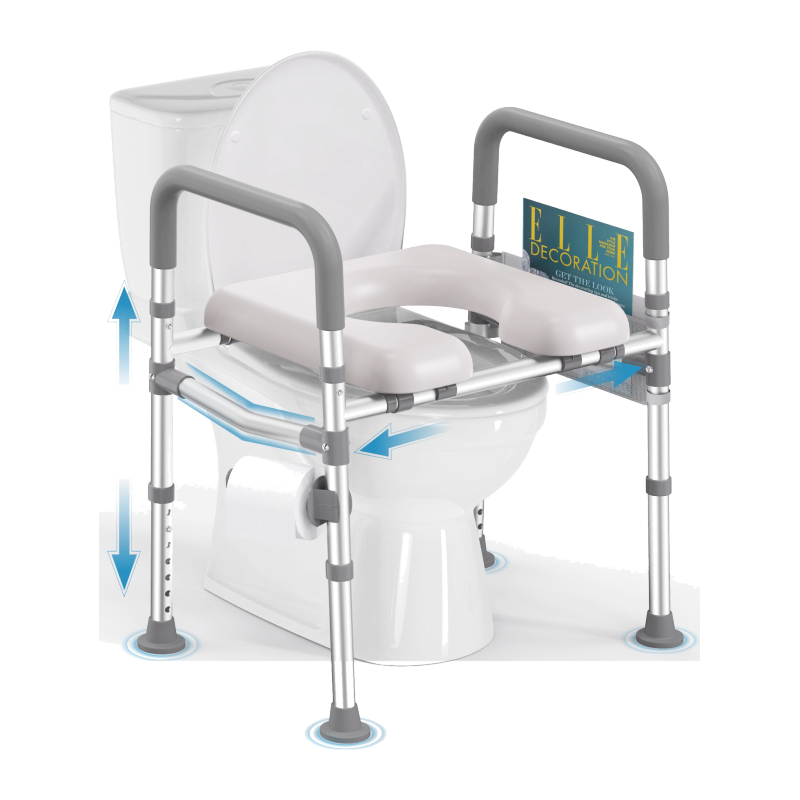
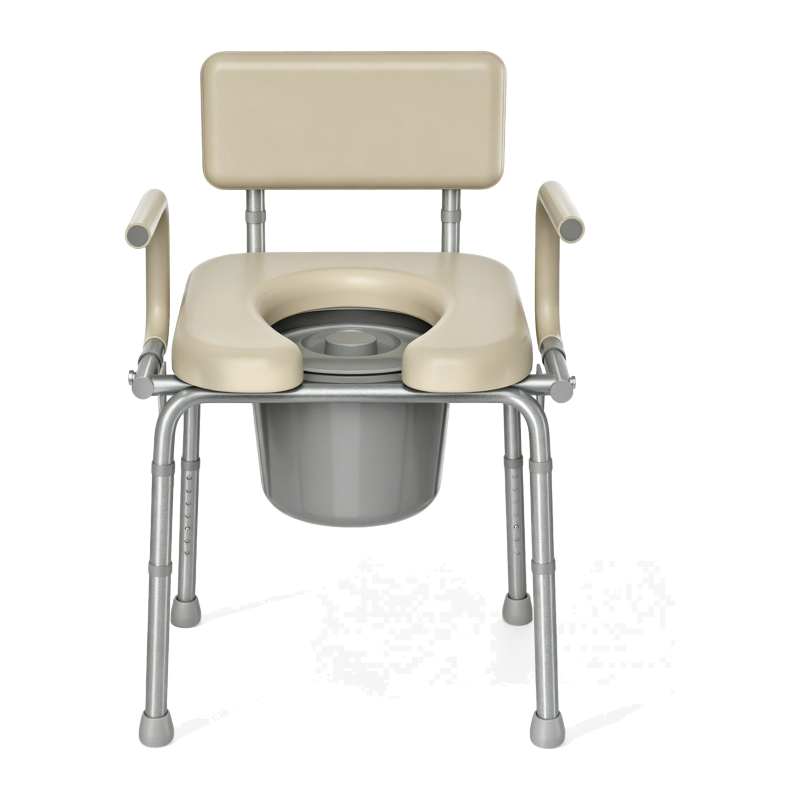
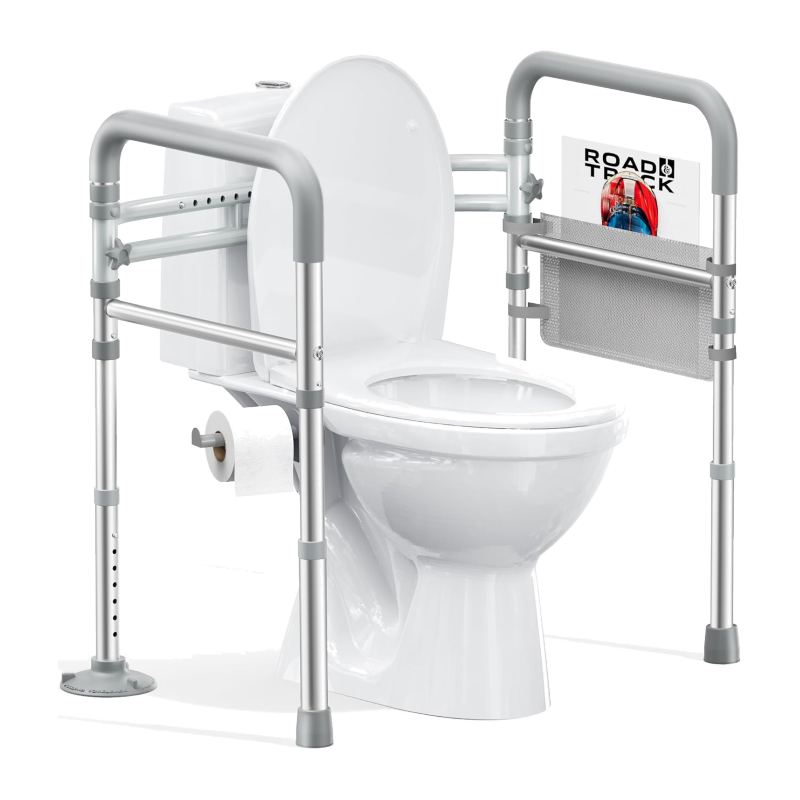
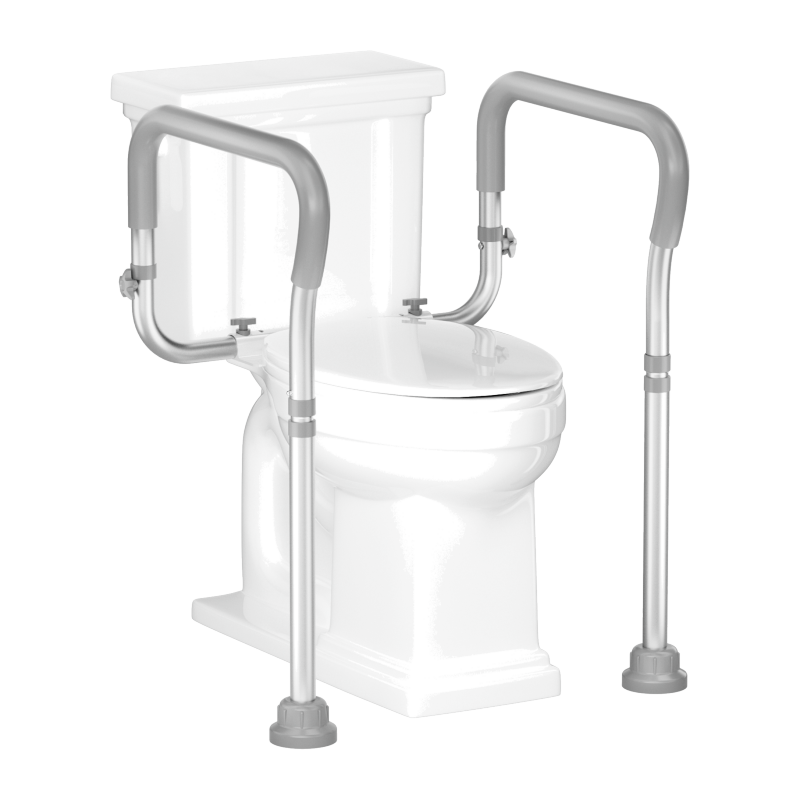
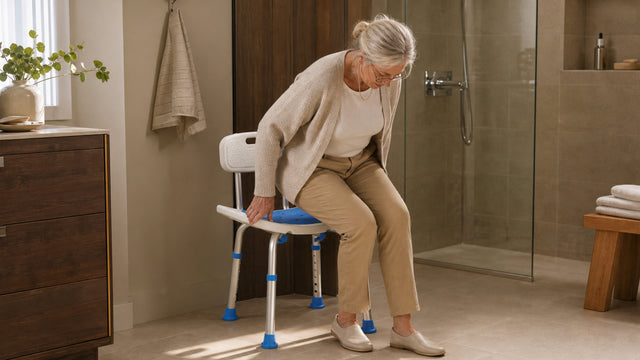
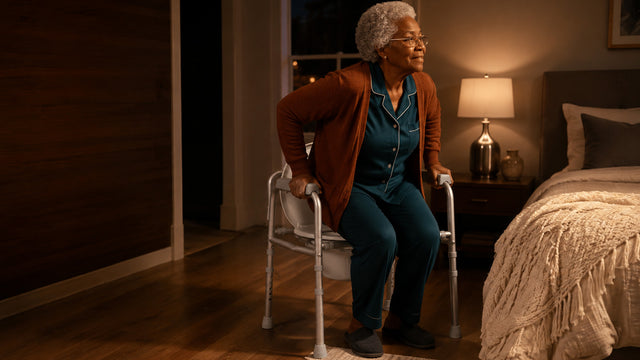
For those focused on bathroom safety — where many falls actually happen — a shower chair, toilet safety rail, or bed rail pairs naturally with a leg strengthening routine. Stronger legs reduce fall risk during exercise and throughout the day; safety products close the gap in the moments when fatigue, low light, or wet surfaces raise the stakes. Together, they create a genuinely safer home environment — not a clinical one.
Browse the full range of HOMLAND mobility and safety products to find the right combination for your home setup.
Tips for Staying Consistent and Progressing Safely
Starting is the hardest part. Once leg strengthening becomes a regular part of the week — as routine as a morning coffee or an evening walk — most people find they genuinely look forward to it, partly because the results show up in daily life so quickly and clearly. A few habits that make it easier to stick with:
- Start with just two or three exercises if the full routine feels overwhelming. Build from there over the first few weeks.
- Track your progress simply — a small notebook where you note which exercises you did and how many reps. Watching those numbers grow over weeks is genuinely motivating.
- Progress gradually. Add one or two repetitions per set every week or two, or try reducing the amount of support you take from the counter. Resistance bands are a natural next step when bodyweight exercises start feeling too easy.
- Pair exercise days with walking. Walking complements leg strengthening beautifully — it builds cardiovascular endurance and reinforces the balance patterns you're developing. Aim to work up to a 30-minute walk three times a week alongside your strength sessions.
- Support recovery with good nutrition. Protein-rich meals help muscle tissue rebuild between sessions. Calcium and vitamin D support the bone health that goes hand in hand with muscle strength.
- Talk to a physical therapist if you're uncertain about form, recovering from surgery, or want a routine tailored to a specific condition. A single session with a DPT can provide enormous clarity and confidence.
Stronger Legs, Steadier Days
Every step you take with confidence, every time you stand up from a chair without bracing yourself, every morning you move through your home on your own terms — that's what these exercises are really building toward. Not fitness for fitness's sake, but the everyday freedom to live fully and safely at home.
The exercises in this guide are designed to meet you wherever you are — starting from a chair if that's where you need to begin, progressing to standing and balance work as your strength grows. Two to three sessions a week, done consistently, can create real, measurable change in a matter of weeks. Physical therapists recommend this approach because it works — and because the results show up in the moments that matter most.
For caregivers reading this alongside a parent or loved one: the greatest gift you can offer is encouragement and the right environment. A steady hand during the first few sessions, a safe space at home, and — when the time feels right — the mobility tools that make moving through daily life easier and more confident. That combination, exercises plus environment, is how staying home really works.
Ready to Make Your Home Safer?
Whether you're looking for a rollator walker for outdoor walks, a shower chair for safer bathing, or a bed rail for nighttime confidence, HOMLAND's full range of home mobility products is designed with one goal in mind: helping you live independently, on your own terms, at home.
All products are FSA/HSA eligible, covered by a 1-year manufacturer warranty plus 1-year extended warranty, and ship from a US local warehouse for fast delivery — authorized by licensed Doctors of Physical Therapy.