





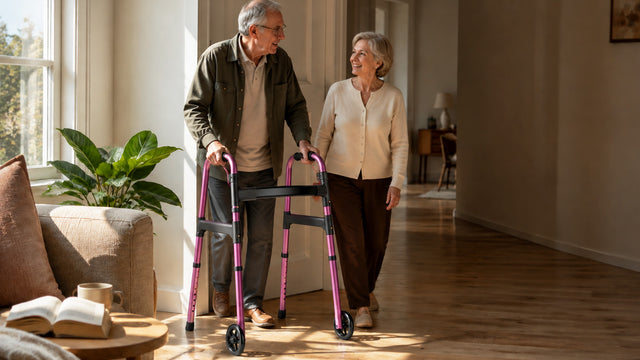

Caring for someone with dementia is one of the most meaningful — and demanding — roles a person can take on. Whether you are a spouse, an adult child, or a close friend stepping into this role, you are navigating a journey that changes a little every day. The good news is that with the right routines, home adaptations, and support tools, your loved one can continue living comfortably and with dignity inside the home they know and love.
This guide offers practical, compassionate tips for caregiving for someone with dementia in their daily life — from structuring mornings to making the bathroom safer, to supporting nighttime independence. You will find guidance rooted in what physical therapists and occupational health specialists consistently recommend, alongside simple product solutions that can make a real difference without turning a home into a medical facility. Because home should always feel like home.
Understanding the Daily Challenges of Dementia Caregiving
Dementia affects memory, reasoning, language, and spatial awareness — and these changes show up in everyday moments in ways that can be surprising even when you know what to expect. A person who managed their morning routine independently for decades may suddenly become confused about the sequence of steps involved in getting dressed or bathing. Tasks that seem simple from the outside can feel disorienting and even frightening to someone whose brain is processing the world differently.
For caregivers, this means that the goal is not to do everything for your loved one, but to shape the environment and daily rhythm so they can continue doing as much as possible themselves. Preserving independence — even in small ways, like choosing a shirt or pouring a glass of water — has a meaningful impact on mood, self-worth, and quality of life. That mindset is the foundation of effective, respectful dementia care at home.
Building a Routine That Feels Safe and Familiar
Predictability is one of the most powerful tools available to a dementia caregiver. When each day follows a similar sequence — waking at the same time, eating meals at consistent hours, bathing in the evening rather than rushing in the morning — the brain has fewer decisions to make and fewer opportunities for confusion to take hold. People with dementia often respond more calmly and cooperatively when their environment and schedule feel familiar.
Try to anchor the day around three or four consistent activities that your loved one has always enjoyed or that feel natural to them. Morning tea at the kitchen table, a short walk after lunch, or a favourite television programme in the afternoon can all serve as anchor points that give shape to the day. When unexpected changes do occur — a medical appointment, a visiting guest — giving a brief, calm verbal preview can ease the transition. "After breakfast, your daughter is coming to say hello" is often enough to reduce anxiety without overwhelming with detail.
Simplifying Choices to Reduce Overwhelm
Too many options can be genuinely distressing for someone with dementia. Instead of opening a wardrobe and asking what they want to wear, lay out two options on the bed. Instead of asking "What would you like for lunch?", offer a specific choice between two familiar meals. These small adjustments respect your loved one's autonomy while removing the cognitive load that open-ended decisions create. Over time, you will develop an instinct for when to offer choices and when to gently guide.
Bathroom Safety: One of the Highest-Risk Spaces at Home
The bathroom is statistically one of the most hazardous rooms in any home, and the risk increases significantly when dementia is part of the picture. Wet surfaces, narrow spaces, and the physical demands of bathing and toileting create a combination that can lead to falls — one of the most common and serious outcomes for older adults. Physical therapists consistently recommend addressing bathroom safety proactively, before an incident occurs, rather than waiting for a close call.
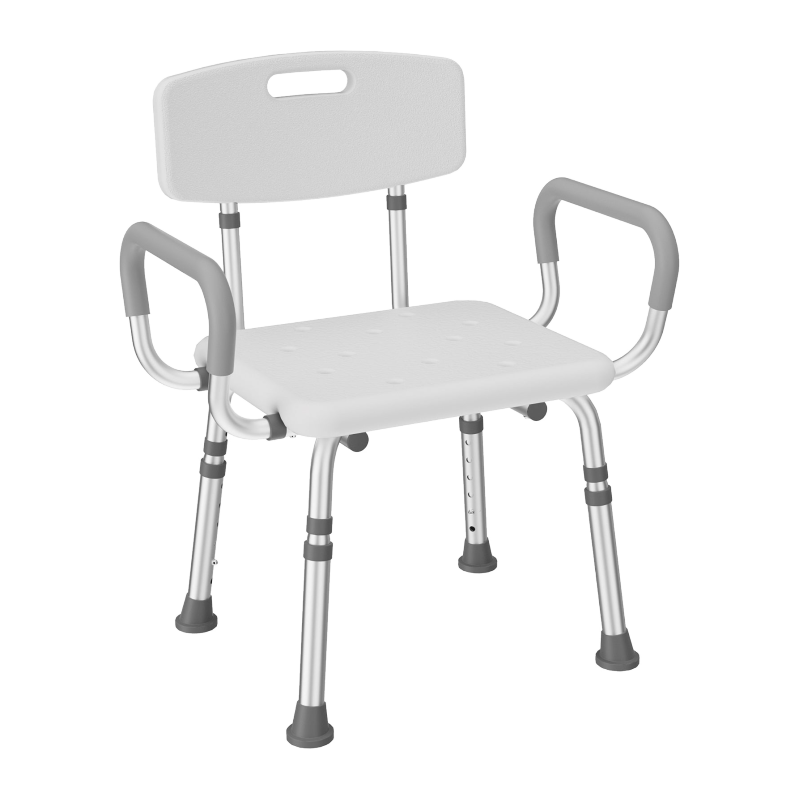
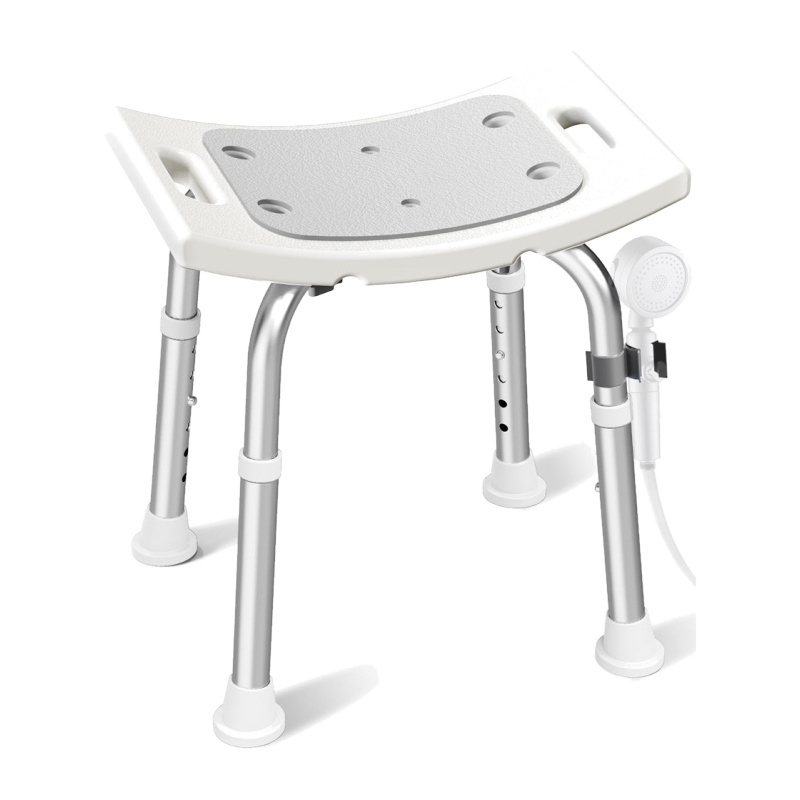
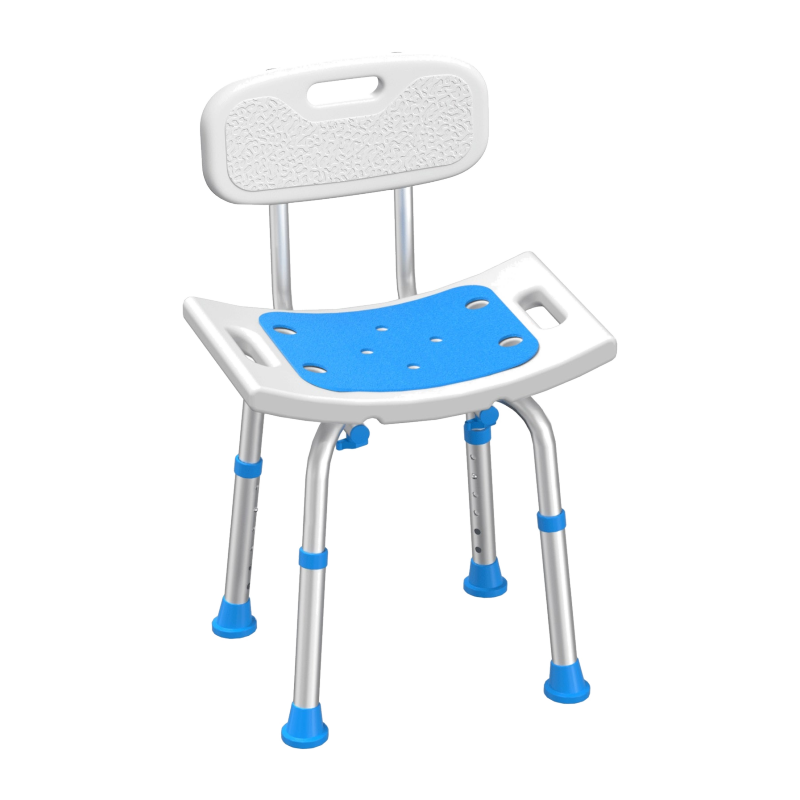
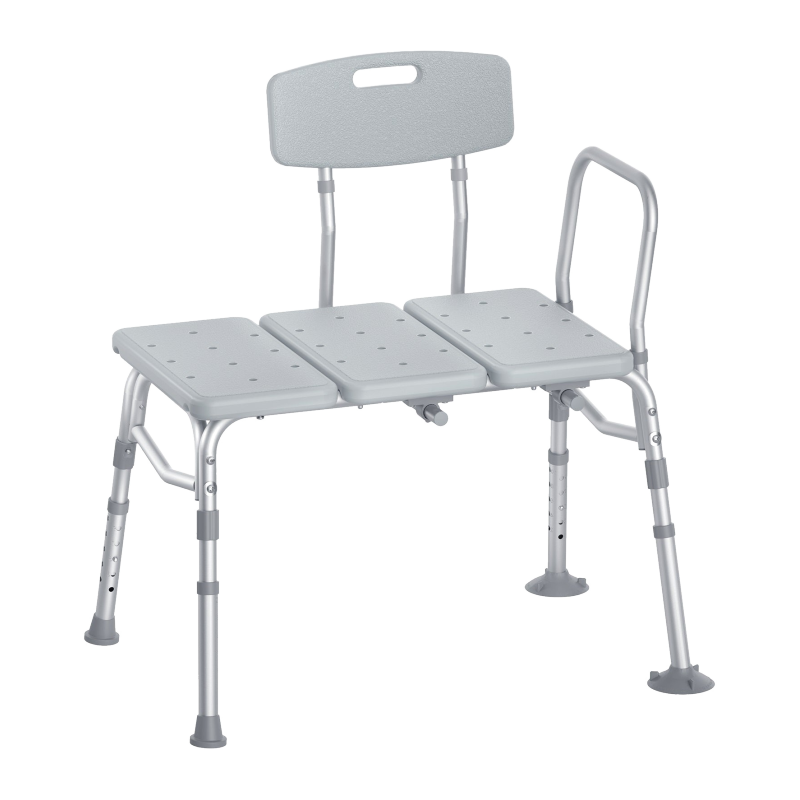
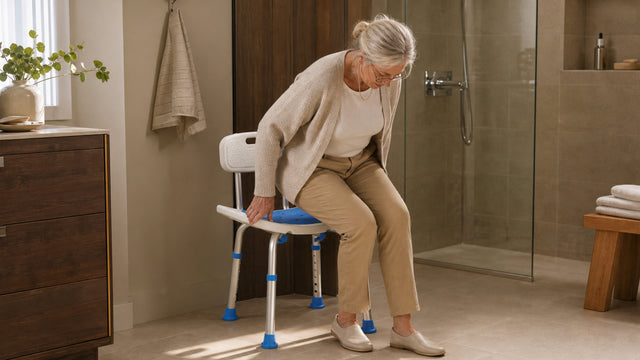
A shower chair is often the single most impactful addition to a dementia-friendly bathroom. Sitting down while bathing eliminates the need to balance on a wet surface, reduces fatigue, and gives your loved one a stable, predictable spot to return to each time. HOMLAND's shower chair collection includes tool-free, height-adjustable options built to support up to 500 lbs, so both the person using them and the caregiver assisting can feel fully confident. The designs are home-friendly — nothing that looks or feels like a hospital fixture.
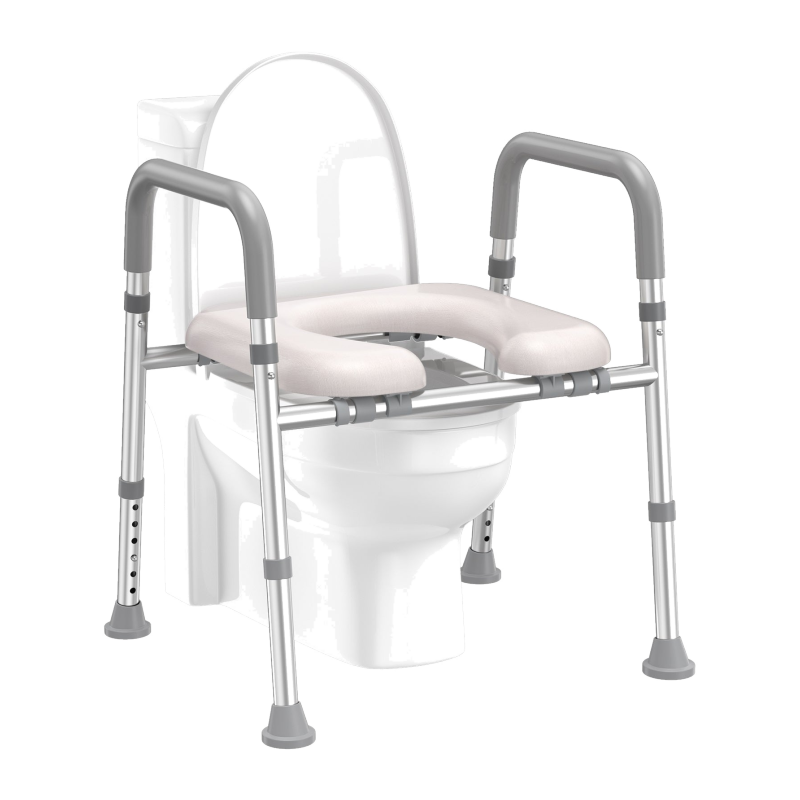
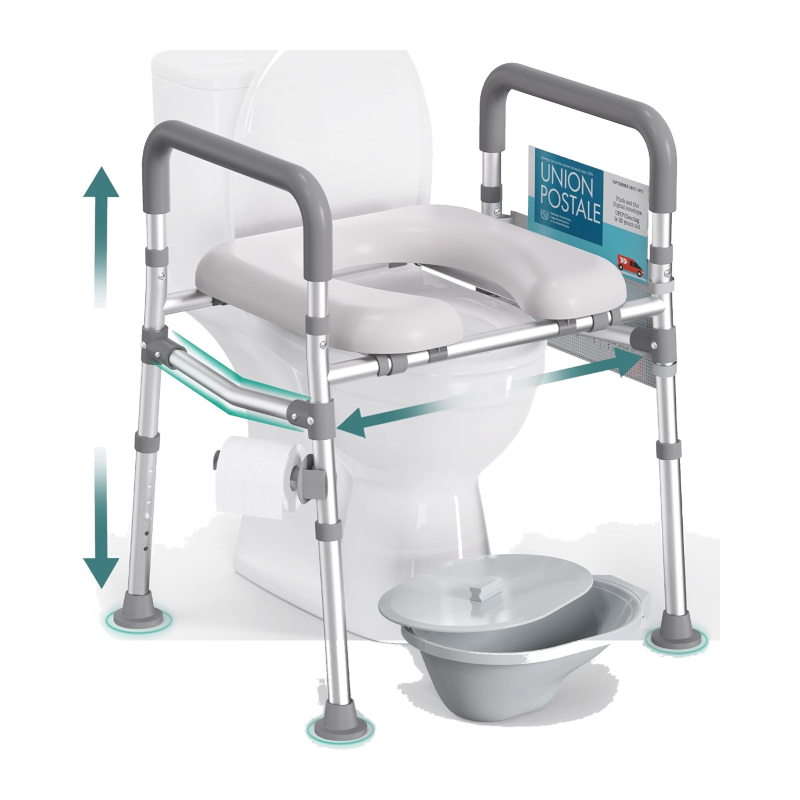
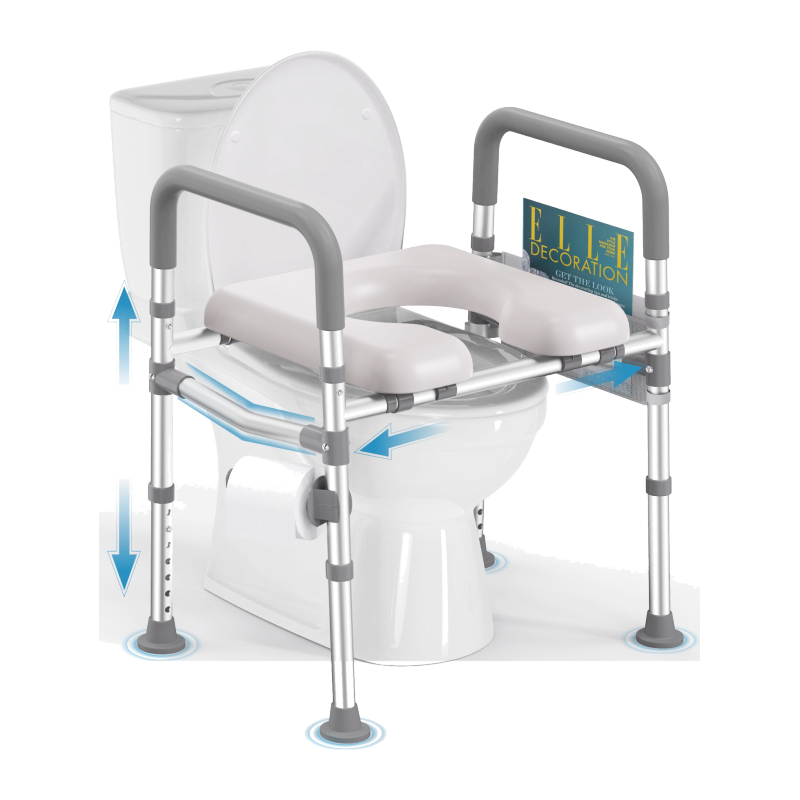
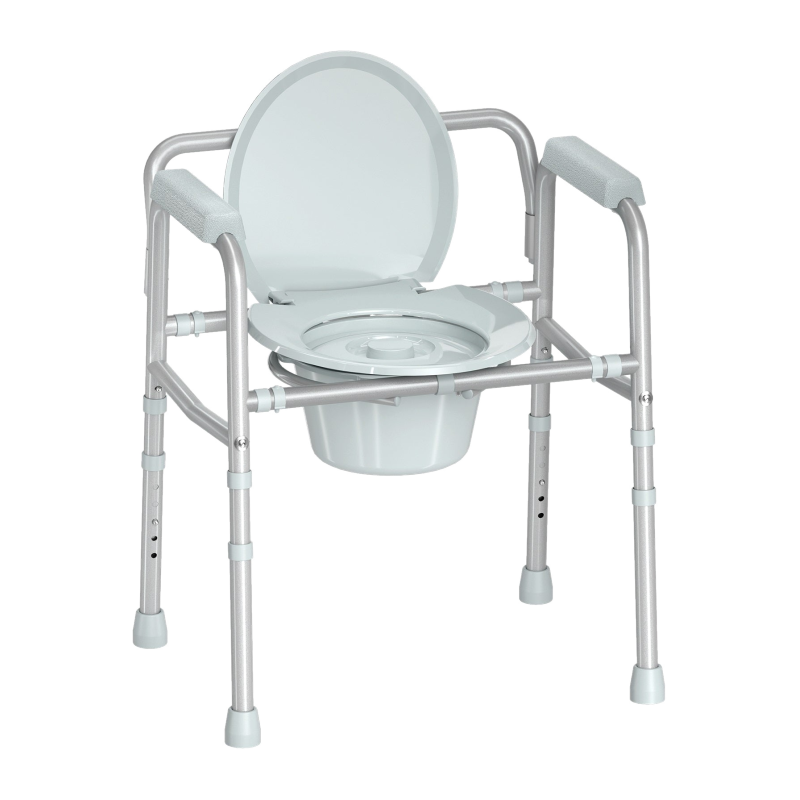
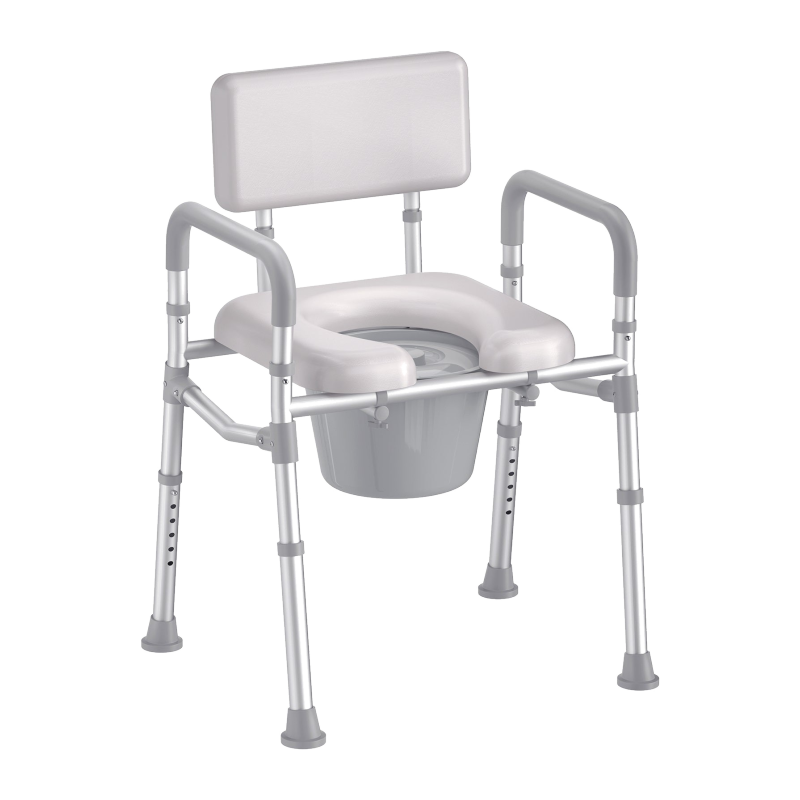
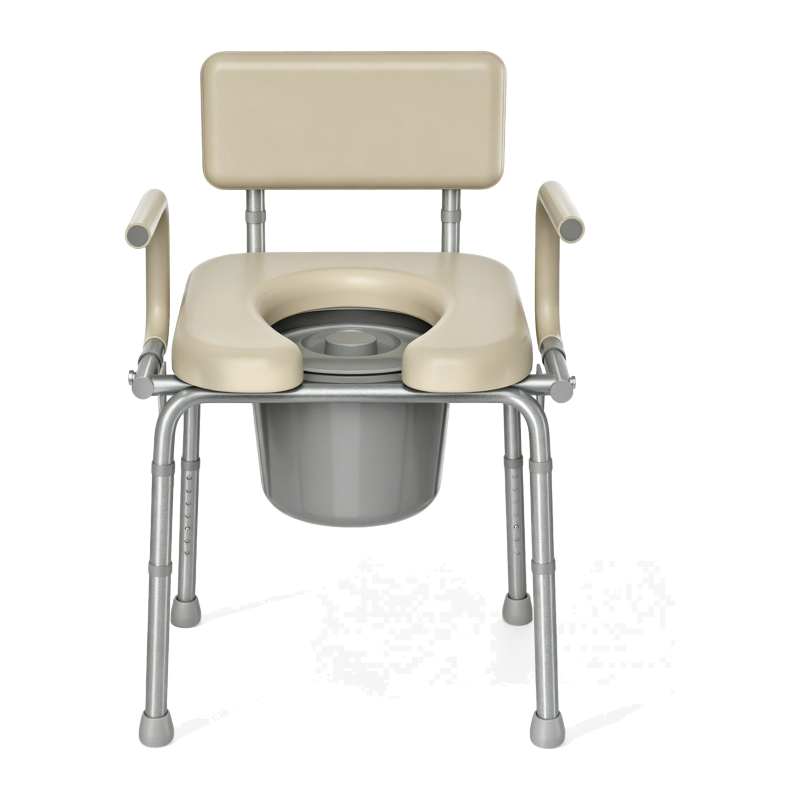
Toilet safety is equally important. Rising from a toilet seat is one of the movements that most commonly triggers a fall, particularly in people with dementia who may not instinctively grab a support rail. A raised toilet seat reduces the distance to stand, while a toilet safety rail gives a reliable handhold without requiring wall installation. Browse HOMLAND's toilet safety rail collection for options that fit standard toilets and adjust easily to the right height for your loved one.
Quick Bathroom Safety Checklist
- Place non-slip mats inside and outside the shower or tub
- Install a shower chair or transfer bench for seated bathing
- Add a toilet safety rail for support when sitting and rising
- Keep towels, soap, and toiletries in consistent, easy-to-reach spots
- Use contrasting colours where possible (e.g., a brightly coloured toilet seat lid) to help spatial recognition
- Leave a nightlight on so the bathroom is easy to locate after dark
These changes do not need to happen all at once. Start with the modifications that address the most immediate risks and build from there as your loved one's needs evolve.
Mobility and Getting Around the Home with Confidence
Dementia can affect a person's awareness of their own body in space — a phenomenon called spatial disorientation — which makes navigating even familiar rooms feel uncertain. Combined with any age-related changes in balance or strength, this can make walking around the home genuinely precarious. Supporting safe mobility is not about limiting where your loved one goes; it is about giving them the tools to move through their own home on their own terms.
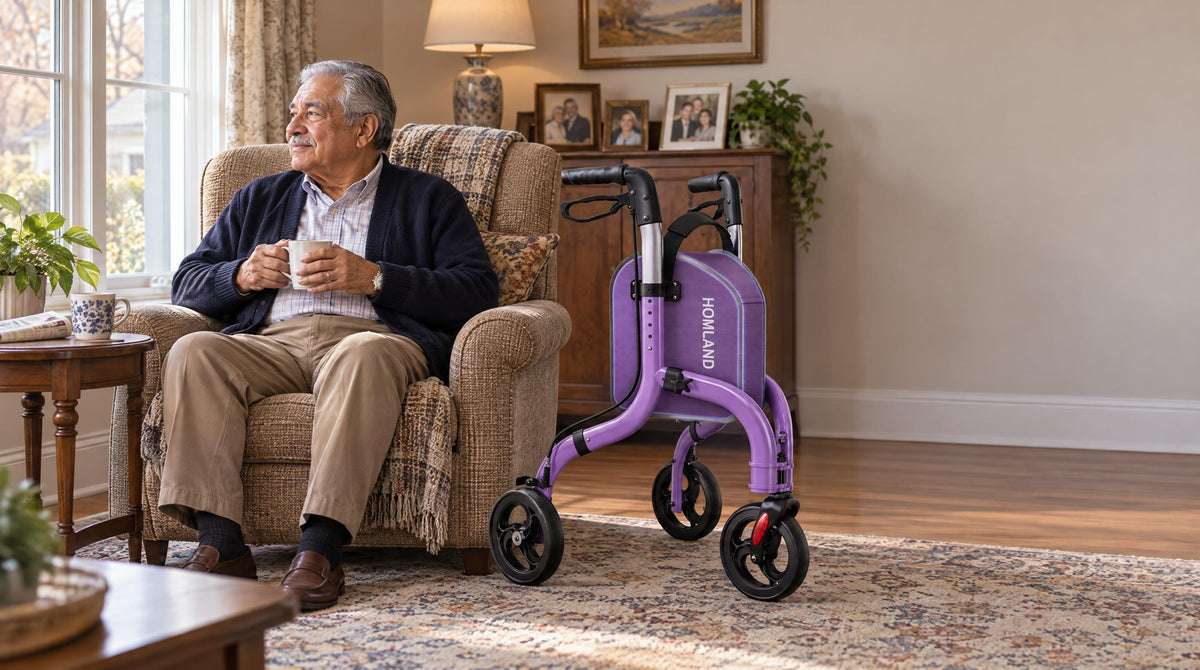
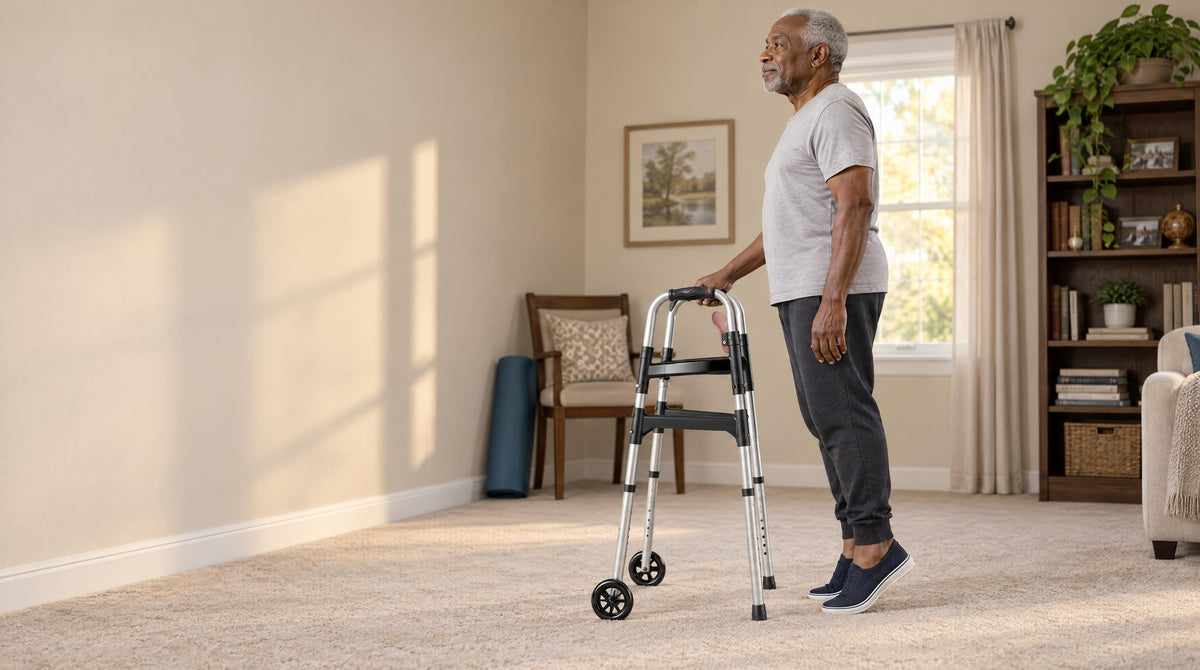
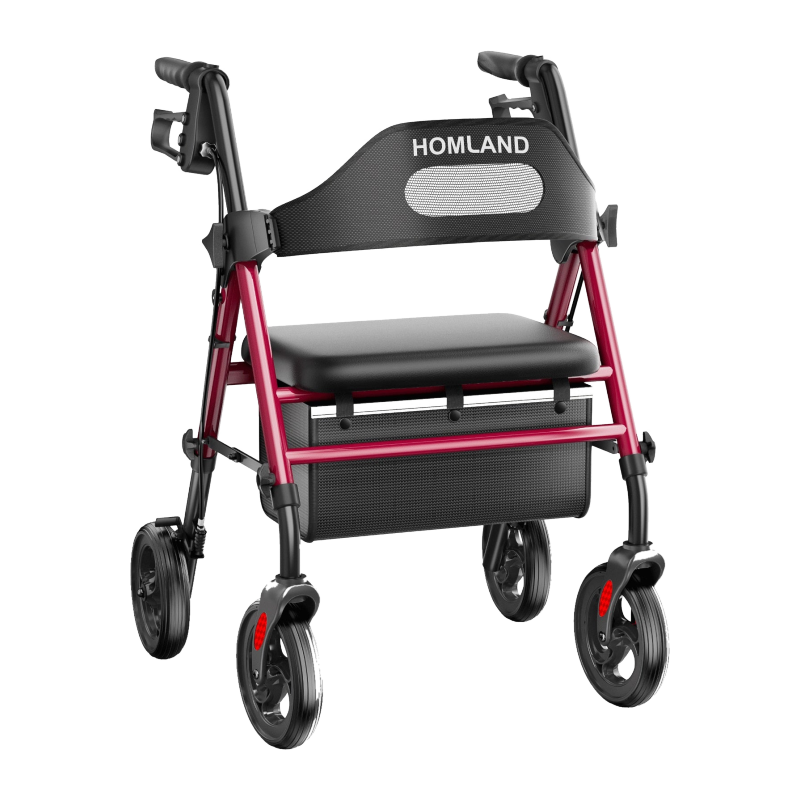
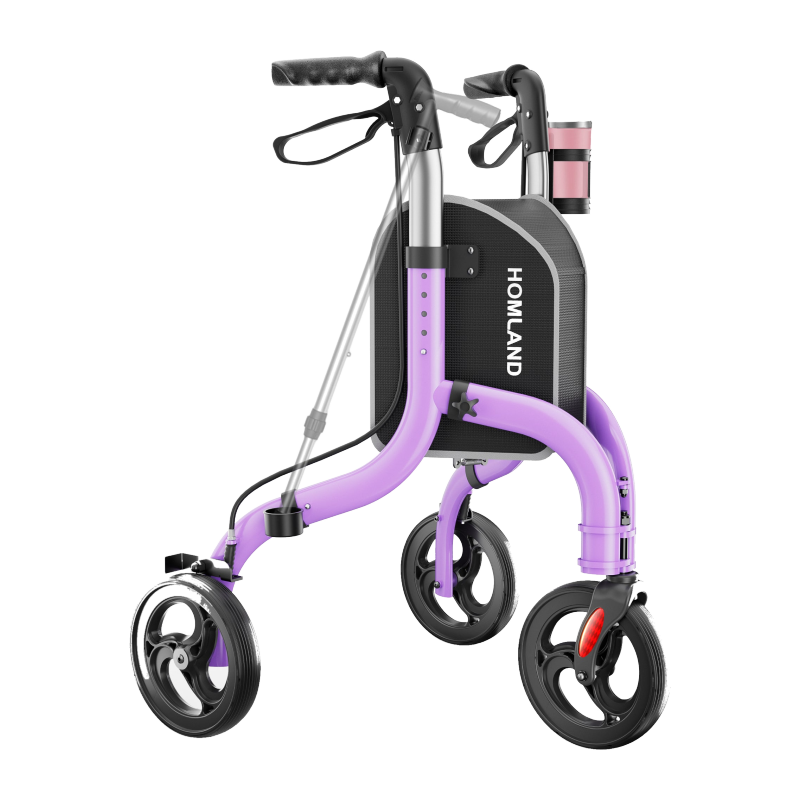
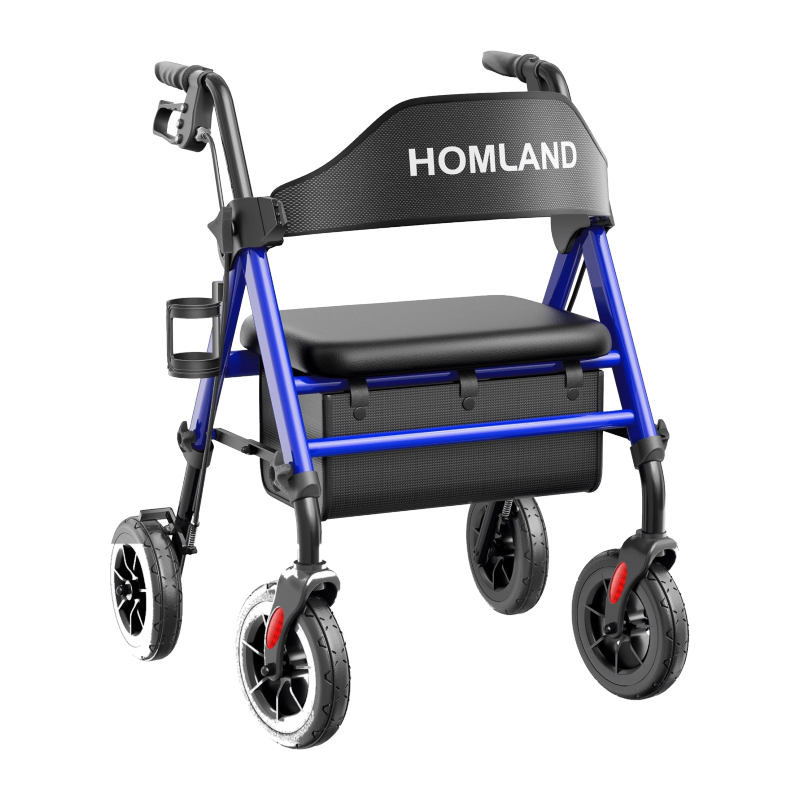
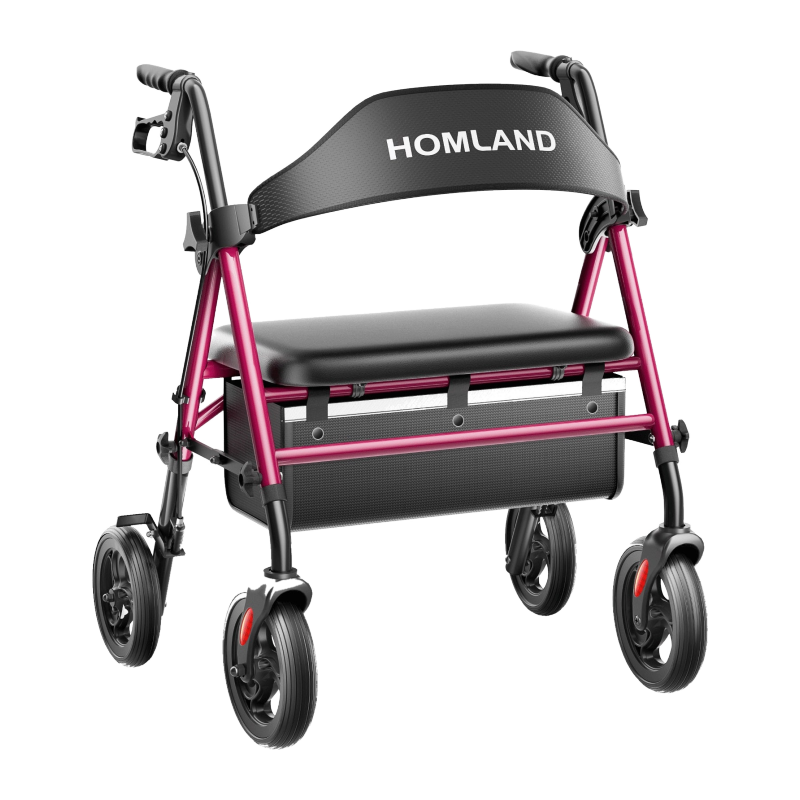
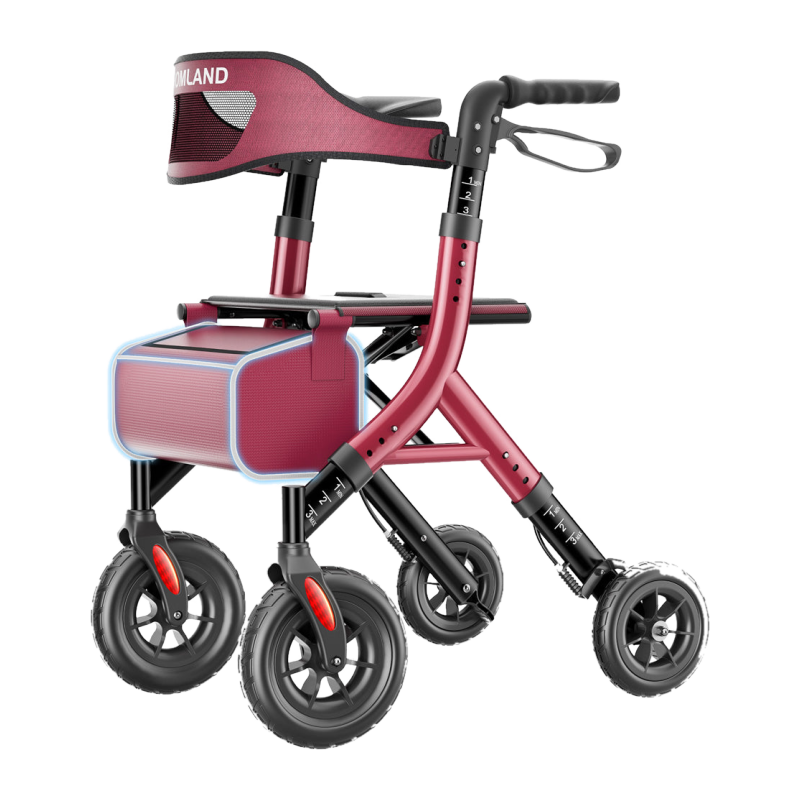
A rolling walker (sometimes called a rollator) can make a significant difference. Unlike a traditional walker that must be lifted with each step, a rollator glides forward smoothly and provides a stable frame that reduces the cognitive effort required to move safely. HOMLAND's rolling walker collection includes four-wheel rollators with hand brakes, padded seats for resting, and storage pouches — all authorised by licensed Doctors of Physical Therapy. For those who prefer a more lightweight option or are in earlier stages of mobility change, the standard walker collection offers sturdy, easy-to-grip frames with tool-free height adjustment.
Clear pathways throughout the home are equally important. Remove loose rugs, relocate low furniture that could catch a foot, and ensure good lighting in hallways and stairwells. These environmental changes cost nothing and can prevent falls that would otherwise be life-altering.
Sleeping and Nighttime Safety
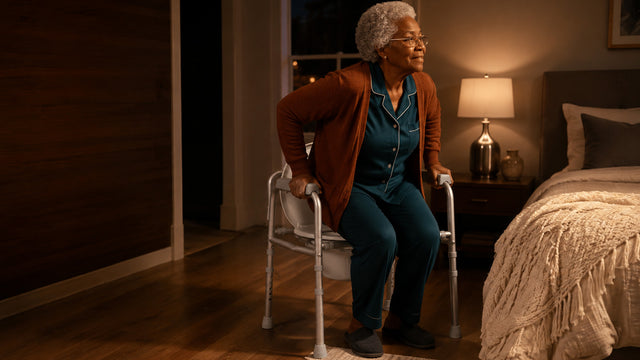
Many people with dementia experience disrupted sleep patterns — waking in the night, becoming confused about the time, or attempting to get up without fully waking. This is sometimes called sundowning, and it can be one of the most exhausting aspects of dementia caregiving for the person sharing a home. Nighttime safety at home requires both environmental preparation and a calm approach to those moments of confusion.
A bed rail gives your loved one a stable surface to hold as they sit up or swing their legs to the floor — a surprisingly demanding sequence of movements that becomes more difficult with age and cognitive change. HOMLAND's bed rail collection includes adjustable, padded options that attach to most standard bed frames without tools, offering reassurance through the night without constraining movement. Pair a bed rail with a clear path to the bathroom (marked by nightlights if needed) and the risk of nighttime falls drops meaningfully.
Communicating with Someone Who Has Dementia
Communication between caregivers and people living with dementia is its own skill set — one that takes practice and patience to develop. The instinct to correct, remind, or explain can sometimes make things harder, not easier. If your loved one asks where their late spouse is, responding with the factual truth may cause fresh grief with no ability to retain the information. Many care specialists suggest meeting the person in their emotional reality rather than correcting their factual one.
Speak slowly, use short sentences, and make eye contact at the same level rather than standing over someone seated. When giving instructions for a task like washing hands or sitting down, break it into one step at a time: "Hold the rail" before "Now sit down slowly." Physical demonstrations alongside verbal instruction often work better than words alone. And when frustration rises — on either side — a short break and a return to a calming activity is almost always more effective than pushing through.
Taking Care of Yourself as a Caregiver
It is easy to read a caregiving guide and focus entirely on the person you are caring for. But sustainable, compassionate caregiving requires that you are also taking care of yourself. Caregiver burnout is real, well-documented, and not a sign of weakness — it is a signal that the demands being placed on one person have exceeded what one person can reasonably carry alone.
Reach out to local dementia support groups, investigate respite care options in your area, and be honest with family members about what you need. Accepting help is not failing your loved one; it is how you ensure you can continue showing up for them over the long term. Many caregivers find that having even a few hours of scheduled, predictable time to themselves each week makes an enormous difference to their resilience and emotional availability.
Knowing When to Add More Support at Home
Dementia is a progressive condition, which means the home environment and caregiving approach that works today may need adjusting in six months. Rather than waiting for a fall or a crisis to prompt change, it helps to review the home setup every few months with a fresh eye — or ideally, with a professional assessment from an occupational therapist or physical therapist who can spot risks you may have become accustomed to.
HOMLAND's full range of home mobility and safety products — from shower chairs and bed rails to walkers and toilet safety rails — are designed to adapt alongside changing needs. All products are FSA/HSA eligible, arrive quickly from a US local warehouse, and are covered by a 1-year manufacturer warranty plus 1-year extended warranty. Whether you are adding your first safety rail or revisiting your entire home setup, the right support is available without making home feel like anywhere other than home.
Browse the full HOMLAND product range to find the tools that match where your loved one is today — and that can grow with them as their journey continues.
Caregiving for someone with dementia is not a single task with a clear finish line. It is a daily practice of patience, adaptability, and love — one that asks a great deal of the person giving care while also offering moments of genuine connection and meaning. By building consistent routines, making thoughtful home safety adjustments, and choosing the right mobility and support tools, you can help your loved one stay comfortable, safe, and as independent as possible inside the home they know.
You do not have to figure it all out at once. Start with the changes that feel most urgent, lean on trusted resources and professionals when you need guidance, and remember that small improvements add up to a meaningfully safer, more dignified everyday life. Home should always feel like home — and with the right support in place, it can.
Have questions about which home safety products are right for your loved one's needs?
Our team is here to help you find the right fit — whether that's a shower chair, a bed rail, or a walker that gives them the steadiness to move through their day with confidence.