

There is rarely a single moment when everything becomes clear. More often, it is a quiet accumulation of small worries — a fall that almost happened, a pill bottle left untouched, a parent who no longer answers the phone with the same energy they once did. If you are asking yourself whether a loved one might need assisted living, you are already paying attention in the way that matters most.
This guide walks through the most meaningful signs that professional care may be the right next step. It also explores something competitor articles rarely mention: for many families, the right first move is not a facility — it is thoughtful home modifications and mobility support that can restore confidence and extend independence at home. At HOMLAND, we believe in a "Home, not hospital" philosophy, and that means helping every family make the most informed choice possible, whatever that turns out to be.
What Is Assisted Living, Really?
Assisted living is a residential care option designed for seniors who need regular help with daily tasks but do not require the intensive, round-the-clock medical attention provided by a nursing home. Residents typically live in private or semi-private apartments within a community setting and receive support with bathing, dressing, medication management, and meals. Social programming, housekeeping, and transportation are usually included.
It is worth understanding what assisted living is not: it is not the only solution when a senior begins to struggle. For many older adults, the right combination of home adaptations, mobility aids, and part-time in-home support can preserve independence for months or even years longer. The goal of this article is to help you recognize the genuine warning signs — and to think clearly about all the options on the table.
Sign 1: Struggling with Everyday Personal Care
Activities of daily living — bathing, dressing, using the toilet, grooming — are the baseline measures of how well someone is managing independently. According to the CDC, approximately 13.8% of adults aged 75 and older needed personal care assistance in 2024. When these tasks become consistently difficult or unsafe, it is a serious signal that the current living arrangement may need to change.
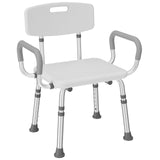
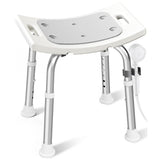
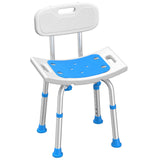
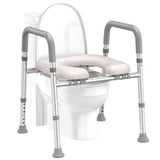
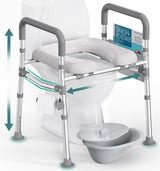
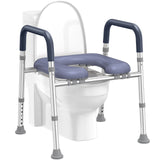
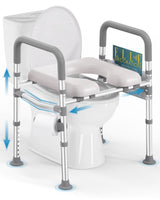
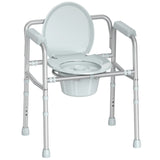
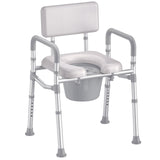
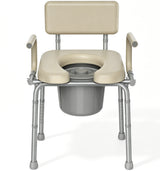
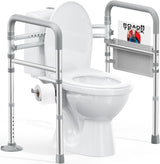
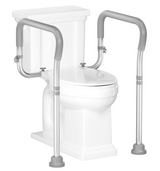
That said, it is worth pausing to ask why a task has become difficult. Sometimes the barrier is the environment, not the person's overall health. A shower without a grab bar, a toilet that sits too low, or a hallway too narrow for a walker can make routine care feel impossible. Physical therapists often recommend addressing these environmental factors first, because the right equipment can restore a person's ability to handle their own care with confidence. If your loved one is struggling specifically with bathing or toileting, solutions like a shower chair or a toilet safety rail can make a meaningful difference before more significant care changes become necessary.
Sign 2: Frequent Falls or Fear of Falling
A single fall can be a turning point. The fear that follows — of falling again, of being found on the floor, of losing control — can cause seniors to restrict their movement, which leads to muscle weakness, which raises the risk of another fall. It is a cycle that physical therapists see often, and one of the reasons they recommend early intervention with mobility support.
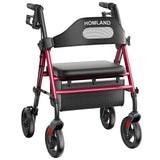
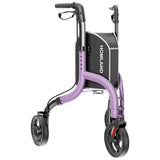
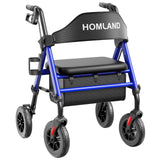
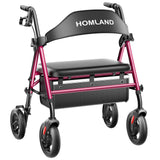
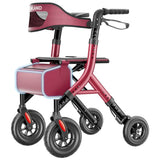
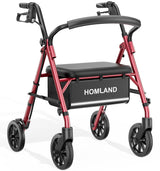
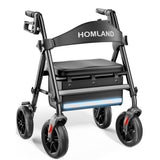
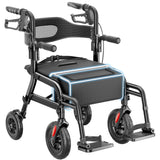
If your loved one has fallen more than once, or if they are visibly hesitant to move around their own home, that hesitation deserves serious attention. In some cases, assisted living's structured environment and staff availability is the right answer. In others, a rolling walker or a set of bed rails can restore the security they need to move through their day without fear. HOMLAND's rolling walkers are authorized by licensed Doctors of Physical Therapy and are FSA/HSA eligible, so families can access them quickly through an existing health spending account.
Sign 3: The Bathroom Has Become Unsafe
The bathroom is statistically the most dangerous room in the home for older adults. Wet surfaces, awkward transfers in and out of the tub, and the simple act of lowering onto a toilet seat can all present real fall risks. If your loved one is avoiding bathing, or if you have noticed them gripping walls and door frames for support, these are not small concerns.
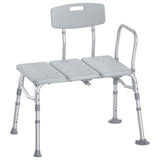
Before concluding that a move is necessary, it is worth assessing whether the bathroom itself can be made safer. Walk-in showers, grab bars, non-slip mats, and raised toilet seats can transform a hazardous space into one that feels manageable. HOMLAND's shower chairs and transfer benches are designed for tool-free assembly and adjustable heights, so they fit a wide range of bathrooms and body types without requiring a contractor. These are the kinds of changes that can buy meaningful time at home — and sometimes, that time is all a family needs.
Sign 4: Medications Are Being Missed or Mismanaged
Medication errors are among the most serious risks for older adults living alone. The CDC reports that misuse of prescription medications sends more than 600,000 seniors to the emergency room each year, making it the leading cause of ER visits for adults over 65. Missed doses, double doses, or taking the wrong medication at the wrong time can all have severe consequences, particularly for those managing chronic conditions.
If you have noticed a loved one consistently forgetting their medications, or if pill bottles are expiring with many doses left, this warrants a conversation with their doctor. Assisted living communities can offer structured medication management, but for seniors who are otherwise managing well at home, a pill organizer system, pharmacy blister packs, or a caregiver check-in may be sufficient interim steps. The key is not to let this sign go unaddressed.
Sign 5: Poor Nutrition and Weight Changes
Seniors living alone often struggle to maintain good nutrition. Cooking for one can feel like too much effort, especially when fatigue, joint pain, or low mood makes standing at the stove difficult. The result is often a diet heavy in convenience foods, or simply too little food overall. Unintentional weight loss, low energy, or a refrigerator consistently empty of fresh food are all worth noticing.
Assisted living communities typically provide chef-prepared meals that accommodate dietary needs — low-sodium, diabetic-friendly, and others — in a social dining environment that many residents find genuinely enjoyable. If cooking has become a safety issue as well as a nutritional one, this is a strong argument for exploring assisted living options.
Sign 6: Growing Isolation and Loneliness
Social isolation among older adults is a genuine health risk, not just an emotional concern. Research consistently links loneliness to cognitive decline, depression, and poorer physical health outcomes. If your loved one rarely leaves the house, has stopped calling friends, or seems withdrawn in a way that is new or worsening, this deserves direct attention.
Sometimes isolation is driven by mobility limitations — a senior who cannot walk comfortably to the car, or who is embarrassed to go out with a walker, may gradually shrink their world. The right mobility aid can remove that barrier. But if the withdrawal runs deeper, or if there simply are not enough people in their day-to-day life, the structured social environment of an assisted living community can offer something that equipment alone cannot: genuine human connection and daily engagement.
Sign 7: Home Maintenance Is Slipping
A home that is noticeably messier than usual, or one where basic upkeep — laundry, dishes, basic cleaning — is falling behind, is often a sign that the person living there is overwhelmed. This is not about personal standards. It is about capacity. When maintaining a home becomes more than someone can manage, the home can actually become a hazard: expired food, clutter on the floor, neglected repairs.
Assisted living removes the burden of home maintenance entirely, which can be an enormous relief for seniors who have been quietly struggling to keep up. For seniors who want to remain home, pairing part-time housekeeping help with the right mobility tools can sometimes restore a sustainable balance. But if the maintenance issues have reached a point of genuine safety risk, that is an important factor in the decision.
Sign 8: Family Caregivers Are Running on Empty
Caregiver burnout is real, and it is more common than most families want to admit. The demands of coordinating care, managing medical appointments, handling personal care, and staying emotionally present for a loved one can quietly erode a caregiver's own health and relationships. Burnout often develops gradually, which makes it easy to dismiss until it becomes a crisis.
It is worth asking honestly: Are family members missing work or sacrificing their own health to keep the current arrangement going? Is the relationship between the caregiver and the senior becoming strained? Does your loved one need overnight support that no one can sustainably provide? If the answer to any of these is yes, that is not a failure — it is important information. Assisted living exists precisely to carry weight that families cannot carry indefinitely on their own.
Sign 9: A Doctor Has Raised Concerns
A physician who knows your loved one's history is often the first to see the full picture. If a doctor has suggested that assisted living may be appropriate, or has raised concerns about the safety of the current living arrangement, that opinion carries real weight. Seniors tend to trust their doctors, and a doctor's recommendation can sometimes open a conversation that families have been struggling to start.
It is also worth asking your loved one's doctor specifically about mobility and home safety assessments. A physical therapist can evaluate the home environment and recommend targeted modifications — including mobility aids and bathroom safety equipment — that may address the doctor's concerns without requiring a move. That kind of assessment is a valuable step regardless of where the decision ultimately lands.
Before You Decide: Could Home Modifications Help?
Assisted living is the right answer for many families. But for seniors who are in the earlier stages of needing support, a thoughtfully adapted home can extend independence in ways that are deeply meaningful. Physical therapists often recommend starting with the environments that create the most daily risk — the bathroom, the bedroom, the path between them — and addressing those first.
HOMLAND's full range of home mobility and safety products is designed around exactly this philosophy. Every product is tool-free to assemble, adjustable to fit different bodies and spaces, and endorsed by licensed Doctors of Physical Therapy. They are also FSA/HSA eligible, backed by a 1-year manufacturer warranty plus a 1-year extended warranty, and shipped from a US local warehouse for fast delivery when timing matters.
- Bathroom safety:Shower chairs and toilet safety rails to make the highest-risk room manageable
- Mobility around the home:Rolling walkers and standard walkers that provide stable support without being bulky or clinical-looking
- Nighttime safety:Bed rails that help with getting in and out of bed independently, without waking a partner
- Recovery support:Knee scooters for post-surgery mobility that keeps daily life moving
Browse the full HOMLAND product collection to find what fits your loved one's specific situation. If you are unsure where to start, our team is happy to help you think it through.
Frequently Asked Questions
At what age do most seniors move to assisted living?
Most seniors who move to assisted living are between 75 and 84, with the average age of an assisted living resident around 87. Age alone is not the deciding factor — it is the level of daily support needed that matters most. Some people thrive independently well into their 90s with the right home setup; others benefit from assisted living earlier due to specific health conditions.
How many falls should prompt a serious conversation about care?
Ideally, the conversation happens before a fall occurs. A single fall that causes injury, or a pattern of near-misses, is a strong signal to act. Rather than waiting for a second or third fall, use the first incident as a prompt to assess both the home environment and the level of care your loved one currently has access to.
What if my parent refuses to consider assisted living?
Resistance is very common and is usually rooted in fear of losing independence and control, not stubbornness. Try to understand the specific concern behind the refusal. Sometimes addressing a particular safety issue at home — with a mobility aid or bathroom modification — can reduce the urgency and give your loved one more time to come around to the idea at their own pace. Including them in decisions, rather than presenting a done deal, tends to lead to better outcomes for everyone.
Can home modifications really delay the need for assisted living?
For many seniors, yes — particularly when mobility and bathroom safety are the primary concerns. Physical therapists routinely help families identify practical home changes that restore a senior's ability to manage daily tasks safely. The key is acting early, before a fall or health crisis forces a rushed decision. Well-chosen mobility aids and safety equipment can preserve independence in meaningful ways while giving families time to plan thoughtfully.
The Right Decision Starts with the Right Information
Recognizing that a loved one may need more support is never easy. The signs covered in this guide — struggles with personal care, mobility concerns, bathroom safety, medication management, isolation, and caregiver fatigue — are all worth taking seriously. They deserve honest conversations, not delayed ones.
At the same time, assisted living is not the only path forward. Many of these warning signs can be meaningfully addressed with the right home modifications, giving families more time and seniors more of the independence they deserve. HOMLAND exists to support exactly that: a life lived at home, on your own terms, with the dignity and confidence that comes from moving safely through your own space.
Whatever direction your family's conversation takes, the most important step is starting it — and starting it with good information and genuine care for everyone involved.
Not Sure Where to Start?
Whether you are weighing care options or looking for ways to make home safer right now, our team is here to help. HOMLAND's home mobility and bathroom safety products are DPT-authorized, FSA/HSA eligible, and backed by a two-year warranty — designed to give seniors and their families real peace of mind at home.
Contact Us — We're Happy to Help