

Picture this: you reach for something on the kitchen counter, your weight shifts just a little too far, and for a split second your heart jumps. Most seniors know that feeling. And it's a signal worth taking seriously.
Falls are the leading cause of injury among older adults. According to the CDC, more than one in four adults aged 65 and older experiences a fall each year — and the physical and emotional toll can be significant. But here's the encouraging truth: balance is a skill you can train, strengthen, and rebuild, no matter your starting point.
Physical therapists have long prescribed targeted balance exercises as one of the most effective ways to reduce fall risk, restore confidence, and support everyday independence. The 10 routines in this guide are organized by difficulty — from gentle seated movements all the way to dynamic walking exercises — so you can find exactly where to start and progress at your own pace. Whether you're recovering from surgery, managing a chronic condition, or simply being proactive about staying steady on your feet, these exercises are designed to fit into real life, right at home.
Why Balance Matters More as We Age
Balance isn't just one thing — it's a conversation between your muscles, your inner ear, your vision, and your brain's sense of where your body is in space (called proprioception). As we get older, each of these systems naturally changes. Muscle mass decreases, vision may soften, and that internal GPS we rely on becomes a little less precise. The result is that small stumbles that younger people barely notice can become genuinely risky for older adults.
The good news is that the body responds remarkably well to consistent practice. Regular balance training strengthens the muscles around the ankles, hips, and core — the foundation of steady movement. It also recalibrates proprioception, training the nervous system to detect instability and correct it before a stumble becomes a fall. Physical therapists often describe it as "teaching your body to catch itself," and the research consistently supports this approach.
Beyond the physical benefits, improved balance has a quieter but equally important effect: it rebuilds confidence. When everyday movements feel steady and predictable, people move more freely, engage more fully, and worry less. That's not a small thing — it's what living independently really feels like.
Before You Start: A Few Safety Notes
Before jumping into any new exercise routine, a quick conversation with your doctor or a licensed physical therapist is always a smart first step — especially if you've had recent falls, surgery, or a condition that affects your movement. That said, the exercises below are designed to be gentle, progressive, and safe for most older adults when performed with proper support nearby.
Here are a few practical tips to keep every session safe:
- Always have a sturdy chair, wall, or countertop within arm's reach for the standing exercises.
- Wear supportive, non-slip footwear — not socks alone on hardwood or tile floors.
- Clear your practice area of rugs, cords, or anything that could cause a trip.
- Move at your own pace. If an exercise feels unsteady or causes pain, stop and try the easier variation.
- For caregivers: standing close during initial sessions — without hovering — gives your loved one both safety and confidence.
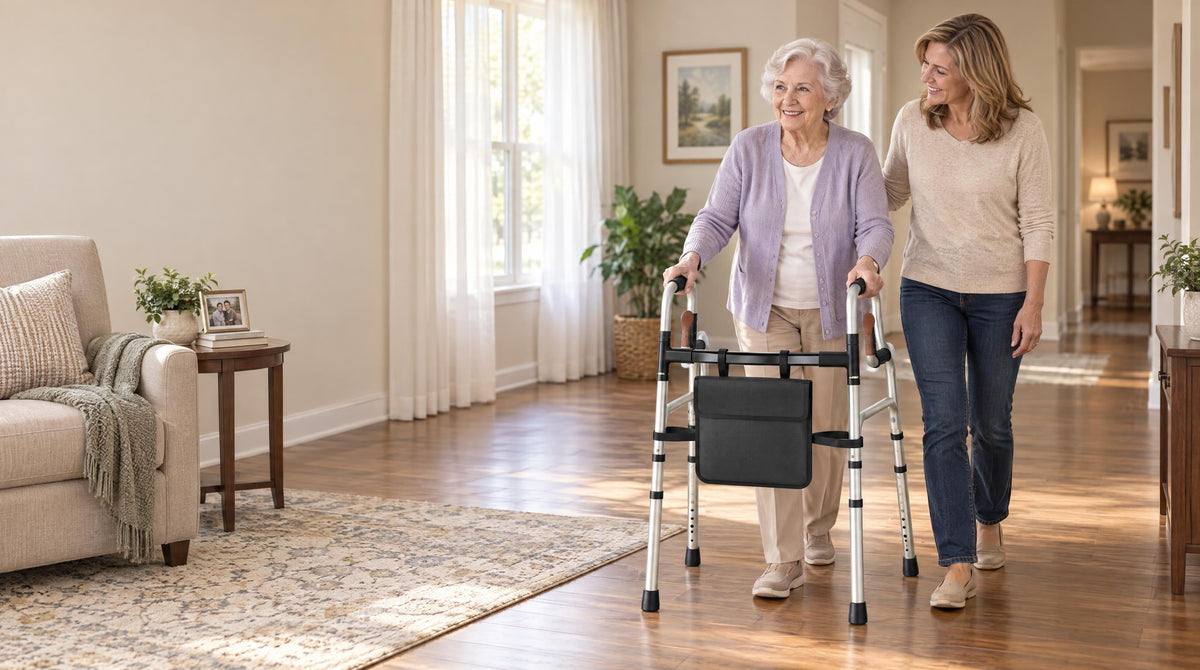
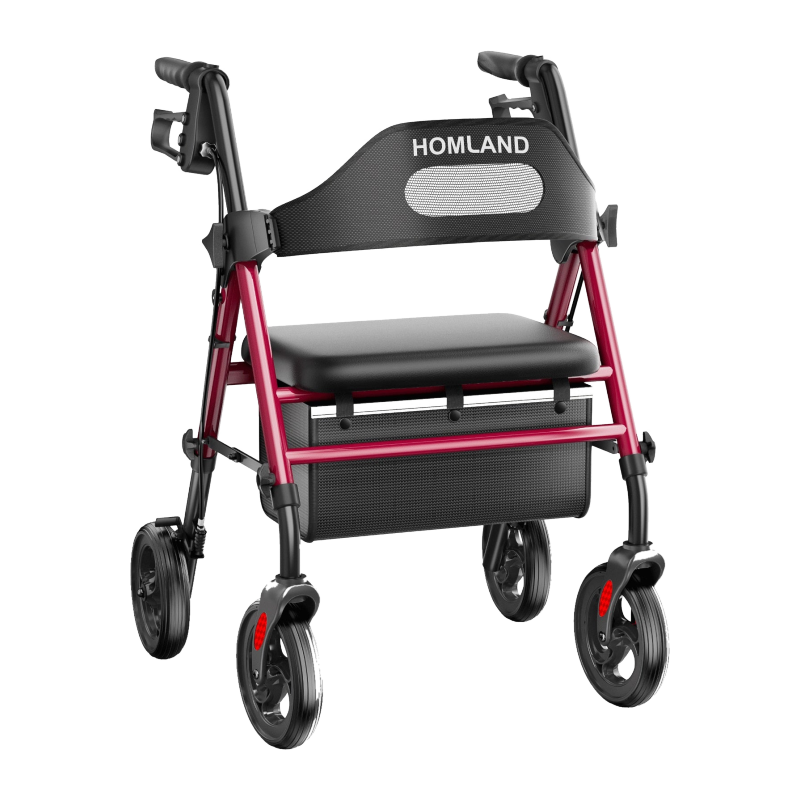
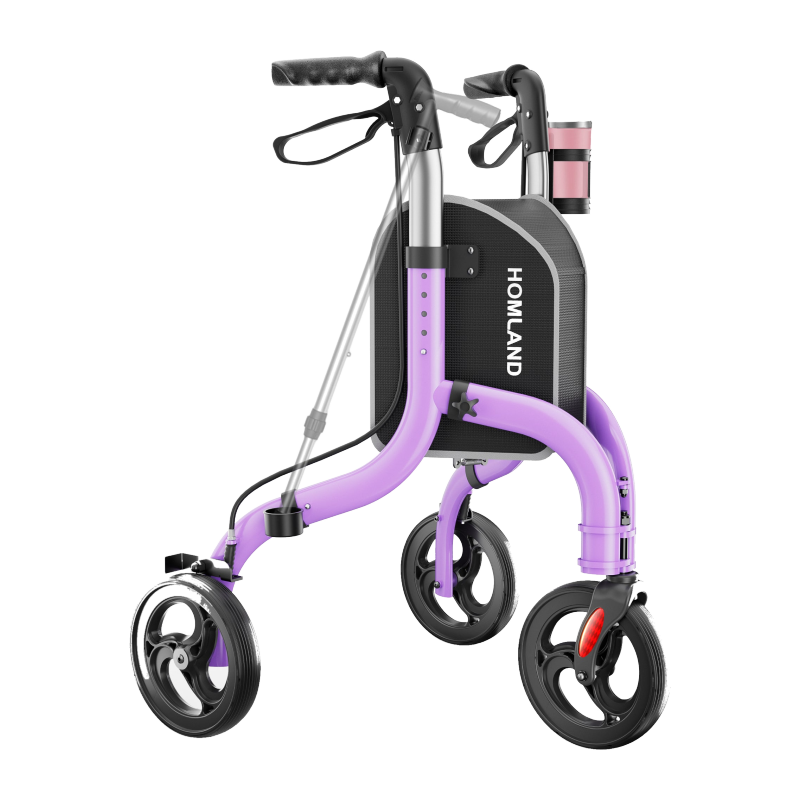
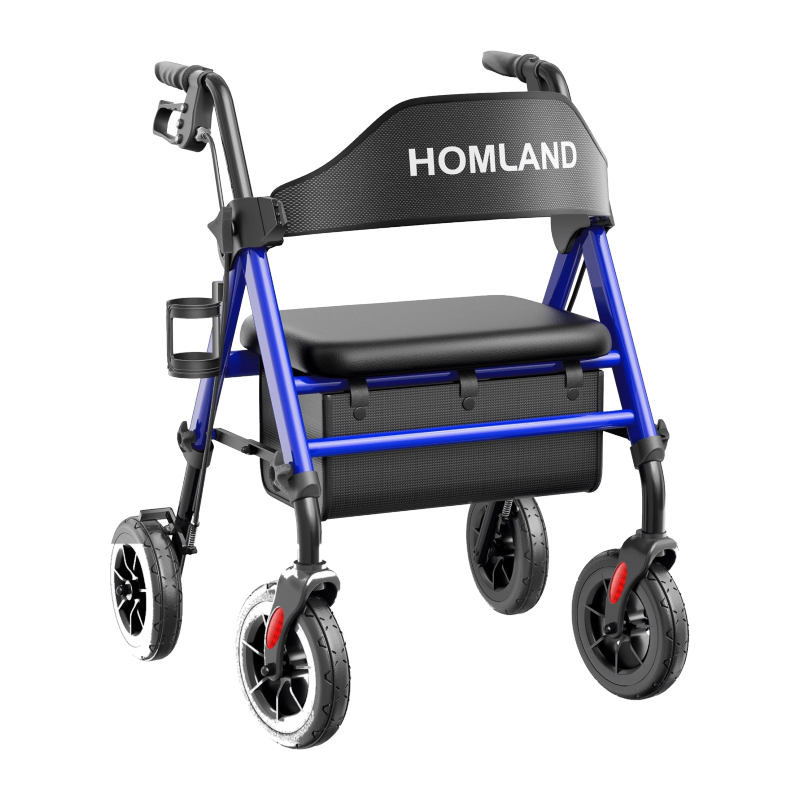
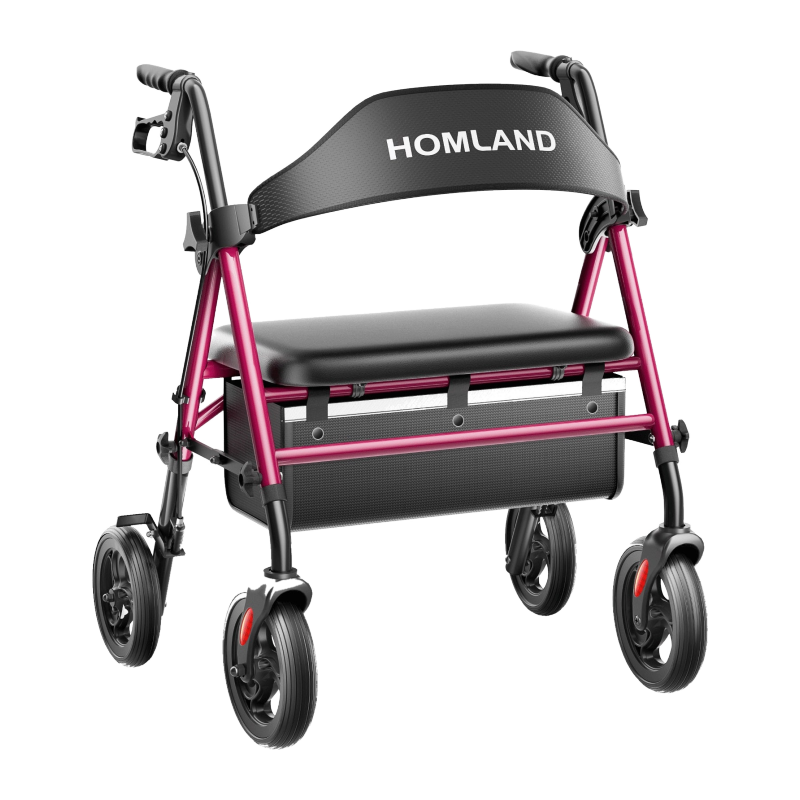
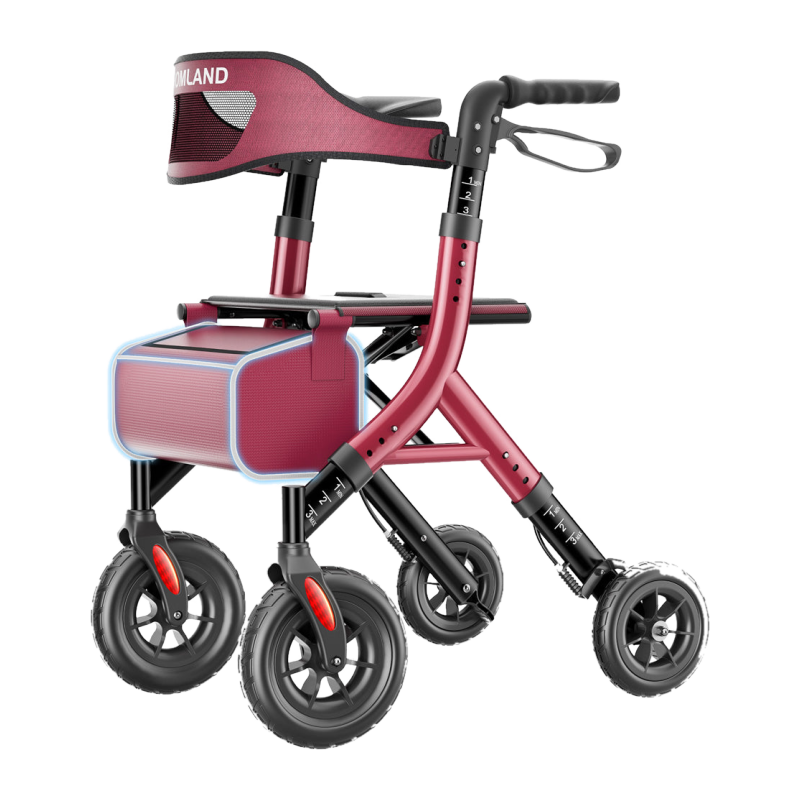
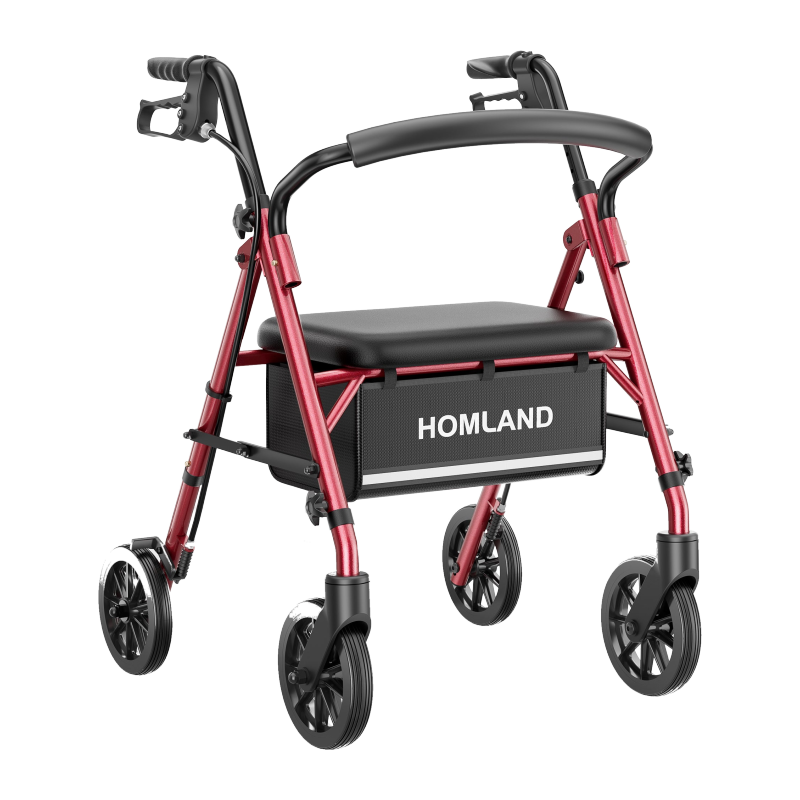
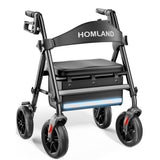
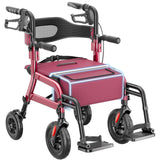
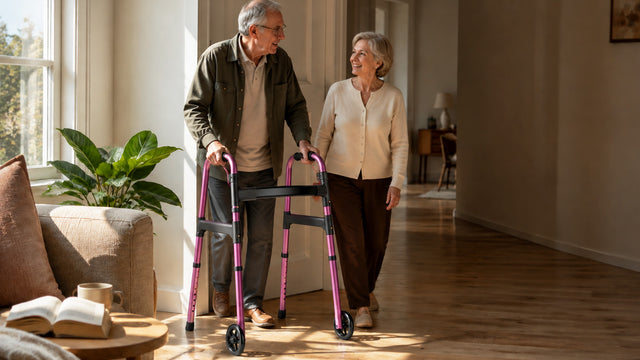
If you use a standard walker or rolling walker for daily movement, keep it nearby during standing exercises. Gripping a stable walker for support during balance practice is completely appropriate — and in many cases, it's exactly what physical therapists recommend during early training.
Seated Balance Exercises (Beginner-Friendly)
Seated exercises are often the best starting point, especially after surgery, illness, or a long period of limited activity. They build the foundational strength — in the core, ankles, and legs — that all standing balance depends on. Think of these as the groundwork, not a lesser alternative.
1. Seated Marching
Sit tall in a sturdy chair with your feet flat on the floor, hip-width apart. Draw your belly button gently inward — this engages your core even while seated. Slowly lift your right knee toward the ceiling, then lower it, then repeat with your left knee. The goal is a smooth, controlled alternating march. Aim for 10 to 20 repetitions per side, two sets. This exercise strengthens the hip flexors and core, both of which play a direct role in walking stability. Progress by increasing speed slightly or adding light ankle weights over time.
2. Ankle Circles
Ankle mobility is surprisingly central to balance — stiff or weak ankles are one of the most common contributors to shuffling and stumbling. Sit comfortably with one leg extended forward. Slowly rotate your foot in a full circle, ten times clockwise, then ten times counter-clockwise. Switch legs. This takes less than two minutes and can be done first thing in the morning before you even stand up. Physical therapists frequently recommend ankle mobility work as a starting point for anyone who has experienced ankle sprains, post-surgical stiffness, or reduced flexibility.
3. Seated Leg Extensions
Sit up straight with knees at a 90-degree angle. Slowly extend one leg until it is straight, hold for two to three seconds while squeezing the front of your thigh (the quadriceps), then lower it back down. Repeat ten times per leg. Strong quadriceps are essential for getting up from a chair safely, managing stairs, and maintaining stability mid-stride. This exercise is particularly valuable during recovery from knee or hip procedures, as it rebuilds the muscle support around those joints without requiring any standing load.
Standing Balance Exercises (With Support)
Once seated exercises feel comfortable, it's time to bring in gravity. These standing exercises are performed with one hand resting lightly on a chair back, counter, or wall — not gripping tightly, but touching for reassurance. That light contact gives your nervous system just enough feedback to feel secure while still challenging your balance system.
4. Weight Shifts
Stand with feet hip-width apart, holding lightly to a chair back. With a soft bend in your knees, slowly shift your weight to your right leg — feeling the pressure build under your right foot — and hold for two seconds. Then shift back to center and over to the left. This mimics the weight transfer that happens with every step you take. Physical therapists often use weight-shifting exercises as the first standing balance drill because it trains the body to tolerate instability in a controlled, low-risk way. Work up to 15 repetitions on each side.
5. Heel Raises
Stand behind a chair with both hands resting on the top rail. Rise slowly onto the balls of your feet, hold for two seconds, then lower back down with control. This strengthens the calf muscles, which are essential for pushing off the ground during each step and for recovering balance when you feel yourself tipping forward. Start with 10 repetitions and build to three sets as strength improves. For an extra challenge, try slowing down the lowering phase — taking three to four seconds to come back down — which creates greater muscle engagement.
6. Marching in Place (Standing)
The standing version of marching is significantly more demanding than its seated counterpart. Hold lightly to a chair back and lift one knee toward your hip, then alternate. Focus on keeping your trunk upright and still — the movement is in the legs, not the torso. Three sets of 10 repetitions is a solid target. This exercise improves hip strength and the ability to clear the ground when walking, which reduces the risk of catching a toe on an uneven surface or threshold strip.
7. Single-Leg Stance
Stand near a wall or chair and slowly lift one foot a few inches off the ground. Hold for as long as you comfortably can — even five seconds is a meaningful start. Work toward 30 seconds per side over several weeks. Single-leg balance is the foundation of walking: every stride involves a brief moment of standing on one foot. Practicing this directly trains the body for that exact scenario. If holding for even a few seconds feels challenging at first, don't be discouraged — this is one of the fastest-improving skills with consistent practice.
Dynamic Balance Exercises (Active Movement)
Dynamic balance exercises involve moving through space while maintaining stability. They most closely replicate the real-life situations where falls tend to happen — walking across a room, stepping over a threshold, reaching while standing. Only attempt these exercises once you feel consistently steady with the supported standing exercises above.
8. Tandem (Heel-to-Toe) Walk
Position yourself along a countertop or hallway wall for safety. Place one foot directly in front of the other so that the heel of your front foot touches the toes of your back foot — like walking a tightrope. Take five to ten steps in this narrow stance, then turn carefully and walk back. This exercise forces a greater weight shift than a regular stride and improves gait control significantly. Physical therapists recommend practicing this daily for several weeks before attempting it without a support surface nearby. As it becomes more comfortable, try it with your fingertips barely brushing the wall rather than actively gripping.
9. Sidestepping
Stand with feet together near a countertop. Take a wide step to the right, then bring your left foot to meet it. Continue stepping sideways for five to eight steps, then reverse direction. Sidestepping strengthens the hip abductors (the outer hip muscles) and trains lateral balance — which is critical for recovering when you feel yourself tipping sideways. You can add a simple challenge by placing a small, soft object (like a folded towel) on the floor and stepping over it as you sidestep, which also encourages greater hip and knee lift. Keep one hand available to touch the counter if needed.
10. Chair Squats
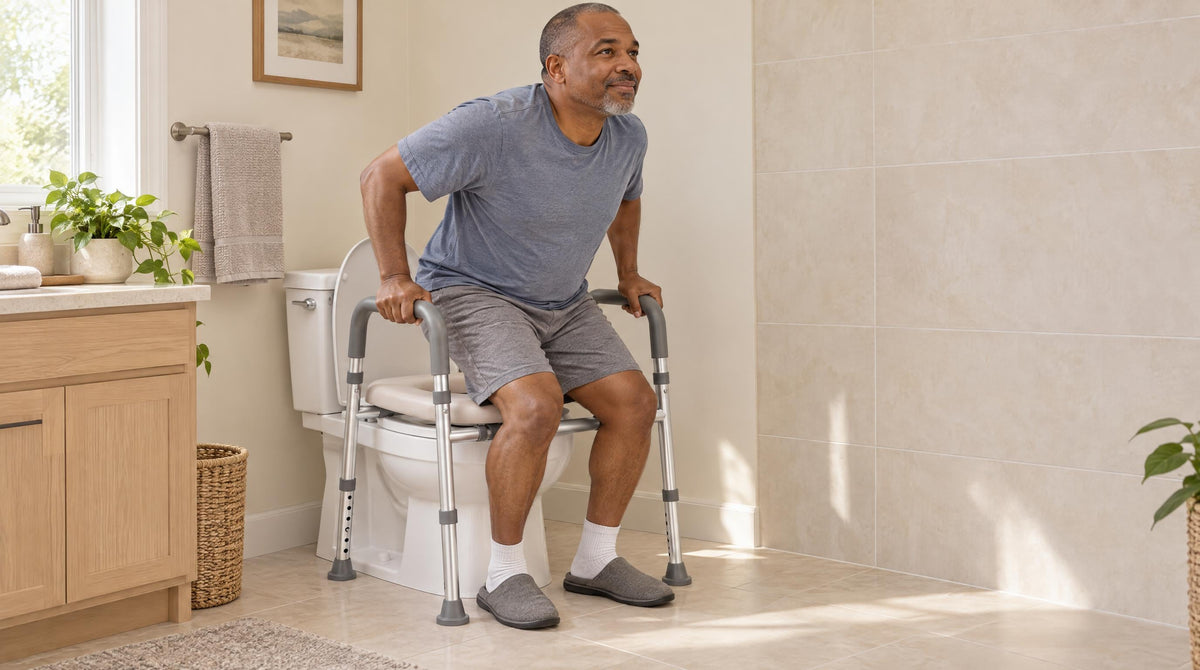
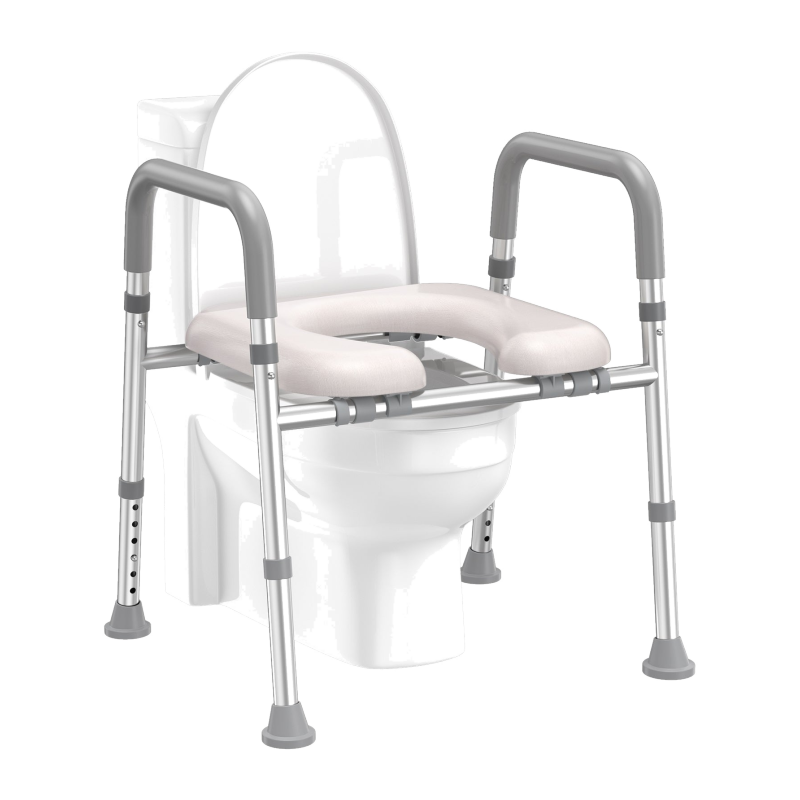
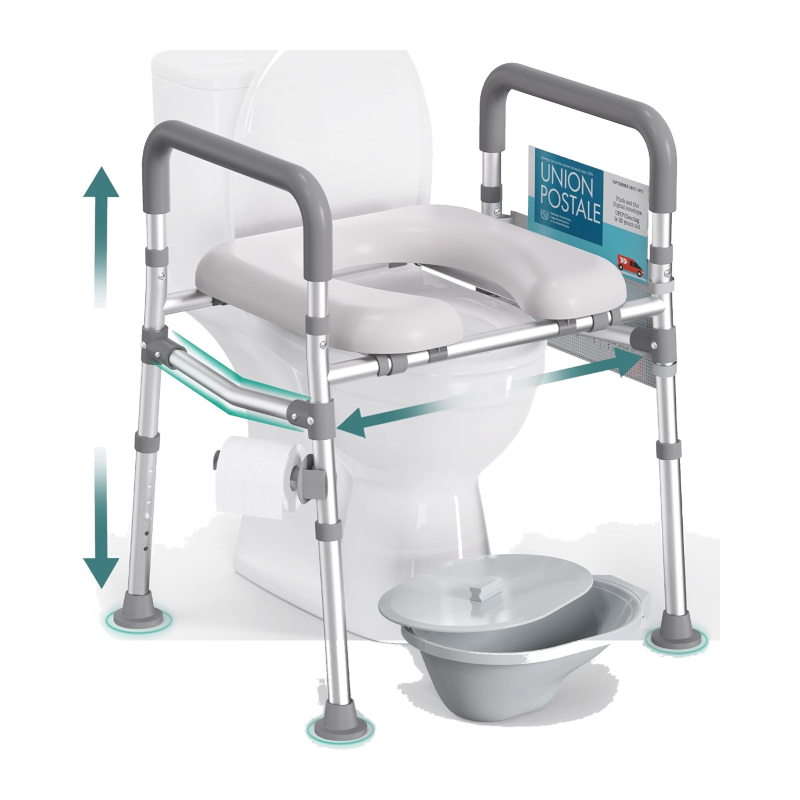
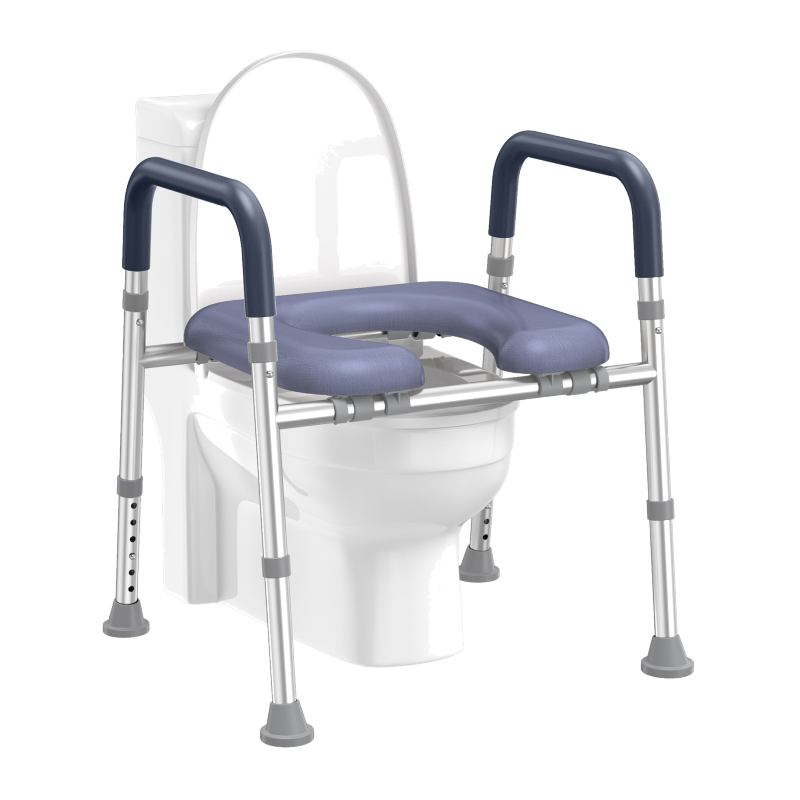
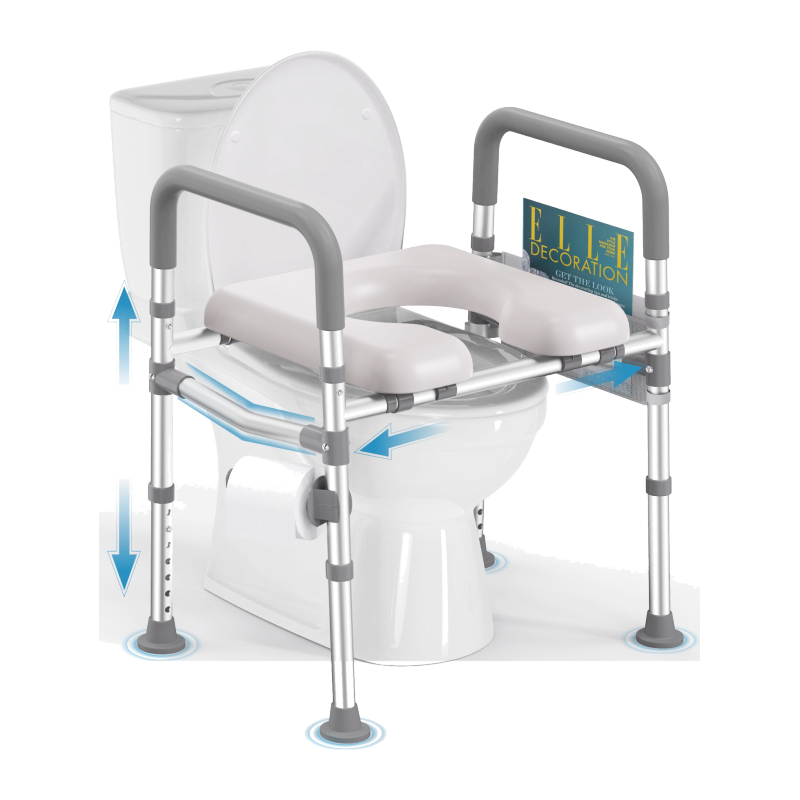
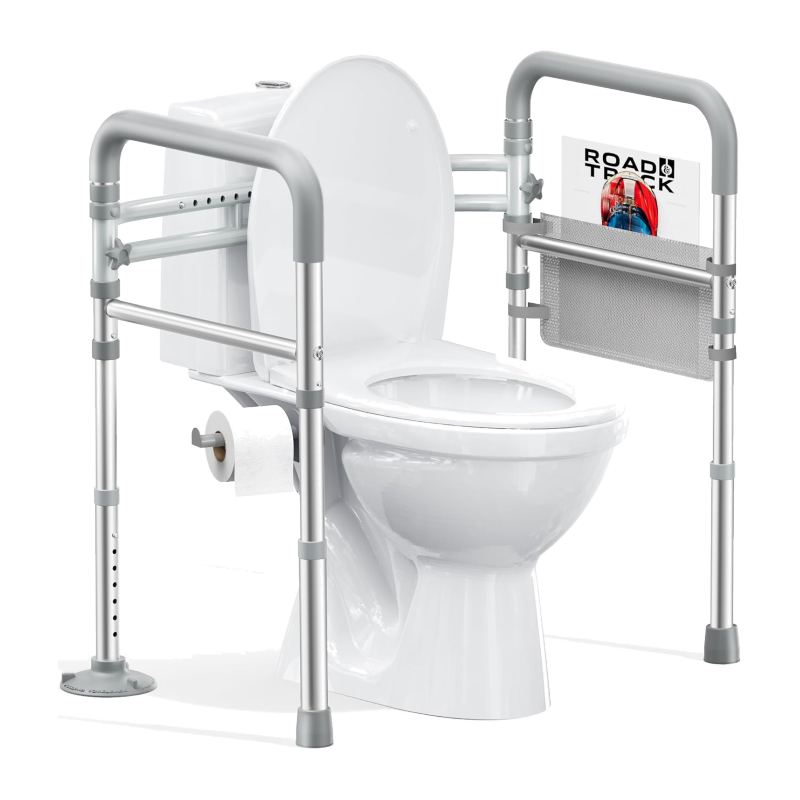
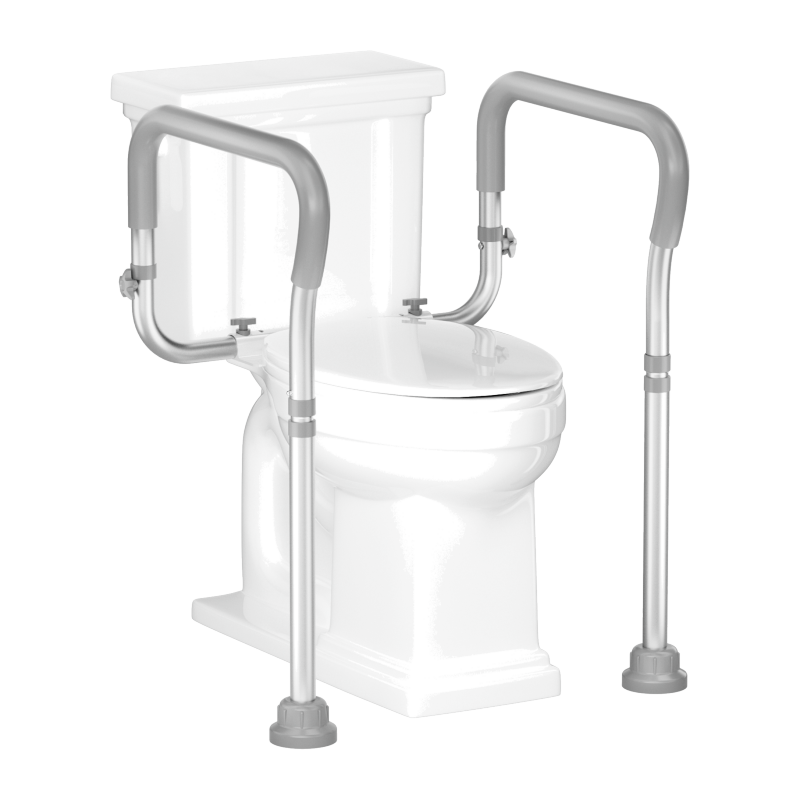
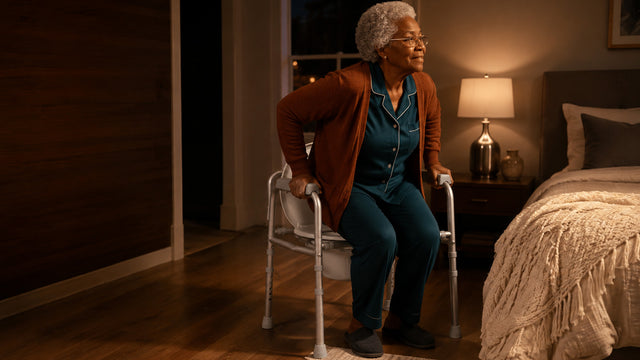
Stand in front of a sturdy chair with your feet shoulder-width apart. Extend your arms forward for balance, then slowly bend your knees and lower your hips backward as though you're about to sit — but stop just as you make contact with the seat, then stand back up. This mimics one of the most physically demanding movements of daily life: getting up from and sitting down into a chair. Strong quadriceps and glutes make this movement safer and easier. Start with five repetitions and gradually increase to three sets of ten. If rising from the chair feels effortful in general, a toilet safety rail or raised seat at home can reduce the strain on your joints during daily transitions.
How Often Should Seniors Do Balance Exercises?
Consistency matters far more than intensity when it comes to balance training. Physical therapists typically recommend practicing balance exercises at least three to five times per week — and the exercises above are gentle enough that many can be done daily. Short, regular sessions (even 10 to 15 minutes) tend to produce better results than occasional longer workouts, because they keep the nervous system engaged in the learning process.
A practical approach for beginners: start with the three seated exercises every morning for two weeks. Once those feel easy and familiar, add two of the standing exercises. Build gradually from there. Many people find it helpful to tie balance practice to an existing habit — right after morning coffee, or just before a daily walk — so it becomes part of the rhythm of the day rather than something to remember separately.
Pairing Exercise with Home Safety
Balance training works best when it's paired with a home environment that supports steady movement. Exercise builds strength and coordination over time, but the home itself can be modified right now to reduce risk during the process. Physical therapists and occupational therapists consistently recommend a combined approach: train the body and adjust the environment.
Some practical home adjustments to consider alongside your exercise routine:
- Remove loose rugs, clutter, and low obstacles from high-traffic areas like hallways and bathrooms.
- Ensure all stairways and nighttime pathways are well-lit, including nightlights between the bedroom and bathroom.
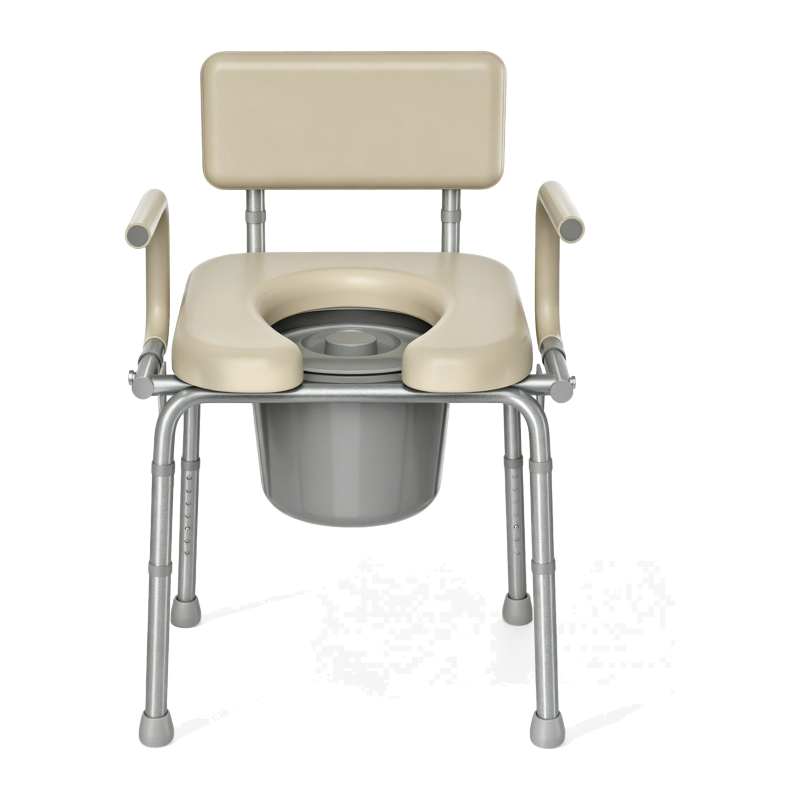
- Add grab bars or support rails in the bathroom, where many falls occur on wet, slippery surfaces.
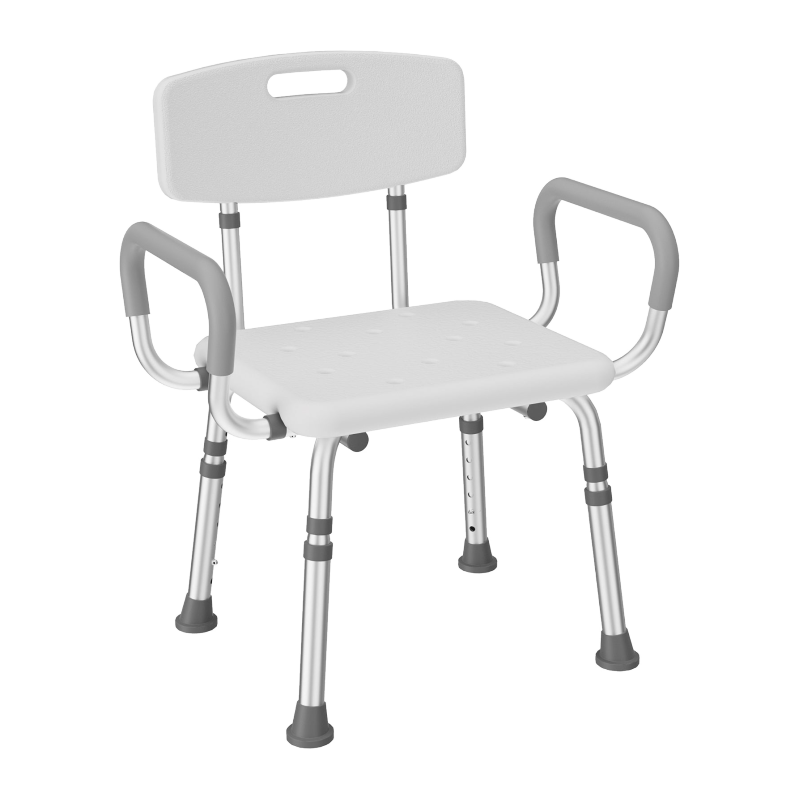
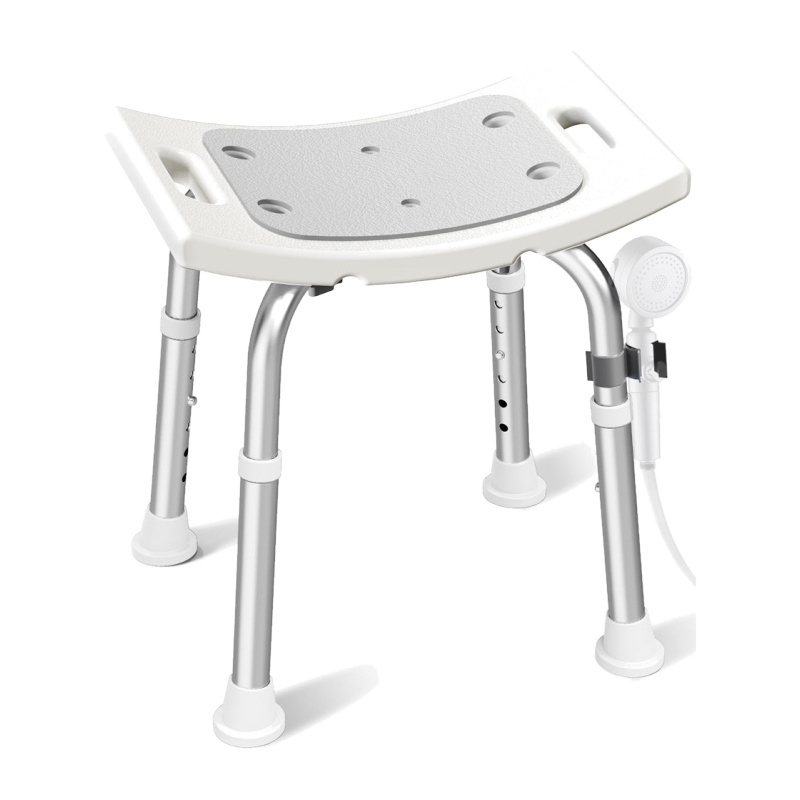
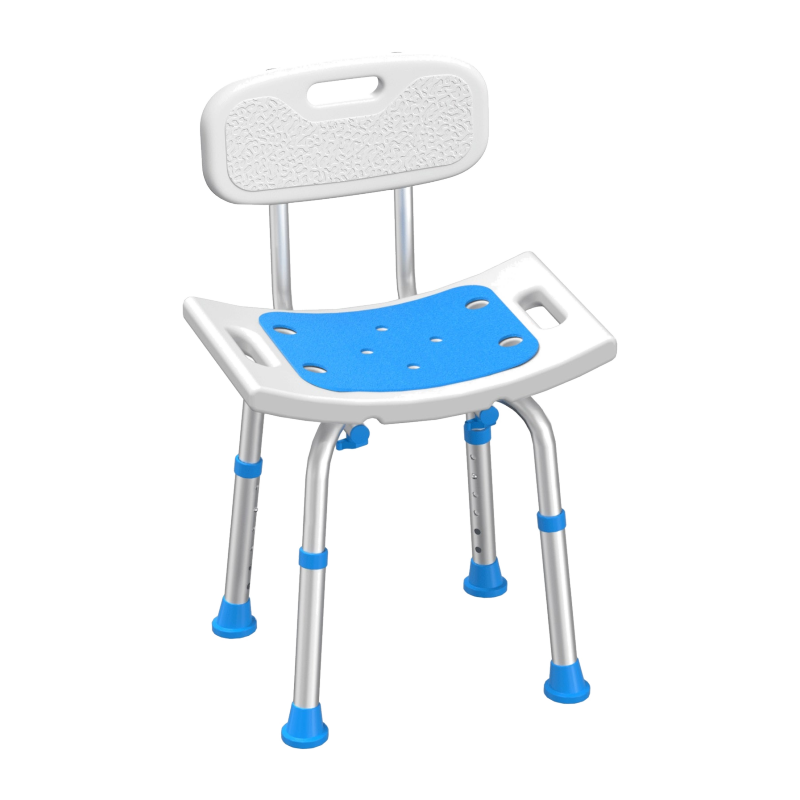
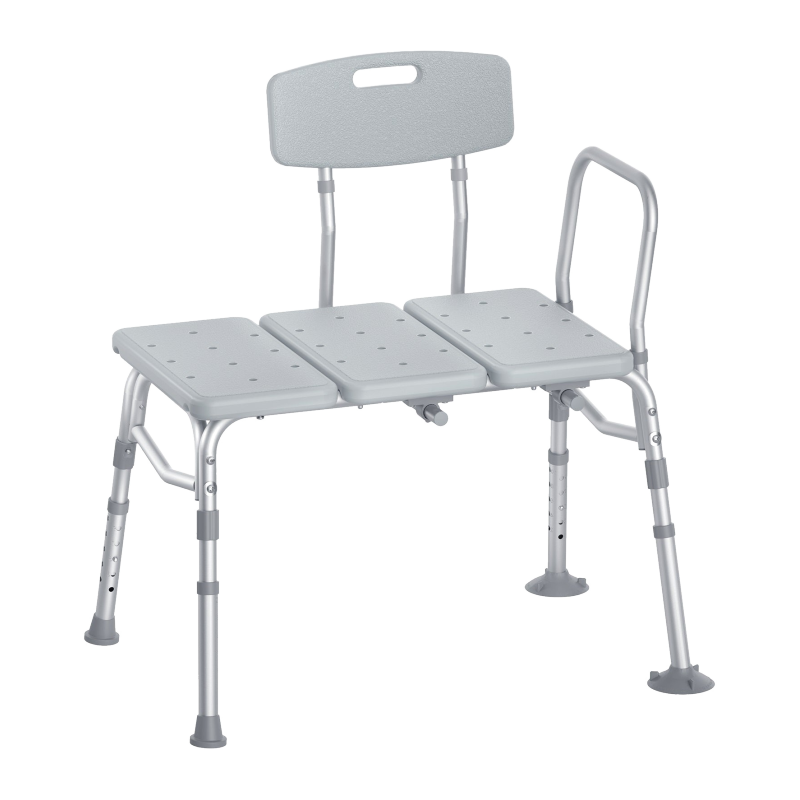
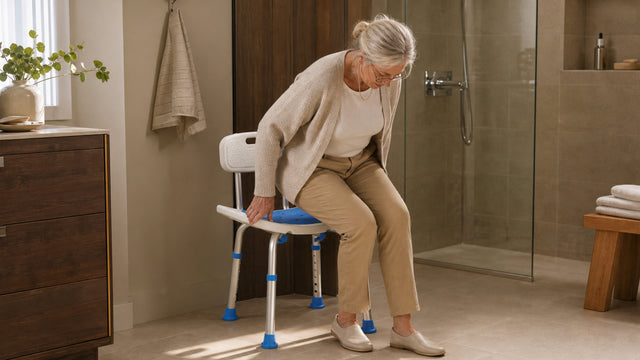
- Use a shower chair to make bathing safer and less fatiguing, especially during periods of recovery or reduced stamina.
- Consider bed rails to support safer transitions from lying to sitting to standing — a moment that challenges balance even for people who are otherwise steady on their feet.
For caregivers, these modifications offer genuine peace of mind. You can't be there every moment, but a well-adapted home environment works quietly in the background — reducing risk around the clock. All HOMLAND mobility and safety products are FSA/HSA eligible, backed by a 1-year manufacturer warranty plus a 1-year extended warranty, and ship from a US local warehouse so help arrives quickly when you need it. Every product in the lineup is authorized by licensed Doctors of Physical Therapy, so you can trust that what you're bringing home is built around real clinical knowledge — not just marketing language.
Explore the full range of home safety solutions at HOMLAND's product collection to find what fits your home and your needs.
Building Steadier Days, One Exercise at a Time
Good balance isn't something that just fades away — it's something you can actively work to maintain and rebuild. The 10 exercises in this guide give you a clear, progressive path: start seated, build to supported standing, then move into dynamic balance as your confidence and strength grow. None of these require special equipment, a gym membership, or a clinical setting. They're designed for real life, practiced in your own home, on your own schedule.
The goal isn't perfection — it's progress. A few minutes each day, done consistently, can make a meaningful difference in how steady and confident everyday movement feels. And when exercise is paired with a thoughtfully adapted home environment, the result is something seniors and their families both value deeply: the freedom to move through life on your own terms, safely and independently.
If you're not sure where to start or have specific concerns about fall risk, a licensed physical therapist can assess your balance and build a personalized plan. Your primary care provider can provide a referral, and many insurance plans — including Medicare — cover physical therapy services related to fall prevention.
Have Questions About Home Safety?
Our team is here to help you find the right support for everyday independence — from walking aids to bathroom safety solutions, all DPT-authorized and FSA/HSA eligible.
Contact Us