
You are juggling more than most people realize. Between tracking medications, watching for changes in mood, making sure the bathroom is safe, and somehow fitting in your own life — caring for an aging loved one is one of the most meaningful and demanding things a person can do. According to AARP, there are now 63 million family caregivers in the United States, and more than half say caregiving has significantly increased their level of stress. A well-organized elderly care checklist does not solve everything, but it does something quietly powerful: it takes the mental weight of remembering off your shoulders and puts it somewhere reliable, so you can show up for your loved one with more presence and less panic.
This guide covers every major category caregivers need to track — from daily medication logs and personal hygiene routines to home safety modifications and emotional check-ins. Whether you are a son or daughter stepping into this role for the first time, or an experienced caregiver refining your system, the categories below will help you build a routine that protects your loved one's health, preserves their independence, and gives your whole family peace of mind. Throughout, you'll find notes on specific tools and adaptations that physical therapists often recommend to make daily life safer and more manageable at home.
Why a Caregiver Checklist Actually Matters
Think about the last time you drove to the grocery store and forgot why you went. Now imagine that same mental fog — multiplied by a dozen high-stakes responsibilities happening simultaneously. Caregiving demands this level of attention every single day. A structured checklist is not about doubting yourself; it is about building a system that catches the things that slip through on hard days. As one occupational therapist put it, checklists "serve as a reminder of daily tasks, decreasing the chance of overlooking important aspects" of care. The goal is simple: less guessing, more presence.
A good elderly care checklist also creates a shared language between family members, paid helpers, and healthcare providers. When everyone is working from the same written record, handoffs become smoother and nothing falls through the cracks between shifts or visits. It is the backbone of a care plan that scales gracefully as needs evolve.
1. Medication and Nutrition Tracking
Medication management sits at the top of almost every caregiver's list — and for good reason. Missing a dose, doubling up, or giving medication at the wrong time can have real health consequences. Your checklist should list each medication by name, the scheduled time, and a checkbox for confirmation that it was taken. Leave a small notes field beside each entry for refusals, side effects, or any unusual reactions worth flagging at the next doctor's visit.
Nutrition deserves equal attention. Many older adults experience a reduced sense of thirst and a decreased appetite, which means dehydration or poor nutrition can develop gradually and quietly. Logging meal times and water intake — even roughly — gives you a baseline to work from and makes it easy to spot when something is off. Your daily tracking section for nutrition might include:
- Breakfast, lunch, and dinner completion (full, partial, or refused)
- Number of glasses of water or other fluids throughout the day
- Any swallowing difficulties or food texture preferences
- Snack times and appetite changes noted over several days
- Supplement or vitamin administration with meals
If your loved one's appetite changes suddenly or they are consistently leaving meals unfinished, that is worth a conversation with their healthcare provider sooner rather than later.
2. Personal Hygiene and Daily Routines
Bathing, dressing, oral care, and grooming are the activities that anchor a person's sense of self and dignity each day. For many seniors, maintaining these routines independently — even partially — matters enormously to their confidence and emotional wellbeing. Your checklist should support that independence rather than replace it. Think of it as a safety net rather than a script: it ensures nothing is skipped while still leaving room for the person to do as much as they comfortably can on their own.
A practical hygiene tracking section might cover:
- Morning routine: face wash, oral care, hair brushing
- Bathing or showering schedule (many seniors bathe every other day; log when and note any concerns)
- Dressing assistance needed (full, partial, or independent)
- Incontinence care log if applicable, including product changes and skin condition checks
- Evening routine: oral hygiene, hand washing, skin moisturizing
Bathing in particular requires careful attention to safety — more on that in the section below. When the right tools are in place, many seniors can manage their bathing routine with minimal assistance, which physical therapists often say is one of the most important factors in preserving a person's sense of independence at home.
3. Home Safety and Mobility Support
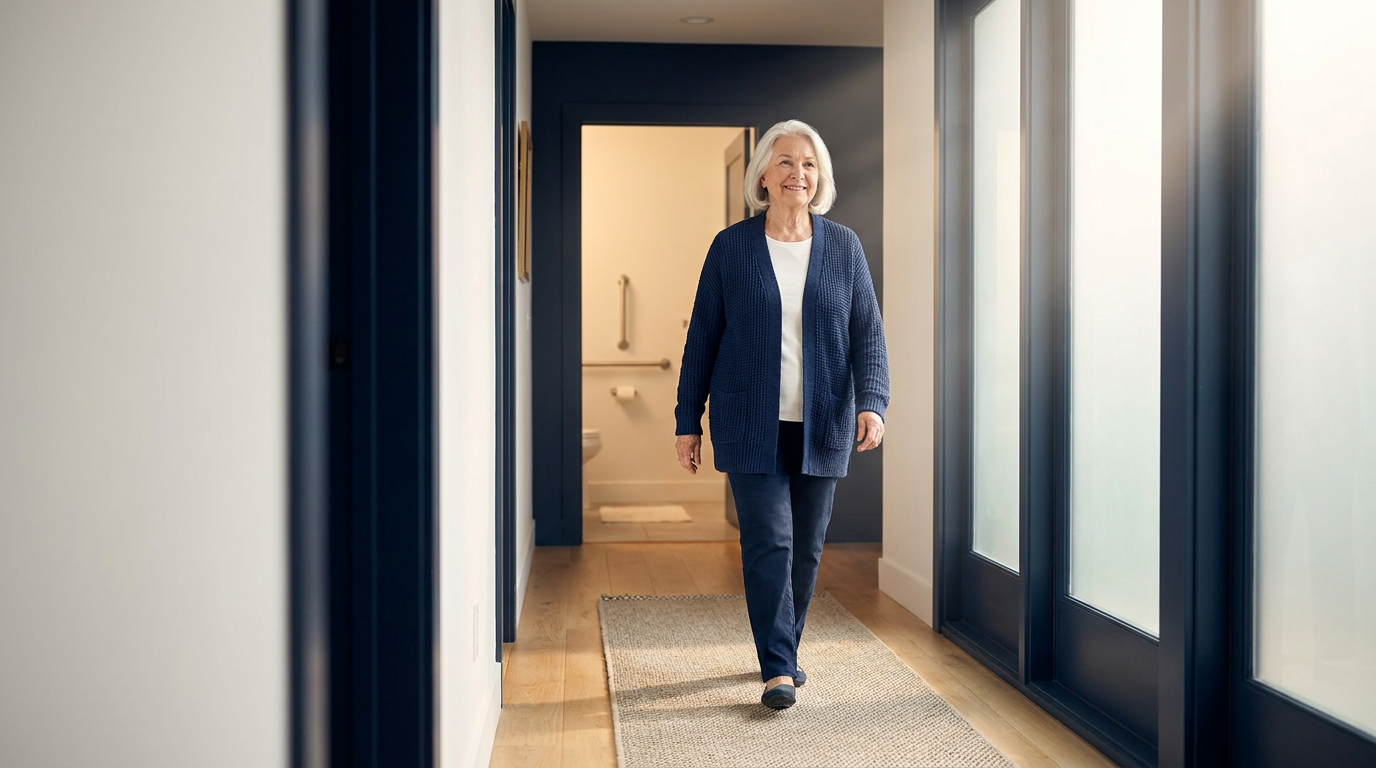
Falls are the leading cause of injury among adults aged 65 and older, according to the CDC, with over 14 million older adults — roughly 1 in 4 — reporting a fall each year. The sobering reality is that many of these falls happen at home, in familiar rooms, during routine activities. The good news is that most home-based fall risks are fixable with simple, targeted changes.
Your home safety checklist should be reviewed at least once a season and updated after any health change, hospitalization, or increase in mobility difficulty. Walk through each room with fresh eyes and ask: what would happen if my loved one lost their footing right here? Key areas to assess and track:
- Hallways and living areas: Remove loose rugs and floor-level clutter; ensure clear, wide pathways between frequently used rooms
- Lighting: Add nightlights along the path from the bedroom to the bathroom; check that overhead lighting is bright enough in all areas
- Bedroom: Position a lamp, phone, and water bottle within easy reach of the bed; consider a bed rail to make getting up at night safer and more self-sufficient
- Stairs: Confirm both handrails are secure; keep stairs free of stored items
- Walking aids: If your loved one uses a walker or cane, check rubber tips regularly for wear; make sure the walking aid is always within reach at bedside and in the bathroom
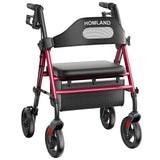
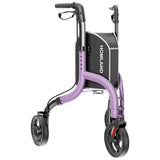
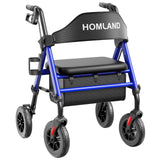
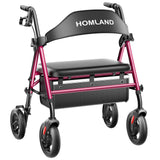
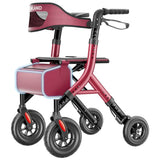
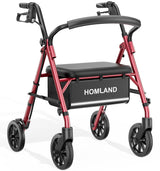
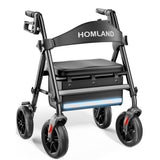
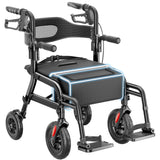
If your loved one uses a rolling walker or standard walker, part of your weekly check should confirm the brakes are functioning correctly and the height is still properly adjusted for their posture. HOMLAND walkers are designed with tool-free height adjustment, making these checks quick and straightforward — no toolbox required.
4. Bathroom Safety: The Room That Needs the Most Attention
The bathroom is where wet surfaces, hard floors, and the physical demands of sitting and standing converge in a small space. Physical therapists consistently flag it as the highest-priority room for fall prevention modifications. If there is one area of your home safety checklist to get right, this is it.
Picture your loved one stepping into the shower in the morning — alone, still a little stiff from sleep, on a wet tile floor. A well-equipped bathroom transforms that moment from risky to routine. The combination of grab bars, non-slip surfaces, and a supportive seat can make the difference between a confident independent shower and a fall that changes everything. Your bathroom safety checklist should include:
- Grab bars installed beside the toilet and inside the shower or tub (anchored into wall studs, not suction-cup varieties)
- Non-slip mat inside the shower or tub and a non-slip bathmat on the floor outside
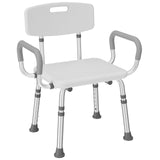
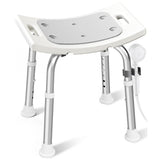
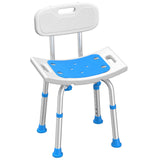
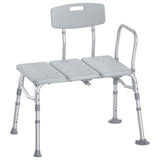
- A shower chair or bench for anyone who tires easily or has balance concerns — sitting down to bathe removes the single biggest fall risk in the shower
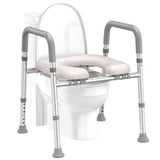
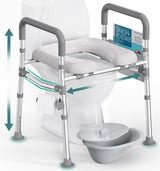
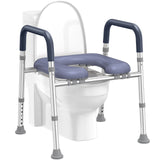
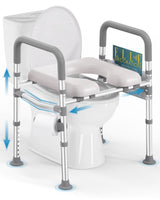
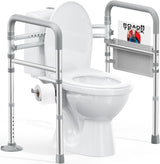
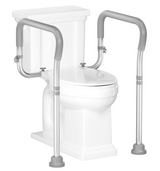
- A toilet safety rail to support lowering and rising from the seat safely
- Adequate lighting, including a nightlight for middle-of-the-night trips
- All toiletries stored at reachable height so there is no need to stretch or bend unexpectedly
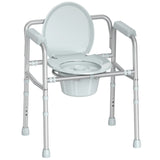
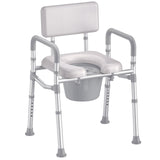
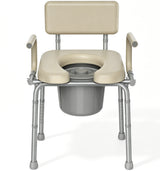
HOMLAND's shower chairs and toilet safety rails are FSA/HSA eligible, authorized by licensed Doctors of Physical Therapy, and backed by a 1-year manufacturer warranty plus 1-year extended warranty — all shipped fast from a US local warehouse. If you are purchasing bathroom safety equipment, these are practical reassurances worth keeping in mind. Every product in the HOMLAND lineup is engineered for real home use: tool-free assembly, adjustable heights, and home-friendly design that fits without looking clinical.
For seniors recovering from hip surgery or with limited lower-body strength, a raised toilet seat can significantly reduce the effort required to sit and stand. Browse HOMLAND's full mobility and bathroom safety collection to find the right fit for your loved one's specific needs.
5. Health and Vitals Monitoring
Your daily checklist should include a section where you can quickly log health observations and vitals. You do not need to take detailed readings every single day for every person, but having a consistent record makes it far easier to spot gradual changes that might otherwise go unnoticed over weeks. When you bring written records to a doctor's appointment, you give the care team a clearer picture than memory alone ever can.
Consider tracking the following, adjusting based on your loved one's specific conditions:
- Blood pressure — particularly important for anyone on cardiovascular medications
- Blood sugar — essential for those managing diabetes
- Weight — unexpected weight loss over several weeks can be an early sign of a health change worth investigating
- Temperature — log if there is any sign of illness or infection
- Pain level — a simple 1–10 scale each morning can reveal patterns your loved one may not volunteer unprompted
- Sleep quality — note whether they slept through the night or had difficulty; sleep disruption is often connected to pain, medication side effects, or anxiety
Keep your vitals log close to where care happens — on the kitchen counter, the bedside table, or clipped to a clipboard in the bathroom. Review the record weekly to notice any trends, and bring it along to every healthcare appointment.
6. Emotional and Social Wellbeing
Caring for a person's body is only half the job. Emotional and cognitive check-ins belong on every caregiver's checklist, even if they feel harder to quantify than blood pressure readings. A few minutes of genuine connection each day — a real conversation, a shared memory, a quiet moment sitting together — does more for a senior's mental health than most people realize. Isolation and loneliness are serious health risks for older adults, and the daily rhythm of caregiving is one of the most powerful antidotes.
Your emotional wellbeing checklist might include:
- A brief daily check-in: How are they feeling today? Do they seem like themselves?
- Notes on mood: withdrawal, frustration, unusual anxiety, or sudden mood changes are worth logging and monitoring over time
- Social contact: Did they speak with a friend, family member, or neighbor today?
- Meaningful activity: Did they engage in something they enjoy — a hobby, a TV program, a short walk, a card game?
- Cognitive observations: Any confusion, memory lapses, or difficulty with familiar tasks that feels new or increased
If you notice consistent changes in mood or cognition, discuss them with the care team. These observations from someone present every day carry real weight in any clinical conversation — and your notes are the evidence that makes that conversation productive.
7. Appointments and Care Coordination
Managing doctor's appointments, specialist visits, prescription refills, and therapy sessions is a logistical undertaking that deserves its own section on your checklist. Missing a follow-up or forgetting to request a medication refill before a holiday weekend can have real downstream consequences. A simple weekly overview at the top of your checklist — upcoming appointments, medications due for refill, any pending test results — keeps these from becoming last-minute emergencies.
Track the following as part of your coordination checklist:
- Scheduled appointments for the week (date, time, provider, and transport arrangement)
- Prescription refill dates — flag anything due within the next 10 days
- Recent test results or follow-up instructions from the last visit
- Questions to ask at the next appointment (keep a running list as things come up day to day)
- Emergency contact list — family members, primary care provider, and after-hours nurse line — posted somewhere visible
Physical therapy sessions, if part of the care plan, should also be logged here. If your loved one uses a knee scooter during post-surgery recovery or is relearning to walk with a rollator, the continuity between what happens in a therapy session and what happens at home matters enormously. Logging each session and any new exercises or instructions helps you reinforce the right habits between visits.
8. A Note on Caregiver Self-Care
This section belongs on the checklist not as a feel-good afterthought, but as a practical necessity. According to AARP, more than half of caregivers say caregiving has made it hard to take care of their own mental health, and nearly 4 in 10 say they never or rarely get a chance to relax. Caregiver burnout is a real phenomenon with measurable health consequences — for the caregiver and, by extension, for the person they care for. You cannot pour from an empty cup, and your loved one deserves a caregiver who is functioning at their best.
Your self-care checklist does not need to be elaborate. It might look like:
- Did I eat a real meal today?
- Did I get at least 20 minutes outside or away from caregiving responsibilities?
- Have I asked for help this week — from family, a neighbor, or a respite service?
- Is there anything on my plate that someone else could handle?
Building in small, consistent moments of recovery is what makes long-term caregiving sustainable. The families who do this well are not the ones who sacrifice the most — they are the ones who build systems that distribute the load wisely.
Making Your Checklist Work Every Day
A checklist is only as useful as the habit of using it. The format matters less than the consistency. Some caregivers keep a printed sheet on the kitchen counter and check things off in real time. Others prefer a shared digital document that multiple family members can access and update from their phones. A few practical tips for making it stick:
- Start simple. A checklist that covers six things reliably beats a checklist that covers twenty things inconsistently. Add categories as your routine settles.
- Keep it visible. Post it where care happens — near the medication station, on the bathroom door, or on the refrigerator.
- Review it weekly. Update the checklist whenever there is a health change, a new medication, or a shift in your loved one's mobility or energy levels.
- Share it. If multiple people help with care — even part-time — everyone works from the same checklist. Consistent documentation reduces errors and arguments about what was or was not done.
- Pair it with the right tools. The checklist tells you what to track. The right home equipment makes the daily tasks on that list safer and easier to accomplish. From bed rails that make nighttime transfers safer to shower chairs that turn bathing into a calmer, more independent experience, the right tools reduce the number of things that can go wrong.
The goal of a great caregiver checklist is not perfect documentation — it is a home where the person you love feels safe, cared for, and still very much themselves.
Care That Feels Like Home
A thoughtful elderly care checklist does two things at once: it protects the person being cared for and it protects the caregiver. When medication is tracked, the bathroom is properly equipped, vitals are logged, and emotional check-ins are part of the routine, you have built something more than a to-do list. You have built a system of care that respects your loved one's dignity and gives your whole family confidence that nothing important is being missed.
The best caregiving happens at home — not because home is perfect, but because it is familiar, personal, and full of the things that make a person feel like themselves. Equipping that home thoughtfully, tracking daily care carefully, and asking for help when you need it are the three pillars of sustainable, dignified care at any stage of aging. HOMLAND's full range of mobility and bathroom safety products was designed with exactly this philosophy in mind: everything your loved one needs to move through daily life safely, comfortably, and on their own terms.
Ready to Make Home Safer?
Explore HOMLAND's full range of home mobility and bathroom safety products — authorized by licensed Doctors of Physical Therapy, FSA/HSA eligible, and backed by a 1-year manufacturer warranty plus 1-year extended warranty. Ships fast from a US local warehouse.
Browse All Products | Shower Chairs | Toilet Safety Rails | Rolling Walkers
Have questions about which product is right for your loved one's needs? Contact our team — we are here to help.