
Every 11 seconds, an older adult is treated in an emergency room for a fall-related injury. That stat, from the CDC, is sobering — but here's the part that doesn't get said enough: most falls are preventable.
Falls are not an inevitable part of aging. They're the result of specific, identifiable risk factors — and when those factors are addressed, the risk drops significantly. Whether you're a senior who wants to stay active and independent at home, or an adult child looking for practical ways to keep a parent safe, this guide walks you through exactly what works and why.
Drawing on evidence-based recommendations from physical therapists, the CDC, and the National Council on Aging, we cover everything from exercise and home modifications to assistive devices and medication reviews — with real-life context so each step actually makes sense for everyday living. Let's start with understanding why falls happen in the first place.
How to Prevent Falls in the Elderly
Proven strategies from physical therapists & the CDC to help seniors stay safe, active, and independent at home.
Why Falls Happen
5 Evidence-Based Prevention Pillars
Your Fall Prevention Starting Checklist
- Room-by-room home safety walk-through
- Remove or secure all loose rugs
- Add night lights in halls, bath & bedroom
- Install grab bars in shower & near toilet
- Add a shower chair or bath bench
- Assess need for walker, rollator, or bed rail
- Schedule annual medication review
- Book vision & hearing check if overdue
- Start balance & strength exercise routine
- Check shoes: non-slip soles, snug fit
- Keep phone or alert device within reach always
If a Fall Happens: 5 Calm Steps
Find the Right Safety Products for Your Home
DPT-authorized, FSA/HSA eligible, 2-year warranty program. Shower chairs, walkers, grab bars & more — fast US warehouse delivery.
Why Falls Happen: Understanding the Real Risk Factors
Falls rarely happen for just one reason. Most of the time, several factors combine — a dimly lit hallway, a loose rug, and a moment of dizziness from a new medication — and the result is a fall that felt sudden but was actually weeks in the making. Physical therapists often describe fall risk as a "stacking" problem: each individual risk factor may be manageable on its own, but together they create a tipping point.
The most common contributors include:
- Muscle weakness and reduced balance — Strength and balance naturally decline with age, making it harder to recover when you stumble.
- Vision and hearing changes — The CDC reports that roughly one in three adults 65+ has some degree of vision impairment. Reduced depth perception makes steps, curbs, and transitions in flooring much harder to navigate safely.
- Medication side effects — Dizziness, drowsiness, and blood pressure fluctuations are common side effects of many medications taken by older adults. These effects are often worse in the first few weeks of a new prescription.
- Chronic health conditions — Arthritis, Parkinson's disease, and diabetes can all affect coordination, sensation in the feet, and reaction time.
- Environmental hazards — Loose rugs, cluttered walkways, poor lighting, and bathrooms without grab bars are among the most common — and most fixable — fall triggers.
- Dehydration — Even mild dehydration can cause dizziness and weakness. Older adults often feel thirsty less acutely, making this an easy risk to overlook.
Understanding these causes isn't about creating fear. It's about giving you and your family a clear map of where to focus. Each of the sections below targets one or more of these root causes directly.
Build Strength and Balance Before a Fall Happens
This is the single most powerful long-term strategy for fall prevention — and physical therapists consistently rank it at the top of their recommendations. Regular exercise that focuses on strength, balance, and flexibility doesn't just reduce fall risk; it builds the kind of confidence that makes everyday activities feel easier and less stressful.
You don't need a gym membership or an intense workout routine. Research consistently shows that even moderate, consistent movement produces meaningful results. Some of the best options for older adults include:
- Tai chi — Particularly well-studied for fall prevention. Its slow, controlled movements train balance and body awareness in ways that translate directly to everyday life.
- Walking — Regular walking builds leg strength and improves cardiovascular health. Walking outdoors also provides additional benefits for mental well-being.
- Strength training — Light resistance work targeting the legs, core, and hips helps maintain the muscle groups most responsible for keeping you upright.
- Yoga and stretching — Improves flexibility and joint range of motion, which matters for everything from climbing stairs to getting up from a chair.
If you're unsure where to start, asking a physical therapist for a personalized plan is a smart move. Many programs are also available through senior centers and community organizations at little or no cost.
Make Your Home Work for You, Not Against You
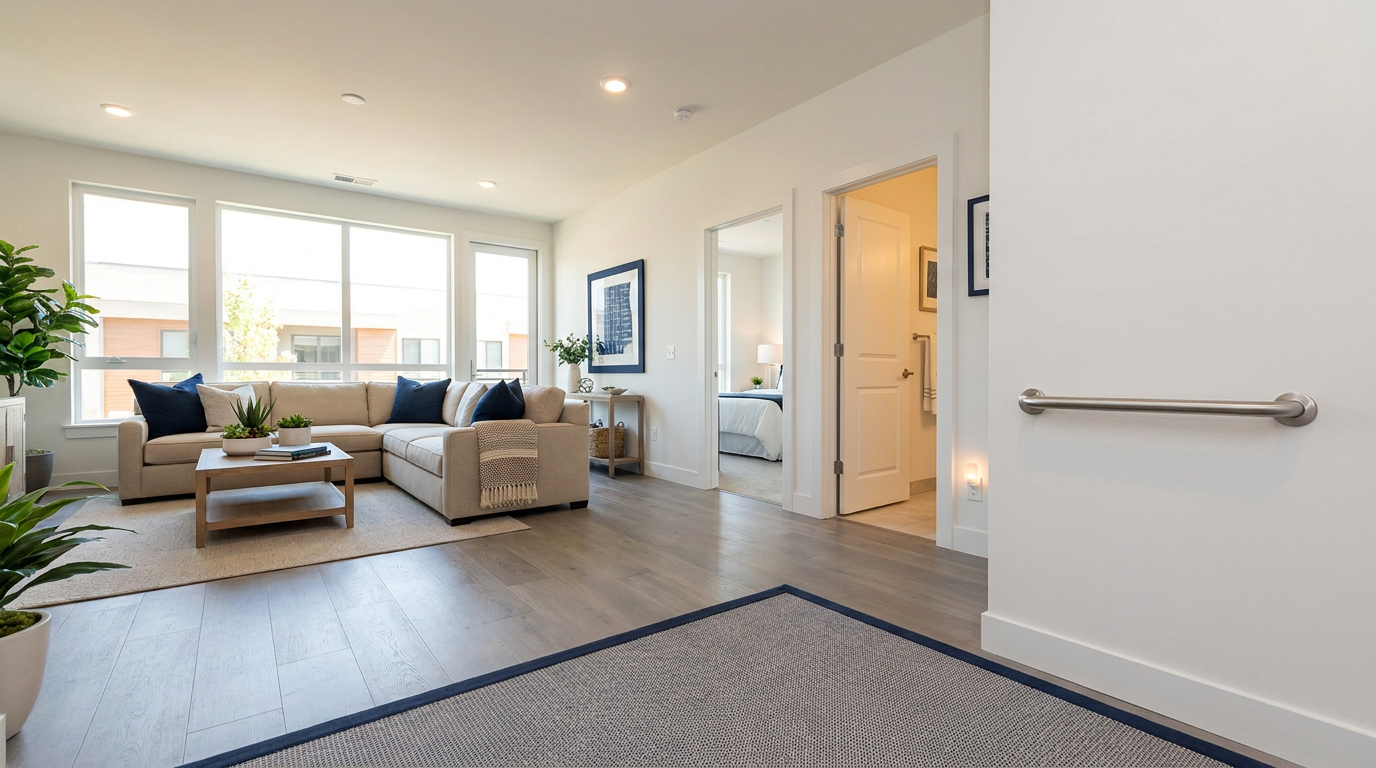
Think about a typical evening at home: you get up from the couch, walk through a dim hallway to the kitchen, and step over a rug on the way back. For many people, this routine is so familiar it feels invisible — and that's exactly the problem. The hazards most likely to cause a fall are the ones you've stopped noticing.
A structured walk-through of your home — or a loved one's home — is one of the highest-value things you can do. Go room by room and look with fresh eyes. Common problem areas include:
- Loose or bunched-up rugs that can catch a toe or slide underfoot (remove them or secure them with non-slip backing)
- Electrical cords crossing walking paths
- Low lighting in hallways, stairwells, and bedrooms, especially at night
- No handrails on both sides of staircases
- Furniture arranged in ways that create tight, awkward pathways
- Items stored too high or too low, requiring risky reaching or bending
Installing night lights in hallways and bathrooms is a low-cost, high-impact change. So is adding handrails where they're missing. These are the kinds of modifications that quietly eliminate risk every single day without changing how the home looks or feels.
The Bathroom: The Highest-Risk Room in the House
The bathroom deserves its own section because it consistently accounts for more falls than any other room in the home. Wet surfaces, hard floors, confined spaces, and the physical demands of bathing and toileting create a combination of risks that's genuinely serious — especially for anyone recovering from surgery or managing a chronic condition.
Physical therapists almost universally recommend bathroom modifications as a first priority. The good news is that the right equipment makes a dramatic difference and doesn't require any major renovation. Key additions to consider include:
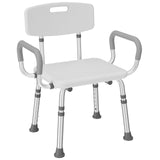
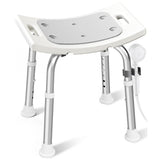
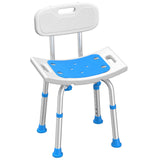
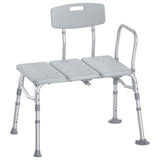
- A shower chair or shower bench — Sitting down to bathe eliminates the single biggest risk factor in the shower: standing on a wet surface. It's especially valuable after a hip or knee procedure, when standing for extended periods is tiring or unstable. HOMLAND's shower chair collection is built with adjustable height, non-slip feet, and tool-free assembly so you can set it up without help.
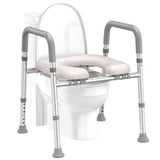
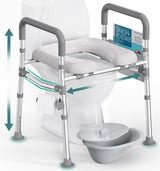
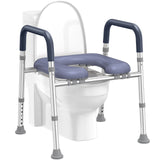
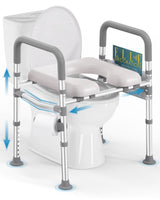
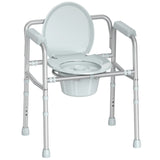
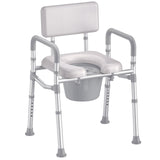
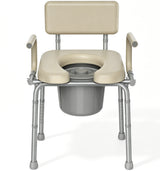
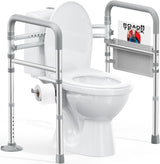
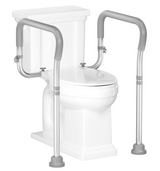
- Toilet safety rails — Getting on and off the toilet is harder than it looks when strength or balance is limited. A sturdy rail gives you something to push from and lower yourself onto with control. Browse HOMLAND's toilet safety rail options to find the right fit for your bathroom.
- Grab bars in the shower and near the toilet — Wall-mounted grab bars provide fixed, reliable support exactly where you need it most.
- Non-slip bath mats — Place them inside and just outside the shower or tub to catch the first steps out — often the most vulnerable moment.
For caregivers: upgrading the bathroom is one of the most reassuring investments you can make. It's the room where falls happen most, and it's also one of the most straightforward to address with the right products.
Use Assistive Devices That Support Independence
There's a common misconception that using a walker or a cane is a sign of giving something up. Physical therapists see it differently: the right mobility device is what allows you to keep doing the things you want to do, on your own terms, safely. It's not a limitation — it's the tool that removes one.
Different situations call for different devices. Here's a quick guide:
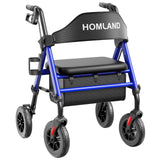
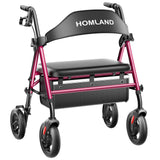
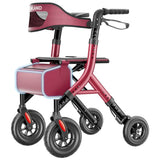
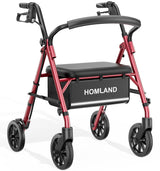
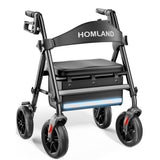
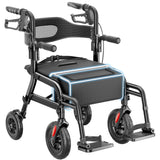
- Rolling walkers (rollators) — Ideal for people who are steady enough to walk but want added balance support and confidence, especially outdoors or on uneven ground. HOMLAND's rolling walker collection includes 3-wheel, 4-wheel, upright, and bariatric options — all with tool-free assembly and adjustable heights.
- Standard walkers — Provide more stability than a rollator for those who need consistent weight-bearing support. Explore HOMLAND's standard walker options for lightweight, height-adjustable models designed for everyday home use.
- Bed rails — Getting in and out of bed safely is a significant fall risk, particularly at night. A bed rail provides a stable handle to push from and lower yourself with, without needing to call for help.
- Knee scooters — For anyone recovering from a lower leg injury or surgery, a knee scooter allows safe, hands-free mobility without putting weight on the affected leg.
All HOMLAND products are FSA/HSA eligible, backed by a 1-year manufacturer warranty plus a 1-year extended warranty, and authorized by licensed Doctors of Physical Therapy — so you're getting equipment that's been professionally evaluated, not just marketed. US warehouse stock means fast delivery when you need it.
Review Medications and Stay on Top of Your Health
Medications are one of the most underappreciated fall risk factors — largely because the connection isn't always obvious. A blood pressure medication that's working well on paper might also cause dizziness when you stand up quickly. A sleep aid taken at night can leave residual grogginess the next morning, slowing reaction time exactly when it matters.
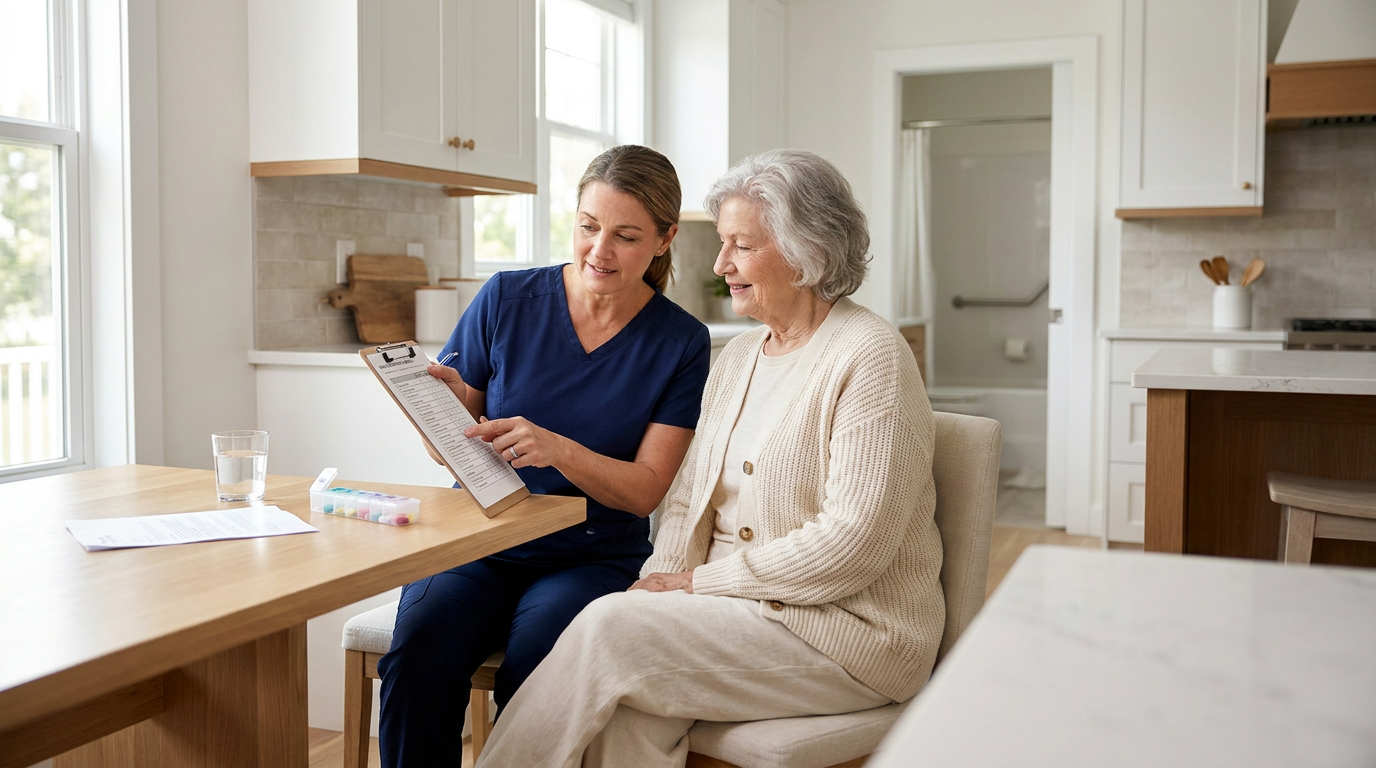
The recommendation from physical therapists and physicians is simple: have a medication review at least once a year, and more often if any new prescriptions are added. Bring a full list to your appointment — including over-the-counter medications and supplements — and specifically ask about fall-related side effects. Your pharmacist is also an excellent resource for this conversation and is often more accessible than a scheduled physician visit.
Beyond medications, regular check-ins with your doctor for vision and hearing screenings matter more than most people realize. Updating glasses when your prescription has changed, or getting a hearing aid when needed, directly improves your ability to detect and respond to hazards before they become falls.
Footwear, Hydration, and the Small Things That Matter
Not every fall prevention strategy requires a doctor's visit or a home renovation. Some of the most effective changes are in small, daily habits that are easy to overlook precisely because they seem minor.
Footwear is a bigger factor than most people expect. Shoes with non-slip soles, low heels, and a snug fit provide the stable base everything else depends on. Worn-out soles, loose slippers, or socks on hardwood floors are surprisingly common contributors to falls. If you're wearing slippers at home, make sure they have a rubber sole and a back strap — open-backed slippers are one of the most common footwear-related fall triggers.
Hydration is often overlooked because older adults frequently experience a reduced sense of thirst. Mild dehydration is enough to cause lightheadedness, particularly when standing up from a seated position. Aiming for consistent fluid intake throughout the day — not just when thirsty — is a simple habit with meaningful payoff.
Alcohol awareness is also worth a mention. Even moderate alcohol consumption affects balance and coordination, and its effects are amplified in older adults who may be taking medications. Keeping consumption low — or speaking with a doctor about whether any alcohol is appropriate given current medications — is a sensible precaution.
If a Fall Does Happen: What to Do Next
Even with the best preparation, falls can still occur. Knowing how to respond calmly and systematically makes a significant difference in outcomes — both physically and emotionally.
If you witness a fall or someone you care for has fallen, follow these steps:
- Stay calm and assess the situation first. Don't rush to move the person immediately. Check whether they're conscious, alert, and able to speak. If there's any sign of a serious injury — inability to move a limb, severe pain, head injury, or loss of consciousness — call 911 before attempting to help them up.
- Help them get up slowly if it's safe to do so. If they feel able to get up and there are no serious injury signs, encourage them to roll to one side, push up onto hands and knees, and use a sturdy piece of furniture for support to rise. Rushing this process increases the risk of a secondary injury.
- Check for hidden injuries. Even if the person says they feel fine, check for swelling, bruising, or complaints of pain that develop in the minutes after a fall. Head injuries may not be immediately apparent.
- Monitor in the hours that follow. Watch for dizziness, confusion, unusual fatigue, or difficulty with movements that were normal before the fall. Contact a healthcare provider if any of these develop.
- Schedule a follow-up appointment. Every fall, even one with no apparent injury, is worth discussing with a doctor. It's an opportunity to identify what caused it and adjust any contributing factors before it happens again.
Having a few practical items on hand also helps: a stocked first aid kit, a charged phone or medical alert device within reach, and a written list of emergency contacts in a known location. These small preparations make stressful moments much more manageable for everyone involved.
Your Fall Prevention Starting Checklist
Fall prevention works best when it's treated as an ongoing practice, not a one-time task. Use this checklist as a starting point and revisit it whenever there's a change in health, medications, or living situation:
- Complete a room-by-room home safety walk-through
- Remove or secure loose rugs throughout the home
- Add night lights in hallways, the bathroom, and the bedroom
- Install grab bars in the shower and near the toilet
- Add a shower chair or bath bench for safer bathing
- Assess whether a mobility aid (walker, rollator, or bed rail) would add meaningful support
- Schedule a medication review with a doctor or pharmacist
- Book a vision and hearing check if it's been more than a year
- Start or continue a regular exercise routine that includes balance and strength work
- Check footwear for proper fit, non-slip soles, and wear
- Ensure a phone or medical alert device is always within reach
No list can cover every situation — but this one covers the highest-impact areas, backed by the same evidence-based recommendations that physical therapists use with their patients every day. Start with what's most pressing for your situation, and build from there. Staying safe at home is absolutely achievable, and it starts with knowing where to look.
The Bottom Line: Staying Safe at Home Is Within Reach
Falls are serious — but they are not inevitable. The research is clear: the right combination of exercise, home modifications, assistive devices, and regular health check-ins reduces fall risk significantly. And the earlier these steps are taken, the more effective they are.
At HOMLAND, we believe in one guiding idea: home, not hospital. Every product we make is designed to help people stay independent, move with confidence, and live on their own terms — whether that's stepping safely into a shower, getting in and out of bed without asking for help, or walking through a neighborhood park without worrying about stability. Our full range of home safety and mobility products is available here, FSA/HSA eligible, and backed by a two-year warranty program and fast US warehouse delivery.
If you're a caregiver researching options for a parent or loved one, we understand the weight of that responsibility. The right equipment doesn't just protect the person you care about — it gives you genuine peace of mind. And that matters too.
Not Sure Where to Start?
Our team is here to help you find the right products for your home and your needs — no pressure, just practical guidance from people who care about helping you stay safe and independent.
Contact Us — We're Happy to Help