

Every year, millions of older adults experience a fall at home — not because they're frail or incapable, but because the spaces they live in simply weren't designed with their changing needs in mind. According to the CDC, falls are the leading cause of injury among adults 65 and older, yet the vast majority are preventable with the right adjustments. The good news? Most of those adjustments are straightforward, affordable, and easy to make without turning your home into something that looks like a hospital corridor.
This guide walks through every major room in the house with practical, physical-therapist-informed strategies for reducing fall risk. Whether you're making changes for yourself or helping a parent or loved one feel more secure at home, you'll find concrete tips — and the right tools to back them up — in every section. Because staying home safely isn't just a goal. It's something everyone deserves.
Why Falls Happen — and Why They're Preventable
Falls rarely happen out of nowhere. Physical therapists who work with older adults consistently point to a combination of factors: changes in balance and muscle strength, medications that affect alertness or blood pressure, reduced vision in low-light conditions, and environmental hazards like slippery floors or poorly placed furniture. Understanding the "why" makes it much easier to address the "how."
The encouraging truth is that the home environment is one of the most controllable risk factors of all. Small, targeted changes — a grab bar here, a non-slip mat there, a raised seat that makes transitions easier — can dramatically shift the risk picture. The strategies below are organized room by room, because that's how real life works. You don't experience your home as a checklist. You move through it.
The Bathroom: The Highest-Risk Room in the Home
If there's one room that deserves the most attention, it's the bathroom. Wet surfaces, limited space for maneuvering, and the need to lower and raise the body from seated positions all create compounding risk. Physical therapists consistently flag the bathroom as the site where fall-related injuries are most serious — and most preventable.
In the Shower and Tub
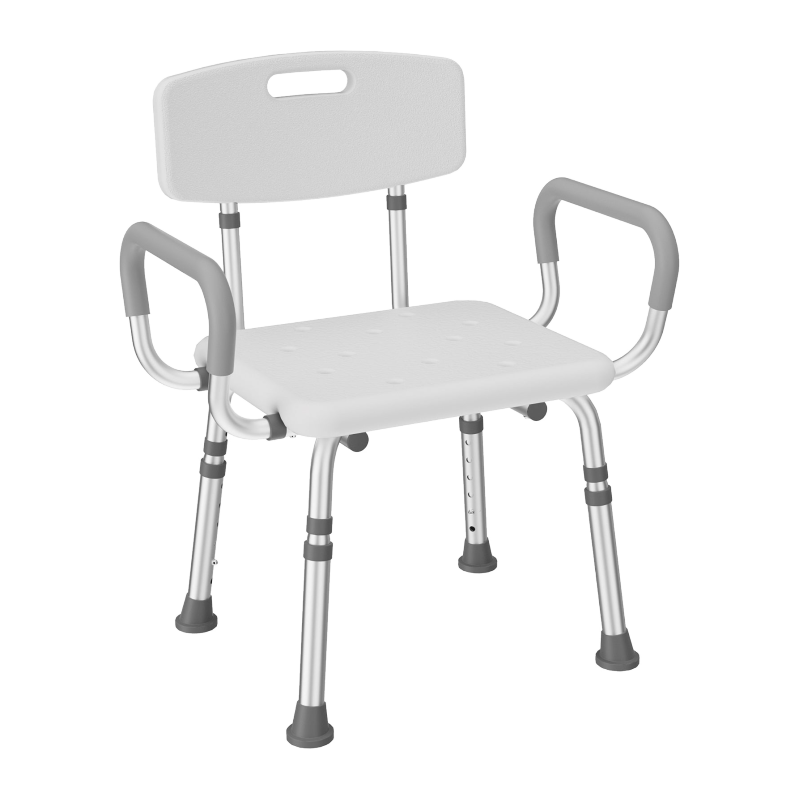
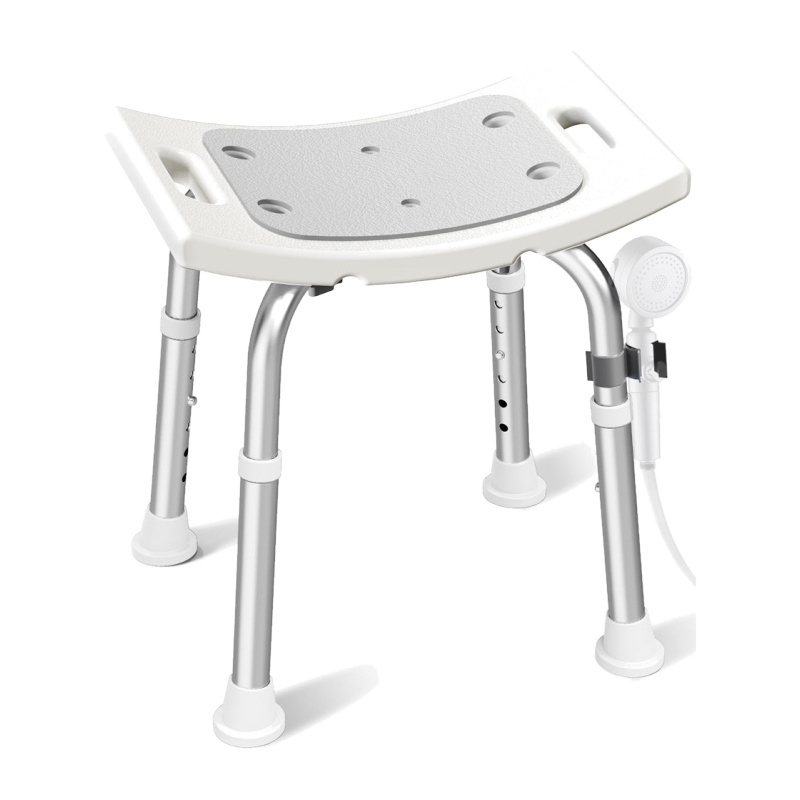
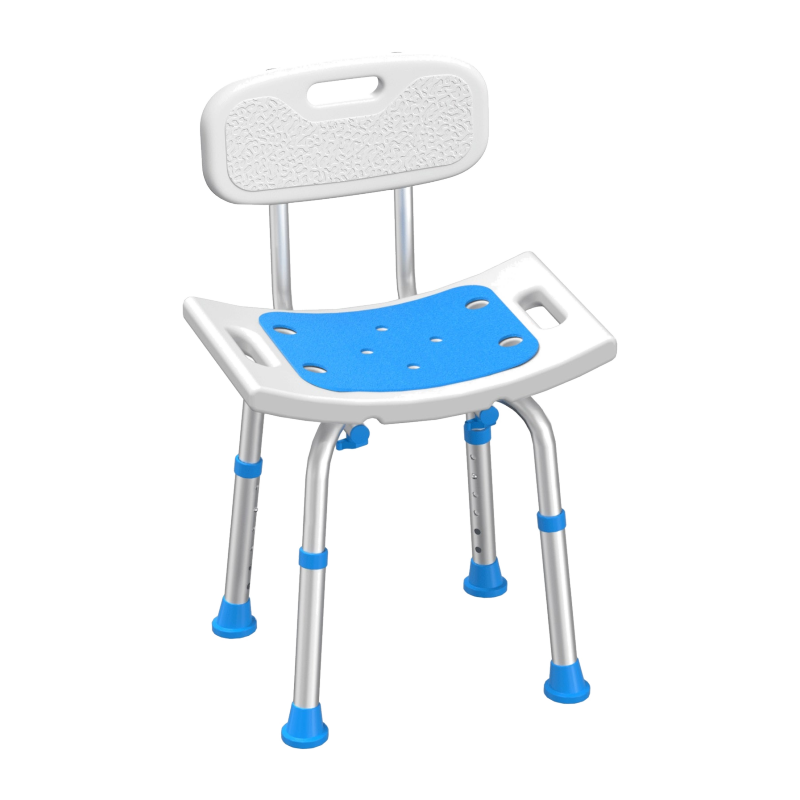
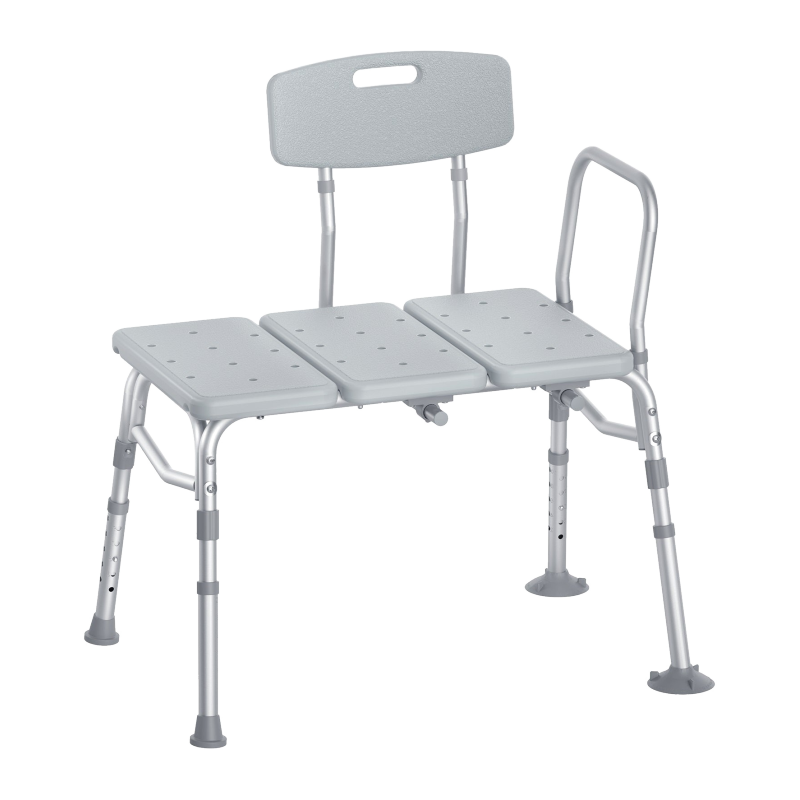
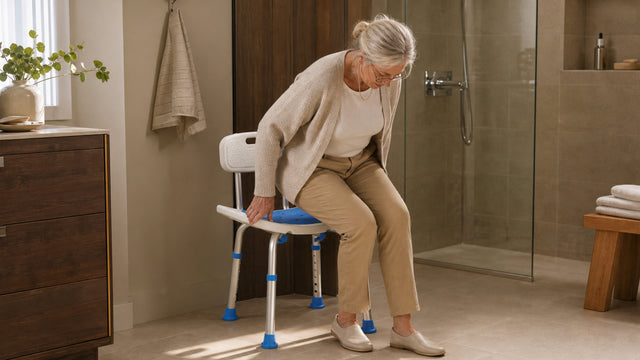
Stepping over a tub ledge after a hip replacement or on a morning when joints are stiff takes more balance than most people realize in the moment. A well-placed grab bar on the tub wall gives something solid to hold during that transition. Inside the shower, a shower chair or shower bench changes the entire bathing experience — instead of standing on a wet surface while reaching and twisting, you sit securely and bathe with full control. This isn't about limitation. It's about bathing without the worry.
- Install grab bars on the shower wall and near the tub entry — securely anchored into studs, not just drywall
- Use a non-slip mat or textured adhesive strips on the shower floor and just outside it
- Choose a shower chair with adjustable legs so it fits the space and the user perfectly
- Keep shampoo, soap, and other items within easy reach to avoid awkward stretching
- Consider a handheld showerhead, which works naturally alongside a seated bathing setup
At the Toilet
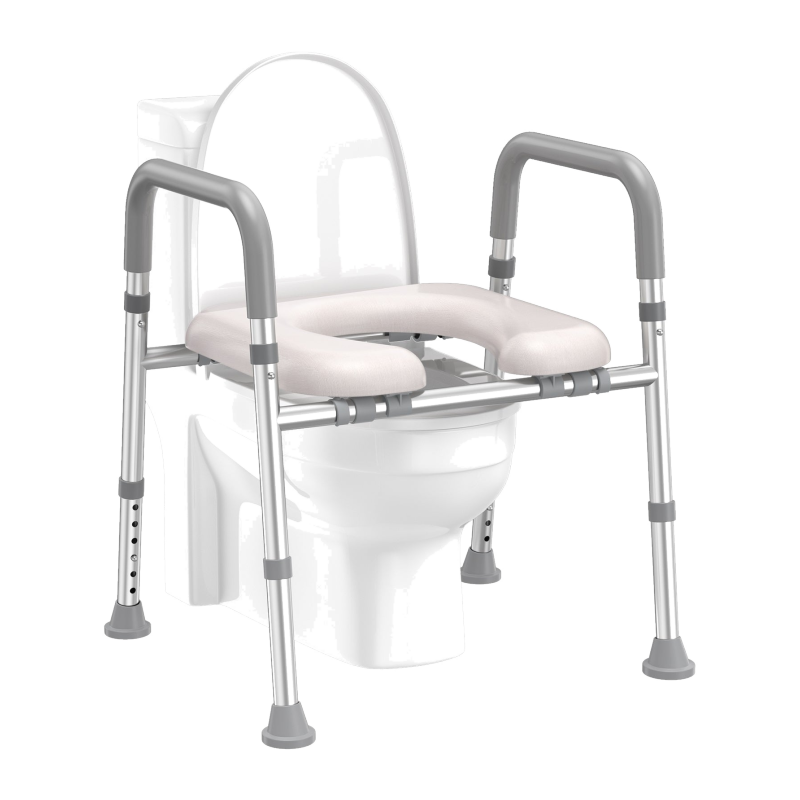
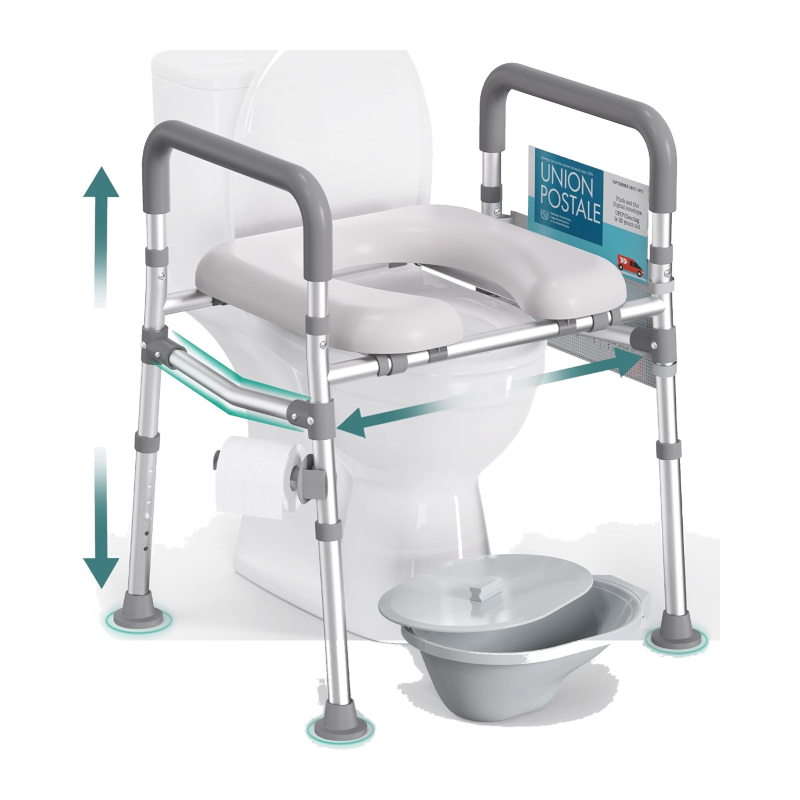
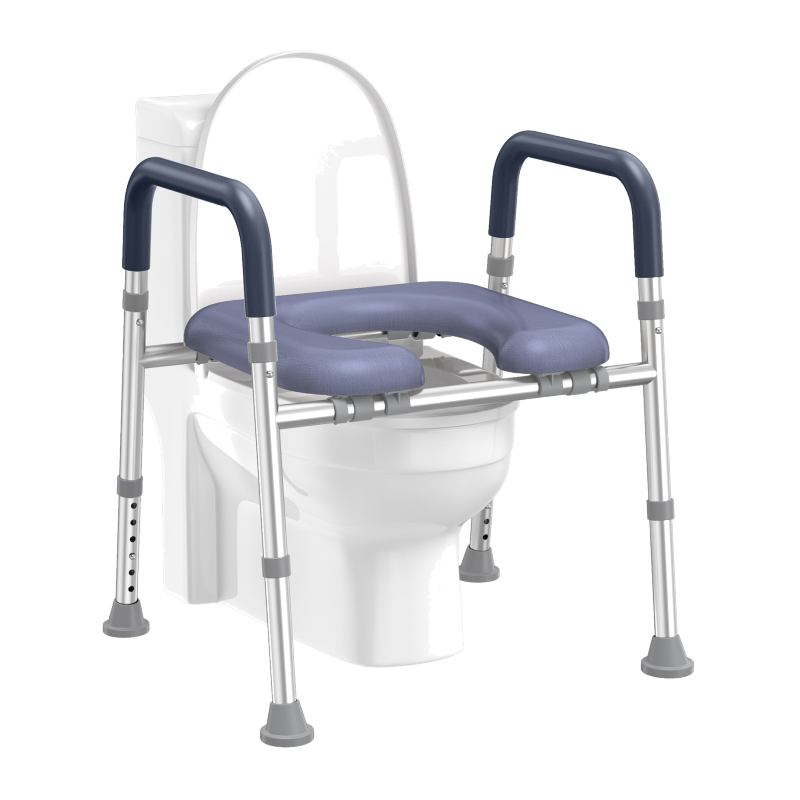
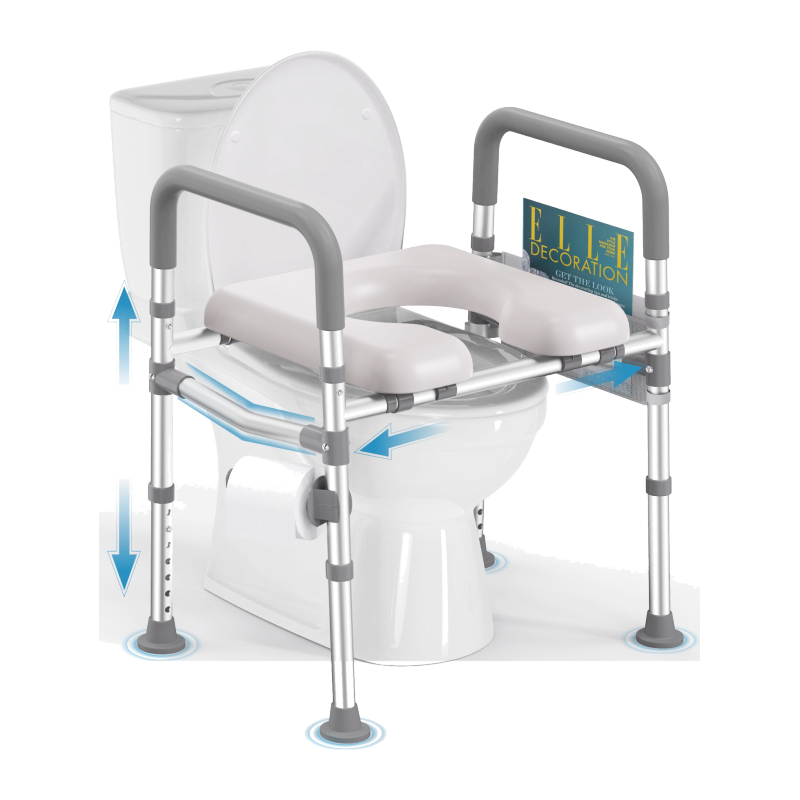
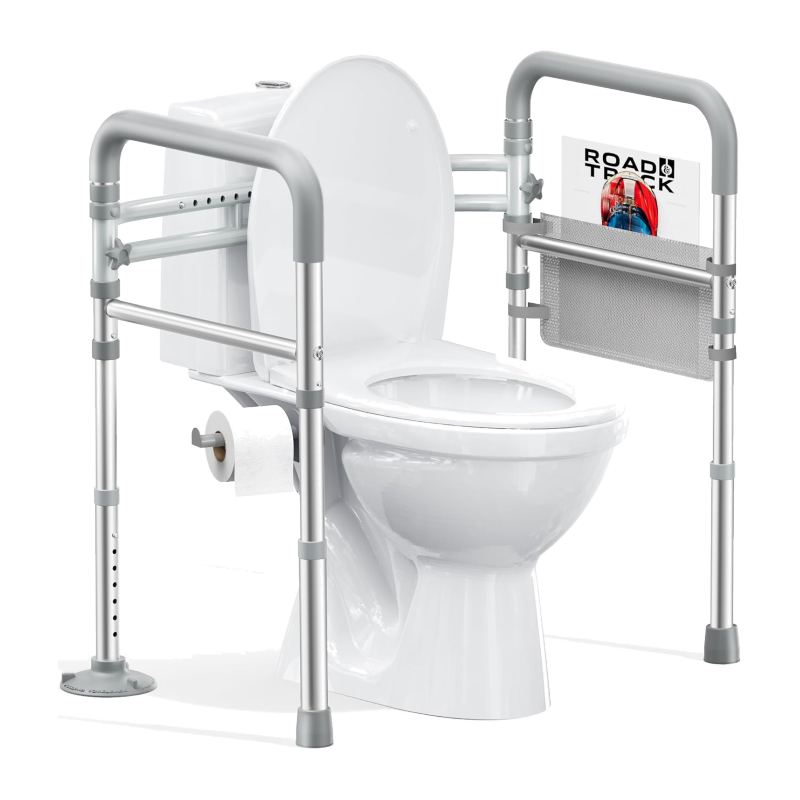
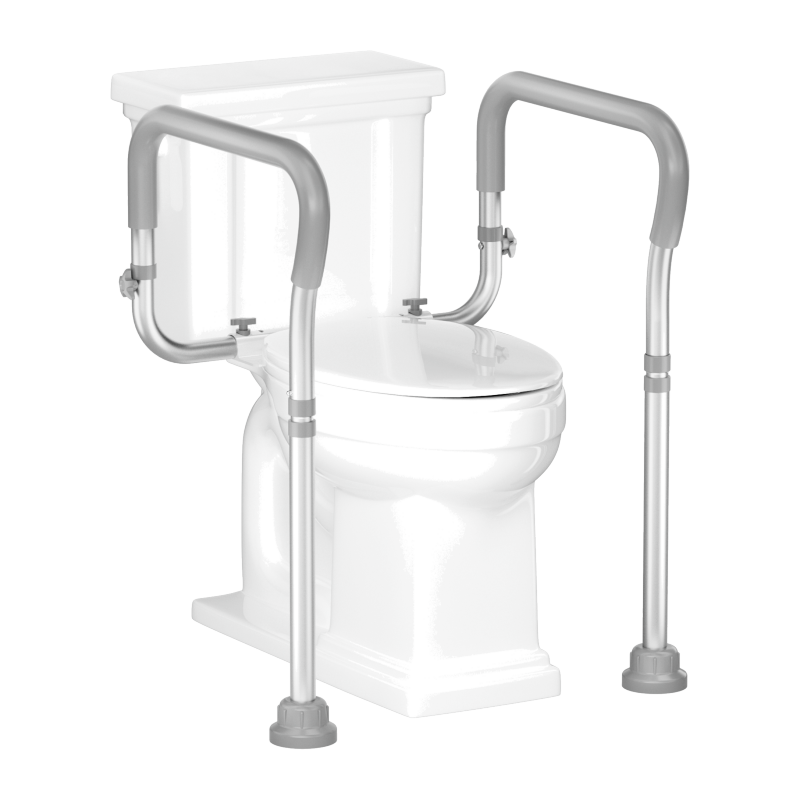
Lowering down and pushing back up from a standard toilet height is one of the most physically demanding transitions in the home — especially after surgery, with arthritis, or when hip or knee strength has declined. A toilet safety rail provides stable armrests that make both motions feel controlled and safe. For users who need extra height, a raised toilet seat reduces the depth of the lowering motion significantly, putting far less demand on the legs and joints.
- Add a toilet safety rail with padded, non-slip armrests for a secure push-up surface
- Use a raised toilet seat if standard height makes sitting and standing difficult
- Keep a clear path from the bedroom to the bathroom, especially for nighttime trips
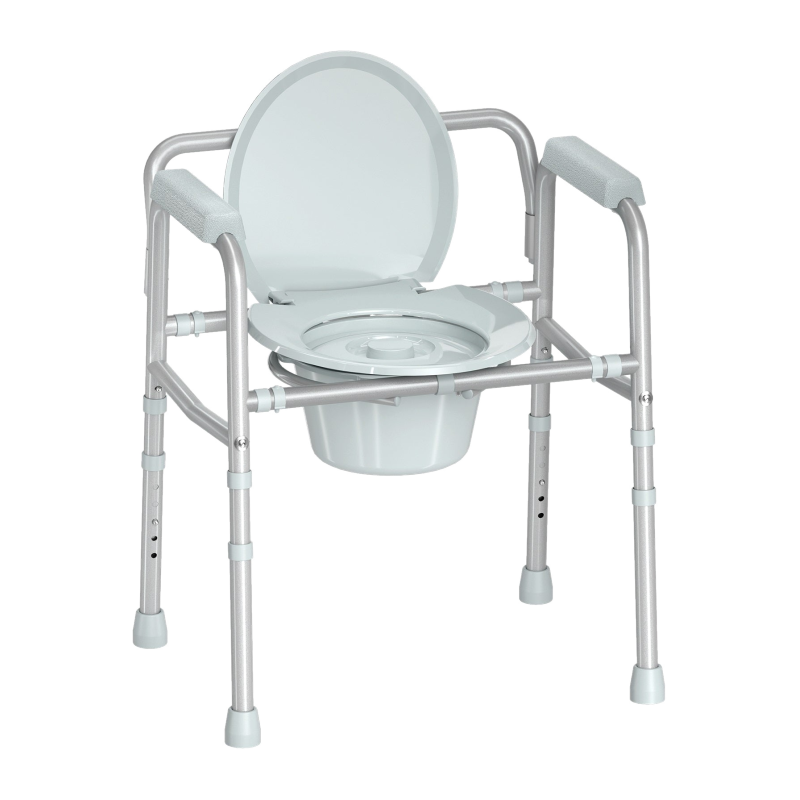
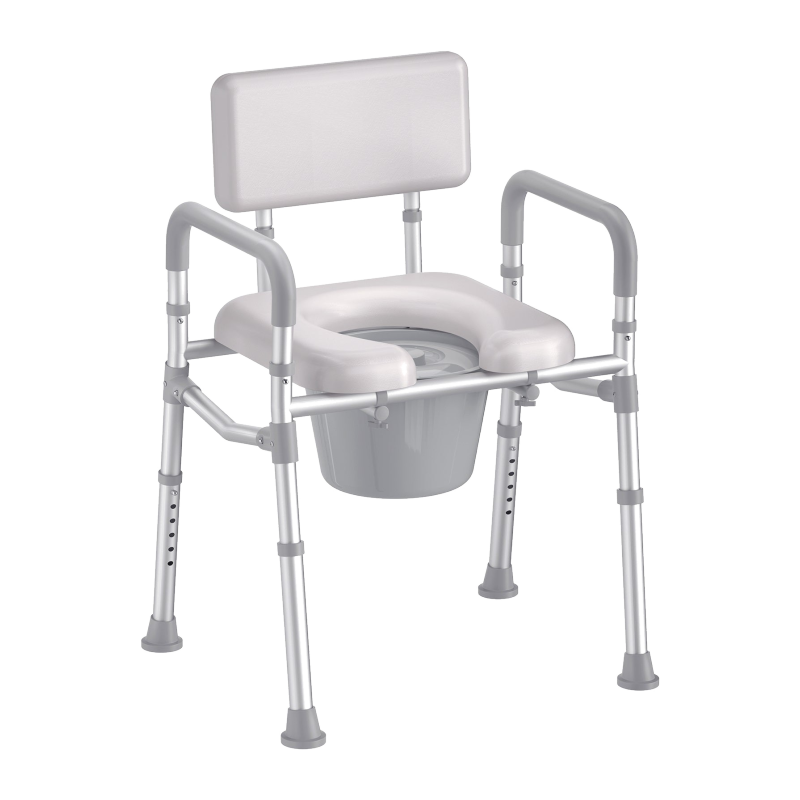
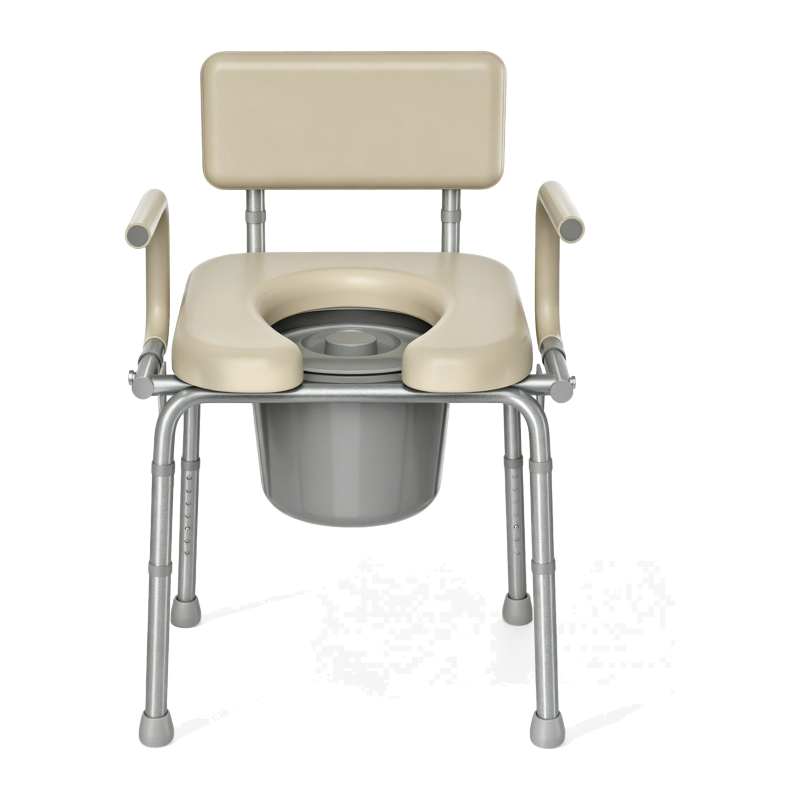
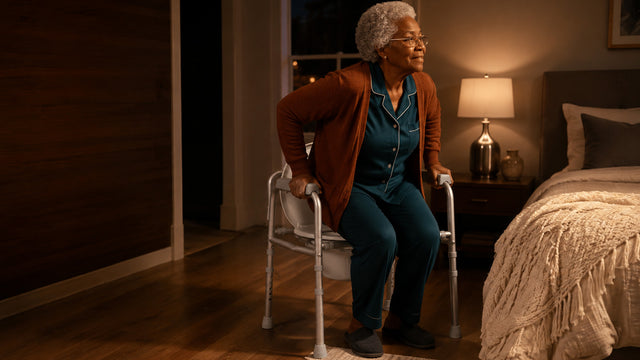
- Consider a bedside commode for individuals who need overnight access without the walk
The Bedroom: Safe Starts and Safe Nights
Falls in the bedroom often happen during two specific moments: getting out of bed in the morning (or during the night) and that groggy, disoriented first step on the floor. Blood pressure can drop when moving from lying to standing, causing dizziness. Lighting is usually dim. And if the bed is too low or too high, the mechanics of rising become risky.
Getting In and Out of Bed Safely
A bed rail is one of the most practical additions anyone can make to a bedroom. It gives a firm surface to grip while rolling to the side and pushing up to seated — the correct technique for rising without straining the back or losing balance. Sitting at the edge of the bed for a few seconds before standing also allows blood pressure to stabilize, reducing dizziness. A motion-sensor nightlight makes that first step to the bathroom safer without the harsh disruption of overhead lights.
- Install a bed rail on the preferred side for safe, assisted transitions
- Check bed height — feet should rest flat on the floor when seated on the mattress edge
- Add a motion-activated nightlight along the path to the bathroom
- Remove loose rugs or secure them with non-slip pads
- Keep frequently needed items (glasses, phone, water) on the nightstand to avoid reaching in the dark
Living Areas and Hallways: Clear Paths, Confident Steps
Living rooms and hallways are often cluttered in subtle ways — a magazine rack near a chair, a coffee table positioned just a little too close, a loose rug that's been in the same spot for fifteen years. Each of these is easy to overlook until it becomes a trip hazard. The goal isn't to strip the home of personality. It's to create clear, well-lit pathways that allow confident, uninterrupted movement.
- Rearrange furniture to create at least 36 inches of clear walking space in main pathways
- Secure or remove loose rugs — or replace them with low-pile, non-slip alternatives
- Ensure electrical and phone cords are routed along walls, never across walking paths
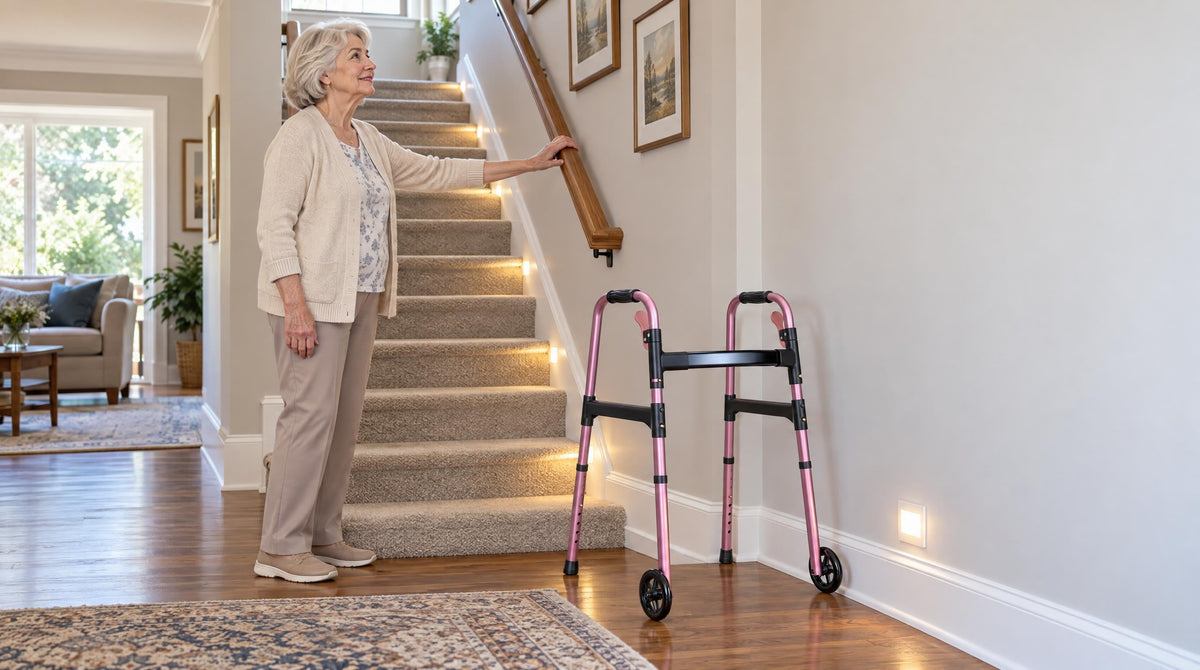
- Add adequate lighting in hallways, especially near staircases — motion-sensor options work well at night
- Install sturdy handrails on both sides of any staircase inside the home
- Place frequently used items at reachable heights to avoid climbing or excessive bending
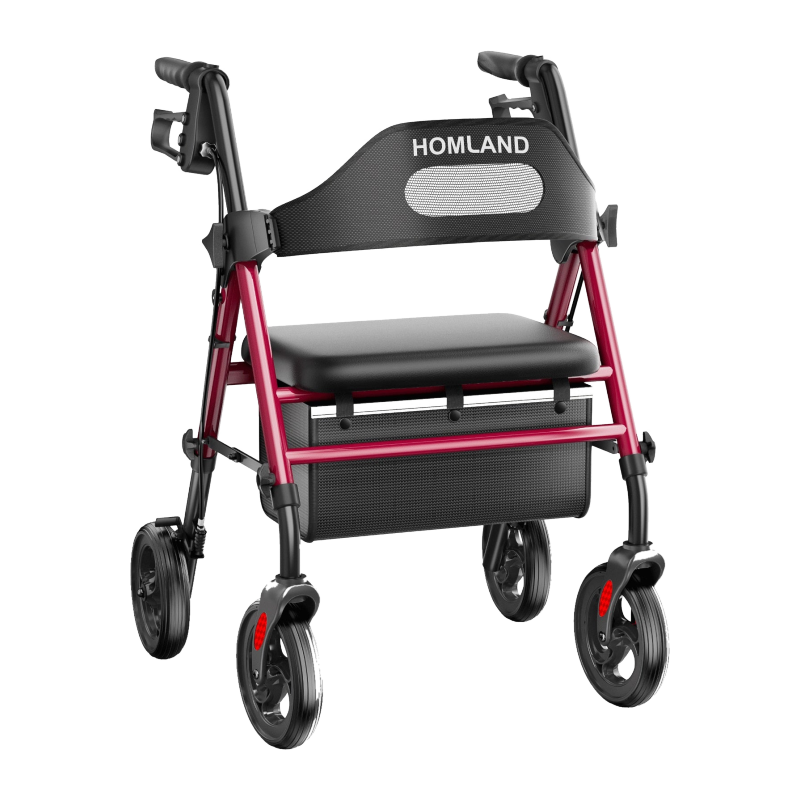
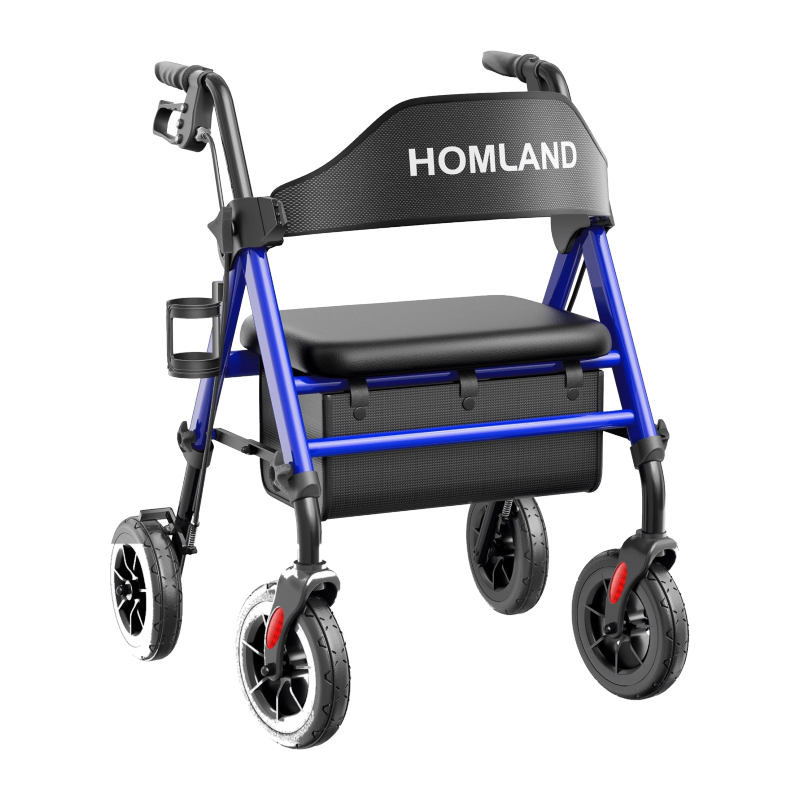
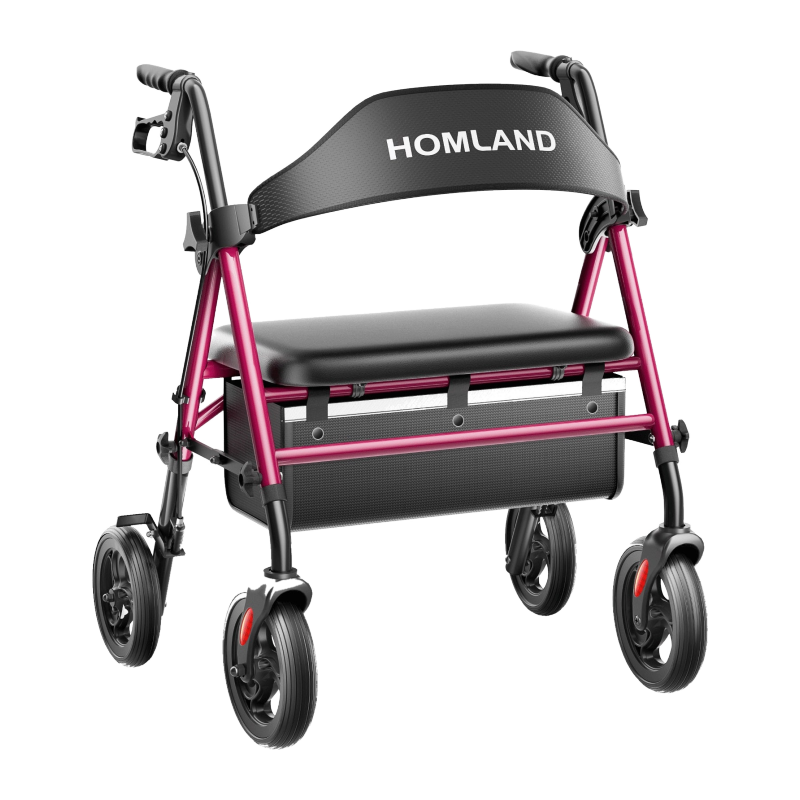
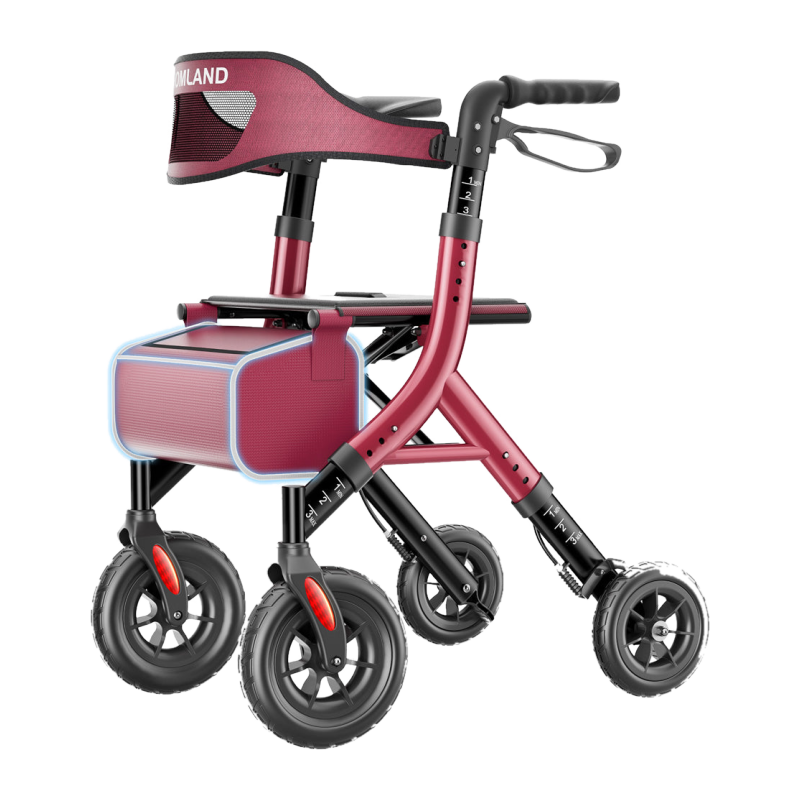
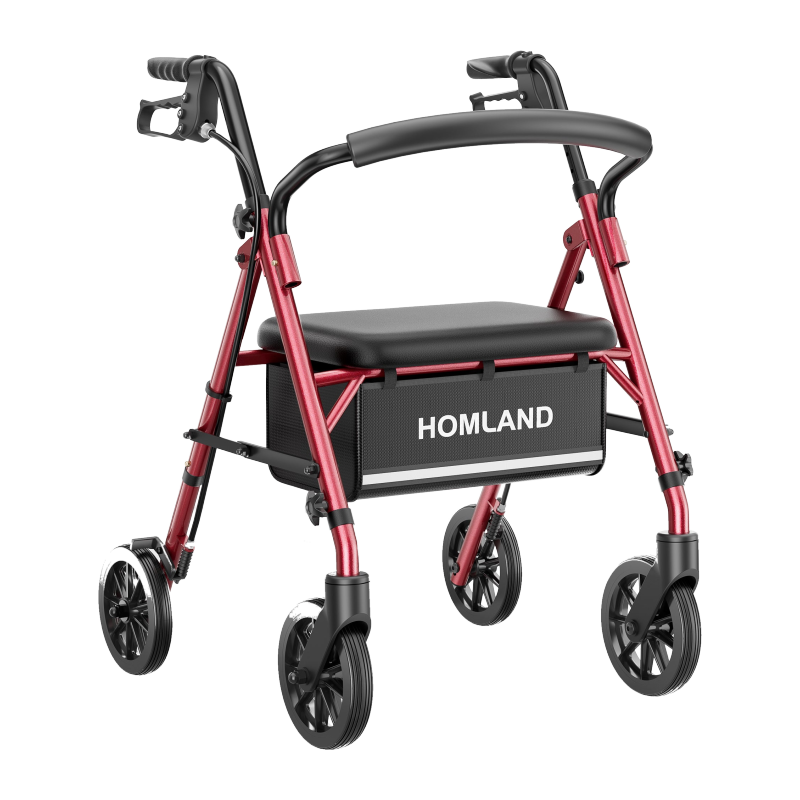
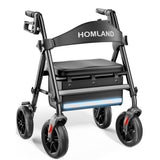
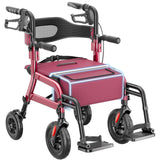
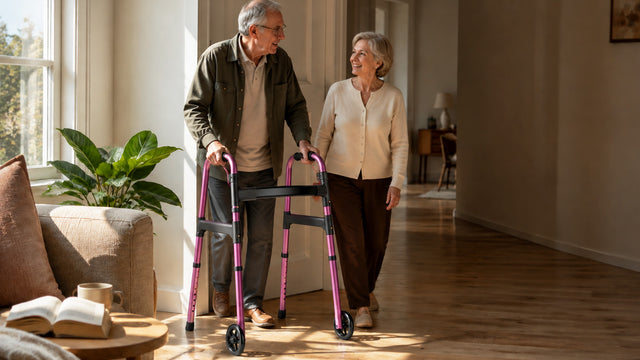
For individuals who use a rolling walker or other mobility aid indoors, wider clearance and consistent flooring surfaces matter even more. A 4-wheel rollator is designed to glide smoothly — but it works best when the path is predictable and unobstructed.
The Kitchen: Staying Safe While Staying Independent
The kitchen is where independence is expressed every day — making your own coffee, preparing a meal, deciding what you eat and when. Keeping that independence intact means making sure the environment supports it. Many kitchen falls happen during reaching, bending, or carrying — especially when balance is already slightly compromised.
- Rearrange cabinets so the most-used items live between waist and shoulder height, avoiding low bending or overhead reaching
- Use a sturdy step stool with a handle grip if high shelves are necessary — never a chair
- Place a non-slip mat in front of the sink where floors get wet
- Consider a lightweight rolling cart or kitchen walker tray for carrying items across the room without gripping them in your hands while walking
- Wipe up spills immediately — even a small puddle on a hard floor creates significant risk
Physical therapists often recommend keeping a standard walker or rollator nearby even for individuals who only need it sometimes. Having support available for a tired or off-balance moment can make the difference between a stable day and a dangerous one.
Mobility Aids That Work With You, Not Against You
There's a persistent misconception that using a walker or mobility aid signals a loss of independence. In reality, the right mobility aid is what preserves independence — because it keeps you moving through your own home on your own schedule, without relying on someone else for support. Physical therapists are clear on this: using a mobility aid proactively is always preferable to a fall and the recovery that follows.
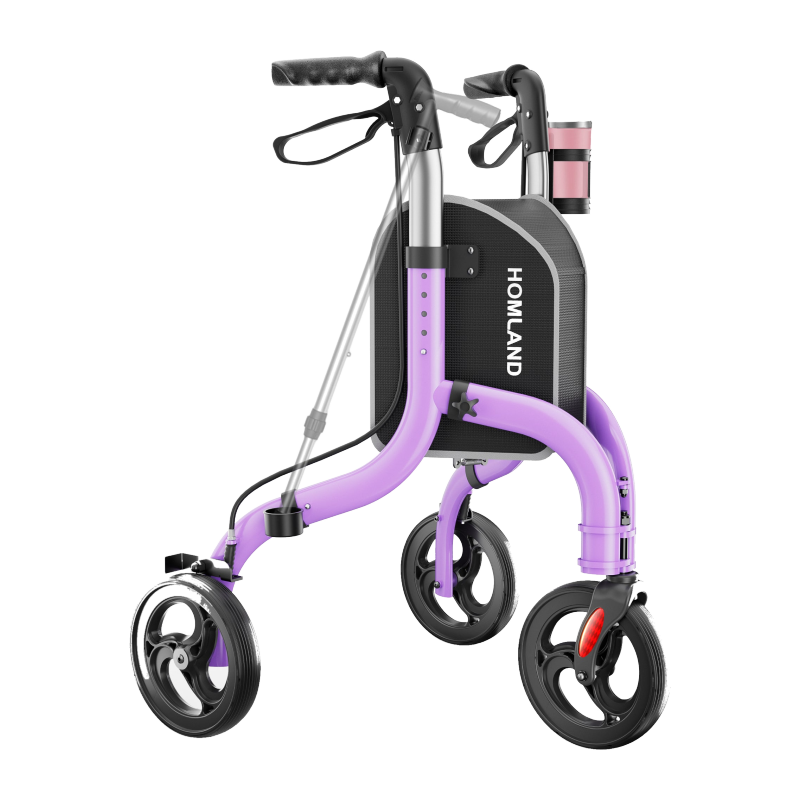
HOMLAND's rolling walkers are designed with real home environments in mind — tool-free assembly, adjustable heights, and frames built to support up to 500 lbs on select models, so users can lean in with full confidence. The standard walker collection offers stable, lightweight options for those who prefer a traditional four-point design. Every product is authorized by licensed Doctors of Physical Therapy and is FSA/HSA eligible, backed by a 1-year manufacturer warranty plus a 1-year extended warranty, and ships from a US local warehouse for fast delivery.
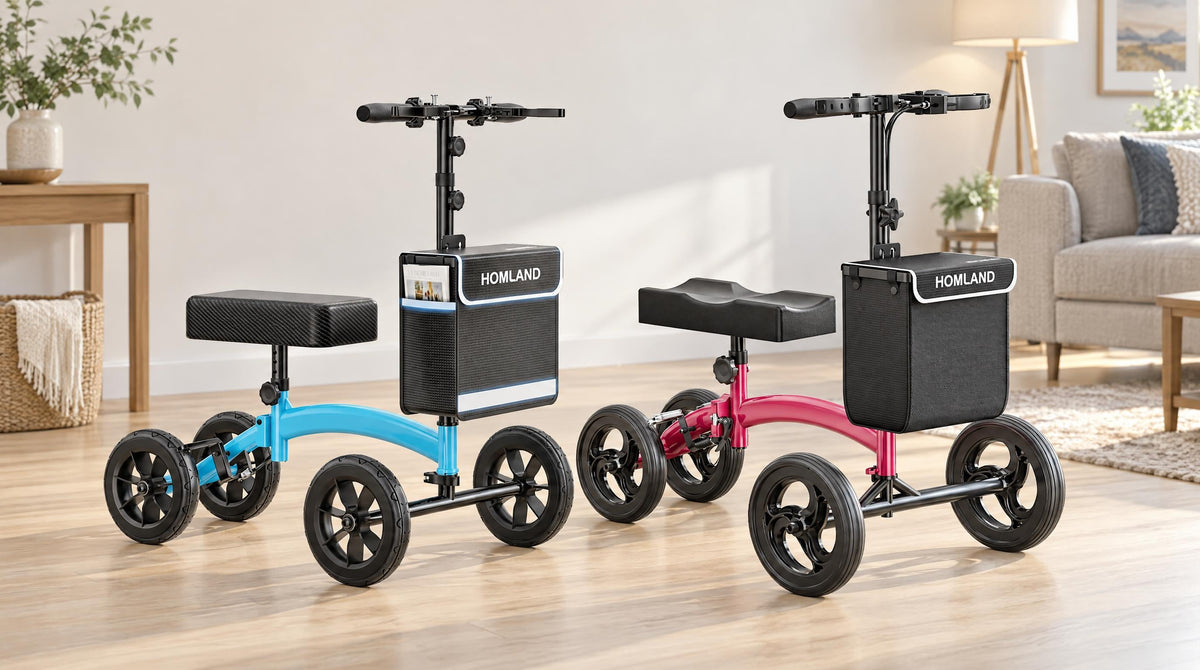
For families supporting a loved one recovering from foot or ankle surgery, a knee scooter offers a stable, weight-bearing alternative to crutches that keeps movement comfortable and controlled during recovery at home.
A Note for Family Caregivers
If you're reading this on behalf of a parent, spouse, or family member, you already know how difficult it can be to bring up fall risk without it feeling like a conversation about limitation. The most effective approach is to frame changes as upgrades, not interventions. "I found this shower chair that makes bathing so much more comfortable" lands very differently than "I'm worried you're going to fall in the shower."
Walk through the home together and ask what feels awkward or uncertain — most older adults can identify their own discomfort points when asked directly. Then work together on solutions. Small, collaborative changes build trust and preserve dignity far more effectively than sweeping renovations done without input. The goal is always to support your loved one's ability to live on their own terms — and to give you both peace of mind at home.
Final Thoughts: Home Should Feel Safe Every Day
Fall prevention isn't a one-time project. It's an ongoing practice of paying attention to how the home feels to move through — and making adjustments as needs change over time. The good news is that most of the most impactful changes are simple, affordable, and quick to implement. A grab bar in the shower. A bed rail on the right side. A clear path from the bedroom to the bathroom at night. These aren't hospital features. They're the quiet infrastructure of a home that supports living well.
Whether you're updating your own home or helping someone you care about, the right safety products make daily life feel more confident and less anxious. Explore HOMLAND's full product lineup — from shower chairs and toilet safety rails to bed rails and rolling walkers — all designed with the "Home, not hospital" philosophy at the core.
Living safely at home is not about removing everything that makes a space feel like yours. It's about making thoughtful, targeted changes that give you the confidence to move through your day without hesitation. Room by room, step by step, those changes add up to something meaningful: a home that works for you, exactly as you are right now.
Have Questions About the Right Safety Products for Your Home?
Our team is here to help you find the right fit — whether you're outfitting a bathroom, a bedroom, or an entire home. All HOMLAND products are FSA/HSA eligible, backed by a 2-year warranty, and ship fast from our US warehouse.
Contact Us — We're Happy to Help