
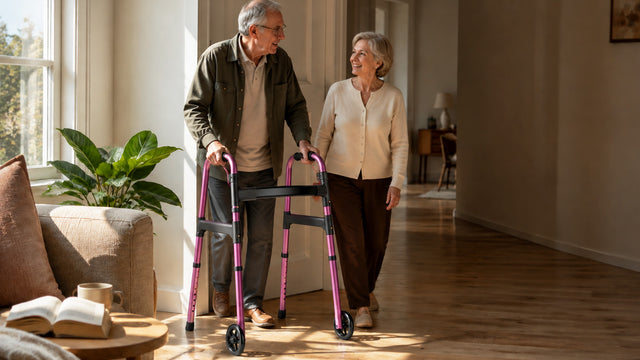

According to the CDC, falls are the leading cause of injury among adults aged 65 and older — yet most falls happen at home, in familiar rooms, during ordinary moments like stepping out of the shower or getting up in the middle of the night. The good news? The majority of those moments are preventable with the right preparation.
Whether you're a senior who wants to keep living life on your own terms, or a family member looking out for someone you love, this complete room-by-room home safety checklist gives you a clear, practical starting point. We've organized every recommendation by location so you can move through your home — or a loved one's — systematically and feel genuinely confident when you're done. Along the way, you'll find product suggestions endorsed by licensed Doctors of Physical Therapy (DPT) and designed around one guiding belief: home, not hospital.
Why Home Safety Matters for Older Adults
Staying at home independently is one of the most important goals for most seniors — and it's a goal worth protecting. Physical therapists consistently point out that environmental hazards, not a person's physical limitations alone, are often the primary reason falls occur. A loose bath mat, a dim hallway light, or a bed that sits too low can turn a routine moment into a serious injury. Addressing these hazards doesn't mean remodeling your entire home; it means making smart, targeted upgrades, one room at a time.
For family caregivers, this checklist offers something equally valuable: peace of mind. Walking through each room with these guidelines in hand gives you a concrete action plan rather than a vague sense of worry. Many of the recommended products are FSA/HSA eligible, backed by a 1-year manufacturer warranty plus 1-year extended warranty, and ship from a US local warehouse — so getting set up quickly is straightforward and affordable.
Bathroom Safety Checklist
The bathroom is statistically the highest-risk room in the home for older adults. Wet surfaces, confined spaces, and the physical effort of getting in and out of the tub or off the toilet create a combination of hazards that deserve the most attention. Physical therapists routinely prioritize bathroom modifications above all others when assessing a senior's home environment.
Work through the following checklist for your bathroom:
- Install grab bars beside the toilet, inside the shower or tub, and along the wall near any step-in entry. Grab bars should be anchored into wall studs — not just drywall — to support full body weight.
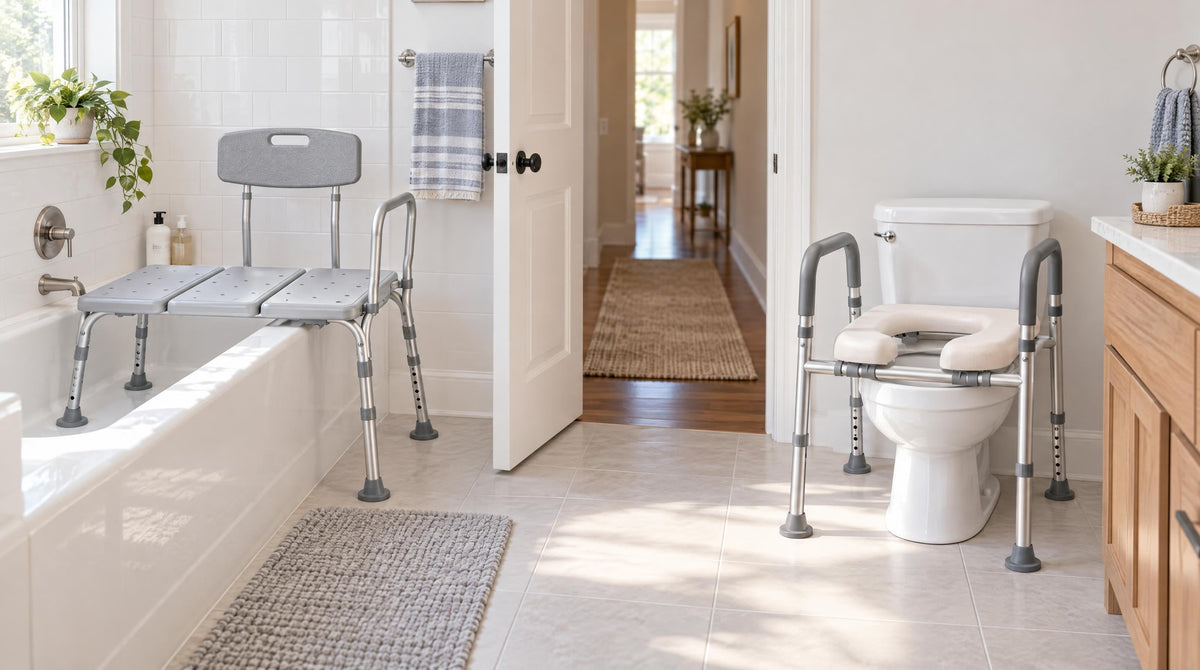
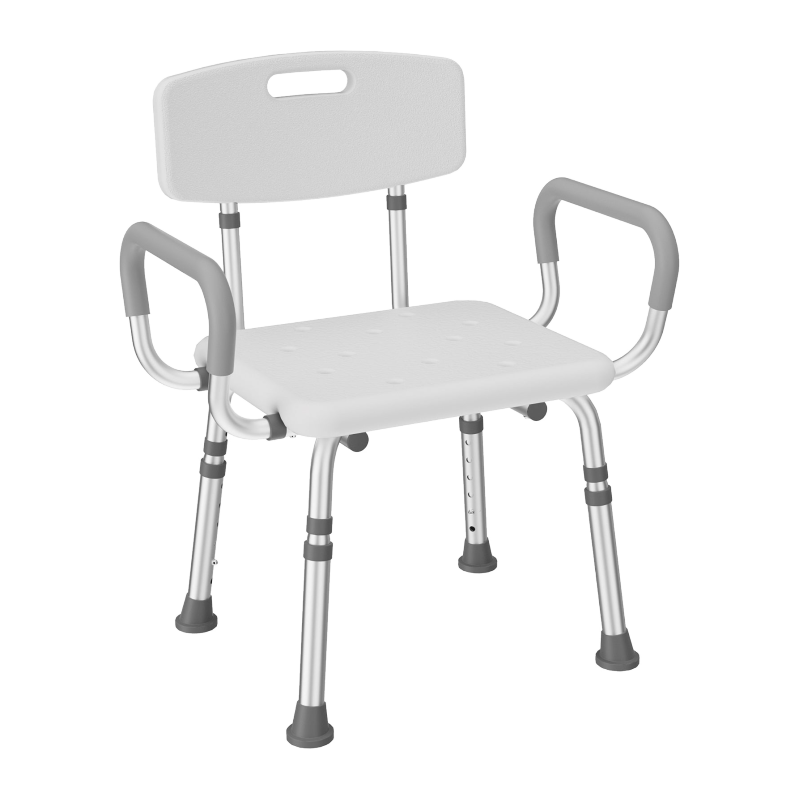
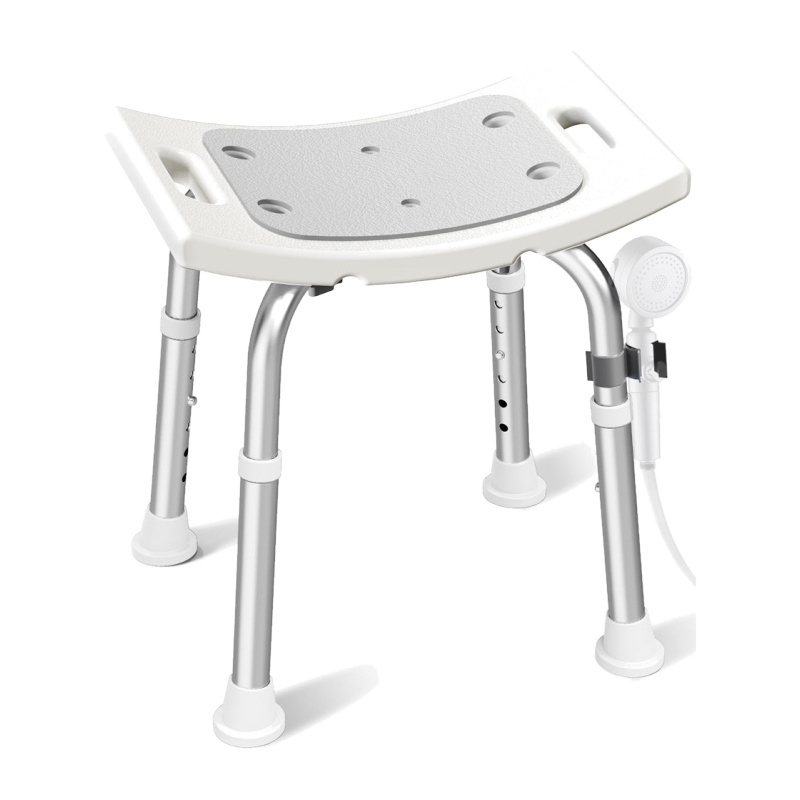
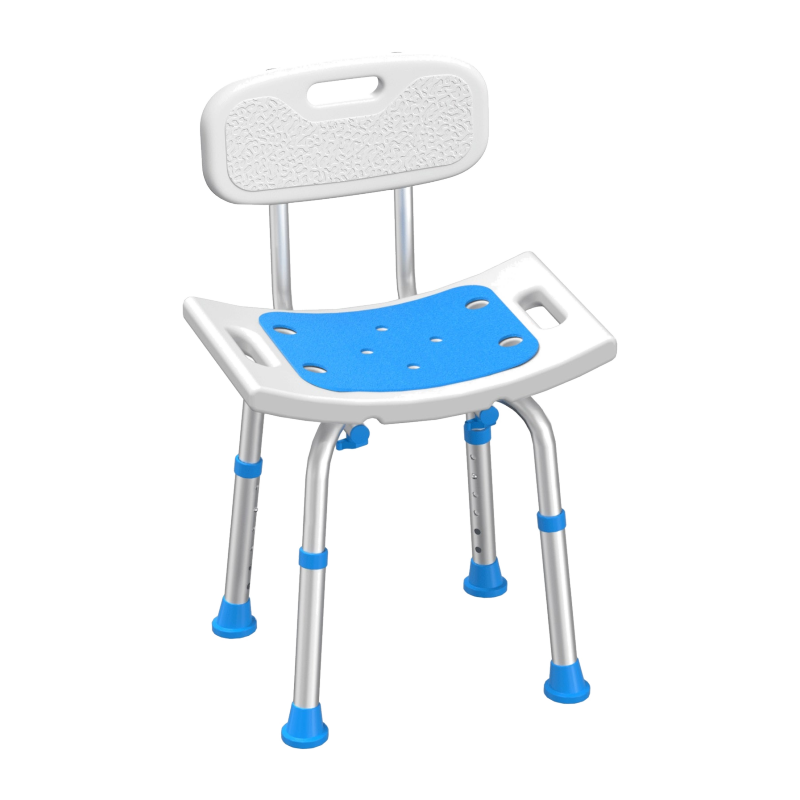
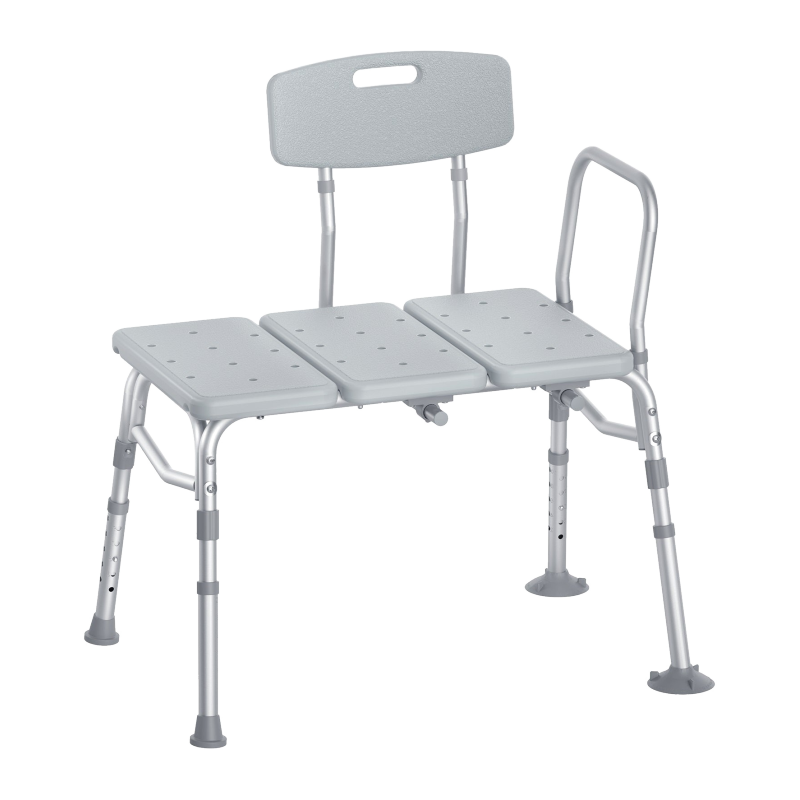
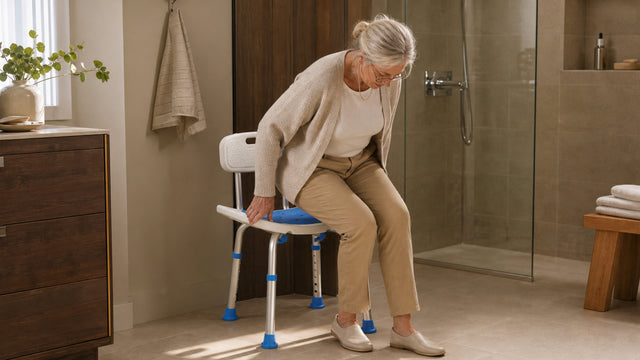
- Add a shower chair or transfer bench. Showering while seated dramatically reduces the risk of slipping. A quality shower chair built to support significant weight lets users bathe comfortably and confidently without rushing. Transfer benches are especially helpful after hip or knee surgery, allowing entry into the tub without having to step over the ledge.
- Use non-slip mats inside the tub or shower and on the bathroom floor immediately outside. Secure the edges with adhesive backing or suction cups.
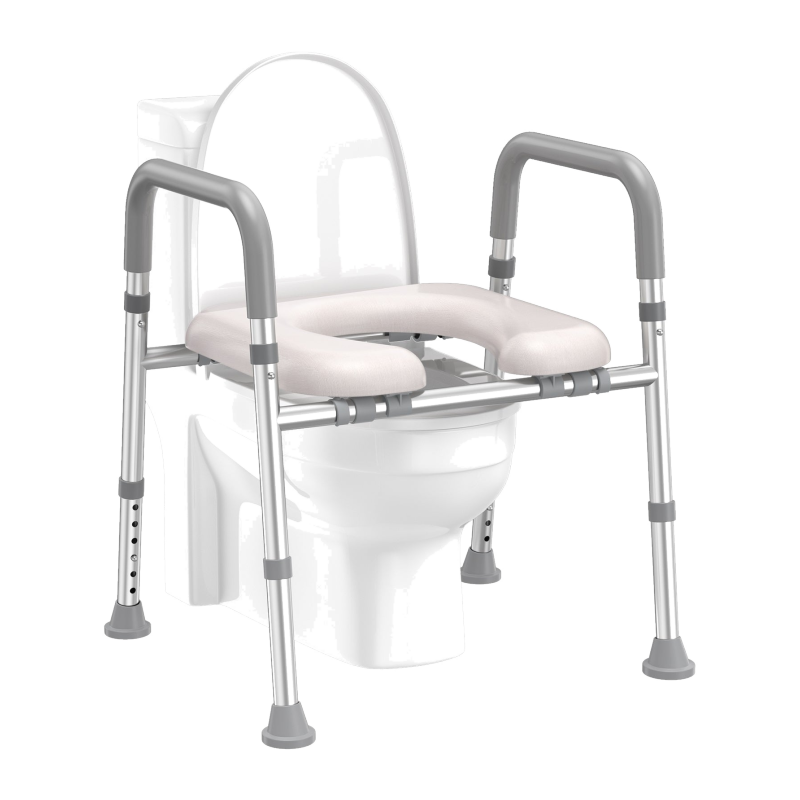
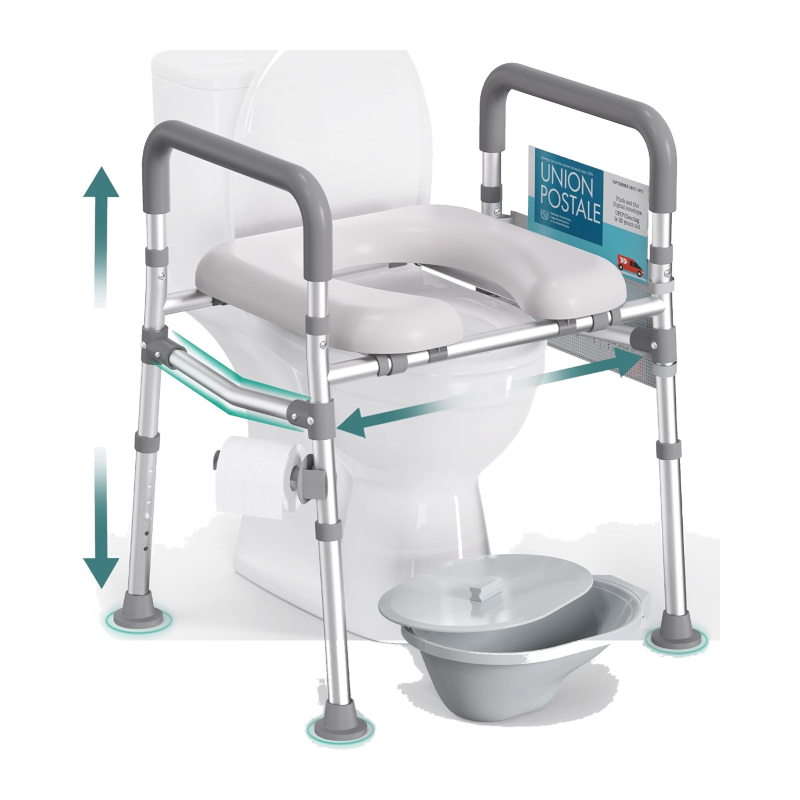
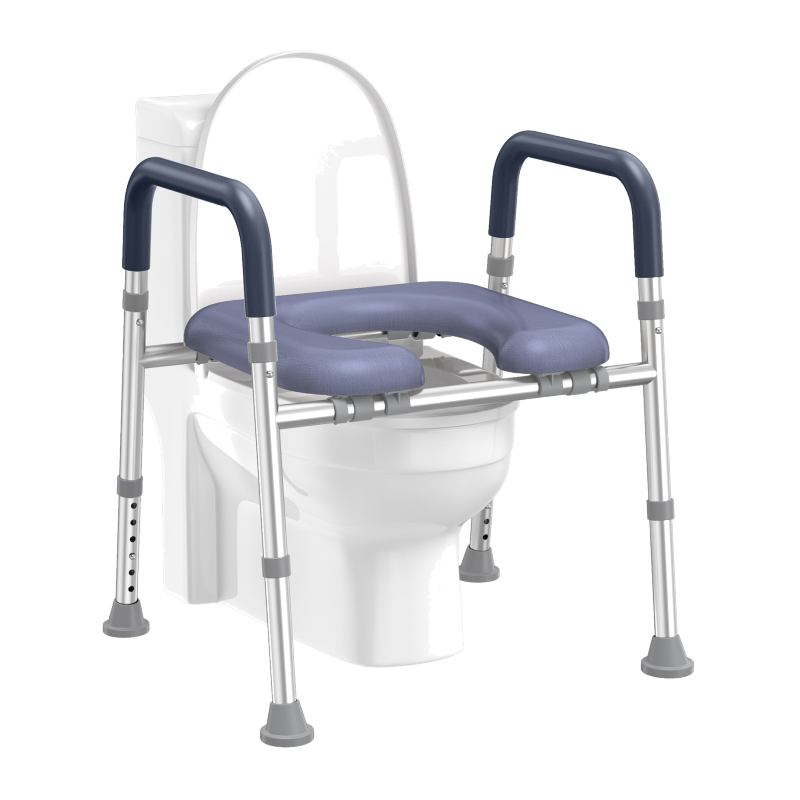
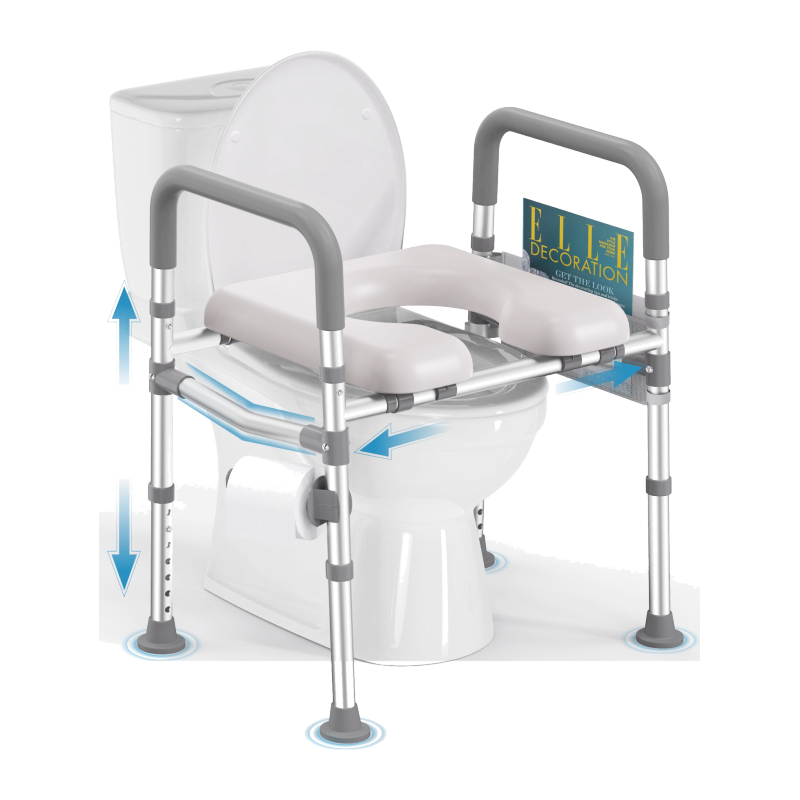
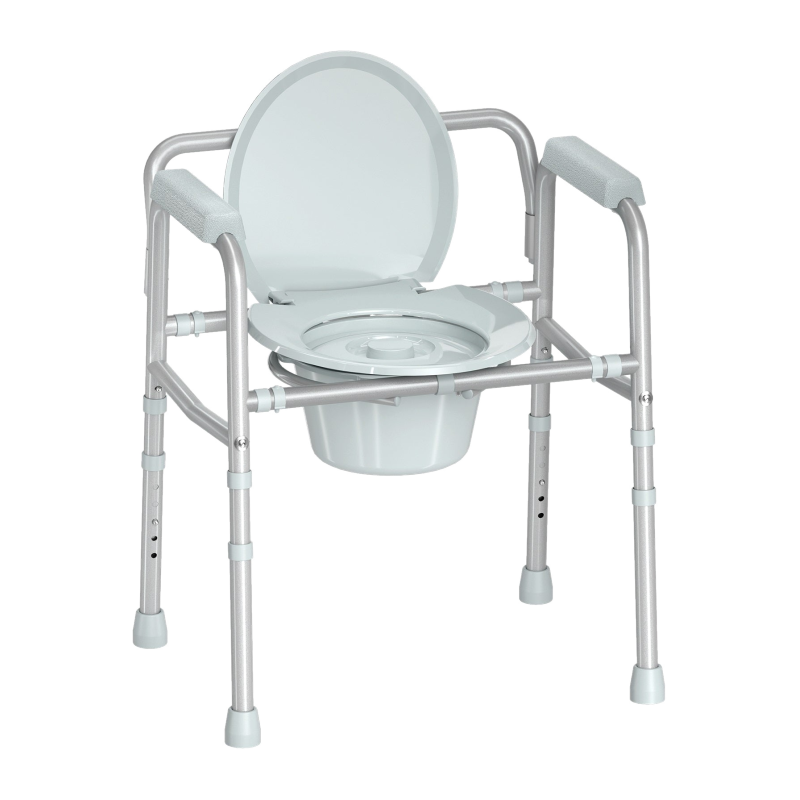
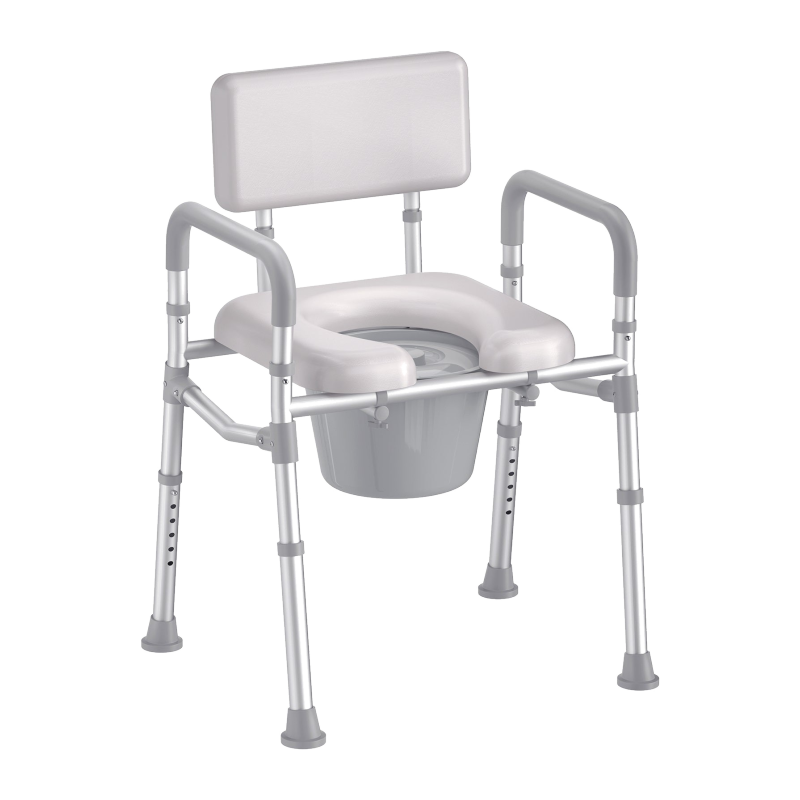
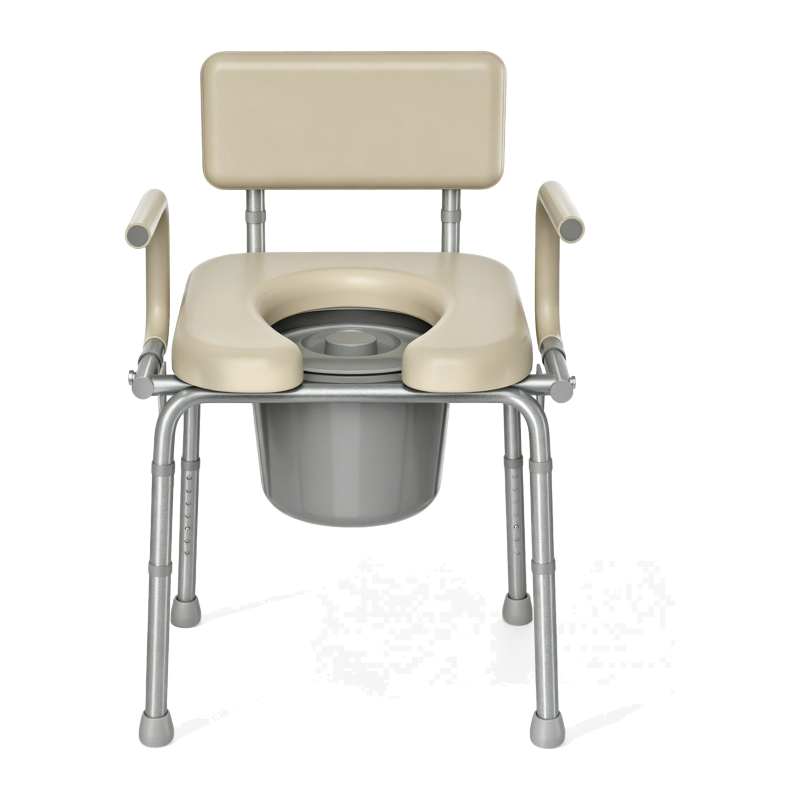
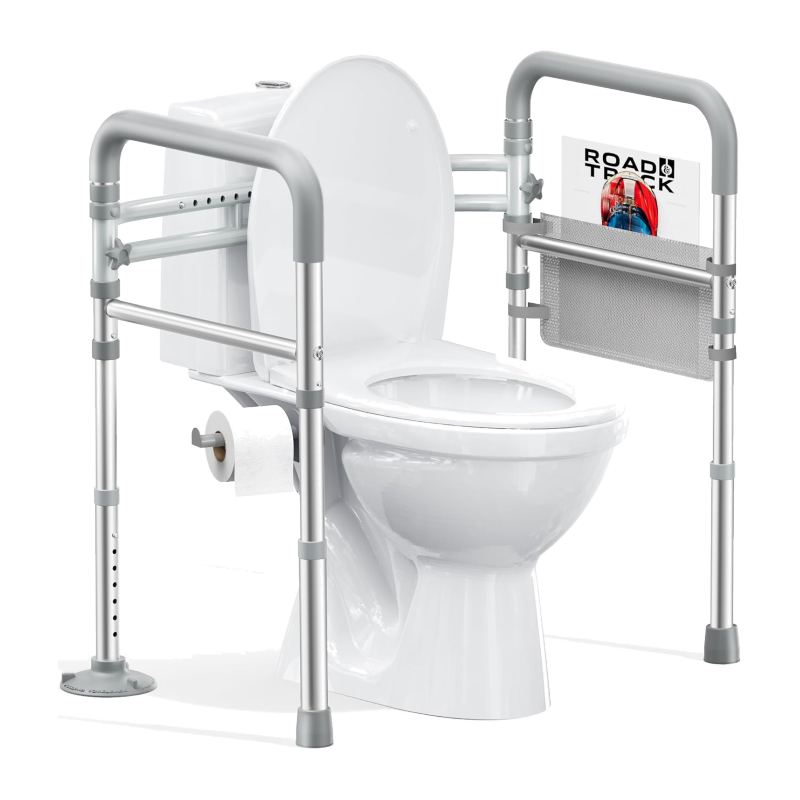
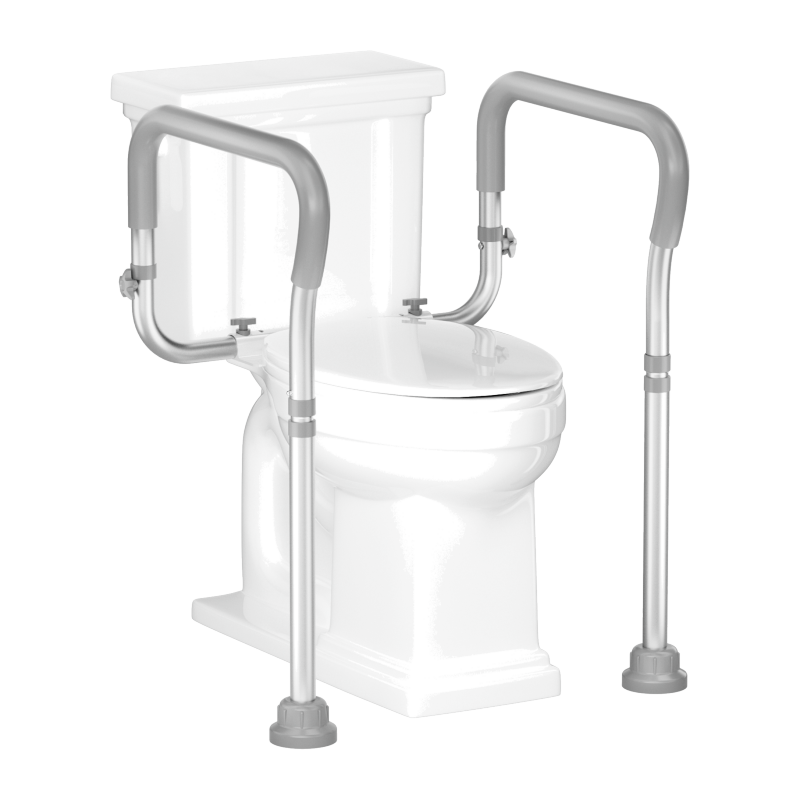
- Raise the toilet seat or add a toilet safety rail. Lowering yourself onto and rising from a standard toilet height is one of the most physically demanding daily movements for seniors. A raised toilet seat reduces the range of motion required and a safety rail provides something stable to push against.
- Ensure adequate lighting. Install a bright, motion-activated night light for middle-of-the-night visits.
- Remove clutter and cords from the floor. Keep frequently used items within easy reach to avoid stretching or bending awkwardly.
- Check water temperature. Set the water heater to 120°F or lower to prevent scalding if balance or reaction time is slower.
Think about what it feels like to step into the shower the morning after a knee replacement. Having a sturdy seat to lower onto — no rushing, no gripping the wall — transforms that moment from stressful to manageable. That's the difference a well-equipped bathroom makes.
Bedroom Safety Checklist
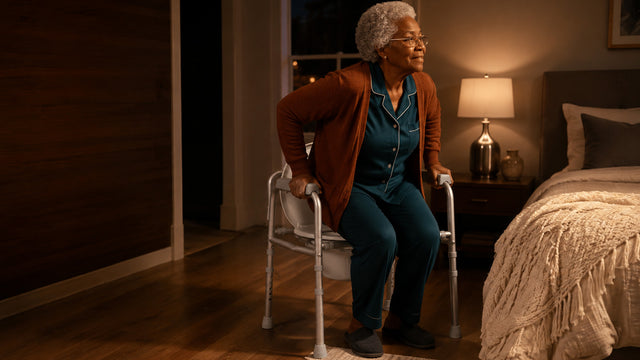
Falls in the bedroom most often happen during nighttime or early-morning transitions: getting up to use the bathroom, sitting up too quickly, or misjudging the distance to the floor. The bedroom environment should be set up to support safe movement whether it's 2 p.m. or 2 a.m.
- Check bed height. The ideal bed height allows the person to sit on the edge with feet flat on the floor and knees at roughly a 90-degree angle. A bed that's too low makes standing up unnecessarily hard on the knees and hips.
- Add a bed rail. A bed rail gives a stable handhold for repositioning during the night or for pushing up to a seated position in the morning — without disturbing a sleeping partner. Look for adjustable designs that fit a range of mattress thicknesses.
- Place a night light on the path to the bathroom. Motion-activated plug-in lights along the floor level are especially effective.
- Keep a phone within reach. Whether it's a cell phone on a nightstand or a medical alert device, the ability to call for help without leaving the bed matters.
- Clear the floor. Remove throw rugs, electrical cords, and any item that could catch a foot during a half-awake nighttime walk.
- Position frequently needed items at easy reach. Glasses, medications, and the TV remote should be on the nightstand, not across the room.
Living Room & Common Areas Checklist
Living rooms and common areas tend to accumulate hazards gradually — a rug pushed slightly out of place, a side table crept into the walking path, an extension cord run across the floor. Because these spaces look familiar, it's easy to stop seeing them clearly. A fresh set of eyes (or this checklist) helps.
- Secure or remove all area rugs. If a rug is meaningful and you want to keep it, use double-sided carpet tape on every edge and a non-slip underlay beneath it. Ideally, transition to low-pile, wall-to-wall carpeting or non-slip hardwood finishes.
- Arrange furniture to create clear walking paths. There should be at least 36 inches of clear walkway — enough space for a walker or rollator to pass through comfortably.
- Check chair and sofa height. Chairs with firm, supportive armrests and appropriate seat height (similar to the bed-height rule) are far easier to get in and out of than deep, low-cushioned sofas.
- Manage cords and cables. Route electrical cords along baseboards and secure them, or use cord covers. Never run a cord under a rug where it can be felt underfoot and trip someone.
- Optimize lighting. Ensure overhead lights and floor lamps are bright enough. Add table lamps in darker corners, and make sure light switches are easily accessible from the room's entrance.
- Keep a clear path to exits. In case of emergency, the route to the front door and any secondary exit should be completely unobstructed at all times.
Kitchen Safety Checklist
The kitchen involves more repetitive movement than almost any other room: reaching into cabinets, bending to lower shelves, carrying pots of water, and standing for extended periods. Each of these activities is manageable with the right setup — and significantly riskier without it.
- Reorganize storage by frequency of use. Move everyday dishes, glasses, and pantry staples to shelves between waist and shoulder height. Reserve high cabinets for rarely used items, and use a sturdy step stool with a grip handle (never a chair) if overhead access is necessary.
- Use a kitchen cart or trolley to transport items from the counter to the table. This avoids carrying items while walking, which compromises balance.
- Place a non-slip mat at the kitchen sink and stove where standing is most common.
- Check appliance safety. Stove knob covers, automatic shut-off devices for burners, and simple, large-print labels on appliances reduce confusion and risk.
- Ensure the kitchen is well-lit, particularly under-cabinet task lighting over the prep area and stove.
- Keep a stool nearby for resting during food prep. Extended standing fatigue increases the risk of stumbles.
Stairs, Hallways & Entryways Checklist
Transitions between areas — doorways, hallways, stairwells, and the front entrance — are where many falls happen simply because these spaces are easy to rush through. Slowing down the approach to these areas through environmental cues and physical supports makes a real difference.
- Install handrails on both sides of all staircases, running the full length of the stairs. Handrails should be graspable — round or oval cross-section, 1.25 to 2 inches in diameter — not flat decorative rails.
- Mark stair edges with high-contrast tape if the stair nosings are difficult to see, especially in low light.
- Light stairways from both top and bottom, with switches accessible at each end.
- Eliminate threshold bumps wherever possible. Raised door thresholds are a common tripping point; beveled transition strips reduce this risk significantly.
- Create a landing zone at the entry. A stable bench or chair near the front door lets someone sit to put on and take off shoes rather than balancing on one foot.
- Check outdoor paths and steps for cracks, uneven surfaces, and adequate lighting. Handrails at any outdoor steps are equally important as indoor ones.
Choosing the Right Mobility Aids for Every Room
A home safety checklist addresses the environment — but the person moving through that environment also deserves the right support. Physical therapists often recommend mobility aids not as a sign of limitation, but as tools that extend independence. The right walker, for example, lets someone move confidently through a kitchen or down a hallway without having to reach for walls or furniture.
HOMLAND's full lineup is designed precisely for this purpose. Every product is engineered with tool-free assembly, adjustable heights to fit different users, and load capacities built for real-world confidence. Here's how different aids match different needs:
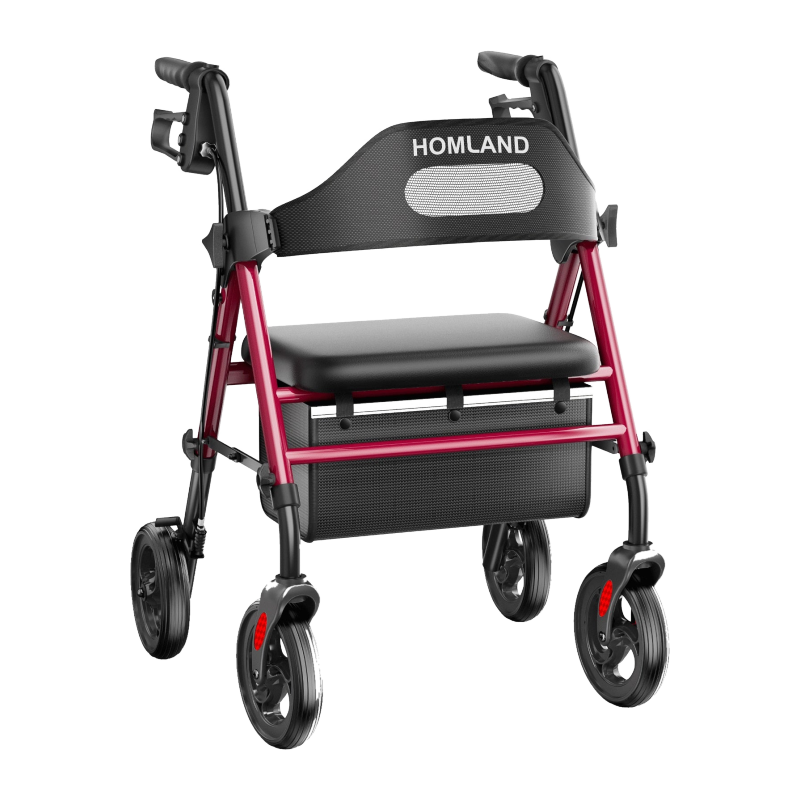
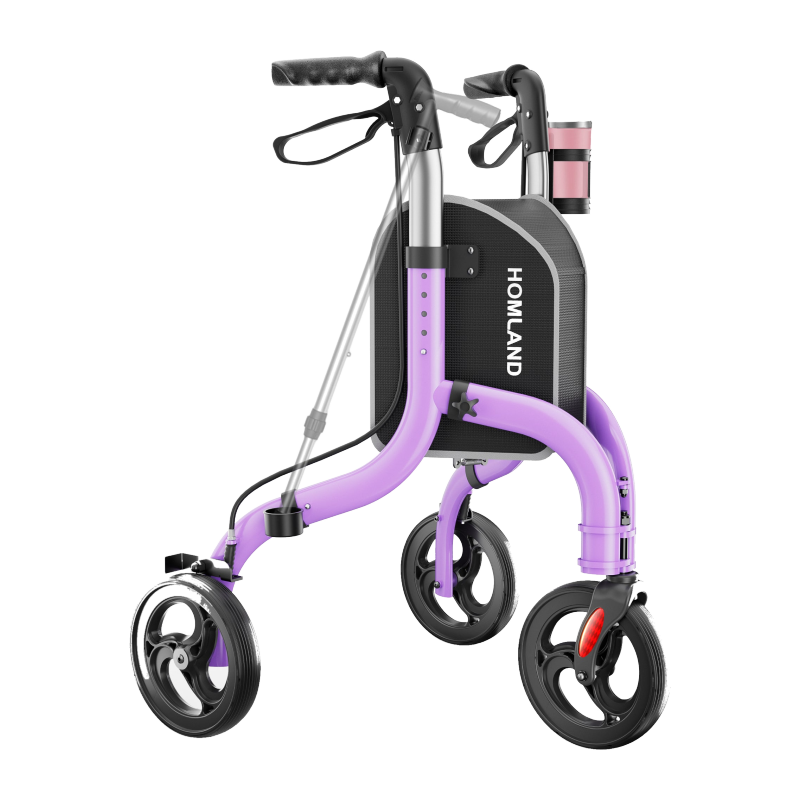
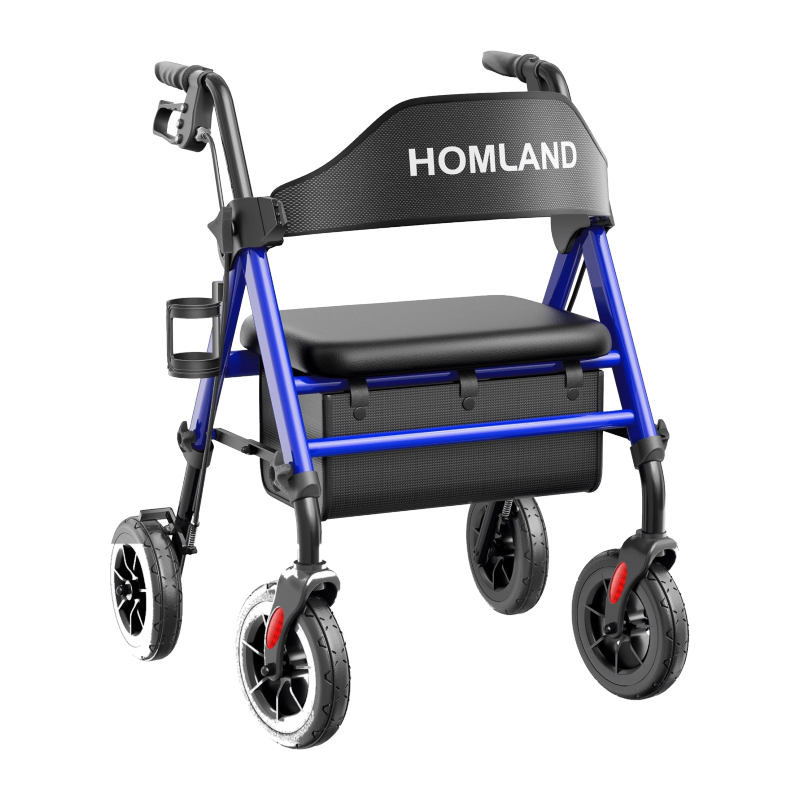
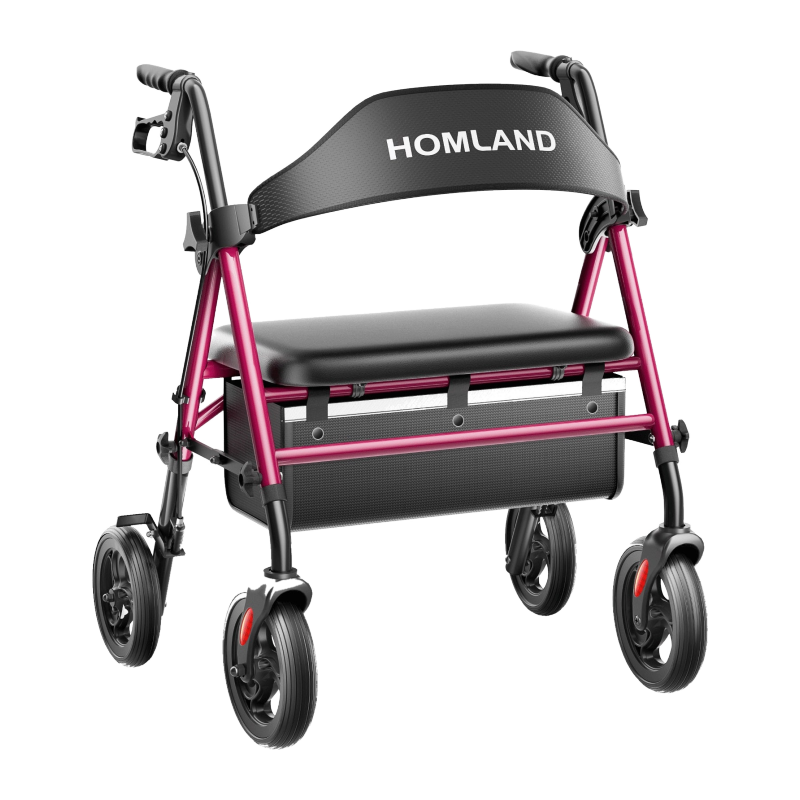
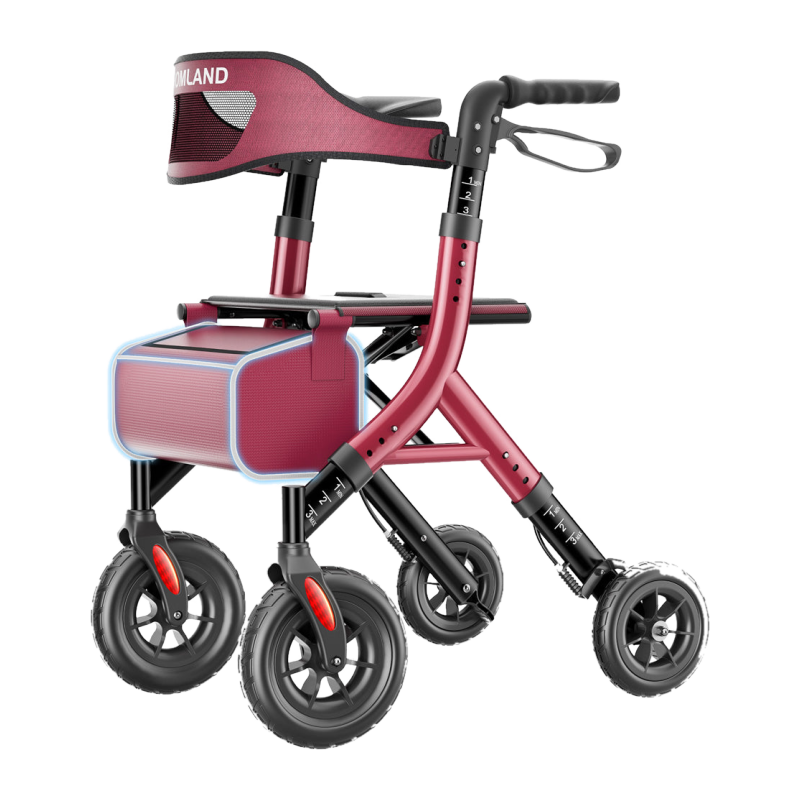
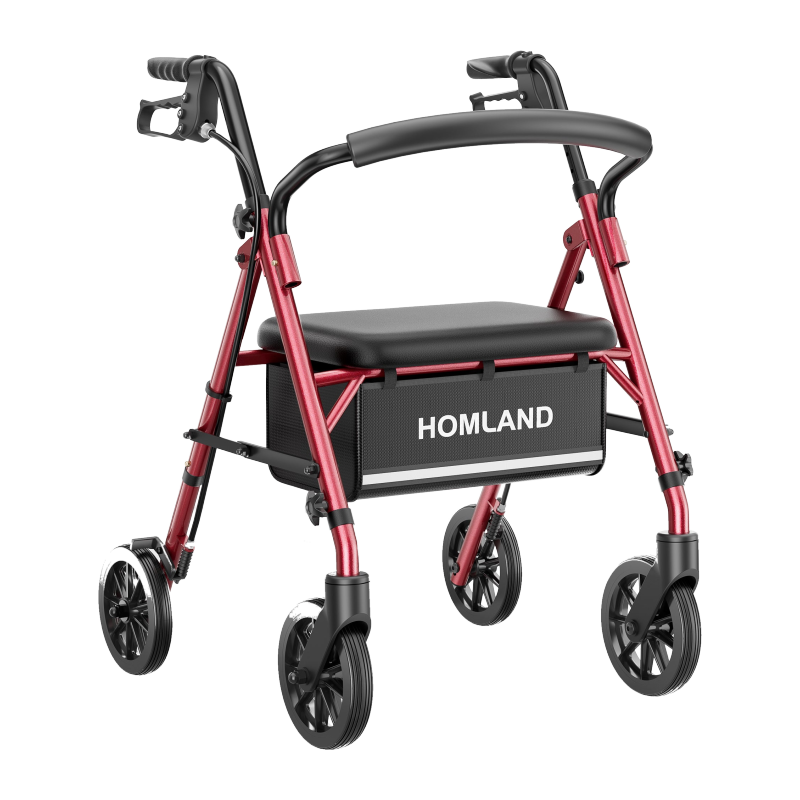
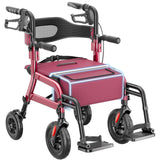
- Rolling walkers (rollators): Ideal for moving through larger spaces like living rooms, kitchens, and outdoor paths. HOMLAND offers 3-wheel, 4-wheel, upright, and bariatric rolling walkers — all holding #1 positions on Amazon US — so there's a fit for virtually every user and lifestyle.
- Standard walkers: Better for slower, more deliberate movement in tighter spaces or for users who need maximum stability. Explore HOMLAND's standard walker collection for lightweight, adjustable options.
- Shower chairs and transfer benches: Essential for bathroom safety, as covered above. HOMLAND shower chairs are built to support up to 500 lbs on select models, so users can lean in and relax without hesitation.
- Toilet safety rails and raised toilet seats: A quick upgrade that makes a meaningful daily difference. The HOMLAND toilet safety rail collection pairs height adjustability with tool-free setup, so installation takes minutes.
- Bed rails: For nighttime and early-morning safety without disrupting a partner's sleep. HOMLAND bed rails adjust to fit most mattress heights and thicknesses.
- Knee scooters: A practical alternative for those recovering from foot or lower-leg procedures who need to stay mobile around the home. See the knee scooter collection for options.
All HOMLAND products are FSA/HSA eligible, arrive from a US local warehouse for fast delivery, and come with a 1-year manufacturer warranty plus a 1-year extended warranty — giving both users and families confidence not just in the product, but in the purchase.
Quick-Reference Safety Checklist Summary
Use this summary as a walkthrough guide. Check off each item as you confirm it's in place.
Bathroom
- Grab bars installed at toilet, shower, and tub entry
- Shower chair or transfer bench in place
- Non-slip mats inside tub and on bathroom floor
- Raised toilet seat or safety rail added
- Night light installed
- Water heater set to 120°F or lower
Bedroom
- Bed height appropriate for easy stand-to-sit transitions
- Bed rail installed for nighttime support
- Night light on the path to the bathroom
- Phone or alert device within reach of bed
- Floor cleared of rugs and cords
Living Room & Common Areas
- Area rugs secured or removed
- 36-inch clear walking paths maintained
- Chair and sofa heights appropriate for easy transitions
- Cords managed and secured along baseboards
- Lighting adequate throughout
Kitchen
- Everyday items stored between waist and shoulder height
- Kitchen cart available for transporting items
- Non-slip mat at sink and stove
- Appliances clearly labeled and safe
- Seating available for resting during prep
Stairs, Hallways & Entryways
- Handrails on both sides of all staircases
- Stair edges marked for visibility
- Stairways lit from both top and bottom
- Threshold bumps reduced or eliminated
- Seating available near entry for shoe changes
- Outdoor paths and steps checked and lit
A Safer Home Is a More Independent Home
Working through this checklist room by room isn't about making a home feel restrictive — it's about making it feel reliably yours. When the environment supports safe, confident movement, seniors can focus on the things that actually matter: morning coffee without rushing, a shower that doesn't feel like a risk, a good night's sleep without anxiety about getting up. Physical therapists, families, and seniors themselves all point to the same truth: the right home setup is one of the most powerful tools for maintaining independence as we age.
Browse the full HOMLAND product collection to find the right safety tools for every room, all designed with the same commitment — keeping you home, not in a hospital.
Need Help Choosing the Right Products?
Our team is here to help you find the right fit for your home, your mobility needs, and your budget. All products are FSA/HSA eligible and backed by a 2-year total warranty.
Contact Us