

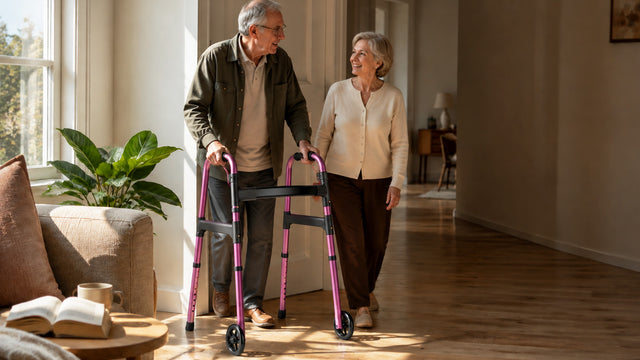

Coming home after knee replacement surgery is a milestone worth celebrating. The procedure is behind you — and so is the chronic pain that made everyday movement a battle. But the weeks ahead require patience, the right setup at home, and tools that match where your body actually is in its healing process. That gap between the hospital discharge and full independence is where most people feel uncertain, and it's exactly where good preparation makes all the difference.
This guide walks you through the knee replacement recovery timeline week by week, explains which mobility aids physical therapists most commonly recommend at each stage, and gives you honest, practical advice on what daily life at home will actually look like. Whether you're preparing for surgery yourself or helping a parent or spouse get ready, you'll find everything you need to make recovery safer, more comfortable, and — most importantly — something you can manage on your own terms.
Why the First Weeks at Home Set the Tone
Most knee replacement patients are discharged within one to three days of surgery, often before the swelling has fully peaked. That means the living room, bathroom, and bedroom take on new importance almost immediately. A home that was perfectly manageable before surgery can suddenly feel full of obstacles — a narrow bathroom doorway, a low toilet seat, a bed that's too soft to push off of safely.
Physical therapists who work with post-surgical patients consistently emphasize one point: the environment matters as much as the exercises. Movement is essential to recovery, but unsafe movement — a slip on the way to the bathroom at 2 a.m., a stumble because there was nothing stable to hold onto — can set recovery back significantly. Equipping your home before you arrive from the hospital is not overcaution. It's the smartest thing you can do.
The Knee Replacement Recovery Timeline
Recovery looks different for everyone depending on age, overall health, fitness level, and the specific type of knee replacement performed. That said, physical therapists commonly describe recovery in broad phases that most patients move through in a recognizable sequence.
Week 1–2: Getting Your Bearings
The first two weeks are focused on managing swelling, controlling pain, and beginning very gentle movement. You'll likely be walking short distances with a walker or crutches within 24 hours of surgery — not because it's comfortable, but because early movement reduces blood clot risk and kick-starts circulation to the healing tissue. At home, most of your day will be divided between rest with your leg elevated, icing, and completing the gentle exercises your physical therapist assigned. Stairs may be possible with supervision, but you'll want every surface you touch to be stable and predictable.
Weeks 3–6: Building Strength and Range of Motion
By week three, swelling typically starts to reduce and you'll begin to feel more like yourself — though the knee will still be stiff and fatigue sets in quickly. This is the phase where many people transition from a standard walker to a rolling walker, which allows a more natural gait and makes it easier to cover longer distances around the house. Physical therapy sessions intensify during this window, focusing on bending and straightening the knee toward functional ranges. Walking to the kitchen, managing a flight of stairs, and sitting comfortably through a meal become realistic milestones.
Weeks 6–12: Regaining Everyday Function
The six-week mark is often described as a turning point. Most patients are walking with much greater confidence, and many no longer need a walker indoors. Driving typically resumes around this time for those who had surgery on their left knee (or right knee for drivers in left-hand-drive countries) — though always follow your surgeon's specific clearance. By week twelve, the majority of people are managing the core activities of daily life — cooking, light shopping, getting dressed — with minimal assistance. Full recovery, including return to low-impact sports or more demanding activities, usually continues for six months to a full year.
Mobility Aids That Make a Real Difference
The right mobility aid at the right stage of recovery isn't just convenient — it keeps you safe while preserving your independence. Physical therapists typically guide patients through a progression from maximum support early on to lighter support as strength returns.
Standard Walkers: Maximum Stability in the Early Days
In the first one to two weeks post-surgery, a standard walker offers the most controlled, predictable support. There are no wheels to roll away unexpectedly — you lift and place it deliberately, which many patients find reassuring when the knee is at its most painful and unpredictable. Look for a walker with tool-free height adjustment so it can be fine-tuned to your exact frame without needing a toolbox, and one built to support your body weight comfortably so you can lean in with full confidence.
Rolling Walkers: Moving More Naturally as You Progress
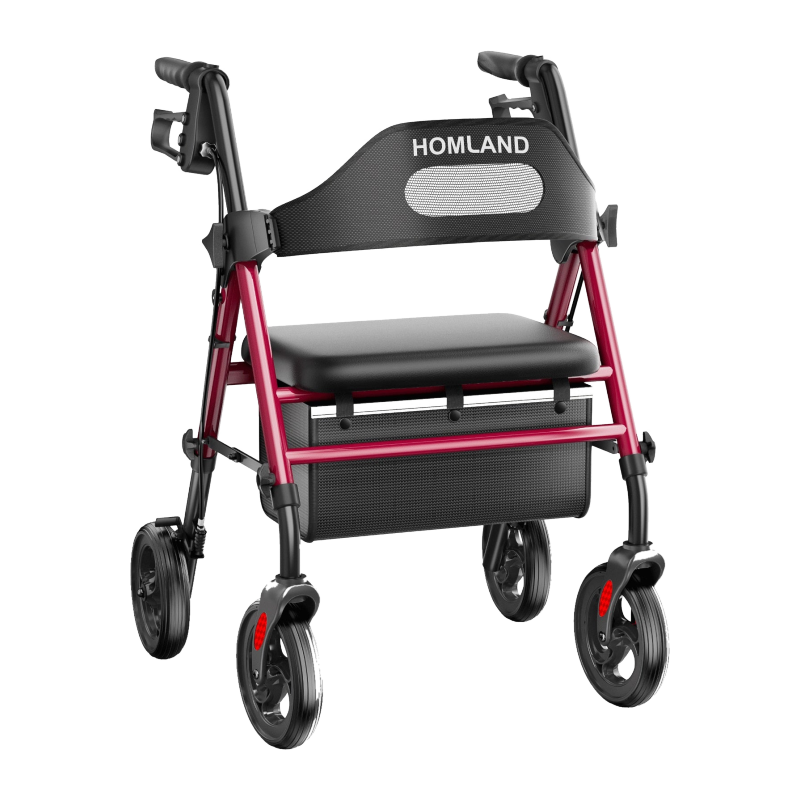
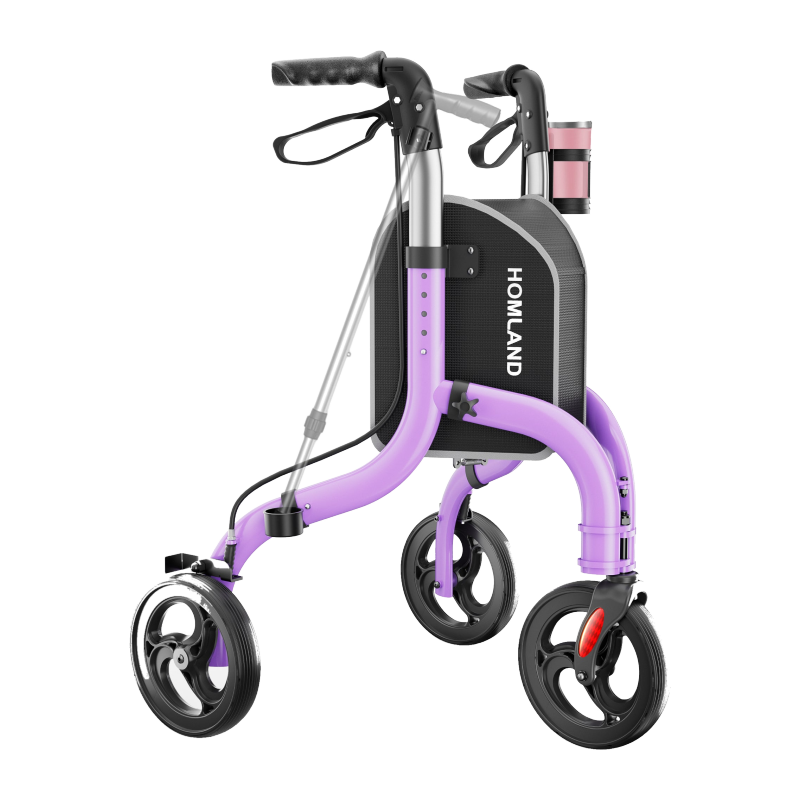
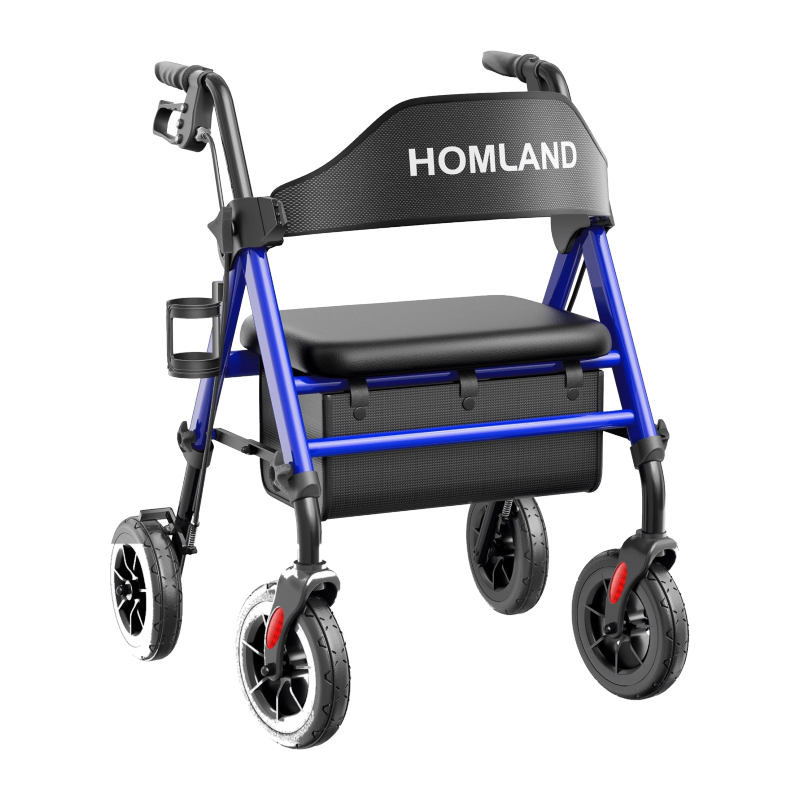
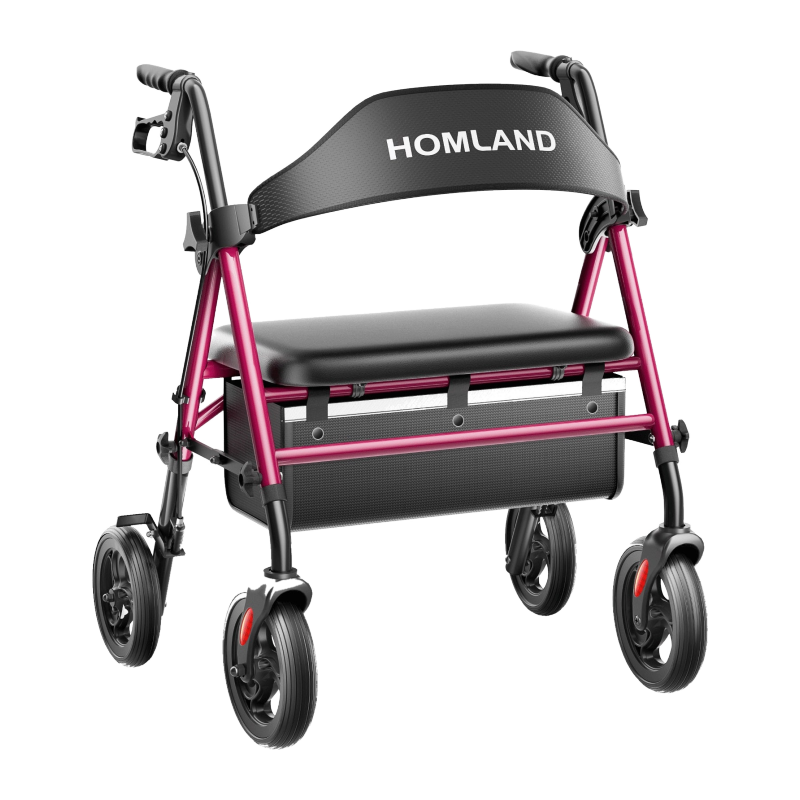
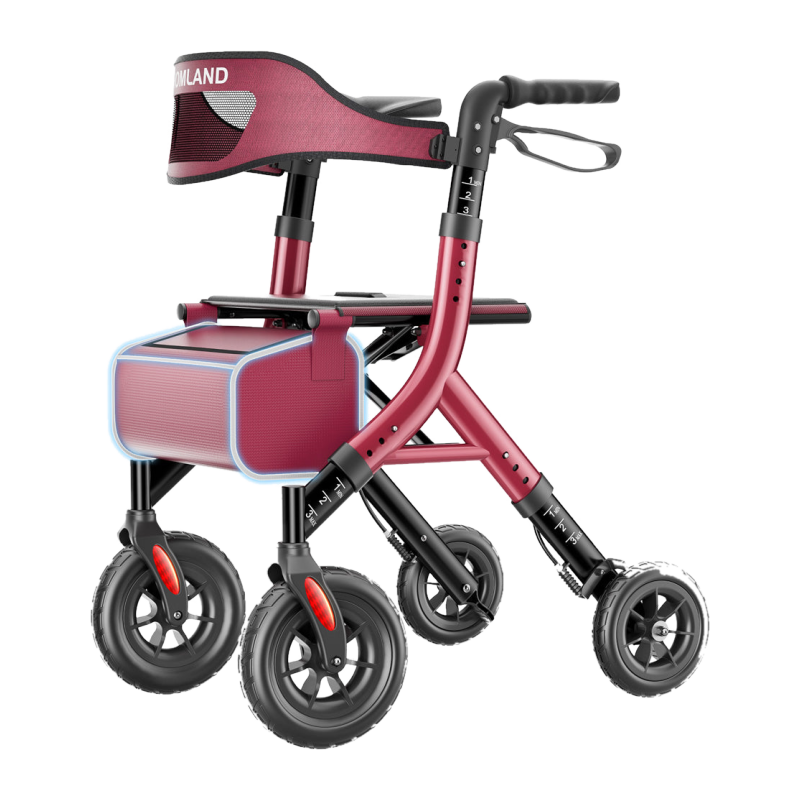
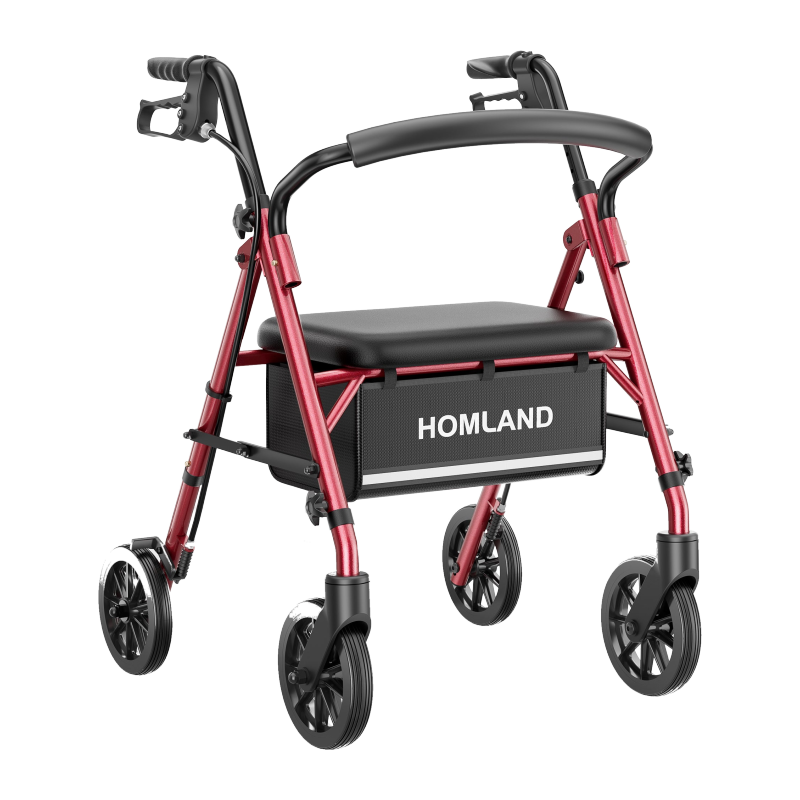
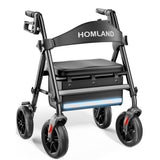
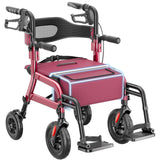
As strength and confidence build — usually around weeks two to four — many physical therapists recommend transitioning to a rolling walker. A four-wheel rollator with a padded seat is particularly popular among knee replacement patients because it allows a more natural walking rhythm and provides a built-in place to rest when fatigue hits during longer trips around the house or yard. If you prefer to pace yourself with a three-wheel design for tighter indoor spaces, that's a legitimate option too. For patients managing higher body weight, bariatric models are available with reinforced frames built to support up to 500 lbs so there's no question of stability.
Knee Scooters: A Practical Alternative for Partial Weight-Bearing
Knee scooters are less commonly associated with knee replacement but may be recommended in specific cases — particularly where full weight-bearing on the operated leg is restricted. A knee scooter lets you rest the lower leg on a padded platform and propel yourself with the non-operated leg, which can dramatically reduce fatigue during the phase when every step on the recovering knee feels like work. Always confirm with your surgeon or physical therapist before switching to a knee scooter, as it's not appropriate for all surgical approaches.
All HOMLAND walkers and knee scooters are FSA/HSA eligible and ship from a US local warehouse, so you don't have to wait weeks for delivery when you need support right now. Every product also comes backed by a 1-year manufacturer warranty plus a 1-year extended warranty — practical peace of mind for caregivers making a purchase on behalf of a loved one.
Bathroom Safety: The Room That Needs the Most Attention
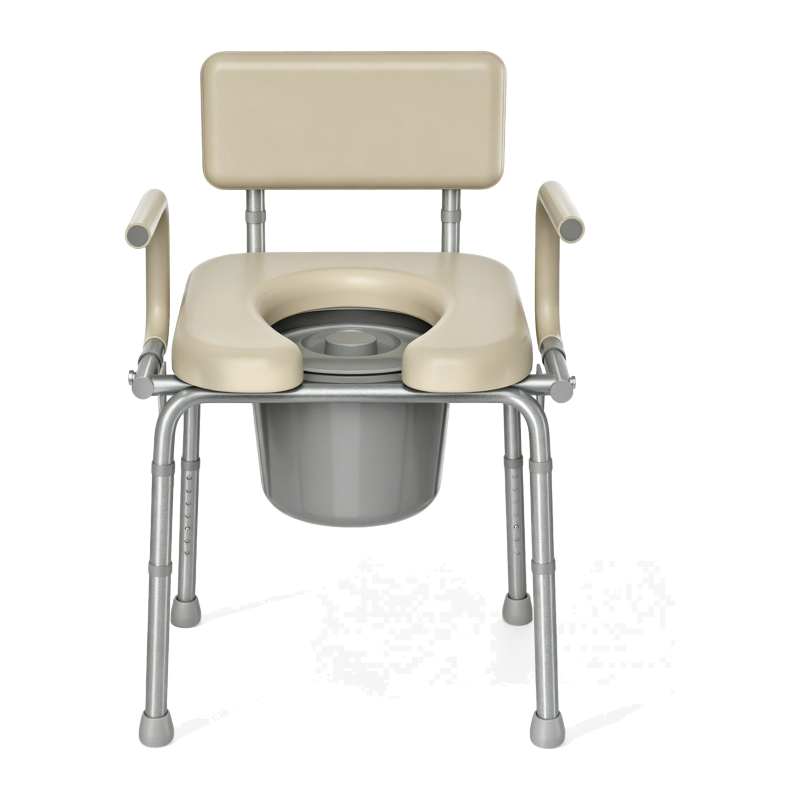
Physical therapists and occupational therapists almost universally flag the bathroom as the highest-risk room in the home during the first weeks of knee replacement recovery. A standard toilet is low to the ground — typically 15 to 17 inches — which means sitting down and standing up requires exactly the kind of deep knee bend that's painful and potentially unsafe right after surgery. Add a wet floor or a slippery tub surface, and the risk compounds quickly.
Raised Toilet Seats and Toilet Safety Rails
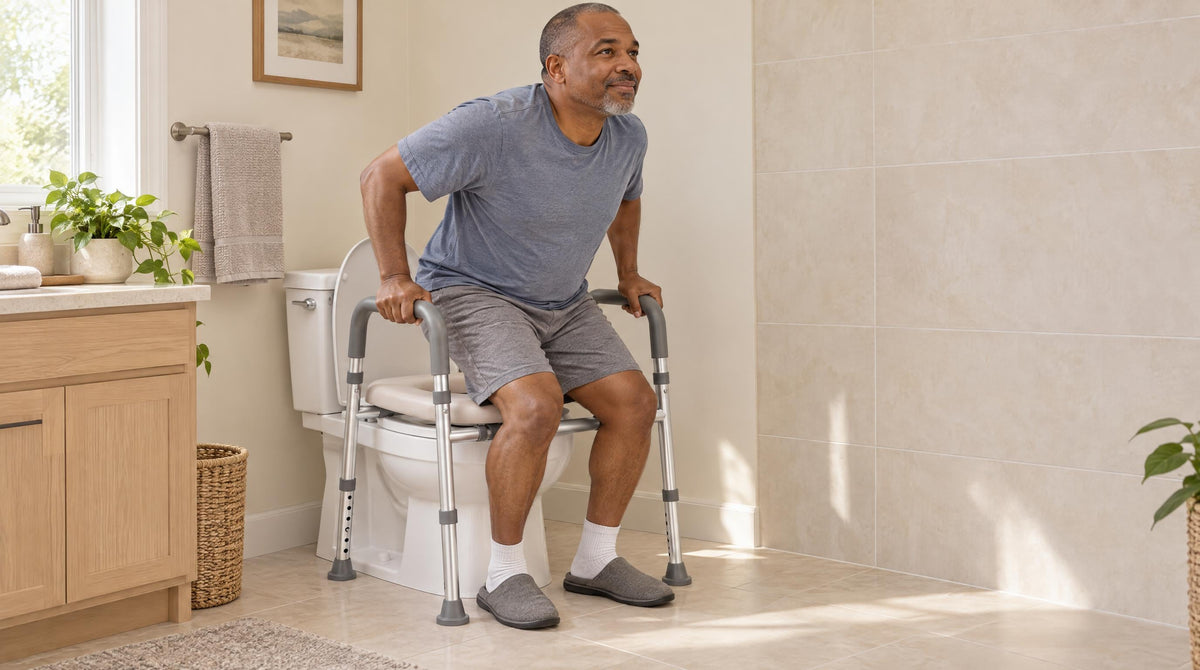
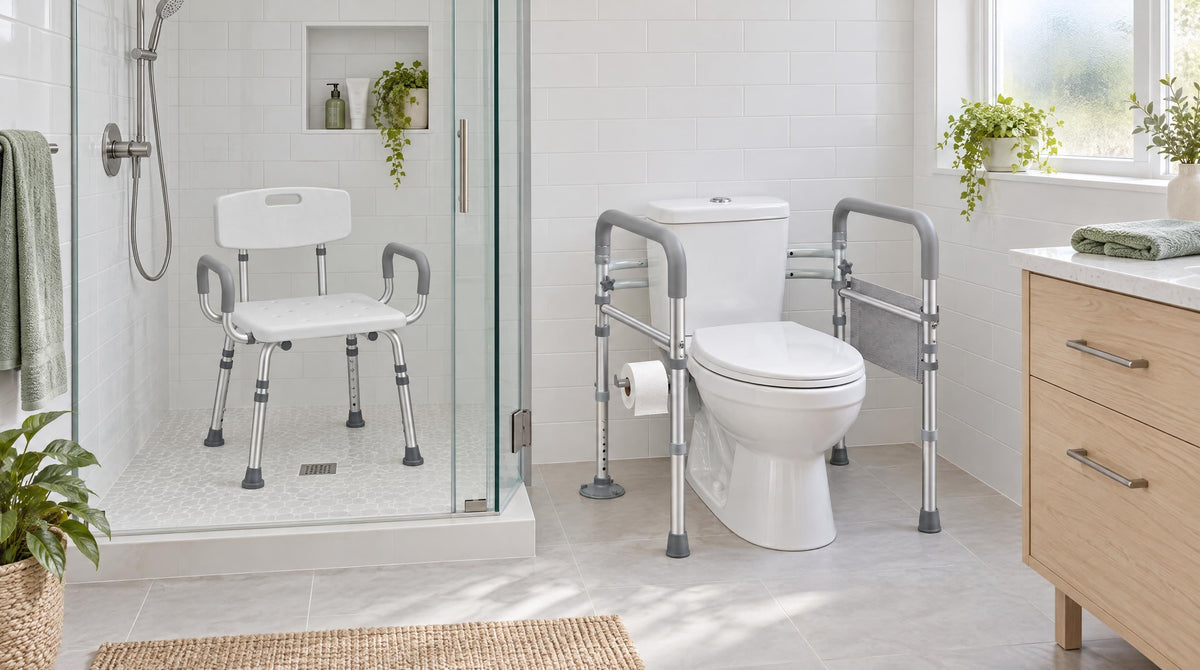
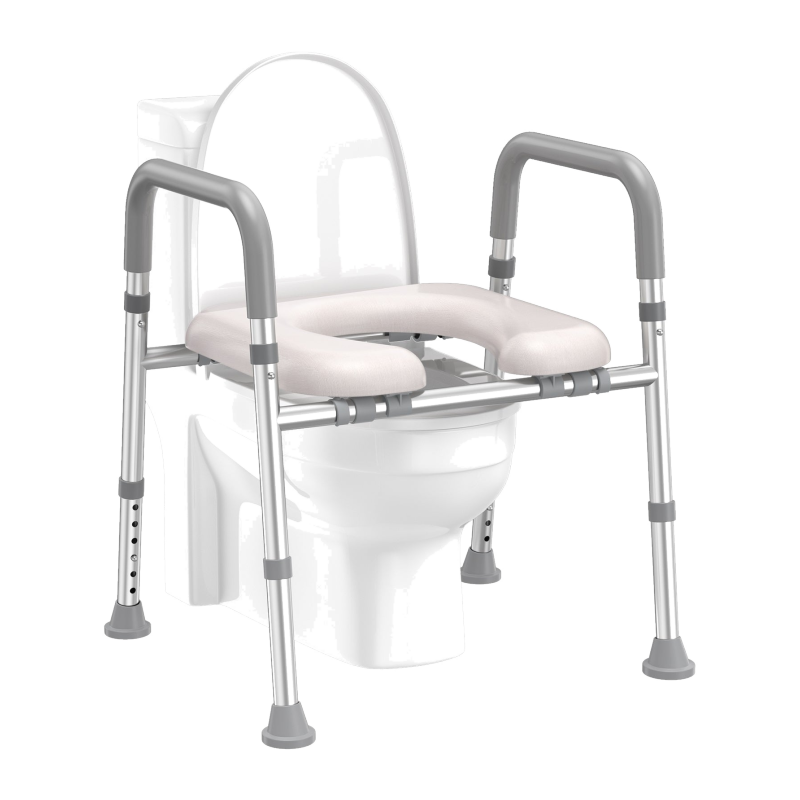
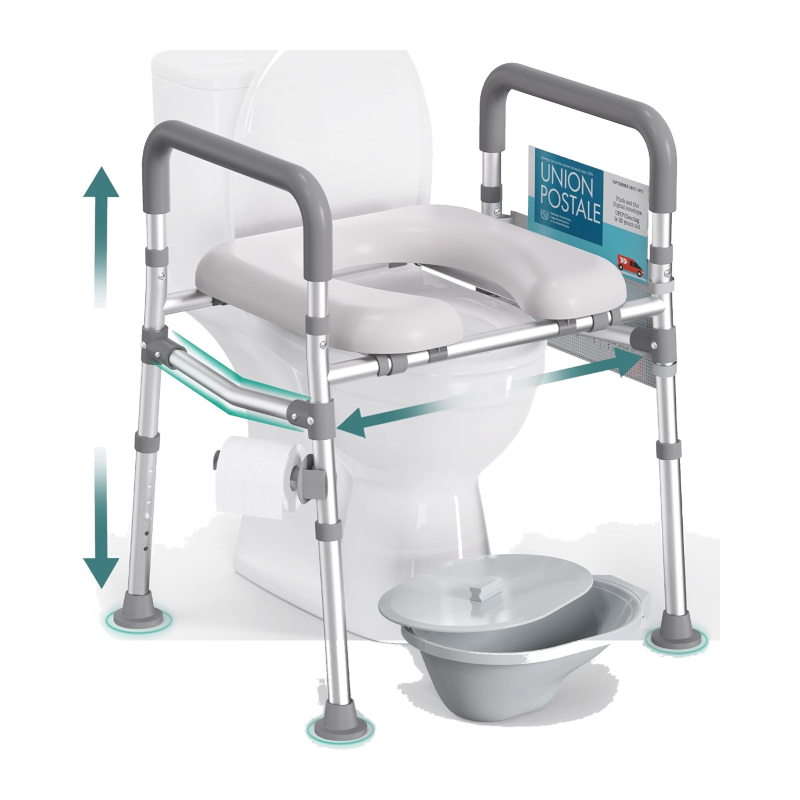
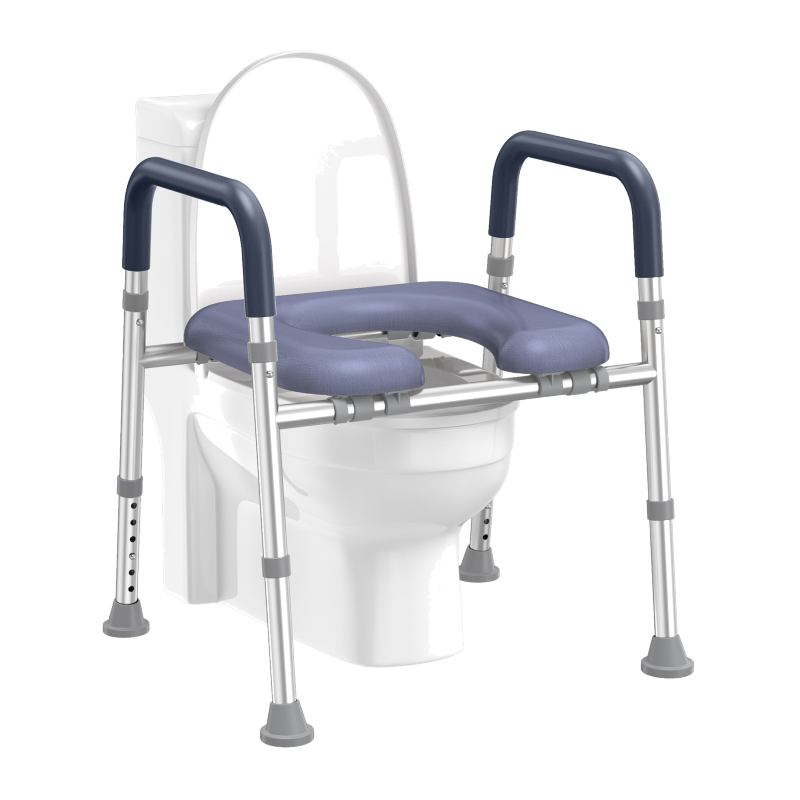
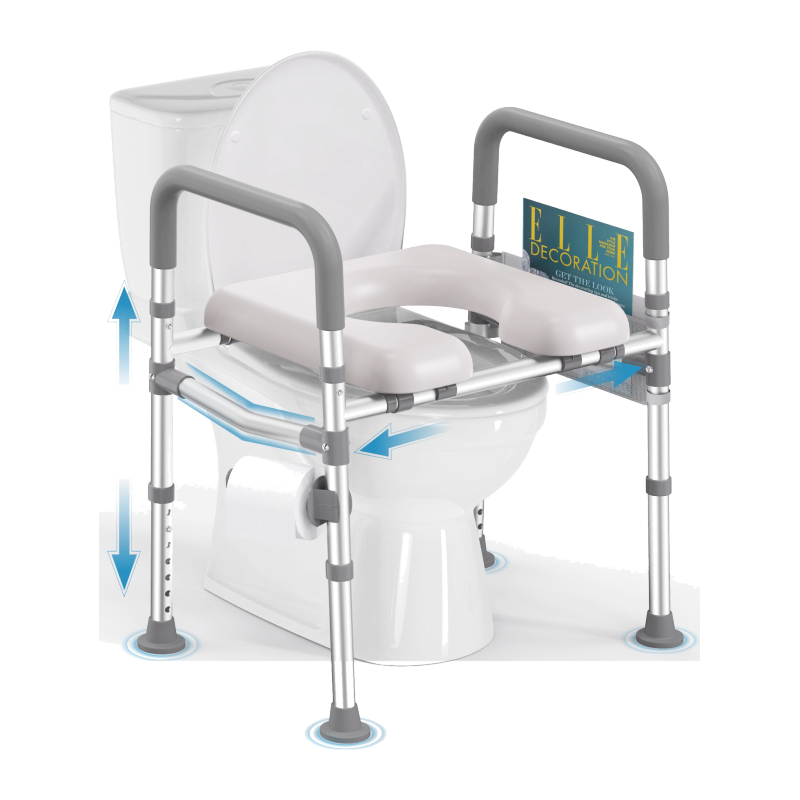
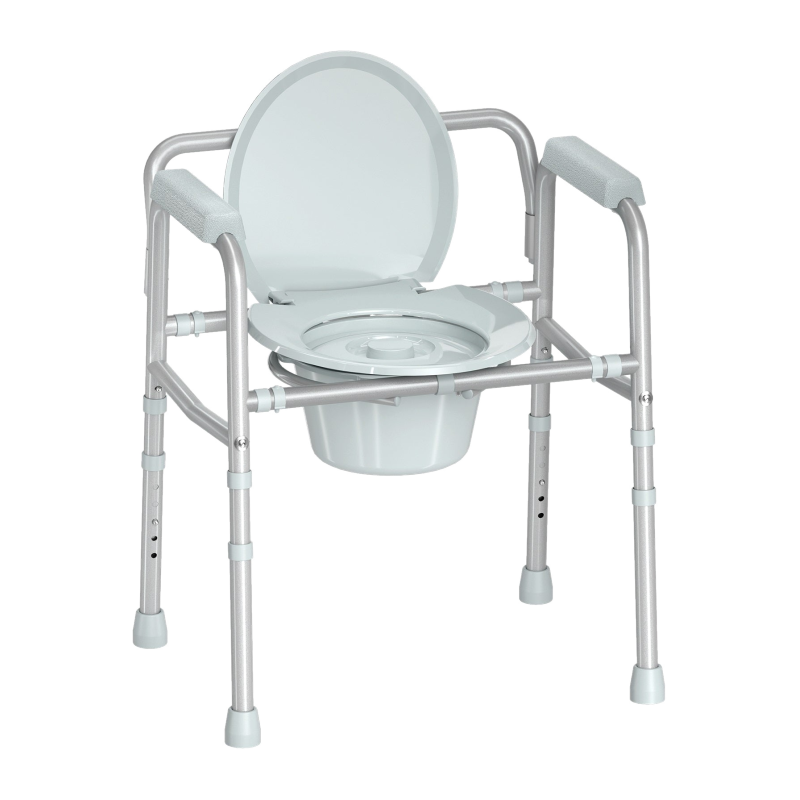
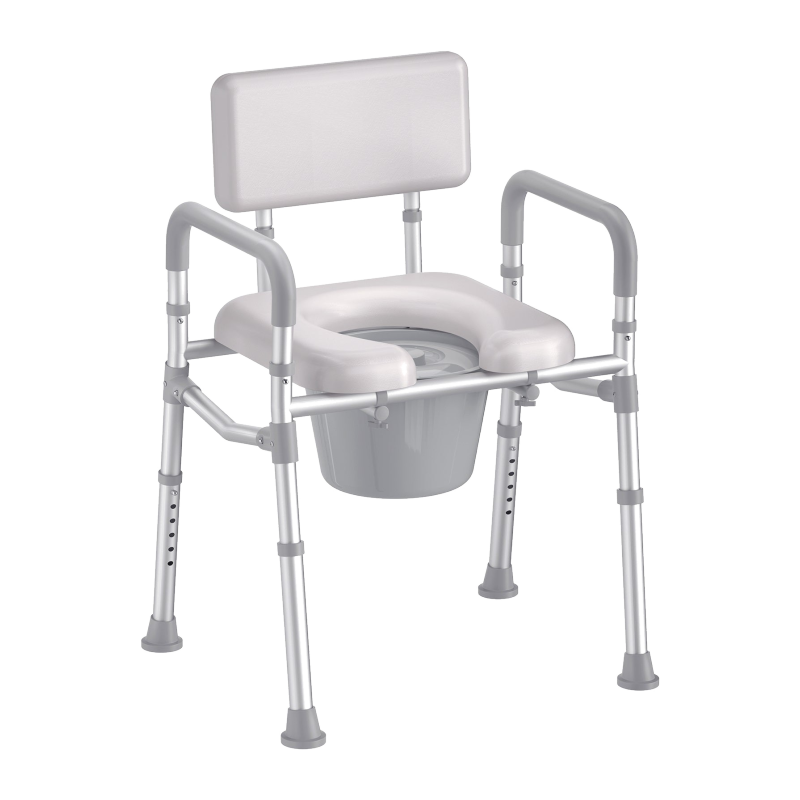
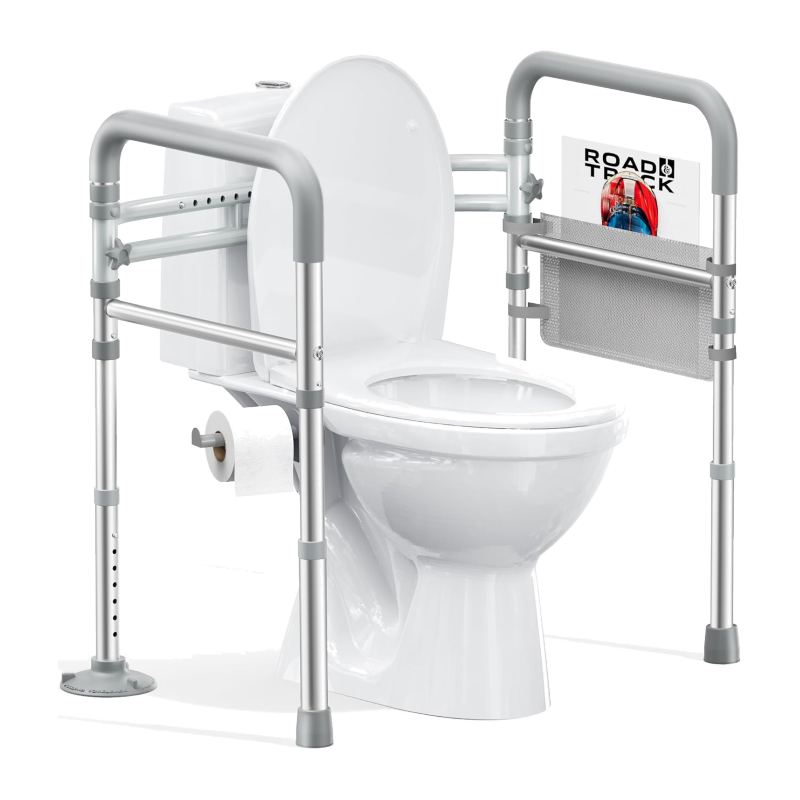
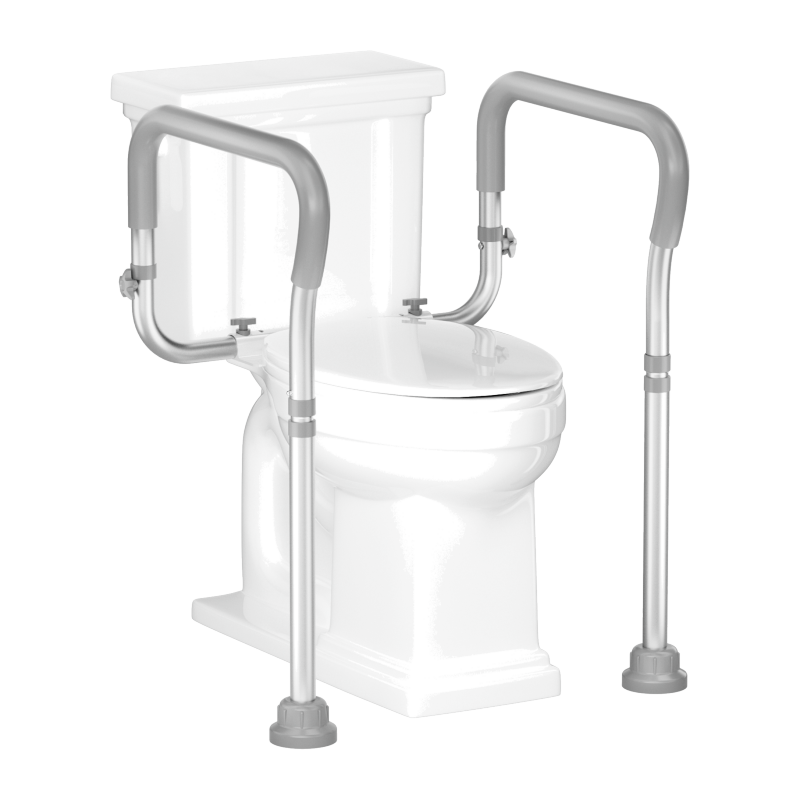
A raised toilet seat adds several inches of height so that sitting and standing require far less knee flexion. This simple change can transform the most-used room in the house from a source of anxiety into a manageable, dignified part of the daily routine. Pair it with a toilet safety rail — a set of padded armrests that mount beside the toilet — and you have stable handles to push off of, which takes significant stress off the healing knee.
Shower Chairs and Transfer Benches
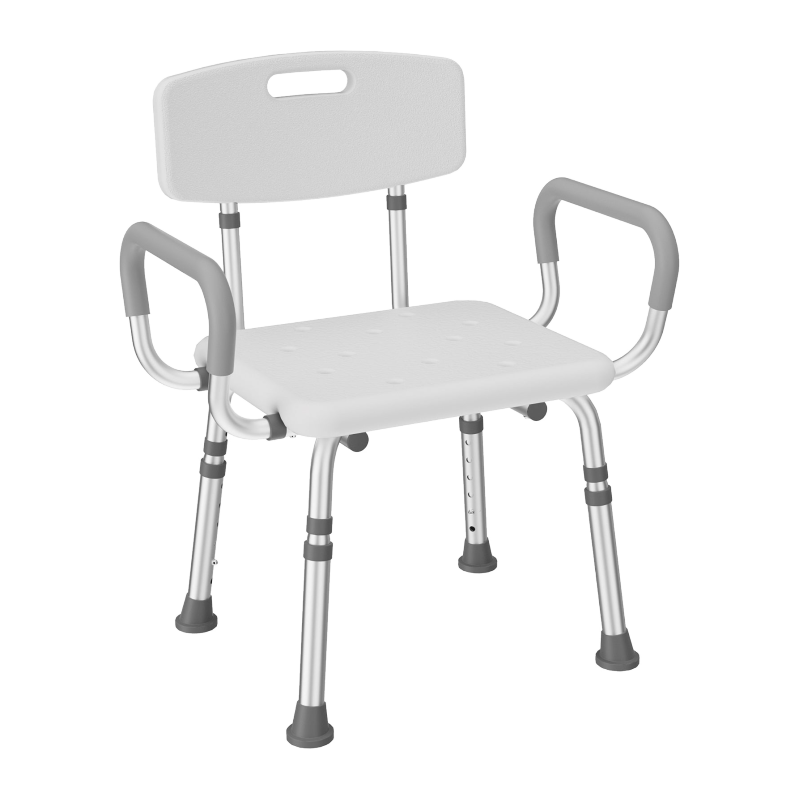
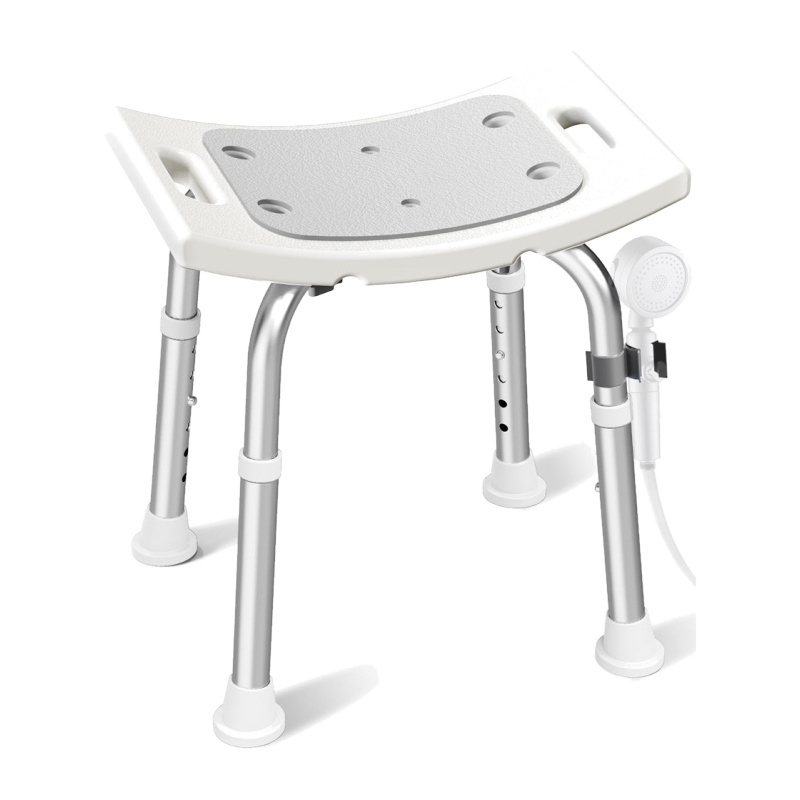
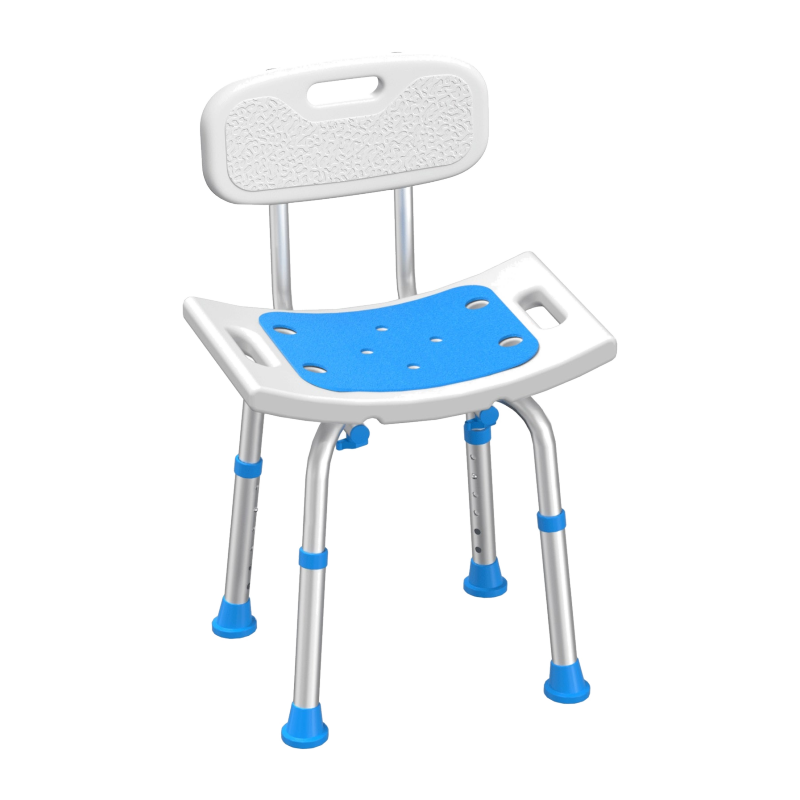
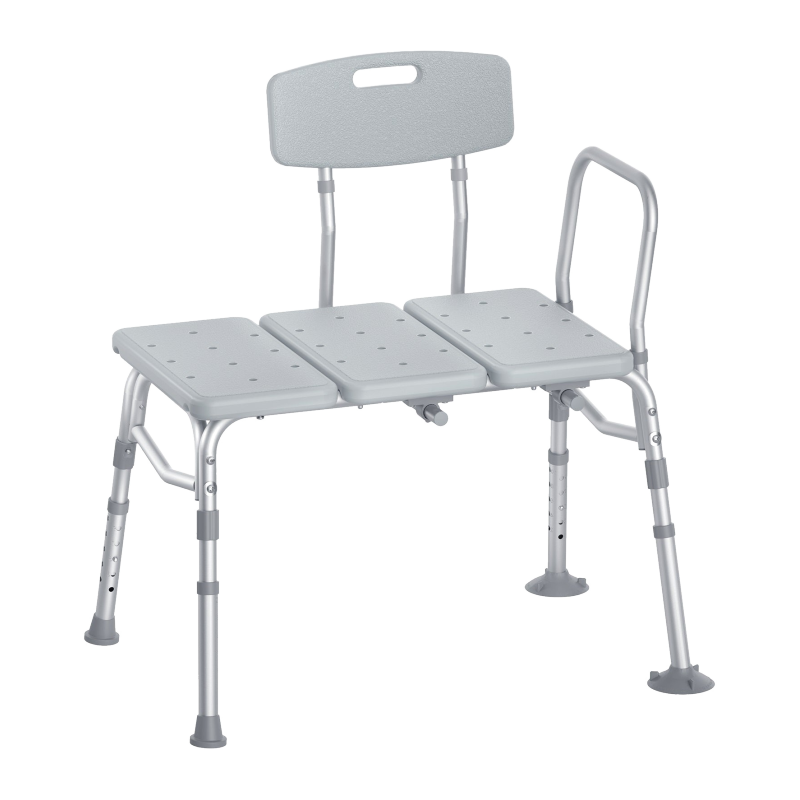
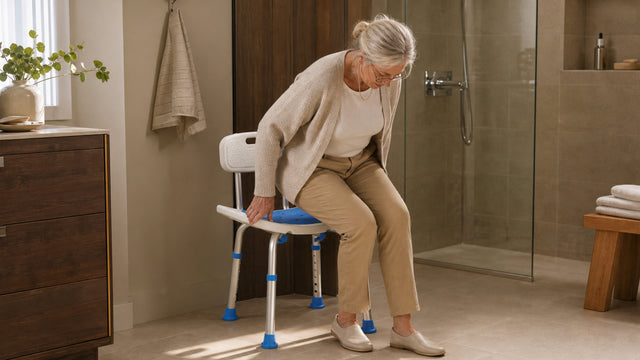
Standing in a shower for a full wash is genuinely exhausting in the early weeks of recovery, and a wet shower floor with a fatigued leg is a real fall hazard. A shower chair lets you bathe seated, maintaining hygiene and a sense of normalcy without pushing the knee beyond what it can safely handle. For patients who have a tub-shower combo, a transfer bench allows you to sit on the bench outside the tub and slide across the threshold rather than stepping high over the tub wall — a move that's particularly difficult with a stiff, swollen knee. Physical therapists often describe transfer benches as one of the most impactful single purchases for the early recovery period.
Getting In and Out of Bed Safely
Nighttime and early morning are surprisingly high-risk moments during knee replacement recovery. You wake up stiff, the pain medication may have worn off, and you need to get to the bathroom in a dark room without the cognitive sharpness that comes with being fully awake. Having something reliable to hold onto beside the bed makes this moment dramatically safer — and means you don't have to wake a partner or call for help every time nature calls at 3 a.m.
Bed rails attach to the bed frame and provide a firm, stable handle for pushing up from lying down to sitting, and then from sitting to standing. The height of your bed also matters: if it's very low, you may want to use a bed riser or adjust your sleeping arrangement temporarily so that the transition from sitting to standing doesn't require the knee to bend past its comfortable range. Physical therapists typically coach patients on how to use their arms to take as much load off the knee as possible during these transitions — a good bed rail gives you the leverage to do exactly that.
Common Challenges (and How to Handle Them)
Recovery is rarely a perfectly smooth upward curve. Most patients experience at least a few of the following challenges, and knowing they're normal makes them easier to manage.
- Swelling that comes and goes: Swelling can spike after a more active day or after spending time on your feet. Elevating the leg above heart level and applying ice for 20-minute intervals remains one of the most effective strategies well into the first two months.
- Stiffness in the morning: The joint tends to stiffen during sleep. Gentle range-of-motion movements before getting out of bed — bending and straightening the knee a few times — can make that first stand-up considerably easier and safer.
- Fatigue that feels disproportionate: Healing requires enormous energy, and many patients are surprised by how tired they feel even after short periods of activity. This is completely normal and typically improves noticeably after weeks four to six.
- Emotional dips: A sense of frustration or low mood around weeks two to four is well-documented among knee replacement patients. Progress can feel slow, and being dependent on aids or other people can be difficult. This is temporary — and having the right equipment at home so you can manage as much as possible independently tends to help more than people expect.
A Note for Caregivers and Family Members
If you're helping a parent, spouse, or friend prepare for knee replacement recovery, the most meaningful thing you can do is set up the home before they arrive. Think through their daily routine room by room: Where do they get up and sit down? Where do they shower? Do they navigate stairs first thing in the morning? Each friction point is an opportunity to remove risk before it becomes a problem.
Purchasing the mobility aids they'll need is also a practical act of love — but it helps to choose products that preserve their dignity and independence rather than creating new dependencies. Equipment that's easy to adjust, simple to use without help, and designed to fit neatly into a real home (rather than looking like it was borrowed from a hospital ward) matters more than you might think. HOMLAND's full range of home mobility products — all tool-free to assemble, FSA/HSA eligible, and backed by a two-year total warranty — is designed with exactly that balance in mind. Browse the full product collection to find what fits your loved one's specific needs and home setup.
Moving Forward with Confidence
Knee replacement recovery is a process — not an event. The surgery is the beginning of a return to a more comfortable, mobile life, and the weeks of healing that follow are an investment in that outcome. The right setup at home shortens the gap between discharge and independence, reduces the risk of a setback, and makes the emotional experience of recovery feel manageable rather than overwhelming.
A standard walker for the first days, a rolling walker as you gain strength, a shower chair and toilet safety rail in the bathroom, a bed rail for safe overnight transitions — none of these are signs of limitation. They're the practical tools that let you do more, more safely, and on your own schedule. That's not a compromise. That's what smart recovery looks like.
Have questions about which mobility aids are right for your recovery?
HOMLAND's team is here to help you find the right fit — whether you're shopping for yourself or setting up a home for someone you love. All products are FSA/HSA eligible and ship fast from our US local warehouse.
Contact Us — We're Happy to Help