



You made it through surgery. Now the real work begins — and it starts with a single step.
Walking after hip replacement is not just allowed early in recovery; it is actively encouraged. Physical therapists often say that walking is the single most important thing you can do after this surgery. Done right, those early steps rebuild strength, restore circulation, and get you back to the life you love faster than you might expect. Done carelessly — too much too soon, or with the wrong support — they can slow everything down.
This guide covers everything you need to know about walking after hip replacement: when to start, how far to go each week, which walking aid fits each stage of your recovery, and how to set up your home so every step feels safe and confident. Whether you are the one recovering or a family member helping someone you love, you will find practical, physical-therapist-informed answers here — written for home life, not a hospital corridor.
Why Walking Is the #1 Priority After Hip Replacement
It might seem counterintuitive to start moving so soon after a major surgery, but rest alone is not what heals a replaced hip — movement is. Walking rebuilds the muscle strength around your new joint, restores a healthy range of motion, and, critically, keeps blood moving through your legs to reduce the risk of clots. Physical therapists who work with post-surgical patients consistently put walking at the top of the recovery priority list, not weeks down the road, but from the very first day.
The goal in the early weeks is not distance or speed. It is consistency. Short, frequent walks throughout the day do far more good than one long push followed by hours of rest. Think of each walk as a small investment — and the returns compound quickly.
When Can You Start Walking? (Day-by-Day Guidance)
The timeline for early walking is faster than most people expect. Here is what the first 48 hours typically look like:
- Day of surgery: Many people take their very first steps the same day as surgery, once the anesthesia has worn off. A physical therapist or care team member will guide those first steps with a walker or crutches, making sure you can move safely before you leave their sight.
- Day 1–2: Short walks down a hallway — with support — begin in earnest. The focus is on safe, controlled movement, not distance. Some people also practice getting in and out of bed and navigating a step or two during this time.
- Heading home: Most people go home within one to two days, sometimes even the same day as surgery. Before discharge, care teams confirm you can walk with an assistive device on a level surface, get in and out of bed independently, and perform basic home exercises.
The fact that walking begins this early is a sign of how well modern hip replacement surgery is designed. Your care team will not rush you, but they also will not let you stay still longer than necessary — because stillness is its own risk.
Your Week-by-Week Walking Timeline
Every recovery is individual, and your physical therapist will tailor your plan based on your age, overall health, and how your body is responding. That said, here is what a typical walking progression looks like:
Weeks 1–2: Short and Steady
In the first two weeks, most people walk in short sessions of around five to ten minutes, repeated three to four times a day. Distances are modest — think from the bedroom to the kitchen, or a couple of loops around a ground-floor hallway. A standard walker or front-wheel walker is your primary support during this phase. The priority is not pushing your limits; it is establishing a safe, reliable movement pattern while pain and swelling are still at their peak.
Weeks 3–6: Building Confidence
As strength returns and soreness fades, walking sessions get longer and more frequent. By the end of this phase, many people are comfortable moving around their entire home without fatigue. Some people begin transitioning from a standard walker to a rollator walker during weeks three to four, as their balance improves enough to benefit from the smoother, wheeled movement. Others transition to a single-point cane by week four to six, depending on their progress.
Weeks 6–12: Reclaiming Daily Life
Between weeks six and twelve, many people achieve the milestone of walking without any assistive device. Low-impact activities like walking outdoors, gentle cycling, and swimming become realistic options around the three-month mark. Even after aids are no longer needed, physical therapists often emphasize continuing targeted exercises to strengthen the hip and leg muscles that support long-term mobility and balance.
Which Walking Aid Should You Use — and When?
Choosing the right walking aid at the right stage of recovery makes a real difference in how safe and confident you feel. Here is a practical breakdown:
Standard Walker: Maximum Stability Early On
A standard walker — four legs, no wheels — is often the first tool recommended immediately after hip replacement. It forces a slow, deliberate pace, which is exactly what you need in those first days when balance and strength are still unpredictable. You lift it slightly with each step, place it forward, and follow. That controlled rhythm helps physical therapists observe your gait and weight distribution while keeping you firmly supported. If you have significant balance challenges or need to put more weight through your arms, a standard walker is the right starting point.
Browse HOMLAND's Standard Walker Collection — engineered for tool-free assembly, adjustable heights, and home-friendly design so you can be set up and moving the day you arrive home.
Rolling Walker (Rollator): Freedom as You Progress
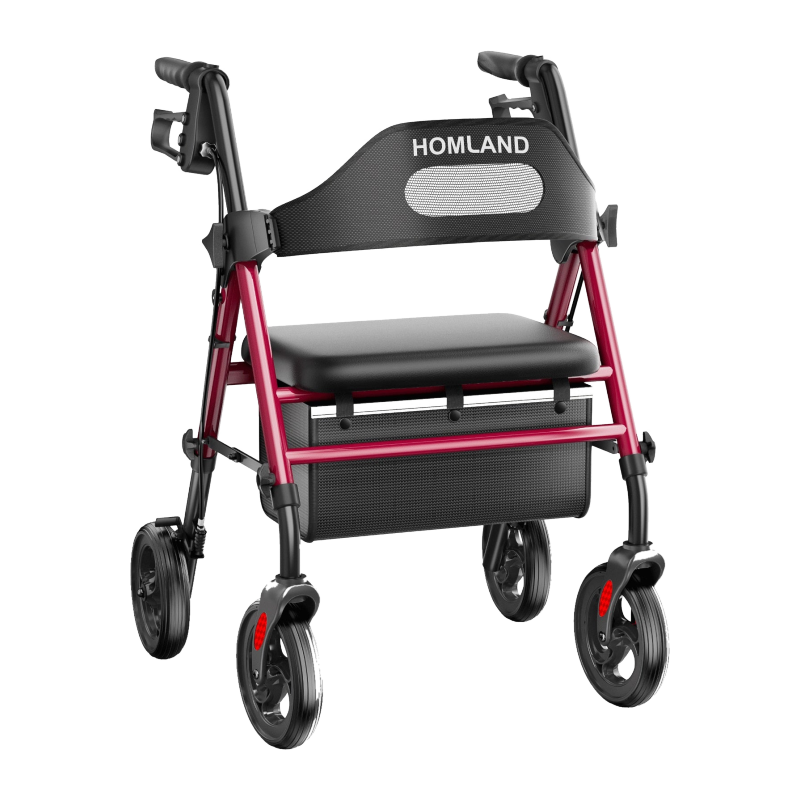
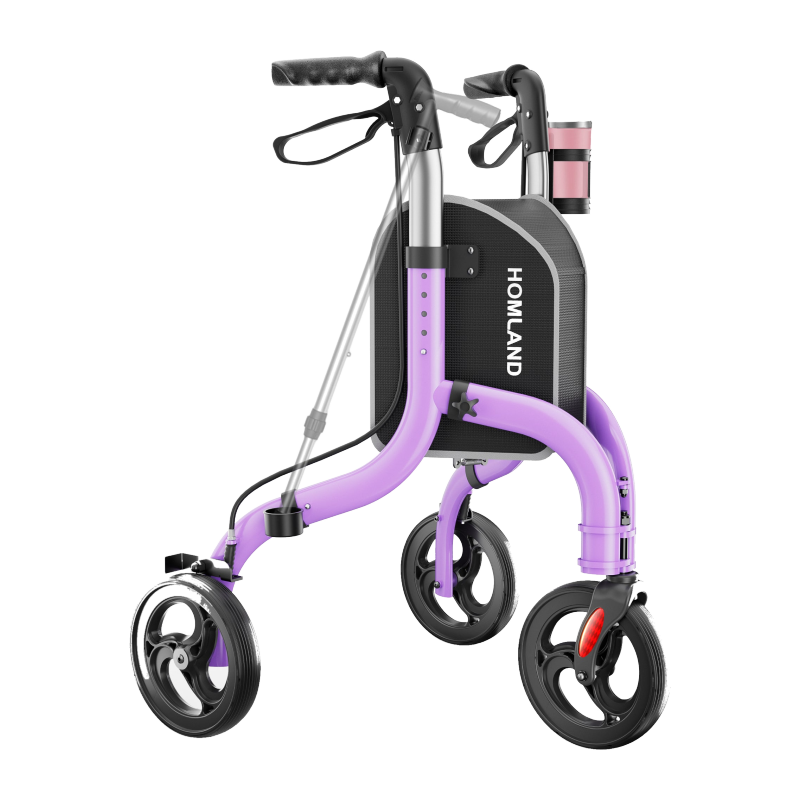
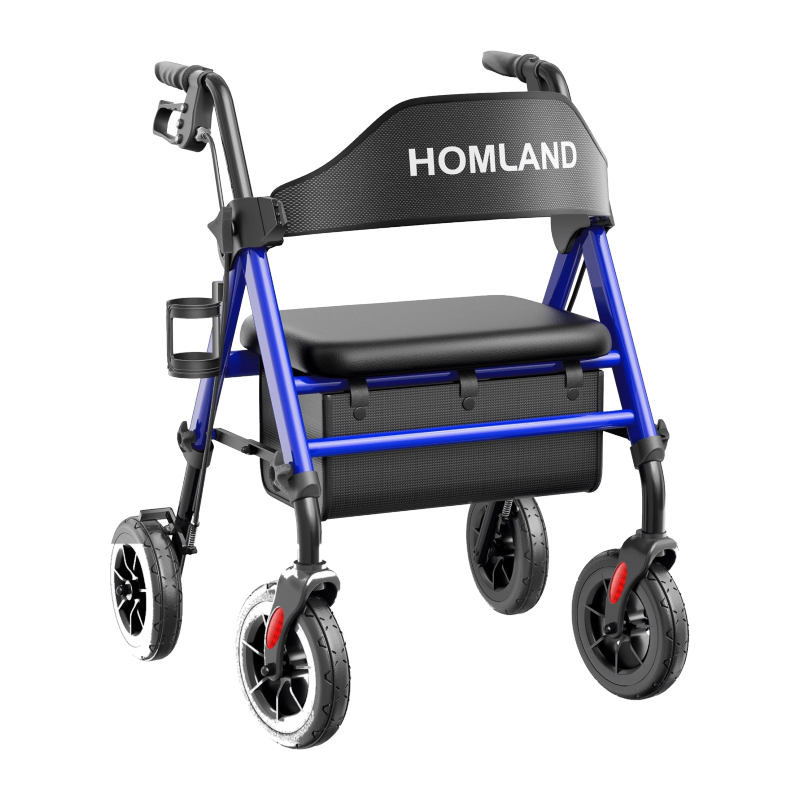
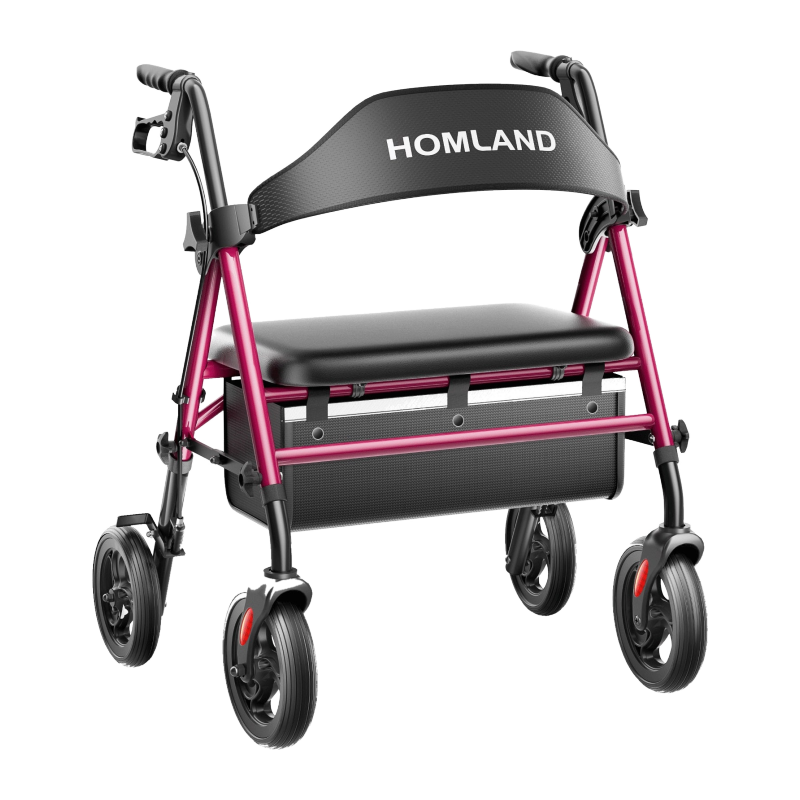
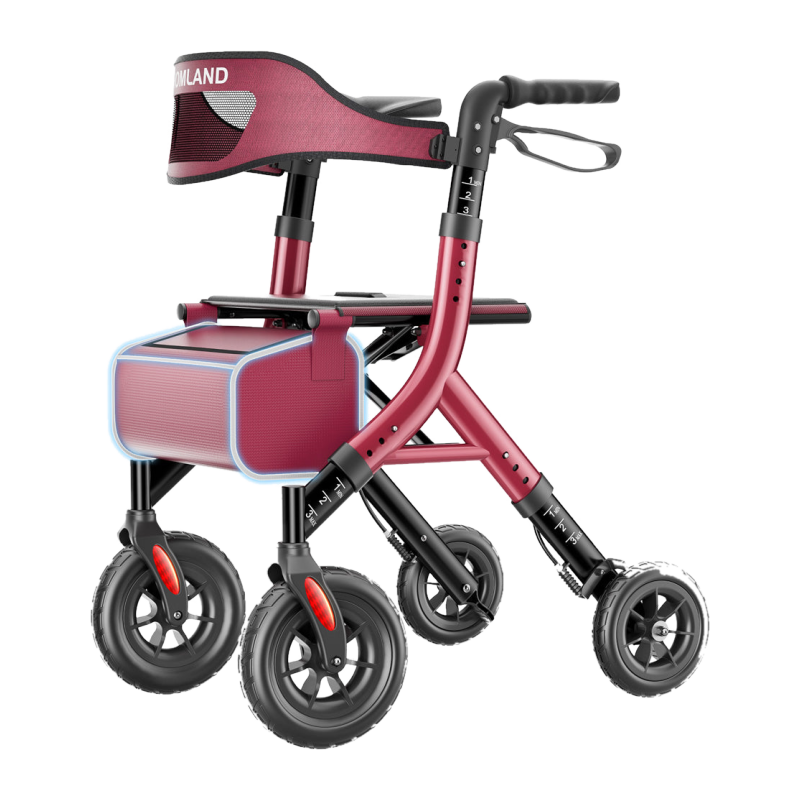
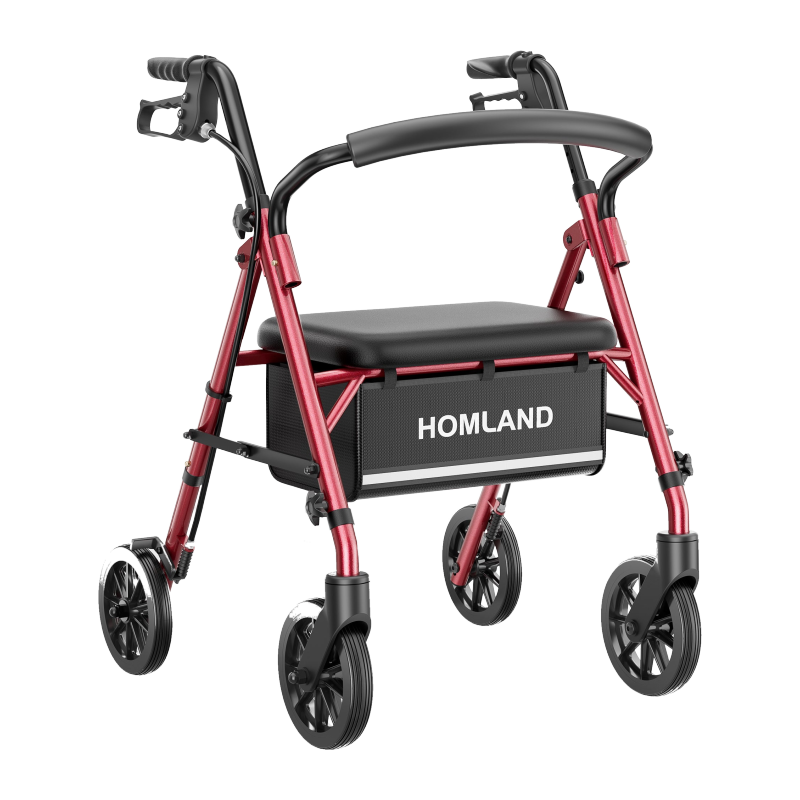
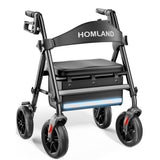
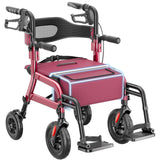
As balance and strength improve — typically around weeks three to six — many people find that a rolling walker, or rollator, is a more natural fit. Unlike a standard walker, a rollator moves with you rather than requiring you to lift it with each step. Four-wheel rollators come with built-in seats, which are genuinely useful: if you get tired halfway across your living room or need to pause while cooking, you have a safe place to rest without hunting for a chair. Rollators allow a more natural walking gait and are especially helpful for people who want to walk longer distances or move through their home more fluidly.
HOMLAND's Rolling Walker Collection includes 3-wheel, 4-wheel, upright, and bariatric models — all FSA/HSA eligible, backed by a 1-year manufacturer warranty plus a 1-year extended warranty, and shipped from a US local warehouse for fast delivery.
Cane: The Final Step Before Independence
A cane is typically introduced when you have enough strength and balance to walk without leaning heavily on a support, but still want a little extra security. One important technique note: after hip replacement, the cane should be held in the opposite hand from the operated leg. This distributes weight more naturally and reduces strain on the healing hip. Your physical therapist will confirm when the transition from walker to cane is appropriate — do not make this switch on your own without checking with your care team first.
Bariatric Options: Built for Full Confidence
For individuals who need higher weight capacity, choosing a walker rated well above your current weight provides peace of mind and structural reliability throughout recovery. HOMLAND's bariatric walkers and rollators are built to support up to 500 lbs on select models — so users can lean in with full confidence, not just get by.
Signs You Are Walking Too Much or Too Little
Finding the right balance is one of the most common challenges of early recovery. Here are the signals worth paying attention to:
Signs You May Be Overdoing It
- Increased swelling or soreness around the hip, groin, or thigh that doesn't ease after rest — this is your body asking you to slow down
- Pain that doesn't respond to rest or ice, especially if it is sharp or lingers for an extended period
- Unusual fatigue that makes basic daily tasks feel disproportionately hard
- Stiffness that gets worse rather than better after activity — a sign the joint is being stressed beyond its current capacity
Signs You May Not Be Moving Enough
- Persistent joint stiffness that doesn't improve day to day — gentle walking keeps the new hip joint flexible
- Muscle weakness that isn't improving — inactivity allows the muscles supporting your hip to weaken further
- Sluggish circulation — reduced movement increases the risk of blood clots, which are a serious post-surgical concern
- Difficulty returning to a normal walking pattern — the longer you avoid walking, the harder it is to rebuild natural gait and balance
When in doubt, bring your symptoms to your physical therapist or surgeon. They can adjust your walking plan based on what your body is telling them — not just a generic schedule.
Setting Up Your Home for Safe Walking
Before you even take your first steps home from the hospital, your living space can either support your recovery or quietly undermine it. A few straightforward changes make a significant difference:
- Clear your main pathways. Remove loose rugs, trailing cords, and low furniture from the routes you will use most — bedroom to bathroom, bedroom to kitchen. These are the corridors where recovery happens, and they need to be wide and hazard-free.
- Add nightlights. A late-night trip to the bathroom is one of the highest-risk moments in early recovery. Lighting a path from bed to bathroom takes five minutes to set up and can prevent a serious setback.
- Keep essentials within reach. Your phone, water, medications, and reading material should all be accessible from where you sit or sleep, so you are not tempted to reach, stretch, or bend unnecessarily.
- Set up your bedroom on one level if possible. Stairs are manageable once your care team clears you for them, but eliminating them from your daily routine in the first weeks removes one more fall risk.
- Check your bed height. Your feet should be able to touch the floor when sitting on the edge of the bed. A bed that is too low forces your new hip into a position that puts it at risk.
Explore HOMLAND's full range of Bed Rails to make getting in and out of bed safer and more independent — one of the most underestimated challenges of the first week at home.
The Bathroom: Where Recovery Gets Real
Of all the places in your home, the bathroom demands the most attention during hip replacement recovery. It is where you will go multiple times a day, where surfaces get wet, and where the combination of bending, turning, and standing creates the most fall risk. Physical therapists and orthopedic surgeons consistently single it out as the room to prepare most carefully.
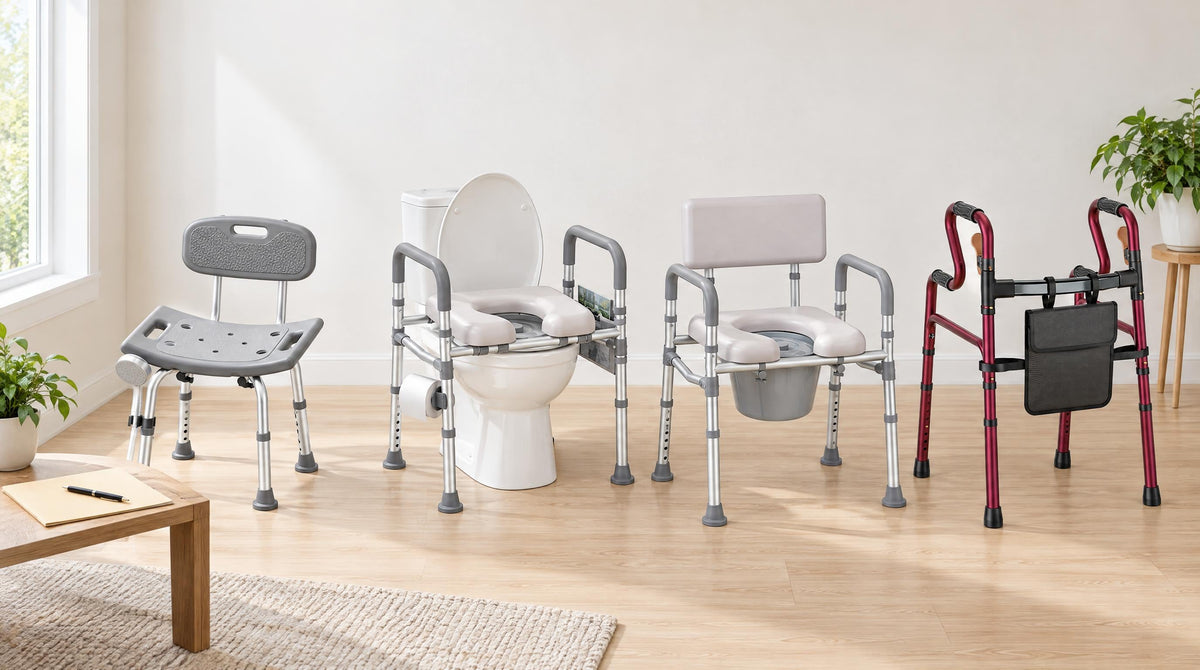
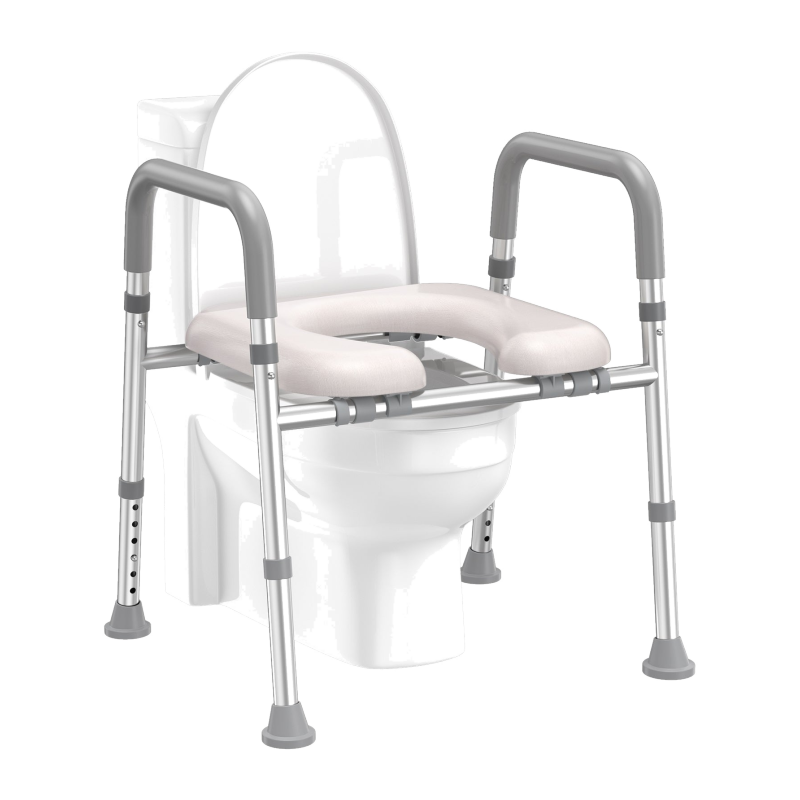
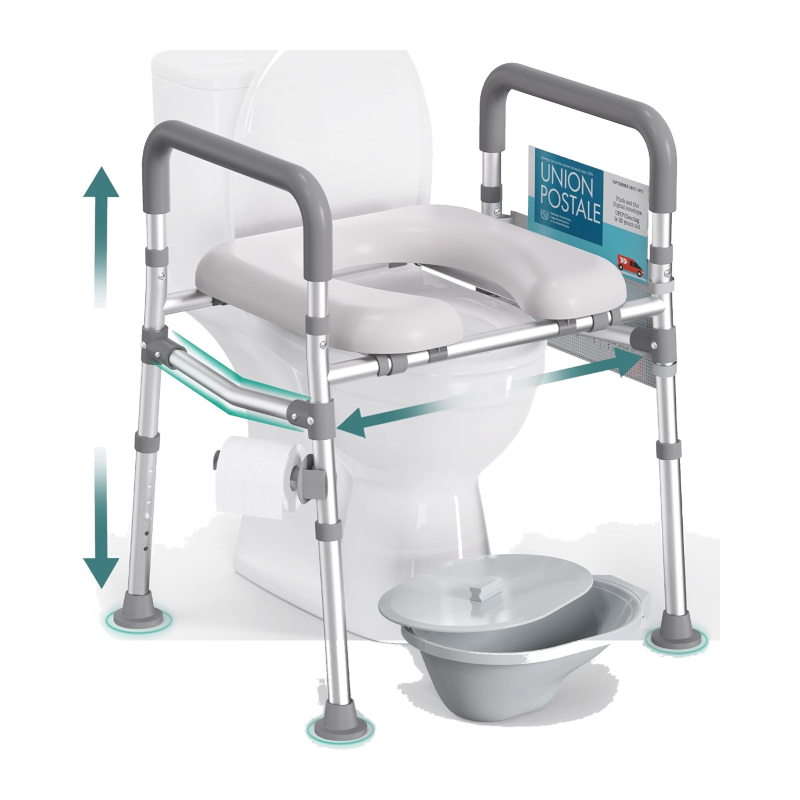
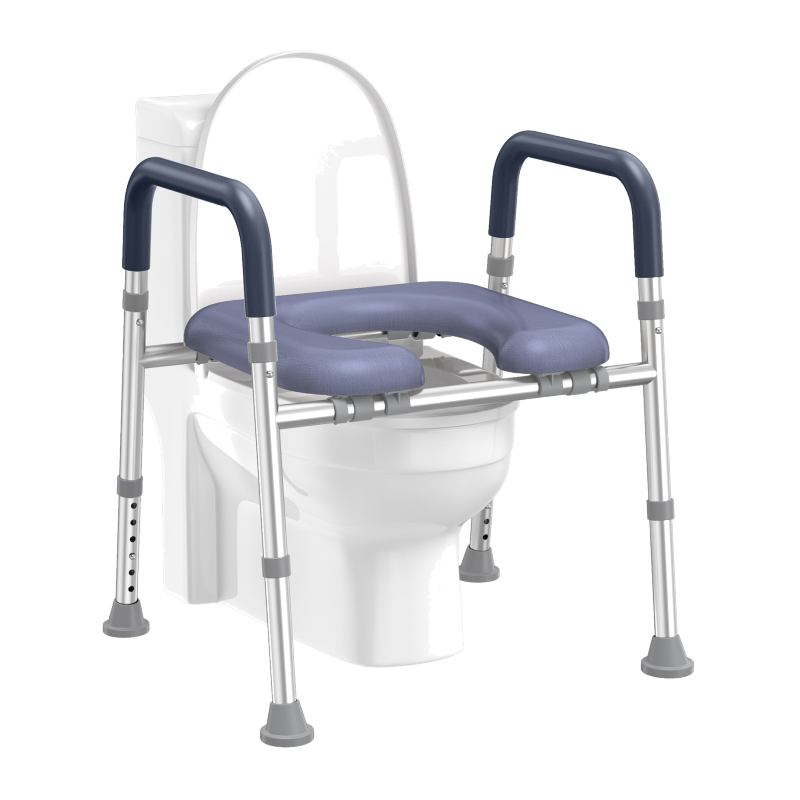
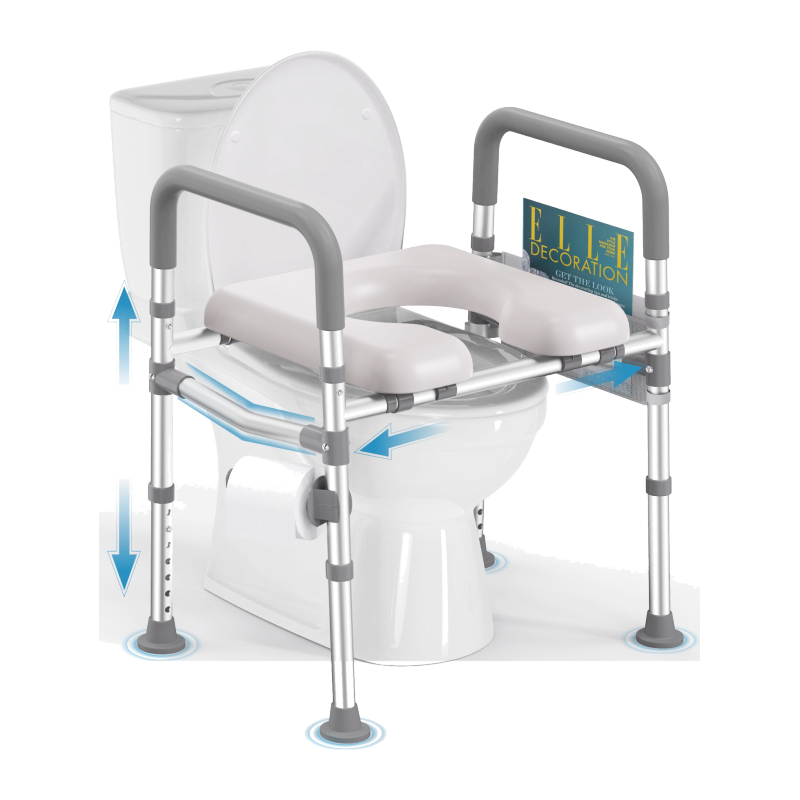
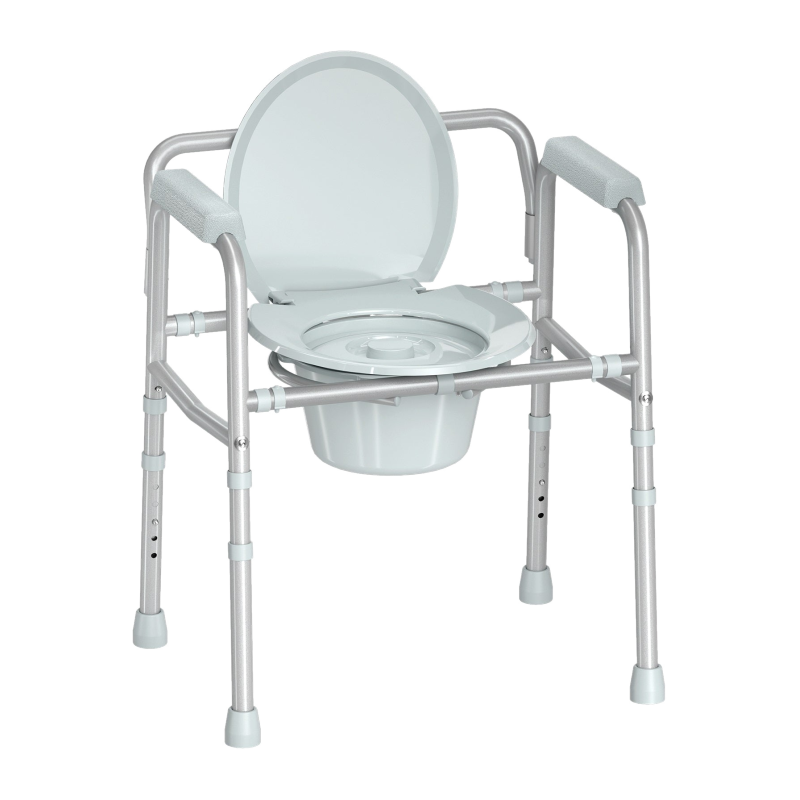
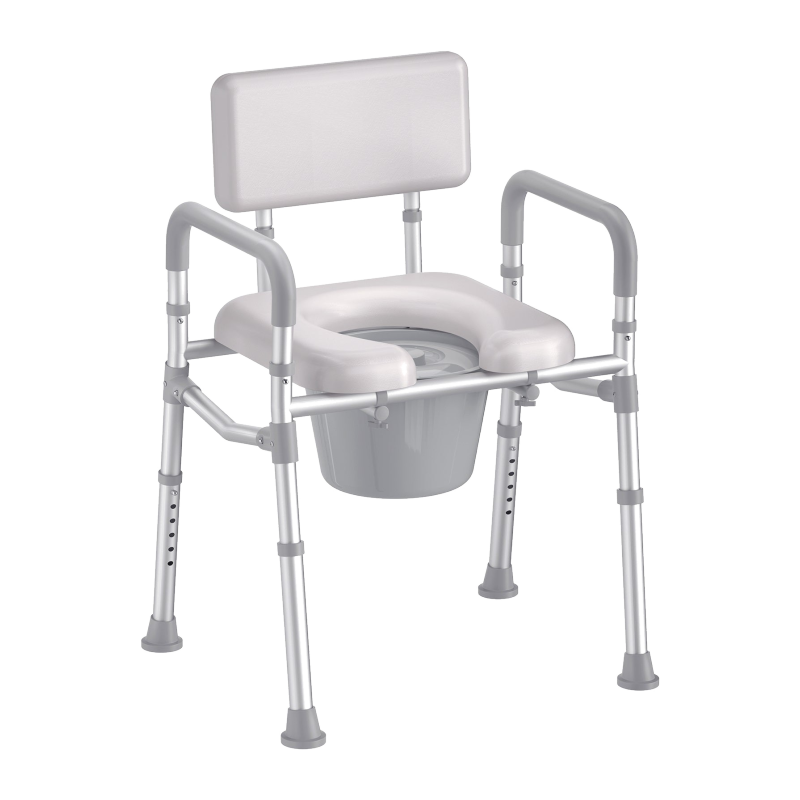
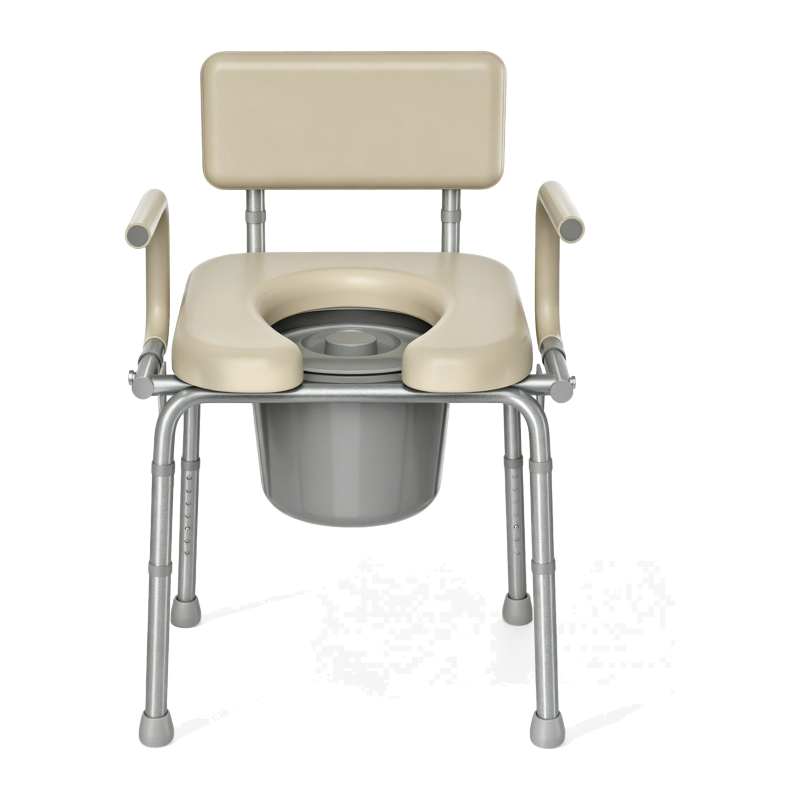
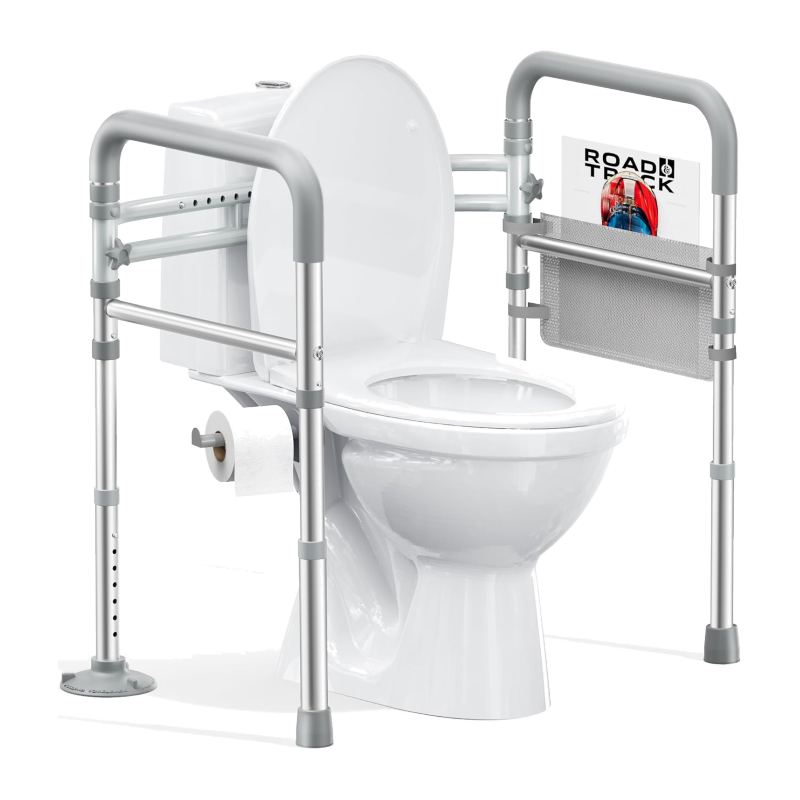
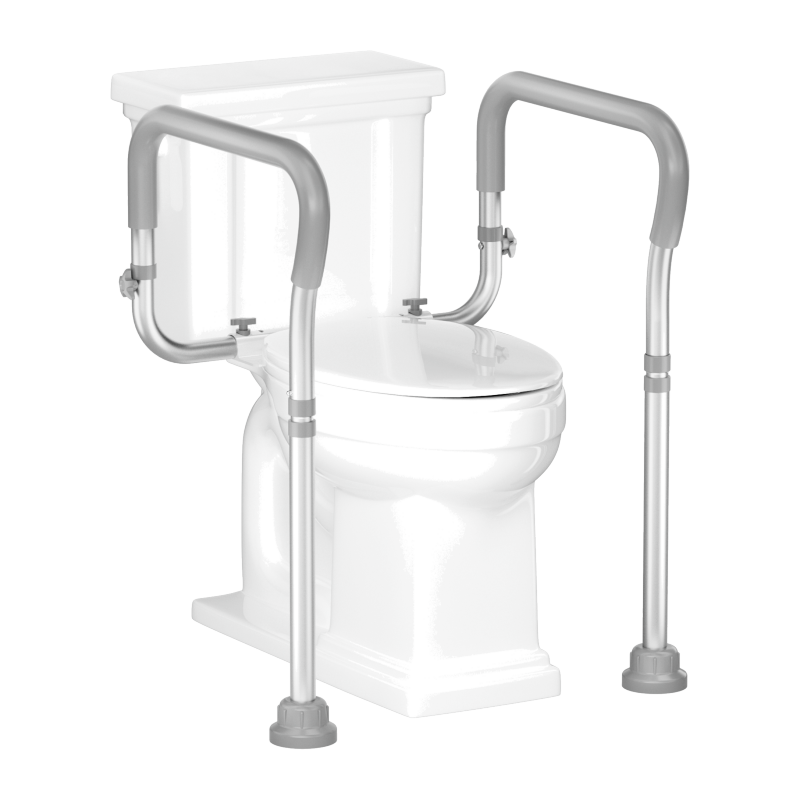
The toilet: Lowering yourself onto a standard toilet seat requires significant hip flexion — exactly the movement you need to limit in the early weeks. A raised toilet seat reduces how far you have to lower yourself, making the motion safer and far less painful. Adding a toilet safety rail gives you something sturdy to push up from, so standing back up does not require straining your hip or calling for help.
Browse HOMLAND's Toilet Safety Rail Collection — designed for home use, tool-free to install, and built to support users confidently through one of the trickiest daily tasks of recovery.
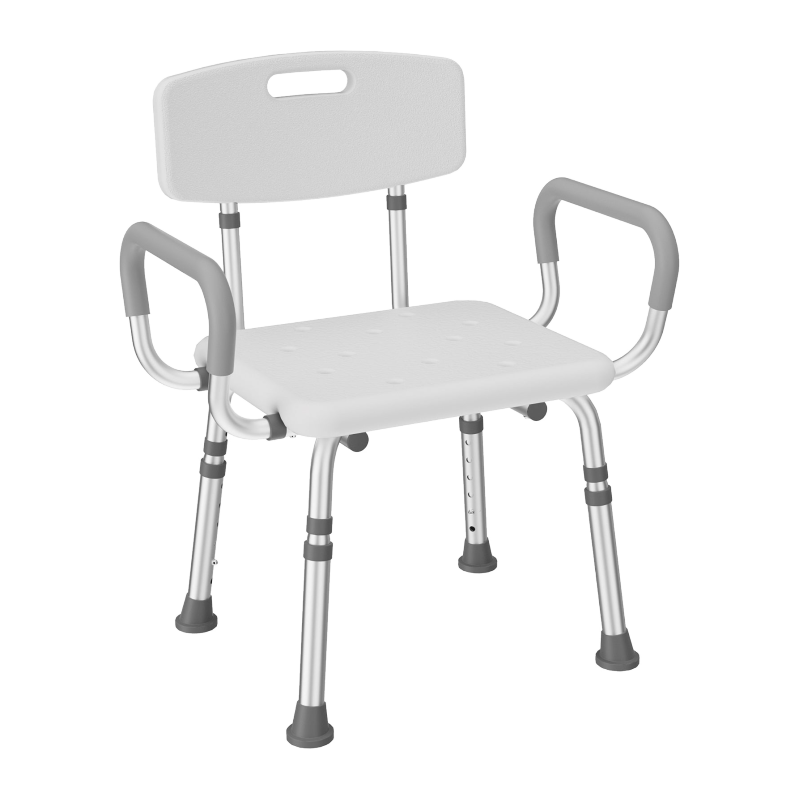
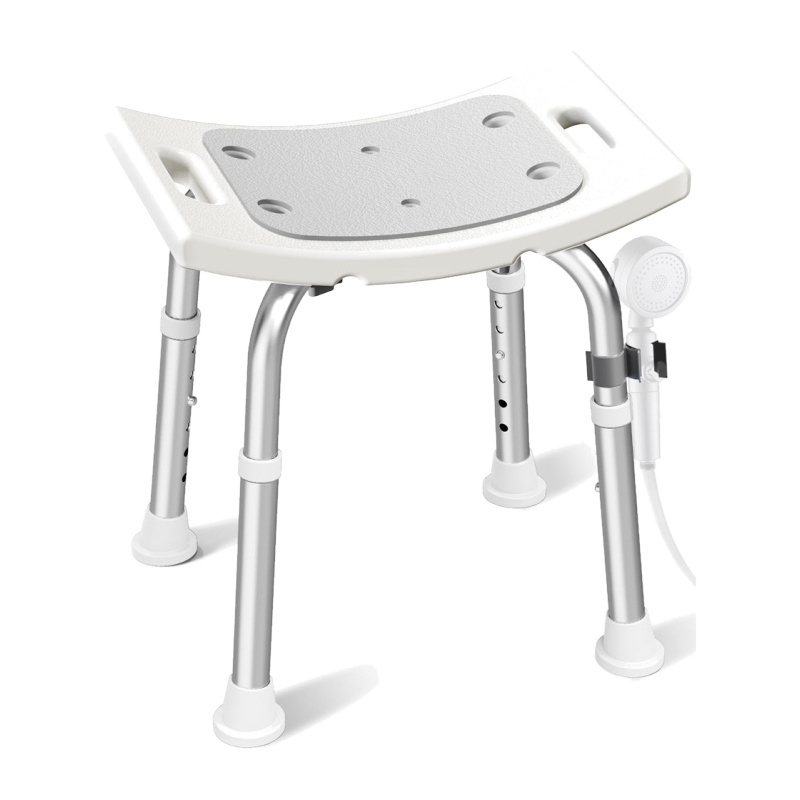
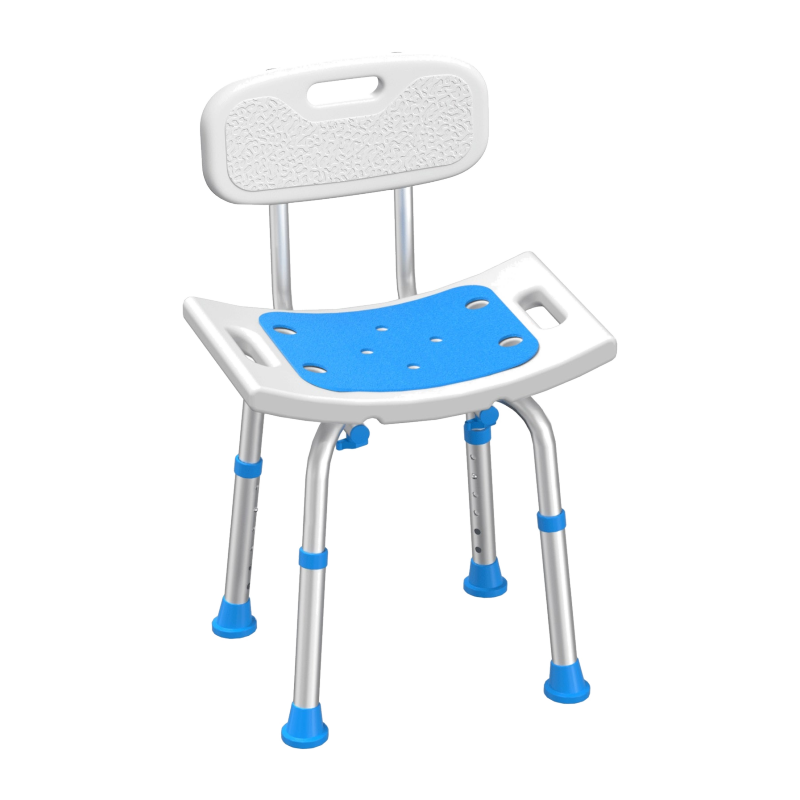
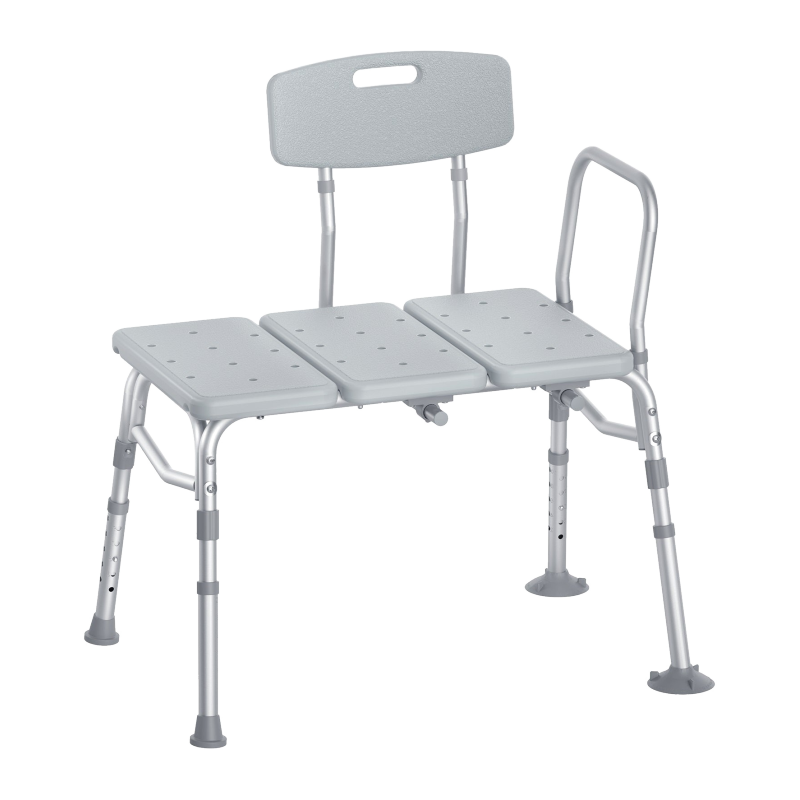
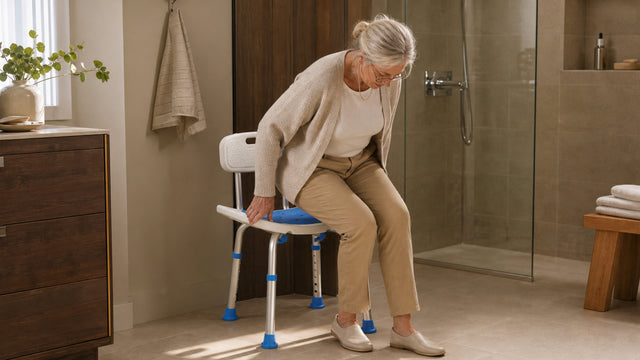
The shower: Standing in a shower, turning, reaching for soap — all of these movements challenge your balance when the hip is still healing. A shower chair lets you bathe seated, reducing the risk of a slip while keeping you independent and clean without needing a second person in the room. That matters enormously for dignity and peace of mind.
See HOMLAND's Shower Chair Collection — thoughtfully designed for home showers and tubs, with non-slip feet and tool-free height adjustment.
For family members setting up for a loved one's return: installing these supports before surgery day means your person comes home to a bathroom that is already ready for them. That is one less thing to worry about on an already stressful day.
Practical Tips for Walking Well at Home
A few habits that physical therapists consistently recommend for safe, productive walking during recovery:
- Walk little and often rather than saving it all for one long session. Three five-minute walks spread through the day are more beneficial — and safer — than one fifteen-minute push.
- Keep your eyes forward, not down at your feet. Looking ahead helps your brain process balance cues naturally and promotes better walking posture.
- Set your walker or cane to the right height. The handle should sit at roughly wrist level when you are standing upright. An aid that is too low causes you to hunch; one that is too high strains your shoulders and wrists.
- Wear supportive footwear. Non-slip soles and closed heels are essential. Slippery socks on smooth floors are one of the most common culprits behind early recovery falls.
- Move slowly and deliberately when changing positions — sitting to standing, turning, getting out of bed. Rushes and sudden pivots are where things go wrong.
- Listen to your body as the authority. Mild discomfort is expected; sharp or escalating pain is a signal to stop and consult your care team.
Explore the full HOMLAND product lineup — every item is authorized by licensed Doctors of Physical Therapy, FSA/HSA eligible, and backed by a 2-year total warranty so you can invest in your recovery with complete confidence.
Getting Back on Your Feet, One Step at a Time
Walking after hip replacement is both the hardest and the most important work of recovery. The good news: you do not have to do it perfectly, and you do not have to do it alone. Physical therapists recommend starting early, progressing gradually, and using the right walking aid at each stage — not because those tools define you, but because they free you. A well-chosen walker or rollator is not a reminder of what you cannot do yet; it is what gets you from the bedroom to the kitchen on your own terms.
Set your home up thoughtfully, respect the signals your body sends, and let each short walk build on the last. Recovery is not a straight line, but every step in the right direction counts. HOMLAND is here to make those steps safer, more comfortable, and more dignified — because home is where healing happens best.
Ready to Set Up Your Recovery at Home?
HOMLAND's mobility aids are authorized by licensed Doctors of Physical Therapy, FSA/HSA eligible, and backed by a 1-year manufacturer warranty plus a 1-year extended warranty — with fast delivery from our US local warehouse.
Contact Us — We're Here to Help