
Osteoporosis is often called a "silent" disease — and that nickname is earned. Bones can lose density for years without a single warning sign, until one stumble, one awkward step, or one ordinary morning changes everything. According to the National Osteoporosis Foundation, approximately 50% of women and up to 25% of men over age 50 will break a bone because of osteoporosis. That's a staggering number — but here's the encouraging part: a great deal of bone loss is preventable, and it's never too late to start.
This guide walks through the most effective, evidence-informed strategies for osteoporosis prevention: what to eat, how to move, which daily habits matter most, and how to make your home a safer place if bones have already become a concern. Whether you're in your 40s building bone reserves for later decades, or you're a caregiver helping someone manage a recent diagnosis, the strategies here are practical, achievable, and grounded in real life — not a clinic checklist.
What Is Osteoporosis — And Why Does It Matter at Home?
Bone is living tissue. Throughout your life, your body is constantly breaking down old bone and building new bone to replace it — a process called remodeling. Up through your late 20s, bone formation outpaces bone breakdown, helping you reach your peak bone mass. After that, the balance gradually shifts. For most people, some bone loss over time is normal. Osteoporosis is what happens when that loss accelerates, leaving bones porous, brittle, and significantly more prone to fracture.
The most common fracture sites are the hip, spine, and wrist — all places that play a central role in everyday movement. A hip fracture can turn a simple trip to the kitchen into a months-long ordeal. A spinal compression fracture can cause chronic back pain and a gradual loss of height. These aren't just medical events — they're moments that reshape how someone lives at home, which is exactly why prevention strategies deserve attention long before a diagnosis arrives.
Who Is Most at Risk?
Some osteoporosis risk factors are fixed — you can't change your age, sex, or family history. Women, particularly post-menopausal women, face the highest risk because the drop in estrogen after menopause significantly accelerates bone loss. Men are not immune; testosterone decline in older age plays a similar, though slower, role. People with a smaller body frame tend to have lower total bone mass to begin with, which means less cushion against age-related loss.
Other risk factors are directly within your control, and those are the ones worth focusing on. A lifetime of low calcium intake, limited physical activity, smoking, excessive alcohol use, and poor vitamin D levels each contribute meaningfully to reduced bone density. Medical conditions like celiac disease, inflammatory bowel disease, and long-term corticosteroid use can also accelerate bone loss. Understanding your personal risk picture — ideally with a bone density scan (DEXA scan) after age 50 — is the first step toward taking targeted action.
Nutrition Strategies: Building Bones from the Inside Out
Food is one of the most powerful levers you have for bone health, at any age. The nutrients below are the ones physical therapists and physicians consistently highlight when counseling people on long-term bone preservation. Getting them from whole foods is ideal, but supplementation is a reasonable fallback when dietary sources fall short — always after discussing dosage with a doctor.
Calcium: The Foundation
Calcium is the primary mineral in bone. Adults over 50 generally need around 1,200 mg per day, yet many fall well short of that. Dairy products like milk, yogurt, and cheese are the most concentrated sources, but they're far from the only options. Canned sardines and salmon (with bones), kale, broccoli, bok choy, collard greens, and fortified plant-based milks all contribute meaningfully. Spreading calcium intake across meals helps your body absorb it more efficiently rather than trying to process a large amount all at once.
Vitamin D: Calcium's Partner
Vitamin D is what allows your gut to actually absorb the calcium you consume. Without enough of it, even a calcium-rich diet can fall short. Fatty fish like salmon, mackerel, and tuna are among the best food sources, and many dairy products and cereals are fortified with it. Sunlight also triggers vitamin D production in the skin, though this becomes less efficient with age and is geography-dependent. Adults over 70 often need at least 800 IU daily, and many older adults are deficient without knowing it — a simple blood test can confirm your levels.
Protein, Magnesium, and Vitamin K
Bone is not just mineral — roughly one-third of bone mass is protein, primarily collagen. Adequate protein intake supports the structural matrix that calcium and other minerals fill in. Eggs, lean poultry, fish, legumes, and Greek yogurt are all solid, bone-friendly protein sources. Magnesium supports bone density by regulating calcium transport, with good sources including spinach, pumpkin seeds, black beans, and avocado. Vitamin K, found abundantly in dark leafy greens like kale, spinach, and Brussels sprouts, helps activate the proteins that bind calcium into bone tissue.
On the flip side, certain dietary patterns work against bone health. High sodium intake causes the kidneys to excrete more calcium. Excessive caffeine and alcohol can both interfere with calcium absorption and bone formation. Highly processed foods tend to crowd out the nutrient-dense options that bones need. None of these require total elimination — but moderation matters.
Exercise Strategies: Move to Protect Your Bones
Exercise is arguably the most powerful non-pharmaceutical tool for building and maintaining bone density. When muscles pull against bone during physical activity, they create mechanical stress that signals bone-forming cells (osteoblasts) to get to work. This is why physical therapists consistently recommend weight-bearing and resistance exercises as cornerstones of any bone health plan — not just for prevention, but also for people already managing low bone density.
Weight-Bearing Exercises
Weight-bearing exercise means any activity where you're on your feet and working against gravity. Walking is the most accessible starting point and genuinely effective when done consistently. Climbing stairs, dancing, and light hiking all qualify. These activities load the hip and spine — exactly the sites most vulnerable to osteoporotic fracture — which makes them especially valuable. Even 30 minutes of brisk walking most days of the week can contribute to meaningful bone preservation over time.
Resistance and Strength Training
Lifting weights, using resistance bands, or working through body-weight exercises like squats, leg presses, and push-ups all place targeted stress on bones and surrounding muscles. Stronger muscles also mean better joint stability and balance — which reduces fall risk, a critical secondary benefit. Physical therapists often recommend two to three strength sessions per week, with exercises chosen based on individual fitness level and any existing bone or joint concerns. Starting with a professional assessment is worthwhile, especially if osteoporosis has already been diagnosed.
Balance and Flexibility Training
Falls are the primary trigger for osteoporosis-related fractures, so exercises that sharpen balance are just as important as those that build bone. Tai chi is one of the most studied and recommended options — research consistently shows it reduces fall frequency in older adults. Yoga can also support balance and core strength, though certain poses that involve deep forward bending or twisting should be modified or avoided when bones are fragile. Water aerobics offers a gentle alternative for those managing joint pain alongside bone health concerns.
High-impact activities like running or jumping are generally not recommended for people with existing osteoporosis because the forces involved can stress already-weakened bones. If you're earlier in the prevention phase and your bone density is still within a healthy range, these activities are actually beneficial — impact loading is one of the strongest stimuli for bone formation. The right exercise plan depends on where you are on the bone health spectrum, which is another reason to involve a physical therapist in building your routine.
Lifestyle Habits That Make a Real Difference
Exercise and nutrition get most of the attention in osteoporosis prevention discussions, but several everyday lifestyle factors contribute just as meaningfully to bone health over the long term.
- Quit smoking. Smoking reduces the body's ability to absorb calcium and is linked to lower bone density, especially in women. Quitting at any age provides measurable bone health benefits.
- Limit alcohol. Consistently drinking more than two alcoholic beverages per day interferes with bone formation and increases fall risk. Moderate intake is a reasonable and achievable goal for most people.
- Prioritize sleep. Poor sleep disrupts the hormones that regulate bone remodeling, including growth hormone. Adults who consistently get less than seven hours per night may be at higher risk for accelerated bone loss.
- Maintain a healthy body weight. Being underweight reduces bone mass and increases fracture risk. At the same time, obesity — particularly when accompanied by a sedentary lifestyle — doesn't protect bones as much as previously assumed. A stable, healthy weight supported by an active lifestyle is the target.
- Review medications with your doctor. Long-term use of corticosteroids, certain anticonvulsants, and proton pump inhibitors can accelerate bone loss. If you take any of these medications regularly, ask your doctor about bone health monitoring and protective strategies.
- Get regular bone density screenings. Women over 65 and men over 70 should have a baseline DEXA scan. Younger adults with significant risk factors may need screening earlier. Knowing your numbers means you can take targeted action rather than guessing.
Protecting Yourself at Home When Bones Are Vulnerable
For anyone managing low bone density or an osteoporosis diagnosis, prevention doesn't stop with diet and exercise — it extends into how your home is set up. Most falls happen in familiar places: the bathroom, the bedroom, the hallway in the middle of the night. The goal isn't to live cautiously in a bubble; it's to remove the small hazards that turn an off-balance moment into a serious injury.
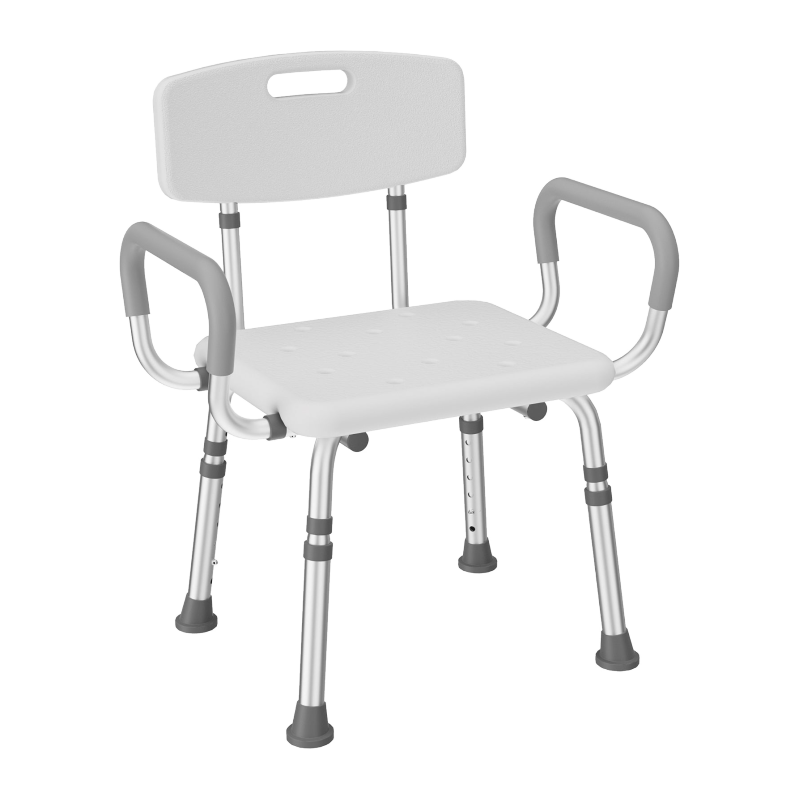
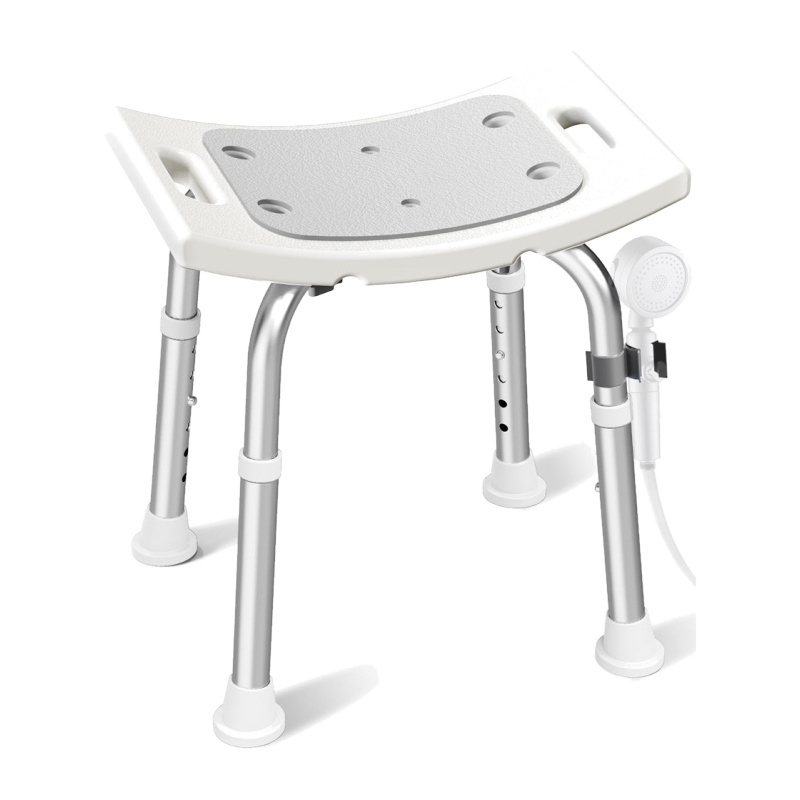
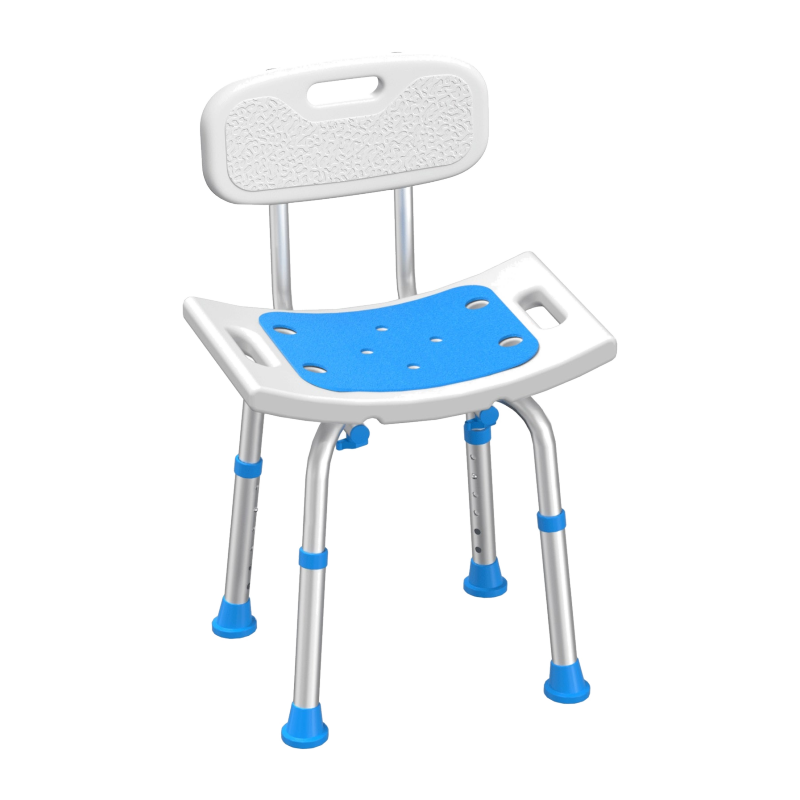
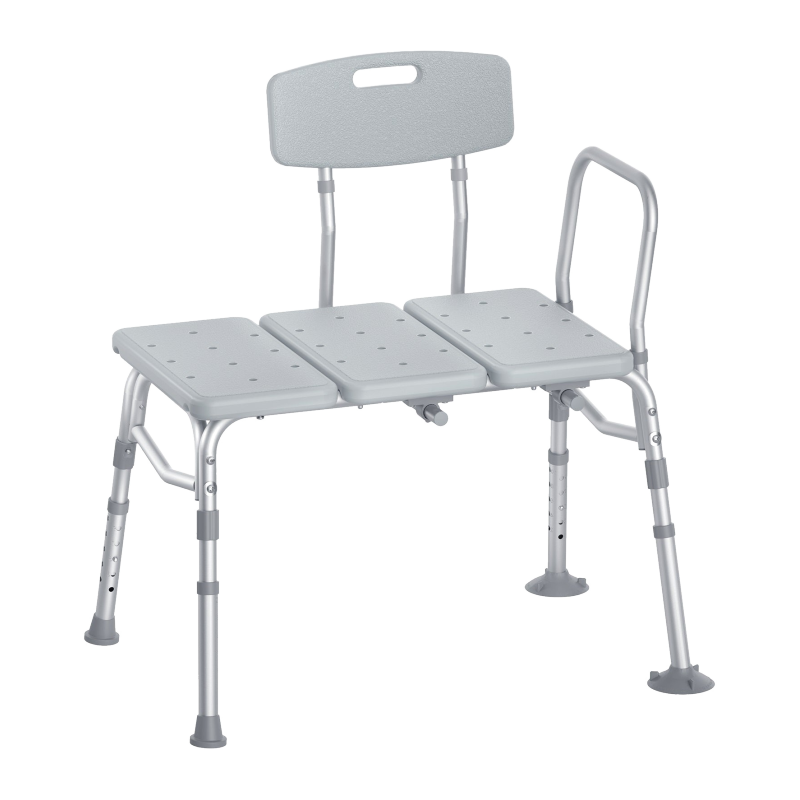
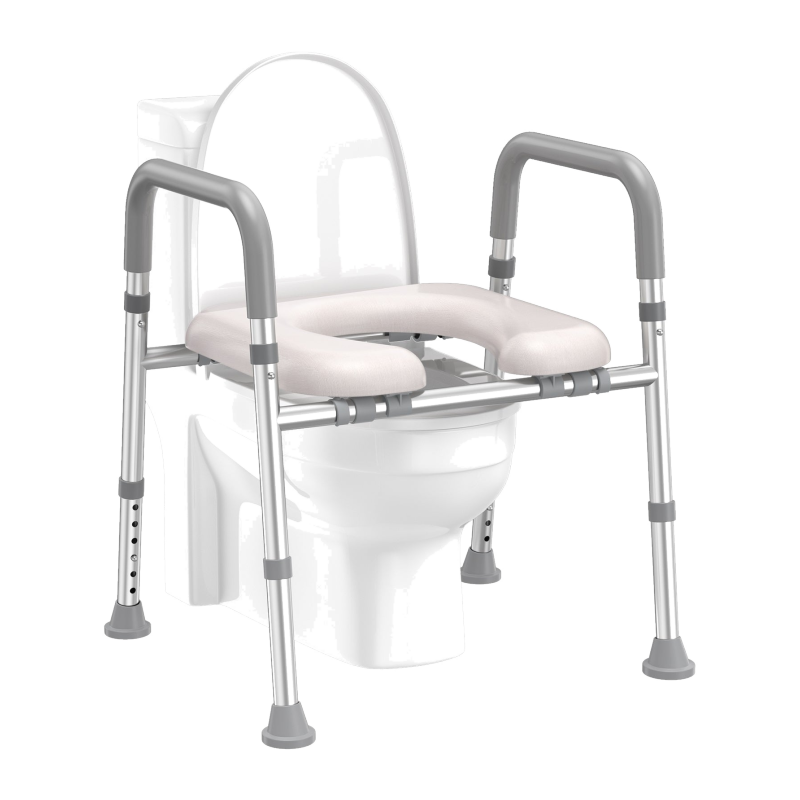
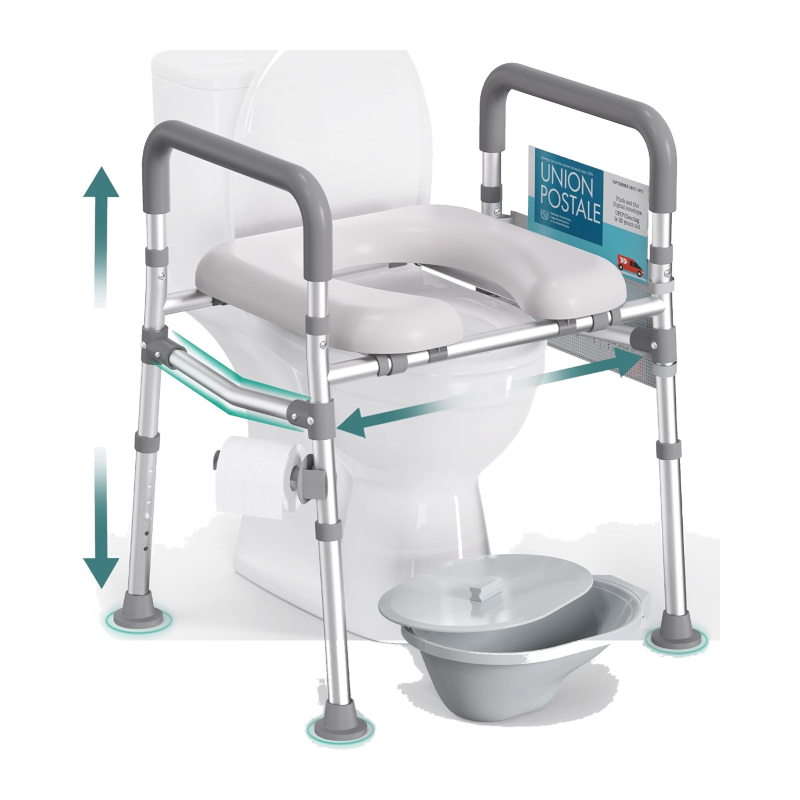
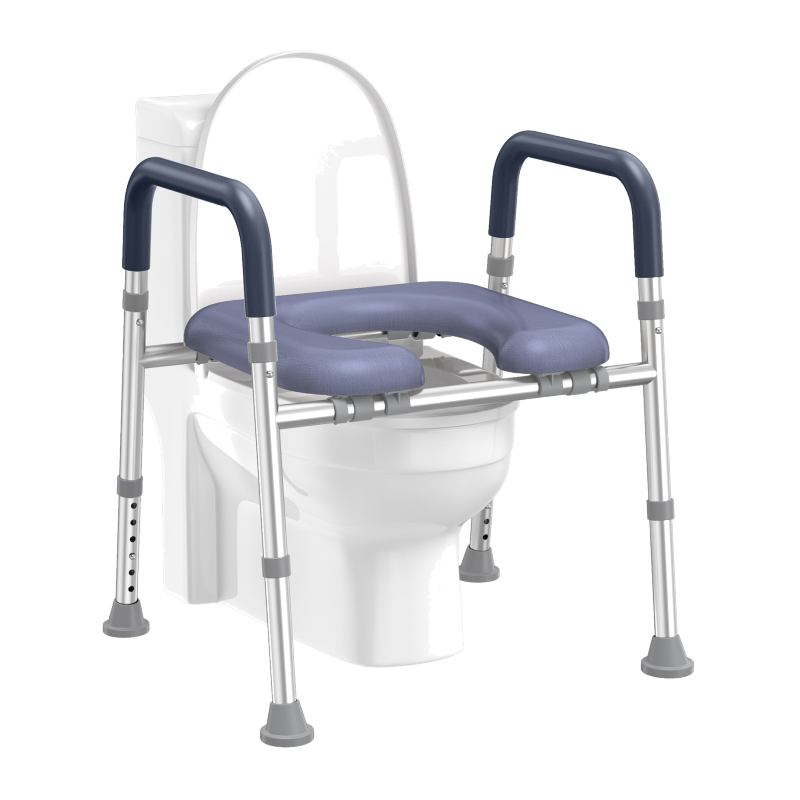
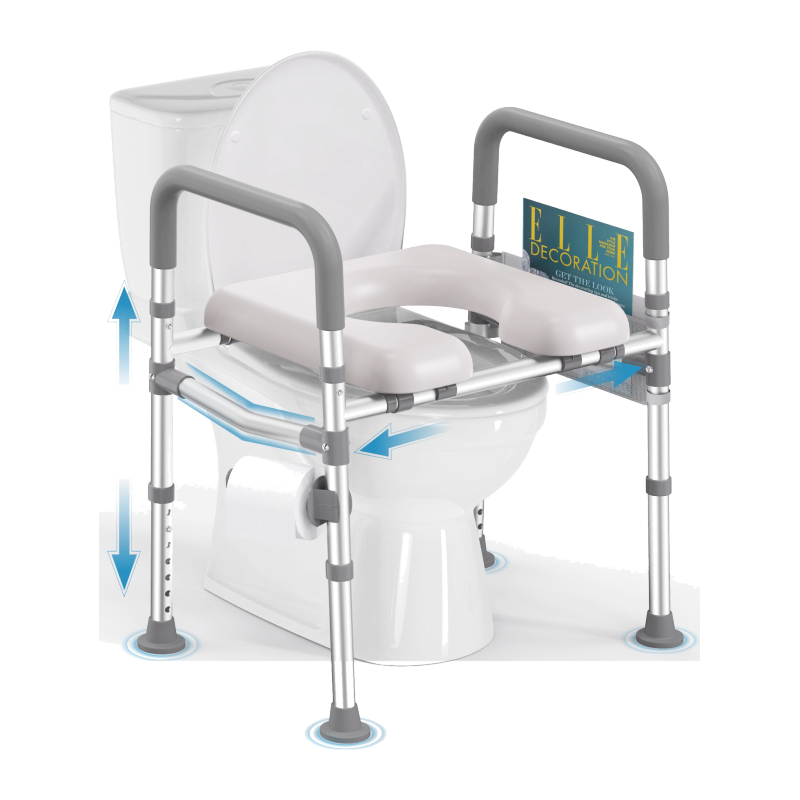
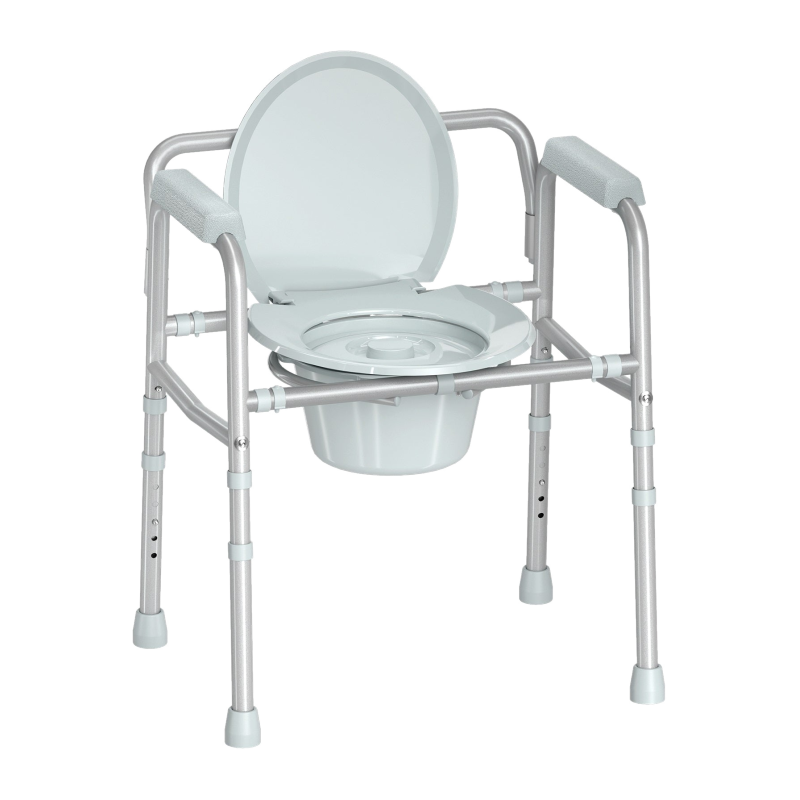
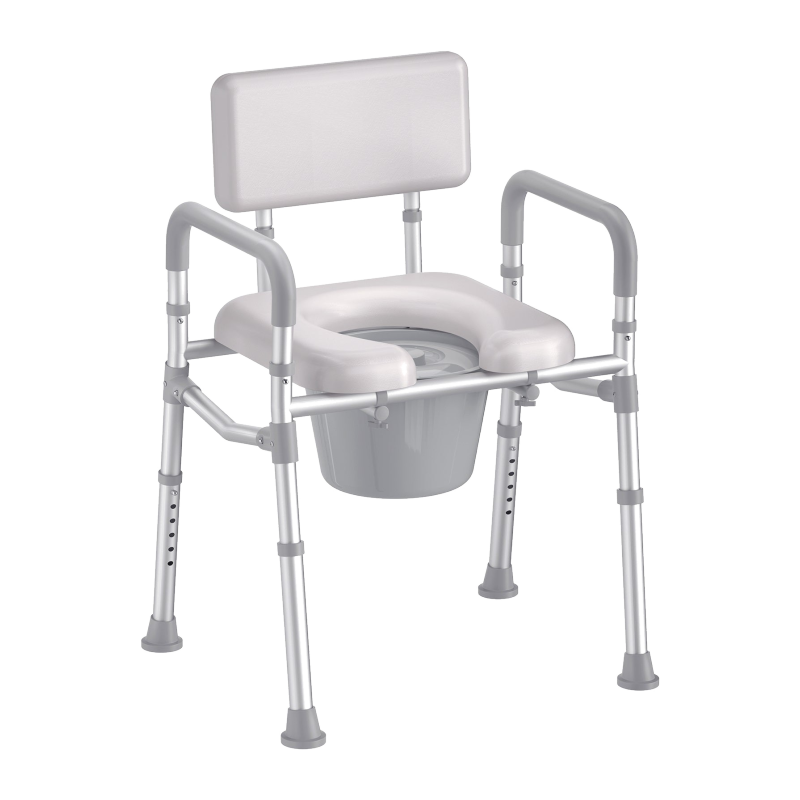
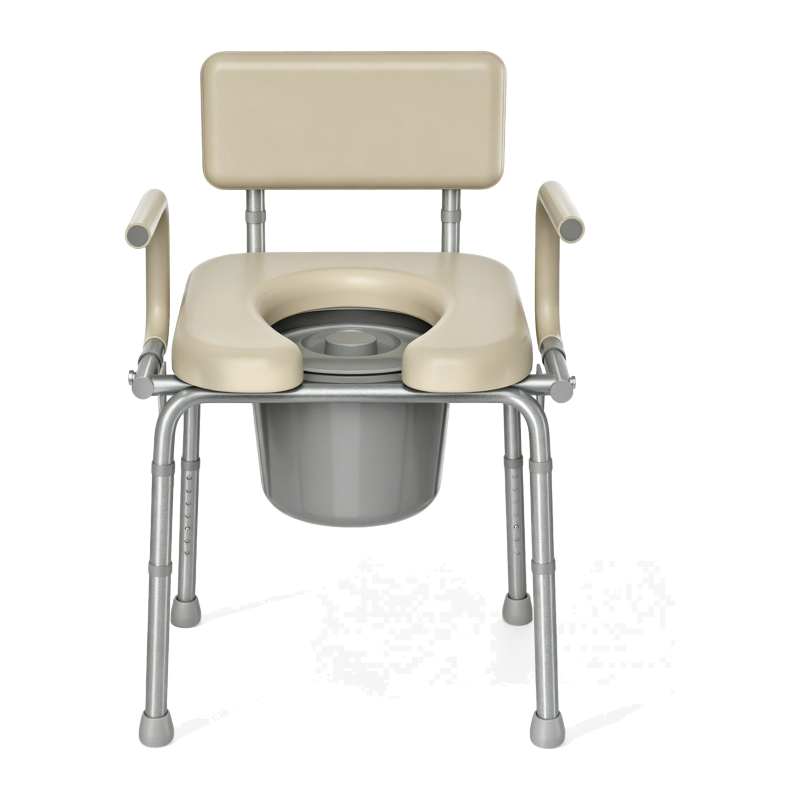
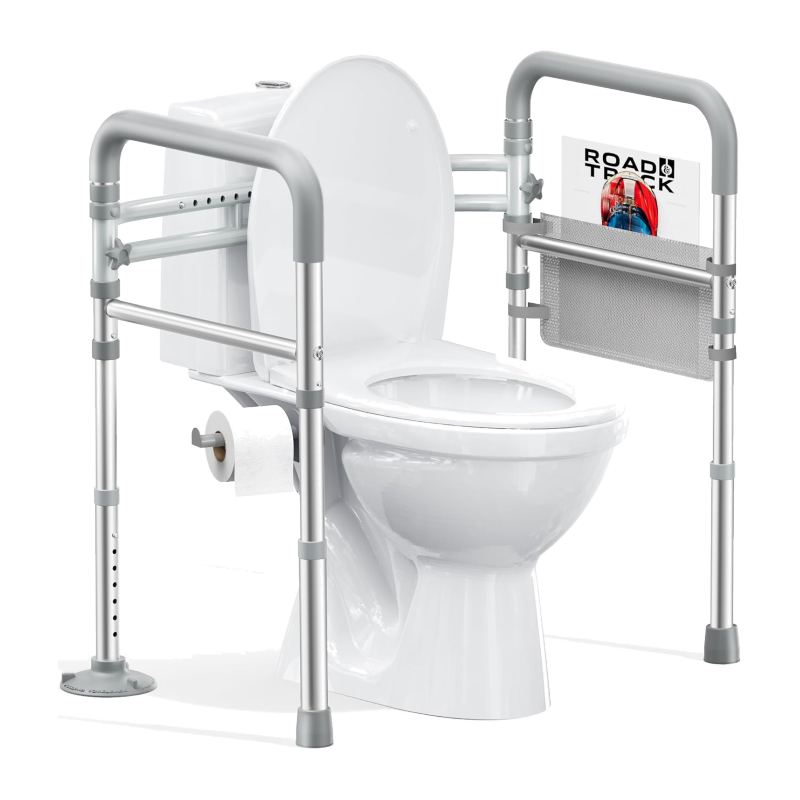
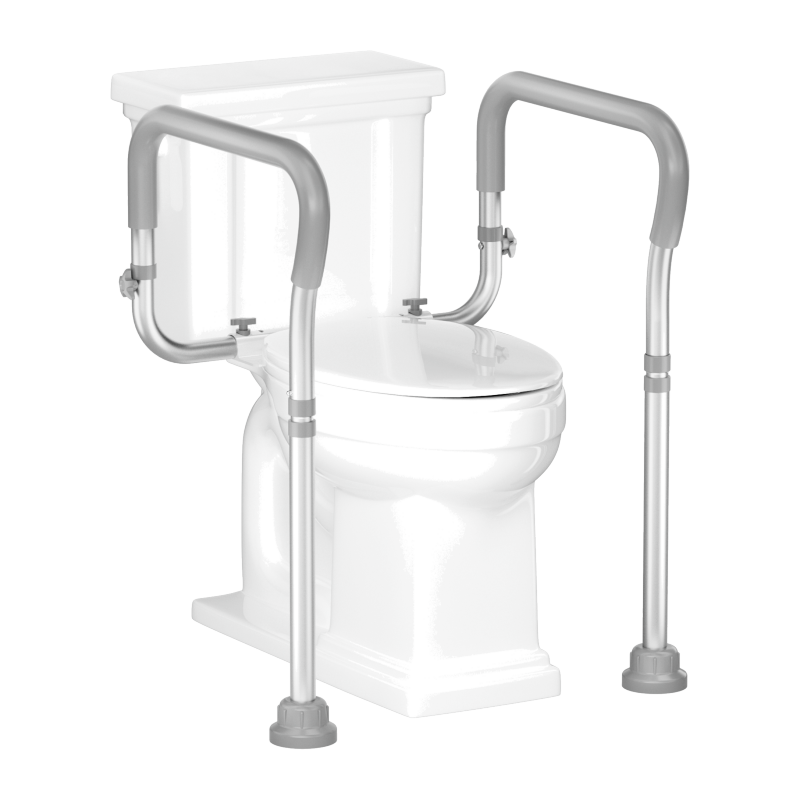
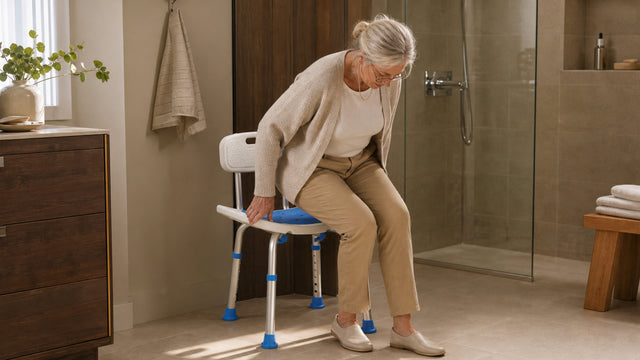
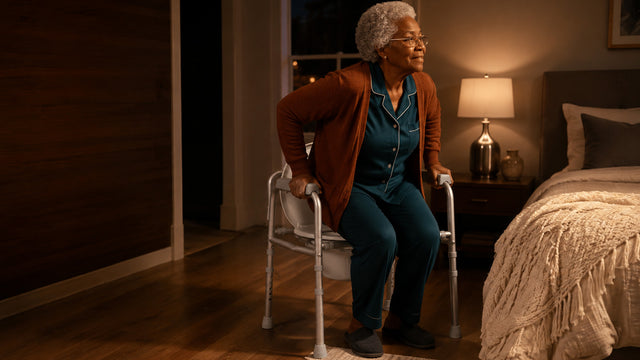
In the bathroom, where wet surfaces and awkward movements create real fall risk, grab bars near the toilet and inside the shower make an enormous difference. A well-chosen shower chair lets someone bathe with full confidence rather than rushing through a standing shower on tired legs. A toilet safety rail provides a reliable handhold for sitting and rising — one of the most common moments where people lose their balance at home. These aren't concessions; they're smart choices that physical therapists routinely recommend as part of any bone health or fall prevention plan.
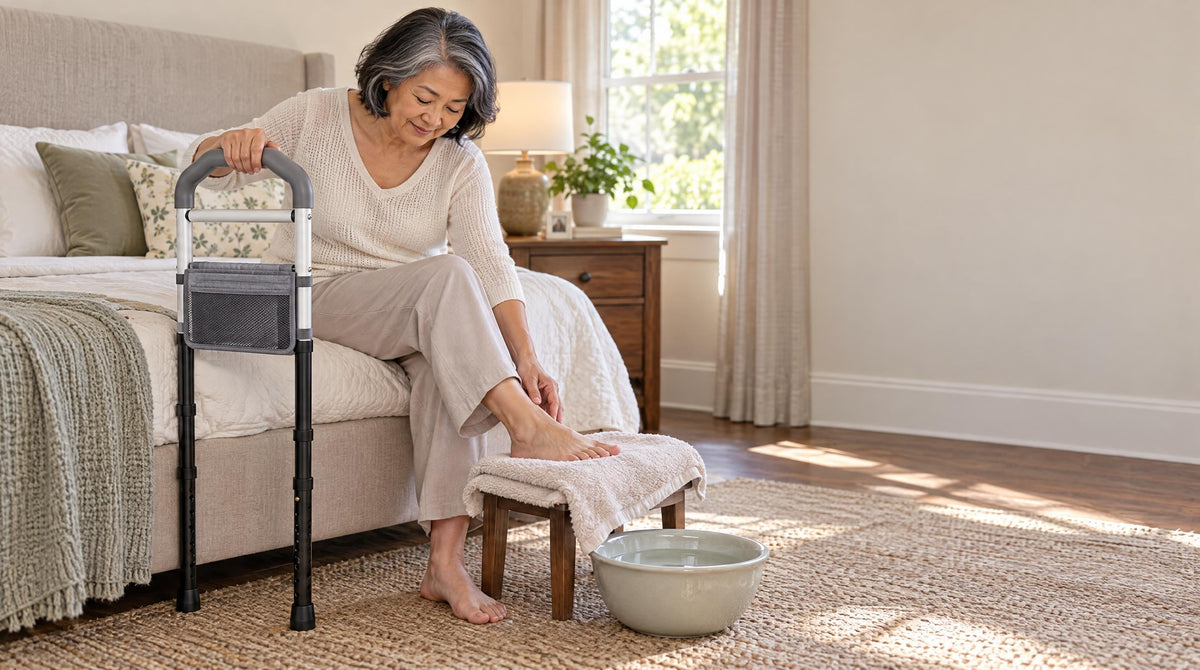
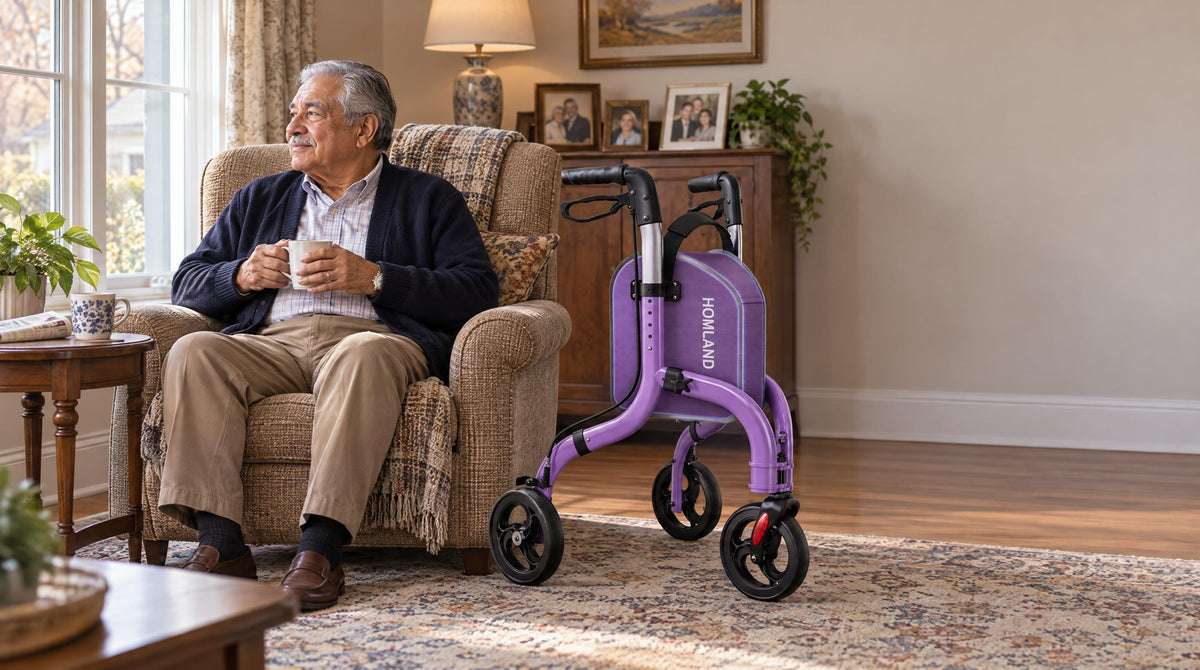
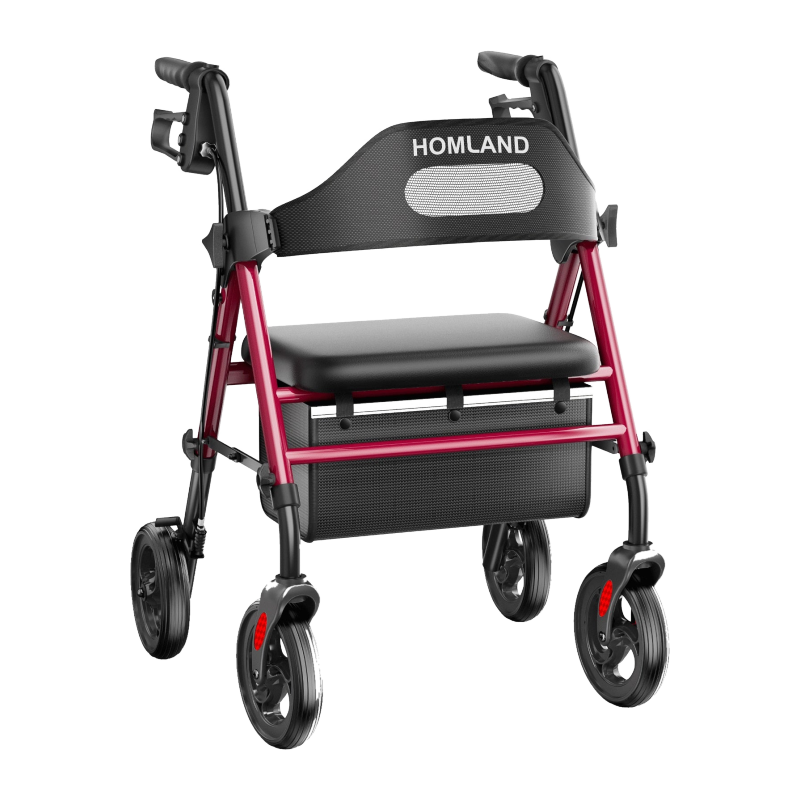
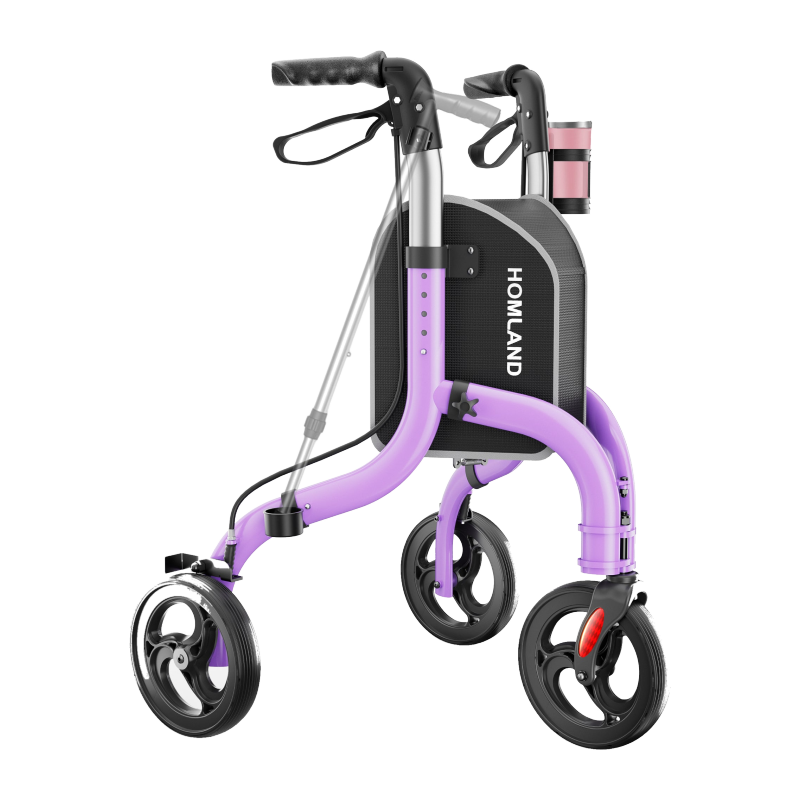
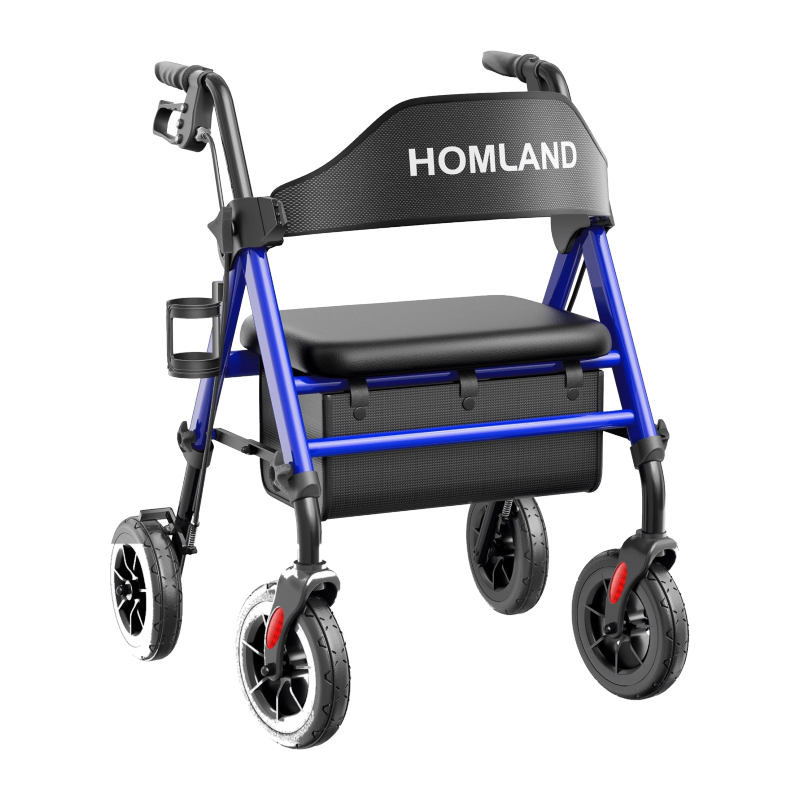
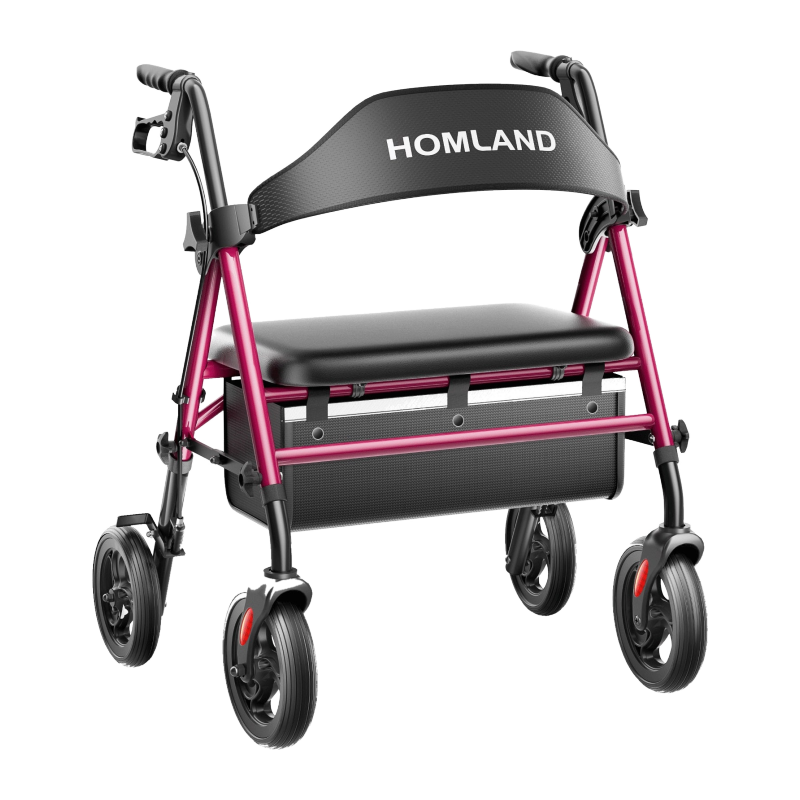
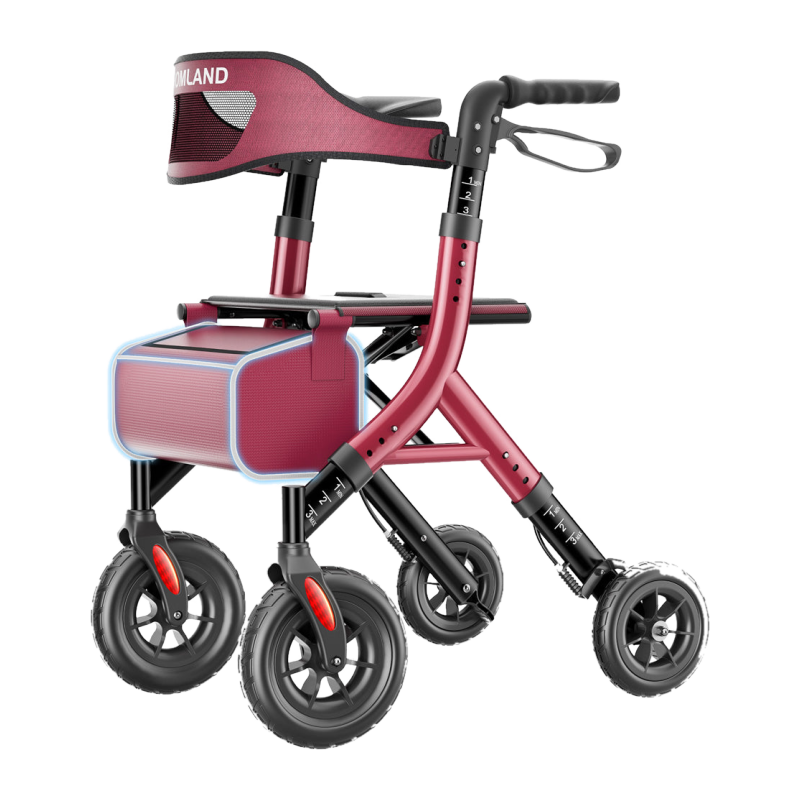
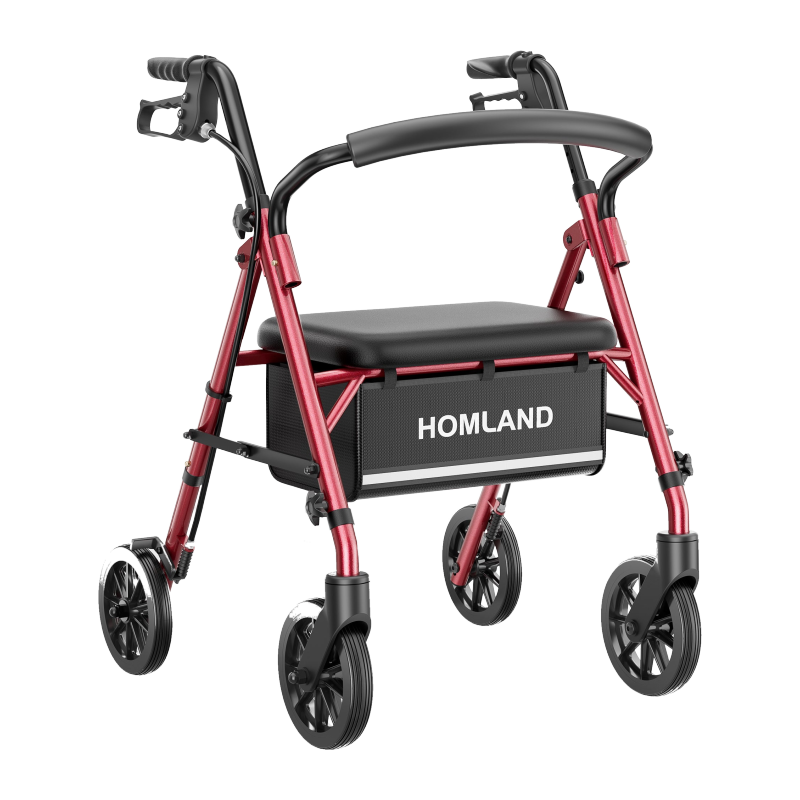
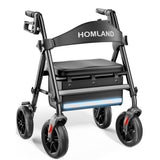
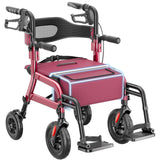
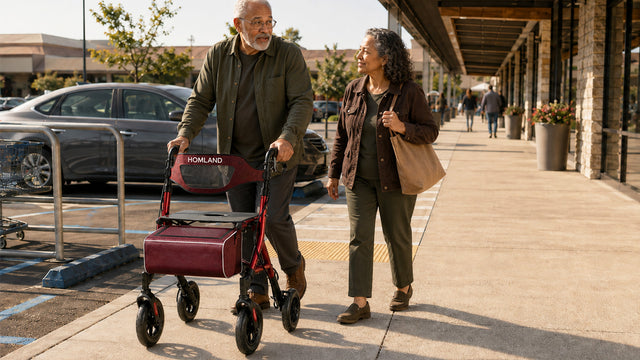
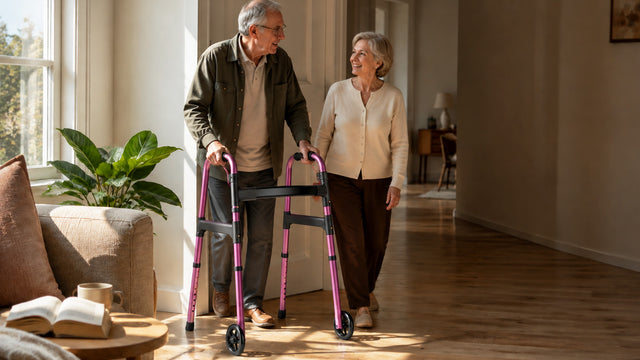
For people who need additional support while moving through the house, a rolling walker or standard walker can restore confidence on feet without limiting independence. After a fracture or surgery, a knee scooter offers a practical way to stay mobile while protecting the healing site. Bed rails are another quietly effective tool — they make getting in and out of bed safer, especially during nighttime trips when coordination is lower and the risk of a stumble is higher.
Beyond equipment, a few simple home adjustments go a long way: removing throw rugs that slide, improving lighting in hallways and staircases, keeping frequently used items at reachable heights to avoid stretching or bending awkwardly, and wearing non-slip footwear indoors. None of these changes require a major renovation — they're the kind of thoughtful adjustments that add up to a genuinely safer daily environment.
For family members helping a parent or loved one navigate these changes, it helps to frame the conversation around staying at home on their terms — which is exactly what most people want. The right support tools aren't about limitation; they're about keeping someone in the life they've built, moving through it with confidence. Every HOMLAND product is designed with that philosophy in mind, FSA/HSA eligible to ease the financial side, and backed by a 1-year manufacturer warranty plus a 1-year extended warranty, so the investment is protected. Fast delivery from a US local warehouse means support arrives when it's needed, not weeks later.
Browse the full range of HOMLAND home safety and mobility products to find what fits your situation best.
Frequently Asked Questions
Can osteoporosis be prevented entirely?
For most people, full prevention isn't guaranteed — genetics, hormonal changes, and certain medical conditions all play a role that diet and exercise can't entirely offset. That said, the right lifestyle strategies significantly reduce your risk and can meaningfully slow bone loss even after it has begun. Building good bone health habits early and maintaining them through midlife and beyond is the most effective approach available.
At what age should I start worrying about bone health?
Bone health is a lifelong concern, but it becomes most critical during two key windows: adolescence and early adulthood (when peak bone mass is built) and midlife and beyond (when bone loss accelerates). If you're in your 30s or 40s, the habits you build now have a direct impact on where your bone density lands in your 60s and 70s. It's never too early — or too late — to take it seriously.
Is walking enough exercise to protect bones?
Walking is genuinely beneficial and a great starting point, particularly for hip bone density. But most bone health guidelines suggest combining it with some form of resistance training for fuller protection. Even light strength exercises — resistance bands, bodyweight squats, or machine-based work at a gym — add meaningful stimulus that walking alone doesn't fully provide. A physical therapist can help you build a balanced routine that matches your current fitness level.
How much calcium do I actually need?
The recommended daily intake for adults up to age 50 is around 1,000 mg. For women over 50 and men over 70, that increases to 1,200 mg. Most adults fall short of these targets through diet alone, which is where supplementation may help. It's worth noting that calcium supplements should be taken in divided doses for better absorption, and always discussed with a doctor, particularly for people with kidney disease or a history of kidney stones.
What home changes help prevent falls with osteoporosis?
The highest-impact changes tend to be in the bathroom (grab bars, a shower chair, a toilet safety rail), the bedroom (bed rails, clear pathways to the bathroom), and throughout the home (better lighting, removal of loose rugs, non-slip footwear). Using a walker or rollator for added stability when moving around the house is also something physical therapists commonly recommend for people with significant bone density concerns.
Strong Bones, Confident Days
Osteoporosis prevention is built on consistency rather than dramatic intervention. Eating well, moving regularly, making smart lifestyle choices, and setting up a safer home environment — these aren't complicated asks, but they compound powerfully over time. Whether you're protecting bone density now or managing a diagnosis with an eye toward staying independent, the strategies in this guide give you a real foundation to work from. And when a little extra support around the home makes the difference between hesitation and confidence, the right tools are there to bridge that gap — quietly, reliably, and on your terms.
Need Help Finding the Right Home Safety Solution?
Our team is here to help you find the right product for your situation — whether that's a shower chair, a toilet rail, a walker, or something else entirely. Every HOMLAND product is authorized by licensed Doctors of Physical Therapy, FSA/HSA eligible, and backed by a 2-year warranty.
Contact Us — We're Happy to Help