



Every morning, millions of people with diabetes start their day the same way — getting out of bed, putting their feet on the floor, and taking those first few steps toward the kitchen. It feels routine. But for anyone managing diabetes, those steps carry more weight than most people realize. Over time, high blood sugar can quietly damage the nerves and blood vessels in your feet, making it harder to feel small injuries and slower to heal them once they happen.
The good news? Most serious foot complications are preventable. A consistent daily routine — combined with the right footwear, smart home modifications, and mobility support when needed — can help you keep walking confidently for years to come. This guide brings together practical advice that physical therapists and foot care experts recommend, organized so you can put it to use starting today. Whether you're managing your own care or helping a parent or loved one, you'll find straightforward steps to protect foot health, reduce fall risk, and stay comfortably independent at home.
Why Diabetic Foot Care Matters More Than You Think
Diabetes affects the feet in two important ways that work against each other in the worst possible combination. First, nerve damage (called neuropathy) can reduce your ability to feel pain, heat, or pressure in your feet — so a small blister, a pebble stuck in your shoe, or a shallow cut might go completely unnoticed. Second, diabetes narrows and hardens blood vessels over time, which means that even minor wounds heal much more slowly than they would for someone without the condition.
According to the CDC, about half of all people with diabetes have some form of nerve damage, and the feet and legs are the areas most commonly affected. The CDC also notes that roughly 12% of people with diabetes develop a foot ulcer at some point during their lifetime — and once an ulcer becomes infected and doesn't respond to treatment, it can escalate quickly. The encouraging flip side is that most serious foot complications are preventable with consistent daily care. That's the entire point of building a foot care habit now, before problems have a chance to develop.
The Daily Foot Check: Your First Line of Defense
Think of a daily foot inspection the same way you think about checking the weather before leaving the house — it takes about two minutes, and it can completely change what you do next. Because nerve damage may prevent you from feeling a cut or sore developing, your eyes have to do the work your nerves can't. Physical therapists often recommend building this habit into an existing routine — right after your morning shower or before bed — so it becomes automatic rather than something you have to remember.
What to look for during your daily check:
- Cuts, scrapes, or cracks in the skin, especially around the heels
- Blisters or sores, including small ones that don't hurt
- Redness, swelling, or warmth in any area of the foot
- Discoloration or bruising you don't remember causing
- Changes between the toes — this is a common spot for fungal infections to start
If you have trouble bending down to see the bottom of your feet, a simple handheld mirror placed on the floor solves the problem. If you live with a partner or family member, ask them to help with the areas that are hard to see clearly. The moment you notice anything unusual — even something that seems minor — contact your doctor. Early treatment is far simpler than managing a problem that's had time to worsen.
Washing, Drying, and Moisturizing the Right Way
Daily foot washing is non-negotiable, but there are a few technique details that matter more than most people expect. Always use warm (not hot) water and a mild soap. Because diabetes can reduce your ability to sense temperature accurately, check the water with your fingers or elbow before stepping in — not with your feet. Hot water can cause burns you won't immediately feel.
After washing, dry your feet thoroughly — and pay special attention to the skin between your toes. That area stays moist longer, and moisture creates the ideal environment for skin breakdown and infection. Once your feet are fully dry, apply a moisturizing lotion or cream to the tops and bottoms of both feet to prevent cracking and rough skin. One important caveat: do not apply lotion between the toes. That extra moisture in an already-damp space can do more harm than good.
A few more bathroom habits worth adopting:
- Trim toenails straight across — not curved at the edges — to prevent ingrown nails
- Never use antiseptic solutions, razor blades, or over-the-counter corn removers on your feet without your doctor's guidance, as these can damage sensitive skin
- Never use a heating pad or hot water bottle on your feet, even in winter — reduced sensation makes heat injuries a real risk
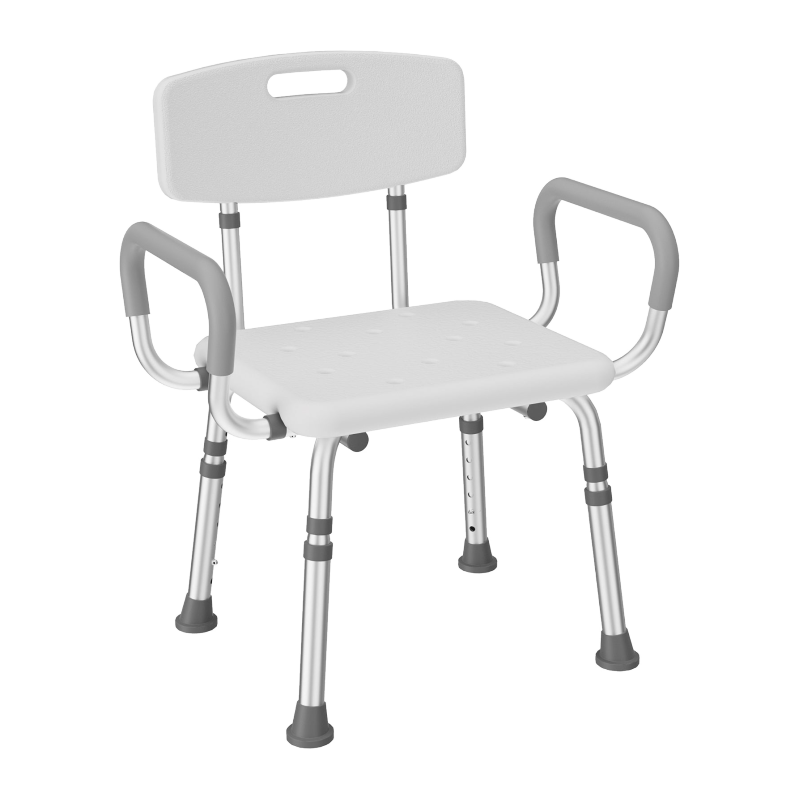
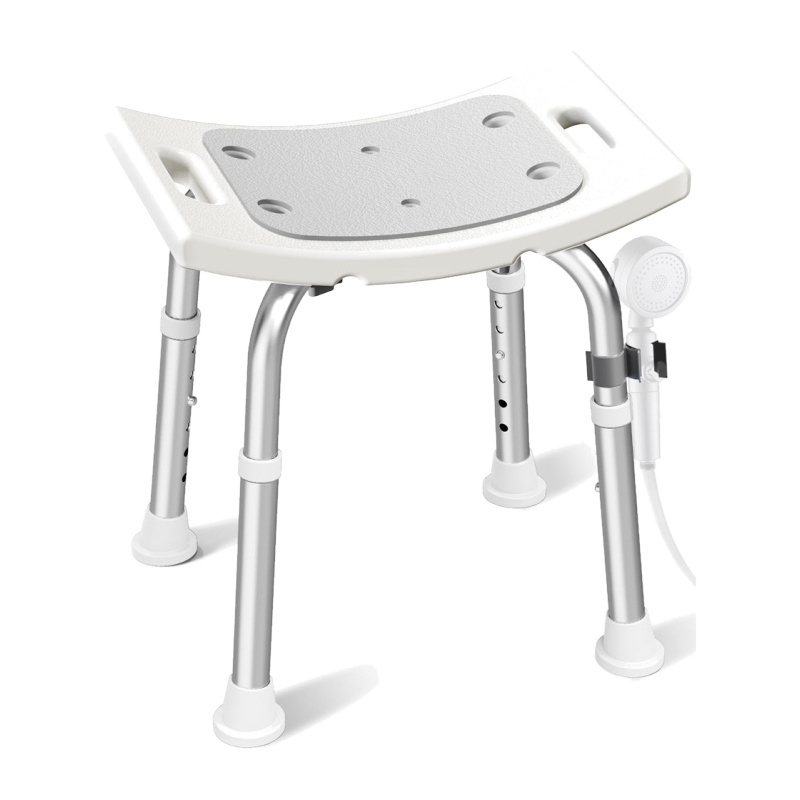
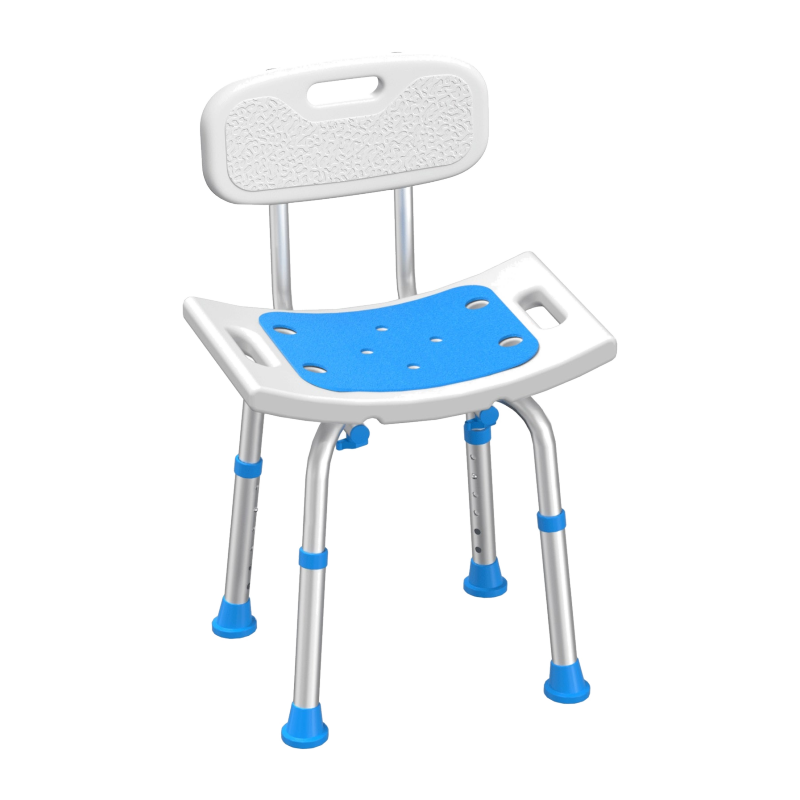
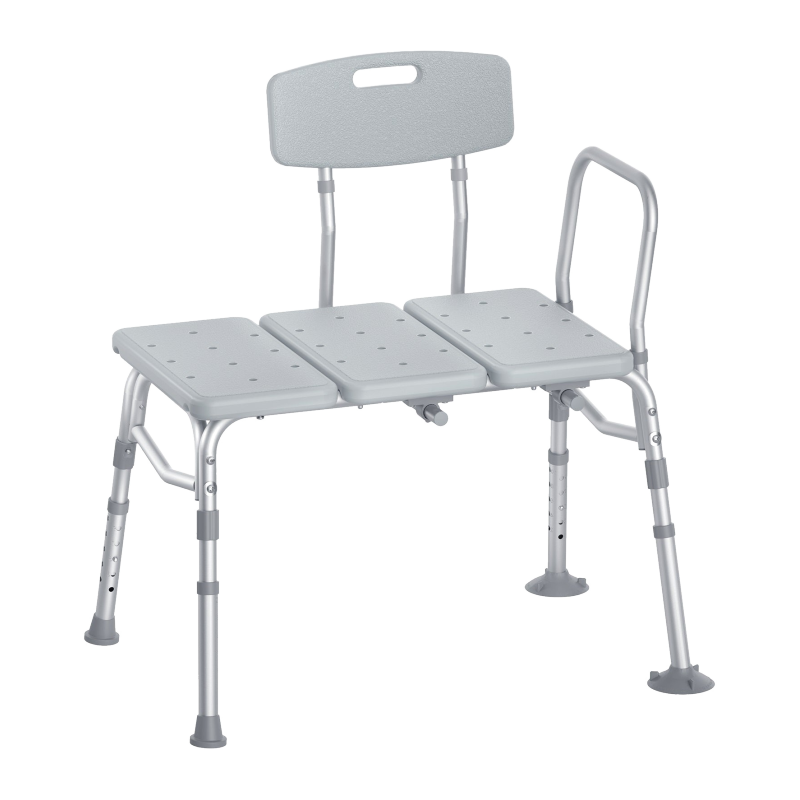
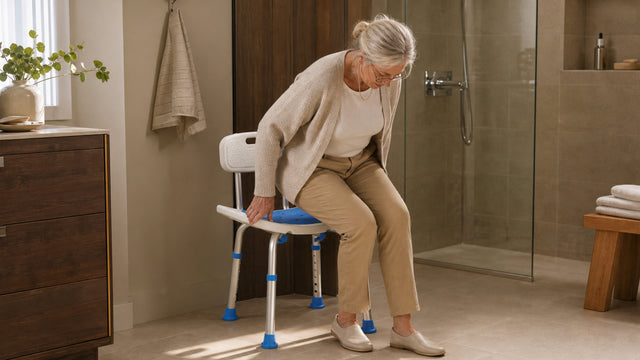
If showering is physically demanding for you, a shower chair can make the whole routine easier, safer, and less exhausting. Sitting down to wash your feet carefully — rather than balancing on one leg — makes a careful inspection far more practical too. HOMLAND's shower chairs are FSA/HSA eligible, ship from a US local warehouse for fast delivery, and come with a 1-year manufacturer warranty plus 1-year extended warranty, so you can invest with confidence.
Choosing the Right Footwear — Inside and Outside the Home
One of the most consistent recommendations across every authoritative source on diabetic foot care is this: never walk barefoot. Not on the beach. Not on the patio. Not even across your own living room floor. Even walking barefoot indoors increases the chance of stepping on a small object — a tack, a crumb, a tiny piece of glass — and because nerve damage reduces sensation, you might not notice it happened until a serious infection has already started.
For outdoor walking and errands, look for shoes that check these boxes:
- Closed toes and rounded shape — no pointed toes, no open sandals
- Ample room — your toes should not press against the front or sides
- Breathable materials — mesh or leather help control moisture
- Supportive sole — cushioned and non-slip, with no high heels
- No internal seams that rub — check the inside of each shoe before putting it on every single time
At home, always wear well-fitting slippers with a non-skid sole. Socks matter too: choose light-colored socks made from moisture-wicking synthetic fabric or wool, without tight elastic bands around the calf. Light colors make it easier to spot any unexpected bleeding or drainage — an early warning sign you'd otherwise miss. If a doctor has discussed custom diabetic footwear or orthotics with you, those recommendations take priority over standard shoes, as custom orthotics are designed specifically to redistribute pressure across at-risk feet.
Keep Moving: Exercise, Circulation, and Foot Health
It might seem counterintuitive — your feet feel uncertain, so you slow down and move less. But physical therapists consistently emphasize that staying active is one of the most important things you can do for foot health. Movement drives circulation, and better circulation means more oxygen and nutrients reaching the nerves and tissues in your feet. The CDC recommends short, frequent activity over occasional long sessions — for example, 10 to 20 minutes of movement daily is more beneficial than one long walk once a week.
Low-impact activities that work well for people managing diabetic neuropathy include:
- Walking — in properly fitted shoes, on smooth, familiar surfaces
- Stationary cycling — takes pressure off the feet while keeping circulation active
- Swimming or water aerobics — excellent for joint-friendly, full-body movement
- Seated foot exercises — wiggling toes, rotating ankles, and flexing the foot while sitting; the CDC specifically recommends this during long periods at rest
- Balance training — gentle exercises guided by a physical therapist can meaningfully reduce fall risk over time
One important rule: if you have open sores or active wounds on your feet, pause walking-based exercise until your doctor gives you the green light. Never push through foot pain that appears during a walk. On longer outings, take breaks to sit down, remove your shoes and socks, and check your feet for any signs of redness or pressure — especially at the beginning when you're breaking in new shoes.
Making Your Home Safer for Every Step
Nerve damage doesn't just affect your ability to feel injuries — it also affects your balance and proprioception (your body's sense of where it is in space). Research published in peer-reviewed journals confirms that impaired balance is among the most significant fall risk factors for older adults with diabetic peripheral neuropathy. For caregivers reading this: home modifications are not about restricting independence; they're about protecting it. A fall can set back months of progress, while a safer home environment means your loved one keeps moving on their own terms.
Key home safety modifications to consider:
- Remove trip hazards — loose rugs, electrical cords crossing walkways, and clutter in hallways are common culprits
- Improve lighting — well-lit pathways from the bedroom to the bathroom reduce nighttime fall risk significantly
- Add non-slip mats in the bathroom and kitchen
- Install grab bars near the toilet and in the shower or tub
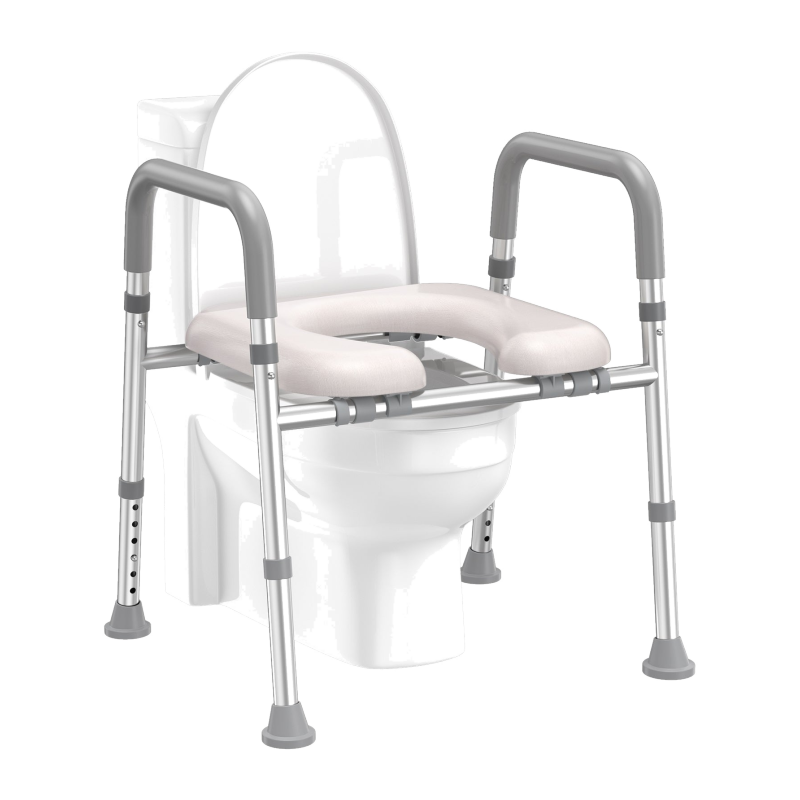
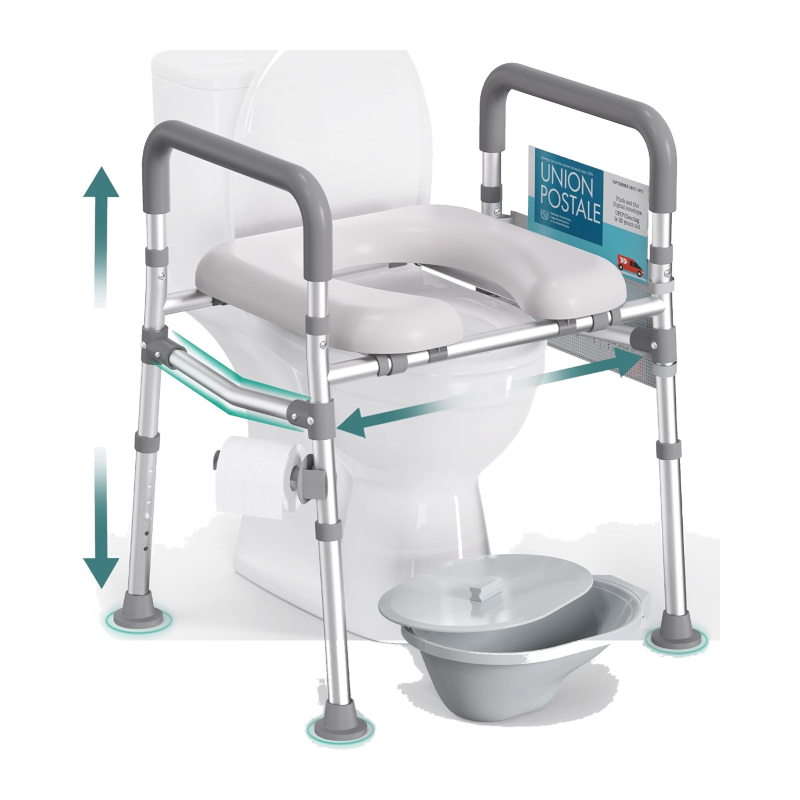
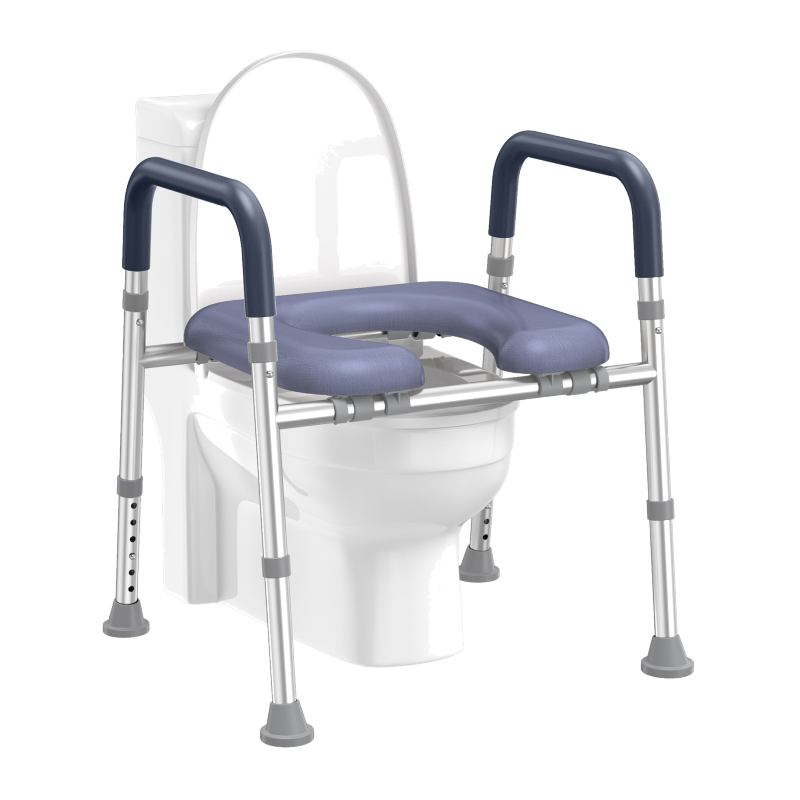
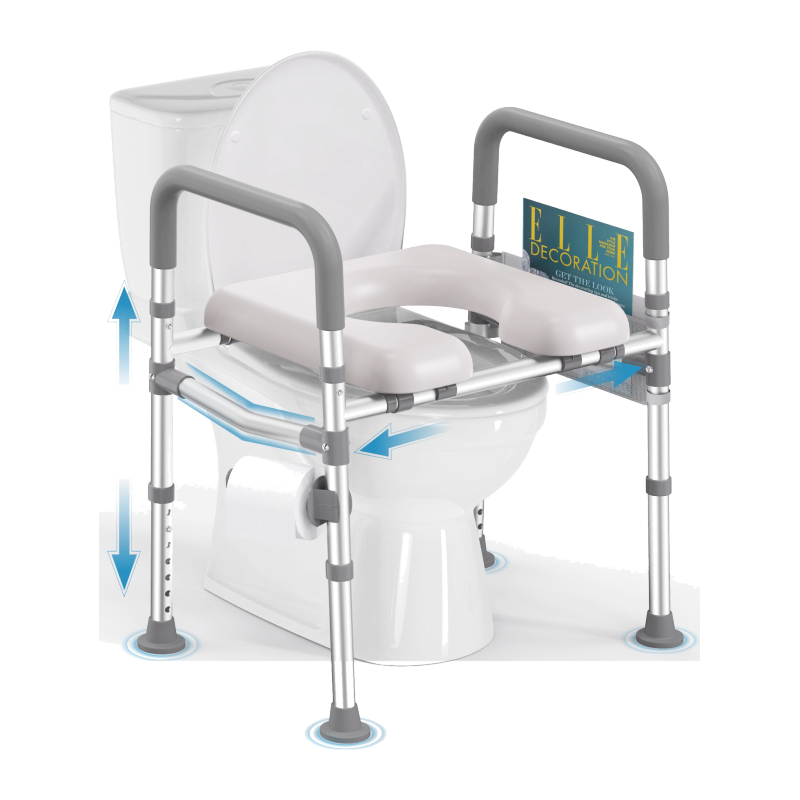
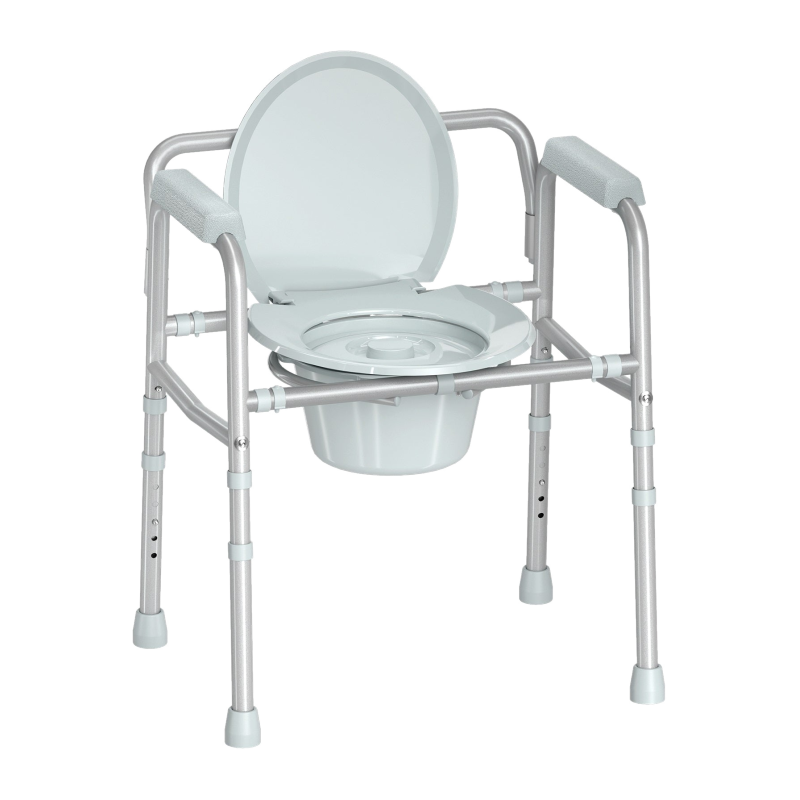
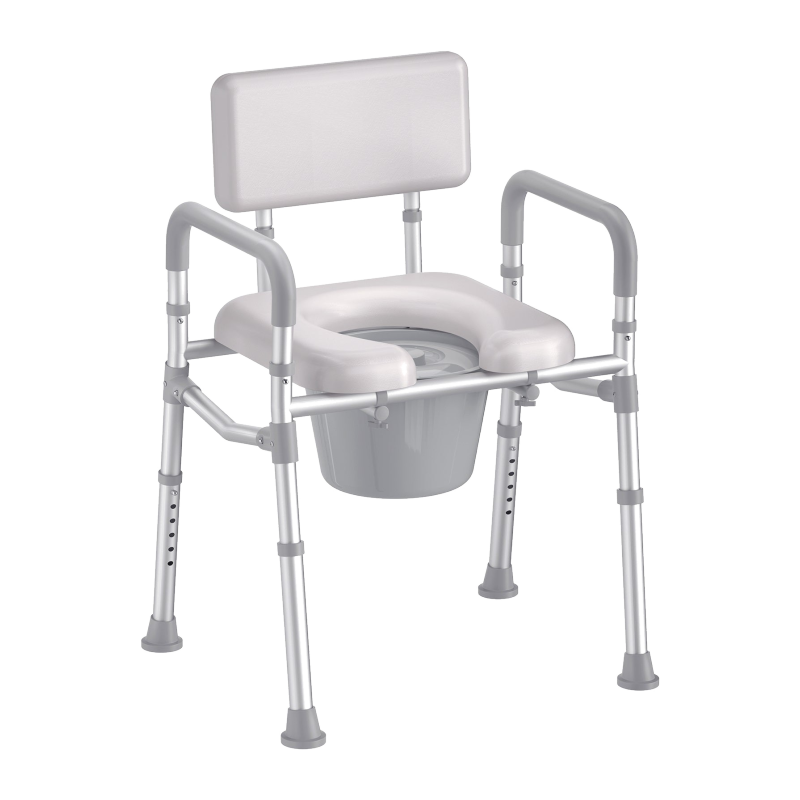
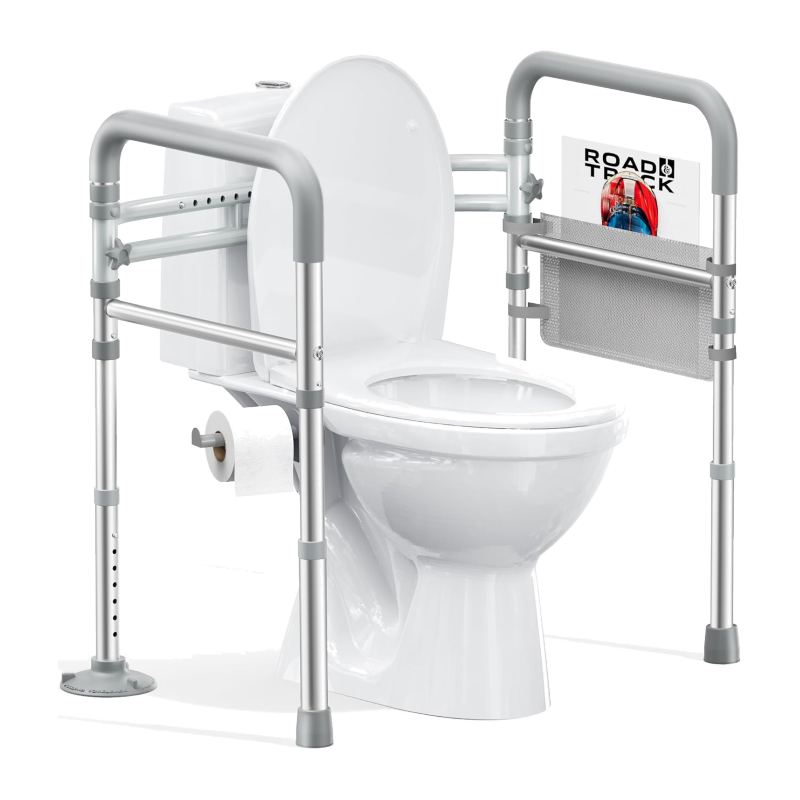
- Use a toilet safety rail to make sitting and standing easier — HOMLAND's toilet safety rails are designed for easy, tool-free installation and provide a secure handhold that reduces strain on the feet and legs
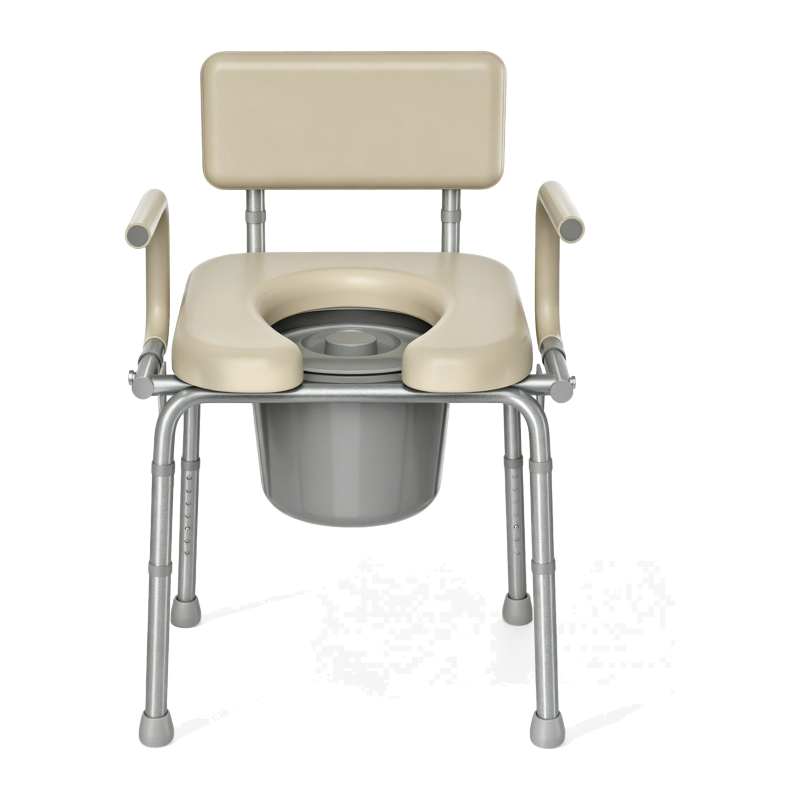
- Consider a raised toilet seat if getting up and down is a challenge — reducing the range of motion needed means less pressure on sensitive feet
- Use a bed rail for safer transitions from lying down to standing — HOMLAND's bed rails provide a stable grip point right where you need it most
Families who help coordinate these changes often tell us that the hardest part is starting the conversation — not the modifications themselves. Framing it as "making the home work better for you" rather than "making things safer because something might go wrong" makes a real difference in how the idea lands.
When a Mobility Aid Makes All the Difference
There's a moment many people with diabetic neuropathy describe: they're walking across the house, and their foot doesn't respond quite the way they expected. A slight stumble. A grab for the wall. That moment is the nervous system's honest signal that extra support could help. Physical therapists often recommend mobility aids not as a last resort, but as a proactive tool — something that keeps you moving more, more confidently, rather than less.
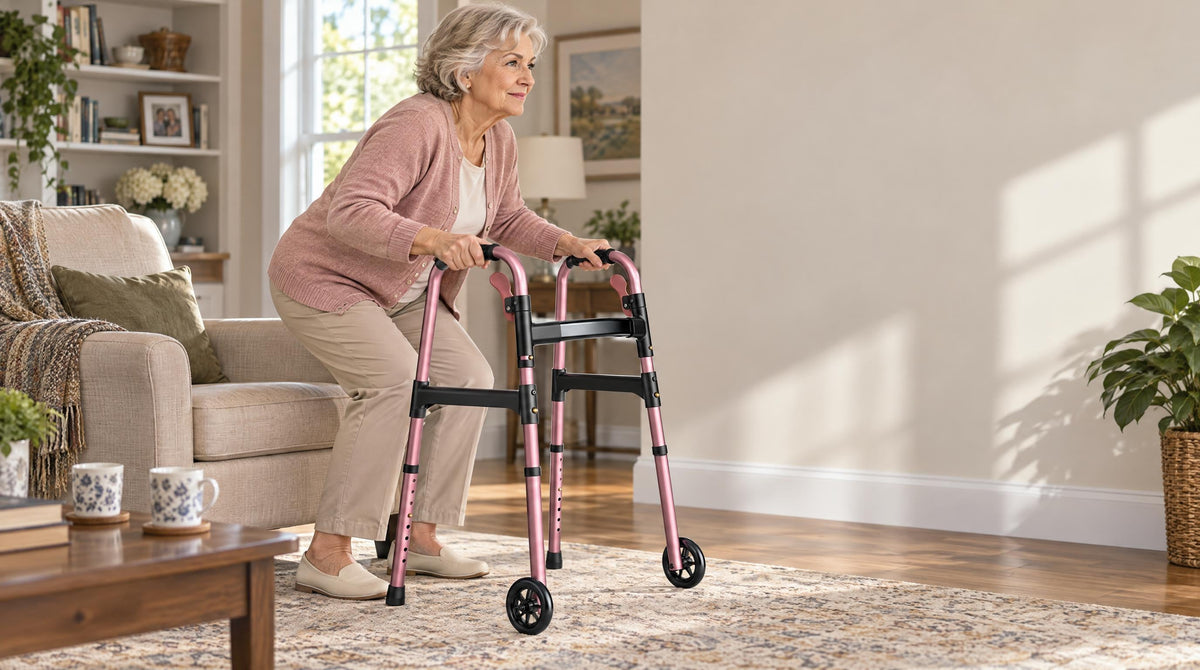
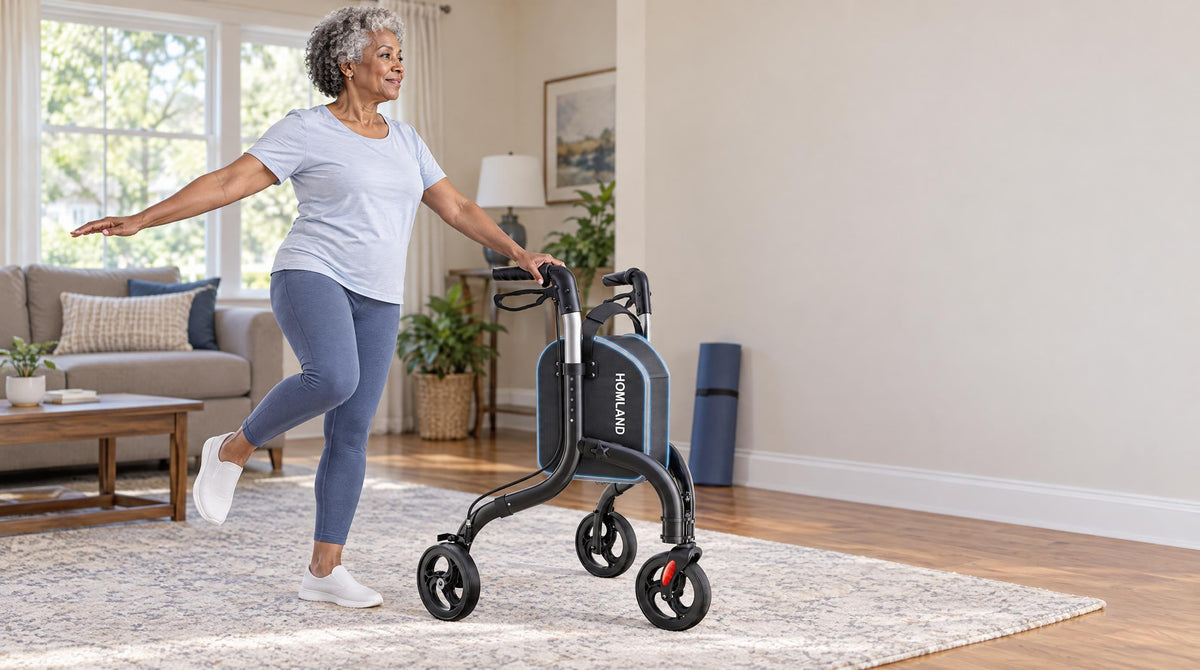
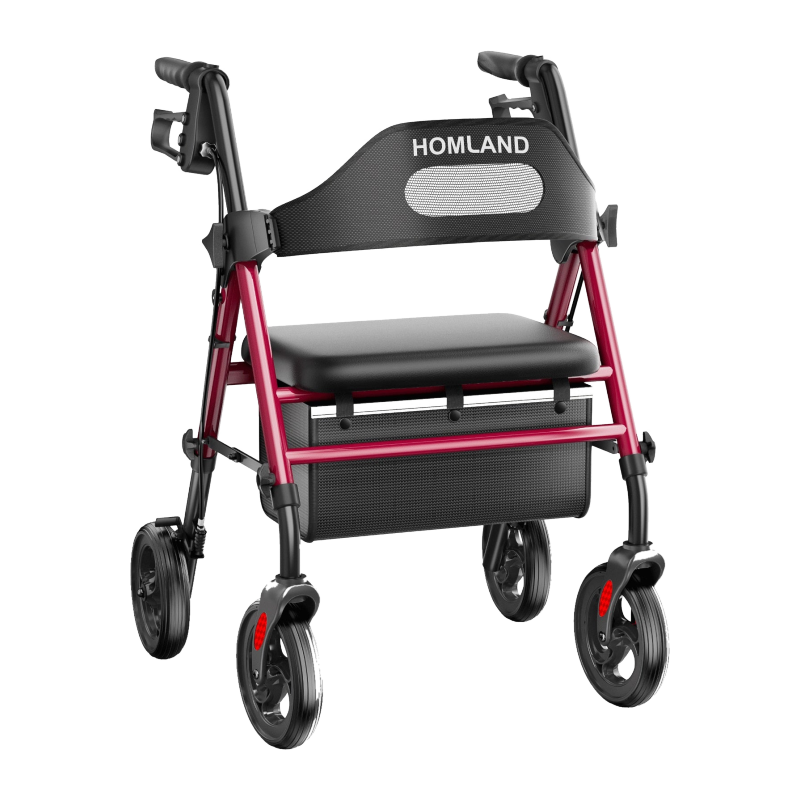
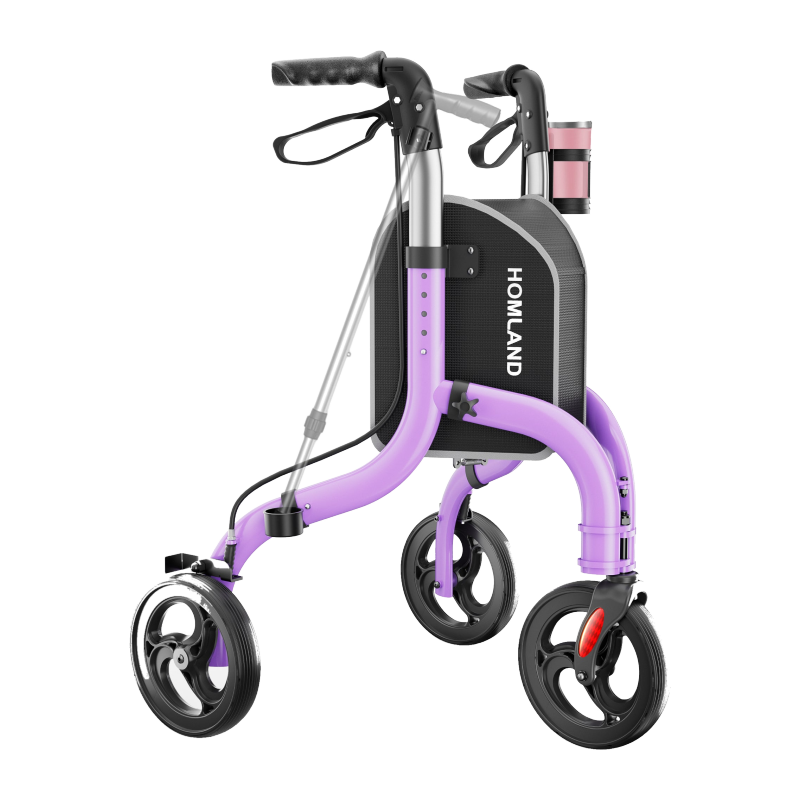
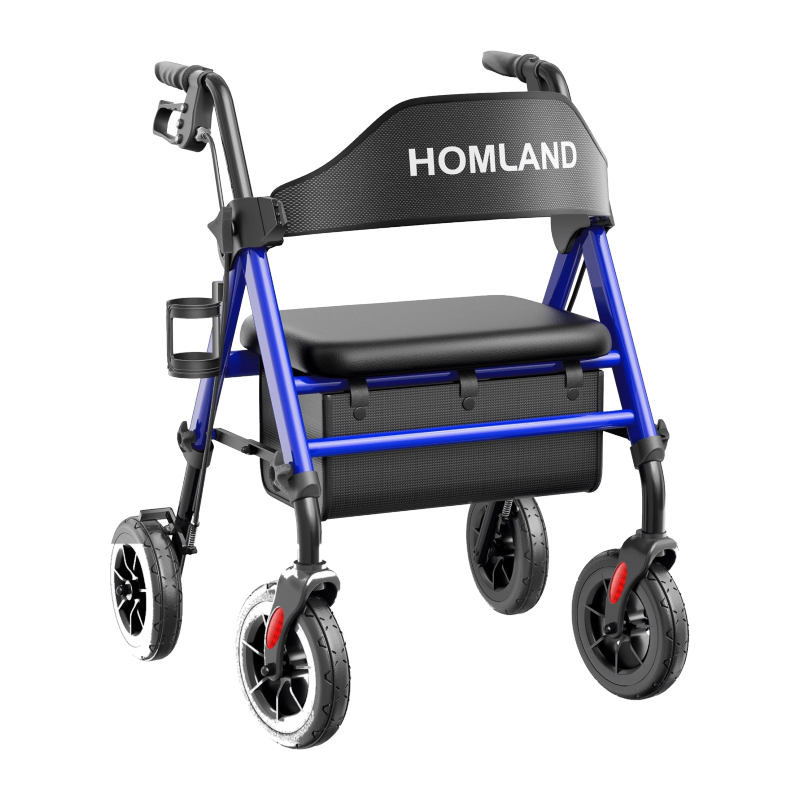
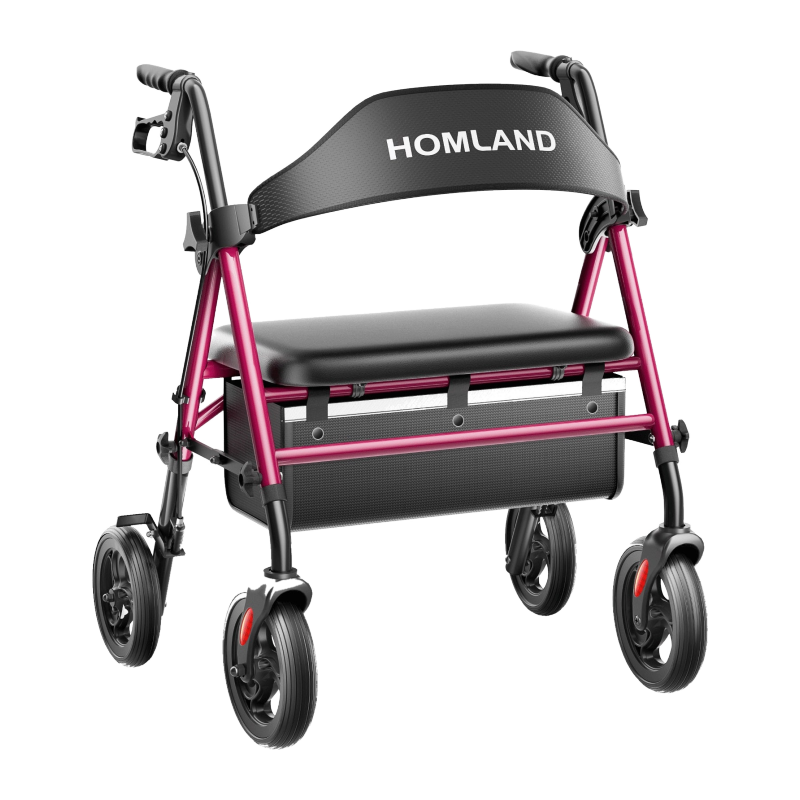
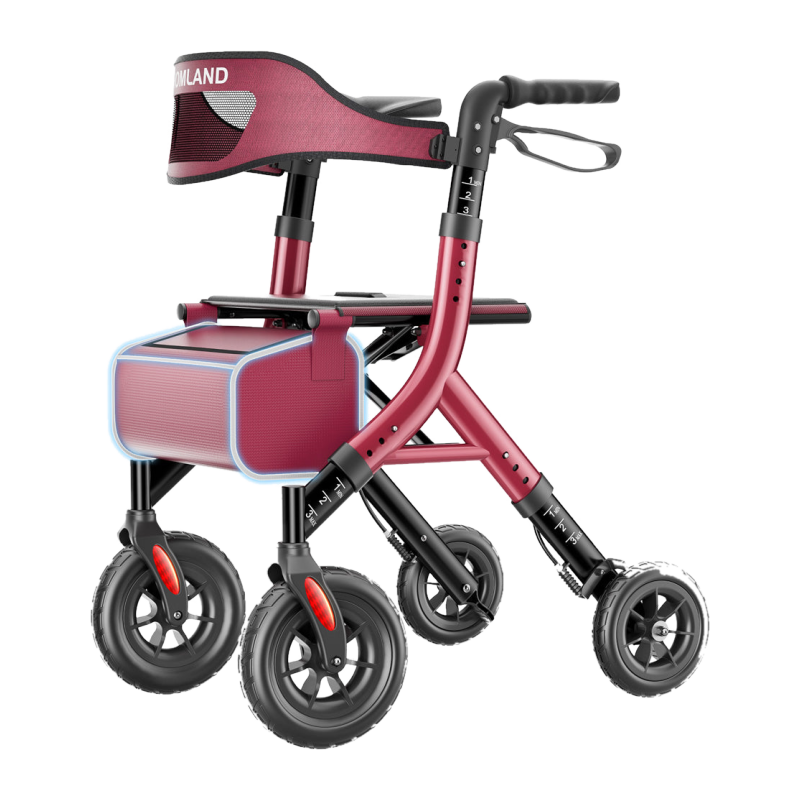
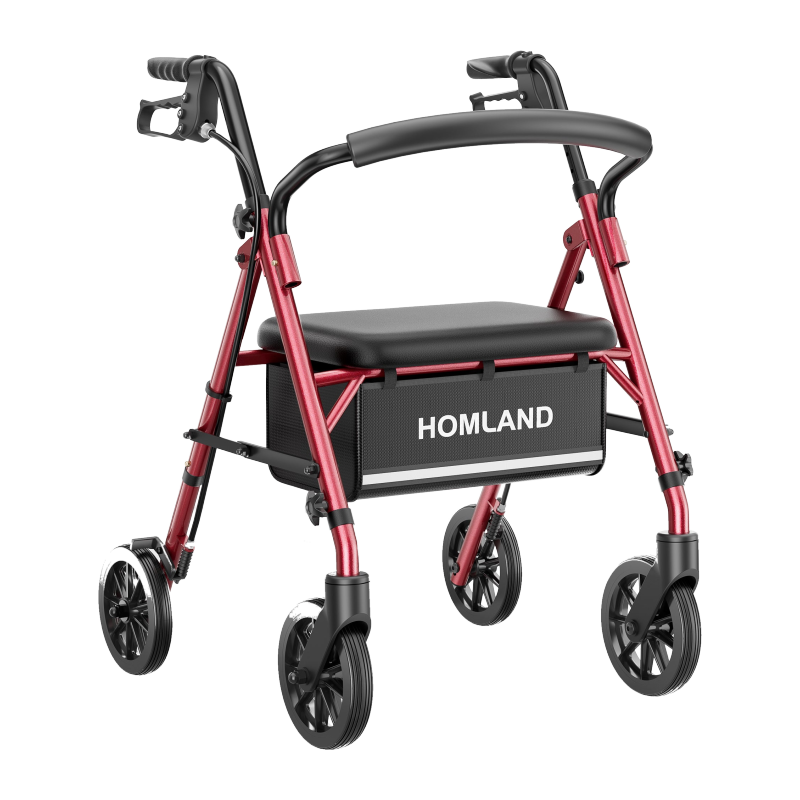
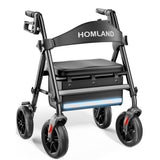
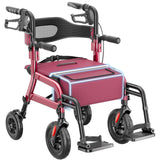
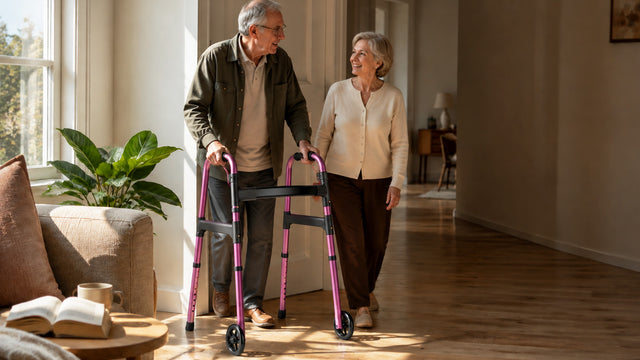
A rolling walker (rollator) is one of the most practical options for people dealing with foot numbness or balance challenges. Unlike a standard walker that requires you to lift and reposition with each step, a rollator rolls smoothly forward, letting you focus on where you're going rather than on the mechanics of moving. Built-in hand brakes give you immediate control, and the integrated seat means you can pause and rest anywhere — a real advantage when fatigue sets in during longer outings or when you need to stop and check your feet mid-walk.
HOMLAND's rolling walkers are engineered specifically for home-friendly use — lightweight enough to maneuver through doorways, with tool-free height adjustment and frames built to support up to 500 lbs on select models, so users can lean in with full confidence. The lineup includes 3-wheel, 4-wheel, upright, and bariatric options, all authorized by licensed Doctors of Physical Therapy (DPT) and FSA/HSA eligible. If you're not sure which style fits your situation best, a physical therapist can assess your gait and recommend the right configuration.
For those recovering from a foot injury or procedure where weight-bearing needs to be limited, a knee scooter offers hands-free mobility that keeps the affected foot completely off the ground — far more comfortable and practical for daily life than crutches. And if a standard walker better matches your stability needs, HOMLAND's options deliver the same tool-free convenience and reliable build quality.
Every HOMLAND product ships from a US local warehouse for fast delivery and is backed by a 1-year manufacturer warranty plus 1-year extended warranty — because peace of mind at home shouldn't stop at the product itself.
When to Call Your Doctor
Daily self-care is powerful, but it works best as a complement to professional monitoring — not a replacement for it. The CDC recommends getting your feet checked at every primary care visit and scheduling a complete foot exam with a foot doctor at least once a year (more often if you already have nerve damage or circulation concerns). Those annual appointments check for feeling and blood flow — things you can't fully evaluate at home on your own.
In between appointments, don't wait to call your doctor if you notice:
- A cut, blister, or sore that hasn't started to improve within a day or two
- Skin that looks red, feels warm, or shows signs of swelling around any wound
- New numbness, tingling, or burning that feels different from your usual symptoms
- Any discoloration of the toes — blue, black, or very pale
- A wound or ulcer that is draining or has an odor
The American Diabetes Association notes that outcomes are consistently better when foot problems are managed by a coordinated team — your primary care doctor, a foot specialist, and potentially a vascular specialist working together. That team-based approach is what transforms good daily habits into a long-term strategy for staying on your feet.
Walking Confidently, Day After Day
Caring for your feet when you have diabetes isn't about fear — it's about respect. Respecting what your body needs, staying one step ahead of problems, and giving yourself the tools to move through each day with confidence. The habits covered in this guide — the daily inspection, the careful washing routine, the right shoes, the consistent movement, the home modifications, the mobility support — each one is a small act that compounds over time into something significant: a home life built on independence, not limitation.
For families supporting a loved one with diabetes, these same steps are the most practical gift you can offer. Not worry, not over-caution — just a well-organized environment and the right equipment that lets the people you care about keep living on their own terms. That's the "home, not hospital" philosophy in practice: thoughtful preparation that makes every day safer without making it feel smaller.
Browse HOMLAND's full range of home mobility and bathroom safety products — all DPT-authorized, FSA/HSA eligible, and built for real life at home.
Need Help Choosing the Right Support?
Whether you're looking for a walker, shower chair, or bathroom safety rail, HOMLAND's team is here to help you find the right fit for your home and your needs. All products are DPT-authorized, FSA/HSA eligible, and backed by a 2-year total warranty.
Contact Us Today