

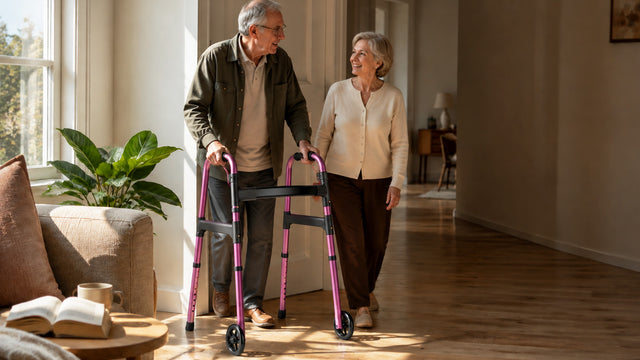

Coming home after knee surgery is a milestone worth celebrating — and one worth preparing for. That first walk from the car to the front door, navigating the bathroom at 2 a.m., or simply lowering yourself onto a chair without wincing: these are the real moments of recovery. They happen at home, not in a hospital room, and how well your home is set up makes a genuine difference in how quickly and confidently you get back on your feet.
This guide walks you through the full mobility aid timeline after knee surgery — from the walker you'll lean on in week one to the day you take your first unaided steps — and pairs it with a practical, room-by-room home setup checklist. Whether you're preparing for your own surgery or helping a parent or spouse get ready, you'll find clear, physical-therapist-informed guidance here. Every product suggestion and tip is aimed at one thing: making home feel safe, comfortable, and entirely your own again.
What to Expect When You First Get Home
Modern knee surgery recovery moves faster than many people expect. In many cases, movement begins within hours of the procedure, and some people are discharged on the same day as their surgery. Your care team will want to see that you can stand, take a few steps with a walking aid, and navigate a short flight of stairs before sending you home. Once you cross your front threshold, the real work — and the real progress — begins.
Physical therapists often remind their clients that recovery isn't about resting until the pain stops; it's about moving carefully so the healing accelerates. Getting up and moving helps prevent blood clots, reduces stiffness, and keeps the surrounding muscles engaged. The key word is carefully. That's where the right home setup and the right mobility aids carry serious weight.
Your Mobility Aid Timeline: Week by Week
Your journey through mobility aids is one of steady progression. You won't need maximum support forever — in fact, moving through each stage is a sign that your recovery is right on track. Here's what that progression typically looks like, keeping in mind that every person heals at their own pace and your surgeon or physical therapist has the final word on your specific timeline.
Day 1 Through Week 1: The Walker Phase
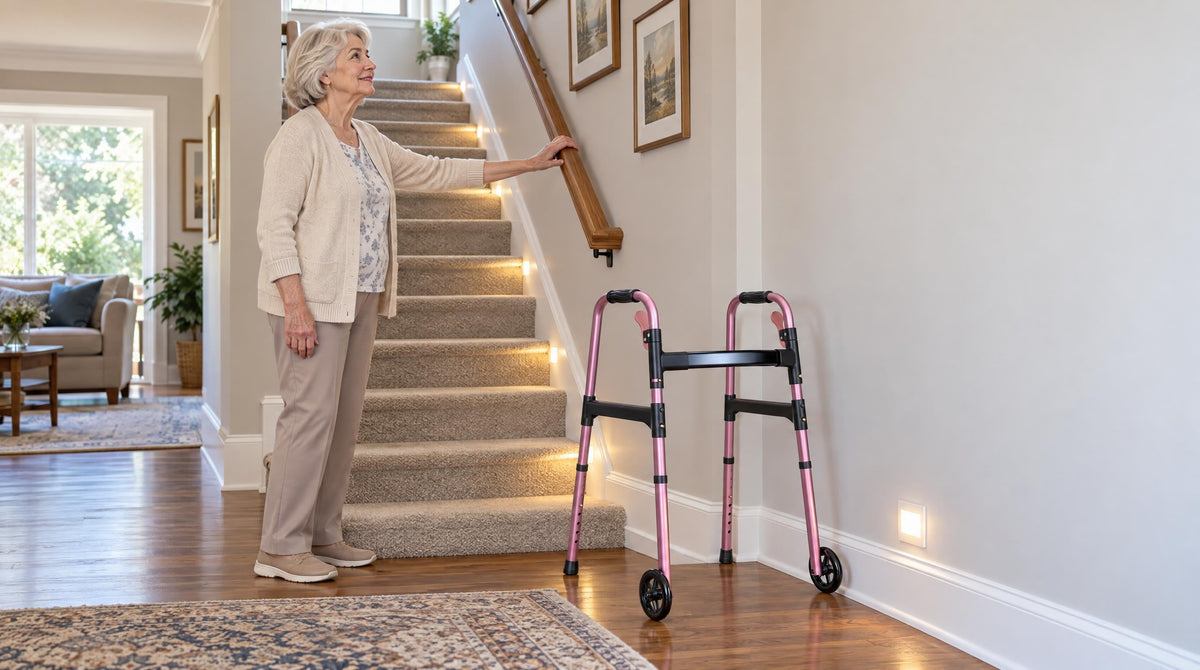
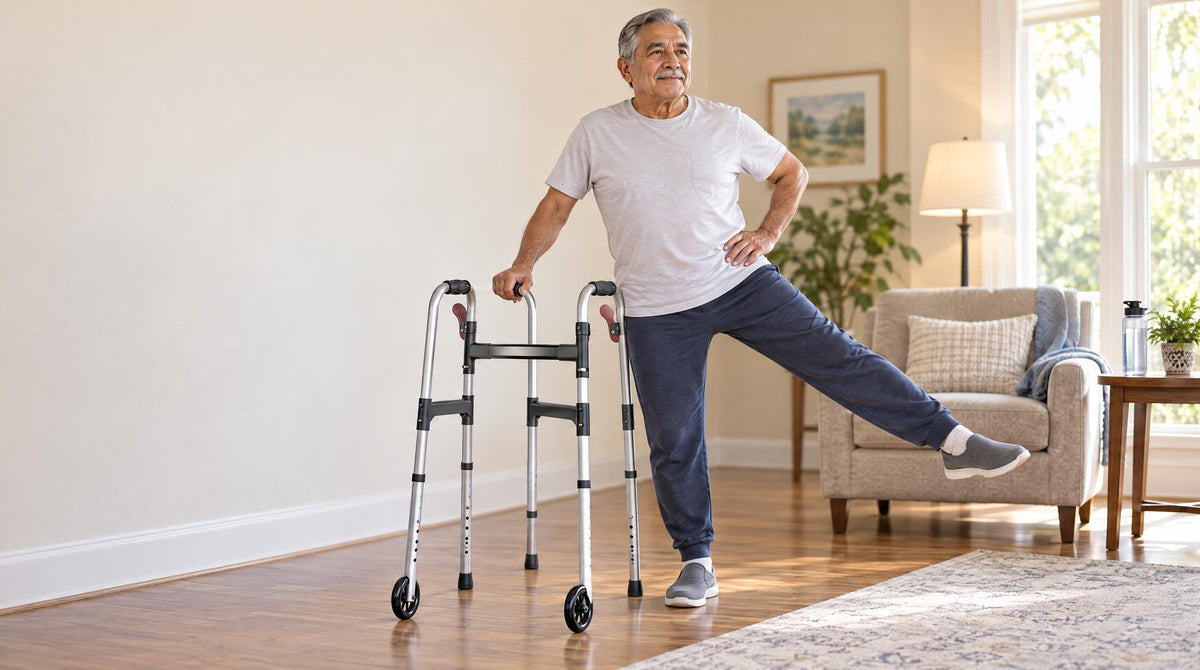
A walker is your best companion for the first days at home after knee surgery. It provides a stable frame on both sides of your body — exactly what you need when your strength and balance are still rebuilding. Physical therapists typically recommend walkers at this stage because they allow you to limit weight-bearing while still getting up and moving, which is critical for preventing complications and reducing stiffness. At this point, your daily exercises will focus on gently restoring your walking pattern, improving range of motion, and starting to rebuild strength in the muscles around the knee.
During week one, you'll likely spend most of your time alternating between short walks around the home and sitting with your leg elevated. Pain, swelling, and some bruising are all expected — follow your care team's guidance on medication, ice, and elevation. If you notice severe pain during movement or swelling that seems to be worsening rather than improving, pause and contact your healthcare provider.
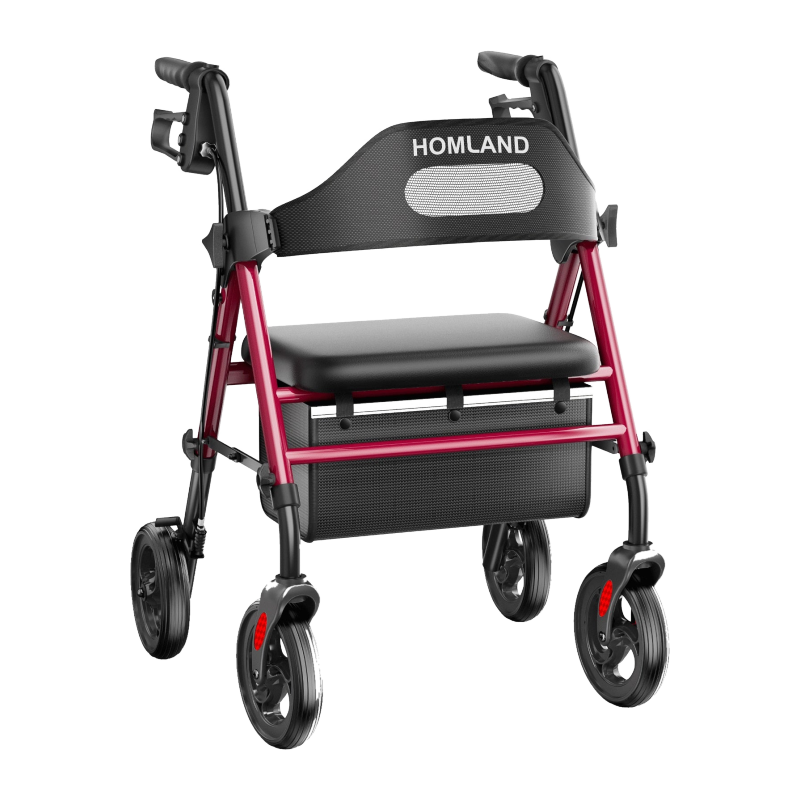
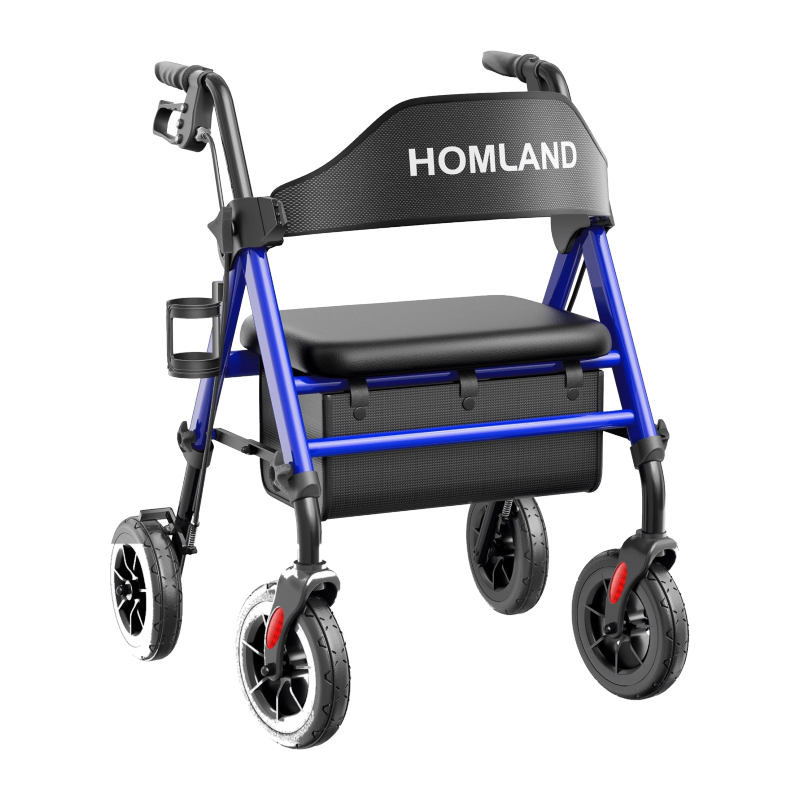
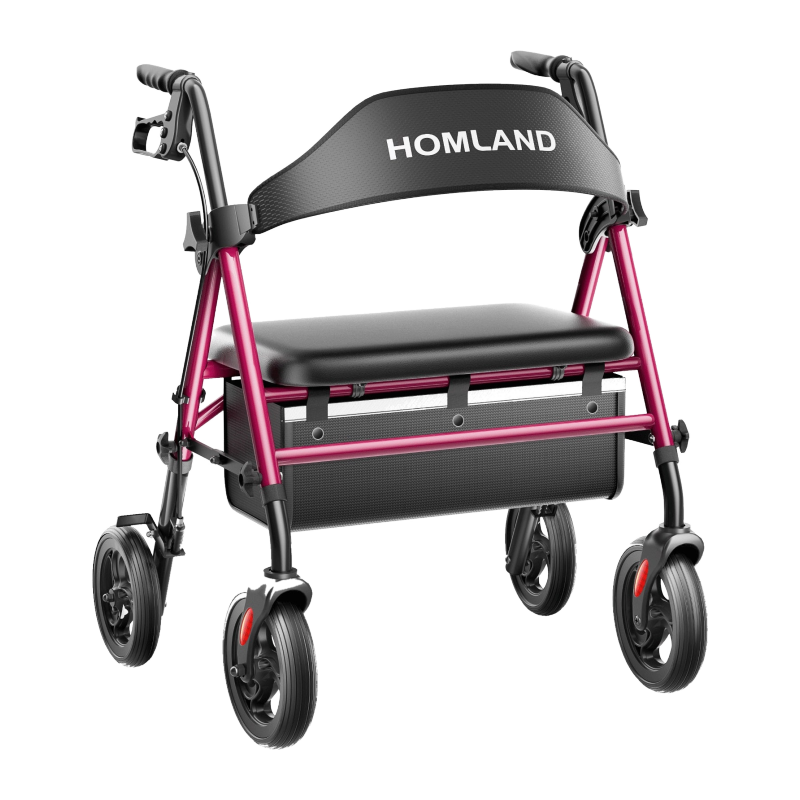
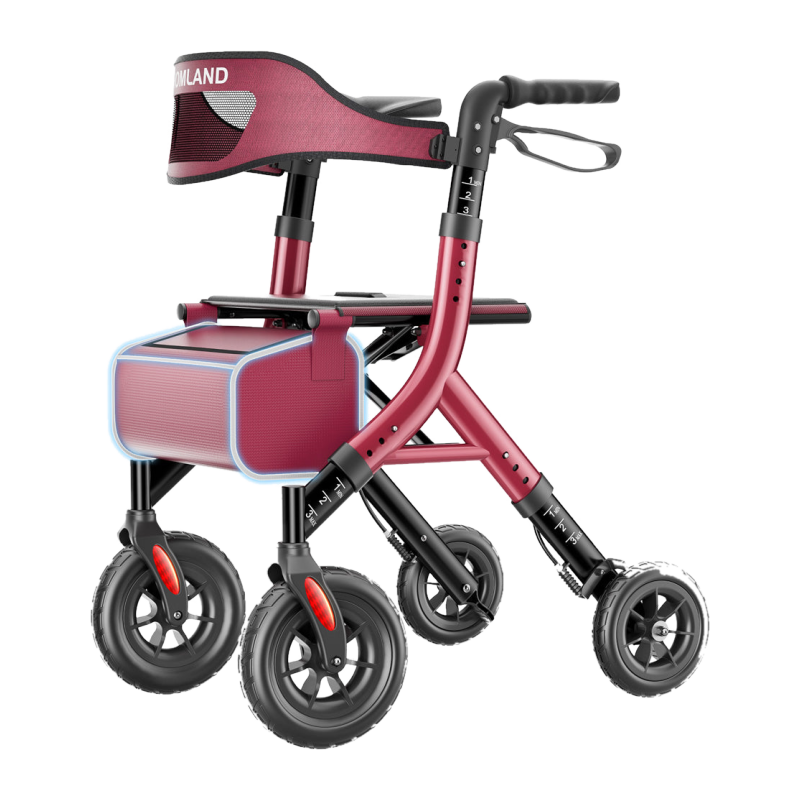
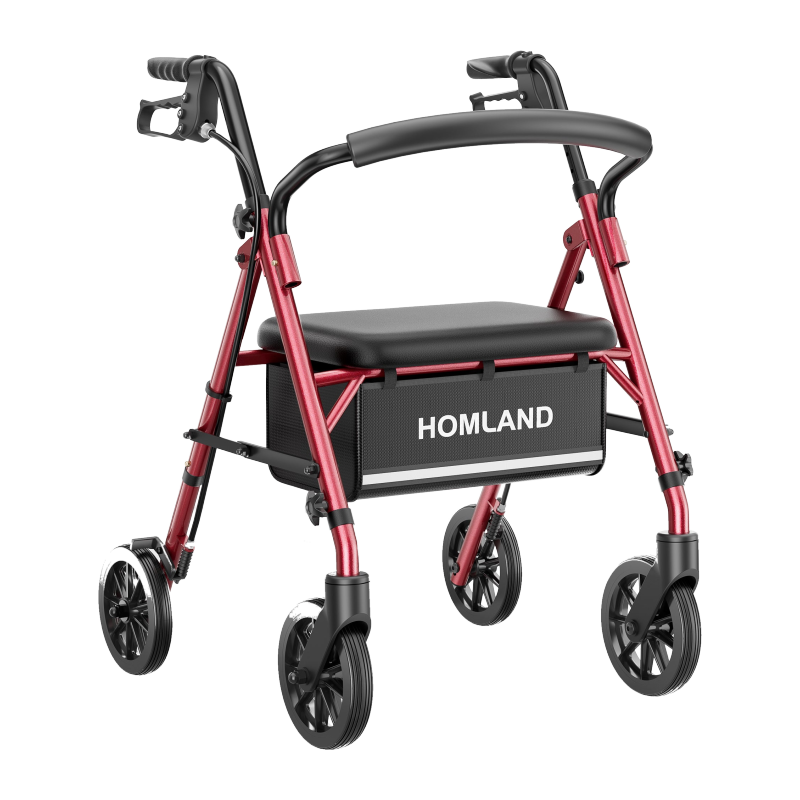
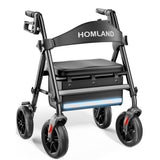
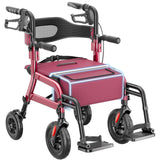
For many people, a four-wheel rolling walker with a seat is especially practical at this stage. The seat lets you pause and rest without needing to find a chair, and the wheels mean you're not lifting and repositioning the walker with every step. Explore HOMLAND's Rolling Walker collection — each model is designed for tool-free assembly and adjustable height, so it's ready to use right away, without waiting for someone to assemble it for you.
Weeks 2–3: Graduating to a Cane (or Nothing at All)
By weeks two and three, most people make a meaningful leap: they're ready to transition from a walker to a cane, or in some cases, to walk unassisted for short distances. This is a significant milestone — and it's one worth acknowledging. The shift from a walker to a cane reflects real gains in strength, coordination, and confidence. A cane offers a different kind of support than a walker: held on the opposite side from your surgical knee, it helps redistribute your weight and improve balance, but it asks more of you in terms of coordination and muscle engagement.
One practical tip from physical therapists: hold the cane in the hand opposite to your new knee. This helps offset your weight naturally and improves the mechanics of your stride. Also, during this phase, alternate between sitting and walking rather than sitting for long stretches — prolonged sitting tends to make the knee feel stiff and reluctant to move again.
At this stage, showering and dressing also become more manageable, and most people can stand and walk for more than 10 continuous minutes. By week three, many people no longer need prescription pain medication to get through the day.
Weeks 4–6: Building Strength and Reclaiming Independence
After a month, most people notice a real turning point. Swelling decreases noticeably, the range of motion in the knee improves with daily exercise, and the idea of getting back to normal life starts to feel genuinely realistic. Physical therapy at this stage often adds longer walks, gentle standing exercises like toe and heel raises, and hip abductions to rebuild the muscle groups that support the knee.
In most cases, you'll no longer need a cane or any walking aid to move around the house by this point. Some people return to desk-based work around weeks four to six, and many are cleared to start driving, subject to their surgeon's approval. Travel is generally possible after week six, though long periods of sitting during a flight should be approached carefully.
This is also the phase when a standard walker may still be useful for certain situations — navigating unfamiliar terrain outdoors, for example, or getting up from a low surface — even if you're walking freely indoors without one. Having it available builds confidence without becoming a crutch.
Weeks 7–12 and Beyond: The Long Game
Physical therapy typically continues through week 12, with exercises growing progressively more demanding as the knee builds strength and range of motion. By this point, many people are enjoying low-impact activities like recreational walking, cycling, and swimming. High-impact activities — running, skiing, basketball — are still off the table and require explicit clearance from your surgeon before attempting.
Full recovery — the kind where the knee feels as strong and resilient as possible — can take six months to a year. That's not a reason for discouragement; it's simply the reality of how bone, tissue, and muscle heal and adapt. Staying consistent with exercises, keeping follow-up appointments, and listening to your body throughout this period are the most reliable predictors of a successful long-term outcome.
For people who had an injury rather than a replacement — such as those recovering from ACL reconstruction or meniscus surgery — a knee scooter can be an excellent alternative to crutches during the early non-weight-bearing phase. Knee scooters keep the surgical leg elevated and off the ground while giving you the freedom to move around your home, kitchen, and garden without putting strain on the recovering joint.
Room-by-Room Home Setup Guide
The most important thing you can do before surgery day — for yourself or for a loved one — is to prepare the home in advance. Coming home to a safe, well-organized space means you can focus entirely on recovering, rather than navigating hazards or improvising workarounds on a painful knee. Think of it as building your own recovery zone, room by room.
The Bathroom: Your Highest-Risk Zone
The bathroom is where falls are most likely to happen during recovery — wet floors, awkward movements, and tight spaces create a real challenge when your knee is healing and your balance is still rebuilding. Setting it up properly before you come home can take what feels like a stressful obstacle and turn it into a routine you handle with ease every day.
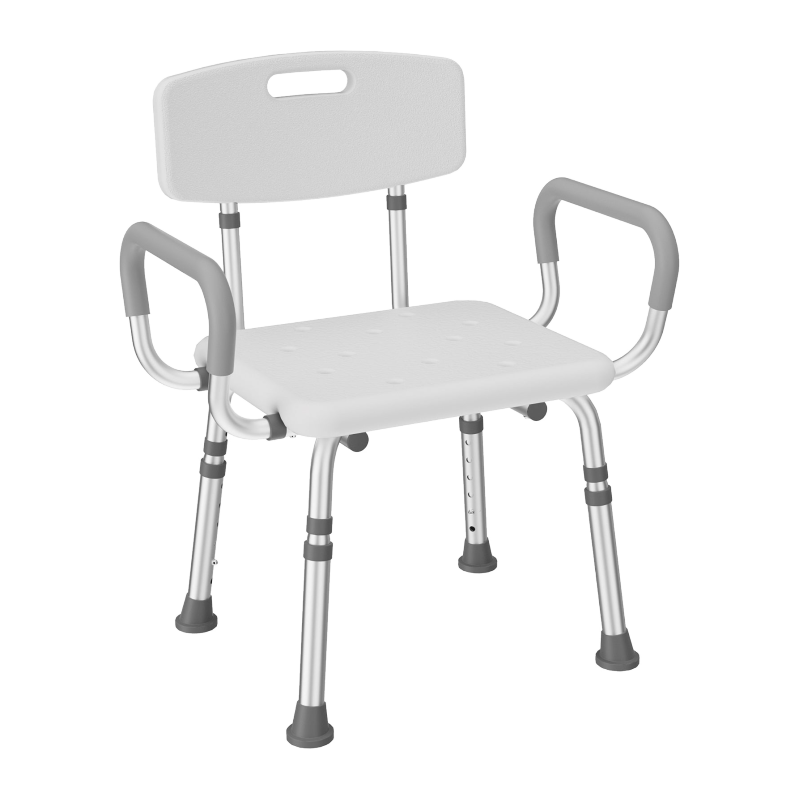
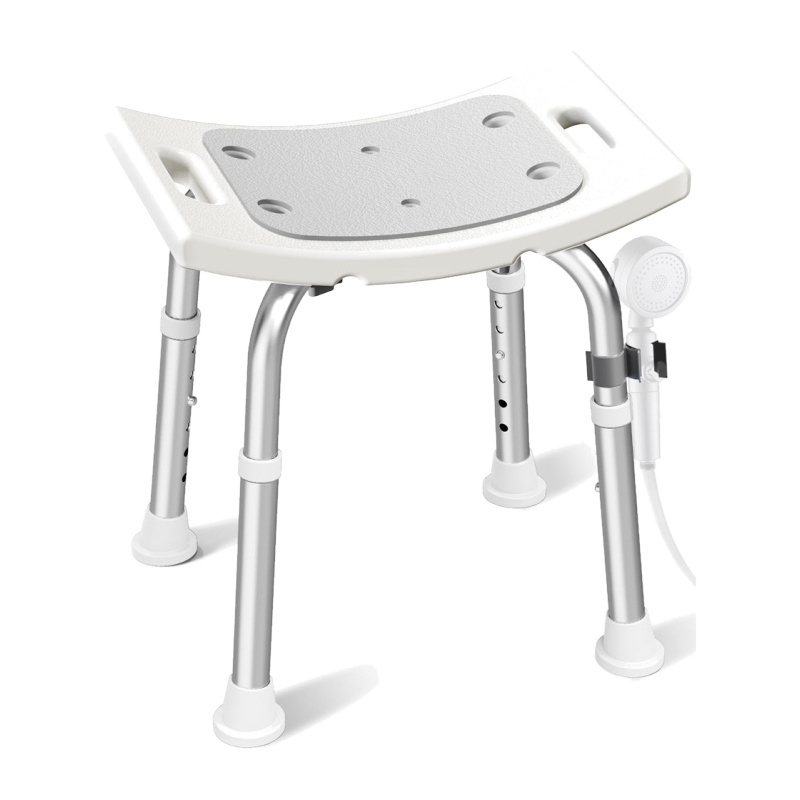
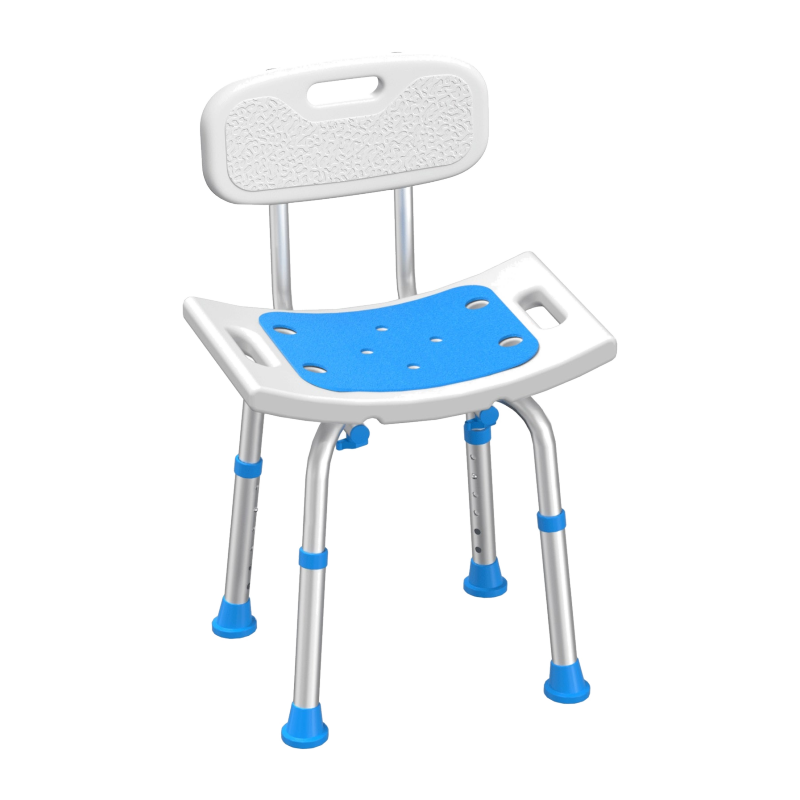
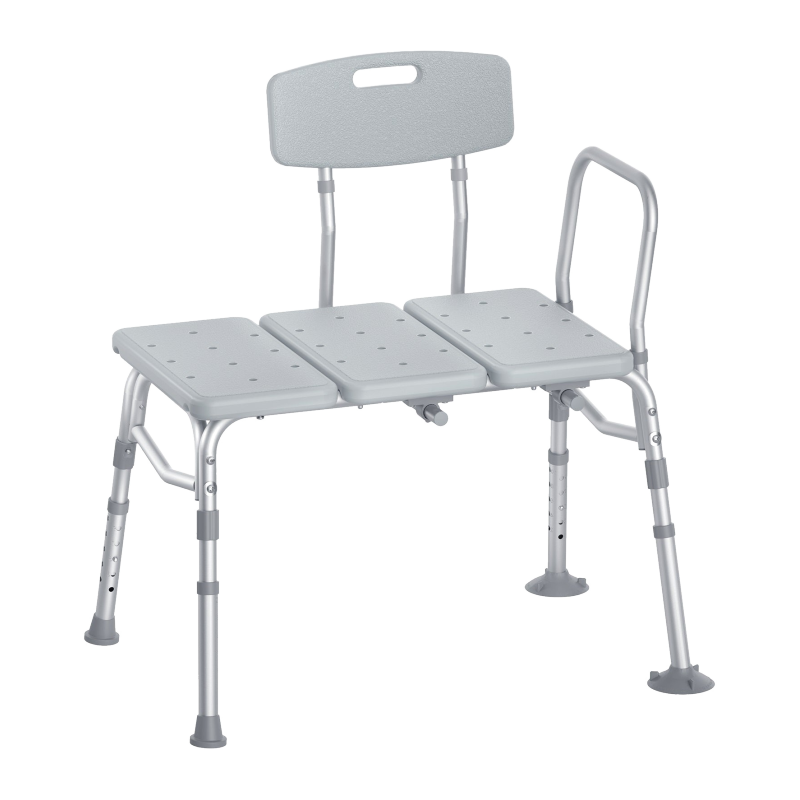
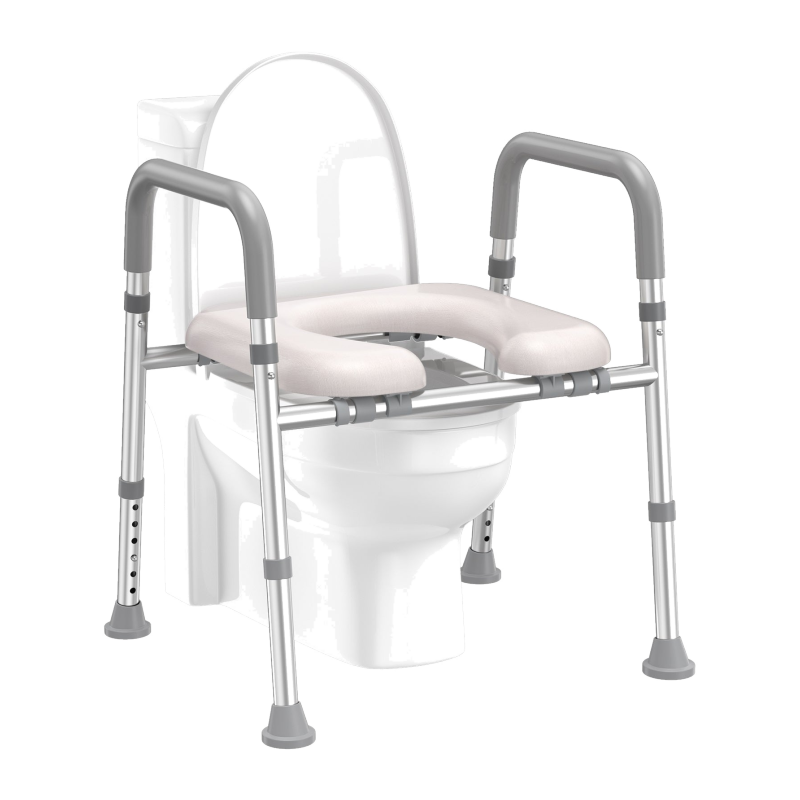
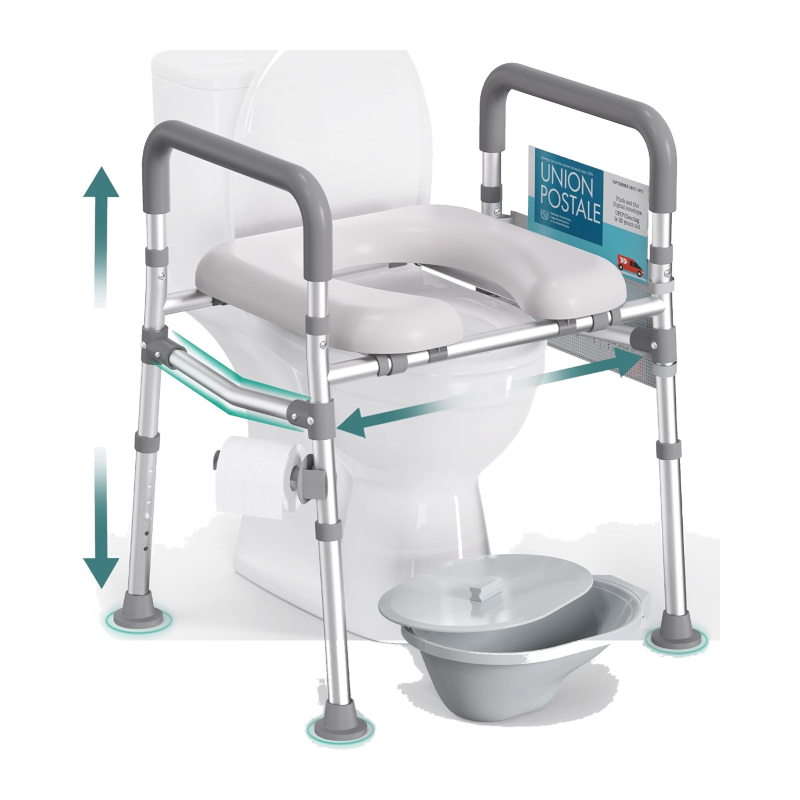
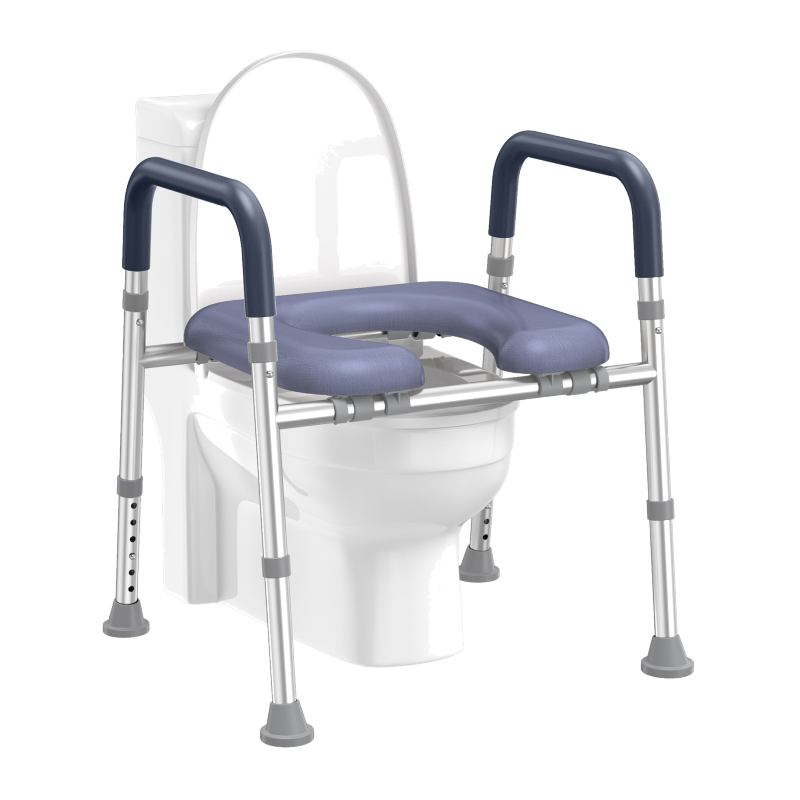
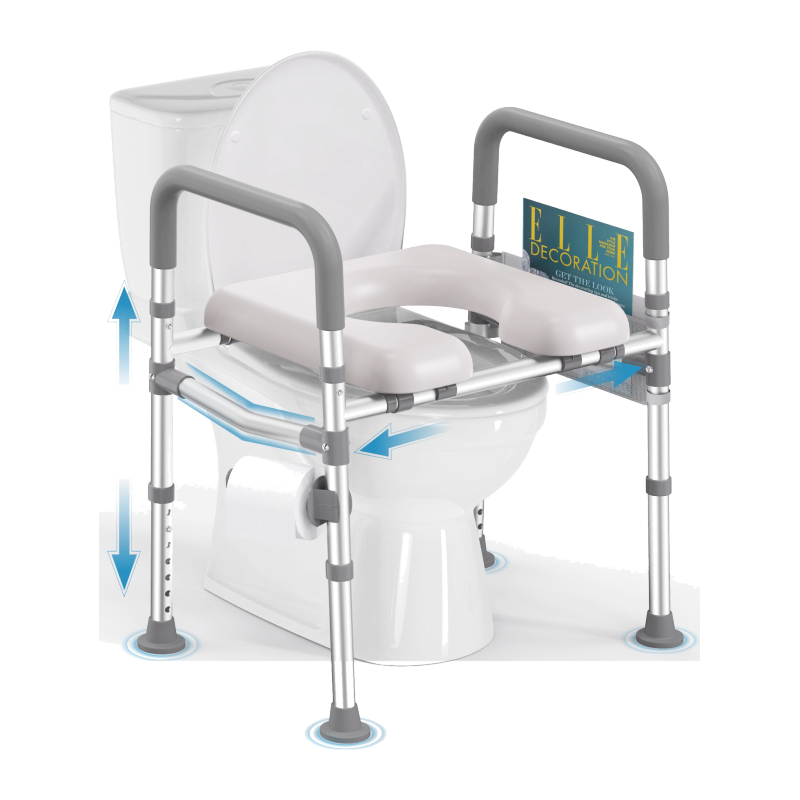
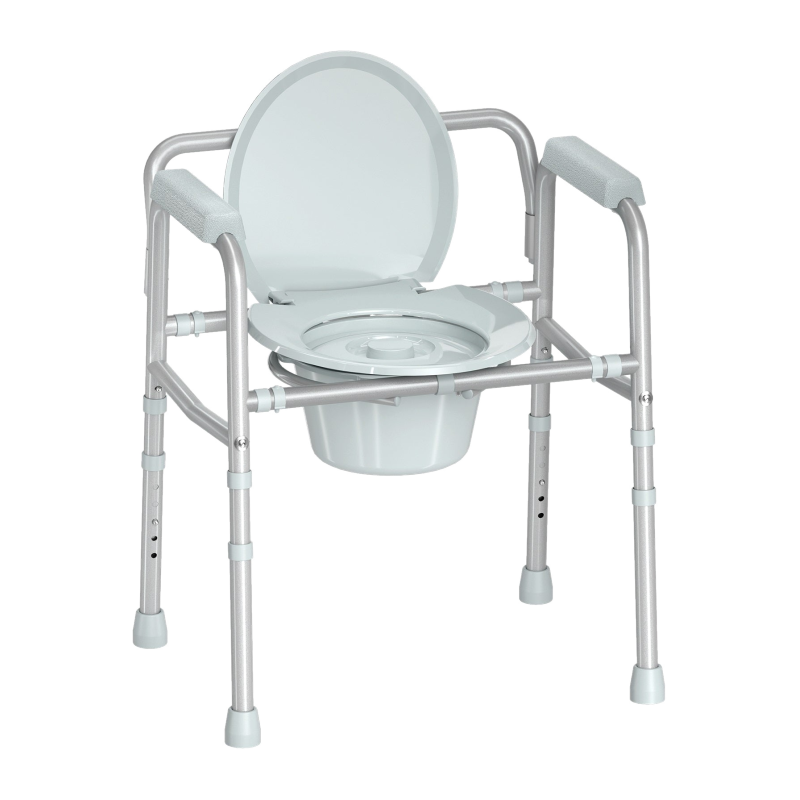
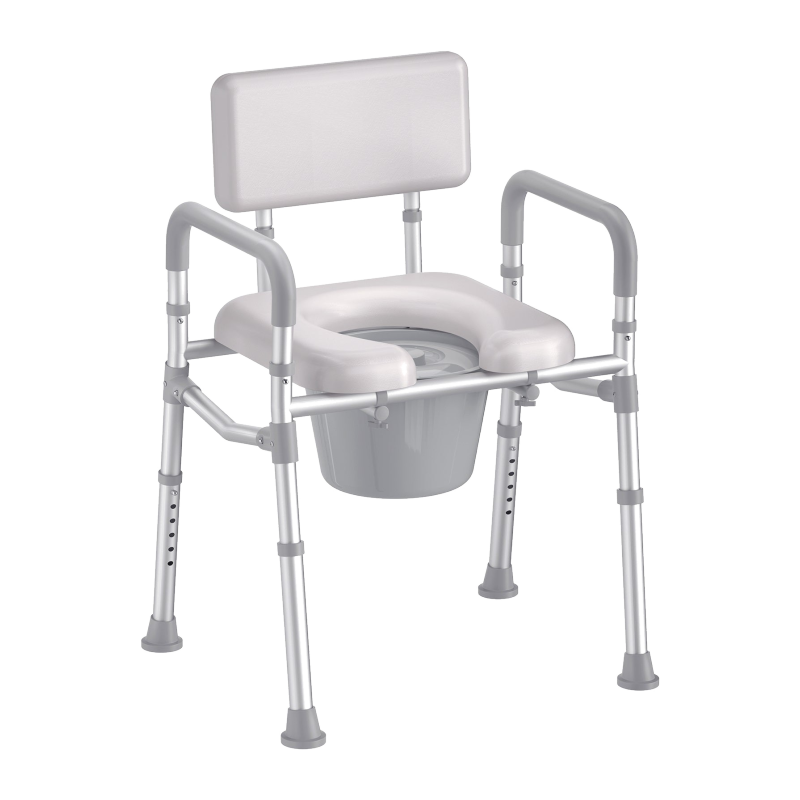
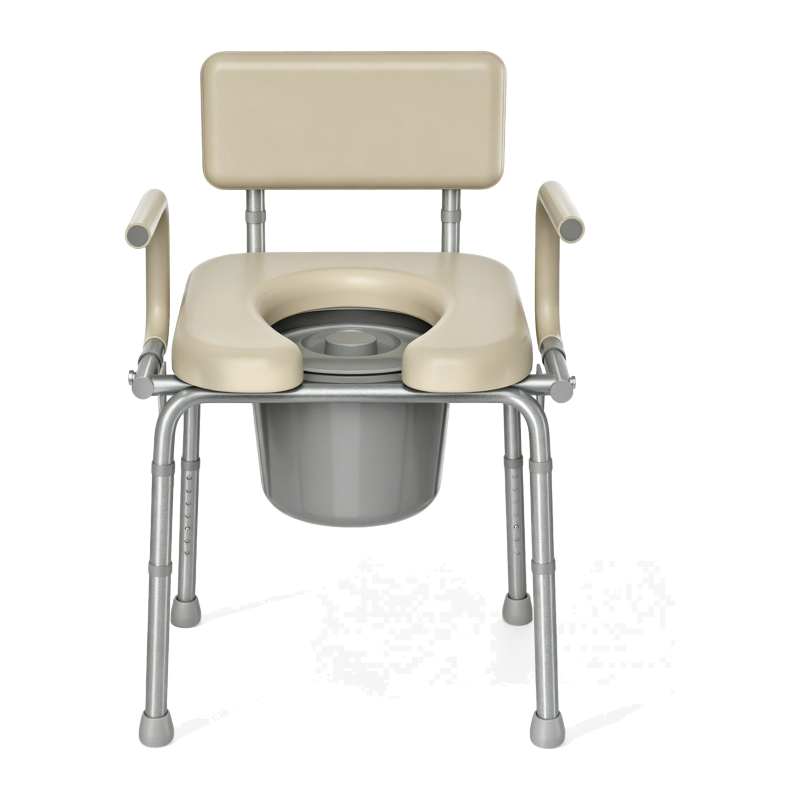
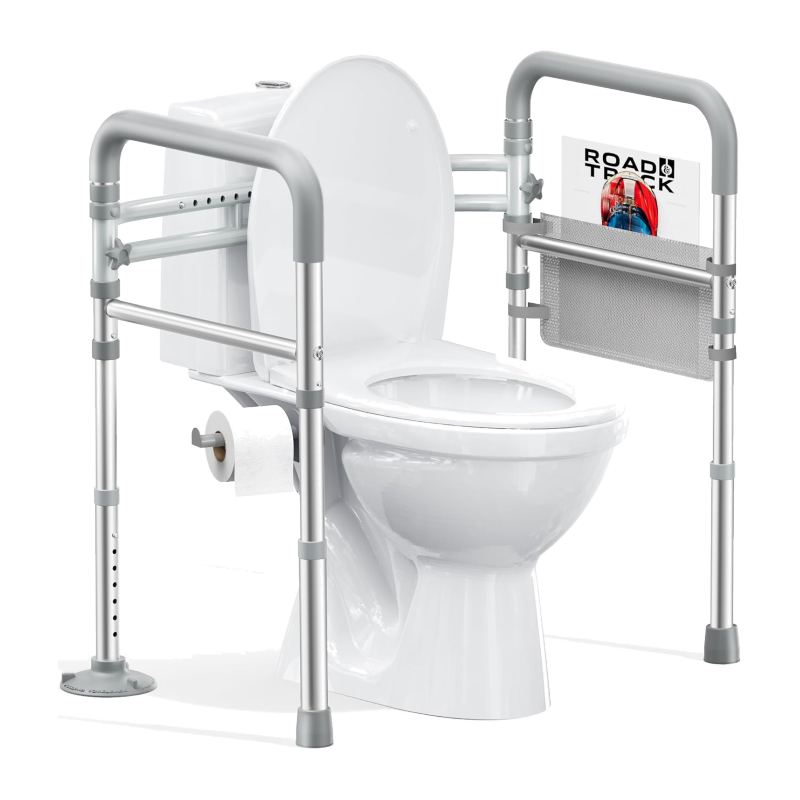
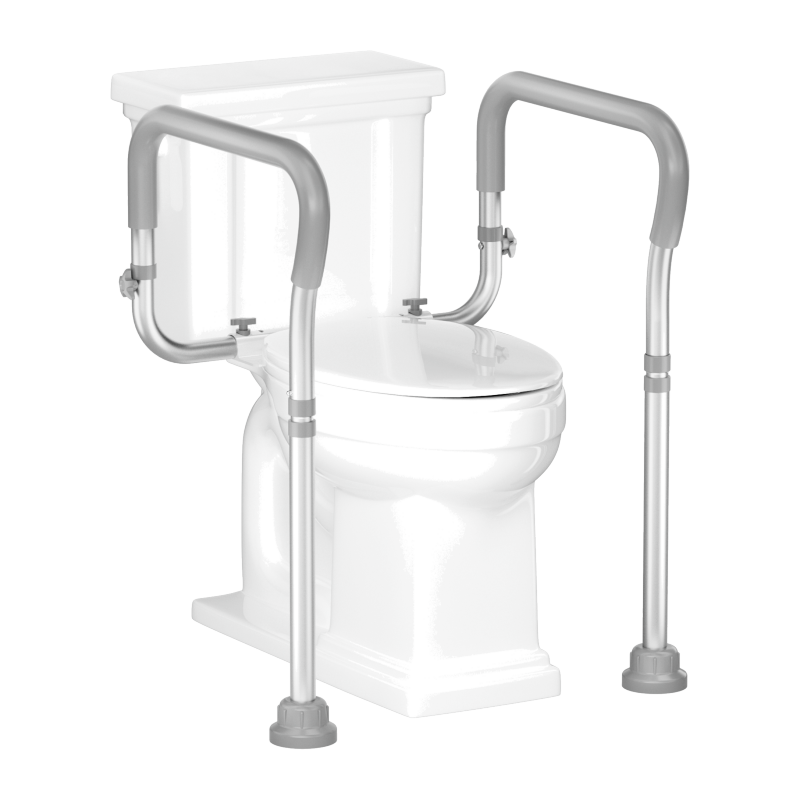
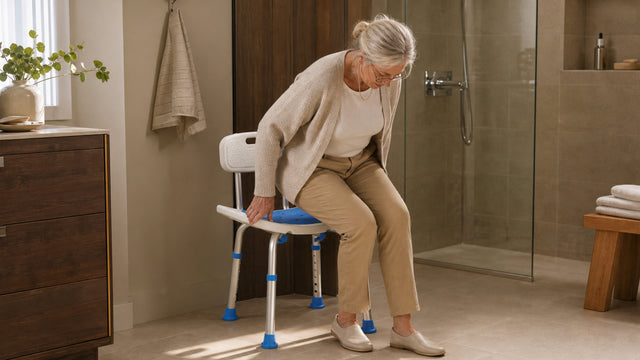
Physical therapists consistently recommend a few key additions to any bathroom during knee recovery. A shower chair or transfer bench allows you to bathe seated, removing the need to balance on one leg in a wet enclosure. A raised toilet seat or toilet safety rail makes sitting down and standing up far easier — bending the knee deeply while lowering onto a standard toilet can be painful and risky in the first weeks after surgery, and a raised seat reduces that bend significantly. If you're concerned about nighttime trips to the bathroom, a bedside commode can eliminate the need to walk to the bathroom altogether during the earliest days of recovery.
- Shower chair or transfer bench: Seated bathing is safer and more comfortable. Browse HOMLAND's Shower Chair collection — models are height-adjustable and built for home use, not institutional settings.
- Raised toilet seat or toilet safety rail: Reduces the depth of knee bend when sitting and standing. HOMLAND's Toilet Safety Rail options provide sturdy grip points on both sides of the seat. All HOMLAND bathroom safety products are FSA/HSA eligible, backed by a 1-year manufacturer warranty plus a 1-year extended warranty, and shipped from a US local warehouse for fast delivery.
- Non-slip bath mat: Apply adhesive strips or a textured mat inside the tub or shower floor to eliminate slipping on wet surfaces.
- Handheld shower head: Lets you direct water without twisting or turning the recovering leg.
One detail worth remembering: your surgical incision needs to stay dry for a period that your surgeon will specify — waterproof dressings may allow showering sooner, while traditional dressings typically require waiting five to seven days. Confirm this with your care team before your first shower at home.
The Bedroom: Safe Transitions In and Out of Bed
Getting in and out of bed is one of the movements that catches people off-guard after knee surgery. A bed that's too low requires you to push hard through a deeply bent knee to stand; a bed that's too high makes lowering yourself a difficult, jarring maneuver. The ideal bed height allows your feet to rest flat on the floor when you sit on the edge — this gives you the leverage you need to stand without straining the healing joint.
If your bedroom is on an upper floor, strongly consider setting up a temporary sleeping area on the ground floor for at least the first two to three weeks. Stairs are manageable, but minimizing them during the earliest phase of recovery reduces both pain and fall risk. Keep a lamp or nightlight within easy reach — getting up in the dark with a healing knee and reduced balance is exactly the scenario that leads to avoidable falls.
- Bed rail: A sturdy handle at the side of the bed gives you something to push against and steady yourself when getting up in the night. HOMLAND's Bed Rails are designed for home use, with adjustable heights and tool-free setup.
- Firm mattress surface: Avoid sinking into a soft mattress — it makes standing back up significantly harder. A firm surface preserves your ability to push up independently.
- Items within arm's reach: Keep water, your phone, pain medication, and a small flashlight on a bedside table so you never need to reach or get up unnecessarily in the first days home.
Living Areas and Hallways: Clear Paths, Confident Steps
Your walker needs room — at least three feet of clear walking path through every hallway and between pieces of furniture you'll move past regularly. Before surgery, walk through your home with that width in mind. Move coffee tables, remove throw rugs (a significant tripping hazard), tuck away electrical cords, and clear any clutter from the floor. This is also a good time to rearrange your kitchen so the things you use most are at counter height — reaching into low cabinets requires bending, and bending in the first weeks after knee surgery is uncomfortable and potentially risky.
Set up a primary recovery area — most people use the living room — with a firm, high-backed chair that has armrests. Soft sofas and low chairs look comfortable but can trap you: the effort to push yourself up from a sinking seat is surprisingly taxing on a healing knee. A recliner or a footstool for leg elevation is a genuine asset. Place everything you'll need within arm's reach: remote control, water, phone, reading materials, and any medications.
Choosing the Right Mobility Aids at Each Stage
Not every walker or walking aid is the same, and the right tool for week one may not be the right tool for week six. Here's a quick-reference guide to matching the aid to the stage of recovery:
- Standard walker (days 1–10): Maximum stability with four contact points. Ideal when you need to strictly limit weight-bearing. HOMLAND's standard walkers feature tool-free height adjustment and a non-slip rubber grip — ready to use right out of the box.
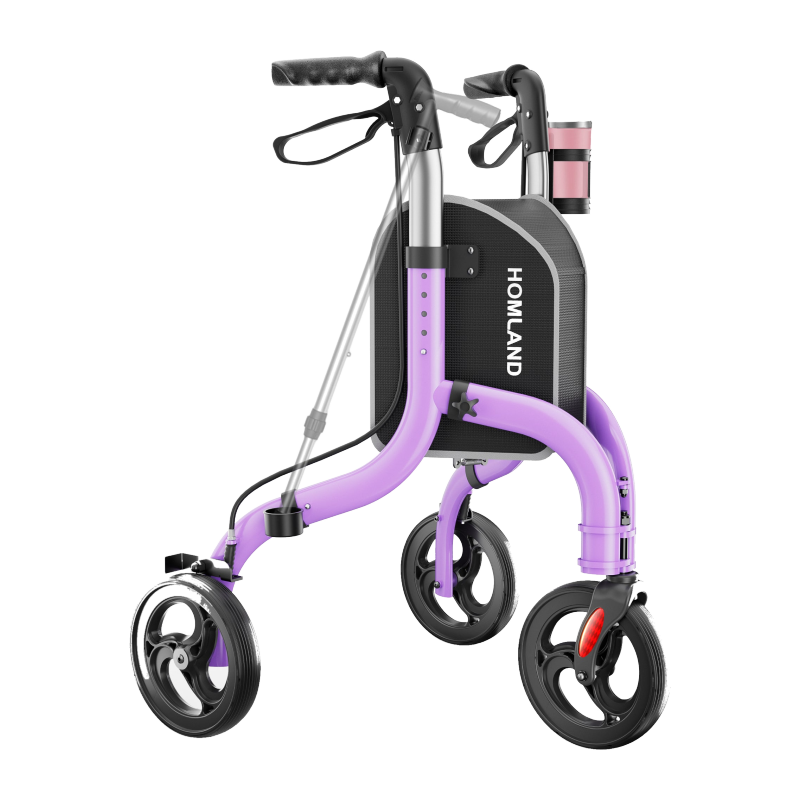
- Four-wheel rolling walker / rollator (weeks 1–4): The built-in seat makes resting easy during longer indoor walks, and the wheels allow a more natural stride. Ideal as strength builds. Browse HOMLAND's Rolling Walkers, which hold #1 positions on Amazon US and are available in upright and bariatric models.
- Knee scooter (for non-weight-bearing injuries): For ACL, meniscus, or other surgeries where the foot must stay off the ground, a knee scooter offers hands-free mobility that crutches can't match. See HOMLAND's Knee Scooter options for home-friendly designs with easy steering.
- Cane (weeks 2–6+): The transition aid. Hold it in the hand opposite your surgical knee. Lightweight options are easier to manage; a quad cane (with four feet) offers extra stability if balance remains a concern.
All HOMLAND mobility and home safety products are authorized by licensed Doctors of Physical Therapy, FSA/HSA eligible, and backed by a 1-year manufacturer warranty plus a 1-year extended warranty. If you're shopping for a loved one, the US local warehouse means fast delivery — no waiting weeks for equipment to arrive when you need it now. See the full HOMLAND product collection for everything in one place.
For Caregivers: How to Support Without Taking Over
If you're reading this because a parent, spouse, or close friend is heading into knee surgery, your instinct to help is one of the most valuable things they have. But one of the most important things physical therapists will tell caregivers is this: the goal of every piece of equipment and every modification is to keep the person recovering as independent as possible. Help when asked; encourage when hesitant; step back when they're capable.
Practically, your most important jobs in the first week are preparation and logistics: set up the home before they return, ensure all equipment is in place and adjusted correctly, and arrange transportation for follow-up appointments. Stock the fridge with easy-to-prepare meals. Keep walkways clear daily — clutter has a way of reappearing. And make sure the right aids are easily accessible at all times, especially at night.
The best gift you can give someone recovering from knee surgery isn't doing everything for them — it's setting up an environment where they can do as much as possible themselves. Every independent step, every successful trip to the bathroom alone, every morning they get out of bed without help is a genuine win. That's what the right home setup makes possible.
Warning Signs to Watch For During Recovery
Recovery generally progresses in a steady, if gradual, direction. But it's important to know which signs warrant a call to your care team rather than a wait-and-see approach. Contact your surgeon or healthcare provider if you notice:
- Sudden increase in pain, swelling, or warmth around the knee that worsens rather than improving
- Redness, discharge, or any sign of infection at the incision site
- A fever above 101°F (38.3°C)
- Calf pain, swelling, or tenderness in the lower leg — these can be signs of a blood clot and should be treated as urgent
- Severe pain during exercises that doesn't ease when you stop
- Numbness or tingling that is new or worsening
None of these symptoms are common, but catching them early makes a significant difference. When in doubt, always call rather than wait.
Frequently Asked Questions
How long will I need a walker after knee surgery?
Most people use a walker for the first one to two weeks after knee surgery, then transition to a cane or walk unassisted by weeks two to three. The exact timeline depends on your type of surgery, your overall fitness going in, and how your healing progresses. Your physical therapist will guide you on when it's safe to step down.
Do I need a raised toilet seat after knee surgery?
Physical therapists commonly recommend a raised toilet seat or toilet safety rail after knee surgery, especially in the first two to four weeks. Lowering onto a standard toilet requires a deeper knee bend than most people can manage comfortably during early recovery, and the risk of losing balance is real. A raised seat reduces that bend and makes sitting and standing significantly safer and less painful.
Can I shower after knee surgery?
Most surgeons allow showering within a few days of knee surgery, depending on the type of wound dressing used. Waterproof dressings may allow showering the day after surgery; non-waterproof dressings typically require waiting five to seven days. A shower chair or transfer bench is strongly recommended regardless — seated bathing eliminates the risk of slipping or losing balance in a wet enclosure.
Is a knee scooter better than crutches?
For surgeries that require keeping the foot entirely off the ground — such as ACL repairs or certain fractures — many people find knee scooters considerably more comfortable and easier to use than crutches. They free your hands, are gentler on your upper body, and allow you to move around your home more naturally. Your surgeon or physical therapist will advise whether a knee scooter is appropriate for your specific procedure.
Are mobility aids FSA/HSA eligible?
Yes — most mobility aids and home safety equipment used for post-surgical recovery, including walkers, knee scooters, raised toilet seats, shower chairs, and bed rails, are FSA/HSA eligible. HOMLAND's full product lineup qualifies, making it straightforward to use your healthcare spending account toward the equipment you need.
Recovery Happens at Home — Set It Up Right
Knee surgery recovery is a journey that unfolds one day, one walk, and one carefully navigated bathroom visit at a time. The clinical part — the procedure itself — is behind you. What happens next depends enormously on the environment you return to and the tools you have available. A walker that's the right height, a shower chair that gives you confidence, a toilet rail that means you don't need to ask for help: these aren't small details. They're the foundation of a recovery that keeps you independent, comfortable, and moving forward.
Whether you're preparing your own home or setting up a space for someone you love, every modification you make before that first day home is an investment in a smoother, faster, and more dignified recovery. Home, not hospital — that's where healing happens best.
Ready to Set Up Your Recovery Space?
HOMLAND's full range of post-surgery home safety equipment — from rolling walkers and knee scooters to shower chairs, raised toilet seats, and bed rails — is designed with one goal in mind: helping you recover at home, on your own terms. All products are DPT-authorized, FSA/HSA eligible, backed by a 1-year manufacturer warranty plus 1-year extended warranty, and shipped fast from our US local warehouse.
Have questions about which product is right for your recovery stage? Contact our team — we're here to help you find exactly what you need.