



Activities of daily living (ADLs) are the basic self-care tasks a person does every day to look after themselves — bathing, dressing, eating, using the toilet, moving from place to place, and staying continent. How well someone manages their ADLs is a common way to measure how much support they need at home.
In short: the essential daily self-care tasks — bathing, dressing, eating, toileting, moving, and continence.
What Are Activities of Daily Living?
Activities of daily living, usually shortened to ADLs, are the fundamental things we all do to care for ourselves each day. The idea gives families and care teams a shared, plain way to talk about how independently a person is managing.
There are six basic ADLs that most lists agree on:
- 1Bathing — washing in the shower, bath, or at a sink.
- 2Dressing — choosing and putting on clothes.
- 3Eating — feeding oneself, once food is prepared.
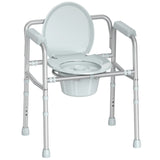
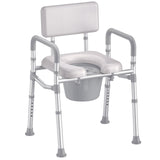
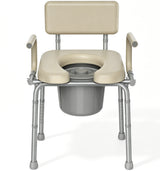
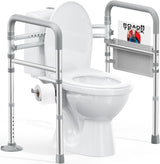
- 4Toileting — getting to and using the toilet.
- 5Transferring — moving between surfaces, like bed to chair or chair to standing.
- 6Continence — controlling the bladder and bowels.
When someone can do all six on their own, they are independent in their ADLs. When one or two become difficult, that is often the first sign that a little support — a piece of safety equipment or a helping hand — would make daily life easier and safer.
Who Is It For and When Is It Used?
ADLs come up whenever a family or care team is trying to understand how someone is coping at home — after a hospital stay, a new diagnosis, or simply as abilities change over time. Talking in terms of ADLs makes the conversation concrete instead of vague.
For the person, ADLs are the heart of independence and dignity. Being able to bathe, dress, and use the bathroom on one’s own terms matters deeply, and the goal of any support is to protect that independence, not replace it.
For a caregiver, thinking through each ADL helps you see exactly where help is needed. Maybe walking and eating are fine, but stepping into the tub or rising from a low toilet has become risky — a specific problem that often has a specific, reassuring solution.
ADLs vs IADLs: What’s the Difference?
You may also hear about IADLs — instrumental activities of daily living. Here’s how they compare:
| ADLs (Basic) | IADLs (Instrumental) | |
|---|---|---|
| What they cover | Core self-care tasks | More complex tasks for living independently |
| Examples | Bathing, dressing, eating, toileting, transferring, continence | Cooking, shopping, managing money, housework, taking medications, using the phone |
| When they falter | Often signals a need for hands-on care | Often signals a need for help around the house |
| Complexity | Basic and essential | Higher-level and more involved |
The simple guide: ADLs are the basic tasks of caring for your own body, while IADLs are the more complex tasks of running a household and life. People often need help with IADLs before ADLs, so difficulty with the basic ADLs usually points to a greater need for support.
How to Support Someone With Their ADLs
A few plain-language pointers:
- 1Look at each task. Go through the six ADLs one by one to find exactly where support would help most.
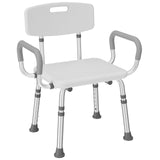
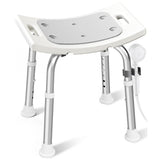
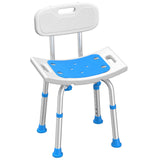
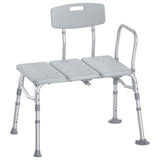
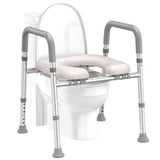
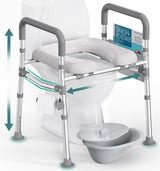
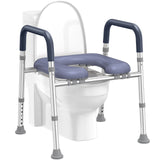
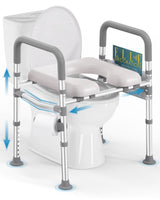
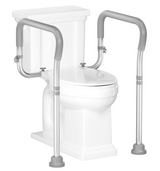
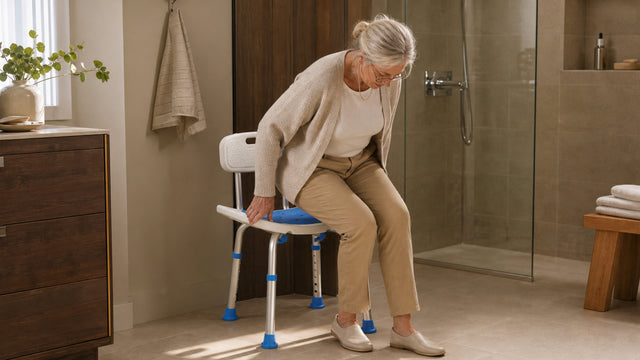
- 2Target the hard moments. Bathing and toileting are common trouble spots; a shower chair, transfer bench, grab bar, or raised toilet seat can make them safer.
- 3Support transferring. If moving between bed, chair, and toilet is hard, sturdy support at the right height makes a real difference.
- 4Preserve independence. Choose the least intrusive help that keeps the person doing the task themselves, so their dignity and agency stay intact.
Frequently Asked Questions
Activities of daily living, or ADLs, means the basic self-care tasks a person does each day — bathing, dressing, eating, toileting, transferring, and continence. How well someone manages these tasks is a common way to gauge how much support they need at home.
The definition of activities of daily living is the set of fundamental self-care tasks needed to look after oneself day to day. The six basic ADLs are bathing, dressing, eating, toileting, transferring between surfaces, and maintaining continence.
The basic activities of daily living are usually listed as six tasks: bathing, dressing, eating, toileting, transferring (moving between surfaces such as bed to chair), and continence. Managing all six independently is a sign of self-sufficiency at home.
ADLs are basic self-care tasks like bathing, dressing, and toileting. IADLs, or instrumental activities of daily living, are more complex tasks such as cooking, shopping, managing money, and taking medications. People often need help with IADLs before the basic ADLs.