
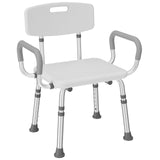
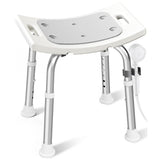
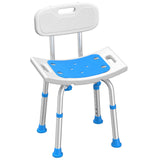
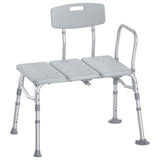


“ADA compliant” means a product or space meets the accessibility standards set by the Americans with Disabilities Act, a US law designed to make buildings and facilities usable by people with disabilities. In a bathroom, ADA guidelines cover things like grab-bar placement, seat heights, and clear floor space, so the room is safer and easier to use.
In short: ADA compliant means built to the accessibility rules of the Americans with Disabilities Act — a helpful reference point for making a bathroom safer and easier to navigate.
What Does ADA Compliant Mean?
The Americans with Disabilities Act (ADA) is a US civil-rights law that requires many buildings and facilities to be accessible to people with disabilities. The government publishes detailed technical standards under the ADA that spell out how features like grab bars, toilets, and clear floor space should be designed so that people who use wheelchairs, walkers, or other aids can move and function safely.
When something is described as “ADA compliant,” it means it has been built or arranged to meet those standards. In a bathroom, the guidelines address ideas most people can picture: grab bars placed where a person can reach and pull on them, toilet seat heights that make sitting and standing easier, and enough clear space to turn and maneuver. The overall aim is a room that supports independence rather than getting in the way of it.
It helps to know that the ADA is fundamentally about accessibility standards, not a product warranty. A grab bar or raised seat can be designed with ADA guidelines in mind, but true compliance depends on the whole installation — how and where things are mounted, and whether the space around them works together.
Who Is It For and When Is It Used?
ADA standards were written mainly for public and commercial spaces — restaurants, offices, hotels, and other places open to the public. At home, you’re not legally required to follow them, but many families use the ADA as a trusted blueprint when they want to make a bathroom genuinely safer.
The bathroom is one of the most common places for a fall at home, with wet surfaces, hard fixtures, and tight turns. Falls are a serious concern as we age: the CDC reports that about 1 in 4 adults aged 65 and older falls each year, and falls are the leading cause of injury in this age group.1 Looking to ADA-style guidelines — well-placed grab bars, comfortable seat heights, and room to move — is one practical way to reduce that risk.
For the person living in the home, an accessible bathroom means keeping privacy and independence in one of the most personal rooms in the house. For an adult-child caregiver, using recognized accessibility standards as a guide brings confidence that a parent’s bathroom has been thought through, not just patched together.
ADA at Home vs in Public Spaces
It helps to understand where the ADA legally applies versus where it’s simply a useful guide:
| Public / Commercial Spaces | Private Home | |
|---|---|---|
| Is it required? | Often legally required for accessibility | Not legally required |
| How ADA is used | A binding standard to be met | A helpful reference for safer design |
| Typical focus | Broad public access and code compliance | Personal comfort, safety, and independence |
| Flexibility | Must follow the published standards | Adapt the ideas to the person and the room |
The simple takeaway: in a public restroom, ADA compliance is a rule. In your own home, ADA guidelines are a smart starting point you can adapt to the person who lives there.
How to Use ADA Guidelines at Home
A few practical ways to apply the thinking without turning your bathroom into a public facility:
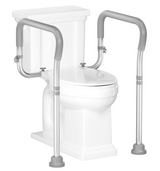
- 1Focus on grab bars first. Secure, well-placed grab bars near the toilet and in the shower give a person something solid to hold — one of the highest-impact accessibility upgrades.
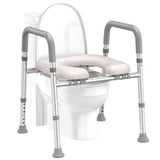
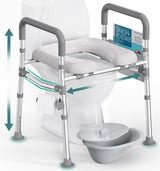
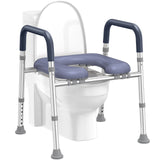
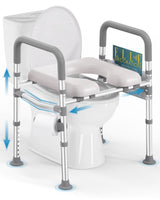
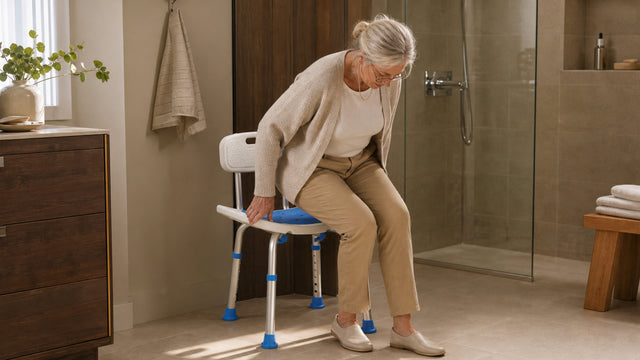
- 2Consider seat height. A raised toilet seat or a taller seating option can make sitting and standing far easier.
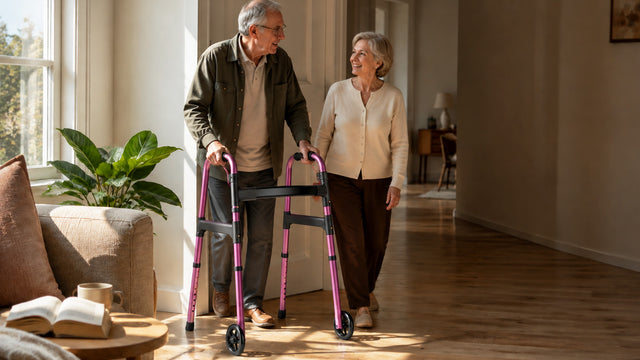
- 3Keep the path clear. Leave enough open floor space to turn comfortably with a walker or wheelchair.
- 4Match the person, not just the code. Use the standards as a guide, then adjust placement and heights to suit the individual and follow any guidance from your care team.
- 5Mind the installation. Grab bars in particular must be anchored into solid backing so they hold when leaned on — proper mounting is what makes them safe.
Frequently Asked Questions
ADA compliant means a product or space meets the accessibility standards of the Americans with Disabilities Act, a US law that requires many facilities to be usable by people with disabilities. In a bathroom, that involves things like grab-bar placement, seat heights, and clear space to move safely.
ADA stands for the Americans with Disabilities Act. It's a US civil-rights law that, among other things, sets technical standards for making buildings and facilities accessible to people with disabilities, including guidance relevant to bathrooms and other spaces.
No. ADA standards apply mainly to public and commercial spaces, not private homes. That said, many families use ADA guidelines as a trusted reference when making a home bathroom safer and easier to use, adapting the ideas to the person who lives there.
An ADA-compliant bathroom follows the act's accessibility standards for features such as grab-bar placement, toilet and seat heights, and clear floor space for turning and maneuvering. In public spaces these are required specifics; at home, the same ideas serve as a helpful guide, and proper installation is key to making them safe.
- Centers for Disease Control and Prevention (CDC) — Facts About Falls. www.cdc.gov/falls/data-research/facts-stats/index.html