





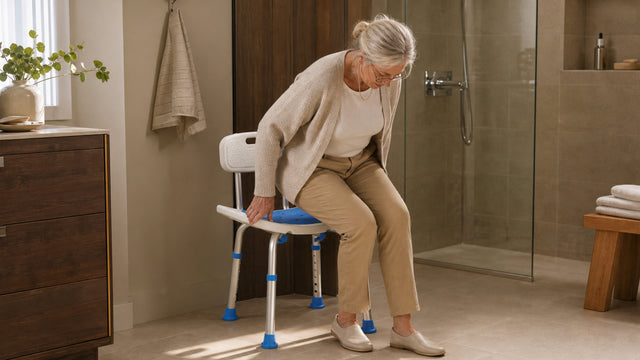



Aging in place means growing older in your own home and community for as long as it is safe and comfortable, rather than moving to an assisted living facility or nursing home. It usually combines small home modifications, everyday support, and mobility or bathroom-safety aids so daily life stays independent and familiar.
In short: staying in your own home as you age — with the right changes and support to keep it safe.
What Is Aging in Place?
Aging in place is the choice to remain at home through the later years of life instead of relocating to a care setting. For most people it is not a single decision made once, but a gradual set of adjustments made as needs change — a grab bar added here, a nightlight there, a rollator kept by the door.
The idea rests on a simple truth: home is where people feel most themselves. Familiar rooms, a favorite chair, neighbors who wave hello — these things support well-being in ways an institution rarely can. Aging in place is about protecting that sense of belonging while keeping the home practical and safe.
It typically blends three things: physical changes to the home (better lighting, grab bars, step-free access), everyday support (family, neighbors, or hired help), and equipment that makes daily tasks easier and steadier. Together they let someone keep doing the things they’ve always done, on their own terms.
Who Is It For and When Is It Used?
Aging in place suits an older adult who values their independence and wants to stay in a home they know, and whose needs can be met safely there with the right planning. It’s just as much about the family around them.
For the person themselves, it means keeping their routines, their privacy, and their say over daily life. For an adult child, it often means the reassurance of knowing a parent is safe at home — able to bathe, move around, and rest without a fall or a scare. The best time to start planning is before a crisis: reviewing the home while everyone is well, rather than scrambling after a fall or a hospital stay.
Common triggers to begin are a new diagnosis, a slow decline in balance or strength, a recent stumble, or simply a milestone birthday that prompts a family to look ahead.
Aging in Place vs Assisted Living: What’s the Difference?
Families often weigh these two paths against each other. The core difference is where care happens:
| Aging in Place | Assisted Living | |
|---|---|---|
| Where you live | Your own home | A residential care community |
| Independence | High — your home, your routine | Structured; shared spaces and schedules |
| Support | Family, hired help, and home aids as needed | On-site staff available around the clock |
| Cost pattern | Pay for changes and services you actually use | A bundled monthly fee |
| Best when | Needs are manageable at home | Needs are high or constant supervision is required |
The simple guide: if daily needs can be met safely at home with some help and the right equipment, aging in place lets a person keep their independence. If care needs grow beyond what home support can safely cover, assisted living may be the kinder choice.
How to Plan for Aging in Place
A few practical steps worth taking early:
- 1Walk the home for hazards. Look for loose rugs, poor lighting, and hard-to-reach steps — the bathroom and stairs deserve the closest look.
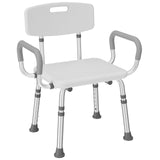
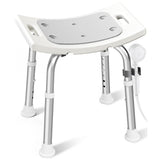
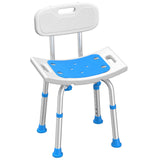
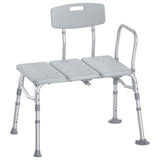
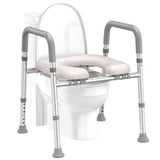
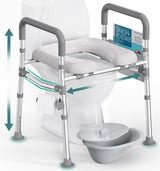
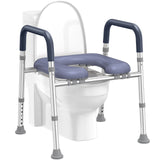
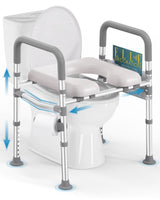
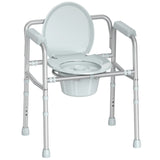
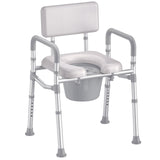
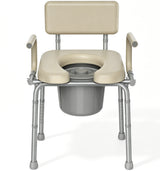
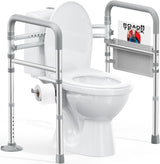
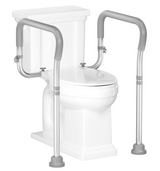
- 2Start with the bathroom. It’s the highest-risk room, so grab bars, a shower chair, and a raised toilet seat often come first.
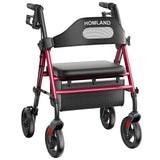
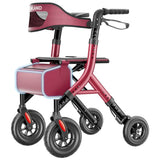
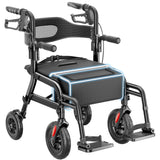
- 3Add support where movement is hardest. A rollator or cane for walking, bed rails for getting up at night.
- 4Line up help before it’s urgent. Know who to call for errands, meals, or a hand on harder days.
- 5Review it as needs change. Aging in place is ongoing — revisit the plan each year or after any health change.
HOMLAND makes home-friendly mobility and bathroom-safety equipment designed for exactly this — tool-free to set up, height-adjustable, and built to help someone stay safe and independent at home.
Frequently Asked Questions
Aging in place means continuing to live in your own home and community as you grow older, instead of moving to an assisted living facility or nursing home. It usually involves modifying the home, arranging support, and adding safety equipment so daily life stays safe and independent.
Aging in place keeps a person in their own home, with support and equipment brought in as needed. Assisted living moves them into a residential community with on-site staff and shared schedules. Aging in place offers more independence; assisted living offers more built-in, around-the-clock care.
Start with the highest-risk areas: improve lighting, remove trip hazards like loose rugs, and add grab bars, a shower chair, and a raised toilet seat in the bathroom. Add mobility aids such as a rollator or cane, and revisit the home as needs change over time.
The best time is before a crisis — ideally while the person is still healthy and mobile. Reviewing the home and lining up support early is far easier than reacting after a fall, an illness, or a hospital stay.