

Ambulation is a medical word for walking or moving about on foot. It refers to a person’s ability to get up and move from place to place, with or without help. In plain English, someone who is able to ambulate can walk — whether on their own, with a cane, or with a walker.
In short: a clinical word that simply means walking — the ability to move around on your feet.
What Is Ambulation?
Ambulation means walking. You will often hear it from nurses, therapists, and doctors, but the everyday meaning is straightforward: it is a person’s ability to move around on foot.
Care teams use the word to describe how mobile someone is. “Independent ambulation” means a person walks without help. “Assisted ambulation” means they walk with a hand, a device, or a helper. “Early ambulation” describes getting a person up and walking soon after surgery or illness, which many care teams encourage to support recovery.
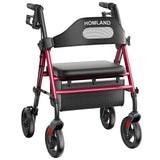
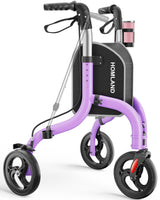
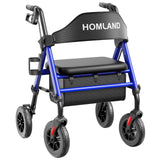
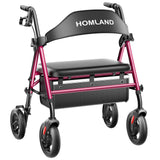
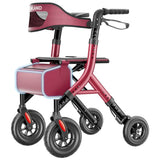
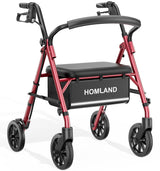
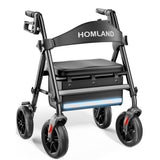
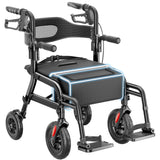
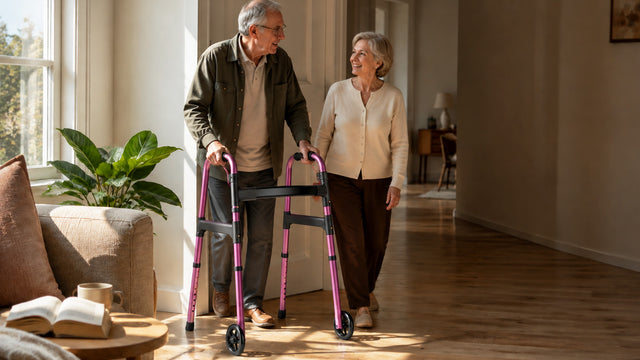
Because the word covers any kind of walking, it also covers the tools that make walking possible. A cane, a walker, and a rollator are all “ambulation aids” — plain-English walking aids that help a person keep moving safely.
Who Is It For and When Is It Used?
You are most likely to come across “ambulation” on a discharge sheet, a care plan, or in conversation with a doctor or therapist. Knowing what it means helps you follow instructions like “encourage ambulation three times a day” without second-guessing.
For the person walking, ambulation is really about staying independent — being able to get to the kitchen, the bathroom, or the front door under their own steam. Keeping that ability, even with a little support, is central to living well at home.
For a caregiver, understanding ambulation helps you judge how much help a loved one needs and when a walking aid might make daily movement safer and less tiring. It also helps you decode the notes you are handed after a hospital stay.
Ambulation vs Mobility: What’s the Difference?
These two words are related but not identical, and the distinction is helpful:
| Ambulation | Mobility | |
|---|---|---|
| Meaning | Walking specifically — moving on foot | The broader ability to move around, by any means |
| Covers | Steps, walking, using walking aids | Walking, plus wheelchairs, scooters, transfers, turning in bed |
| Example | Walking to the bathroom with a walker | Getting around the home however works best |
| Scope | Narrower | Wider |
The simple guide: all ambulation is mobility, but not all mobility is ambulation. A person can be mobile — able to get around — even when they are not walking on their own two feet.
How to Support Safe Ambulation
A few practical, plain-language steps:
- 1Match the aid to the need. A cane suits someone who needs light steadying; a walker or rollator gives a wider, sturdier base for someone less steady on their feet.
- 2Keep the path clear. Remove trip hazards and add good lighting so every trip across the room is safer.
- 3Follow the care team’s pace. If a doctor or therapist has advised how much walking to do, use that as your guide.
- 4Encourage, don’t rush. Steady, confident walking is safer than hurried steps. Let the person set a pace that feels secure.
Frequently Asked Questions
Ambulation is the act of walking or moving about on foot. It describes a person's ability to get up and move from place to place, either on their own or with help from a device or another person. In simple terms, to ambulate means to walk.
Ambulation means walking. It is a medical term for a person's ability to move around on their feet, with or without a walking aid. Care teams use it to describe how independently someone can get from one place to another.
The definition of ambulation is the ability to walk or move about on foot from one place to another. It can be independent, or assisted with a cane, walker, or the help of another person.
Yes, in everyday terms ambulation is simply walking. The word is used in medical and care settings, but it means the same thing — moving around on your feet, whether unaided or with a walking aid.