
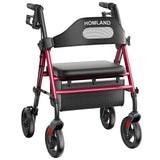
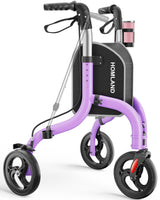
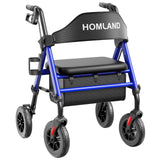
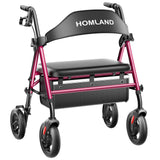
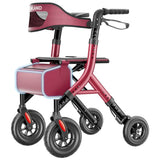
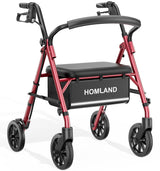
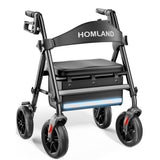
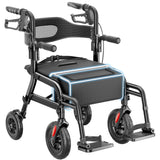
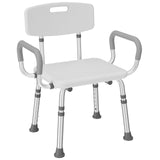
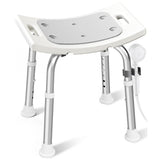
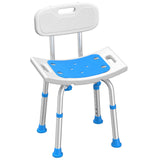
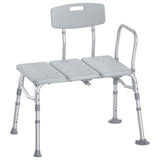
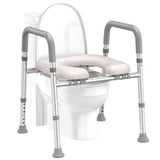
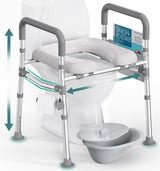
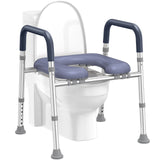
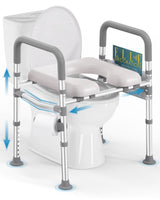
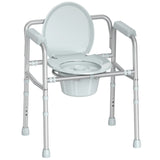
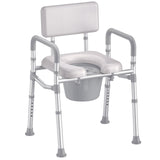
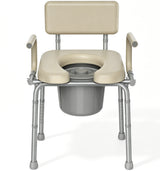
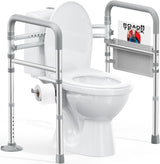
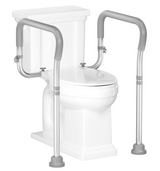
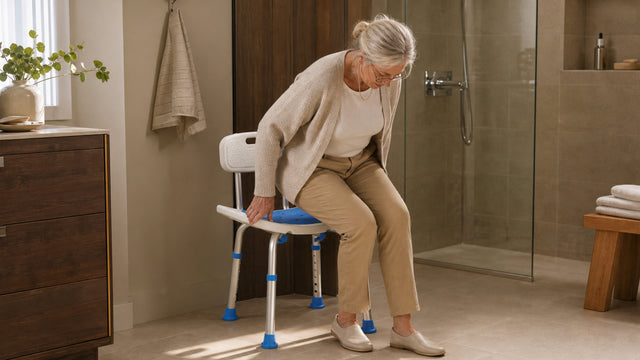
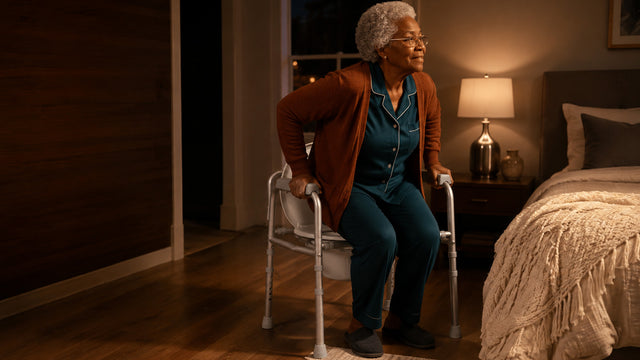

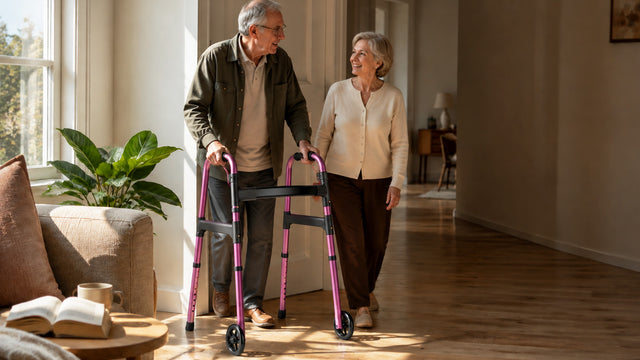
An assistive device is any tool or piece of equipment that helps a person do everyday tasks more safely and independently when age, injury, or a health condition makes them harder. The term is broad — it covers mobility aids like walkers and canes, plus bathroom-safety gear, grab bars, reachers, and more.
In short: any tool that makes daily life safer and more independent — from walkers and grab bars to shower chairs and reachers.
What Is an Assistive Device?
An assistive device is an umbrella term for anything that helps a person carry out daily activities they’d otherwise struggle with. The point isn’t the device itself — it’s what it lets someone keep doing: bathing, walking, cooking, getting dressed, or moving safely around their own home.
Because the term is so broad, it covers a lot of ground. Mobility aids such as canes, walkers, rollators, and wheelchairs are assistive devices. So are bathroom-safety items like shower chairs, transfer benches, grab bars, and raised toilet seats. So are smaller everyday helpers such as reachers, dressing aids, and bed rails. If a tool helps someone do something more safely or independently, it fits under this heading.
That’s why you’ll see “assistive device” used in healthcare, home-safety, and insurance settings — it’s a catch-all that includes, but reaches well beyond, devices for walking.
Who Is It For and When Is It Used?
Assistive devices are for anyone whose daily tasks have become harder — seniors, people recovering from surgery, and those living with a condition that affects strength, balance, or reach. The right device meets the person exactly where they need help.
In real life, the need shows up task by task. Someone might manage the stairs fine but find the bathtub frightening, so a transfer bench is the answer. Another person walks well indoors but tires on longer trips, so a rollator helps. A device is often chosen not for a diagnosis but for a specific moment in the day that’s become risky or exhausting.
For a caregiver, thinking in terms of assistive devices is freeing. Instead of one big solution, you match small, targeted tools to the exact points where a loved one struggles — preserving their independence and dignity while quietly making the home safer.
Assistive Device vs Mobility Aid: What’s the Difference?
These terms overlap, which causes confusion. Here’s the distinction:
| Assistive Device | Mobility Aid | |
|---|---|---|
| Scope | Broad — any tool for daily tasks | Narrower — devices for moving and walking |
| Examples | Walkers, grab bars, shower chairs, reachers, bed rails | Canes, walkers, rollators, knee scooters, wheelchairs |
| Focus | Overall safety and independence | Getting around safely |
| Relationship | Includes mobility aids | A type of assistive device |
The simple guide: every mobility aid is an assistive device, but not every assistive device is a mobility aid. “Assistive device” is the wider circle; “mobility aid” sits inside it, focused specifically on moving and walking. A shower chair, for instance, is an assistive device but not a mobility aid.
How to Choose an Assistive Device
A few things worth checking before you buy:
- 1Start with the task. Identify the exact activity that’s become hard — bathing, walking, standing up, reaching — and choose the device that solves that moment.
- 2Fit the person. Look for adjustable heights and the right level of support so the device suits their body and abilities.
- 3Sturdiness. For heavier users, choose a reinforced, heavy-duty or bariatric model built for extra support.
- 4Ease of use. Tool-free assembly and simple controls mean the device helps from day one.
- 5Plan for change. Needs shift over time, so choose adjustable, adaptable equipment where you can.
HOMLAND makes a range of assistive devices — from rollators and walkers to shower chairs, transfer benches, and bed rails — engineered for tool-free assembly and adjustable heights. They’re FSA/HSA eligible, backed by a US local warehouse for fast delivery and a manufacturer warranty, so building a safer home is straightforward and low-risk.
Frequently Asked Questions
An assistive device is any tool or piece of equipment that helps a person do everyday tasks more safely and independently when age, injury, or a health condition makes them harder. It's a broad term covering mobility aids, bathroom-safety gear, grab bars, reachers, and many other everyday helpers.
It means a device that assists a person with daily living — helping them walk, bathe, dress, reach, or move around safely. The focus is on keeping someone independent, so an assistive device is defined by what it enables rather than by any single type of equipment.
An assistive device is generally defined as any product, tool, or equipment used to maintain or improve a person's ability to perform daily activities safely and independently. Examples range from walkers and wheelchairs to shower chairs, grab bars, raised toilet seats, and reachers.
Not exactly. A mobility aid is one kind of assistive device, focused specifically on walking and getting around, such as a cane, walker, or wheelchair. "Assistive device" is broader and also includes bathroom-safety items, grab bars, and other tools that aren't about mobility at all.