
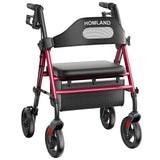
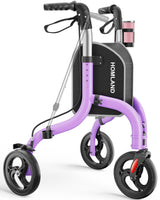
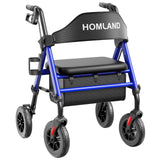
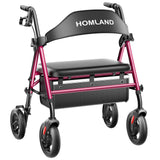
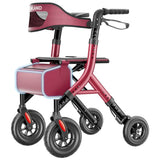
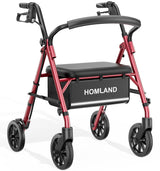
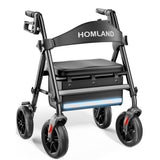
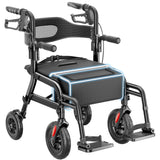
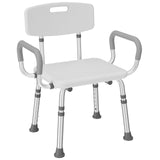
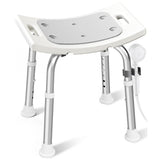
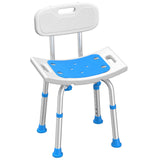
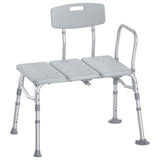
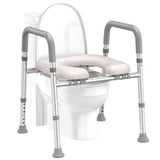
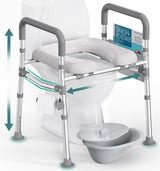
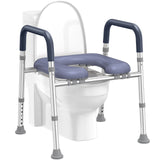
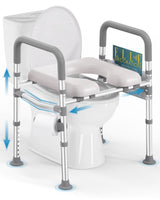
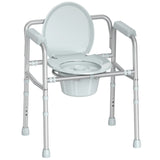
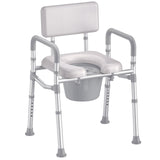
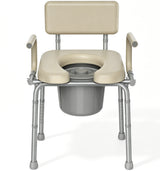
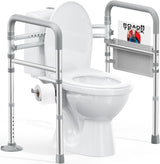
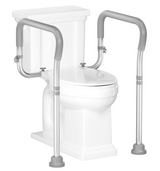
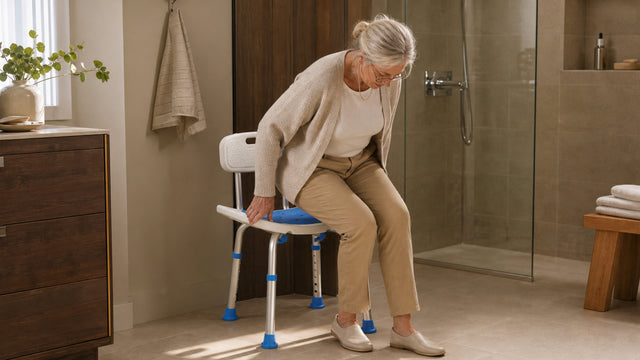


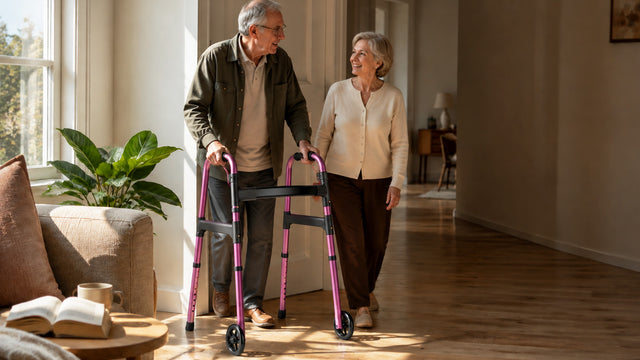
In home-care equipment, “bariatric” means designed for larger or heavier people. A bariatric product — such as a walker, shower chair, or commode — is built wider and sturdier than a standard model, with a reinforced, heavy-duty frame and a broader seat or base, so a bigger person can use it comfortably and with confidence.
In short: “bariatric” is the label for wider, heavy-duty versions of everyday mobility and bathroom-safety equipment, made to support larger users.
What Does Bariatric Mean?
The word “bariatric” comes from the field of medicine that deals with body weight, but in the world of home-care equipment it has a simpler, practical meaning: bigger and sturdier. When a walker, shower chair, or commode is described as bariatric, it has been engineered for people who need more room and more support than a standard model provides.
That usually shows up in three ways. The frame is reinforced and heavy-duty, so it feels solid and stable. The seat or standing area is wider, so there’s room to sit or stand comfortably. And the whole design is built to handle extra load without flexing or wobbling. The goal is the same as any HOMLAND product — steady, dignified support — just sized for a larger person.
Bariatric is a category, not a single item. You’ll find bariatric options across many types of equipment, which means someone who needs a wider, stronger design doesn’t have to give up features like a padded seat, adjustable height, or a foldable frame.
Who Is It For and When Is It Used?
Bariatric equipment is a good fit for someone who:
- Finds standard-sized walkers, chairs, or commodes too narrow to sit or stand in comfortably.
- Wants the reassurance of a heavy-duty frame that feels solid under their full weight.
- Is recovering, aging in place, or living with limited mobility and needs support built to their proportions.
For the person using it, the right size makes all the difference between equipment that feels secure and equipment that feels like an afterthought. A wider seat and a reinforced frame let someone lean in, sit down, and stand up without second-guessing whether the aid will hold.
For a caregiver — often an adult child shopping for a parent — choosing a bariatric model is about peace of mind. It means the walker or shower chair is genuinely matched to the person it’s for, so a loved one can stay independent at home without feeling cramped or unsteady.
Bariatric vs Standard Equipment: What’s the Difference?
People often ask how a bariatric model differs from a regular one. The short version:
| Bariatric Equipment | Standard Equipment | |
|---|---|---|
| Frame | Reinforced, heavy-duty construction | Everyday-duty construction |
| Width | Wider seats, bases, and frames | Standard width |
| Built for | Larger users who need extra room and support | Average-size users |
| Feel | Solid and stable under a larger person | Steady for typical use |
The simple guide: if a standard model feels narrow, tippy, or not quite strong enough, a bariatric version is designed to solve exactly that. If a standard size is roomy and steady, there’s usually no need to size up.
How to Choose Bariatric Equipment
A few things worth checking before you buy:
- 1Match the person, not just the label. Look for a wider seat or base that gives real room to sit and stand comfortably.
- 2Look for a reinforced frame. Heavy-duty, bariatric construction is what provides the extra stability — think category, not a single spec.
- 3Keep the everyday features. Adjustable heights, padded seats, and foldable frames matter just as much in a bariatric model.
- 4Think about the whole home. A wider frame needs room to turn in hallways and bathrooms, so measure your doorways and floor space.
HOMLAND offers bariatric options across its walker, shower, and commode ranges, so a larger user can find a wider, heavy-duty design without giving up the home-friendly comfort of a standard model.
Frequently Asked Questions
A bariatric product is a wider, sturdier version of a piece of equipment, designed for larger or heavier people. In home care, that means walkers, shower chairs, and commodes built with reinforced, heavy-duty frames and broader seats so a bigger person can use them comfortably and safely.
"Bariatric" means designed for larger body sizes. When equipment is described as bariatric, it has been engineered wider and stronger than a standard model — with a heavy-duty frame and a broader seat or base — so it provides steady, comfortable support for a bigger person.
Bariatric equipment is wider and built with a reinforced, heavy-duty frame, while standard equipment is sized and built for average use. If a standard walker or chair feels narrow or not quite sturdy enough for the user, a bariatric version is designed to give more room and more support.
Yes. HOMLAND offers bariatric options across several ranges, including walkers, shower chairs, and commodes. These wider, heavy-duty designs keep the same home-friendly features — adjustable heights, padded seats, and easy assembly — while giving larger users the extra room and stability they need.