
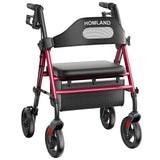
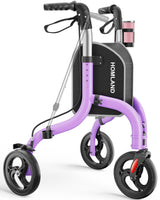
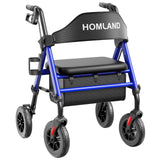
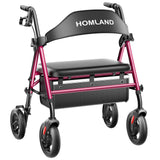
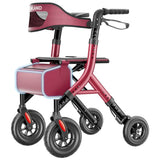
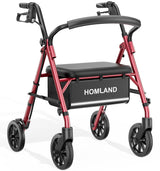
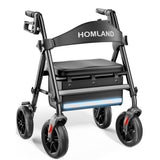
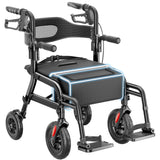
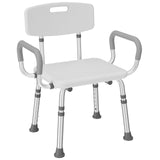
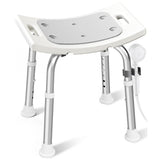
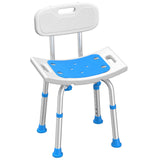
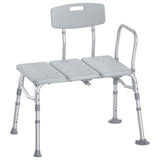



A bariatric walker is a heavy-duty walking aid built with a wider, reinforced frame to comfortably support larger and heavier users. It offers the same steady, everyday support as a regular walker or rollator, but with sturdier construction and a roomier stance, so bigger users can lean in with full confidence.
In short: an extra-strong, wider walking aid made so larger users get steady, dignified support they can trust.
What Is a Bariatric Walker?
A bariatric walker is a walking aid engineered for heavier and larger-bodied users. “Bariatric” simply means it is built for higher body weight — the frame is reinforced, the tubing is stronger, and the seat or standing area is wider and roomier than on a standard model. The goal is straightforward: sturdy, comfortable, trustworthy support without a cramped fit.
Bariatric versions exist across the walking-aid family. There are bariatric standard walkers that are lifted a step at a time, and bariatric rollators with four wheels, hand brakes, and a wider reinforced seat for resting. Whatever the style, the defining feature is heavy-duty construction and a wider stance rather than any single specification.
Because the frame is reinforced, a bariatric walker tends to be a bit heavier and wider than a regular model. That extra substance is exactly the point — it gives larger users a solid, dependable base and the room to move comfortably.
Who Is It For and When Is It Used?
A bariatric walker is a good fit for someone who:
- Is a larger or heavier adult and wants a walking aid that feels solid, roomy, and dependable rather than flimsy.
- Needs steady everyday support at home and out in the neighborhood, with a wider seat or standing area for comfort.
- Has found that a standard-size walker feels narrow, wobbly, or not quite strong enough for their build.
Choosing gear that fits the person is about dignity as much as safety. A bariatric walker lets a larger adult stay active and self-reliant without worrying whether the frame is up to the job. For a caregiver, it offers real peace of mind: a loved one has support that is genuinely built for them, so leaning in and standing up feel secure every time.
How to Choose a Bariatric Walker
A few things worth checking before you buy:
- 1Heavy-duty, reinforced build. Look for a model clearly designed as bariatric or heavy-duty, with a reinforced frame and a wider stance — not a standard walker stretched to its limit.
- 2Width and comfort. Make sure the seat or standing space is genuinely roomy, so the user is not squeezed. A wider, padded seat matters on a rolling model.
- 3Height fit. The grips should reach the user’s wrists when they stand with arms relaxed. Look for adjustable-height handles.
- 4Standard vs rolling. Choose a lift-and-step bariatric walker for the firmest support, or a bariatric rollator with brakes and a seat for easier movement and the freedom to rest.
- 5Wheels and stability. On rolling models, larger wheels and a wide, steady base make outdoor and threshold travel easier.
- 6Confirm the fit. Check that the specific model is rated for the user’s needs, and lean on category strength — heavy-duty and reinforced — rather than a single number.
HOMLAND rolling walkers and standard walkers include heavy-duty, reinforced options, and are engineered for tool-free assembly and adjustable heights. They are FSA/HSA eligible, backed by a US local warehouse for fast delivery and a manufacturer warranty — so choosing one is low-risk.
Frequently Asked Questions
A bariatric walker is a heavy-duty walking aid built with a wider, reinforced frame to comfortably support larger and heavier users. It gives the same steady support as a regular walker or rollator, but with sturdier construction and a roomier stance, so bigger users can lean in with confidence.
A bariatric walker has a reinforced, heavy-duty frame and a wider, roomier stance built for larger and heavier users, while a regular walker is sized for average builds. Bariatric models feel more solid and offer more room, which matters for comfort and secure, dignified support.
A bariatric walker is worth considering if a standard-size walker feels narrow, cramped, or not quite sturdy enough for your build. Look for a heavy-duty, reinforced model with a roomy seat or standing area, and confirm the specific walker is suited to your needs and your care team's guidance.
Many do. Bariatric rollators have four wheels, hand brakes, and a wider reinforced seat for resting, while bariatric standard walkers are lifted a step at a time and typically have no seat. Choose based on whether the user wants to sit and rest or needs the firmest possible support.