
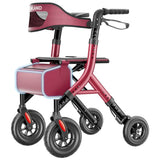
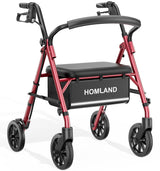
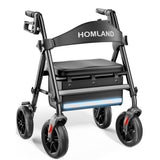
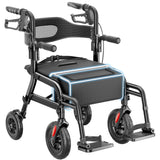
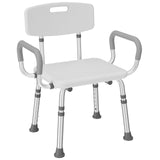
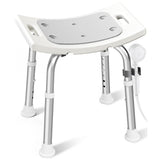
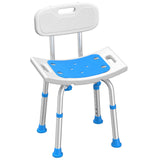
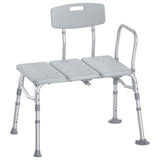
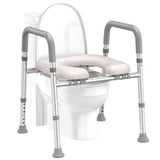
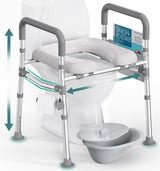
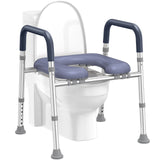
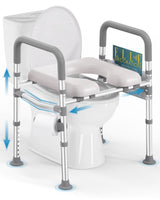
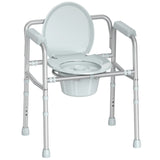
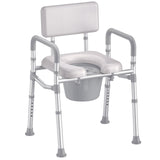
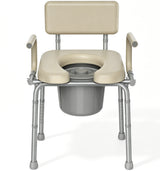
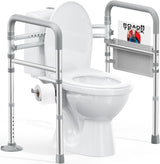
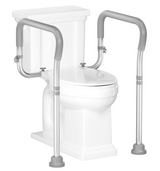
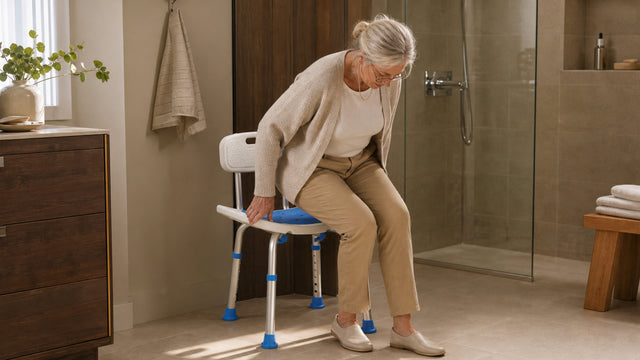



A bedside commode is a portable chair with a built-in toilet seat and a removable bucket underneath, so a person can use the toilet without walking all the way to the bathroom. Placed next to the bed or a chair, it brings the toilet within a few steps — a real help for anyone who struggles to reach the bathroom in time, especially at night.
In short: a movable toilet-chair you keep by the bed, so the bathroom is only a step or two away.
What Is a Bedside Commode?
A bedside commode is a sturdy chair fitted with a toilet seat and lid, and a removable container (often called a bucket or pail) that sits beneath it. It needs no plumbing, so it can be placed anywhere in the home — most often right beside the bed. After use, the bucket lifts out to be emptied and cleaned.
The purpose is simple but important: for someone who can’t easily or quickly get to the bathroom, walking that distance — especially half-asleep at night — is both exhausting and risky. A commode brings the toilet to them, cutting the trip down to a few safe steps. Most models have armrests to push up from, a backrest for support, and adjustable-height legs so the seat sits at a comfortable level.
Because it can also sit over a regular toilet or serve as a raised seat on many models, a bedside commode is one of the most flexible pieces of bathroom-safety equipment. It’s closely related to a commode chair and a raised toilet seat, and the words “commode” and “commode chair” are often used to mean the same thing.
Who Is It For and When Is It Used?
A bedside commode is a good fit for someone who:
- Can’t reach the bathroom quickly or safely, particularly during the night.
- Is recovering from surgery, illness, or an injury that limits how far they can walk.
- Feels unsteady making the trip down a hallway to the toilet.
The bathroom trip at night is a well-known fall risk — dim light, a groggy start, and a distance to cover on tired legs. Falls are a serious concern as we age: the CDC reports that about 1 in 4 adults aged 65 and older falls each year, and falls are the leading cause of injury in this age group.1 Keeping a commode beside the bed removes most of that late-night journey, which is exactly why families reach for one during recovery or as walking gets harder.
For a caregiver, a bedside commode can mean fewer anxious nights and less heavy assistance, while letting a loved one keep their dignity and manage as much as they can on their own.
Bedside Commode vs Raised Toilet Seat: What’s the Difference?
People often weigh these two against each other. The difference is whether the toilet moves to the person or stays put:
| Bedside Commode | Raised Toilet Seat | |
|---|---|---|
| What it is | A standalone toilet-chair with a bucket | An add-on that raises the existing toilet |
| Placement | Portable; goes beside the bed or anywhere | Fixed onto the bathroom toilet |
| Plumbing | None needed; uses a removable bucket | Uses the existing toilet |
| Best for | When getting to the bathroom is hard or slow | When the bathroom is reachable but the toilet is too low |
The simple guide: if the person can get to the bathroom but finds the toilet too low, a raised toilet seat is the simpler fix. If reaching the bathroom in time is the real challenge — especially overnight — a bedside commode placed near the bed is the better choice. Some homes use both, in different rooms.
How to Choose and Use a Bedside Commode
A few things worth checking before you buy:
- 1Armrests and back. Look for firm armrests to push up from and a backrest for support and comfort.
- 2Adjustable height. Legs that adjust let you set the seat where the user’s feet rest flat and standing is easy.
- 3Easy-to-clean bucket. A bucket with a handle and lid makes emptying and cleaning simpler and more hygienic.
- 4Stability. Non-slip feet and a solid frame keep the commode steady during transfers.
- 5Sturdiness. For heavier users, choose a reinforced, heavy-duty or bariatric model built for extra support rather than focusing on a single figure.
To use it safely, place the commode close to the bed on a level floor, lock any wheels if the model has them, and check it’s steady before sitting. Use the armrests to lower down and to push up, and keep the path between bed and commode clear and well lit.
HOMLAND bedside commodes are engineered for tool-free assembly and adjustable heights, and are FSA/HSA eligible, backed by a US local warehouse for fast delivery and a manufacturer warranty.
Frequently Asked Questions
A bedside commode is used to give a person a toilet within easy reach when getting to the bathroom is hard or slow. Placed beside the bed, it lets them use the toilet in just a few steps — a real help during recovery or at night — with a removable bucket that's emptied afterward.
A bedside commode is a portable chair with a built-in toilet seat and a removable bucket underneath, meant to be kept next to the bed. "Commode" is simply an older word for toilet, so a bedside commode is a movable toilet-chair that needs no plumbing.
A bedside commode is defined as a freestanding, portable toilet-chair with a seat, lid, and a removable waste container, designed to be placed near a bed or chair. It allows a person to use the toilet without walking to the bathroom, making toileting safer and more accessible.
A bedside commode is a standalone toilet-chair with its own bucket that can be placed anywhere, such as by the bed. A raised toilet seat is an add-on that makes the existing bathroom toilet taller. Commodes bring a toilet closer; raised seats make the current toilet easier to use.
- Centers for Disease Control and Prevention (CDC) — Facts About Falls. www.cdc.gov/falls/data-research/facts-stats/index.html