
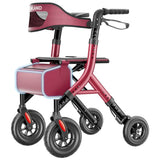
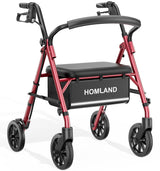
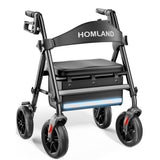
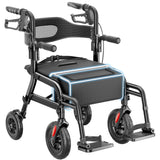
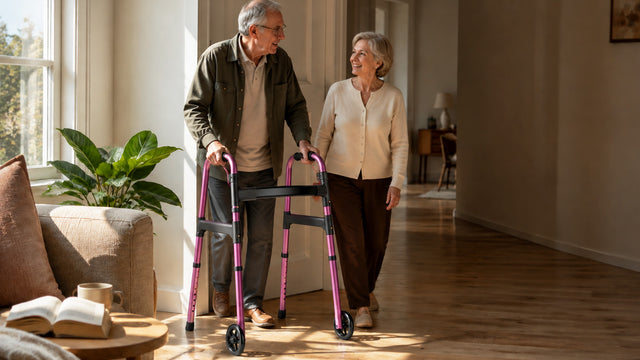
Fall prevention is the set of steps taken to lower the risk of falling, especially for older adults at home. It combines making the home safer — better lighting, grab bars, clear walkways — with staying steady through exercise, sensible footwear, medication reviews, and the right mobility aids.
In short: a practical, everyday plan to stop falls before they happen — safer rooms, steadier footing, and the right support.
What Is Fall Prevention?
Fall prevention is a proactive approach to keeping people on their feet and out of harm’s way. It isn’t a single product or a one-time fix — it’s a combination of small, sensible changes that together make a home and a daily routine much safer.
Falls are a serious and common problem in later life. The CDC reports that about 1 in 4 adults aged 65 and older falls each year, and falls are the leading cause of injury in this age group.1 The encouraging part is that many falls are preventable, and the most effective prevention layers several protections rather than relying on any one of them.
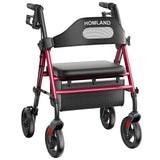
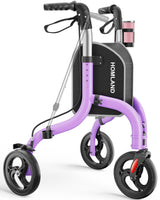
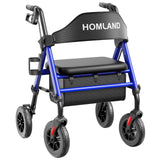
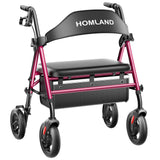
Those layers usually fall into two groups: changes to the environment (lighting, grab bars, removing trip hazards) and changes to the person’s own steadiness (strength and balance exercises, good footwear, reviewing medications that cause dizziness, and using a cane, walker, or rollator when needed).
Who Is It For and When Is It Used?
Fall prevention matters most for older adults, people recovering from surgery or illness, and anyone who feels unsteady on their feet or has already had a fall or a near-miss. It’s used every day, quietly, in the background of a safe home.
For the person themselves, good fall prevention means moving through the house with confidence — getting up at night, stepping into the shower, reaching a cupboard — without the constant worry of losing balance. For an adult child, it’s often the first thing they think about after a parent stumbles: how do we make sure it doesn’t happen again? A past fall is one of the strongest signals that it’s time to act, but the ideal moment to start is before the first one.
How to Prevent Falls at Home: A Room-by-Room Checklist
Fall prevention works best as a checklist you can actually work through. A practical starting point:
- 1Lighting. Add bright, easy-to-reach lights and nightlights on the path from bed to bathroom.
- 2Floors and walkways. Remove or tape down loose rugs, clear clutter and cords, and keep hallways open.
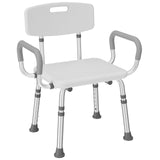
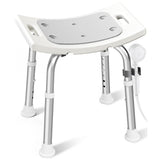
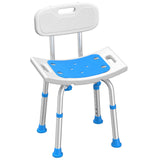
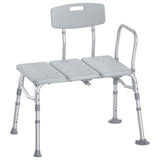
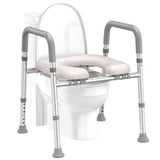
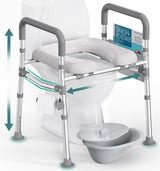
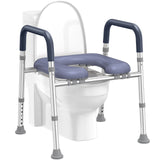
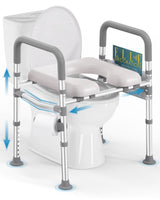
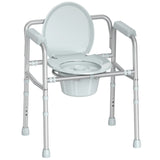
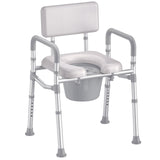
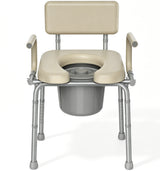
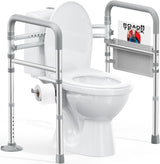
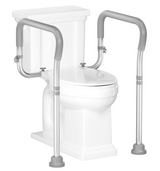
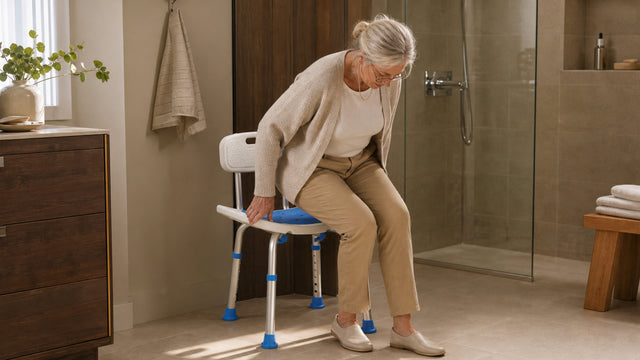
- 3The bathroom. The highest-risk room — install grab bars by the toilet and in the shower, add a shower chair, and consider a toilet safety rail and non-slip mats.
- 4Stairs. Fit secure handrails on both sides and mark step edges clearly.
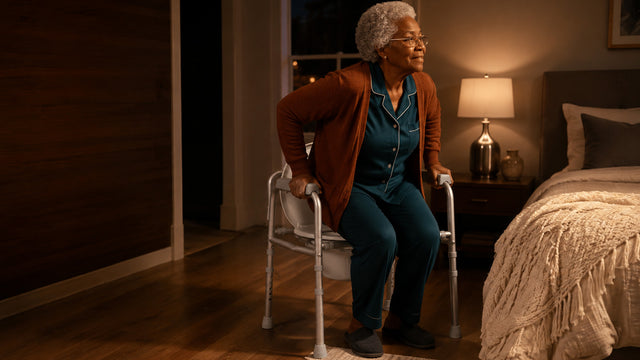
- 5Getting up. Use bed rails for support at night and a raised toilet seat to reduce strain.
- 6Footwear. Choose supportive, non-slip shoes; avoid loose slippers and walking in socks.
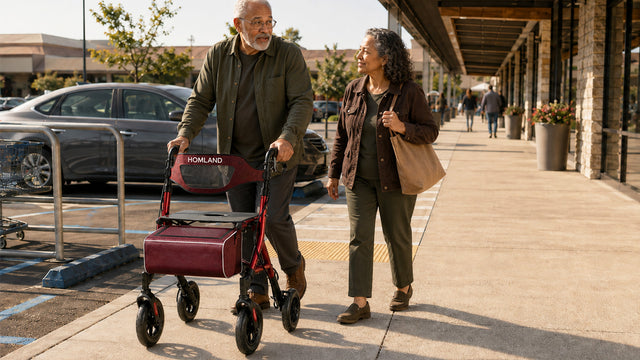
- 7Steadiness. Keep a cane, walker, or rollator handy where it’s needed, and stay active with gentle balance and strength exercise.
- 8Medications. Ask a pharmacist or doctor to review anything that causes dizziness or drowsiness.
A grab bar or a shower chair is small next to the cost of a fall — the Toilet Safety Rail Collection and the wider HOMLAND range are built for tool-free setup and adjustable heights, and are FSA/HSA eligible, so adding a layer of safety is quick and low-risk.
Frequently Asked Questions
Fall prevention is the practice of reducing the risk of falling through safer surroundings and steadier movement. It includes home changes like better lighting, grab bars, and clear walkways, plus staying steady with exercise, good footwear, medication reviews, and mobility aids such as canes or walkers.
There isn't one single step — the most effective fall prevention layers several protections together. That said, the bathroom is the highest-risk room, so grab bars, a shower chair, and non-slip surfaces there often deliver the biggest safety gain for the effort.
Work through the home room by room: improve lighting, remove loose rugs and clutter, add grab bars and a shower chair in the bathroom, fit handrails on stairs, choose non-slip footwear, keep a walker or cane handy, and ask a doctor to review medications that cause dizziness.
Balance, strength, vision, and reaction time all tend to decline with age, and some medications add dizziness. The CDC reports that about 1 in 4 adults aged 65 and older falls each year, making falls the leading cause of injury in this group — but many of those falls are preventable.
- Centers for Disease Control and Prevention (CDC) — Facts About Falls. www.cdc.gov/falls/data-research/facts-stats/index.html