
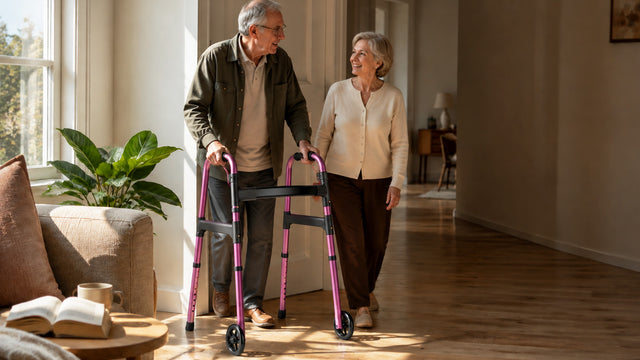
A fall risk assessment is a simple review that looks at how likely a person is to fall, so steps can be taken to prevent it. It considers things like balance, walking, medications, eyesight, and home hazards. The goal is to spot risks early and make daily life safer.
In short: a check of the things that make a fall more likely — balance, walking, vision, medications, and the home — so risks can be reduced.
What Is a Fall Risk Assessment?
A fall risk assessment is a way of stepping back and asking, “What here could lead to a fall, and what can we do about it?” It can be done by a doctor or nurse, and families can also think through many of the same questions at home.
The assessment usually looks at a mix of personal and environmental factors: how steady a person is on their feet, whether they’ve fallen before, the medications they take, their eyesight, their strength and balance, and the safety of the home itself. Together these paint a picture of where the real risks lie.
The point is not to alarm anyone — it’s to turn a vague worry into a clear, manageable list. Once you know that a slippery bathroom or an unsteady walk is the main concern, you can do something specific about it.
Who Is It For and When Is It Used?
Fall risk assessments are especially relevant for older adults, since falls become more common with age. The CDC reports that about 1 in 4 adults aged 65 and older falls each year, and falls are the leading cause of injury in this age group.1 That’s why a proactive look at fall risk is so worthwhile.
For the person, an assessment is a positive step, not a judgment. It’s about staying independent and confident — keeping the freedom to move around the home and neighborhood while quietly removing the hazards that could cut that freedom short.
For a caregiver, a fall risk assessment gives peace of mind and a plan. Instead of worrying in general, you can point to the specific changes — better lighting, a clear path, a grab bar, a walking aid — that make a real difference for a loved one.
What a Fall Risk Assessment Looks At
The common areas an assessment reviews, in plain language:
- 1Walking and balance. How steady is the person on their feet, and do they feel unsure or hold onto furniture? An unsteady gait is a key risk.
- 2History of falls. A past fall, or a near-miss, is one of the strongest signs to take action.
- 3Medications. Some medicines can cause dizziness or drowsiness; it’s worth reviewing them with a doctor or pharmacist.
- 4Eyesight. Poor or outdated vision makes hazards harder to see and avoid.
- 5The home. Loose rugs, clutter, poor lighting, missing grab bars, and hard-to-reach items all raise the risk of a fall, especially in the bathroom and on stairs.
How to Act on a Fall Risk Assessment
Once the risks are clear, a few plain-language steps help:
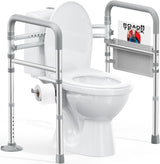
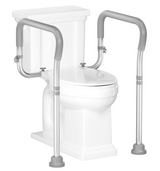
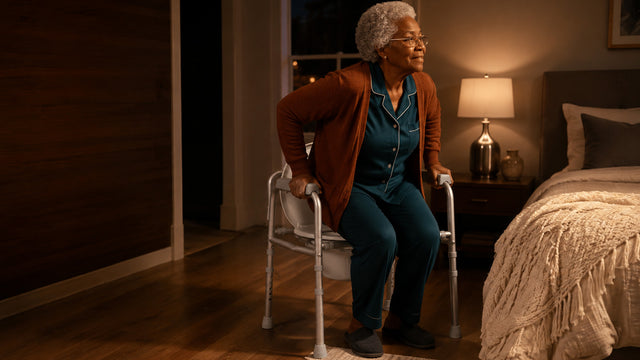
- 1Fix the home hazards. Remove loose rugs and clutter, improve lighting, and add grab bars where balance is tested — around the toilet, tub, and shower.
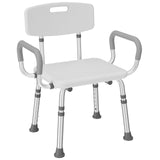
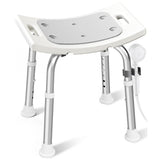
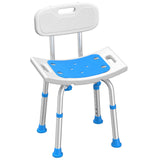
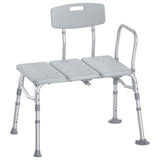
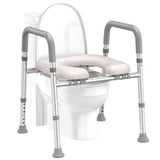
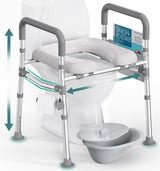
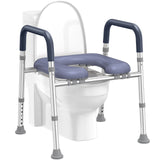
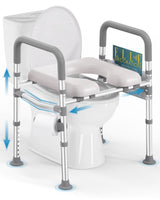
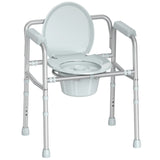
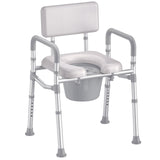
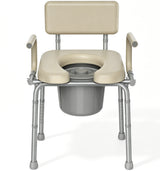
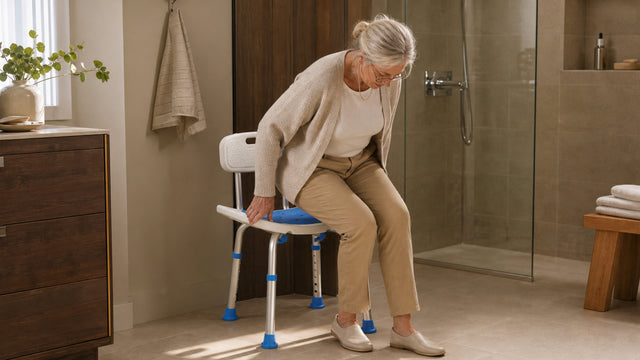
- 2Make the bathroom safer. Wet surfaces make the bathroom a high-risk spot; a shower chair, transfer bench, or raised toilet seat can steady the riskiest moments.
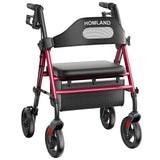
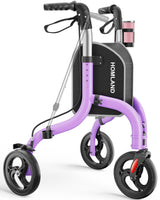
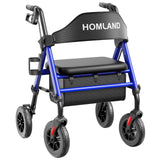
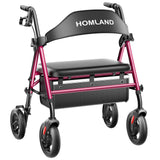
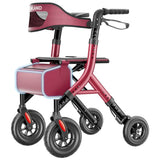
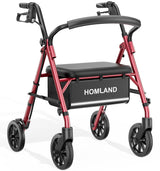
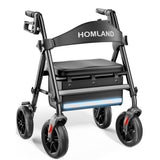
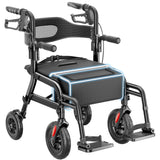
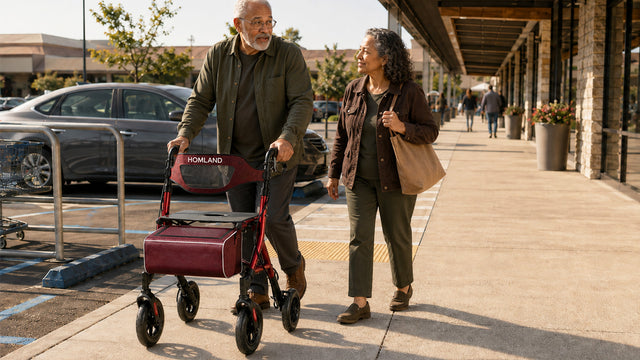
- 3Support unsteady walking. A cane, walker, or rollator gives a more stable base for someone whose balance has changed.
- 4Keep up the plan. Follow any guidance from a care team, review medications and eyesight regularly, and revisit the assessment as needs change.
Frequently Asked Questions
A fall risk assessment is a review of how likely a person is to fall, looking at factors like balance, walking, medications, eyesight, and home hazards. Its goal is to spot risks early so specific steps — from clearing clutter to adding grab bars — can be taken to make daily life safer.
Fall risk assessments are especially useful for older adults, who fall more often, and for anyone who has fallen before, feels unsteady, or takes medications that can cause dizziness. The CDC notes that about 1 in 4 adults aged 65 and older falls each year, so a proactive check is worthwhile for many families.
It typically checks walking and balance, any history of falls, medications that might cause dizziness, eyesight, strength, and the safety of the home — including lighting, loose rugs, clutter, stairs, and the bathroom. Together these show where the biggest risks are and what to address first.
Start with the home: remove loose rugs and clutter, improve lighting, and add grab bars in the bathroom. Make wet, slippery areas safer with a shower chair, transfer bench, or raised toilet seat, and support unsteady walking with a cane, walker, or rollator. Follow any advice from a care team as well.
- Centers for Disease Control and Prevention (CDC) — Facts About Falls. www.cdc.gov/falls/data-research/facts-stats/index.html