

Gait is the pattern of how a person walks — the way the legs, feet, and body move together from one step to the next. It includes speed, stride length, rhythm, and balance. A steady, even gait helps a person stay upright, while changes in gait can be an early sign of a higher fall risk.
In short: the word for how someone walks — their personal walking pattern, from pace to stride to balance.
What Is Gait?
Gait simply means a person’s manner of walking. Every step is a cycle: one foot lifts and swings forward while the other stays planted, then they swap. When that cycle is smooth and even, we call it a steady gait.
People describe gait in everyday terms — how fast someone walks, how long their steps are, how wide they place their feet, and whether they favor one side. A change in any of these can be worth noticing.
Gait naturally shifts over a lifetime and can change after an injury, surgery, or illness. A slower, shorter, or more uneven walk is common as balance and strength change with age, which is one reason families keep an eye on how a loved one moves around the house.
Who Is It For and When Is It Used?
“Gait” is a word you may hear from a doctor, nurse, or therapist, but it matters to families too. Understanding it helps you notice when a parent or loved one’s walking has changed — shuffling, holding onto furniture, or seeming less sure on their feet.
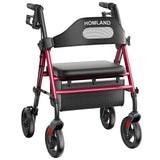
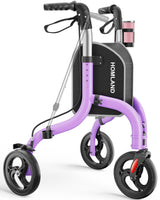
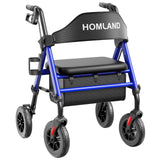
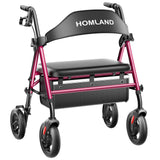
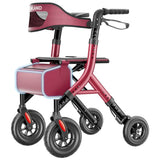
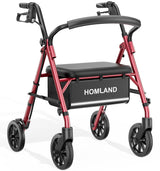
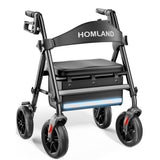
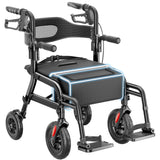
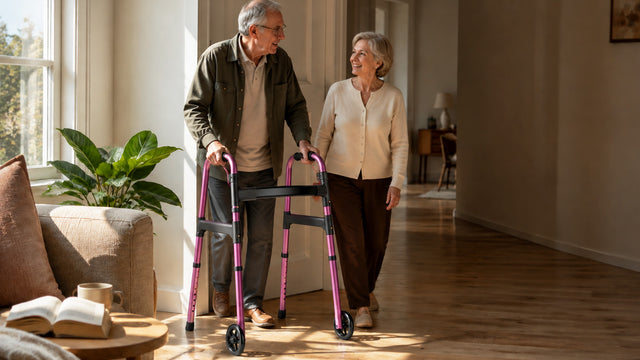
For the person walking, a change in gait is not a loss of independence — it is simply information. Many people keep moving confidently by adding support that fits how they walk: a cane for a little extra balance, a walker for a steadier base, or a rollator with a seat for longer trips.
For a caregiver, paying attention to gait is one of the gentlest ways to help. A subtle change is often the first hint that a small adjustment at home — better lighting, a clear walking path, or a walking aid — could keep everyday moving safer.
How to Support a Changing Gait
If someone’s walking has changed, a few plain-English steps can help:
- 1Notice the pattern. Is the person walking slower, taking shorter steps, leaning to one side, or reaching for walls and furniture? These details are worth mentioning to their care team.
- 2Clear the path. Loose rugs, cords, and clutter make any gait riskier. A clear, well-lit walkway helps every step land safely.
- 3Match support to the walk. A cane suits someone who needs a little steadying; a walker or rollator gives a wider, more stable base for an unsteady gait.
- 4Keep moving. Staying active, within a care team’s guidance, helps maintain the strength and balance that keep a gait steady.
Choosing a walking aid is less about the diagnosis and more about the daily reality — where the person walks, how far, and how much support feels reassuring.
Frequently Asked Questions
Gait is a person's walking pattern — the way their legs, feet, and body move together with each step. It covers things like speed, stride length, balance, and rhythm. A steady gait helps a person stay upright and confident on their feet.
Gait means how someone walks. It is a simple word for a person's manner of moving on foot, including how fast they go, how long their steps are, and how balanced they feel. People often talk about gait when a person's walking has changed.
The definition of gait is the pattern or style of walking — the coordinated movement of the legs and body that carries a person forward one step at a time. It includes stride, pace, rhythm, and balance.
Yes. When a person's gait becomes unsteady, a cane, walker, or rollator can provide a more stable base and extra confidence with each step. The right aid depends on how much support the person needs and where they walk most.